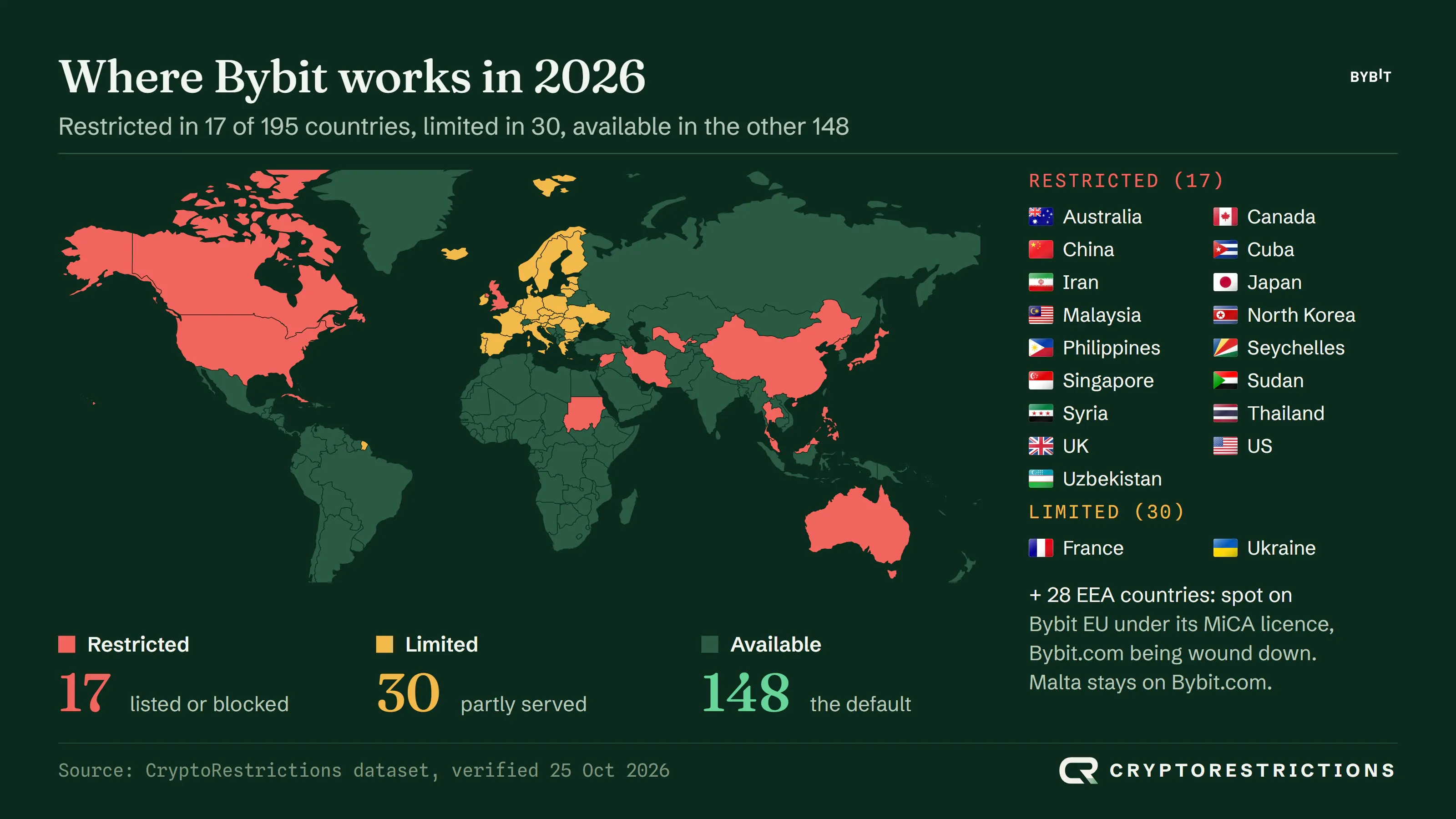
Where is Bybit restricted?
Bybit is restricted in 17 of the 195 countries we cover:  Australia,
 Canada,
 China,
 Cuba,
 Iran,
 Japan,
 Malaysia,
 North Korea, the
 Philippines,
 Seychelles,
 Singapore,
 Sudan,
 Syria,
 Thailand, the
 United Kingdom, the
 United States and
 Uzbekistan.
We started from Bybit’s own documents. Section 11.3 of its platform terms, effective 16 October 2026, excludes Australia, the United States, mainland China, Hong Kong, Singapore, Canada, France, North Korea, Cuba, Iran, Uzbekistan, Sudan and Syria, along with Crimea and the occupied parts of four Ukrainian regions, and treats persons in Seychelles as prohibited parties. Australia and France are new: Bybit’s restricted countries page, stamped the same day, does not list them yet, and Bybit gives no reason for the change.
Two more are exits Bybit announced itself. It decided to discontinue services for Japanese residents in December 2025 and completed the wind-down on 22 July 2026. In the UK it stopped accepting registrations on 21 September 2026, and from 21 October UK accounts can only withdraw and convert small balances.
The last three come from regulators. Malaysia’s Securities Commission ordered Bybit to disable its platform in December 2024, Thailand’s SEC had access blocked from 28 June 2025, in the same order as OKX, and the Philippine SEC named Bybit among ten unregistered exchanges in August 2025, after which internet providers restricted access. Cuba, Iran and North Korea are also under comprehensive US sanctions (OFAC programmes for Cuba, Iran and North Korea).

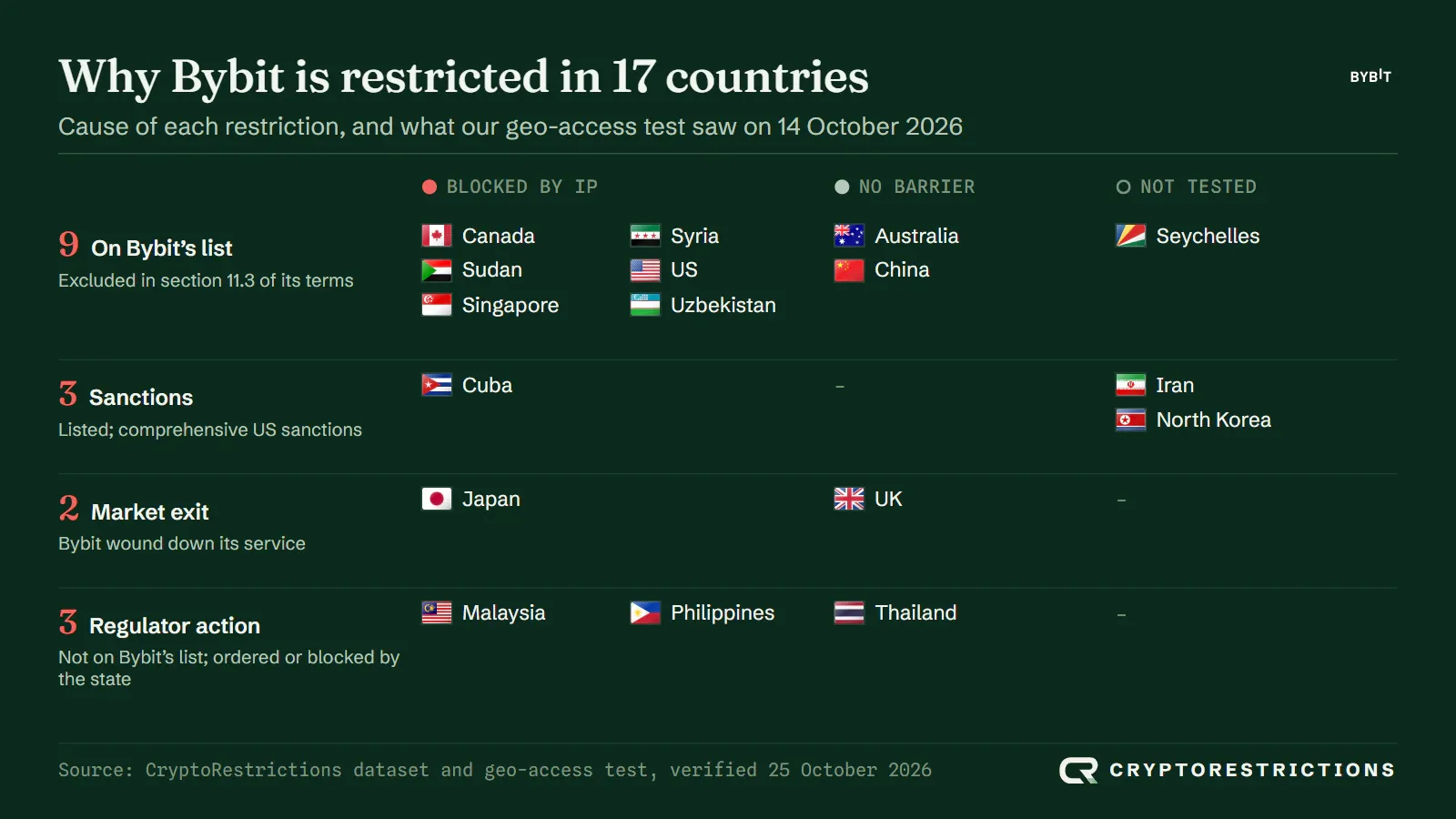
Bybit enforces most of its list at the door: the home page loads everywhere, but the sign-up page carries a red banner in the excluded countries we reached. The Philippines is the one country we record as restricted on the strength of that test: the SEC warning alone would make it limited, but Bybit’s own banner refused a Philippine address. The 12 countries on Bybit’s list are below: pick one to see the cause, what applies, when it started and what our test saw.
The other five are not on Bybit’s list: two exits Bybit announced and three regulator actions.
Where is Bybit limited?
Bybit is limited in 30 countries:  France, which its global platform now excludes,
 Ukraine, where only the occupied regions are excluded, and the 28 other EEA countries, where Bybit EU serves spot but Bybit.com, and with it derivatives, is being wound down.
France is limited rather than restricted because a second Bybit company still serves it. Bybit EU GmbH holds a MiCA licence from Austria, and ESMA’s register shows it passported to France; the AMF lists it on its white list. But Bybit EU’s terms cover spot trading, custody and transfers, not derivatives, and the global platform that offers them excludes France. For Ukraine, the terms exclude Crimea with Sevastopol and the areas of Donetsk, Luhansk, Kherson and Zaporizhzhia outside government control.
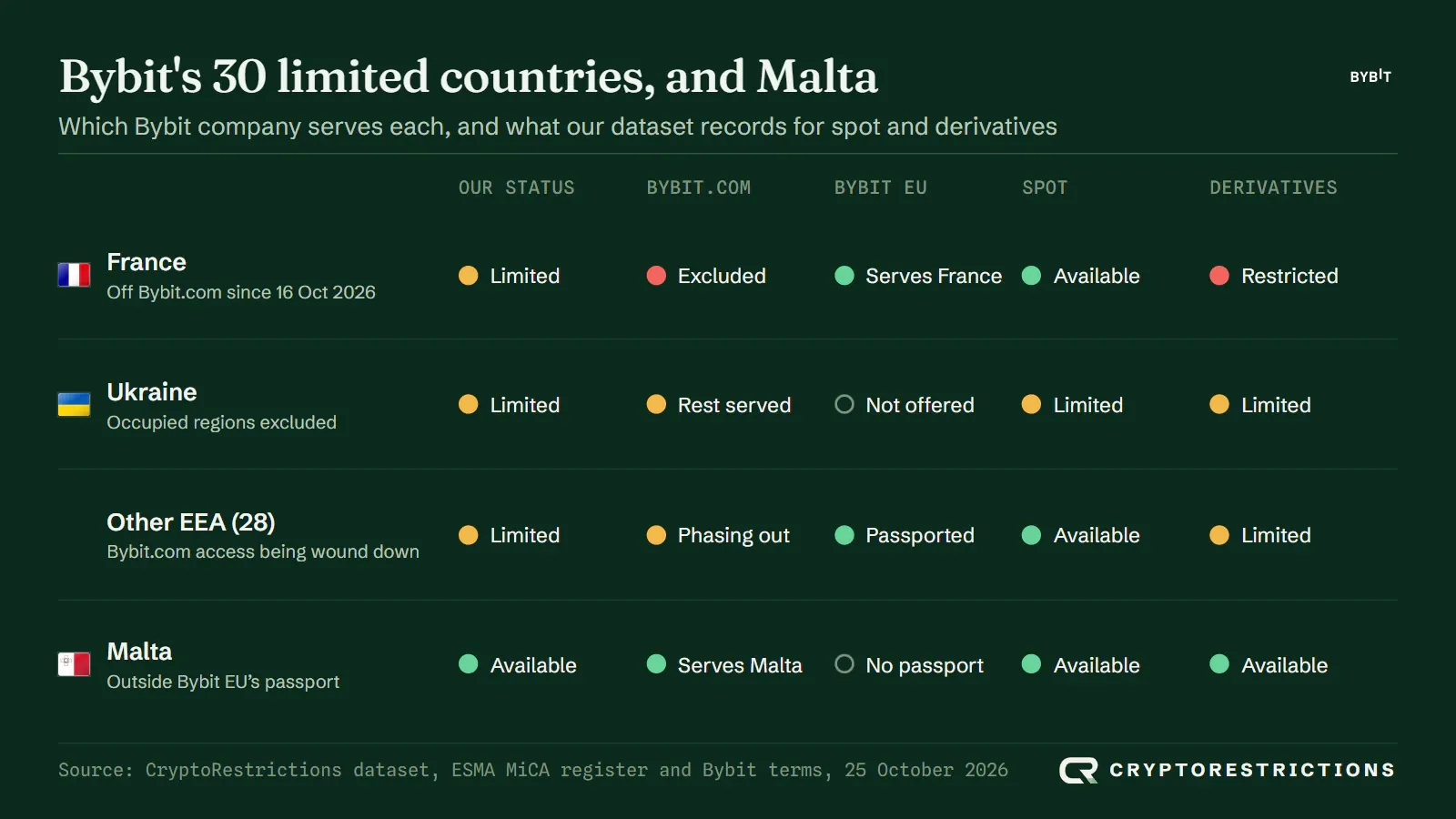
France and Ukraine are below; the rest of the EEA follows.
The rest of the EEA sits one step behind France. Bybit’s EEA notice of 29 June 2026 says access to services on Bybit.com for residents of 29 EEA countries “will be progressively limited”. Bybit EU offers no derivatives, so each of these countries loses a product and we record it as limited: spot through Bybit EU is available, and derivatives are limited rather than restricted because the notice sets no date for the cut. Malta is outside Bybit EU’s passport, so Maltese users stay on Bybit.com and Malta stays available. The 28 countries are below.
Where is Bybit available?
Bybit is available in the other 148 of the 195 countries we cover, including  India,
 South Korea,
 Türkiye and most of Africa, Asia and Latin America.
Seven of them host a Bybit licence or registration (listed in the licences section below):  Argentina,
 Brazil,
 Georgia, India,
 New Zealand, Türkiye and the
 United Arab Emirates. Another 15, such as
 Malta,
 Mexico and
 Nigeria, were checked by name against Bybit’s list and found absent.
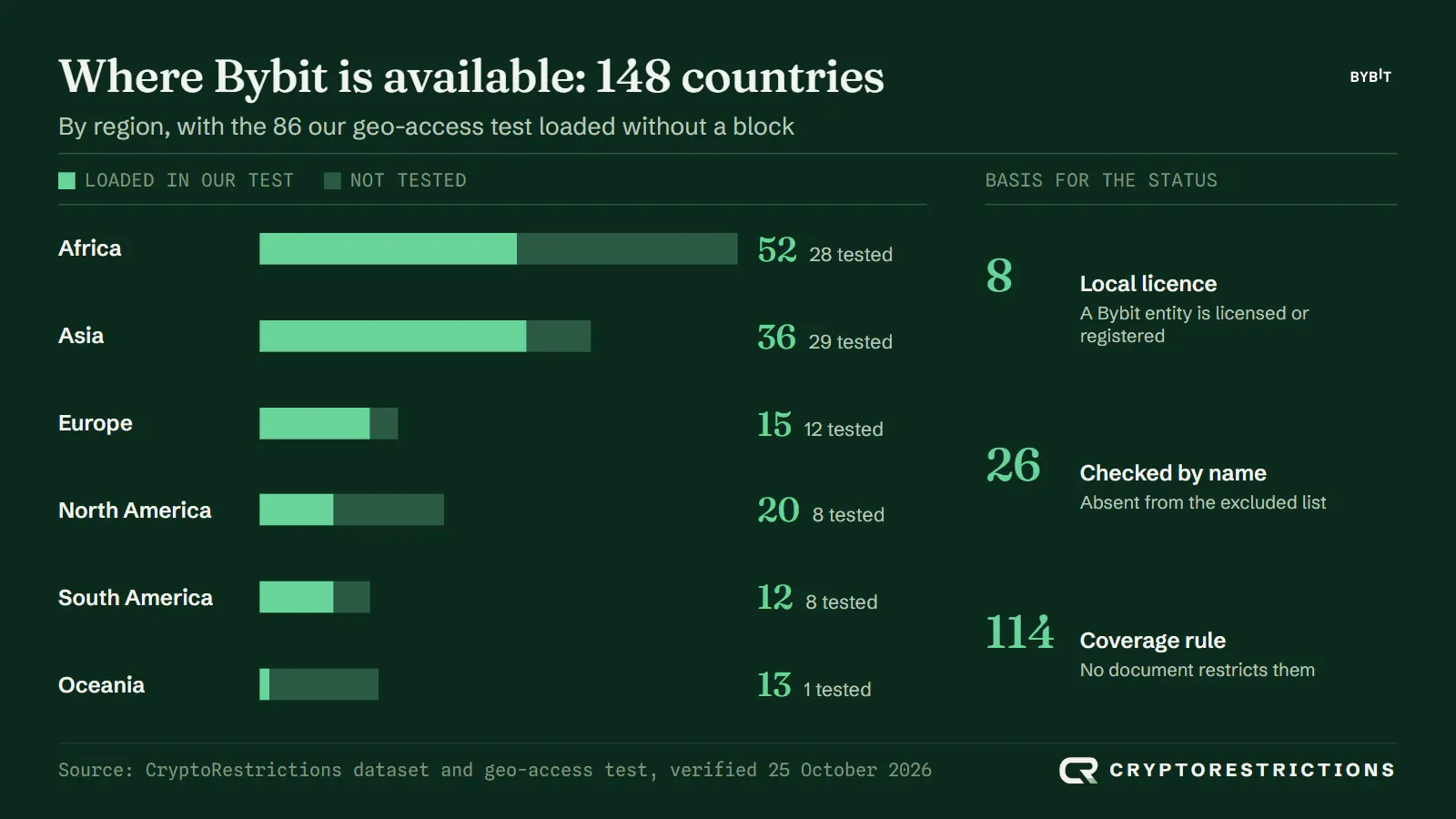
The remaining 126 are available under our coverage rule: no official document from Bybit or a regulator restricts them. Our geo-access test loaded both pages without a block in 86 of the 148. Available means Bybit serves the country, not that local law allows crypto trading:  Russia,
 Belarus and
 Bangladesh are on this list because Bybit does not exclude them, whatever their own rules or international sanctions say.
Belarus is the closest call. Its information ministry restricted access to bybit.com, Bitget and OKX on 10 December 2025 over what it called improper advertising, DL News reported, but Onliner, the outlet that broke the news, later added that Bybit and Bitget had dropped off the blocked list. The register itself is not public, and our Belarus test ran through a virtual location that cannot see a block by local providers, so we keep Belarus as available and will revisit it if the block is confirmed.
Where do Bybit’s visitors come from?
Russia is in the top two in both traffic estimators we checked for bybit.com, and Similarweb puts it first by a wide margin.
BitRSS’s May 2026 report, built on Similarweb data, gives bybit.com about 11.87 million visits, 30.38% of them from Russia, ahead of South Korea, Ukraine, Belarus and Türkiye. Similarweb’s own page was over its free search limit when we checked on 16 October, so we could not read its September figures. Semrush counts 21.32 million visits in September 2026, with Bangladesh first at 29.59%, Russia second at 12.73% and the United States third at 4.81%.
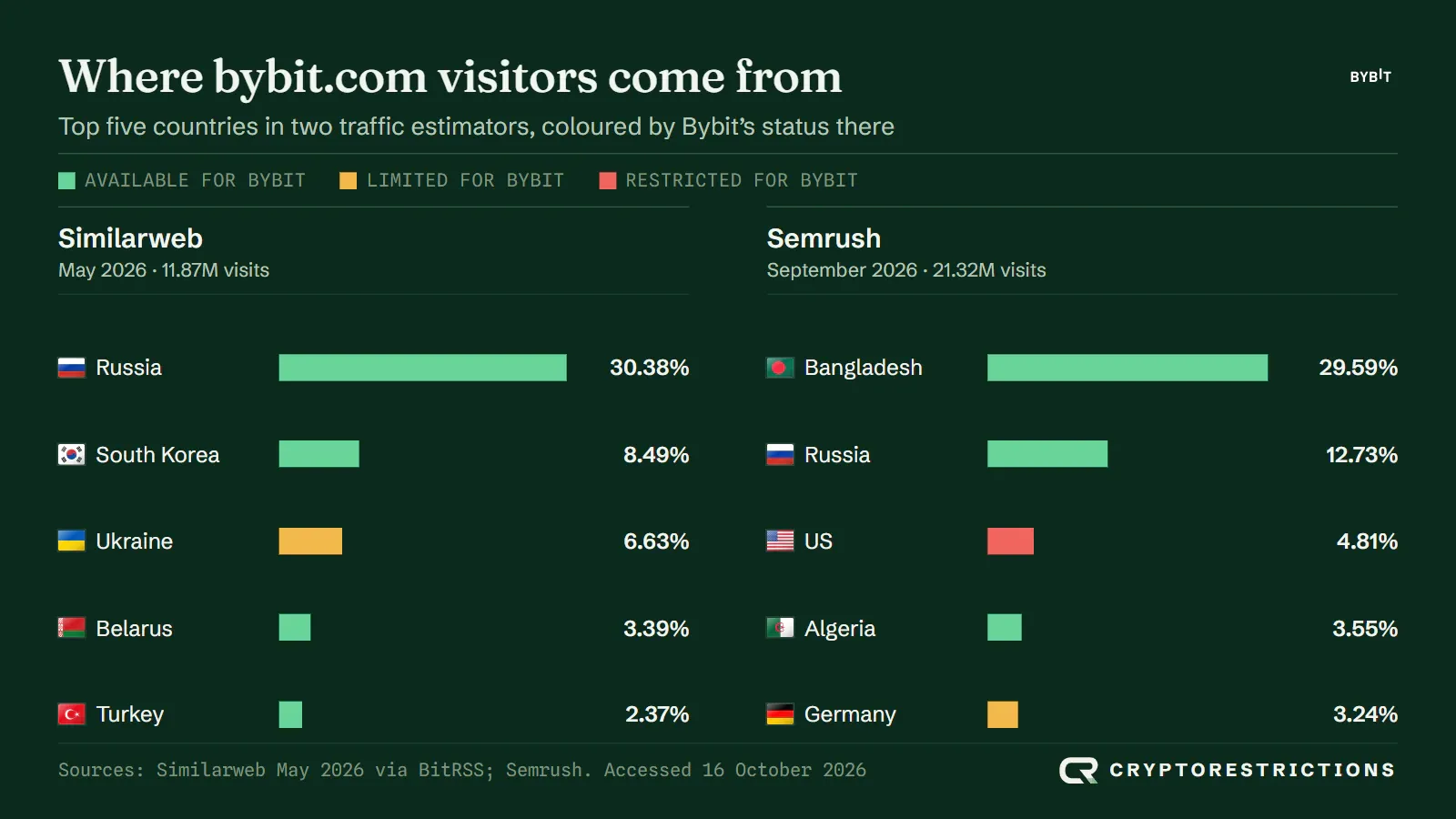
The United States is the one restricted country in either top five, and a visit is not an account. Our test shows why it can appear: from a US address bybit.com’s home page loads normally, and the block only shows on the sign-up form. The Bangladesh figure we could not confirm: 99.33% of it is desktop traffic in Semrush, and Bangladesh is absent from Similarweb’s list. Estimators model traffic from panels and samples, so treat any single share as an estimate.
Bybit geo-access test: what we saw from 130 countries
In our test Bybit’s sign-up page refused visitors by IP address in 11 of the 130 countries we reached, including every country on its own list that we could test except Australia and China; the home page loaded everywhere.
We ran the test ourselves on 14 October 2026, with the same method as for every platform. A browser with a VPN connected to one country at a time and loaded Bybit’s home page and its sign-up page, each time in a fresh private window with no cookies. Cookie banners were hidden but never accepted, and bot checks were waited out, never solved. Every run saved the page text and a screenshot.
Of the 134 places tested (130 of our 195 countries plus Hong Kong, Macau, Puerto Rico and Taiwan), 59 of the countries went through VPN servers located there and 71 through virtual locations hosted elsewhere. Earlier comparisons showed Bybit treats a virtual location as the intended country, so it tests Bybit’s own blocking, but it cannot see a block run by a country’s internet providers. Hong Kong and Puerto Rico were blocked too.
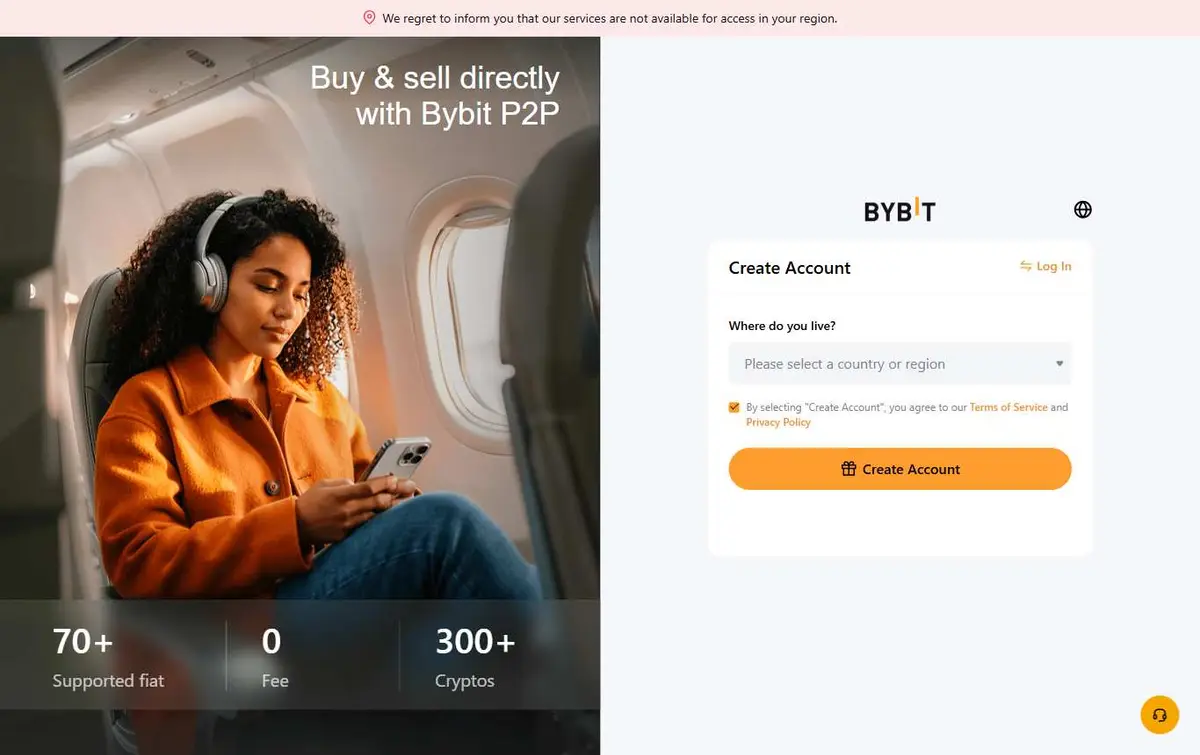
BlockedUnited States · Sign-up page
Blocked by IP: the home page loads, the sign-up form carries a red banner
“We regret to inform you that our services are not available for access in your region.”
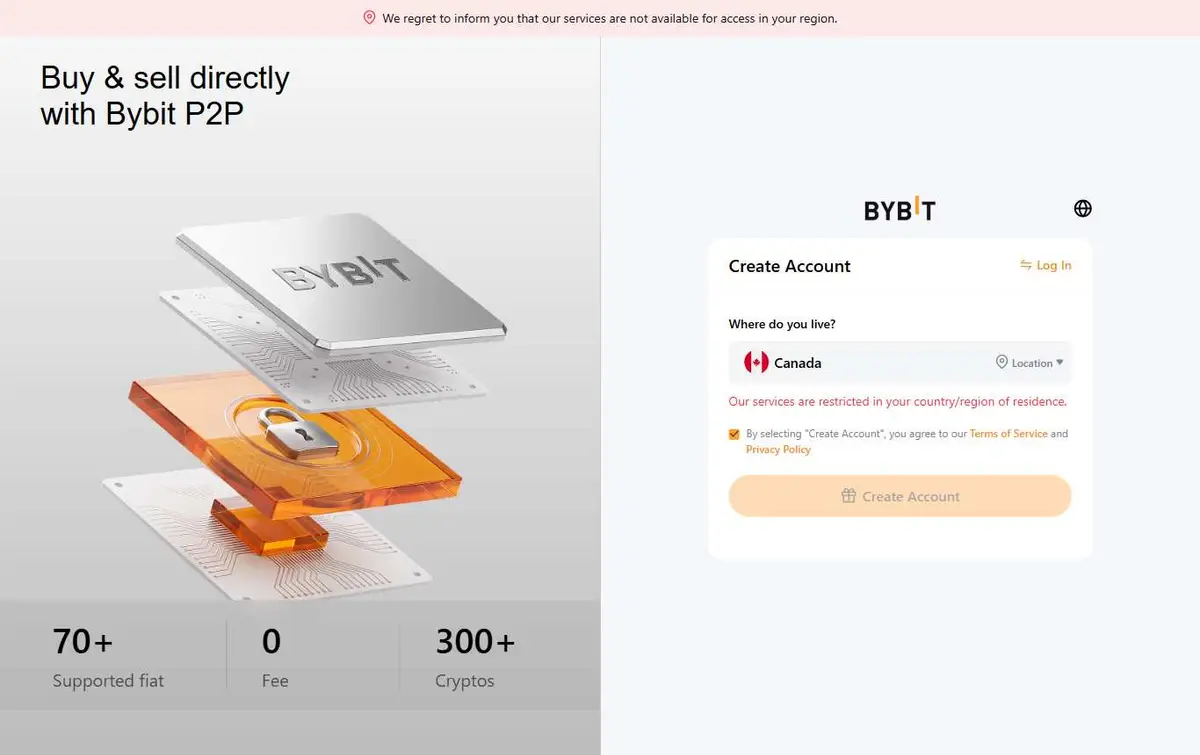
BlockedCanada · Sign-up page
The same banner from a Canadian address
“We regret to inform you that our services are not available for access in your region.”
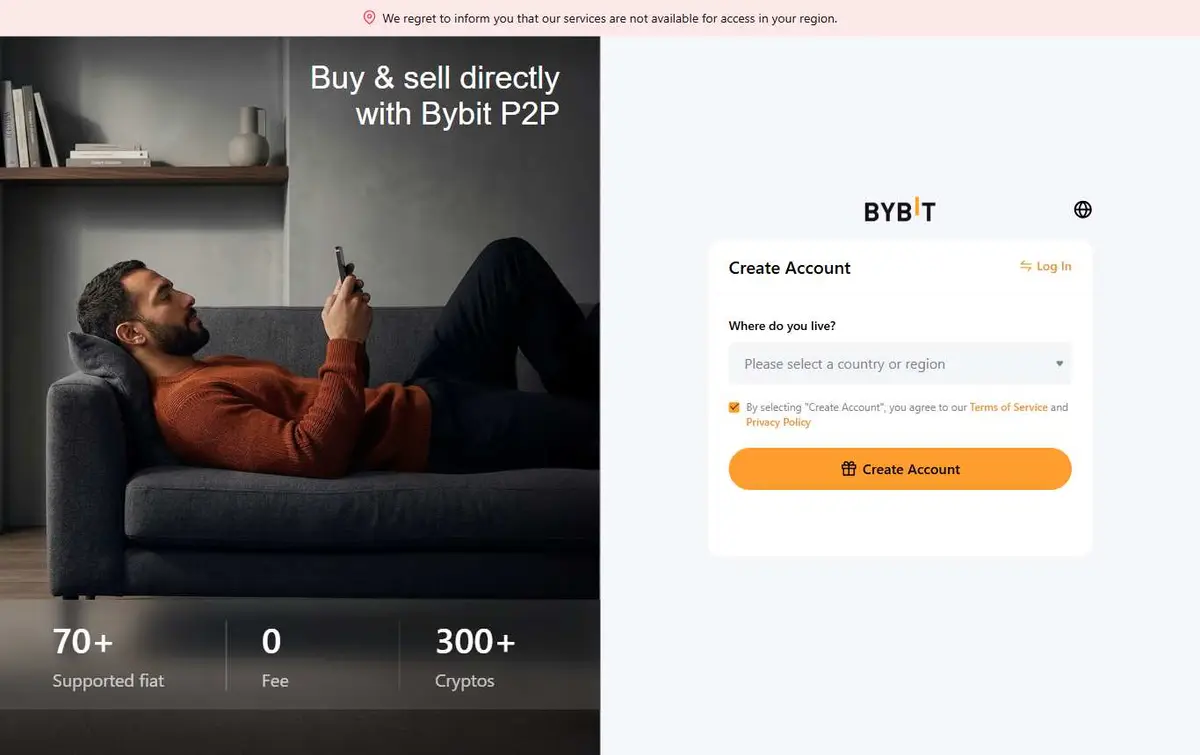
BlockedFrance · Sign-up page
France is the one EEA country where Bybit's global sign-up page refused us
“We regret to inform you that our services are not available for access in your region.”
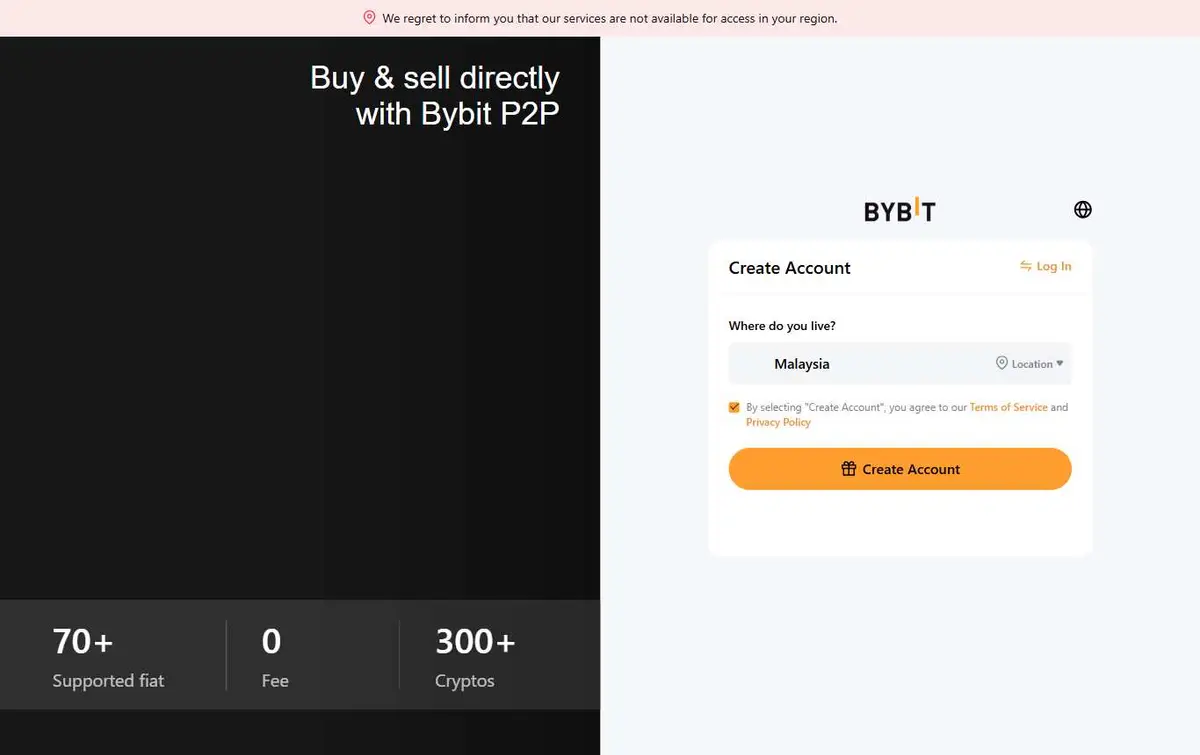
BlockedMalaysia · Sign-up page
Malaysia, shut by its Securities Commission in 2024, is blocked too
“We regret to inform you that our services are not available for access in your region.”
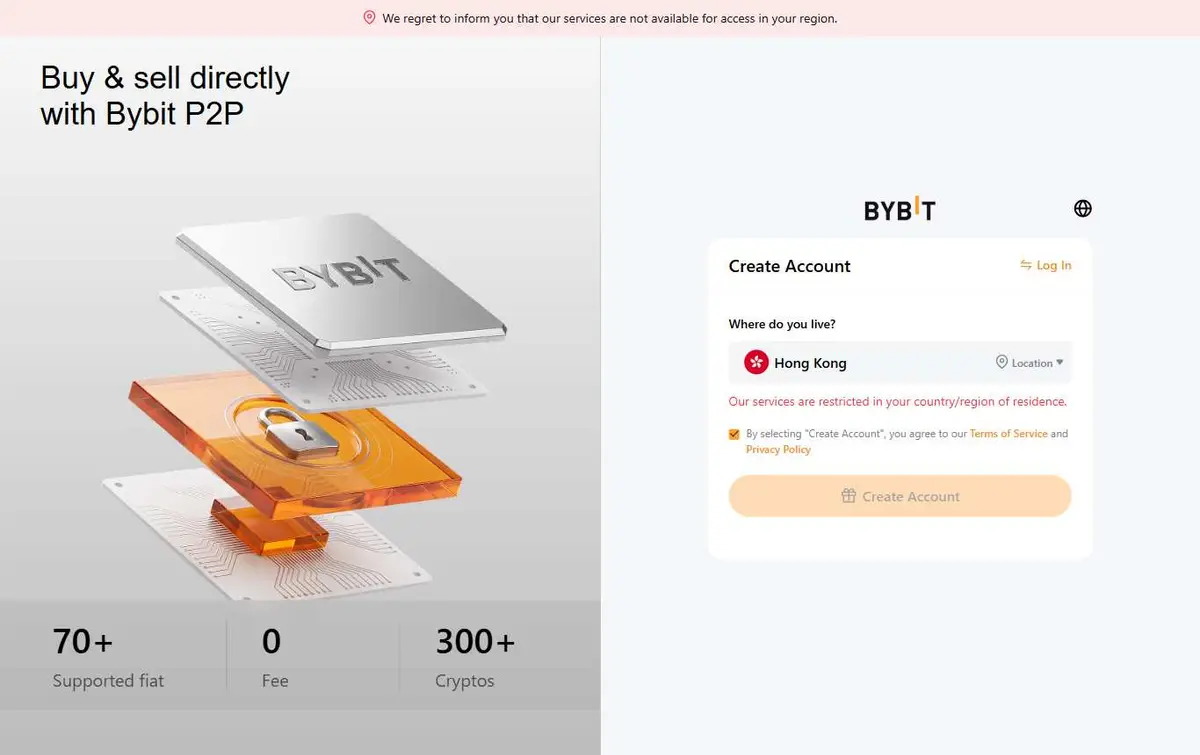
Blocked Hong Kong · Sign-up page
Blocked in Hong Kong, which Bybit excludes
“We regret to inform you that our services are not available for access in your region.”
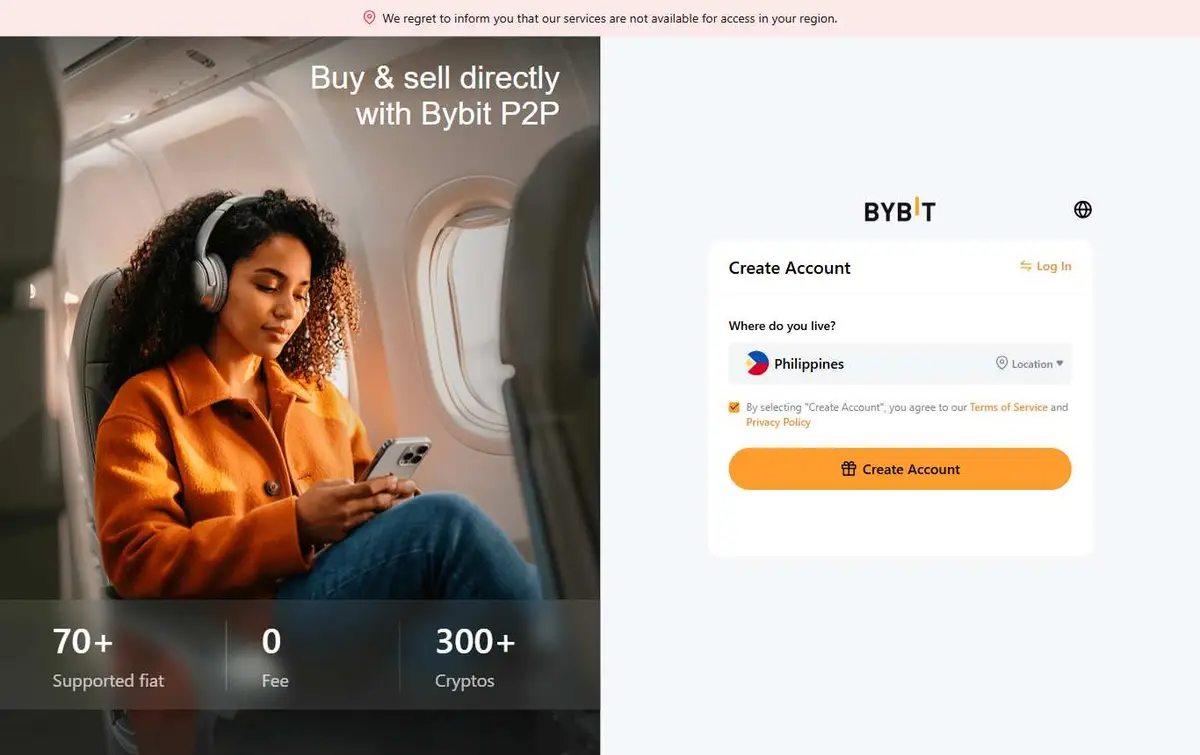
BlockedPhilippines · Sign-up page
Blocked from the Philippines through a virtual location
“We regret to inform you that our services are not available for access in your region.”
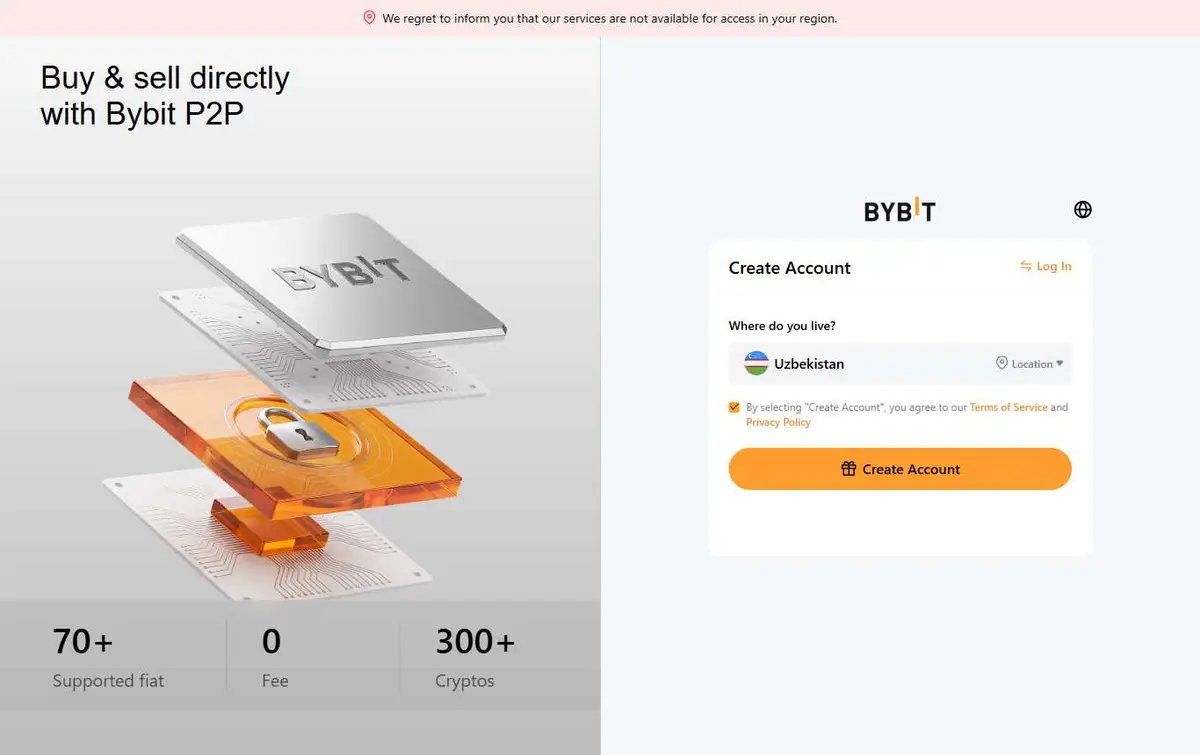
BlockedUzbekistan · Sign-up page
Uzbekistan, on Bybit's own list, is blocked the same way
“We regret to inform you that our services are not available for access in your region.”
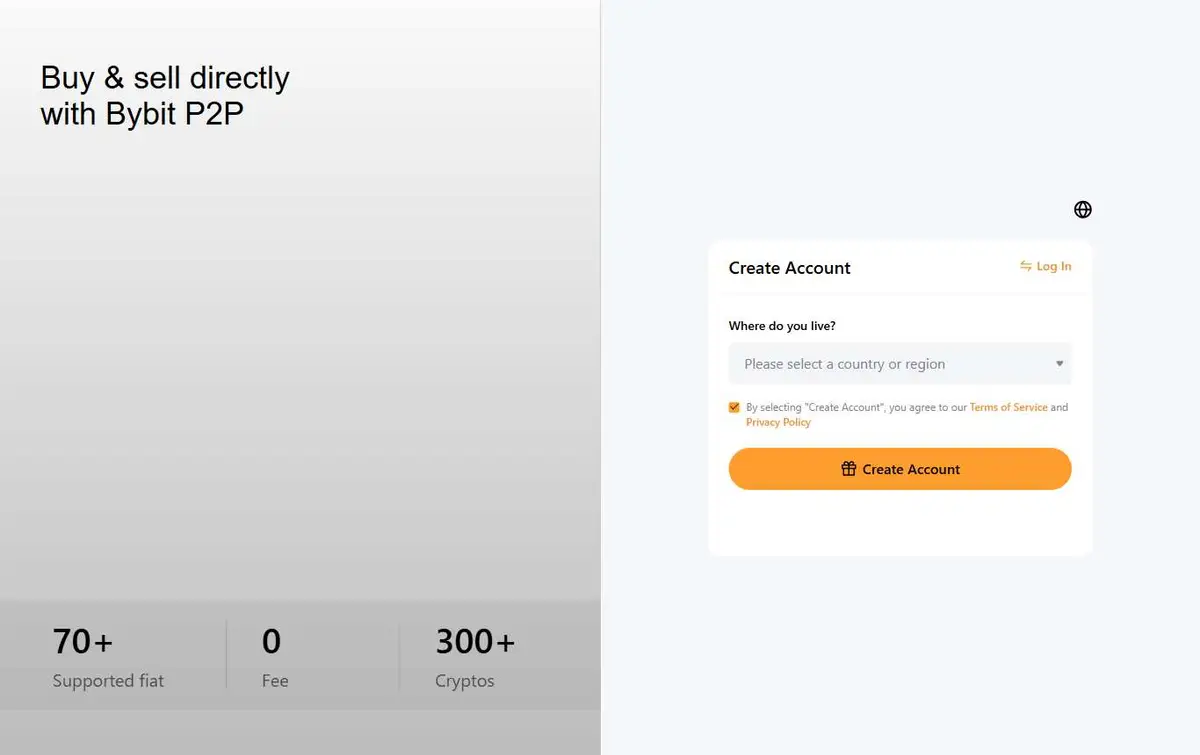
No barrierUnited Kingdom · Sign-up page
Limited (spot only), and sign-up loads with no notice
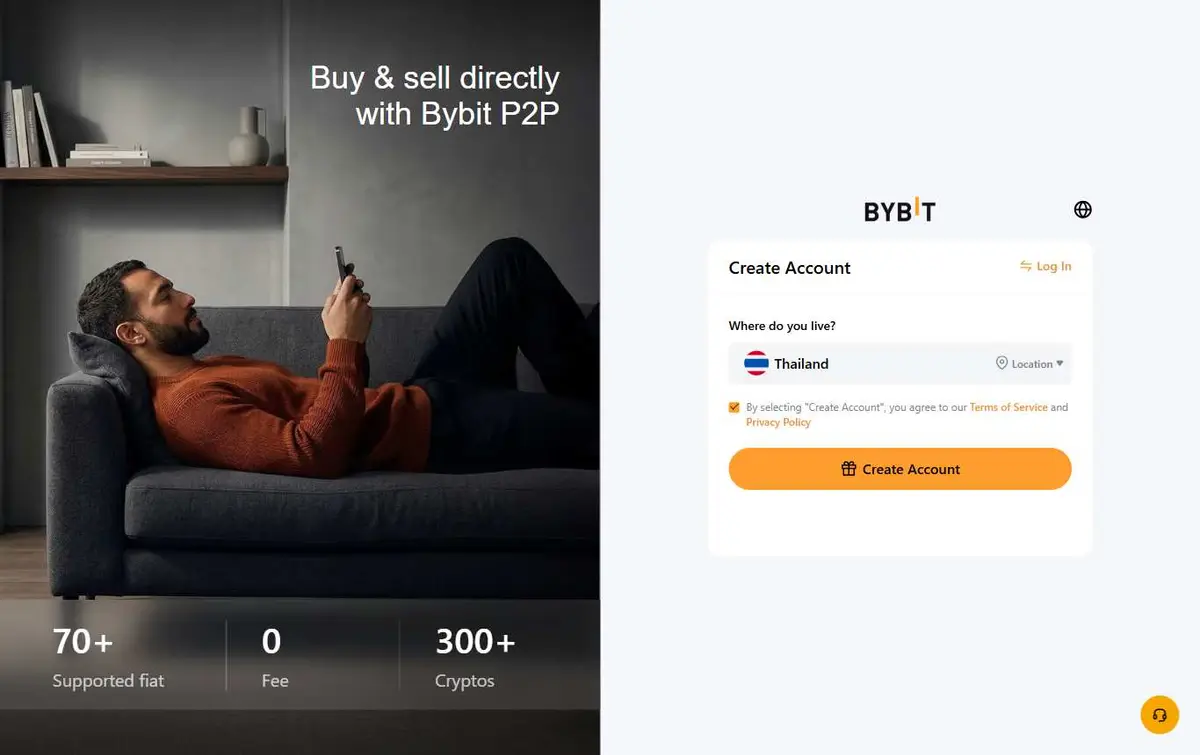
No barrierThailand · Sign-up page
Blocked by Thai ISPs since June 2025; a virtual location cannot see that block
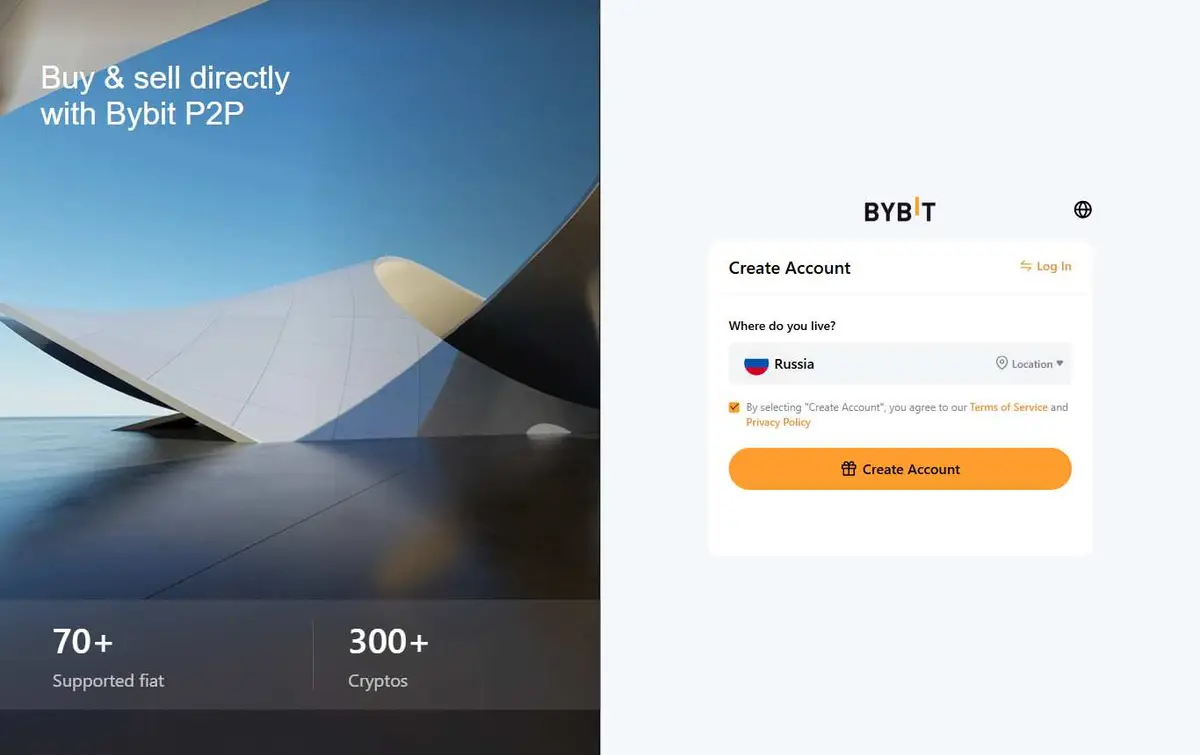
No barrierRussia · Sign-up page
Russia, Bybit's largest traffic source, loads with no barrier
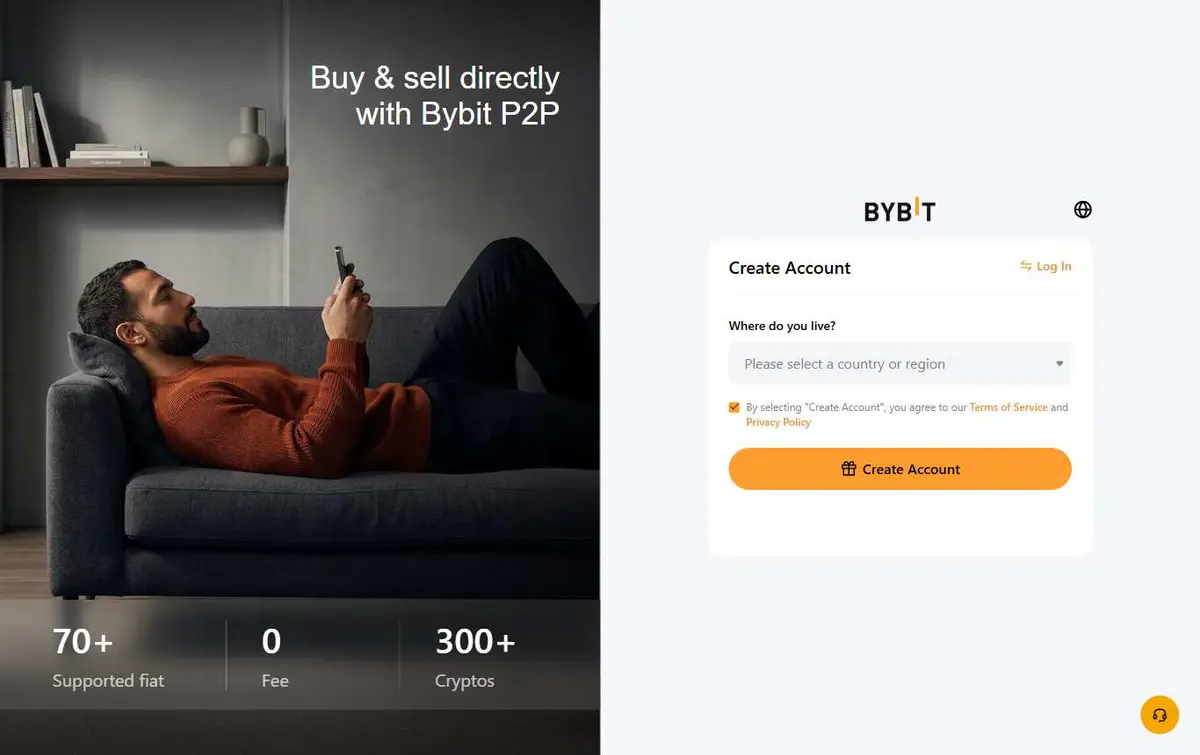
No barrier Netherlands · Sign-up page
The Netherlands: the sign-up form loads with no notice
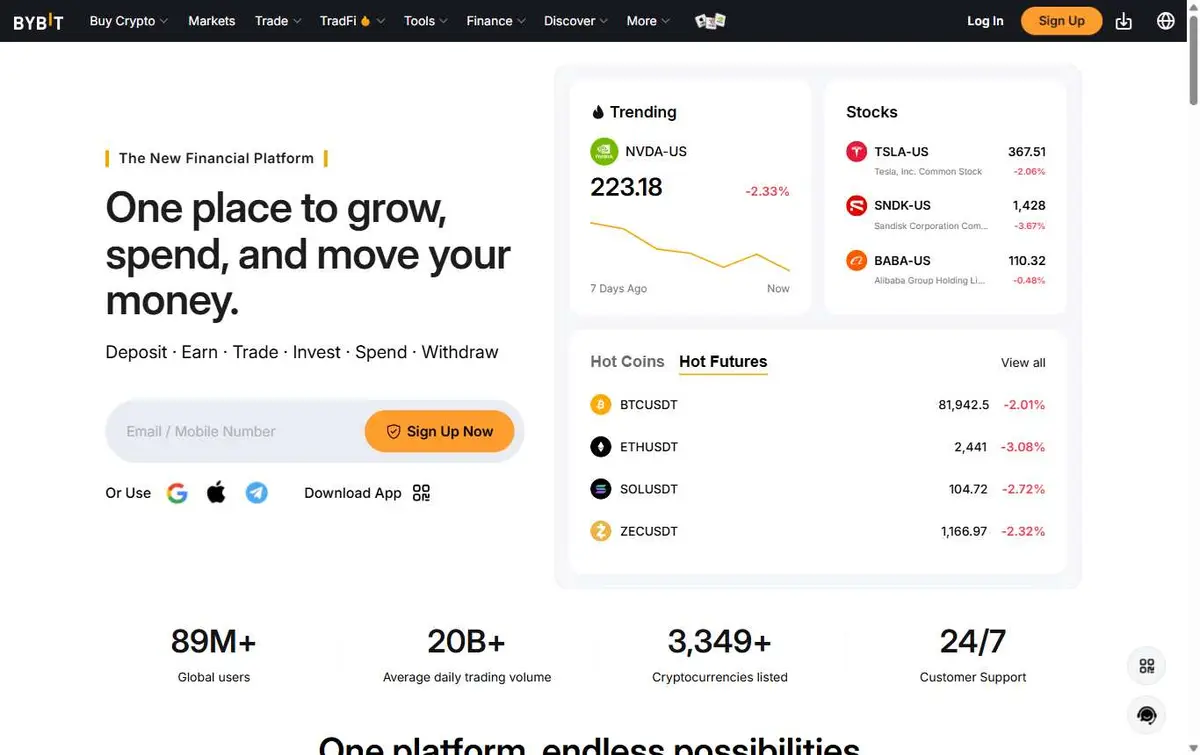
No barrierAustralia · Home page
Australia, added to Bybit's excluded list on 16 October 2026: the home page loaded on 14 October, two days before
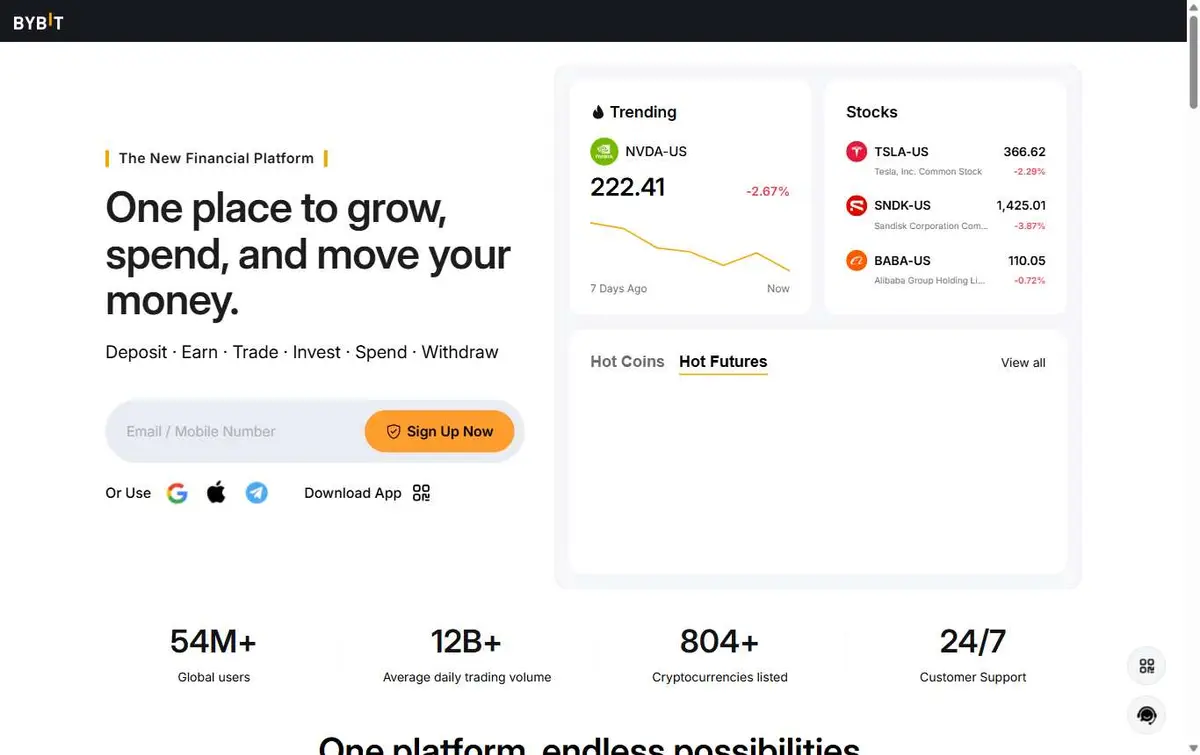
No barrier South Africa · Home page
South Africa: the home page loaded with no barrier
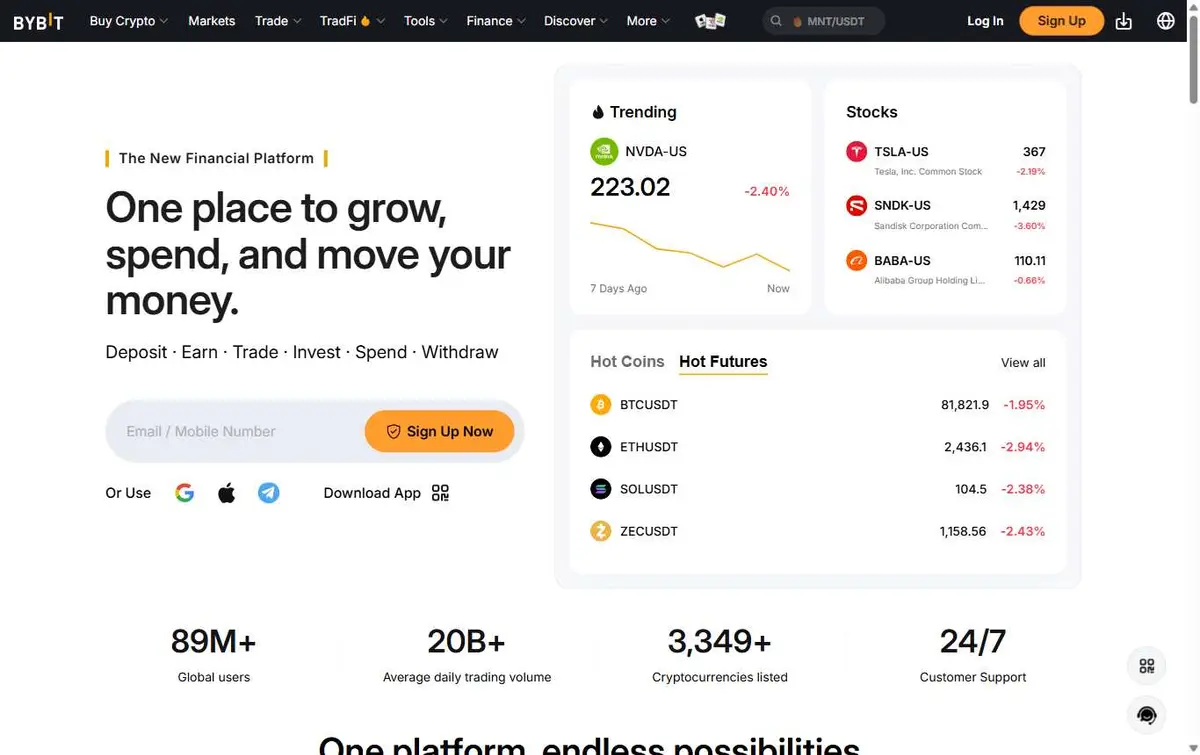
No barrierTurkey · Home page
Turkey: the global site loads with no notice
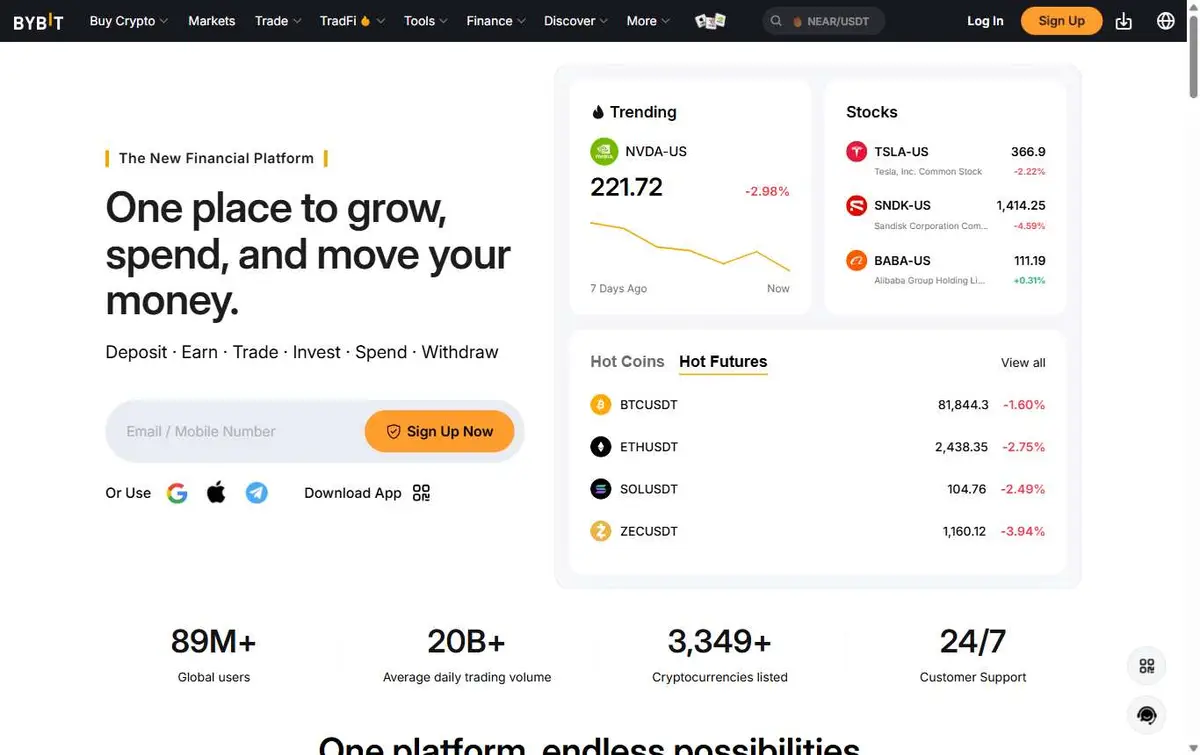
No barrier Vietnam · Home page
No barrier: the home page loads normally
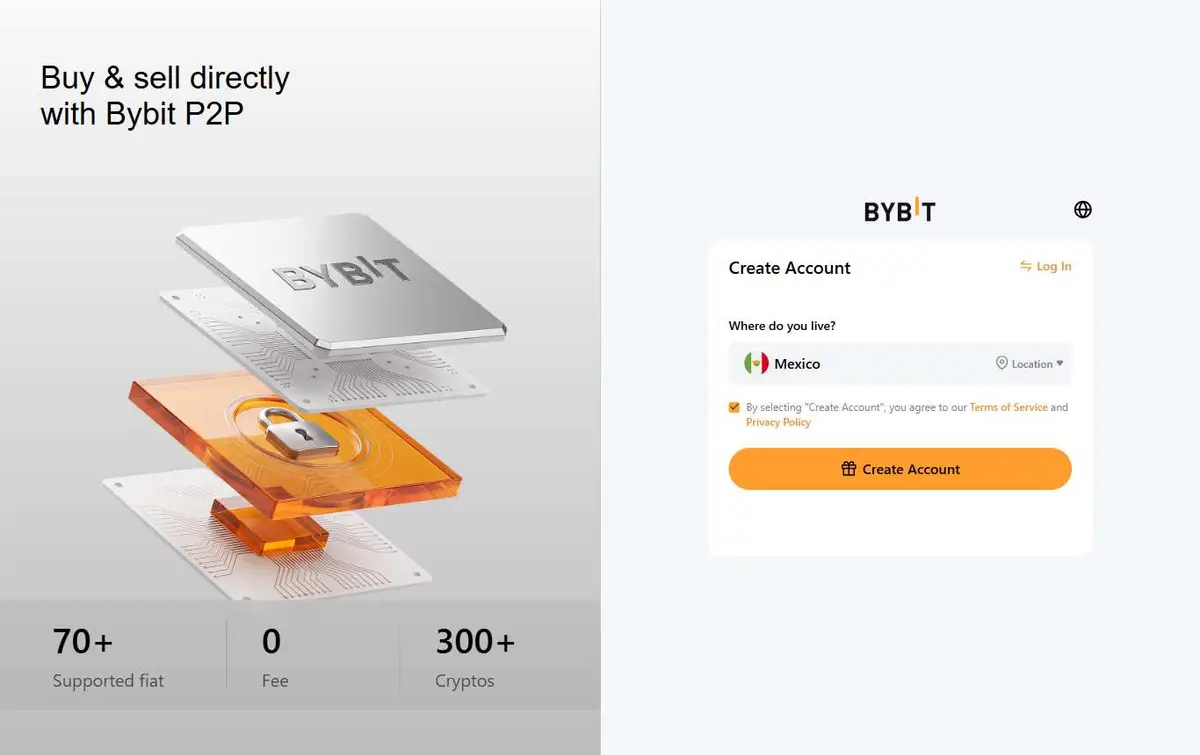
No barrierMexico · Sign-up page
Mexico: the sign-up form loads and offers Mexico as the place you live
“Where do you live?”
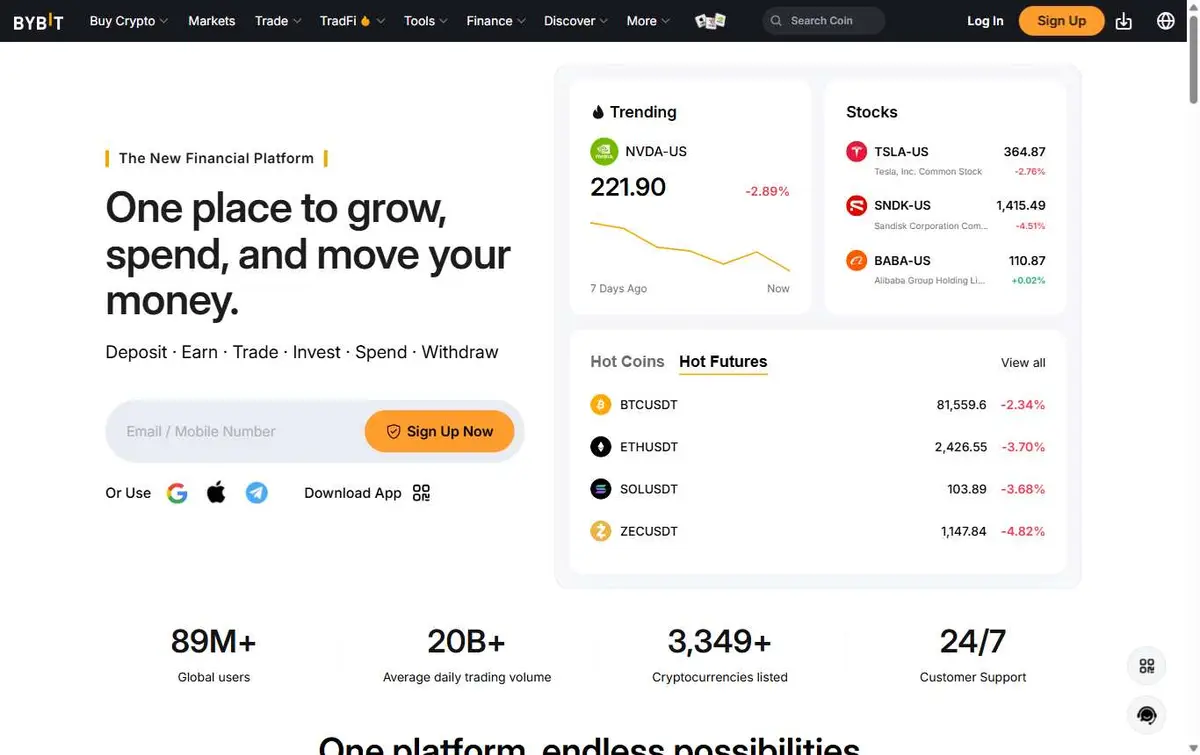
No barrier Ireland · Home page
Ireland: the global site loads with no notice
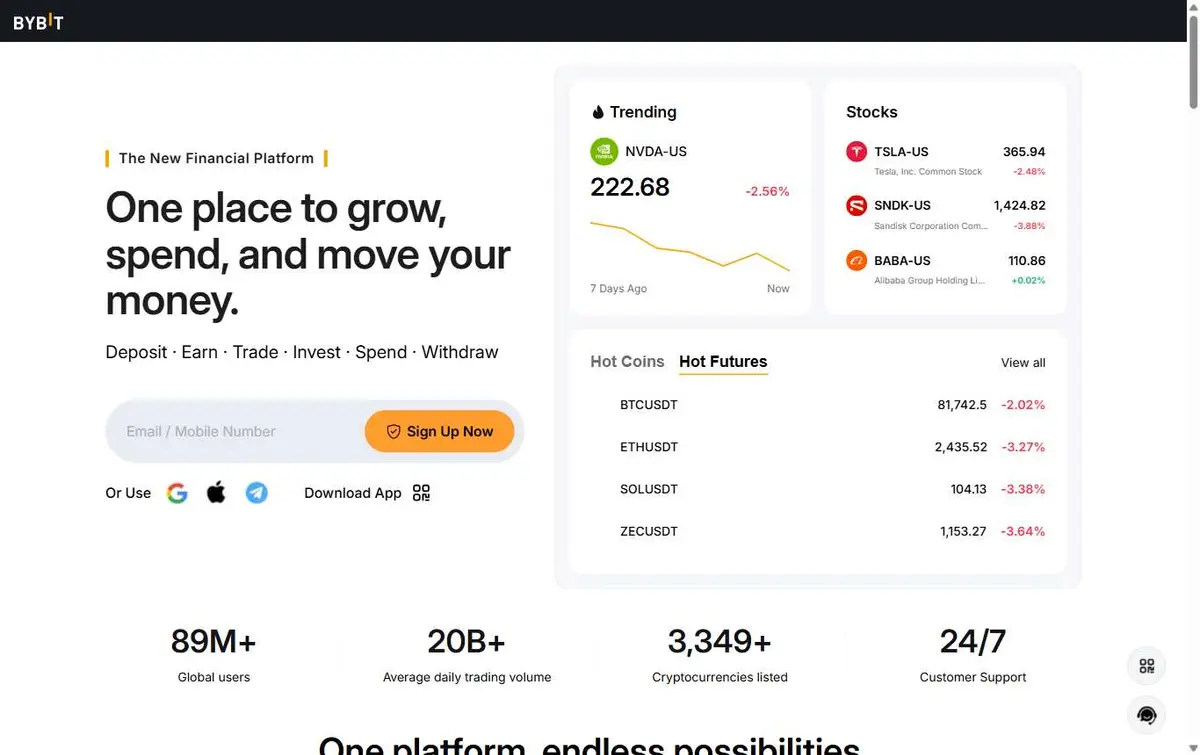
No barrierNew Zealand · Home page
New Zealand: the page loads with no notice
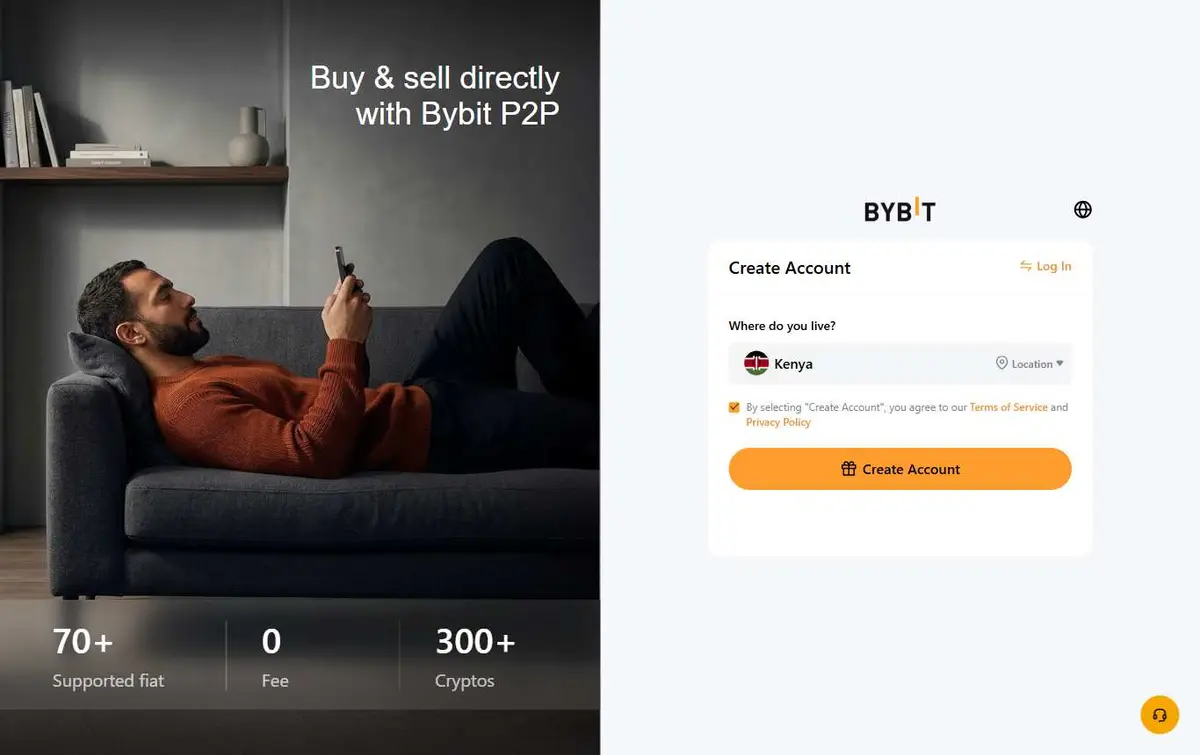
No barrier Kenya · Sign-up page
Kenya: the Bybit sign-up page preselects Kenya as the location
“Location Kenya”
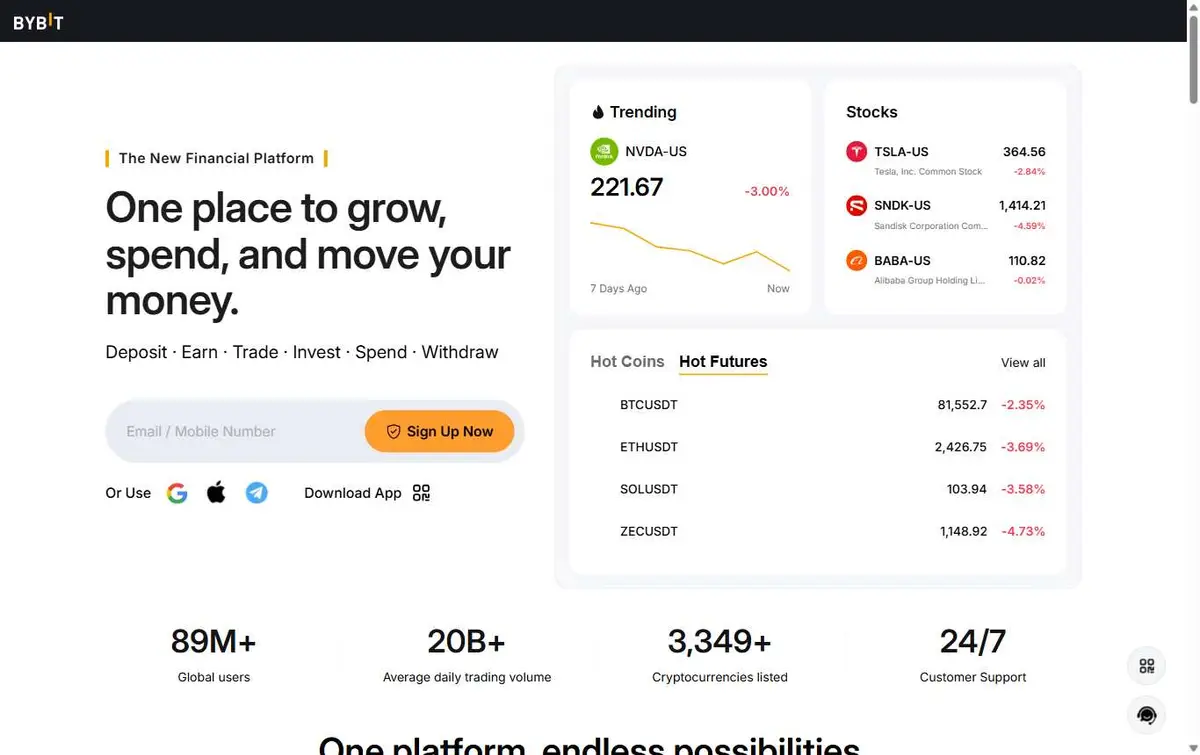
No barrier Norway · Home page
Norway: the global site loads with no notice
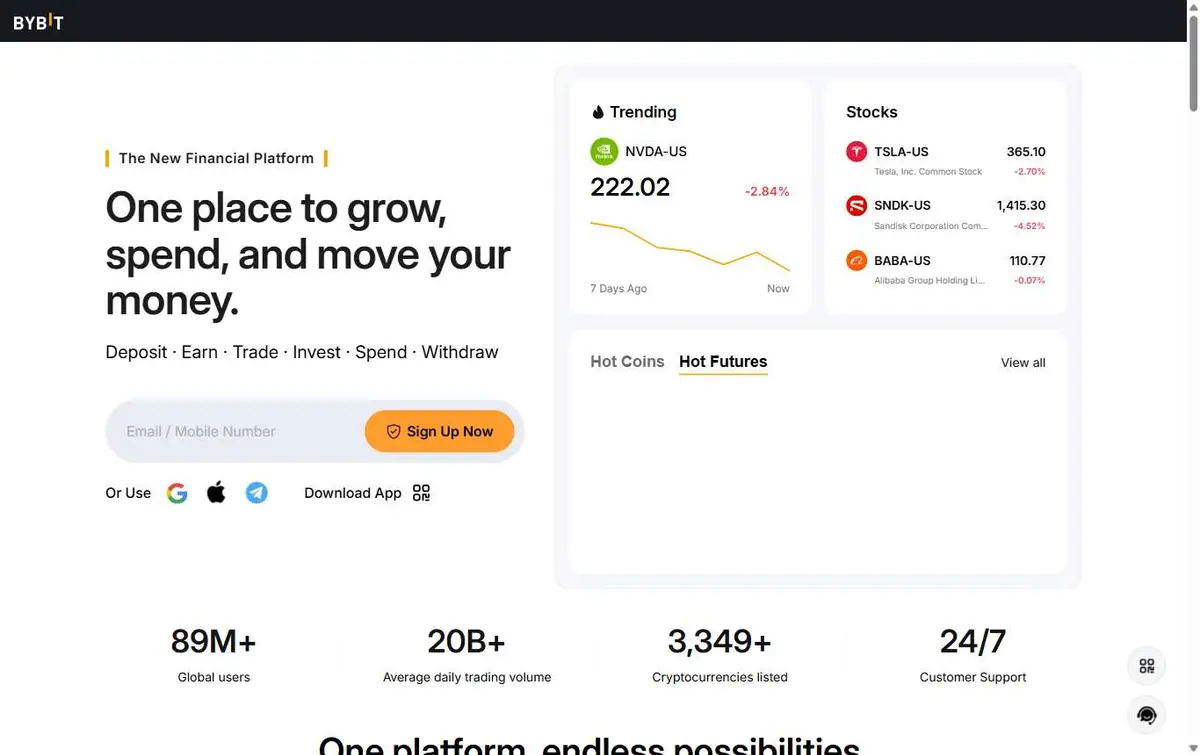
No barrier Finland · Home page
Finland: the global site loads with no notice
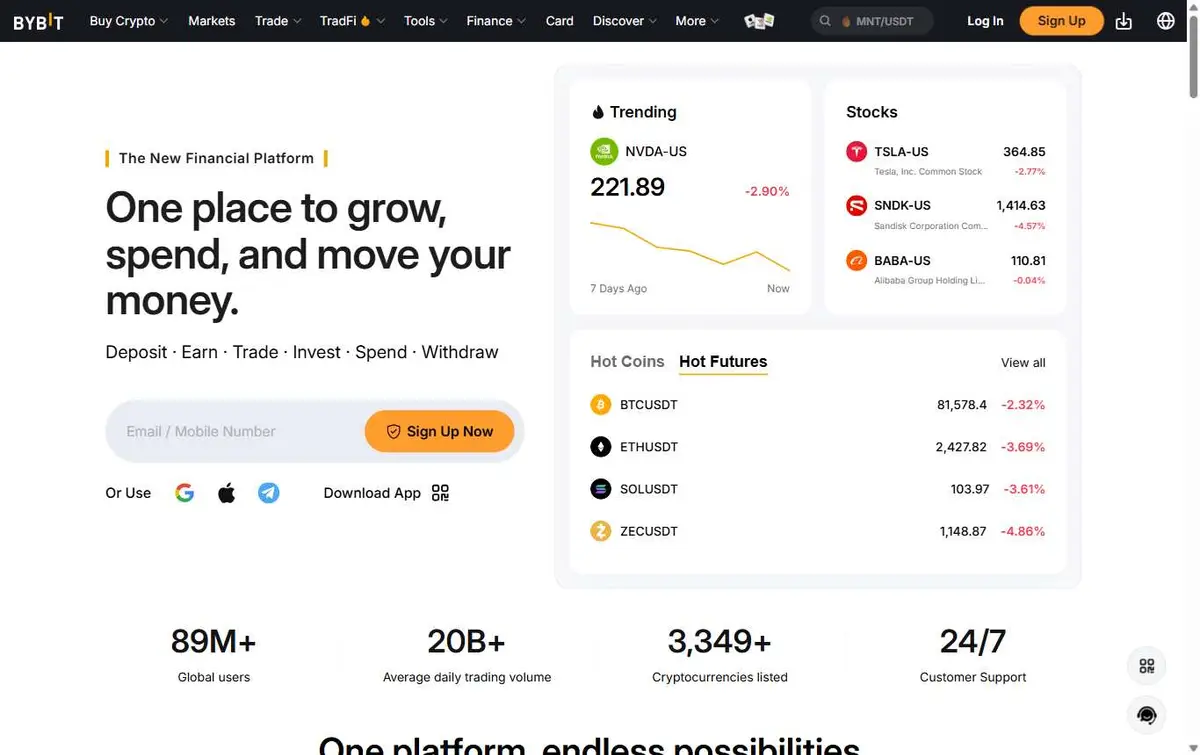
No barrier Greece · Home page
Greece: the global site loads with no notice
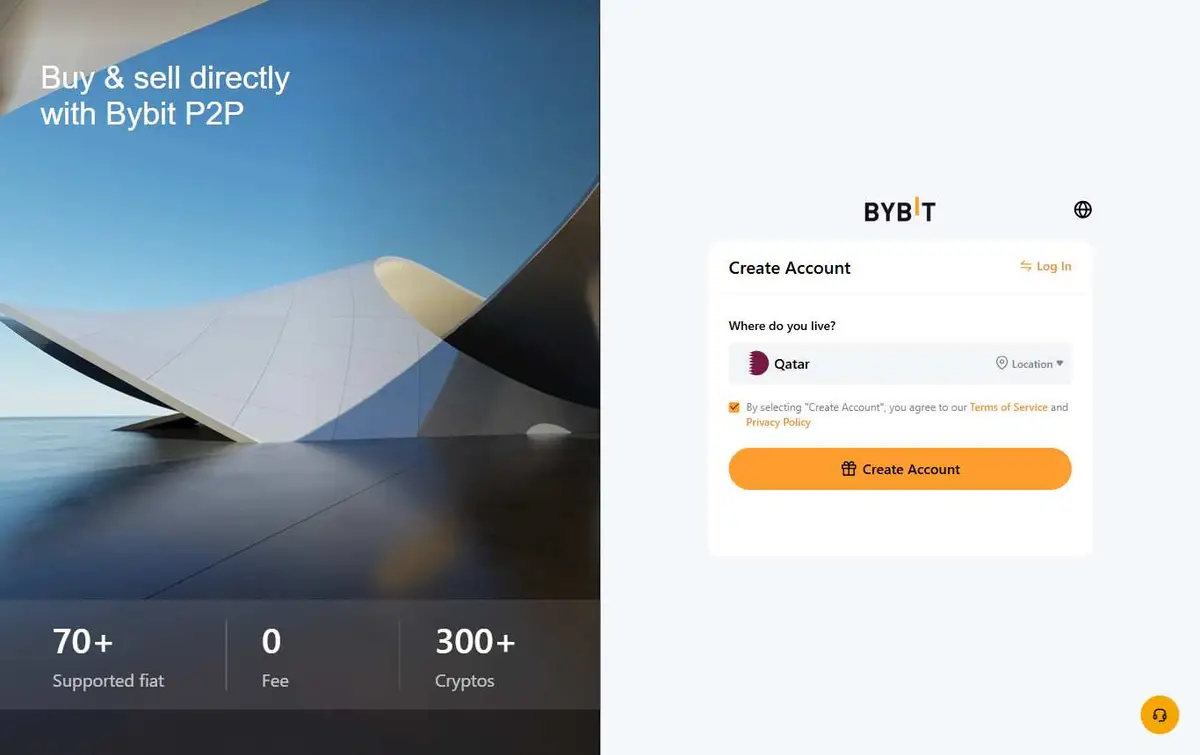
No barrier Qatar · Sign-up page
Qatar: the sign-up page loads with no barrier
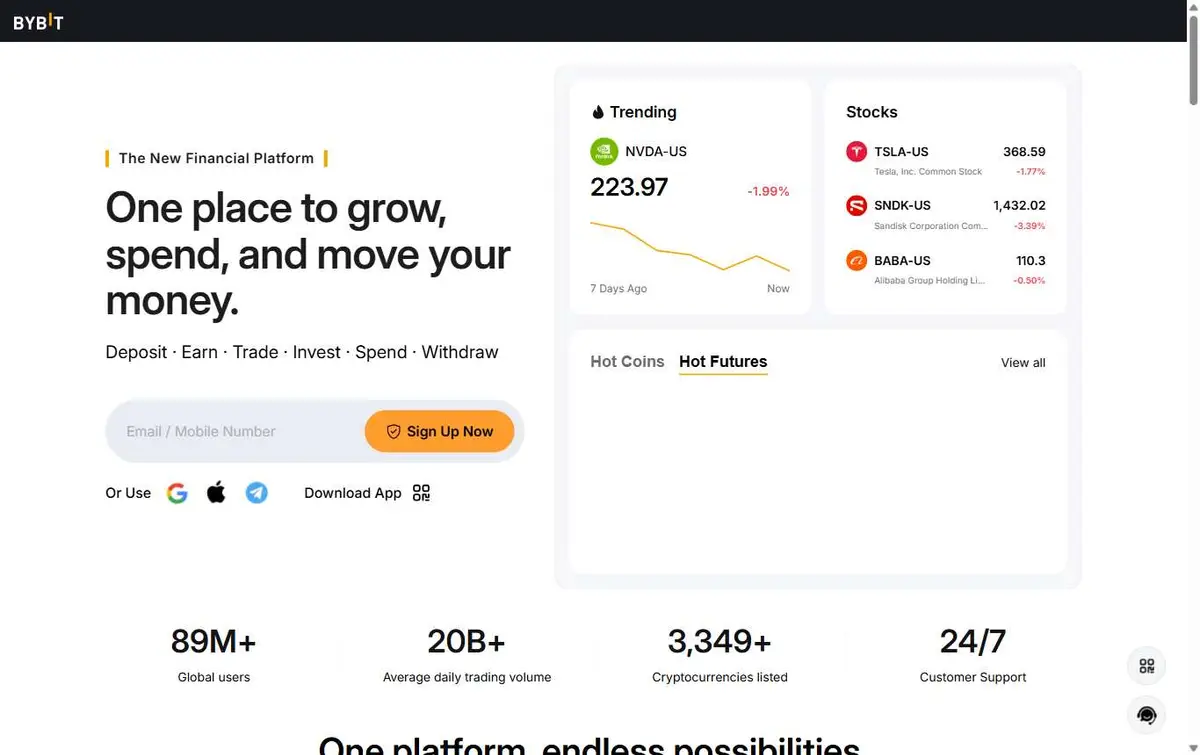
No barrier Bulgaria · Home page
Bulgaria: the global site loads with no notice
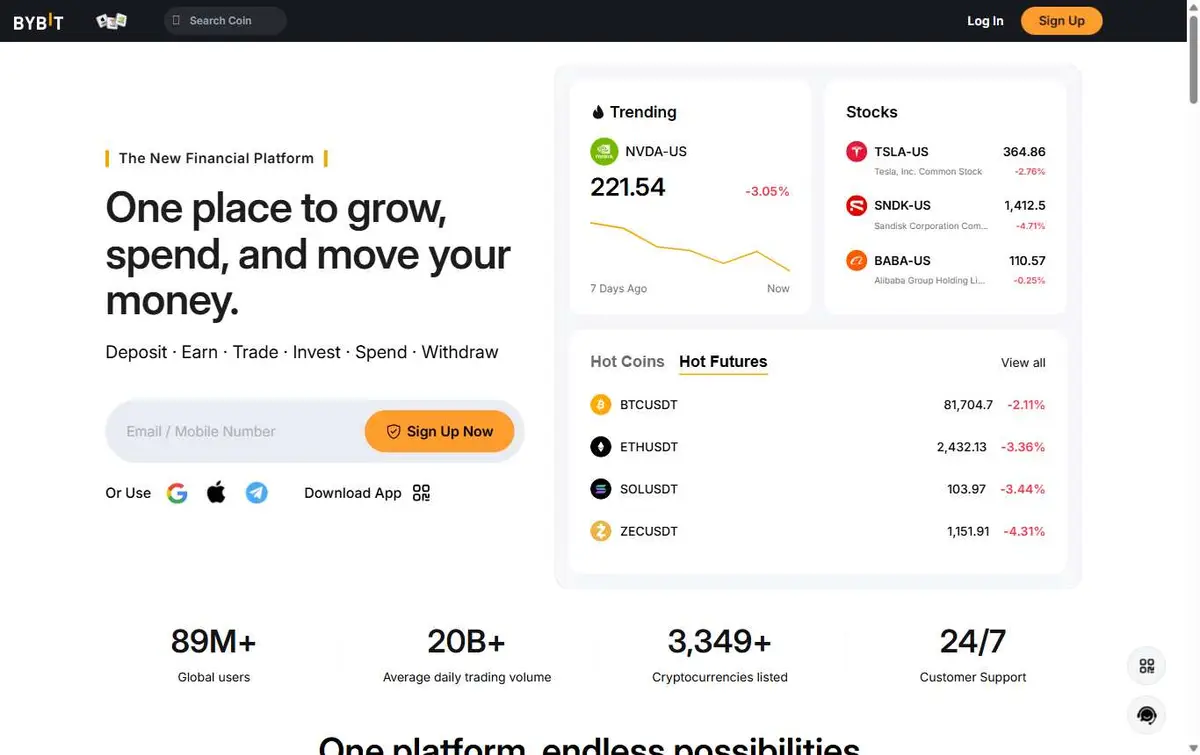
No barrier Croatia · Home page
Croatia: the global site loads with no notice
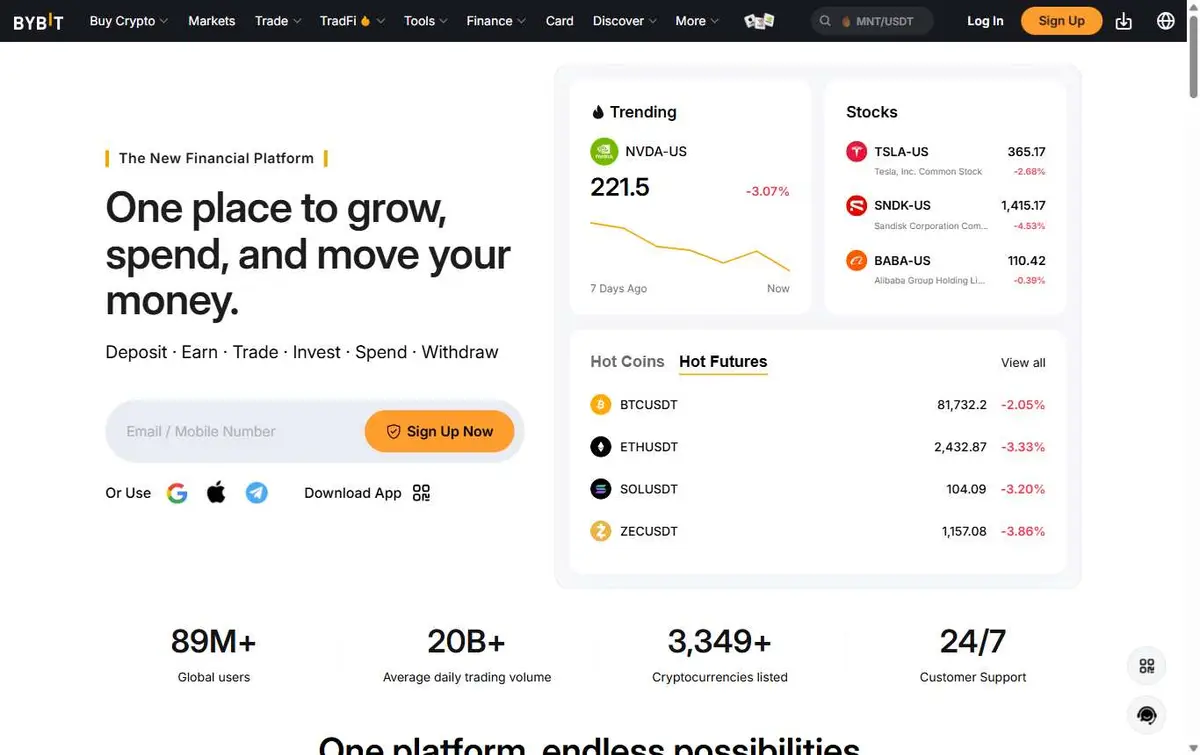
No barrier Latvia · Home page
Latvia: the global site loads with no notice
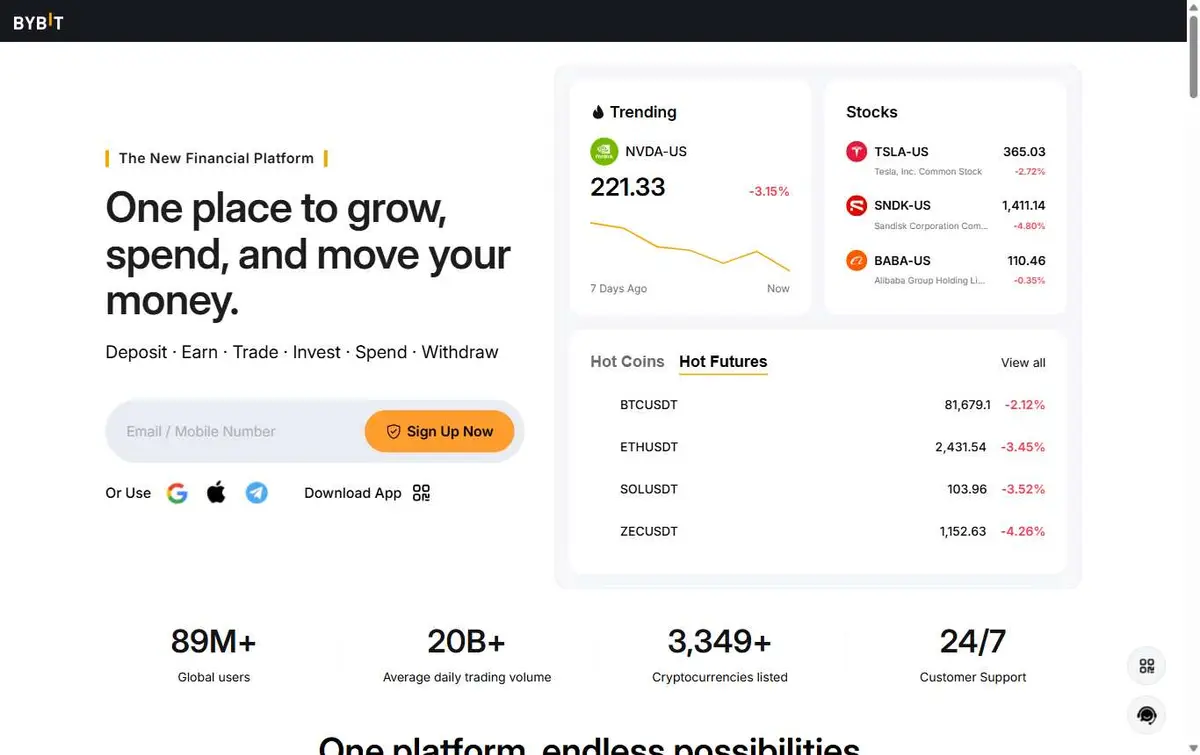
No barrier Estonia · Home page
Estonia: the global site loads with no notice
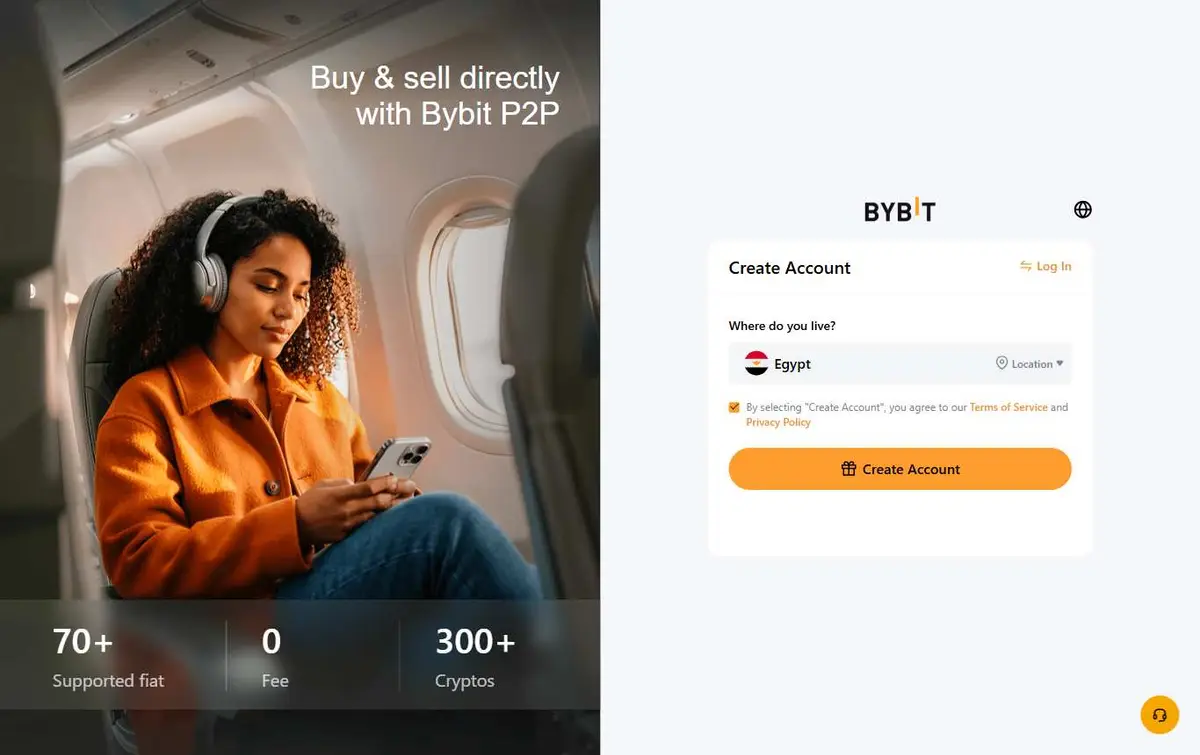
No barrier Egypt · Sign-up page
Egypt: sign-up loads with no notice
No barrier Lithuania · Home page
Lithuania: the global site loads with no notice
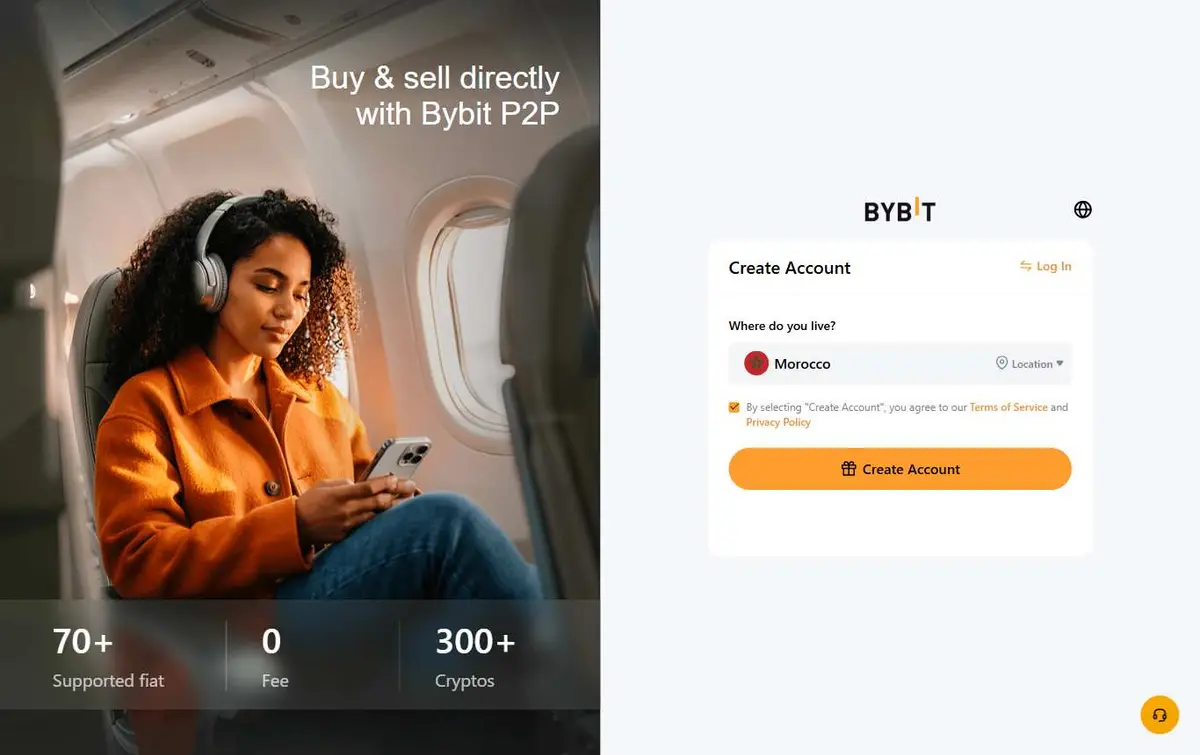
No barrier Morocco · Sign-up page
Morocco: the Bybit sign-up page lists Morocco as the location
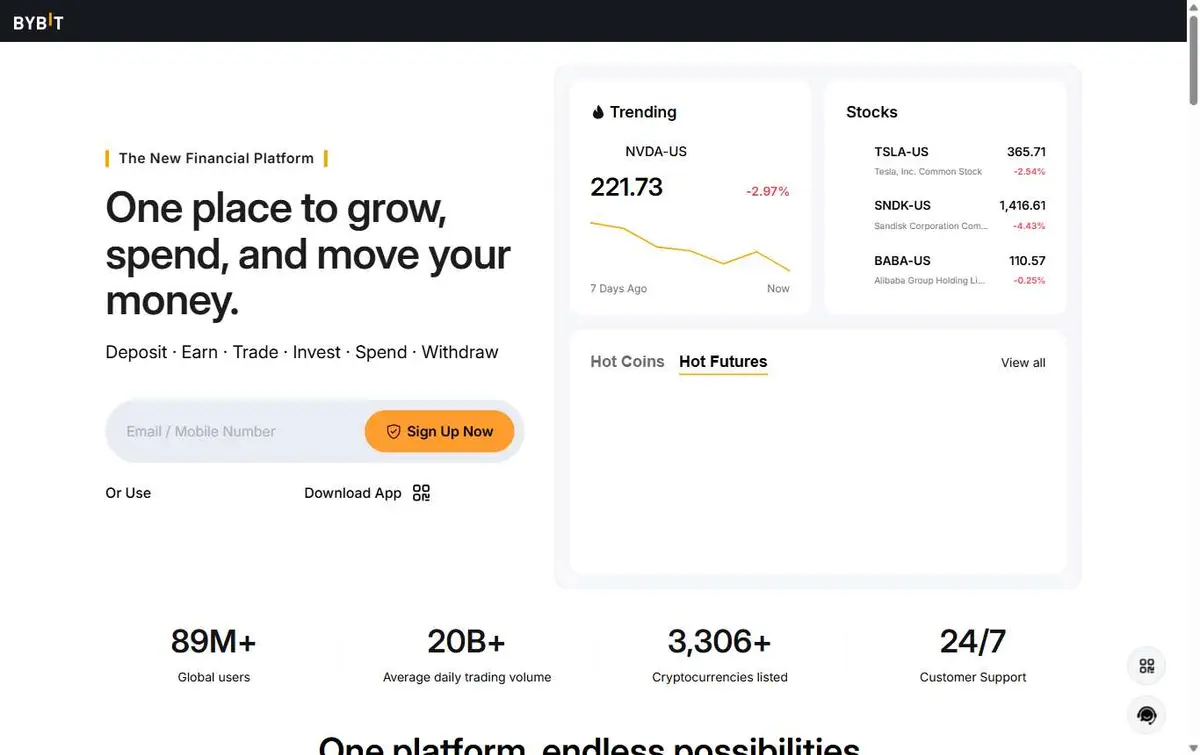
No barrier Slovenia · Home page
Slovenia: the global site loads with no notice
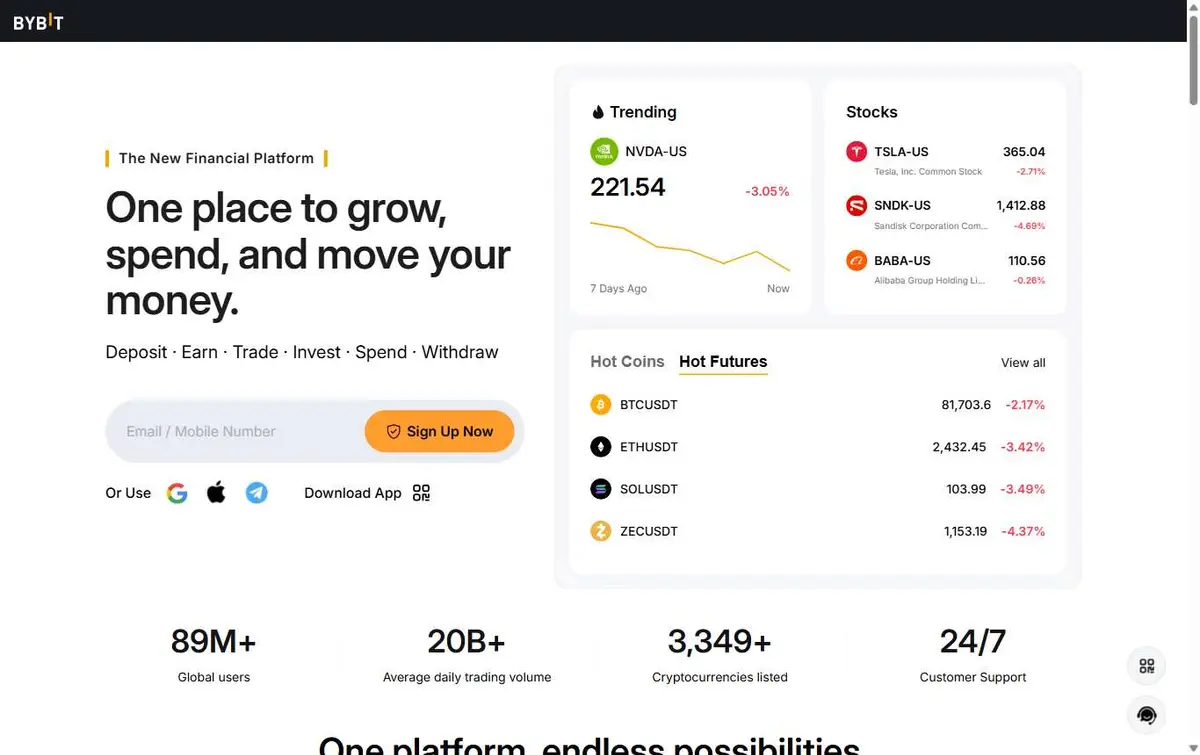
No barrier Iceland · Home page
Iceland: the home page loads with no notice
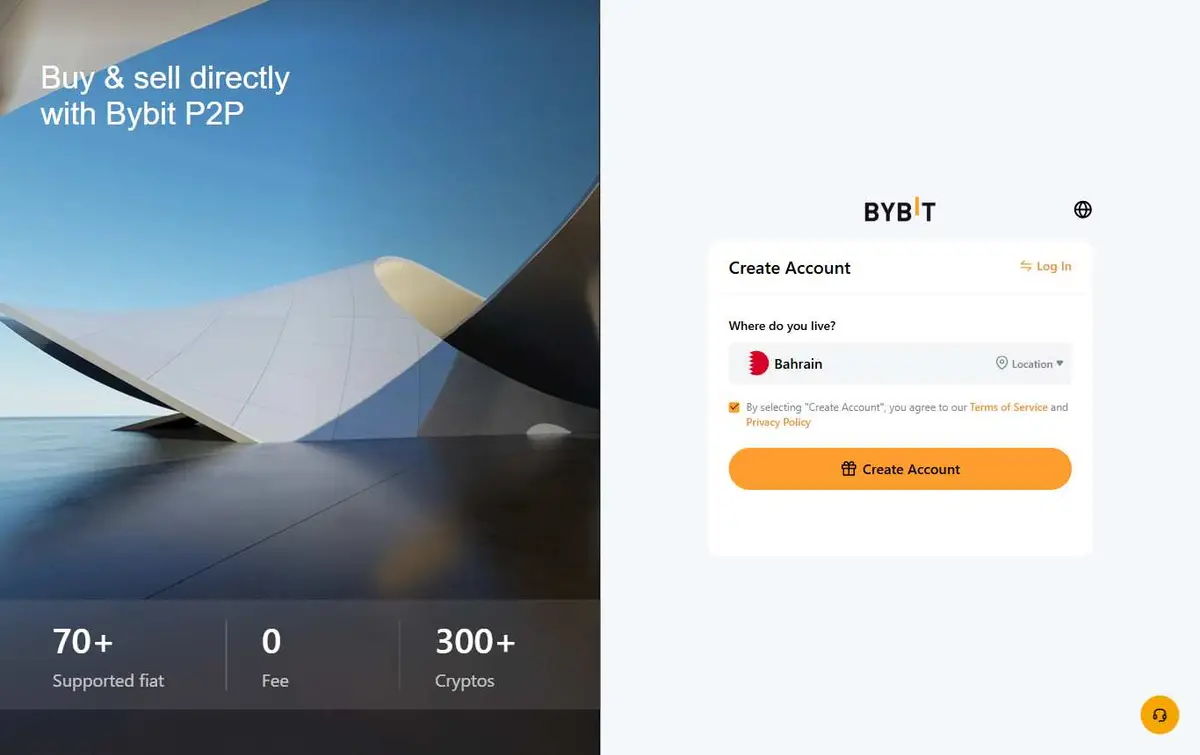
No barrier Bahrain · Sign-up page
Bahrain: the sign-up page loads with no barrier
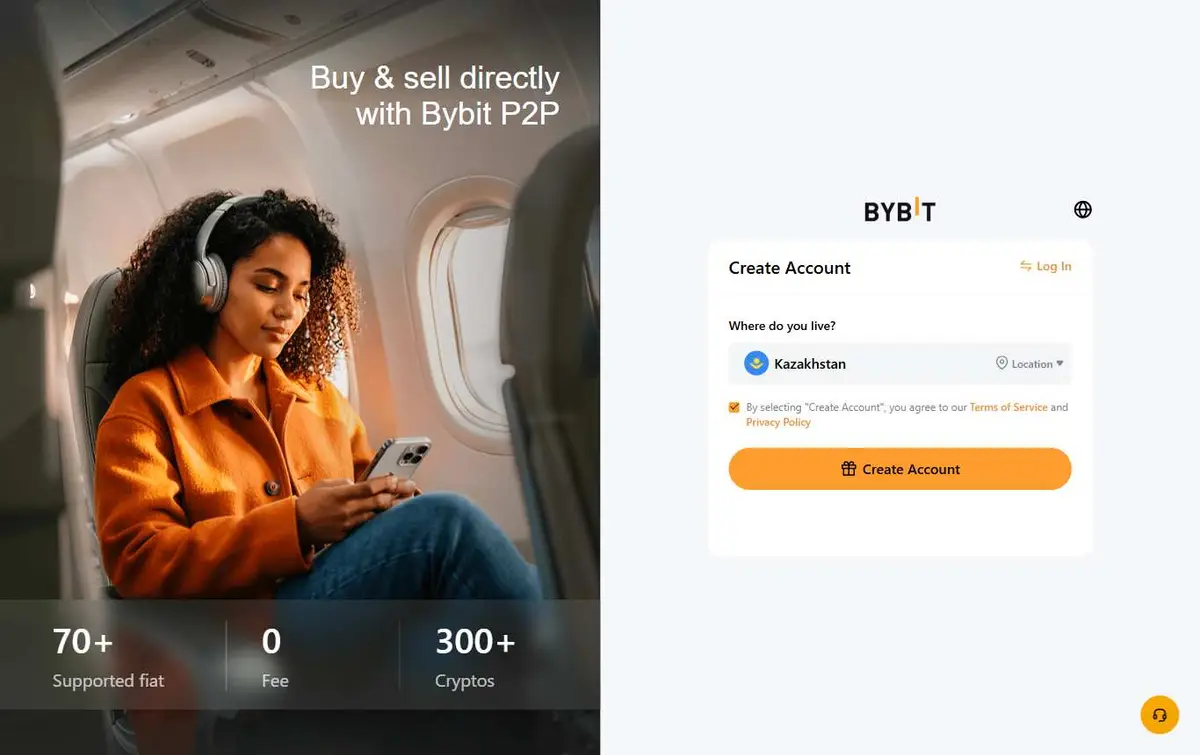
No barrier Kazakhstan · Sign-up page
Kazakhstan: the sign-up page loads with Kazakhstan preselected as the location
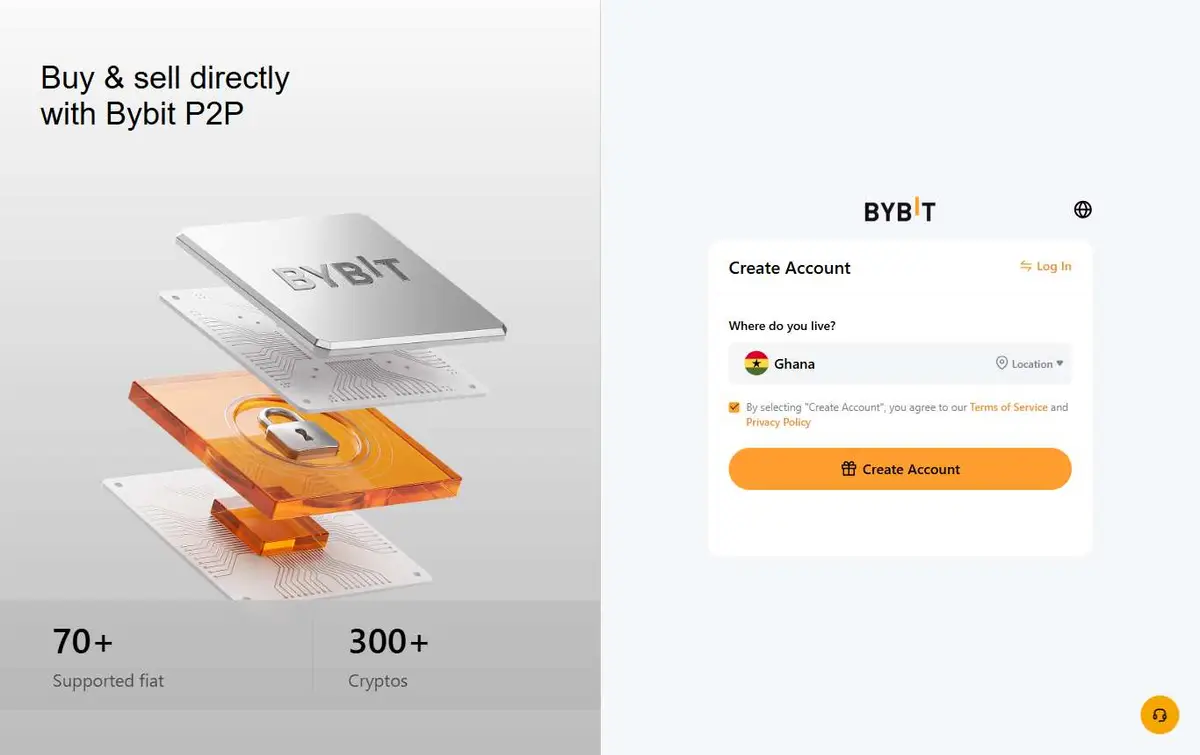
No barrier Ghana · Sign-up page
Ghana: the Bybit sign-up page preselects Ghana as the location
“Location Ghana”
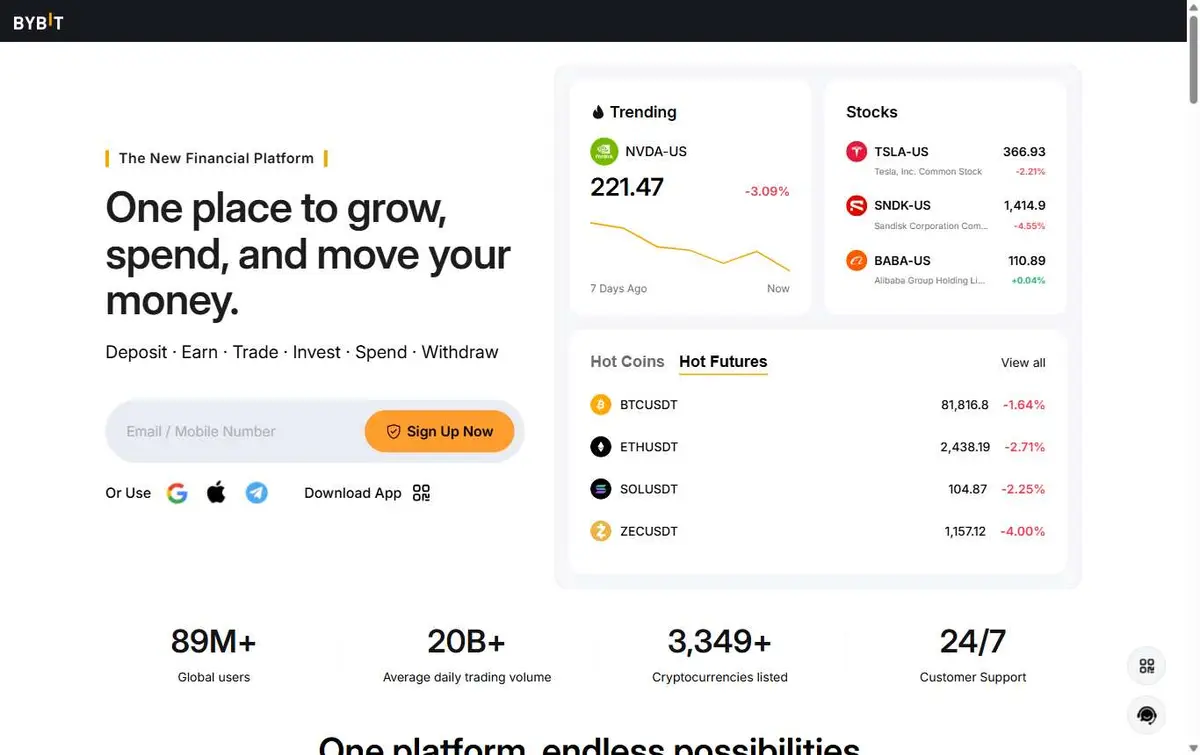
No barrierGeorgia · Home page
Georgia: the global site loads with no notice
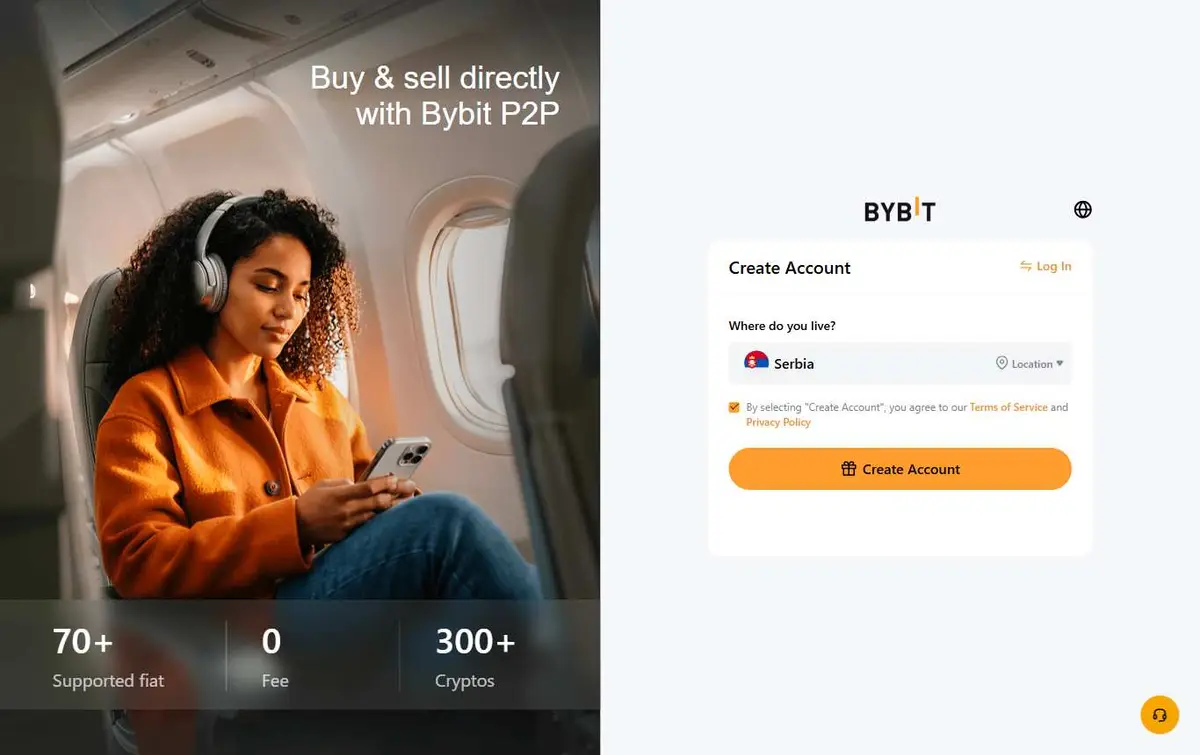
No barrier Serbia · Sign-up page
Serbia: sign-up loads with no barrier
 CRYPTORESTRICTIONS
The test does not decide a country’s status on its own: official documents come first, and a page that loads is not permission to use Bybit.
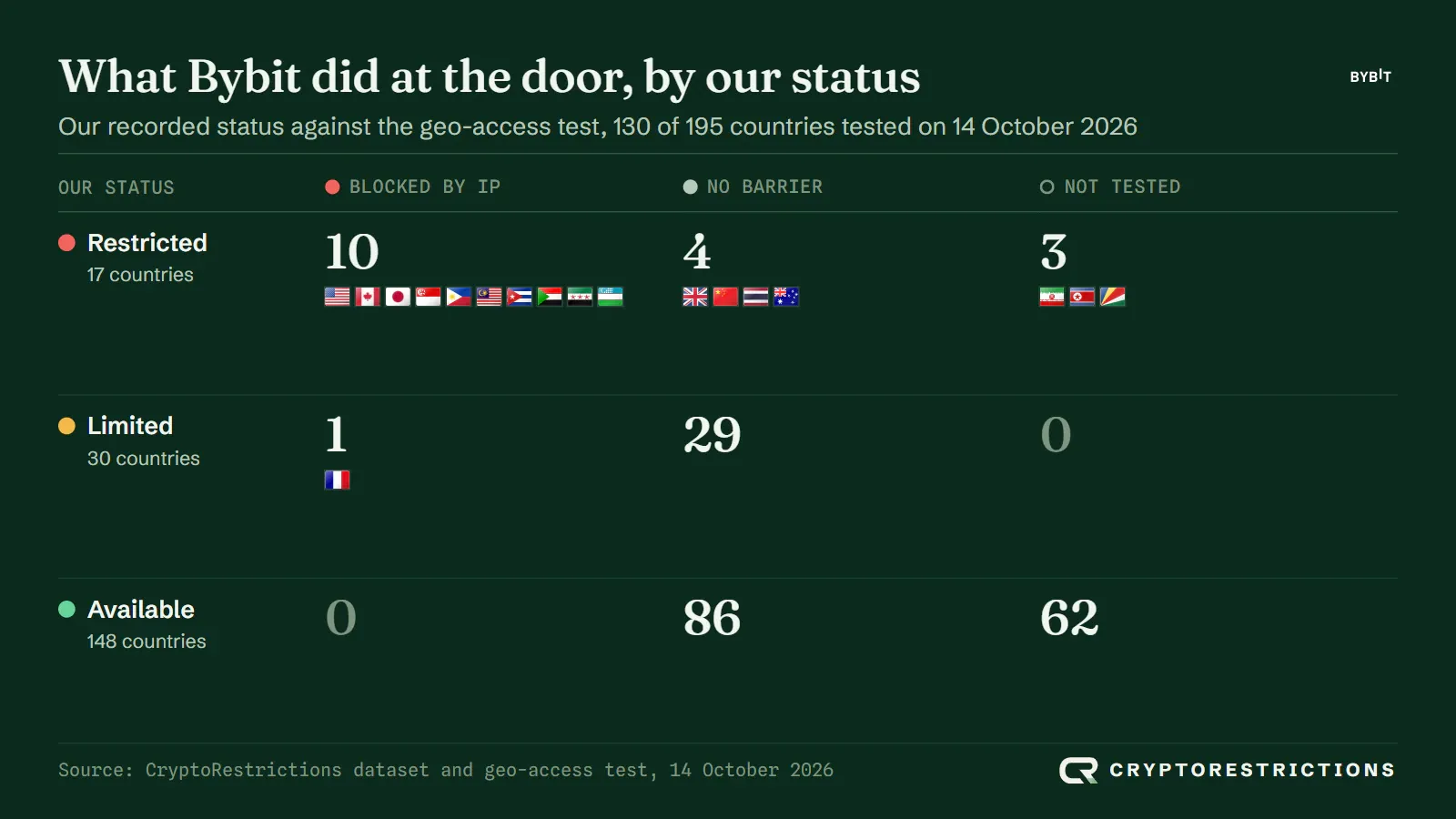
Three patterns stand out. First, Bybit blocks at the door, on the sign-up form rather than the home page: 10 of the 14 restricted countries we reached got the banner, against 3 of 10 for Binance in the same test. Second, the four that loaded each have a reason. Australia’s exclusion took effect two days after our test, UK accounts are only cut back from 21 October, Thailand’s block is run by Thai internet providers, and China, although listed, loaded with no notice. Third, France was the only EEA country that got the banner, the first sign of the exclusion its terms made official two days later.

Iran, North Korea and Seychelles were not tested: our VPN offers no location in any of them. The full result for every country is below.
All 134 test results, country by country
Bybit licences and registrations
Bybit holds 10 licences and registrations in 10 jurisdictions, none of them in the US, Canada, the UK, Japan or Hong Kong.
There is no single licences page: Bybit names its regional companies in its terms, notices and complaints procedures, and we checked them against regulators’ registers where we could. Five are licences or authorisations (one is in Kazakhstan, from the AIFC regulator), four are registrations, and one is a transitional permission in Brazil. The global platform itself, run by Bybit Technology Limited, holds none of them.
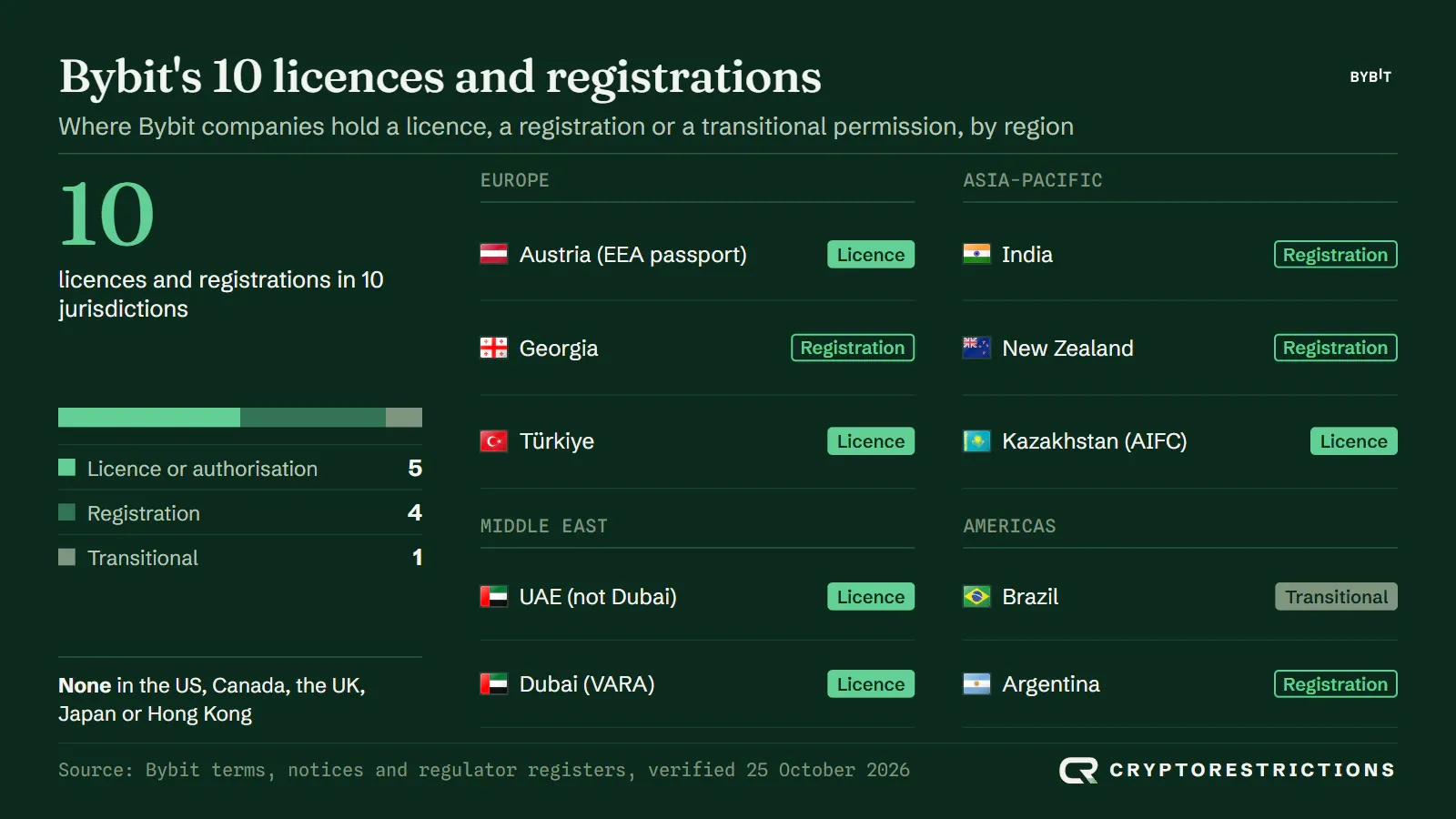
Europe
- Austria (EEA passport): Bybit EU GmbH was authorised under MiCA by Austria’s Financial Market Authority on 28 May 2025, according to the FMA’s notice, for custody, exchange of crypto for money and for other crypto, placing and transfers. ESMA’s register shows it passported to every other EEA state except Malta.
- Georgia: Bybit says it was registered as a virtual asset service provider by the National Bank of Georgia in November 2024.
- Türkiye: Bybit’s complaints procedure says Bybit TR is licensed and regulated by the Capital Markets Board (SPK); we have not checked the SPK list.
Middle East
- United Arab Emirates: Bybit Virtual Asset Platform Operator LLC secured a federal licence from the Securities and Commodities Authority in October 2025. It does not cover Dubai, which has its own regulator, VARA, and Bybit’s list excludes Dubai for this company only.
- Dubai: Bybit Fintech FZE holds a VARA licence for exchange services, VL/26/10/003, issued on 20 October 2026, according to VARA’s register. Bybit says it covers spot trading, not derivatives, and has not given a launch date (our coverage).
Asia-Pacific
- India: Bybit is registered with the Financial Intelligence Unit as a reporting entity, after a fine of about $1 million, CoinDesk reported. Bybit said its apps were fully accessible in India again from 8 September 2025.
- New Zealand: Kono Group Limited is on the Financial Service Providers Register (FSP664531), according to Bybit’s New Zealand addendum, which warns that local users may reach only some products.
Americas
- Brazil: Bybit moved Brazilian users to Bybit Brasil SPSAV Ltda. from 24 September 2026. It operates under the central bank’s transitional rules; we have not confirmed a final authorisation.
- Argentina: Bybit’s complaints procedure says Luzpay S.A. is registered with the Comisión Nacional de Valores as a virtual asset service provider under General Resolution 1058/2025.
Bybit and MiCA in the EU
Bybit has held a MiCA licence since 28 May 2025, so Bybit EU serves 29 of the 30 EEA countries; the catch is that it offers no derivatives, and Bybit is moving EEA residents off the global platform that does, so we record those countries as limited.
MiCA is the EU’s crypto rulebook, and since 30 December 2024 it has required exchanges serving EU clients to hold an authorisation from one member state (our MiCA article covers the rules). Bybit chose Austria. Derivatives are outside MiCA, and Bybit EU applied for a MiFID II licence in September 2025 to offer futures and options; we found no approval by 16 October 2026.
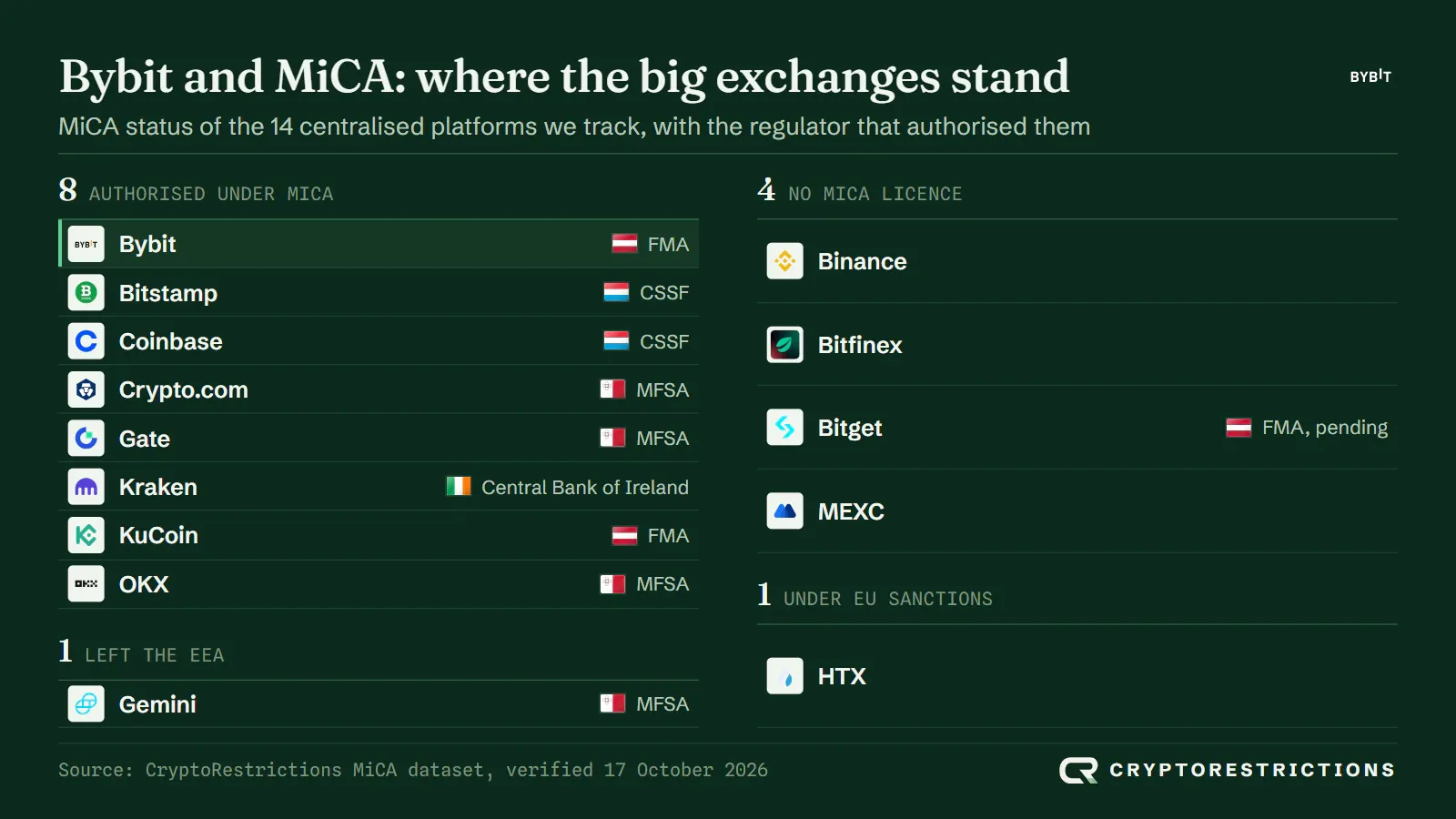
Bybit is one of eight authorised platforms among the 14 centralised exchanges in our MiCA dataset, and one of two licensed by Austria’s FMA, with KuCoin. The same regulator holds Bitget’s application, filed the day after the transition ended.

France shows how far the licence changed things. The AMF put Bybit on its blacklist in May 2022, and Bybit closed French accounts on its global platform in 2024. Bybit EU says the AMF took Bybit off the blacklist on 14 February 2025, and Bybit EU now serves France under its passport, while the global terms exclude France from 16 October 2026.
Bybit MiCA timeline
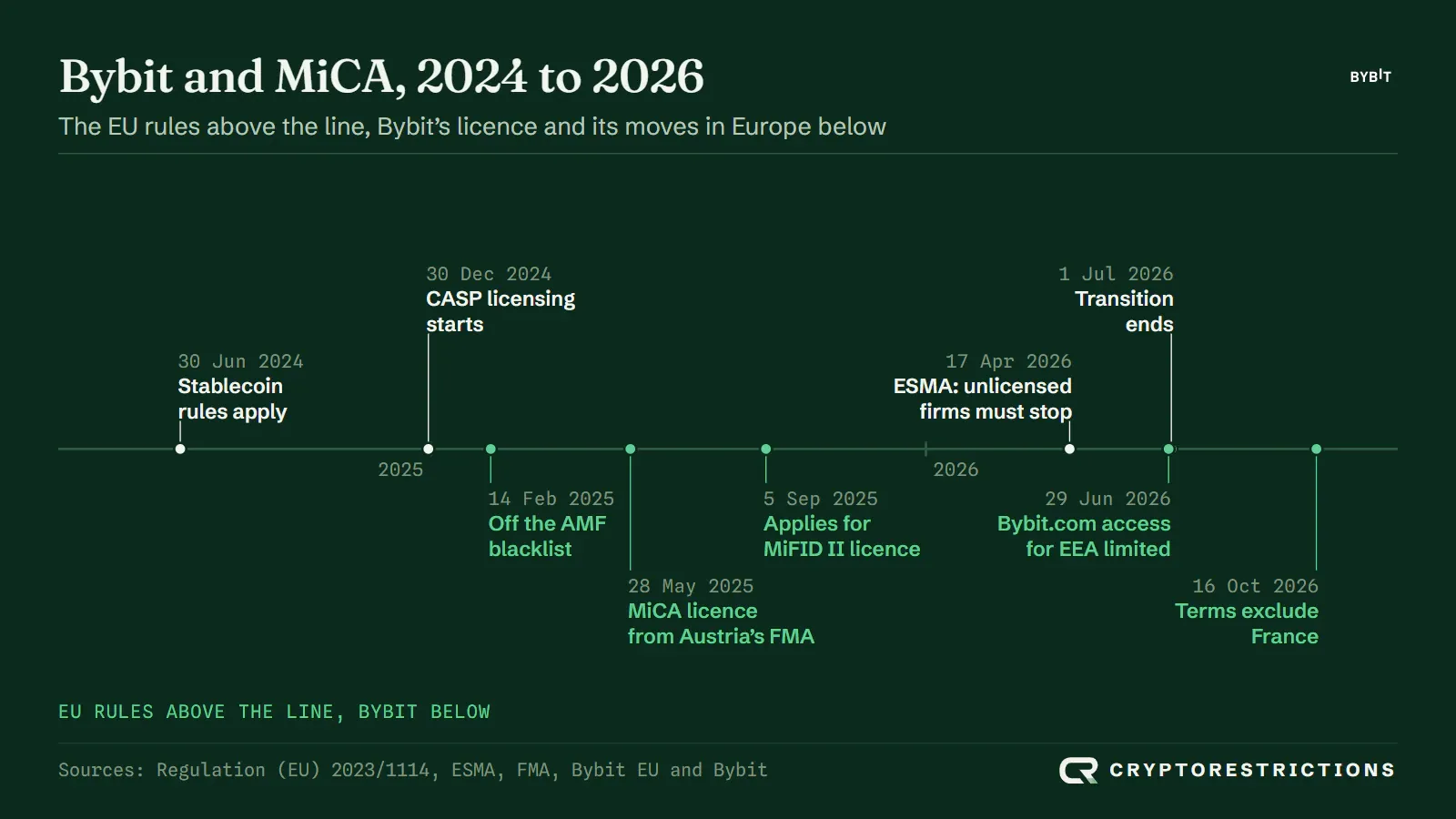
ESMA said in April 2026 that any firm still serving EU clients without a licence after 1 July must stop. That deadline did not touch Bybit EU, but it explains the 29 June notice: from then on, an EEA resident’s Bybit is Bybit EU, and Bybit.com access is wound down. The Dutch central bank had already fined Bybit Fintech Limited €2.25 million in October 2024 for serving Dutch customers without registration until September 2023.
Is Bybit available in the US?
No. The United States is on Bybit’s excluded list, Bybit has no US company, and our test from a US address got the sign-up banner.
Bybit’s terms also cover anyone who lies about where they live: section 11.3 lets Bybit close the account immediately and liquidate open positions. Unlike Binance or OKX, Bybit runs no separate US exchange, so there is no state list to check: every state and territory is outside its service. We found no US regulator action against Bybit itself.
Bybit’s fines and the 2025 hack
Bybit’s penalties so far have come from outside the US. In June 2022 Bybit Fintech Limited settled with the Ontario Securities Commission, disgorging $2,468,910 and paying C$10,000 in costs, and Bybit later left Canada. The Dutch fine followed in 2024 and the Indian one in January 2025.
The largest event in Bybit’s history was not a fine. On 21 February 2025 attackers drained 401,347 ETH, about $1.46 billion, from one of its cold wallets, according to Bybit’s incident timeline, and withdrawals kept running. The FBI attributed the theft to North Korea, to actors it calls TraderTraitor.
Bybit regulator actions and market moves: timeline
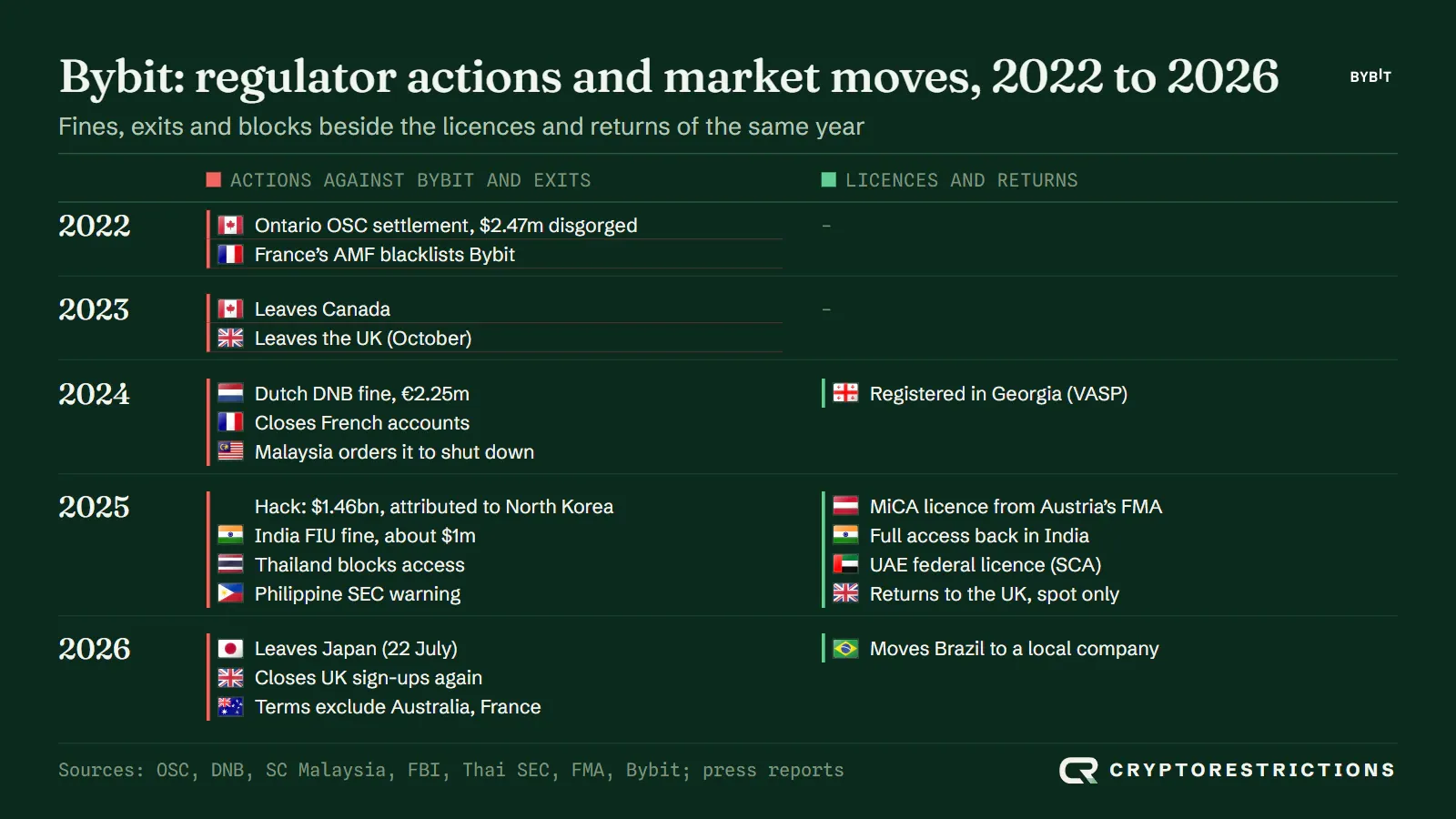
Bybit KYC and identity verification
Bybit requires at least its Standard level of identity verification for every product, and it publishes withdrawal limits for each level.
Bybit’s verification guide (updated 6 July 2026) sets out three levels: Standard asks for an identity document and a facial recognition scan, Advanced adds a proof of address dated within three months, and Pro adds enhanced due diligence with proof of income. Its KYC FAQ (20 August 2026) accepts a passport, identity card, residence permit or driving licence, not scans or e-copies, and caps withdrawals at 1 million USDT a day for Standard and 2 million for Advanced or Pro.
Bybit EU runs its own flow. Its EEA guide (25 March 2026) offers three routes to Standard: a quick check with ID and selfie, a bank route with a €1 SEPA transfer, or a video interview, followed by a profile survey. Accounts on Bybit EU and Bybit.com are separate, and transfers between them are not supported.
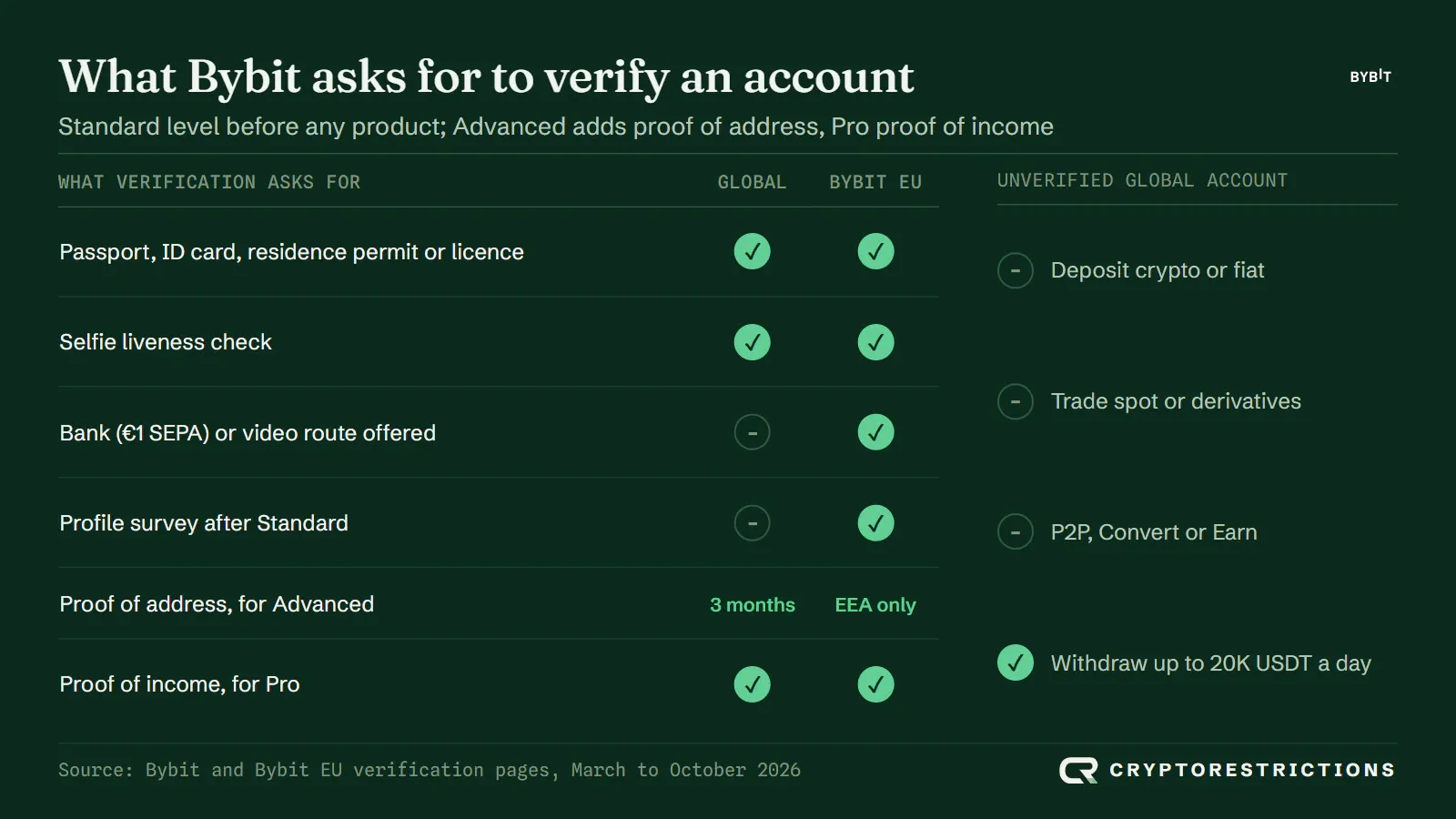
An unverified Bybit.com account is close to withdraw only. Bybit’s table of KYC benefits (6 October 2026) shows no deposits, trading, P2P, Convert or Earn without verification, but crypto withdrawals of up to 20,000 USDT a day and 100,000 USDT a month. On Bybit EU an unverified account can deposit no more than €1.
Bybit verification history
Verification became mandatory on 8 May 2023: Bybit said every product would need at least its first level, and unverified users could only close positions, repay loans and withdraw, The Block reported. The 20,000 USDT daily withdrawal cap for unverified accounts dates from the same change, according to Cointelegraph.
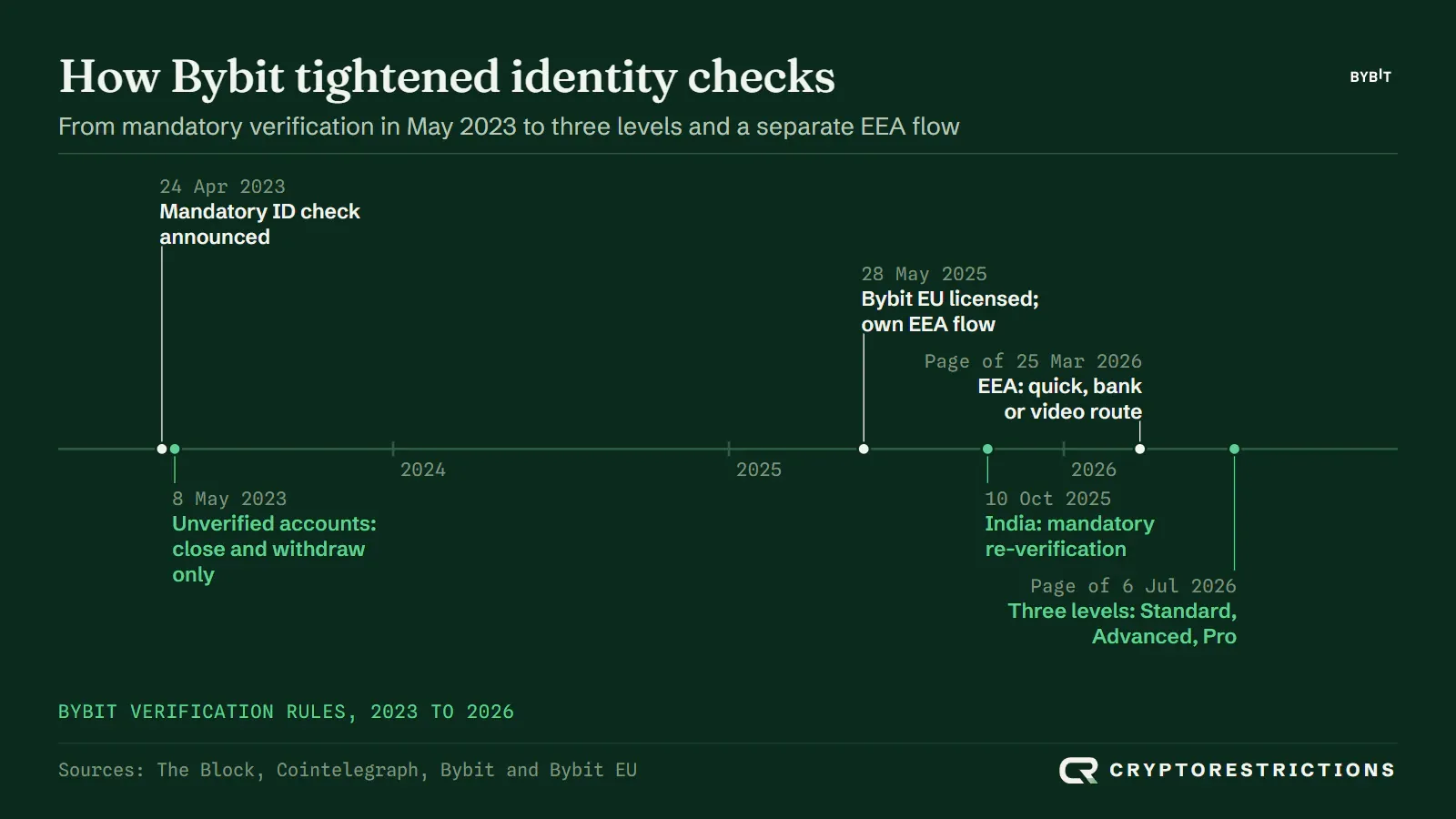
Indian users were asked to renew their verification in October 2025, after Bybit registered there. For how Bybit’s checks compare with other exchanges, see our guide to crypto exchange KYC.
What if Bybit is restricted where you live?
It depends on the country: of the 21 other platforms we track, 14 are available in Thailand and 13 in Malaysia, but only one, KuCoin, in Cuba, Iran and North Korea, where Bitstamp is limited.
A VPN is no route around it. Bybit’s terms do not name VPNs, but they let Bybit close an account and liquidate its positions if you misstate where you live, verification asks for documents that show your nationality and address, and Bybit’s FAQ says country restrictions follow nationality, not current residence. What is left is a platform that is allowed to serve you where you live.
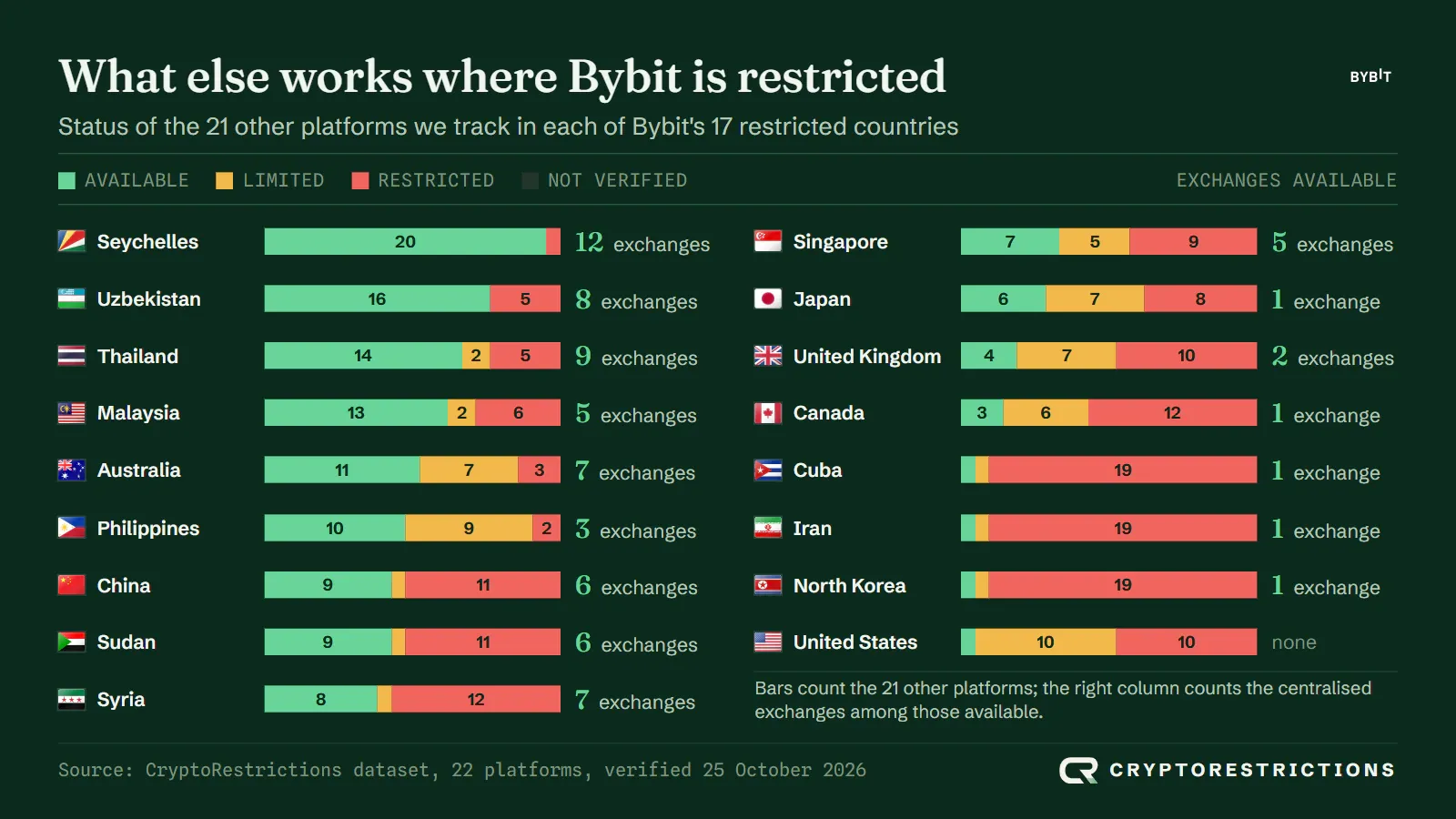
The chart shows how much choice each restricted country has. Thailand and Malaysia keep a dozen or more open platforms, Australia 11, the Philippines ten and Singapore seven, with seven or more centralised exchanges in Thailand and Australia. The UK has four, two of them exchanges, and the United States one, Uniswap, which is not an exchange. Seychelles and Uzbekistan keep 20 and 16 open platforms, most of them centralised exchanges, and in Cuba, Iran and North Korea the one platform recorded as available is KuCoin, under our coverage rule: no document we hold restricts it there. Bitstamp is limited there.
Each country page lists every platform we track there with its status and sources; start from our country index.