Is crypto legal in Germany?
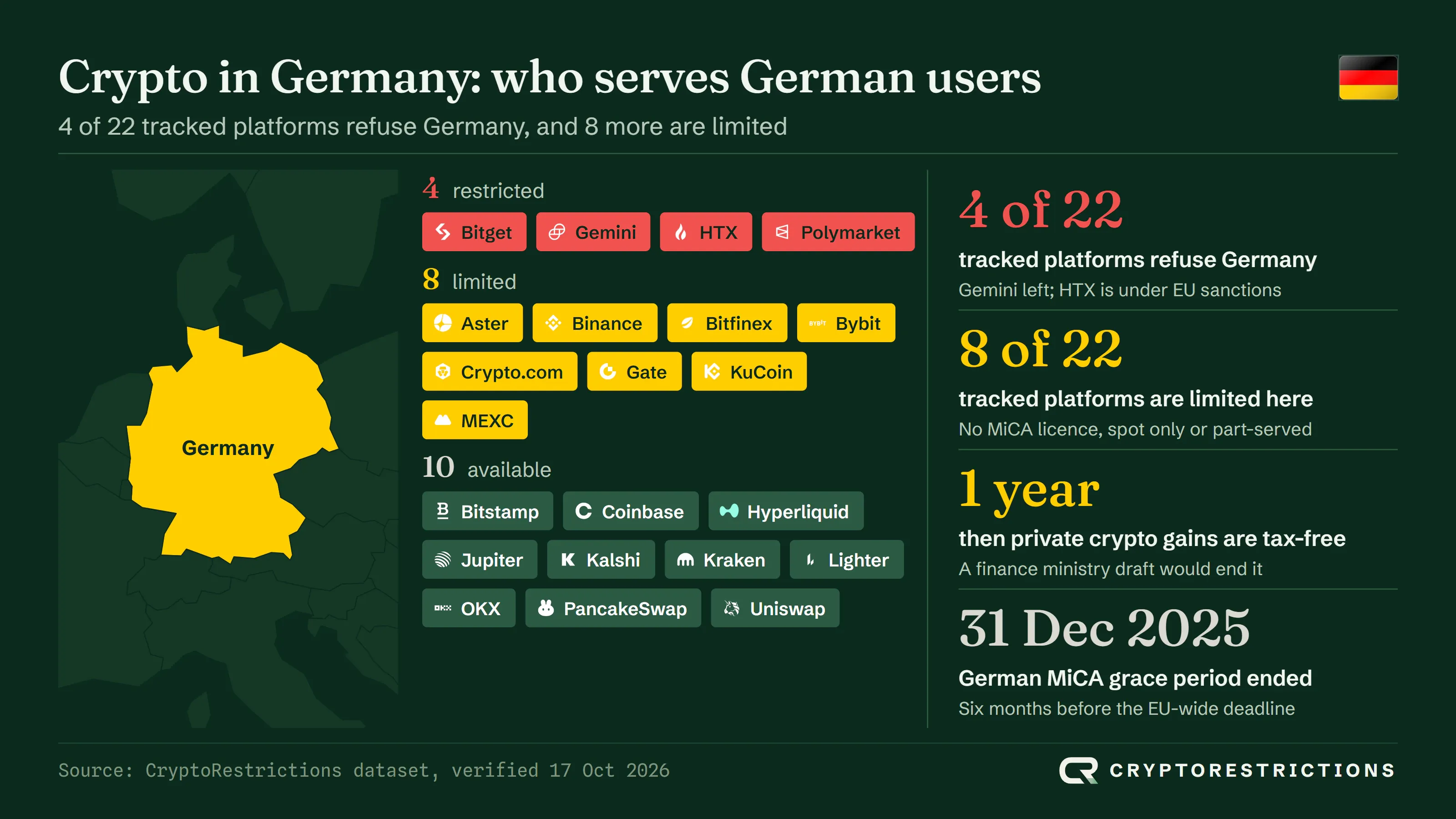
Yes. Individuals may buy, hold and trade crypto, and about 13% of adults do. What Germany regulates is who may serve you: every provider needs a MiCA licence, from BaFin or from another EU regulator.
BaFin’s own survey article of 25 August 2026 counts more than nine million adults as crypto owners. The EU’s Markets in Crypto-Assets Regulation (MiCA) set the licensing rules: those for service providers have applied since 30 December 2024. Germany carries them out through the Kryptomärkteaufsichtsgesetz (KMAG), part of the FinmadiG of December 2024. Crypto custody has needed a German licence since 2020.
Firms that already worked in Germany could keep going while they applied, but Germany cut that grace period short. It ended on 31 December 2025, and the EU-wide limit passed on 1 July 2026 with no extension. A week later BaFin and the Financial Intelligence Unit (FIU) warned licensed firms that customers arriving from unlicensed providers need fresh identity checks, because copying the old provider’s checks is not enough.
Which crypto exchanges work in Germany?
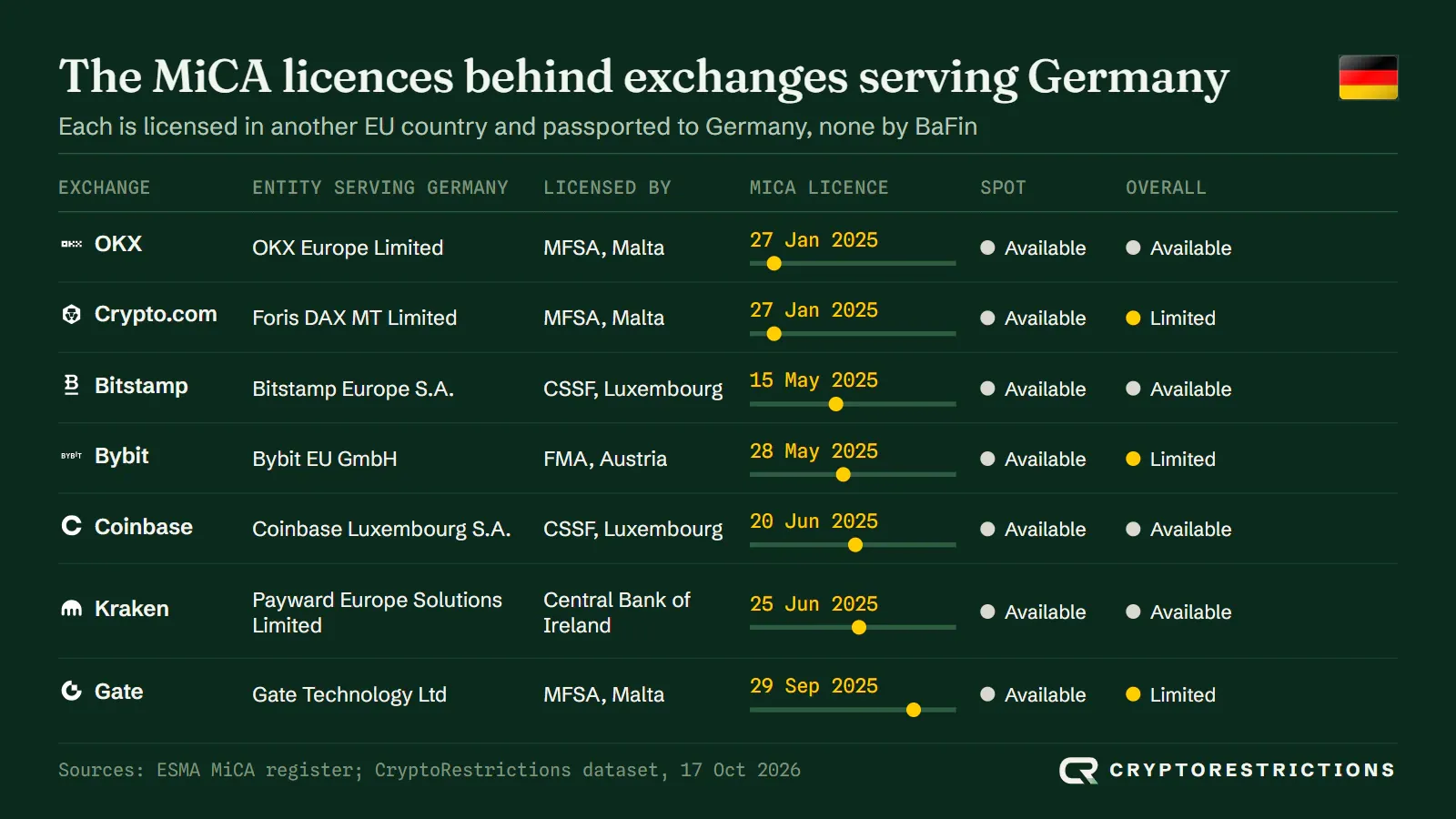
Seven of the exchanges we track serve German users under a MiCA licence: Coinbase, Kraken, OKX, Bitstamp, Bybit, Crypto.com and Gate. Four are fully available; Bybit, Crypto.com and Gate are limited because they offer no derivatives here.
None of them holds a BaFin licence. Each is licensed by another EU regulator and serves Germany on an EU passport, which is why the chart names the regulator that granted the licence. The register is ESMA’s interim MiCA list. Kraken, for one, moved German clients to Payward Europe Solutions on 1 August 2025.
The same list names German banks and custodians outside our platform set, among them Boerse Stuttgart Digital Custody, Trade Republic Bank and N26 Bank. The one notable refusal is bitcoin.de: its operator Bitcoin Group SE said on 6 October 2026 that BaFin had refused the MiCA licence of its bank, futurum bank, and ended its tolerance of the bank’s crypto services. BaFin has not published the decision.
Best crypto platforms for German residents
By our access score, Coinbase, Kraken and Bitstamp (each 8.0 out of 10) are the most open exchanges for German users, OKX (7.5) comes next, Kalshi (8.0) is the most open prediction market and Uniswap, Jupiter and PancakeSwap (8.0) the most open DeFi platforms.
The score rates how fully a German resident can use each platform, not its fees or safety. It is computed from our data and moves when a row changes: access status (4 points), the share of the platform’s products open here (3), the licences we hold on file for Germany (2) and what our geo-access test saw from a German address (1). Nobody scores above 8.0, because every exchange here serves Germany on an EU passport and none holds a licence booked to Germany. Platforms that refuse German users are not scored. The full method is on our methodology page.
Exchanges

Bitstamp
Best for Spot trading from a long-running EU licence
8.0/10- Access
- 4/4
- Products
- 3/3
- Licences
- 0/2
- Our test
- 1/1
Read our Bitstamp reportPros
- Bitstamp Europe S.A. holds a CSSF MiCA licence from 15 May 2025
- Spot, staking and lending are open in our data
Cons
- No German entity: served from Luxembourg

Coinbase
Best for A MiCA-licensed exchange with the widest reach
8.0/10- Access
- 4/4
- Products
- 3/3
- Licences
- 0/2
- Our test
- 1/1
Read our Coinbase reportPros
- Coinbase Luxembourg S.A. holds a CSSF MiCA licence passported across the EEA
- Our test loaded sign-up from a German address with no barrier
Cons
- No German entity: served from Luxembourg

Kraken
Best for German clients served by a dedicated EU entity
8.0/10- Access
- 4/4
- Products
- 3/3
- Licences
- 0/2
- Our test
- 1/1
Read our Kraken reportPros
- Payward Europe Solutions has served German clients directly since 1 August 2025
- MiCA licence from the Central Bank of Ireland, passported to all 30 EEA countries
Cons
- Assets restricted under EEA rules are not offered to German clients

OKX
Best for A global brand with a local EU site
7.5/10- Access
- 4/4
- Products
- 3/3
- Licences
- 0/2
- Our test
- 0.5/1
Read our OKX reportPros
- OKX Europe Limited holds an MFSA MiCA licence from 27 January 2025
- okx.com points German visitors to OKX Europe
Cons
- Served from Malta, not by a German entity

Bybit
Best for Spot trading only
6.9/10- Access
- 3.5/4
- Products
- 2.4/3
- Licences
- 0/2
- Our test
- 1/1
Read our Bybit reportPros
- Spot is served by Bybit EU GmbH under an Austrian MiCA licence
Cons
- Bybit EU offers no derivatives
- EEA access to Bybit Global, which does, is being wound down

Crypto.com
Best for Spot trading in an app
5.8/10- Access
- 3.5/4
- Products
- 1.8/3
- Licences
- 0/2
- Our test
- 0.5/1
Read our Crypto.com reportPros
- Foris DAX MT Limited holds a Malta MiCA licence from 27 January 2025
- Spot trading and the app are offered
Cons
- Derivatives are on its geo-restrictions list for Germany

Gate
Best for Spot trading on a licensed EU arm
5.5/10- Access
- 3.5/4
- Products
- 1.5/3
- Licences
- 0/2
- Our test
- 0.5/1
Read our Gate reportPros
- Gate Technology Ltd holds a Maltese MiCA licence
- Spot trading is open to German users
Cons
- No derivatives: global Gate lists Germany as restricted
- Our test showed an EU-region notice at sign-up
Prediction markets

Kalshi
Best for The one tracked prediction market open to Germany
8.0/10- Access
- 4/4
- Products
- 3/3
- Licences
- 0/2
- Our test
- 1/1
Read our Kalshi reportPros
- Germany is not on its restricted-jurisdictions list
- Our test loaded sign-up from a German address
Cons
- The GGL says bets on events like these cannot be licensed in Germany
DeFi

Jupiter
Best for Solana swaps
8.0/10- Access
- 4/4
- Products
- 3/3
- Licences
- 0/2
- Our test
- 1/1
Read our Jupiter reportPros
- Germany is not in its terms
- Its app loaded in our test
Cons
- No licence on file for Germany

PancakeSwap
Best for BNB Chain swaps and pools
8.0/10- Access
- 4/4
- Products
- 3/3
- Licences
- 0/2
- Our test
- 1/1
Read our PancakeSwap reportPros
- Not excluded by its terms
- The swap page loaded in our test
Cons
- No licence on file for Germany

Uniswap
Best for Swapping tokens from your own wallet
8.0/10- Access
- 4/4
- Products
- 3/3
- Licences
- 0/2
- Our test
- 1/1
Read our Uniswap reportPros
- Its terms bar only places under comprehensive US sanctions
- Our test loaded the swap app from a German address
Cons
- No licence on file for Germany
Which platforms block German users?
Four of the 22 platforms we track refuse German users: Gemini, Polymarket, Bitget and HTX. Four more are limited because they have no working MiCA licence: Binance, KuCoin, MEXC and Bitfinex.
Most exits trace to MiCA. Gemini closed every UK and EEA account on 6 April 2026. Bitget stopped taking new German sign-ups on 16 January 2026. HTX’s terms bar the EU, and since 23 August 2026 EU sanctions on Russia-linked providers ban dealings with it, under Regulation (EU) 2026/1848. BaFin warned about MEXC in October 2023, two years before ESMA listed it as non-compliant. Polymarket is a different case: the GGL named it in September 2025 as an example of an illegal bet, and our prediction-markets section covers it.
What our geo-access test saw from Germany
From a German address on 14 and 16 October 2026 we loaded 18 of the platforms we track: 2 refused us, 3 showed a notice or a redirect, and 13 loaded with no barrier.
An open page is not permission. HTX and MEXC both loaded their sign-up pages although their terms and ESMA’s register say Germany should not be served. The two refusals were Gemini (“Gemini does not currently operate in Germany”) and Polymarket, whose geoblock check answered blocked. The three notices were Binance’s European regulatory page, an EU-region prompt at Gate and OKX’s redirect to its European site. Swipe through the screenshots below; each card quotes the message the page showed.
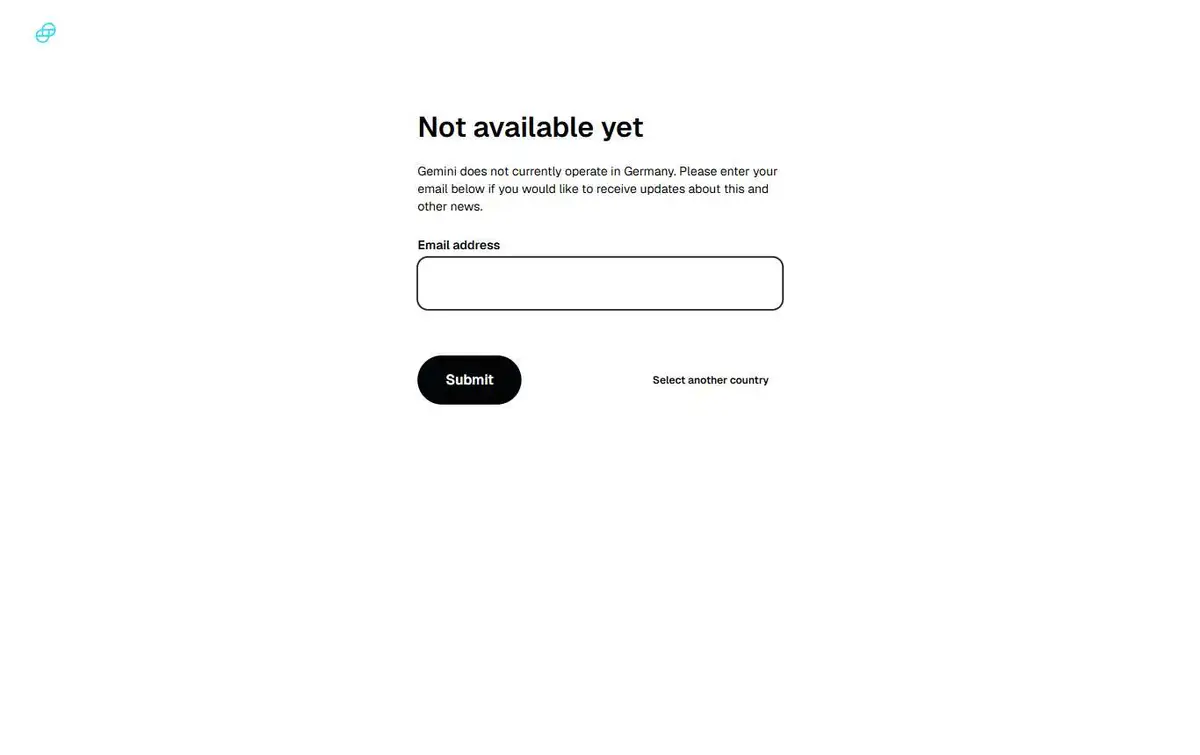
Blocked Gemini · Sign-up page
Germany, one of the EEA countries Gemini left, gets the same refusal
“Gemini does not currently operate in Germany.”
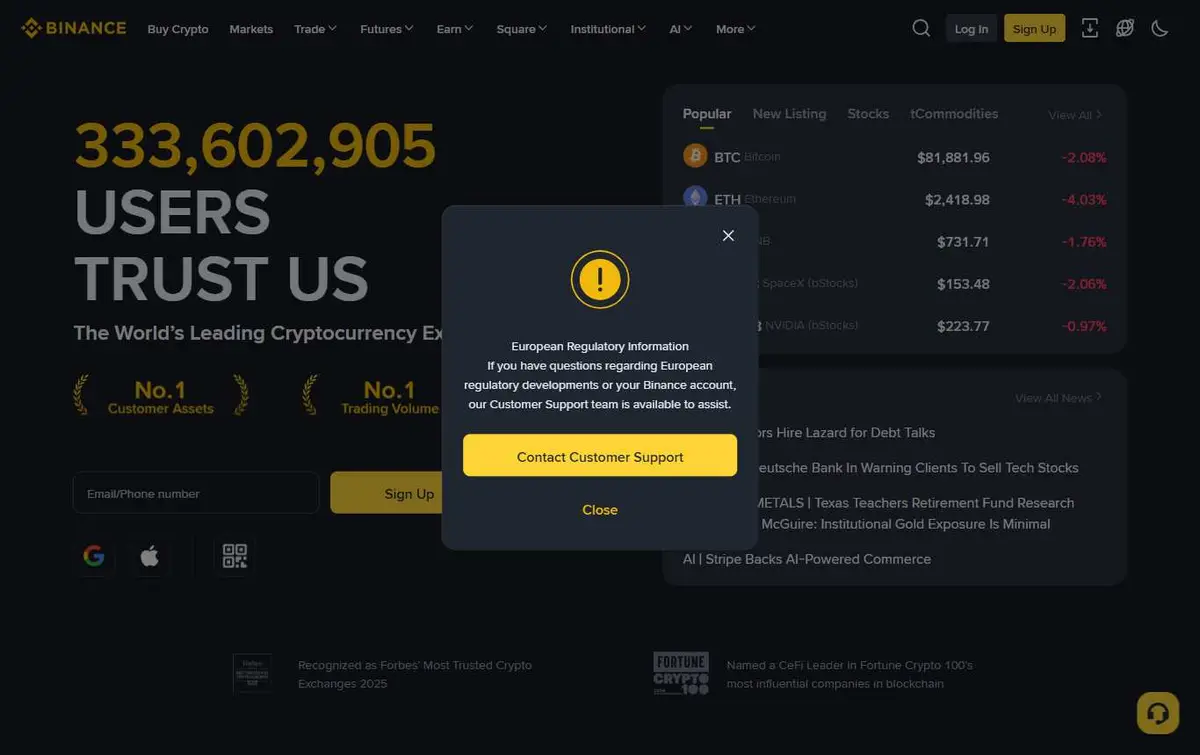
Notice shown Binance · Home page
A European regulatory notice; the sign-up page still loads
“European Regulatory Information”
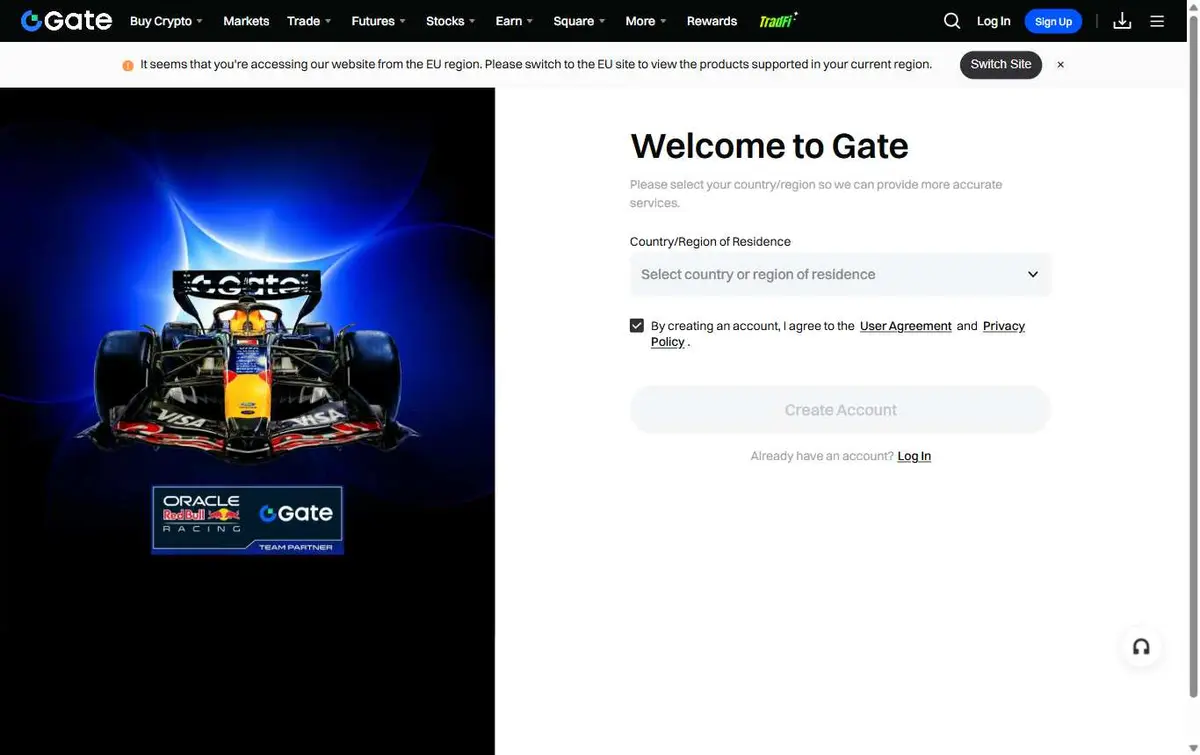
Notice shown Gate · Sign-up page
Germany, also on Gate's list, got no pop-up: only the banner sending EEA visitors to Gate EU
“It seems that you're accessing our website from the EU region.”
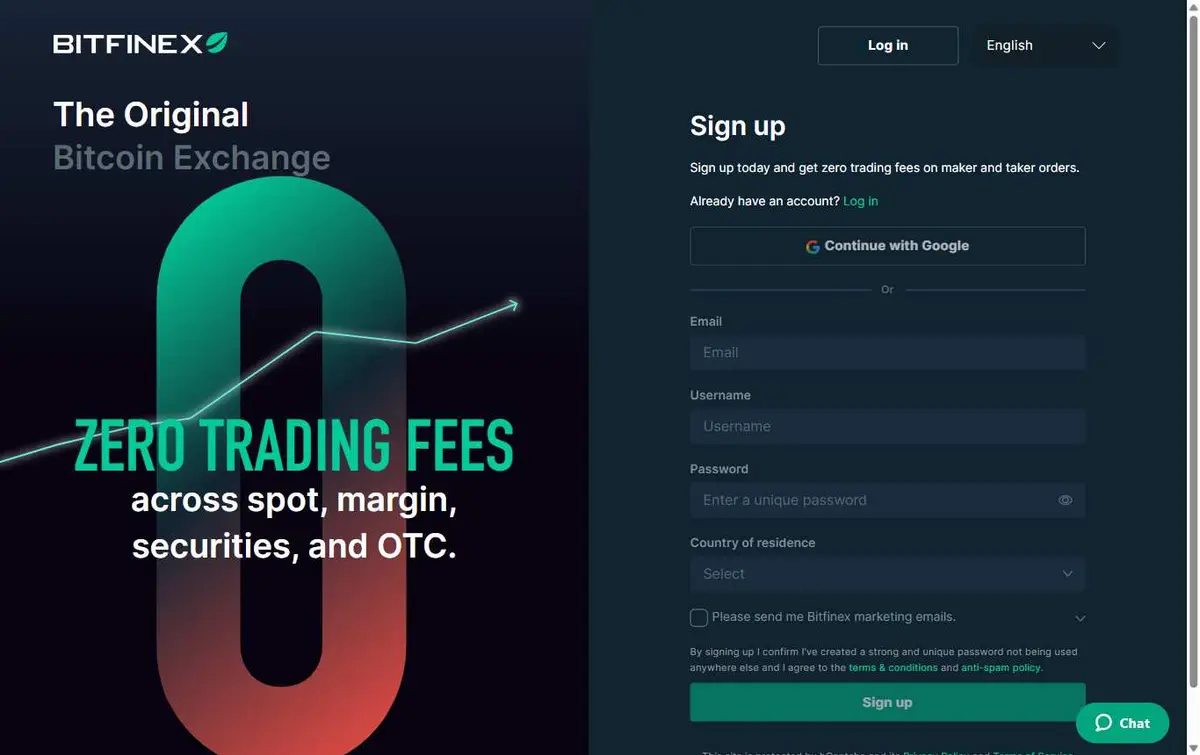
No barrier Bitfinex · Sign-up page
Germany: sign-up open with no MiCA licence, and no referral code field
“Sign up today and get zero trading fees on maker and taker orders.”
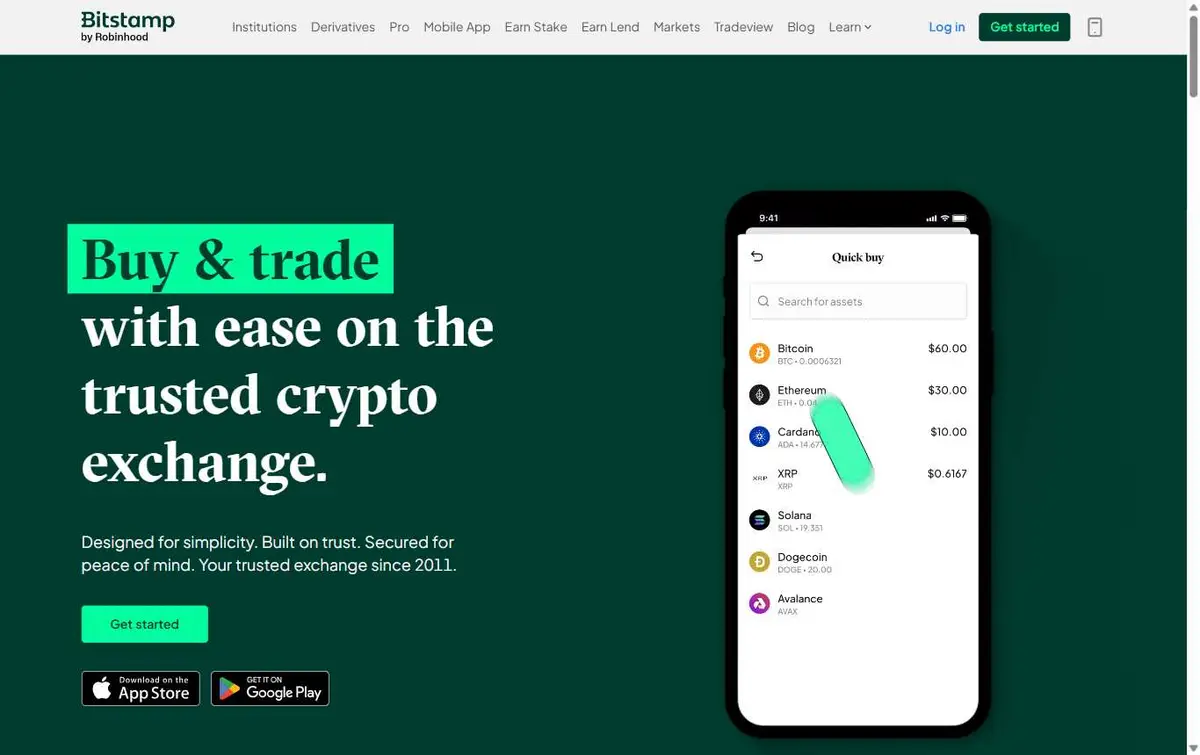
No barrier Bitstamp · Home page
Germany, served by Bitstamp Europe under the Luxembourg MiCA licence
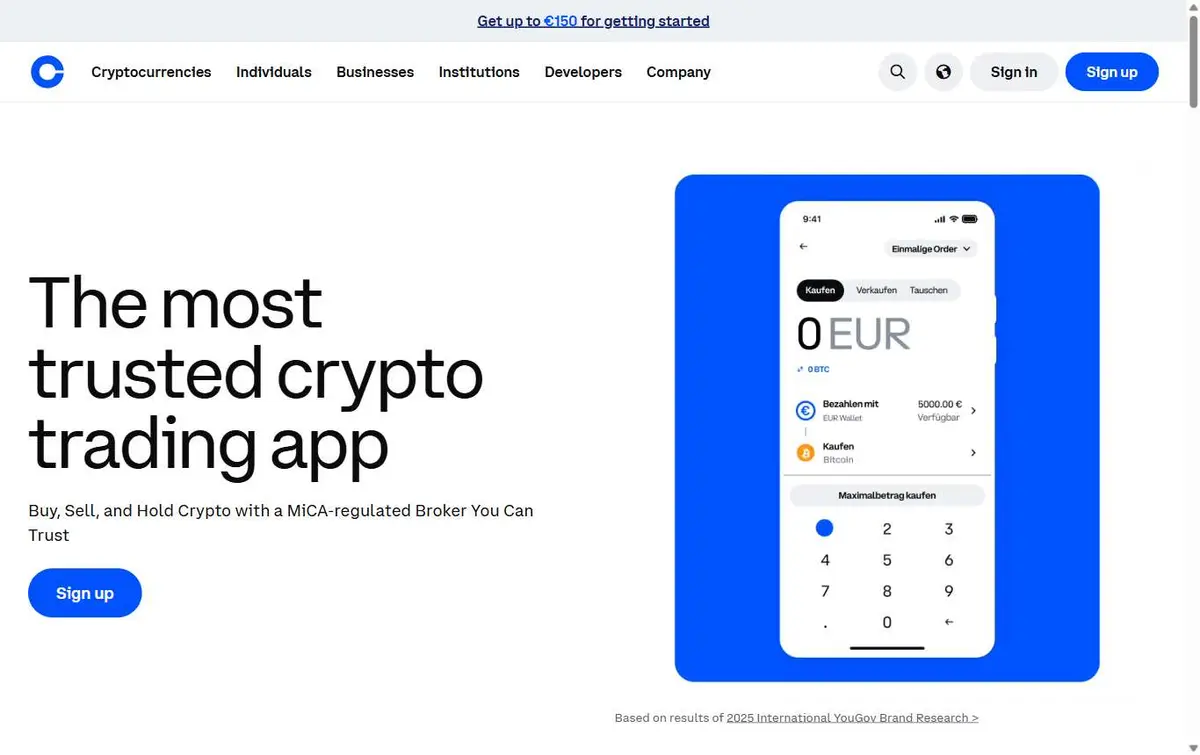
No barrier Coinbase · Home page
Germany, served under the MiCA licence from Luxembourg, loads with no notice
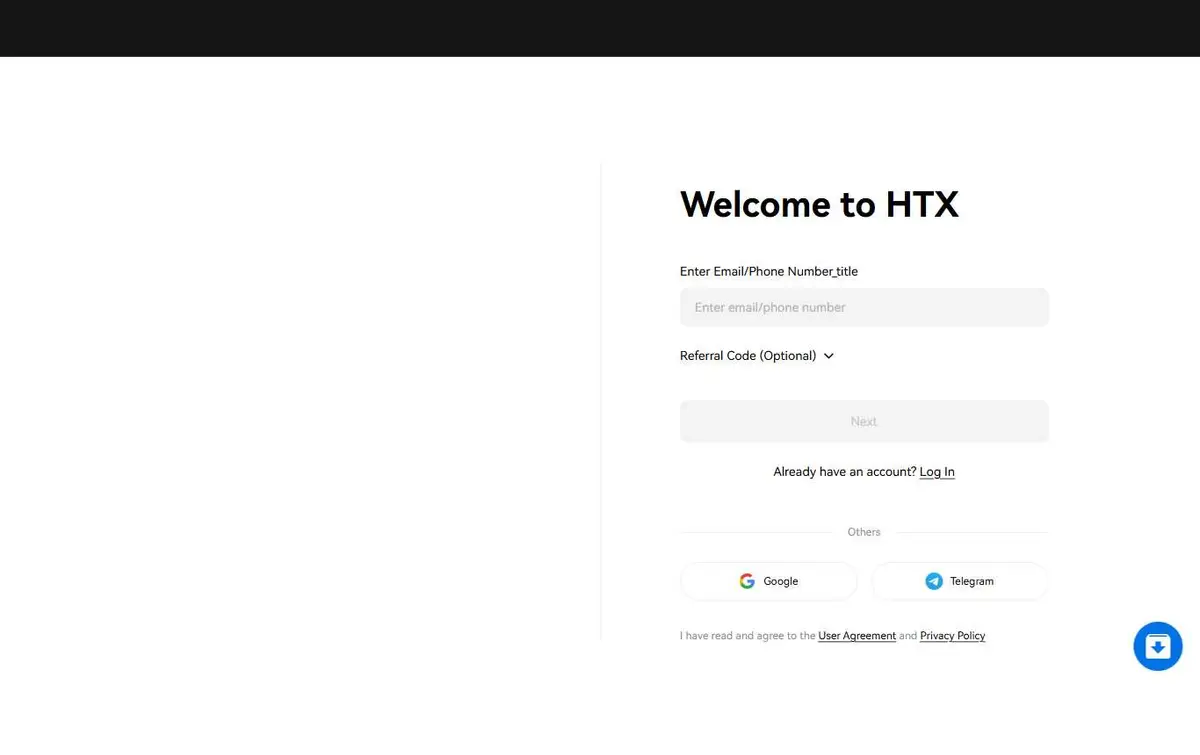
No barrier HTX · Sign-up page
Restricted in the EU, yet sign-up loads from Germany with no notice
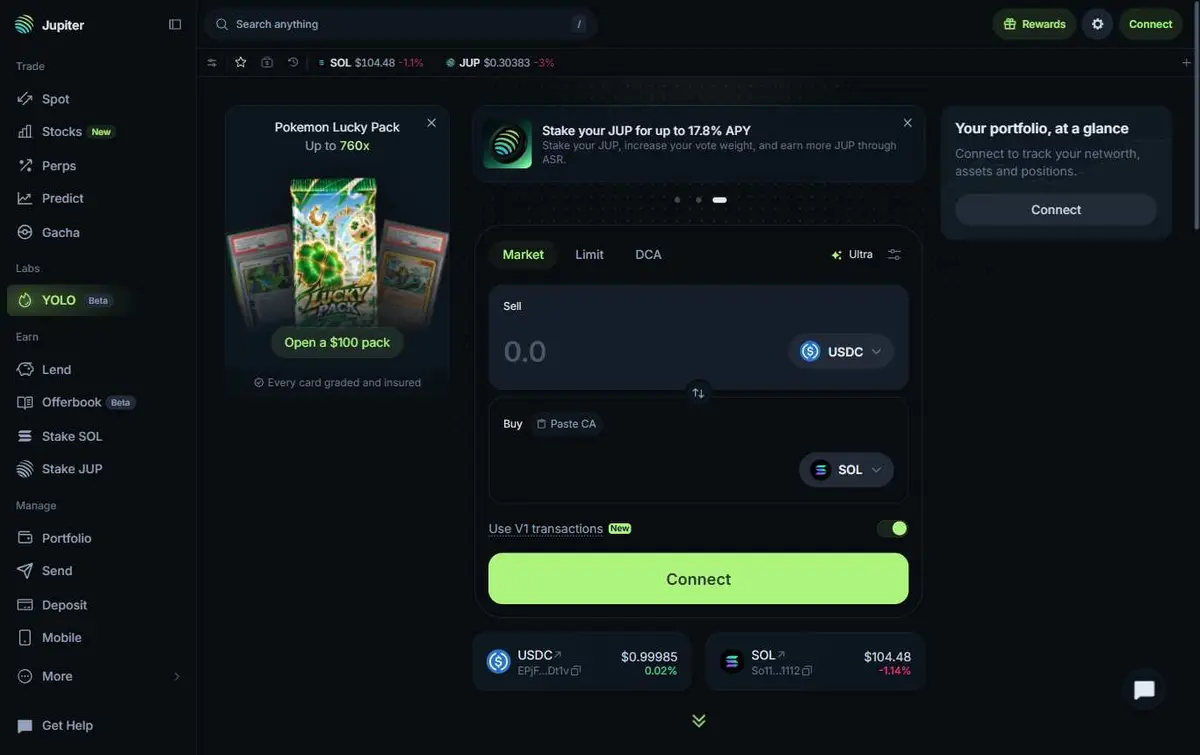
No barrier Jupiter · Trading app
Germany, another country where Polymarket's own site refuses visitors: open here
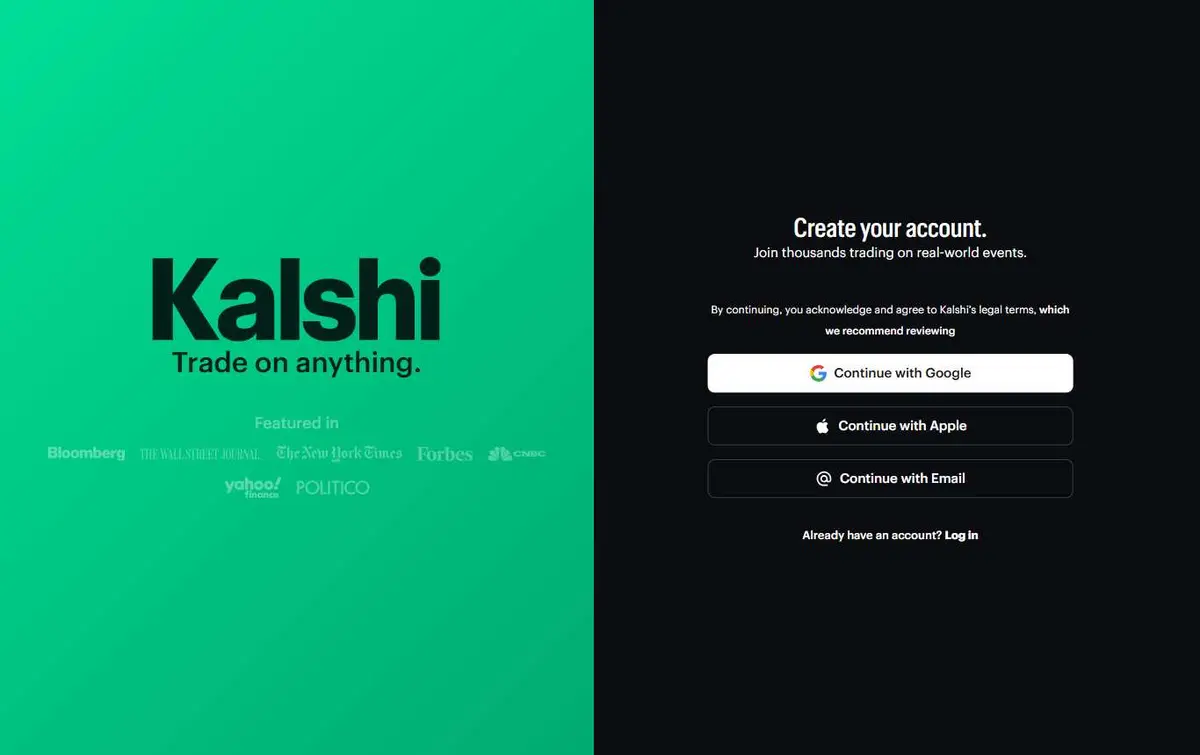
No barrier Kalshi · Sign-up page
Germany, on neither of Kalshi's lists: sign-up open, unlike Polymarket, which restricts Germany
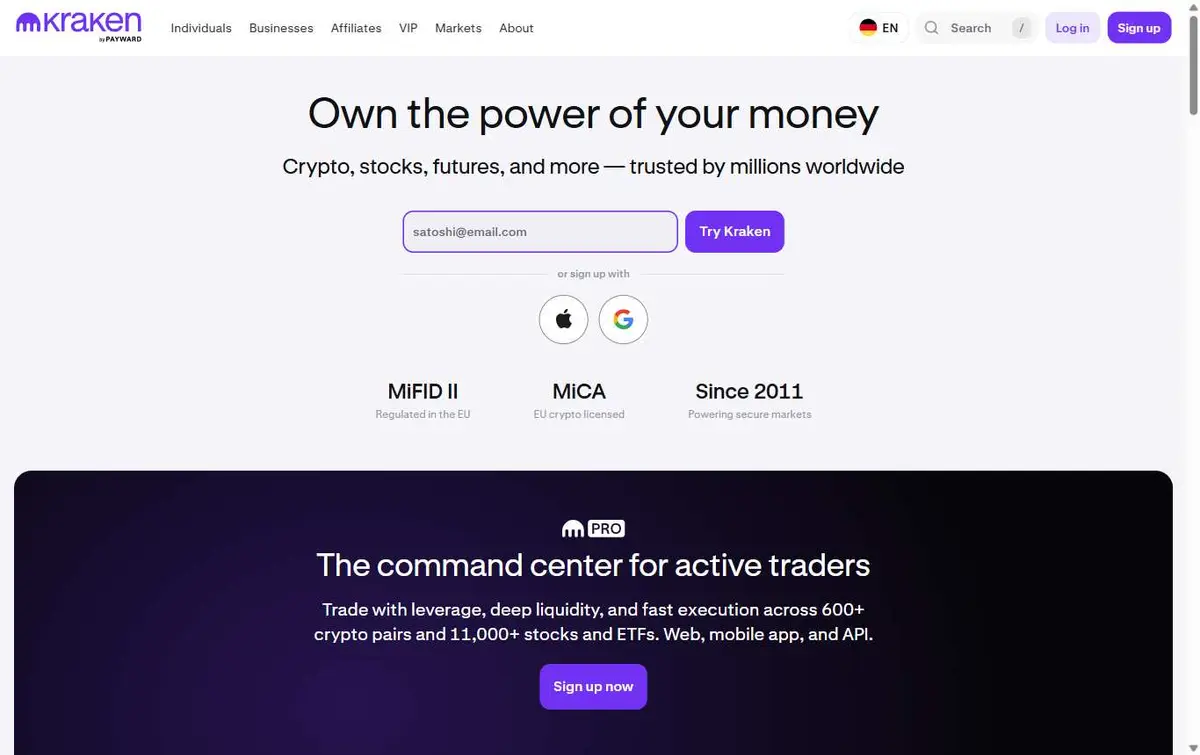
No barrier Kraken · Home page
Germany, one of 30 EEA countries under Kraken's Irish MiCA licence
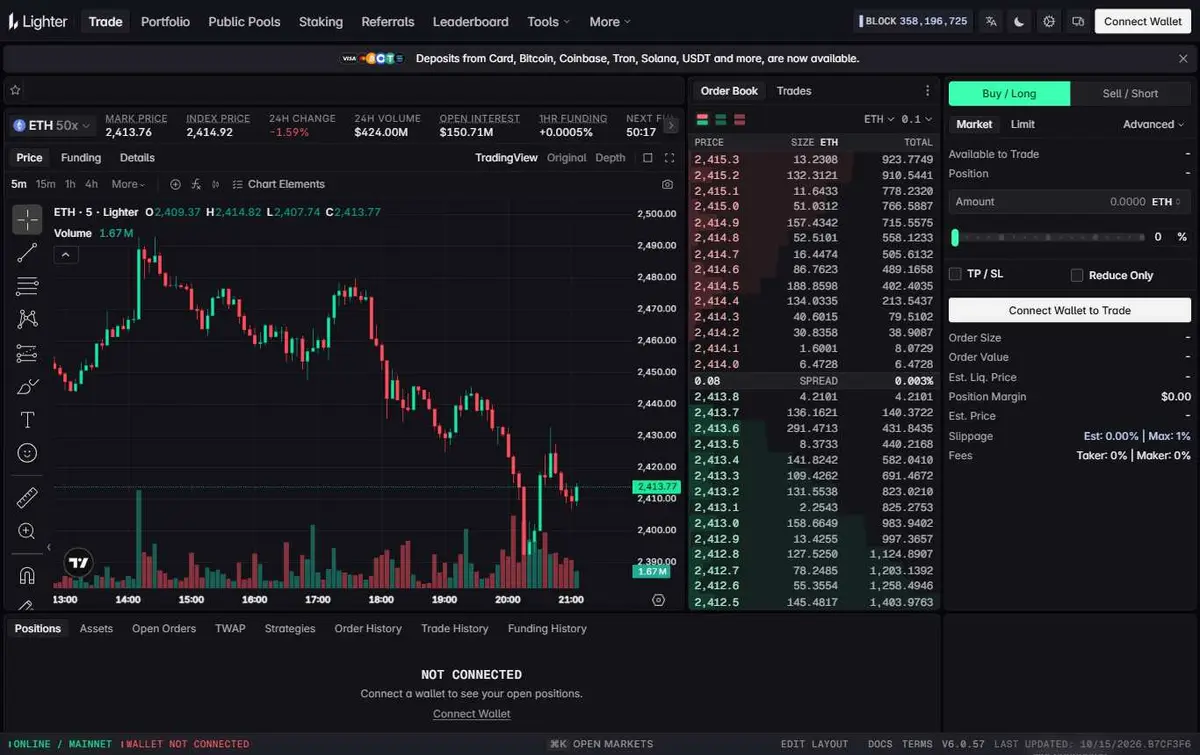
No barrier Lighter · Trading app
Germany, with no MiCA licence for Lighter: the app loads with no banner
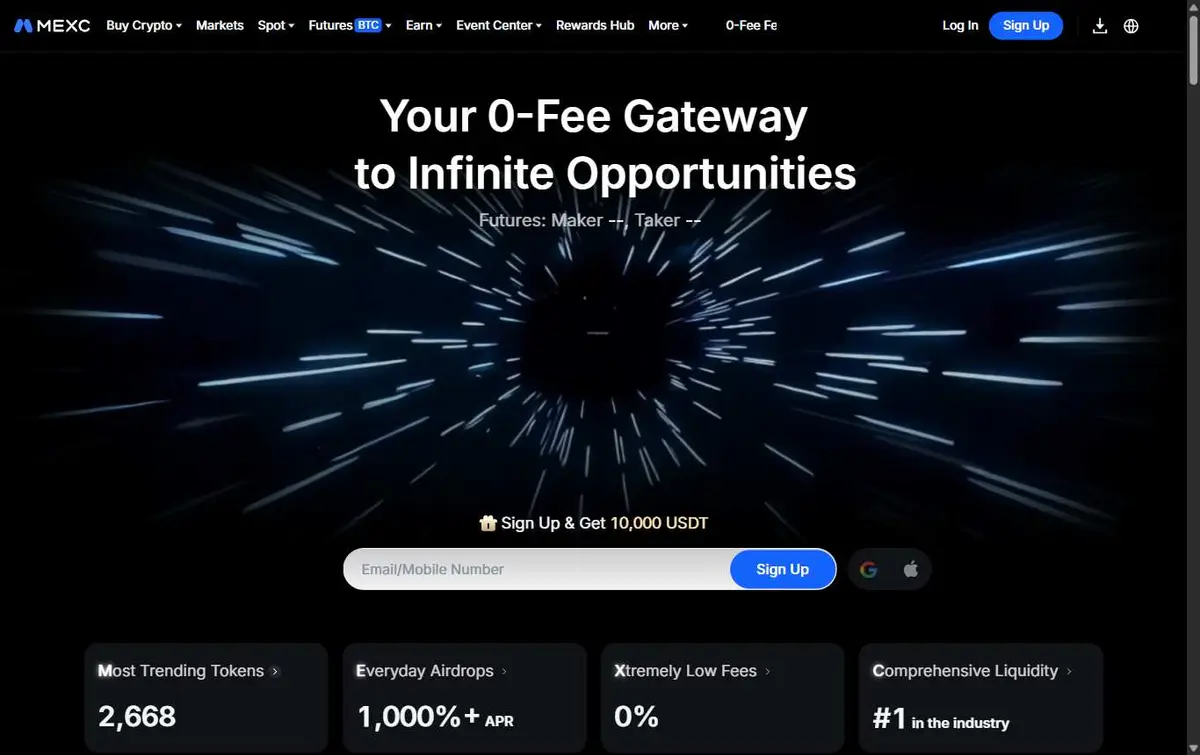
No barrier MEXC · Home page
Germany: no MiCA licence and a BaFin warning, but the page loaded with no notice
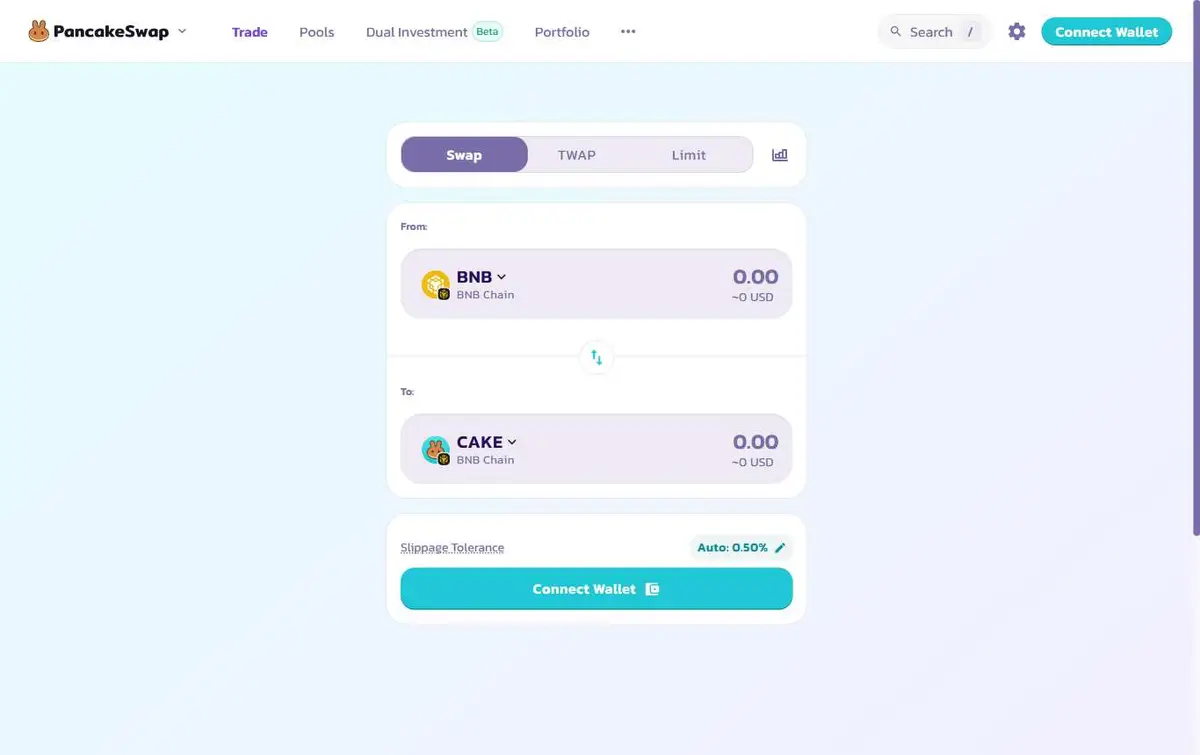
No barrier PancakeSwap · Trading app
Germany, in the EEA where PancakeSwap holds no MiCA licence: the page loads
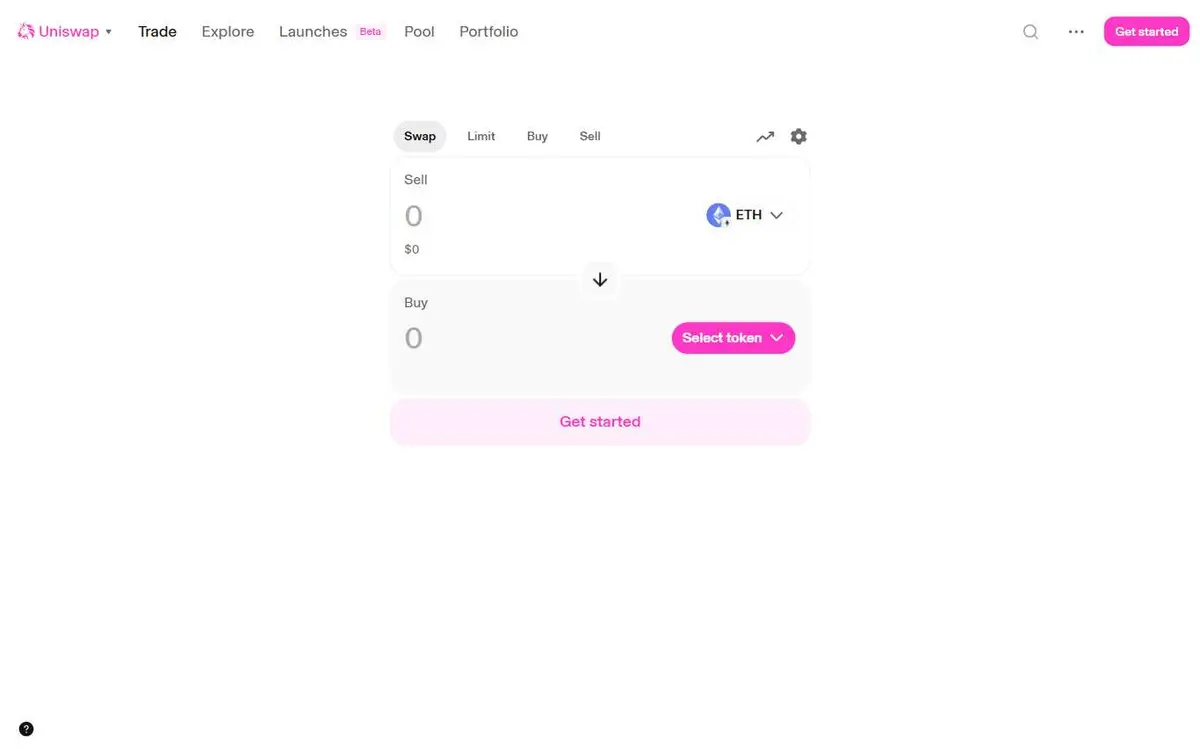
No barrier Uniswap · Trading app
Germany, inside the EEA: Uniswap Labs holds no MiCA authorisation and the app loads
 CRYPTORESTRICTIONS
Who regulates crypto in Germany?
BaFin licenses and supervises crypto firms. The Bundesbank and the FIU support it, the GGL polices prediction markets as gambling, and the tax office (BZSt) receives crypto reports under the EU’s DAC8 rules.
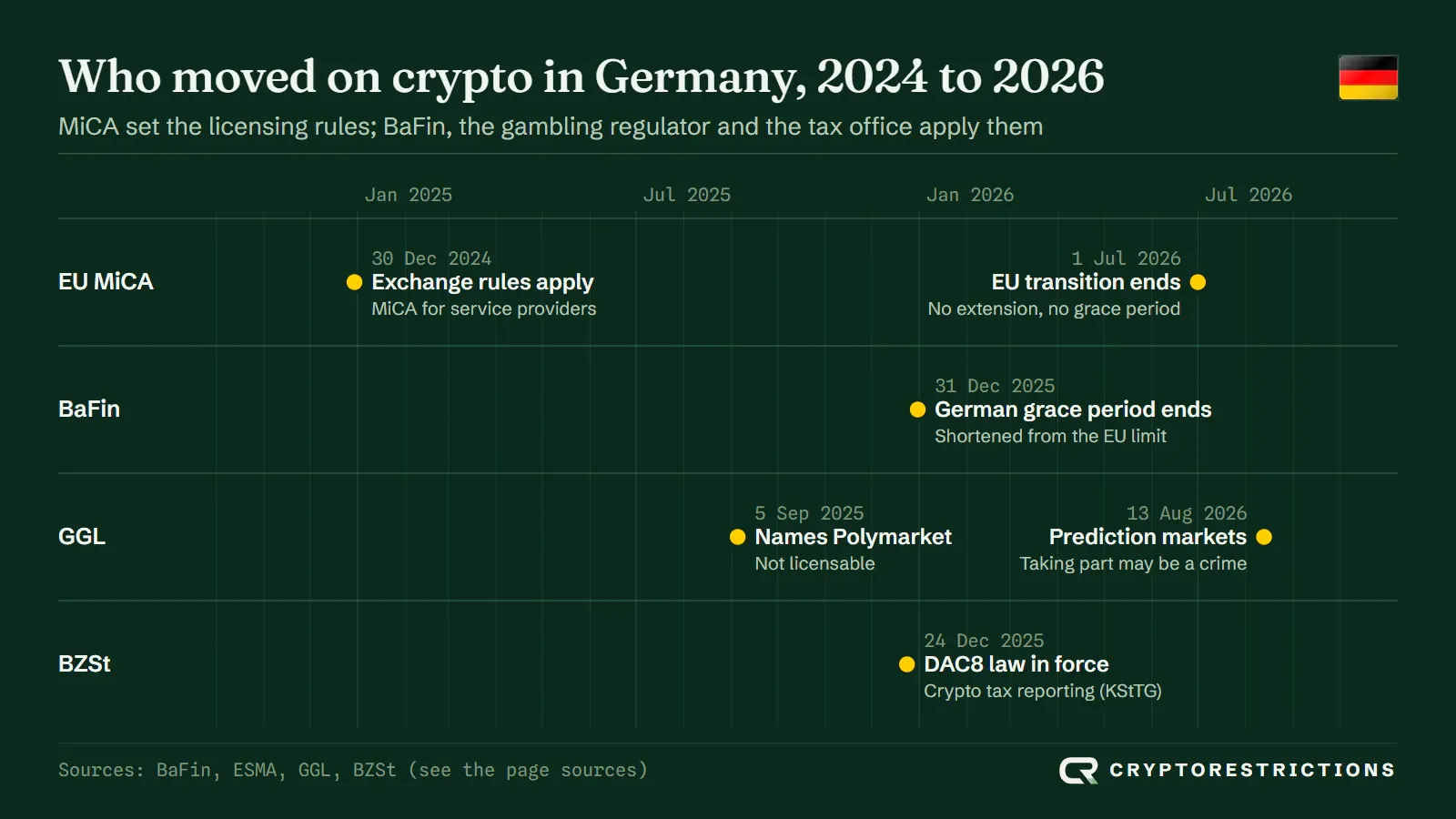
- BaFin. The Federal Financial Supervisory Authority authorises crypto-asset service providers it is home regulator for, runs crypto custody licensing under the banking act and issues consumer warnings. Its authorisation overview says authorisations are published in the Bundesanzeiger, its company database and ESMA’s register.
- Bundesbank and FIU. The Bundesbank works with BaFin on supervision; the FIU takes suspicious-activity reports, and issued the July 2026 money-laundering warning with BaFin.
- GGL. The joint gambling authority of the states decides what counts as an illegal bet, as covered below.
- BMF and BZSt. The finance ministry sets tax treatment through letters; the Federal Central Tax Office runs DAC8 reporting.
Which crypto products are limited in Germany?
Spot trading is the open product. Derivatives are the narrowest: Crypto.com and Gate offer none to German users, Bybit’s are being wound down, and BaFin caps leverage on retail crypto CFDs at about 2x.
- Leveraged derivatives. A BaFin order of 23 July 2019 bans selling contracts for difference (CFDs) to retail clients unless they carry loss protection. For a CFD on a cryptocurrency the initial margin must be 50%, which is about 2x leverage.
- Staking. BaFin’s guidance notice says staking offered as a service by a wallet or custody provider can count as a regulated transfer service, so providers need authorisation for it.
- Stablecoins. Under MiCA, only banks and e-money institutions may issue e-money tokens, the category covering single-currency stablecoins.
Are prediction markets legal in Germany?
No. Under the State Treaty on Gambling only sports and horse-race bets can be licensed, so the GGL says bets on other events cannot be, and that taking part from Germany may be a criminal offence.
The GGL named Polymarket on 5 September 2025 as an example of an illegal social bet, and repeated the position for prediction markets in general on 13 August 2026. Organising or brokering such bets may also be punishable, and its FAQ lists payment blocking and internet blocking among its powers. The release names no other platform, and says a provider that effectively excludes Germany is not automatically acting unlawfully.
That is why the dataset and the law disagree. Polymarket is restricted for Germany in our data. Kalshi is not on its own restricted list, so it shows as available, although the GGL’s position covers prediction markets in general. Crypto.com’s prediction markets and Aster’s prediction trading are limited or barred in our rows.
How is crypto taxed in Germany?
Private crypto gains are tax-free if you held the coins for more than one year. Sell within a year and the gain is taxed at your personal income tax rate, unless all your private gains for the year stay under EUR 1,000.
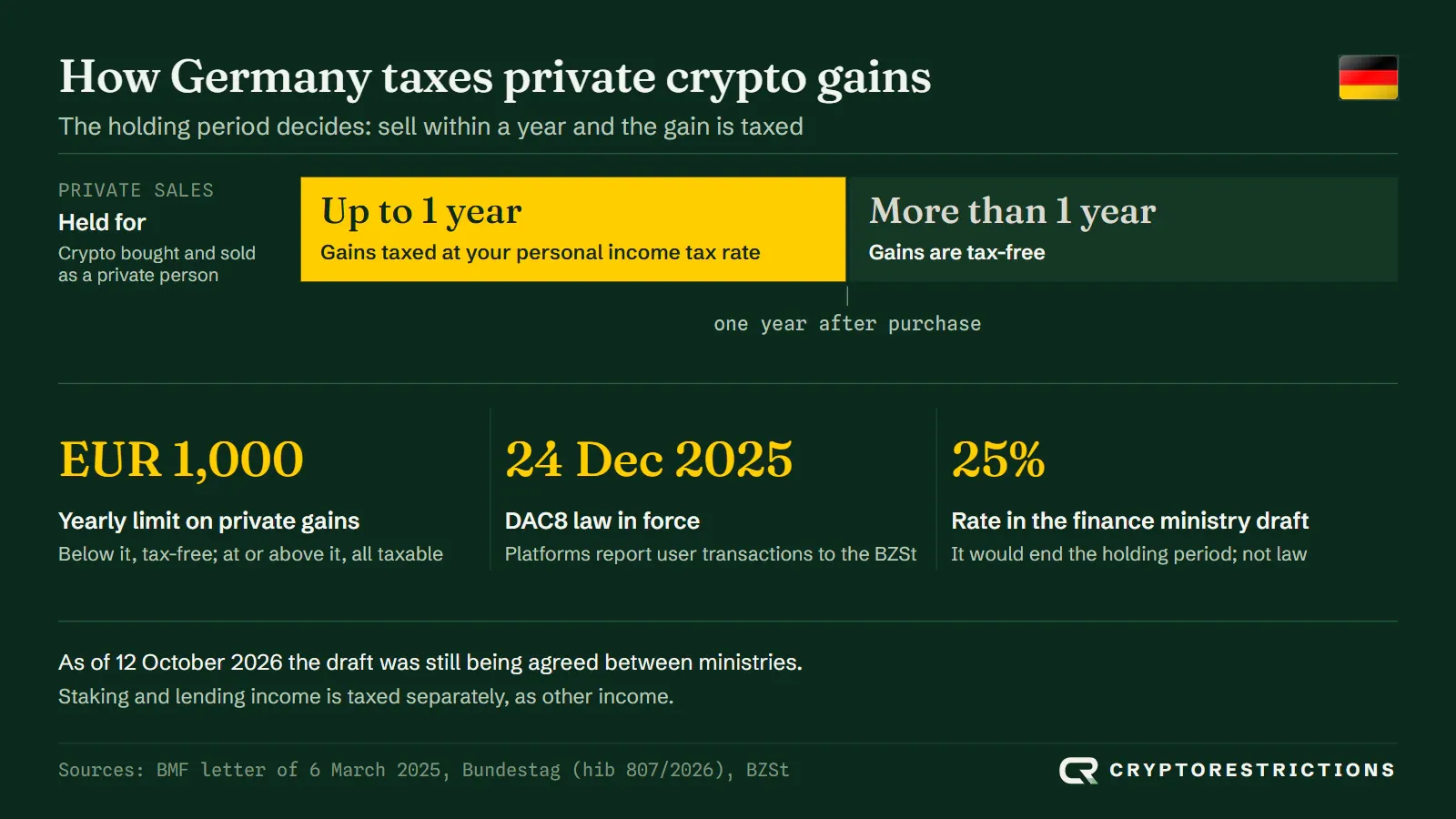
The rule comes from the finance ministry’s letter of 6 March 2025, which treats private sales of crypto as taxable only when the gap between buying and selling is one year or less. The EUR 1,000 figure is a cut-off, not an allowance: at EUR 1,000 or more, the whole gain counts. Staking rewards are taxed separately as other income.
The rule may not last. A finance ministry draft would end the holding period and tax crypto gains at 25%, but at a Bundestag petitions hearing on 12 October 2026 the ministry said the draft was still being agreed between ministries. Until a law passes, the one-year rule stands.
Reporting is changing regardless. The Crypto-Asset Tax Transparency Act, which carries the EU’s DAC8 rules into German law, entered into force on 24 December 2025 (BGBl. 2025 I Nr. 352), so exchanges will report their German users’ transactions to the BZSt.








 Serbia
 Turkey
 Switzerland
 Iceland
 Liechtenstein
 Norway
 Croatia
 Estonia
 Finland
 Greece
 Latvia