
Is crypto legal in Estonia?
Yes. We found no Estonian rule that bars individuals from buying, holding or trading crypto, and since 1 July 2026 every provider that serves them needs a MiCA authorisation. Finantsinspektsioon, the financial supervisor, is the competent authority.
The tax authority treats crypto as a reportable asset: EMTA’s guidance says income from trading it must be declared. Estonia’s Crypto-asset Market Act came into force on 1 July 2024, according to the law firm CMS. We could not read the act on Riigi Teataja, so that date is secondary.
Estonia used the longest transition MiCA allows. The FIU’s notice of 5 December 2024 said it would stop issuing virtual currency service licences from 30 December 2024 and that holders could keep operating until 1 July 2026. That date was the end of the old regime. The FIU’s own counts show how far it shrank: 641 valid licences in mid-2021, 381 at the start of 2022, 43 on 5 December 2024 and 36 at the start of 2026. In its June 2022 release it reported 94 surrendered and 18 revoked licences in the first half of that year. We could not confirm the larger peak and revocation totals sometimes quoted for 2020 to 2025, so we use only the FIU’s counts.
On 30 June 2026 the FIU announced that it would cancel the register data of the old licences the next day and that from 1 July only companies holding an authorisation may provide crypto-asset services in Estonia. One of the last old licences ended in revocation: the FIU revoked the licence of BB Trade Estonia OÜ, the company behind Zondacrypto, on 29 June 2026.
What the data does with this: because MiCA applies, our statuses for Estonia follow the EU rule. A platform without a MiCA authorisation that has closed new accounts but lets existing users withdraw is limited, not restricted, and only a platform that bars Estonia outright is restricted.
Which crypto exchanges work in Estonia?
Seven of the exchanges we track serve Estonian users under a MiCA licence granted elsewhere in the EU: Kraken, Coinbase, Bitstamp, OKX, Bybit, Crypto.com and Gate. Four are fully available; Bybit, Crypto.com and Gate are limited because none offers derivatives here.
The evidence is ESMA’s interim MiCA register, which lists the countries each firm notified, Estonia among them for all seven. The register shows where a firm may serve, not the day it started in Estonia. All seven licences in the chart were granted before Estonia’s transition ended on 1 July 2026; the latest, Gate’s, came on 29 September 2025.
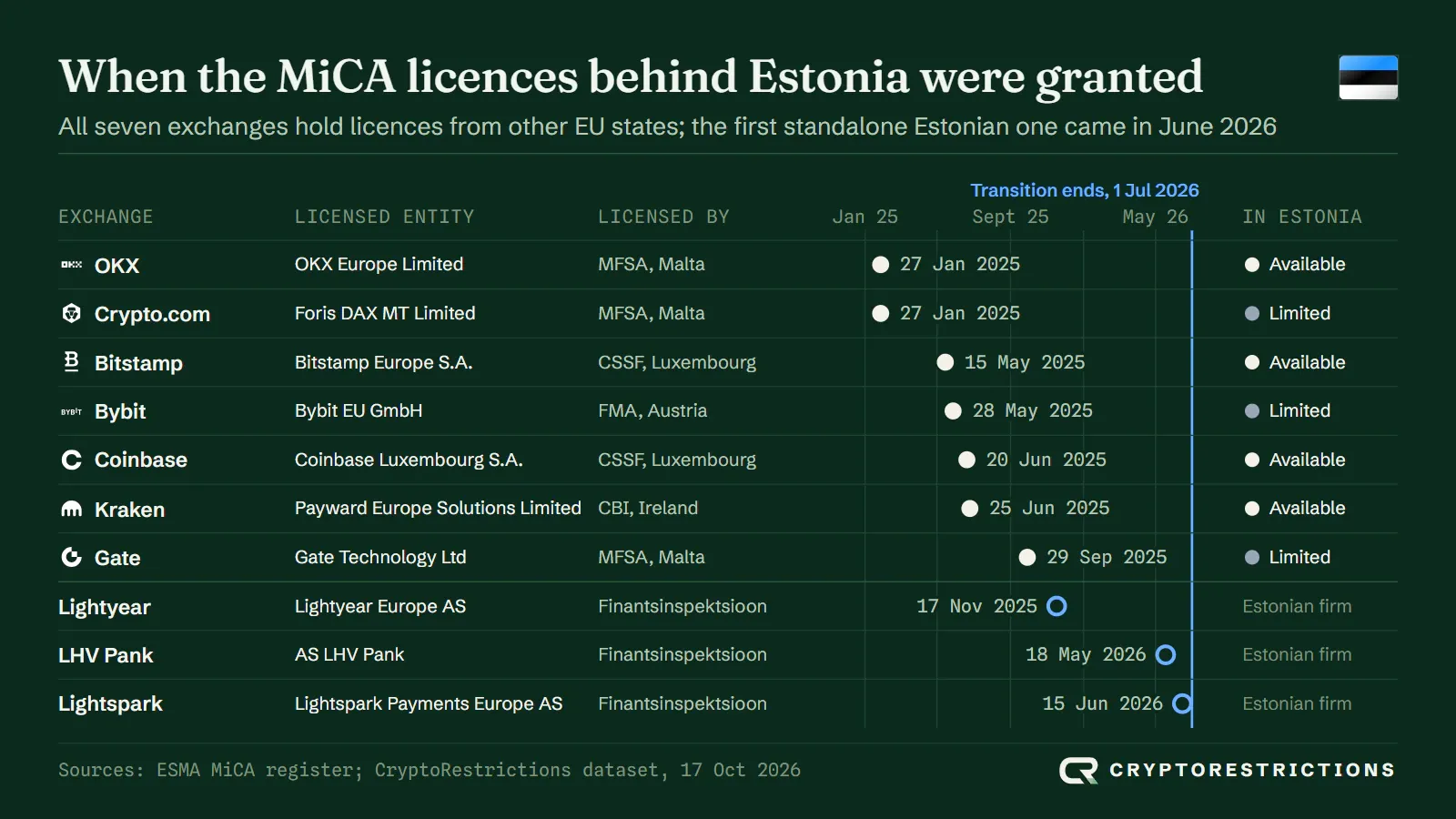
Kraken serves Estonia from Ireland: the register lists Estonia for Payward Europe Solutions but not for its second licensed entity. Coinbase serves Estonia from Luxembourg.
Estonia’s own supervisor has authorised few firms. The register lists three Estonian companies: Lightyear Europe on 17 November 2025, AS LHV Pank on 18 May 2026 and Lightspark Payments Europe on 15 June 2026. The FIU’s 30 June notice names Lightspark as the only provider with a standalone authorisation from Finantsinspektsioon, and says LHV and Lightyear can offer crypto services as a bank and an investment firm. In March 2026 Finantsinspektsioon said it had 10 applications in process. We read the register on 19 October 2026. It is an interim register, so a firm authorised since then may not appear.
Best crypto platforms for Estonian residents
By our access score, Bitstamp and Kraken (8.0 out of 10 each) are the most open exchanges for Estonian users, ahead of Coinbase and OKX (7.5). Polymarket and Kalshi score 8.0 and so does every DeFi platform we track, but we found no Estonian statement on any prediction market.
The score rates how fully an Estonian resident can use each platform, not its fees or safety. It is computed from our data and moves when a row changes: access status (4 points), the share of the platform’s products open here (3), the licences we hold on file for Estonia (2) and what our geo-access test saw from an Estonian address (1). No platform earns the licence points here, because we file a passported MiCA licence under its home state. Platforms that refuse Estonian users are not scored. The full method is on our methodology page.
Exchanges

Bitstamp
Best for Spot trading from a long-running EU licence
8.0/10- Access
- 4/4
- Products
- 3/3
- Licences
- 0/2
- Our test
- 1/1
Read our Bitstamp reportPros
- Bitstamp Europe S.A. holds a CSSF MiCA licence that lists Estonia
- Our test loaded its home page with no barrier
Cons
- Served from Luxembourg, not Estonia

Kraken
Best for An exchange with a licence that names Estonia
8.0/10- Access
- 4/4
- Products
- 3/3
- Licences
- 0/2
- Our test
- 1/1
Read our Kraken reportPros
- Payward Europe Solutions holds a Central Bank of Ireland MiCA licence that lists Estonia
- Its home page loaded in our test with no notice
Cons
- Payward Global Solutions, its second licensed entity, does not list Estonia

Coinbase
Best for A MiCA-licensed exchange with the widest reach
7.5/10- Access
- 4/4
- Products
- 3/3
- Licences
- 0/2
- Our test
- 0.5/1
Read our Coinbase reportPros
- Coinbase Luxembourg S.A. holds a CSSF MiCA licence that lists Estonia
Cons
- Our test showed a notice that stocks and prediction markets are not available
- Served from Luxembourg, not Estonia

OKX
Best for A global brand with a local EU site
7.5/10- Access
- 4/4
- Products
- 3/3
- Licences
- 0/2
- Our test
- 0.5/1
Read our OKX reportPros
- OKX Europe Limited holds an MFSA MiCA licence that lists Estonia
- okx.com points Estonian visitors to OKX Europe
Cons
- Served from Malta, not Estonia

Bybit
Best for Spot trading only
6.9/10- Access
- 3.5/4
- Products
- 2.4/3
- Licences
- 0/2
- Our test
- 1/1
Read our Bybit reportPros
- Spot is served by Bybit EU GmbH under an Austrian MiCA licence that lists Estonia
Cons
- Bybit EU offers no derivatives
- EEA access to Bybit Global, which does, is being wound down

Crypto.com
Best for Spot trading in an app
6.3/10- Access
- 3.5/4
- Products
- 1.8/3
- Licences
- 0/2
- Our test
- 1/1
Read our Crypto.com reportPros
- Foris DAX MT Limited holds a Maltese MiCA licence that lists Estonia
- Spot trading and the app are offered
Cons
- It offers no derivatives here

Gate
Best for Spot trading on a licensed EU arm
5.5/10- Access
- 3.5/4
- Products
- 1.5/3
- Licences
- 0/2
- Our test
- 0.5/1
Read our Gate reportPros
- Gate Technology Ltd holds a Maltese MiCA licence that lists Estonia
- Spot trading is open to Estonian users
Cons
- No derivatives: global Gate stopped taking EEA users in March 2025
Prediction markets

Kalshi
Best for Regulated US event contracts
8.0/10- Access
- 4/4
- Products
- 3/3
- Licences
- 0/2
- Our test
- 1/1
Read our Kalshi reportPros
- Estonia is not on its restricted-jurisdictions list
- Its sign-up page loaded in our test
Cons
- We could not read the Tax and Customs Board blocked-site list to check it

Polymarket
Best for The largest prediction market we can score here
8.0/10- Access
- 4/4
- Products
- 3/3
- Licences
- 0/2
- Our test
- 1/1
Read our Polymarket reportPros
- Estonia is not on its blocked-countries list
- Its page loaded in our test
Cons
- We could not read the Tax and Customs Board blocked-site list to check it
DeFi

Aster
Best for Perpetual futures on several chains
8.0/10- Access
- 4/4
- Products
- 3/3
- Licences
- 0/2
- Our test
- 1/1
Read our Aster reportPros
- Estonia is not on its prohibited-jurisdictions list
- The trading app loaded in our test
Cons
- No licence on file for Estonia

Hyperliquid
Best for Perpetual futures from your own wallet
8.0/10- Access
- 4/4
- Products
- 3/3
- Licences
- 0/2
- Our test
- 1/1
Read our Hyperliquid reportPros
- Excludes only the US, Ontario and broadly sanctioned places
- Its trading app loaded in our test
Cons
- No licence on file for Estonia

Jupiter
Best for Solana swaps
8.0/10- Access
- 4/4
- Products
- 3/3
- Licences
- 0/2
- Our test
- 1/1
Read our Jupiter reportPros
- Estonia is not in its terms
- Its app loaded in our test
Cons
- No licence on file for Estonia

Lighter
Best for On-chain perpetuals
8.0/10- Access
- 4/4
- Products
- 3/3
- Licences
- 0/2
- Our test
- 1/1
Read our Lighter reportPros
- Estonia is not named in its terms
- Its trading app loaded in our test
Cons
- No licence on file for Estonia

PancakeSwap
Best for BNB Chain swaps and pools
8.0/10- Access
- 4/4
- Products
- 3/3
- Licences
- 0/2
- Our test
- 1/1
Read our PancakeSwap reportPros
- Not excluded by its terms
- The swap page loaded in our test
Cons
- No licence on file for Estonia

Uniswap
Best for Swapping tokens from your own wallet
8.0/10- Access
- 4/4
- Products
- 3/3
- Licences
- 0/2
- Our test
- 1/1
Read our Uniswap reportPros
- Its terms bar only places under comprehensive US sanctions
- Our test loaded the swap app from an Estonian address
Cons
- No licence on file for Estonia
Which platforms block Estonian users?
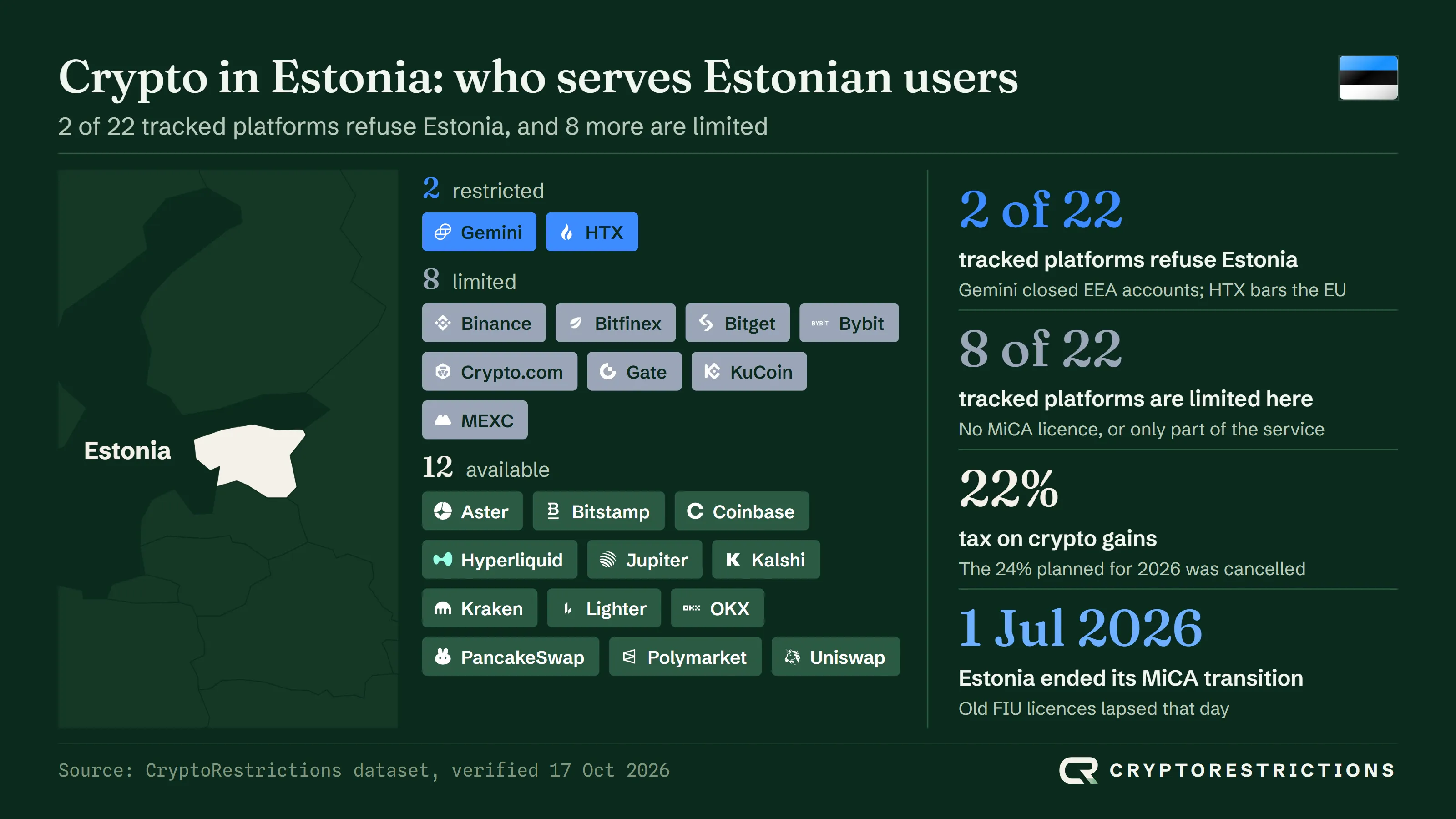
Two of the 22 platforms we track refuse Estonian users: Gemini and HTX. Eight more are limited: Binance, KuCoin, MEXC, Bitget, Bitfinex, Bybit, Crypto.com and Gate.
Gemini closed every UK and EEA account on 6 April 2026, and its sign-up page refused us from Estonia. HTX lists every EU member state as restricted in its user agreement, and the EU’s Russia-sanctions Regulation 2026/1848 bans transactions with it from 23 August 2026.


The limited exchanges split in two. Bybit, Crypto.com and Gate serve spot trading under a MiCA licence but no derivatives. The other five have no working MiCA authorisation: none of Binance, MEXC, Bitget and Bitfinex is on ESMA’s register, and KuCoin EU is on it but has had trading suspended since 4 February 2026.
Binance needs a caution. Its 16 June 2026 update said it was still seeking a licence, and CoinDesk reported on 26 June that it told EU users it would restrict services after failing to secure one. Neither names Estonia, and we found no Estonia-specific notice, so the limited status rests on Estonia being in the EU.
What our geo-access test saw from Estonia
From an Estonian address on 14 and 16 October 2026 we loaded all 22 platforms we track: 1 refused us, 5 showed a notice or a redirect, and 16 loaded with no barrier.
An open page is not permission. HTX, MEXC, Bitget and Bitfinex all loaded although none is on ESMA’s register, and HTX bars the EU in its terms. The test sees a platform’s own geo-blocking, not a national internet-provider block. The refusal was Gemini (“Gemini does not currently operate in Estonia”). The five notices were Binance’s link to European regulatory information, a prompt to switch to the EU site at KuCoin and at Gate, OKX’s redirect to its European site and Coinbase’s note that stocks and prediction markets are unavailable. We have no screenshot for Jupiter, whose app loaded. Swipe through the screenshots below; each card quotes the message the page showed.
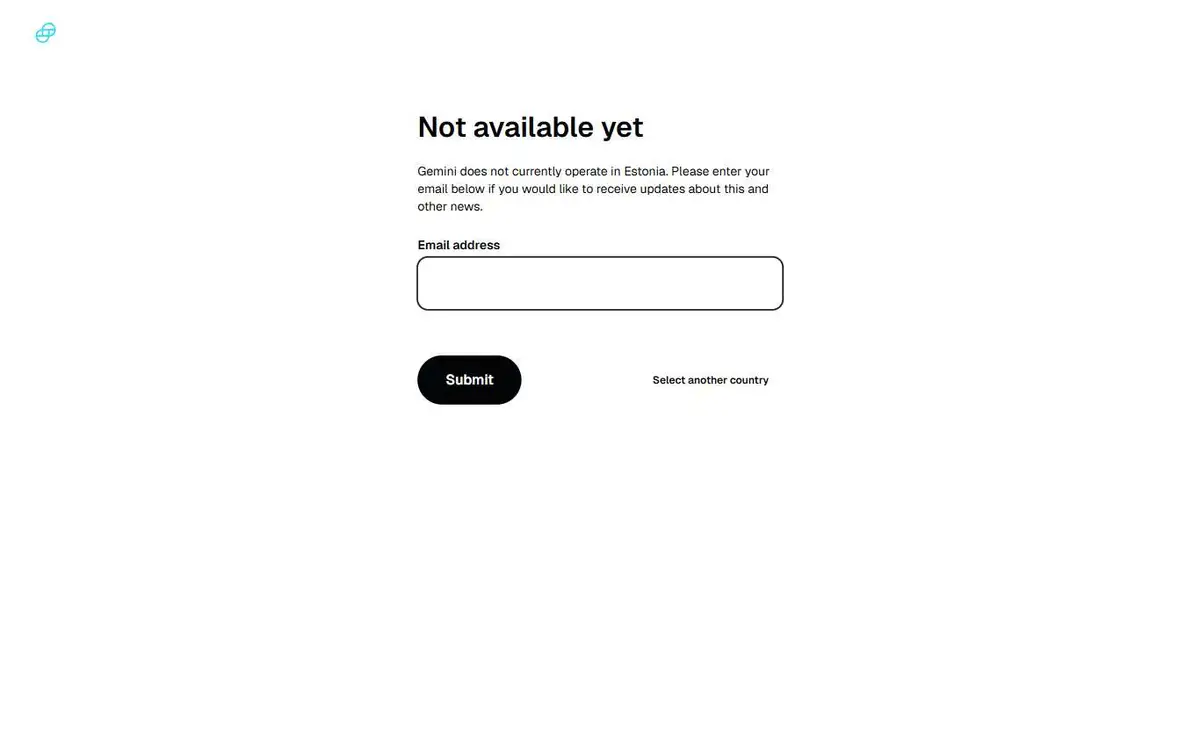
Blocked Gemini · Sign-up page
Estonia, closed with the rest of the EEA in April 2026: the sign-up form is replaced by a location check
“Gemini does not currently operate in Estonia.”
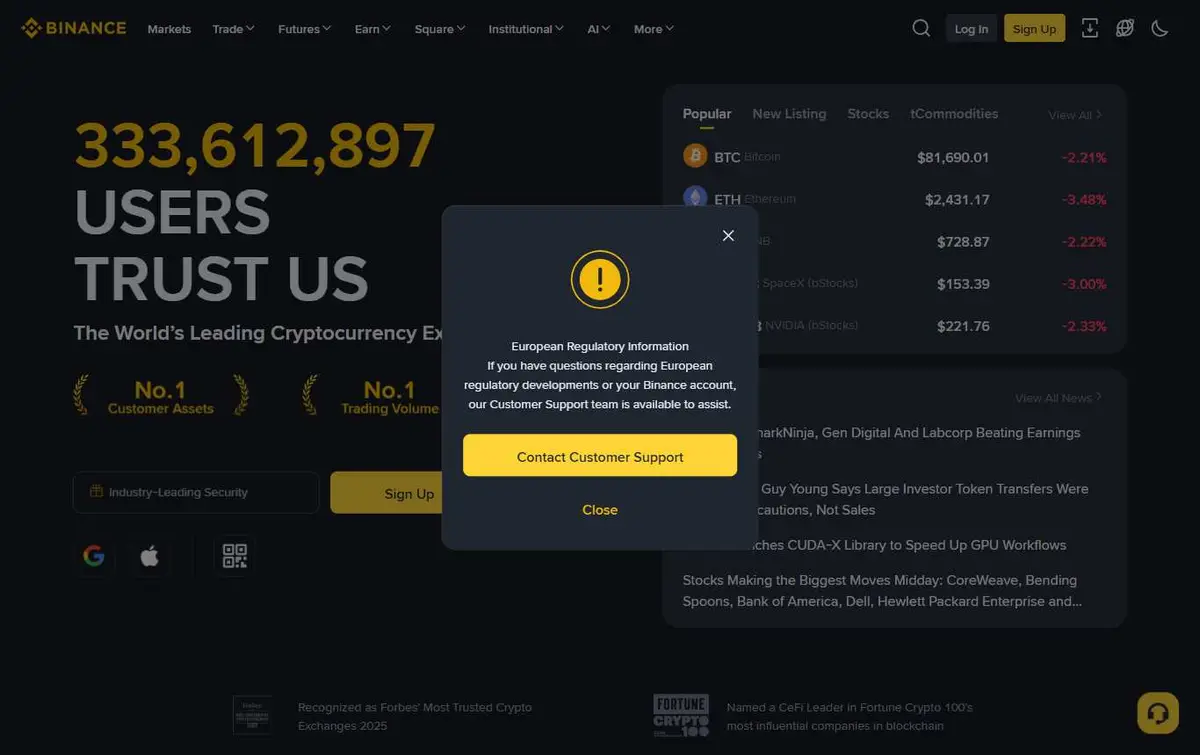
Notice shown Binance · Home page
Estonia: the global site loads, with a European regulatory information link
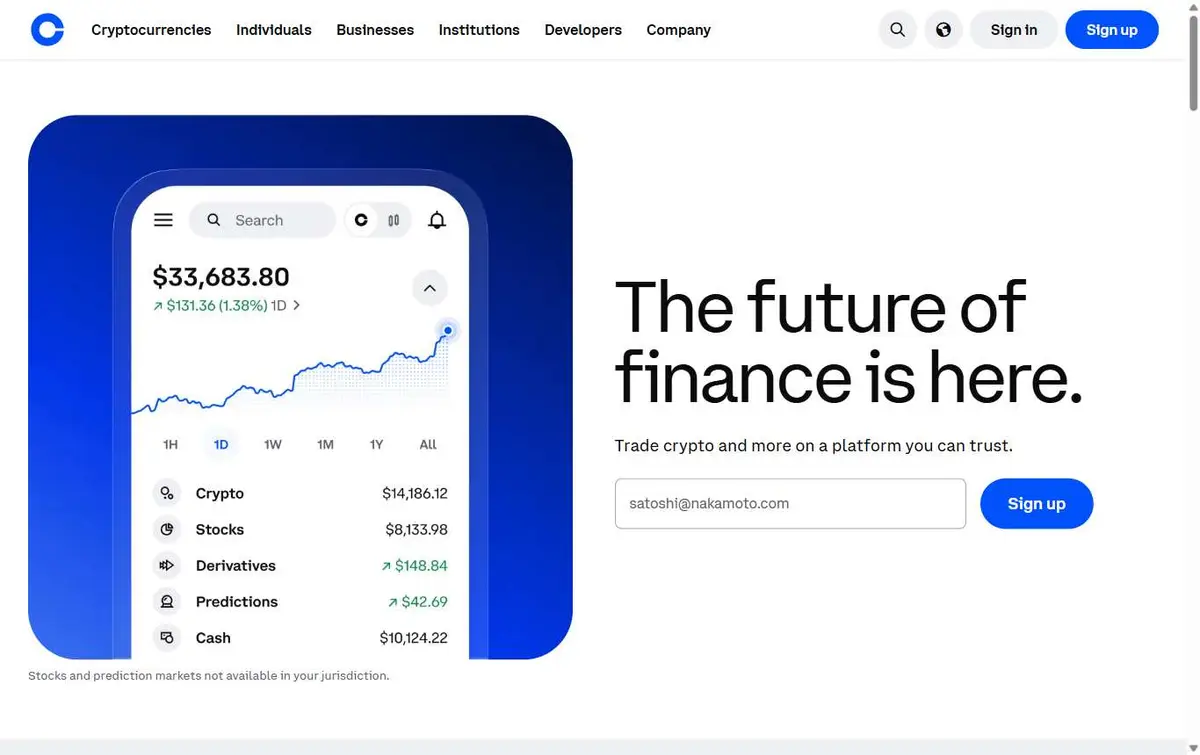
Notice shown Coinbase · Home page
Estonia: the site loads, with a notice that stocks and prediction markets are not available
“Stocks and prediction markets not available in your jurisdiction.”
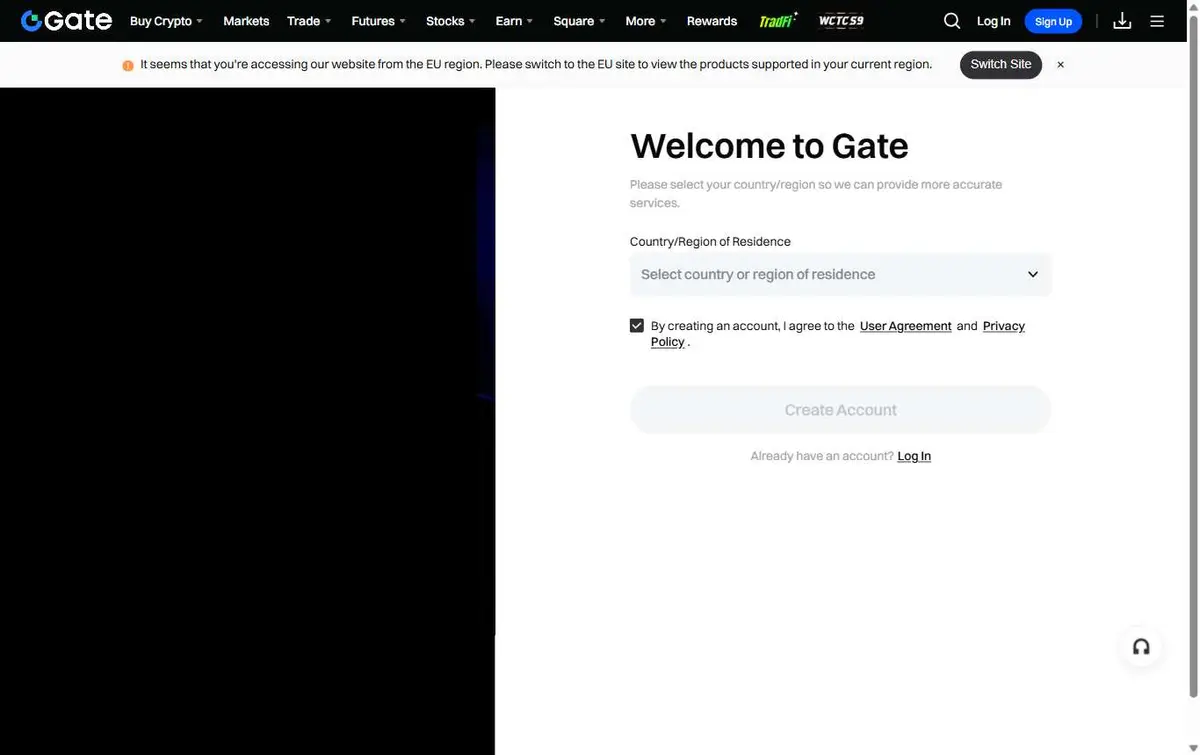
Notice shown Gate · Sign-up page
Estonia: the sign-up page offers the EU site
“It seems that you're accessing our website from the EU region.”
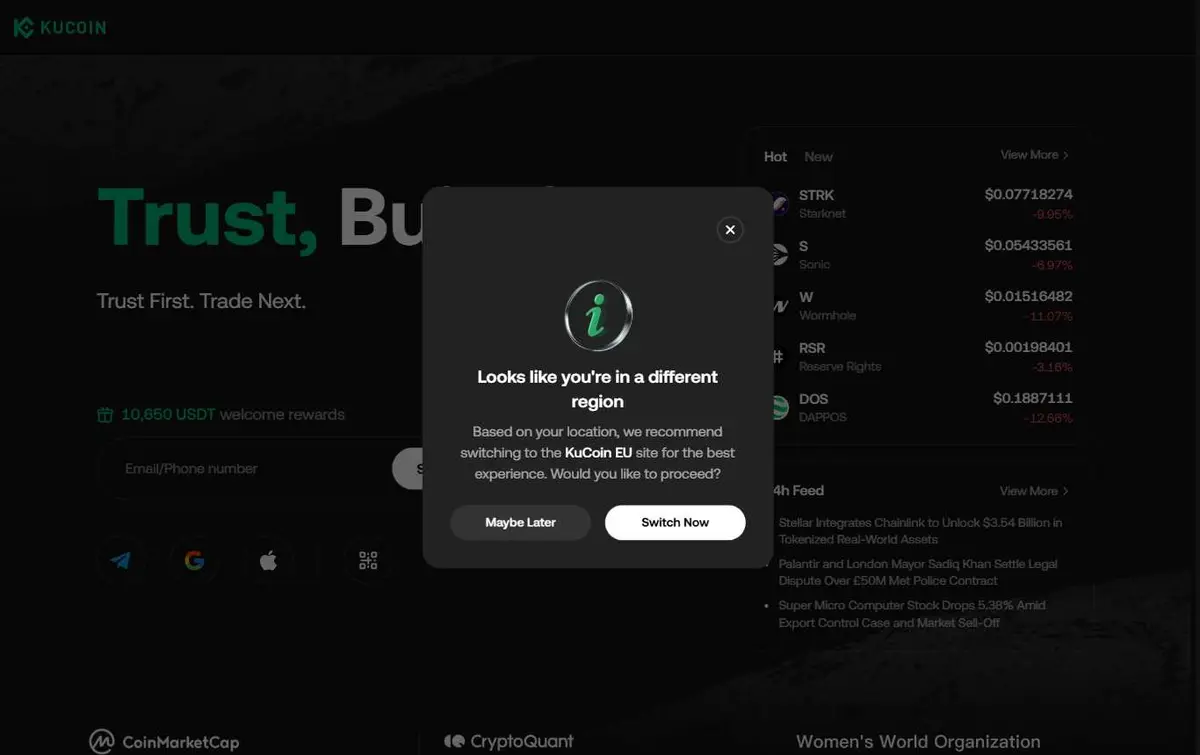
Notice shown KuCoin · Home page
Estonia: KuCoin recommends its EU site
“Based on your location, we recommend switching to the KuCoin EU site for the best experience.”
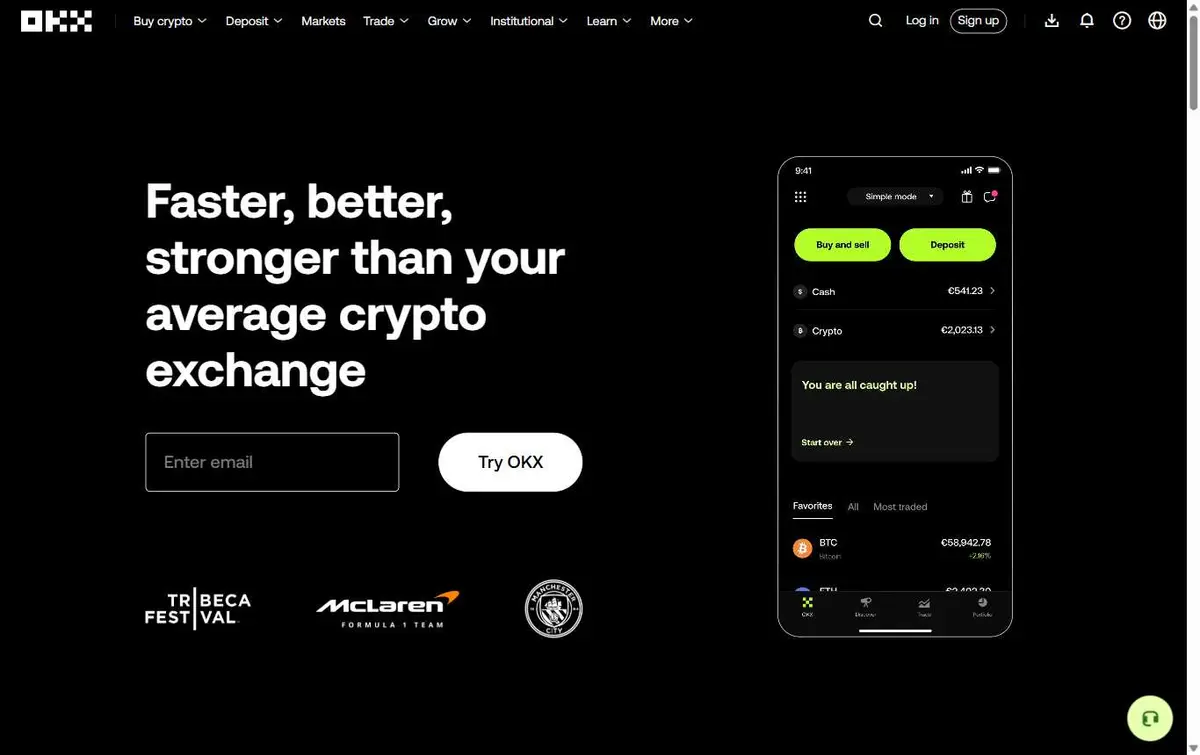
Notice shown OKX · Home page
Estonia: okx.com points visitors to the OKX Europe site
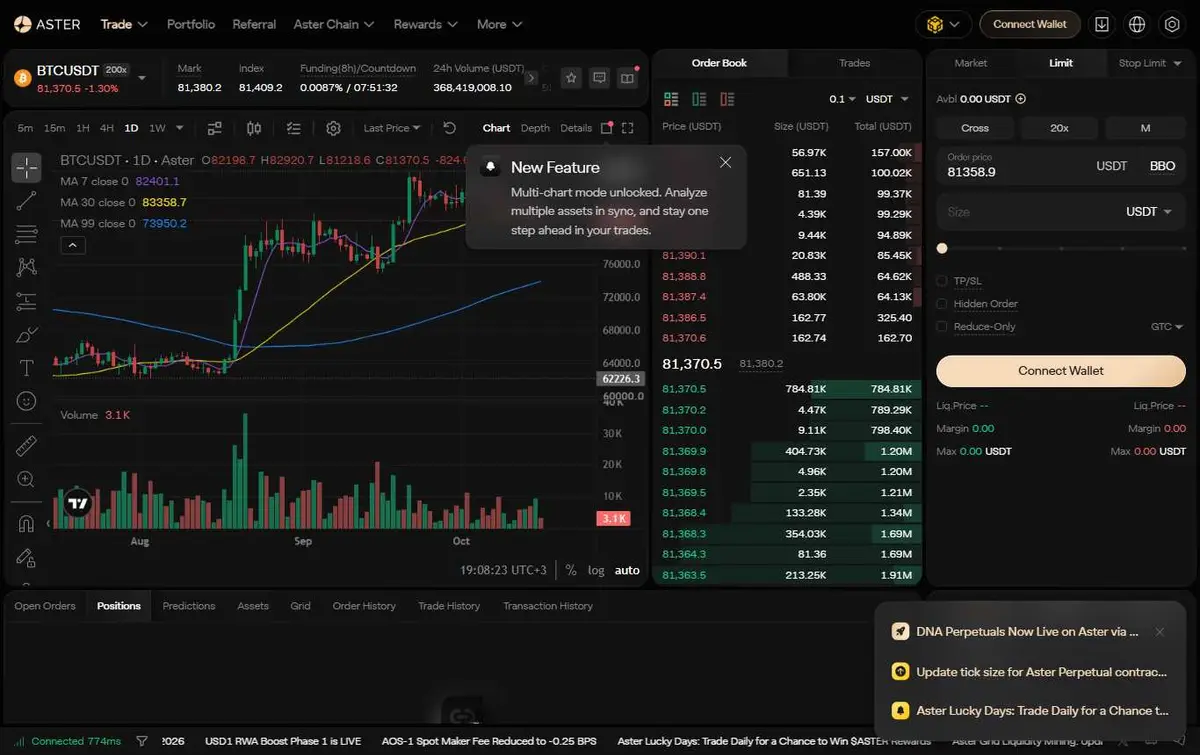
No barrier Aster · Trading app
Estonia: the trading app loads with no notice
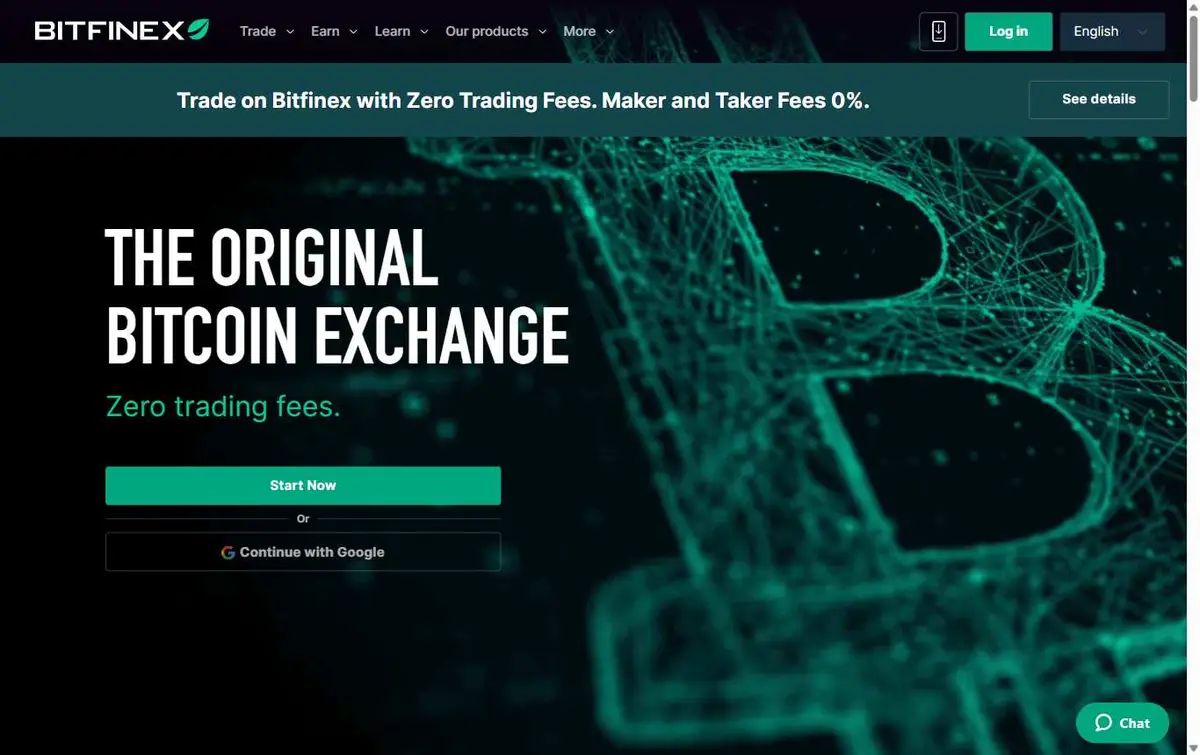
No barrier Bitfinex · Home page
Estonia: the home page loads with no notice

No barrier Bitget · Home page
Estonia: the home page loads with no notice

No barrier Bitstamp · Home page
Estonia: the home page loads with no notice
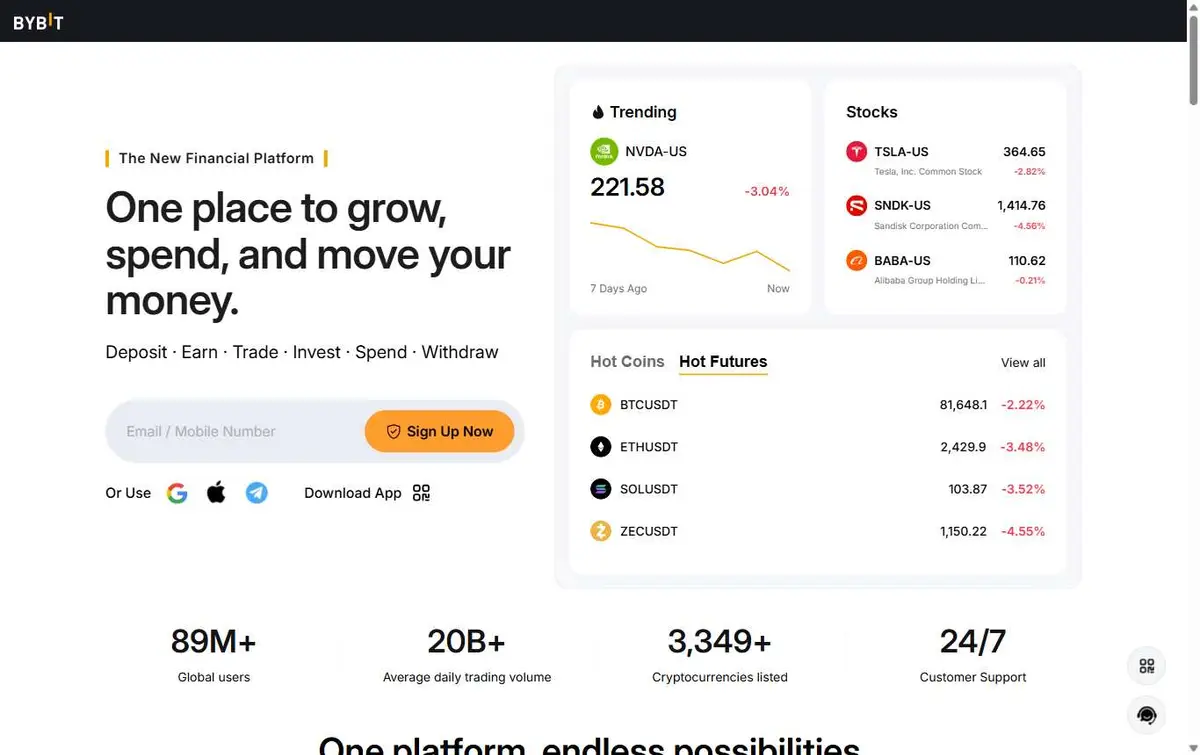
No barrier Bybit · Home page
Estonia: the global site loads with no notice
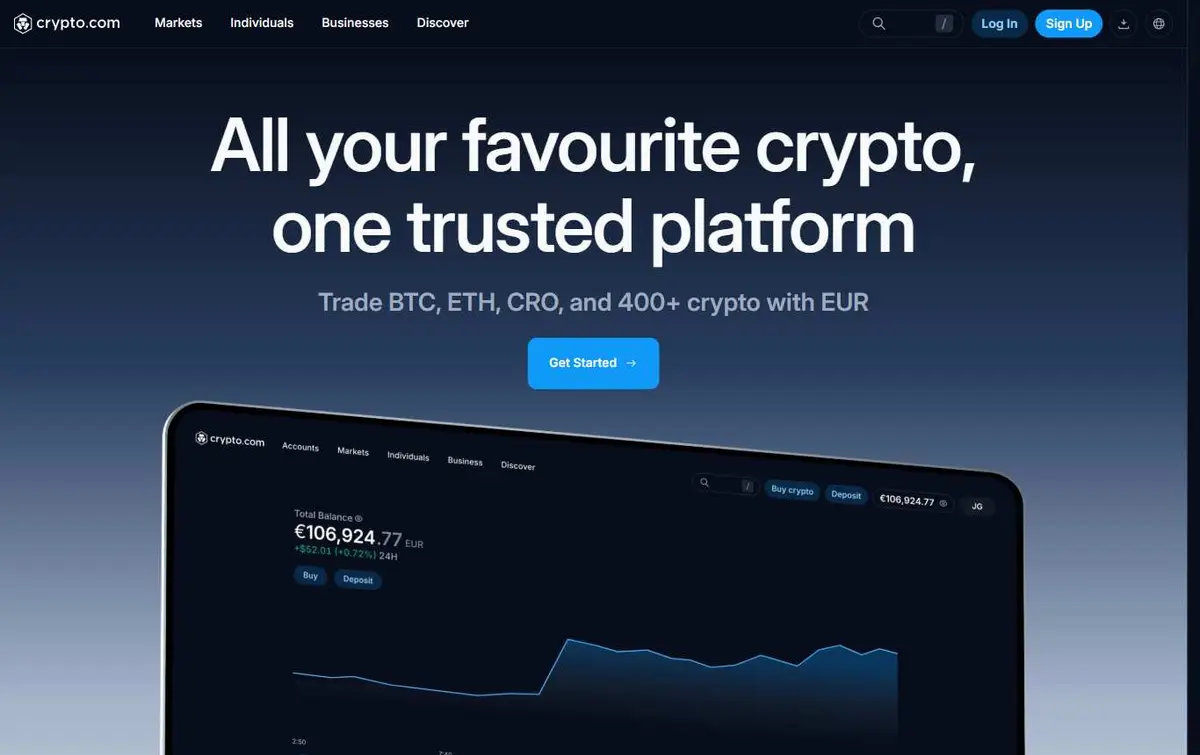
No barrier Crypto.com · Home page
Estonia: the home page loads with no notice
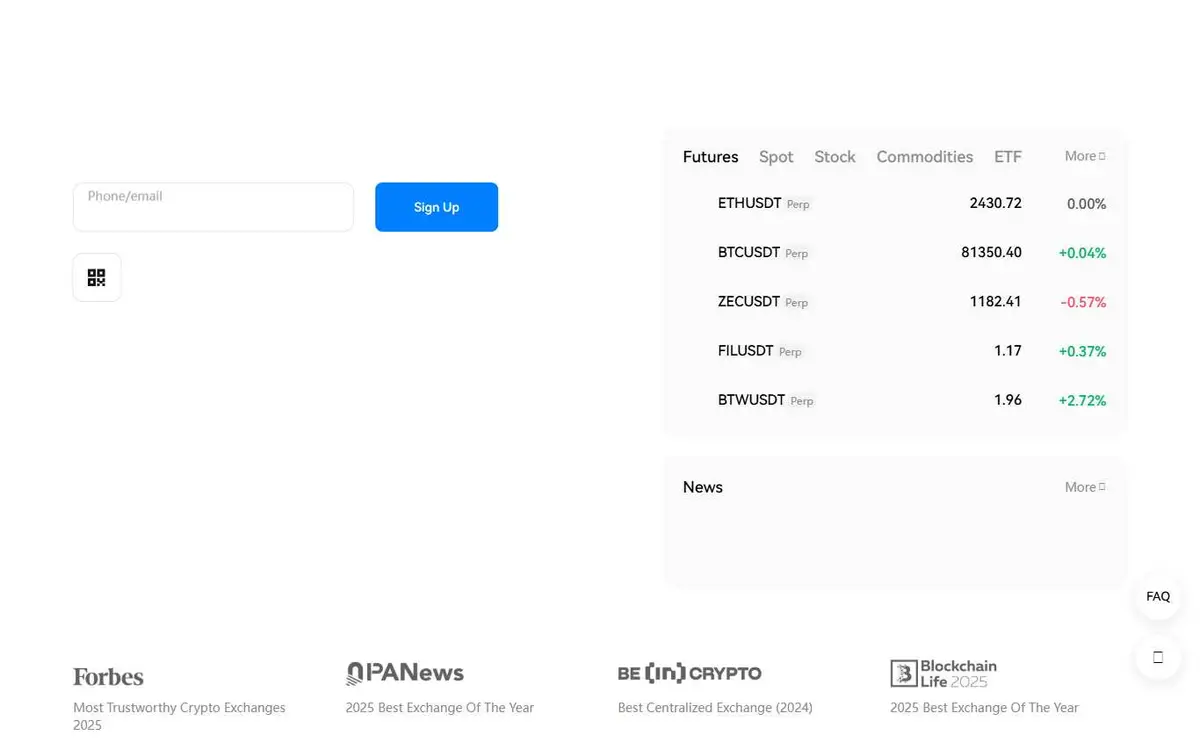
No barrier HTX · Home page
Estonia: the home page loads with no notice
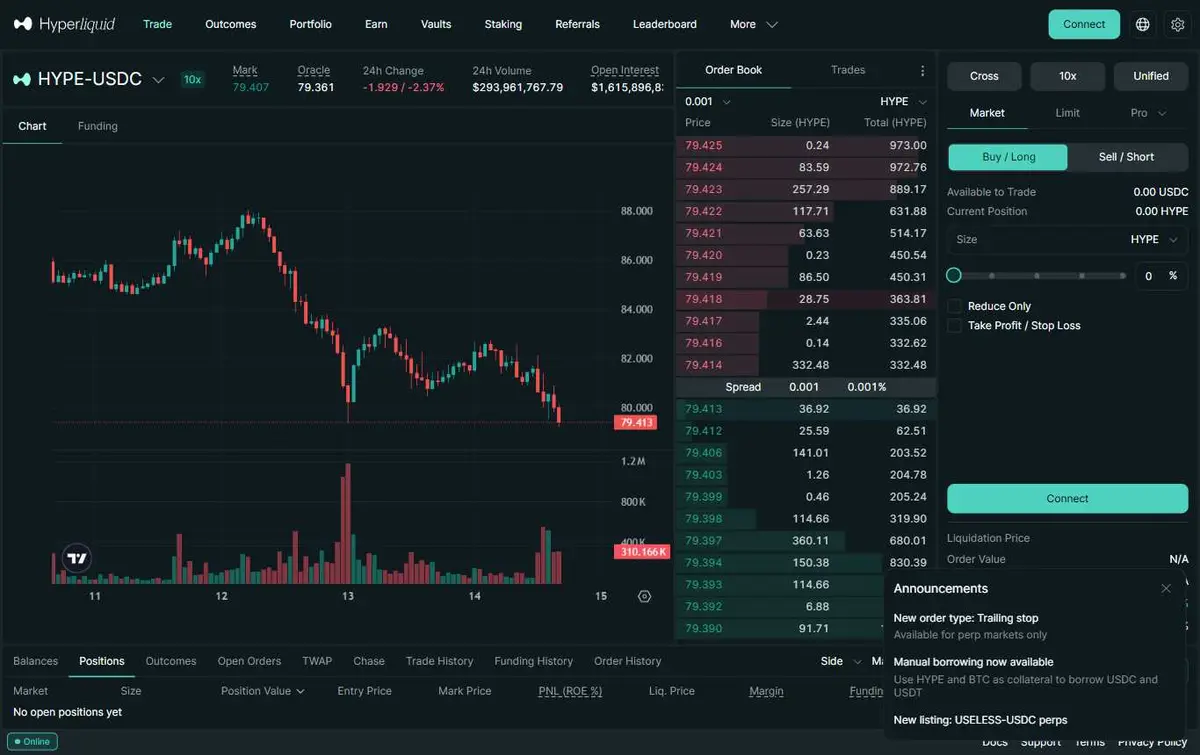
No barrierHyperliquid · Trading app
Estonia: the trading app loads with no notice
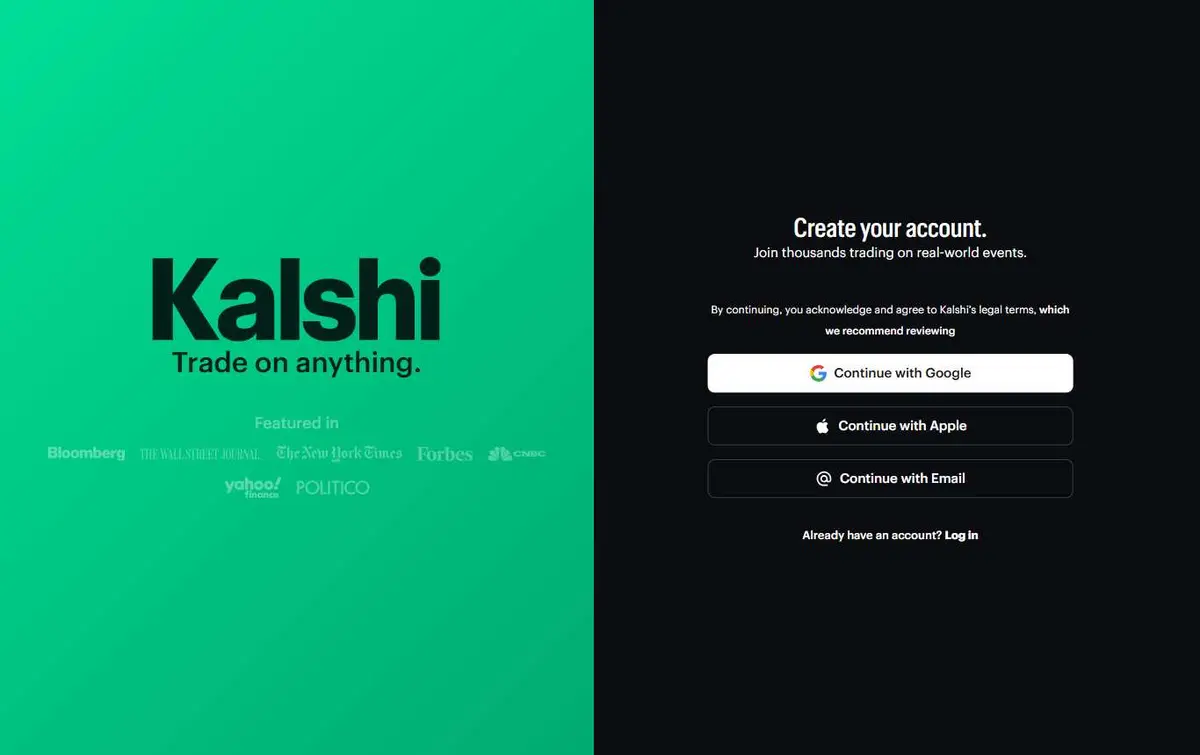
No barrier Kalshi · Sign-up page
Estonia: sign-up loads with no notice

No barrier Kraken · Home page
Estonia: the home page loads with no notice
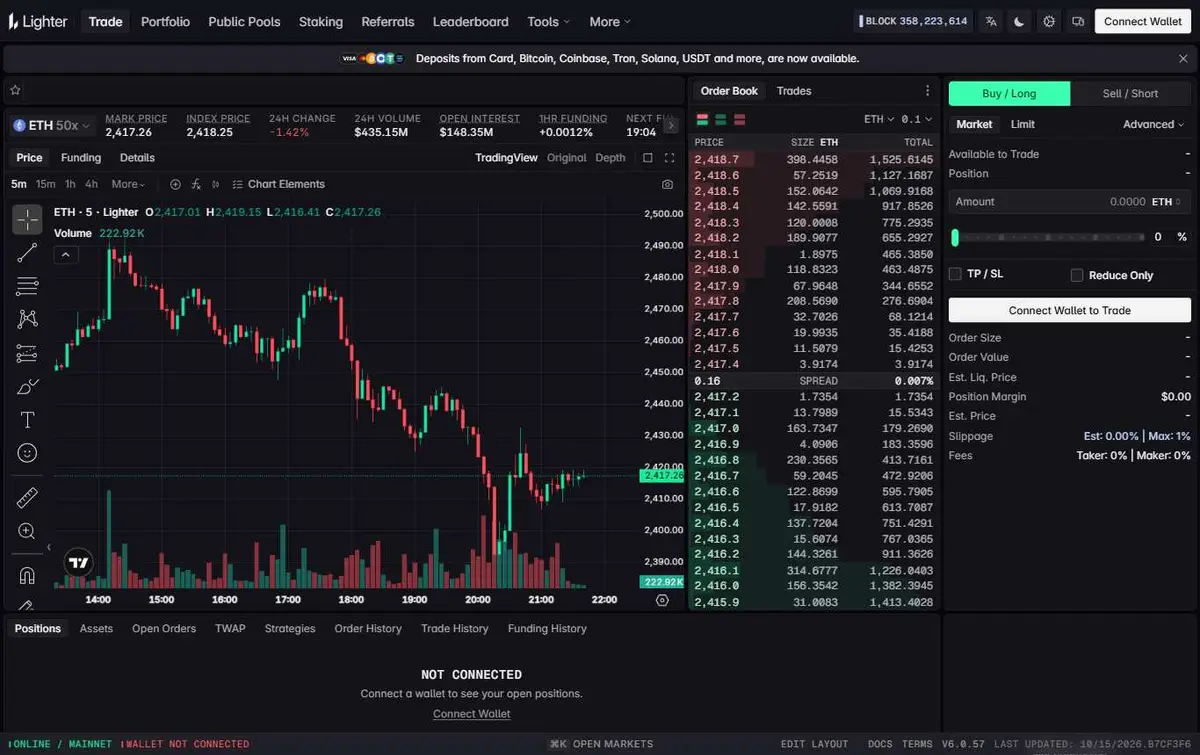
No barrier Lighter · Trading app
Estonia: the trading app loads with no notice
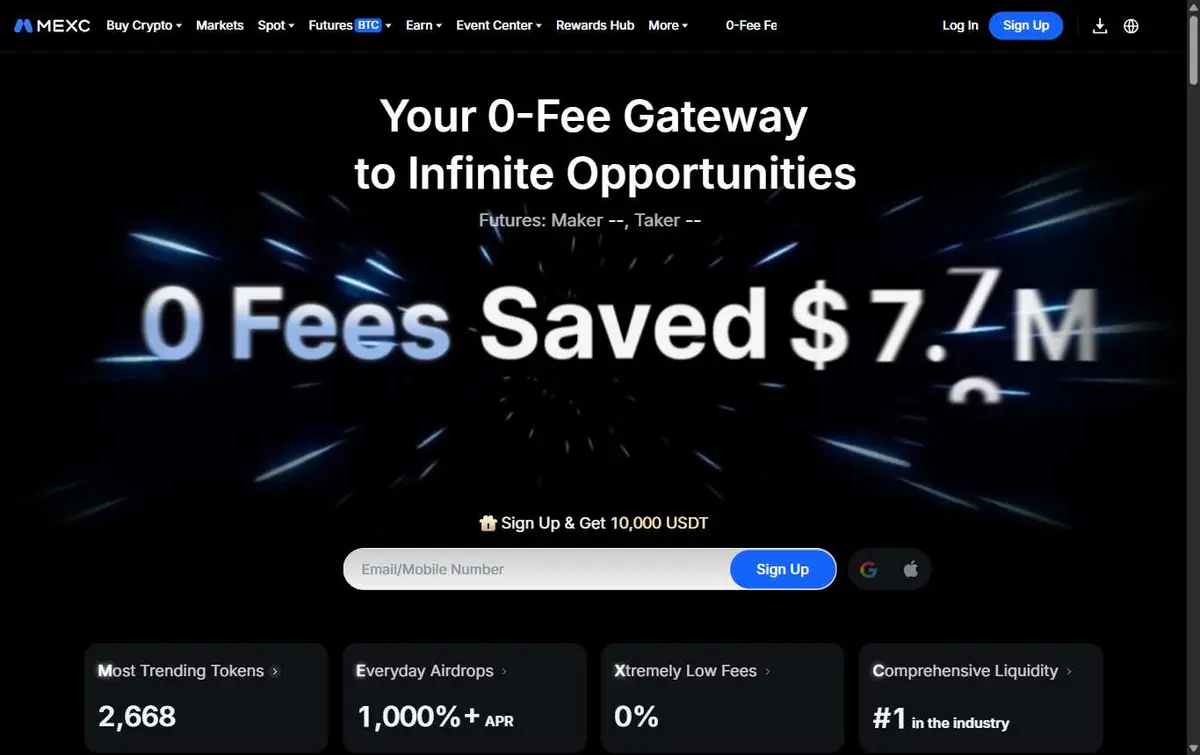
No barrier MEXC · Home page
Estonia: the home page loads with no notice
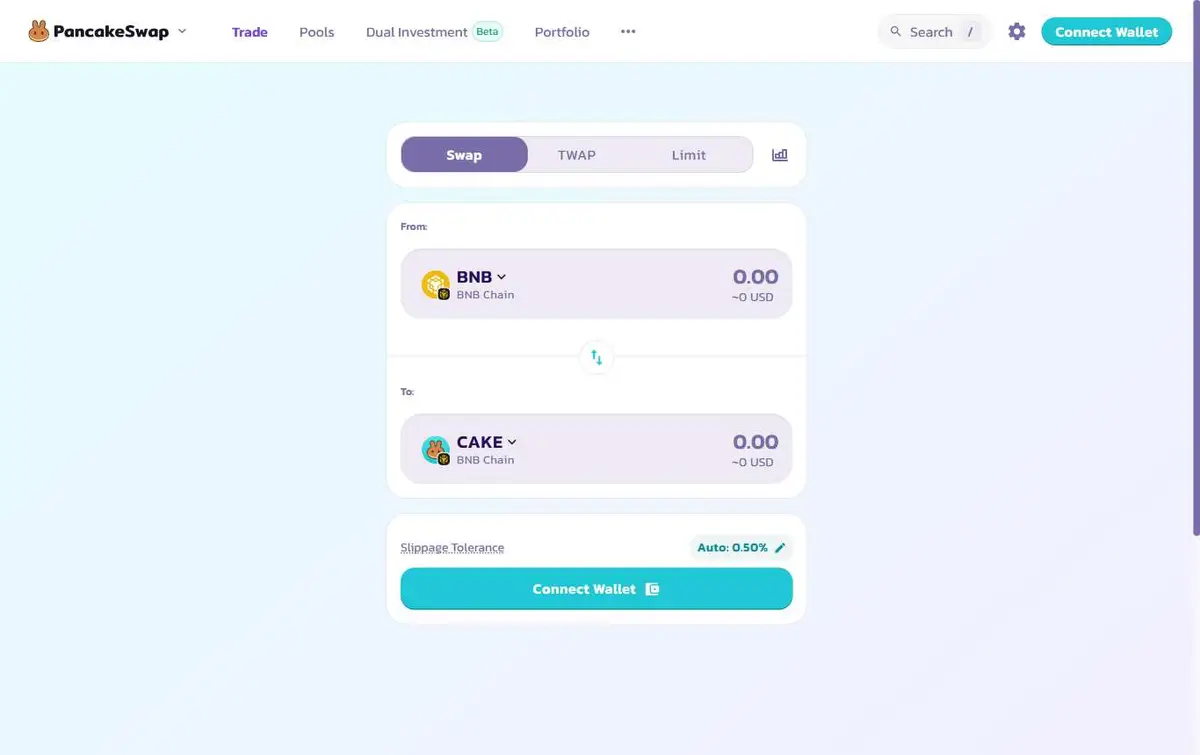
No barrier PancakeSwap · Trading app
Estonia: the swap app loads with no notice
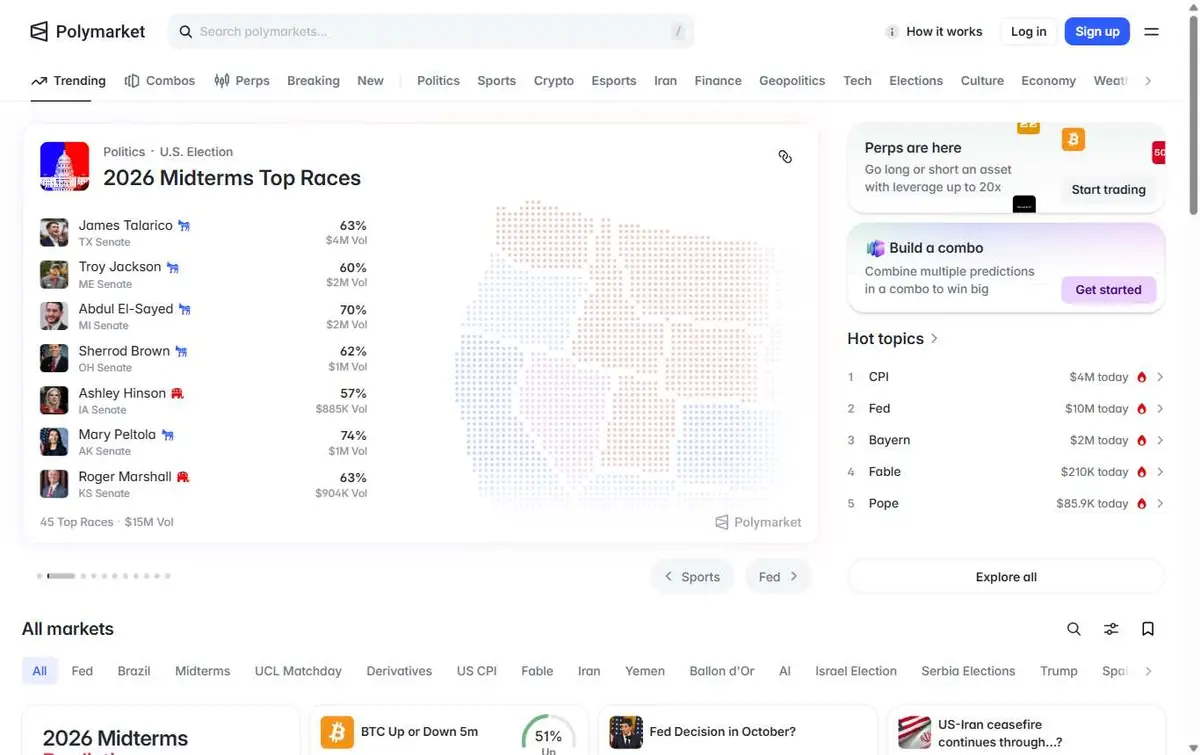
No barrier Polymarket · Home page
Estonia: the page loads with no notice
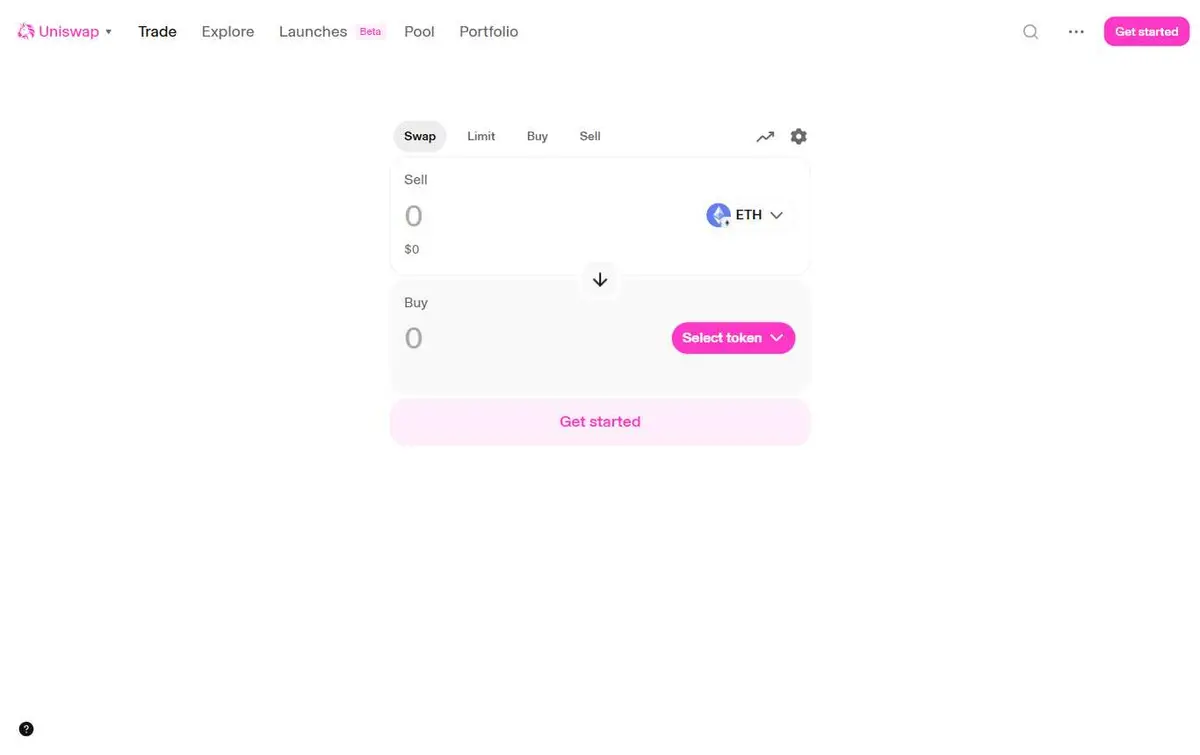
No barrier Uniswap · Trading app
Estonia: the swap app loads with no notice
 CRYPTORESTRICTIONS
Who regulates crypto in Estonia?
Finantsinspektsioon authorises and supervises crypto firms under MiCA. The Financial Intelligence Unit ran the old licence regime and still polices authorised firms for money laundering, and the Tax and Customs Board (EMTA) sets the tax rules, receives crypto reports and licenses gambling.
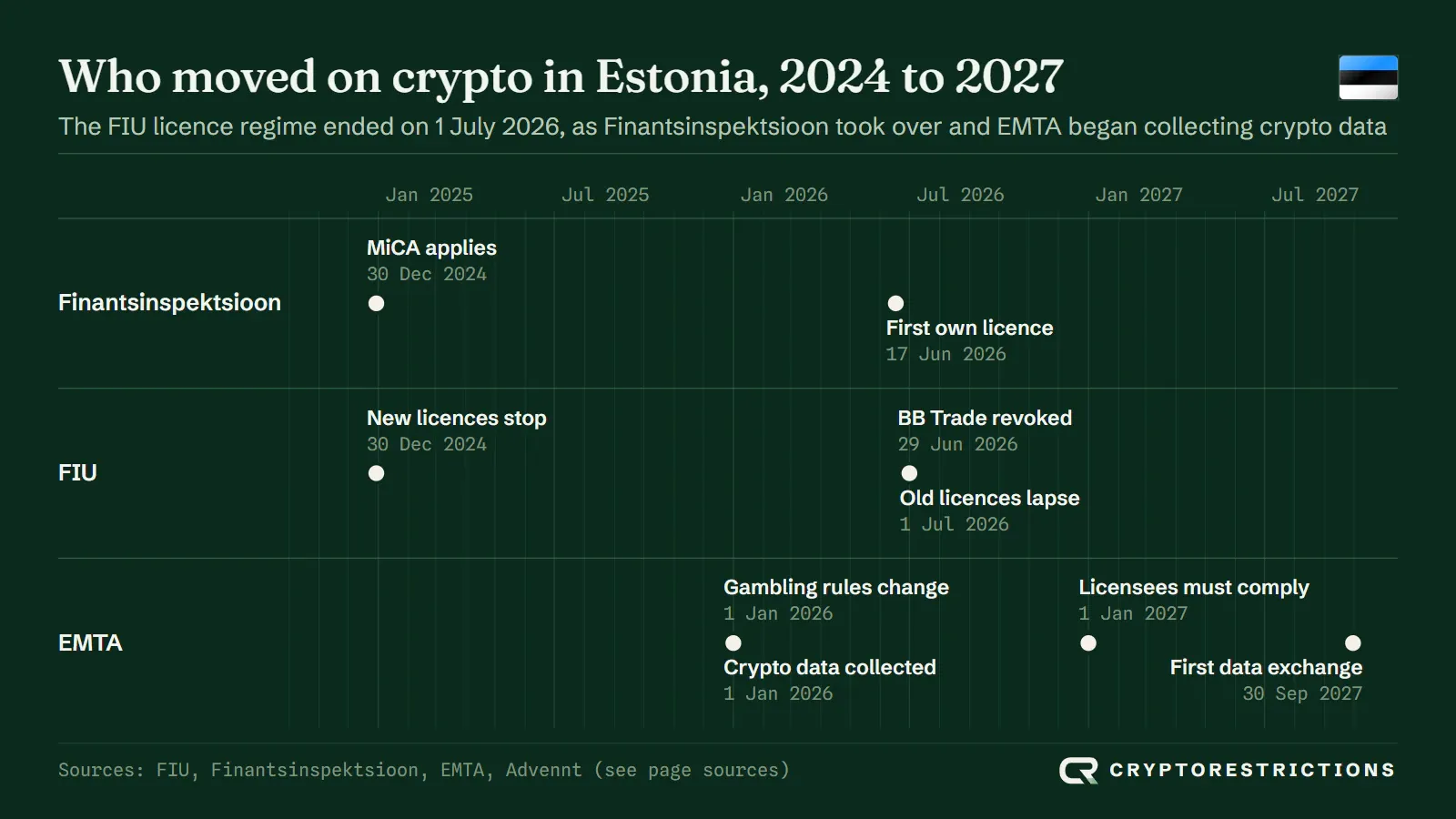
- Finantsinspektsioon. The competent authority for MiCA, and the only body that can now authorise a crypto-asset service provider. We found no warning or enforcement action from it naming any platform we track, though we could not browse its warnings list directly. Its release of 17 June 2026 called Lightspark the first standalone crypto-asset service authorisation it had granted.
- Financial Intelligence Unit (Rahapesu Andmebüroo, FIU). Issued the old licences until 30 December 2024 and cancelled their register data on 1 July 2026. Authorised providers remain its obliged entities for anti-money-laundering reporting. The FIU says it does not assess asset safeguarding or liquidity, the prudential side that Finantsinspektsioon covers.
- Tax and Customs Board (EMTA). Treats crypto as taxable property or as a financial asset, runs the new crypto reporting scheme (see the tax section) and is Estonia’s gambling licensing authority and site blocker (see the prediction markets section).
Which crypto products are limited in Estonia?
Spot trading is the open product. Derivatives are the narrow one: Bybit, Crypto.com and Gate offer none to Estonian users. Gambling with crypto is also tied to licensed operators, because Estonian gambling law now counts crypto-assets as bets.
- Derivatives. Bybit EU offers no derivatives, and EEA access to Bybit Global, which does, is being wound down. Crypto.com offers no derivatives here, and Gate’s EU arm has none.
- Stocks and prediction markets. Coinbase’s home page showed us a notice that both are not available in our Estonian test.
- Gambling with crypto. The law firm Advennt reports that amendments to the Gambling Act, in force from 1 January 2026, make crypto-assets part of the definition of a bet. We could not check this against the act itself.
- Mining and staking. We found no Estonian ban on crypto mining. EMTA treats mining income of a private person as business income and lists staking among the activities to declare, covered in the tax section.
Are prediction markets legal in Estonia?
No Estonian authority has said so either way. EMTA licenses gambling and blocks unlicensed sites, but we could not read its blocked-site list, and we found no statement or action by any authority about Polymarket or Kalshi.
EMTA’s blocked gambling page, updated 2 October 2026, says it blocks access to online gambling organised by operators that hold no Estonian activity and operating licence, and links a list of the blocked domain names. We did not read that list, so we do not know whether any prediction market is on it.
The Gambling Act changed on 1 January 2026, according to Advennt: crypto-assets are now part of the definition of a bet, remote gambling bets must be received through an EEA-licensed bank, payment or e-money institution or crypto-asset service provider, and licence holders have until 1 January 2027 to comply. That is a law-firm summary, not the act, and it does not say how the rules apply to event contracts. We found no source that classes prediction markets as gambling or as financial instruments under Estonian law.
In our data both Polymarket and Kalshi are available, because neither lists Estonia among its restricted countries and both loaded in our test. A change in Estonian law would not by itself change a row; a platform’s decision to restrict Estonia would.
How is crypto taxed in Estonia?
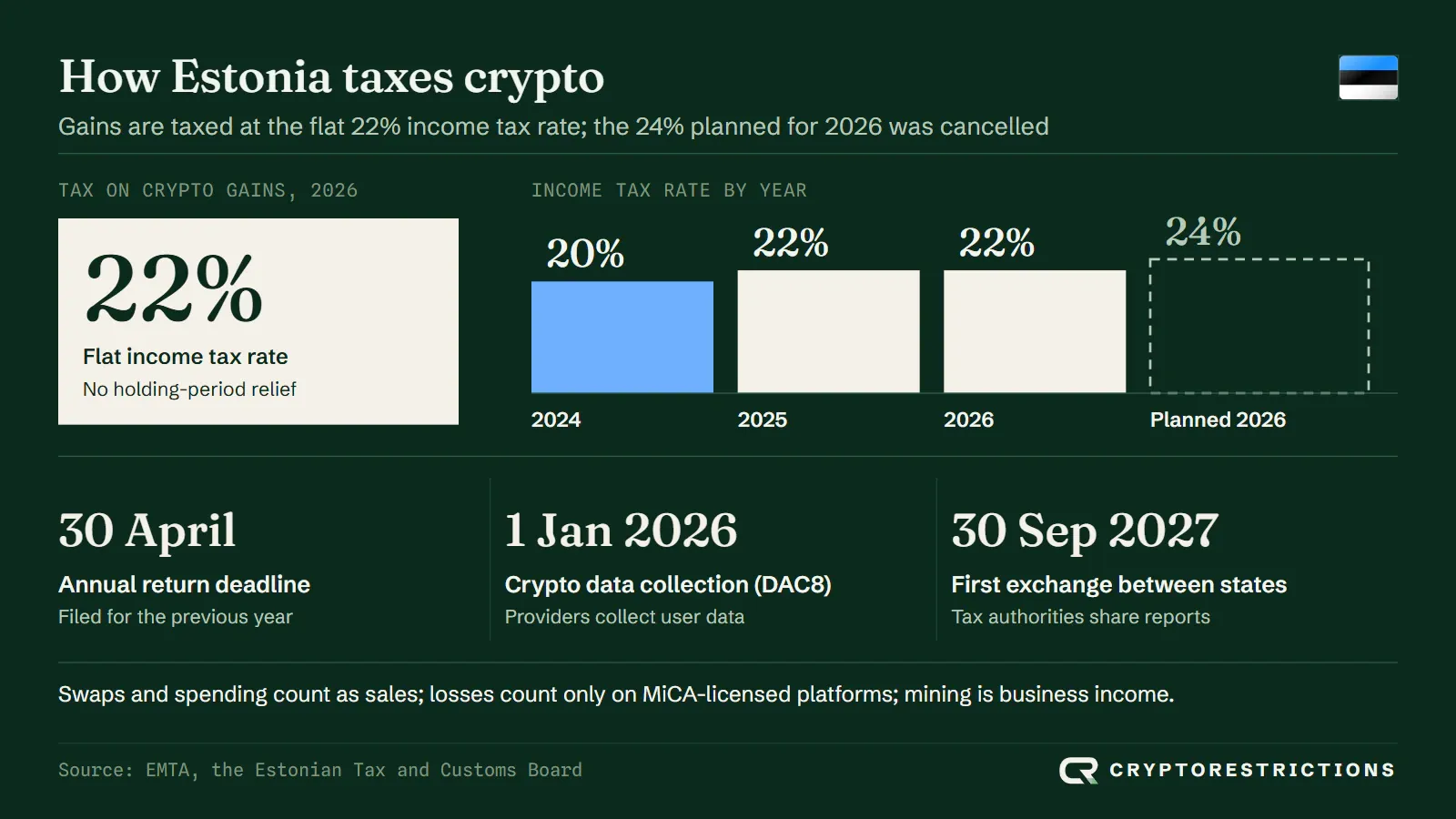
Gains on crypto are taxed as income at the flat 22% rate, and the rise to 24% once planned for 2026 was cancelled. You declare gains in the annual return by 30 April, and from 2026 providers collect data for the EU’s DAC8 reporting.
EMTA’s crypto page sorts crypto into two groups. Crypto held outside MiCA platforms is property, its gains are taxed as property gains, and a loss cannot be claimed or declared. Crypto bought through a MiCA-authorised provider has been a financial asset since 1 January 2025: losses in the same period can be deducted, and the investment account system lets you defer the tax. EMTA warns that the platform must have held the authorisation when you bought, and that a platform is not itself an investment account.
Each transaction is worked out on its own: the sale price less the purchase price, with platform fees and documented transfer costs added to the cost, and values converted to euros at the market rate on the day. Selling for euros, swapping one crypto for another and paying for goods or services all count. Buying crypto with fiat, moving it between your own wallets and receiving it as a gift do not. EMTA’s page names no holding period that lowers the tax. Mining is business income for a private person, and staking is on EMTA’s list of activities to declare, but we could not read how it is treated. EMTA also says exchanging crypto for fiat is exempt from VAT, citing the EU Court of Justice.
The rate is set by EMTA’s rates page: 20% for 2024 and 22% for 2025 and 2026. A further rise to 24% was planned for 2026. EMTA’s notice says an act cancelled the increase, so the rate stays at 22% in 2026. We found no source announcing a different rate for 2027.
The return for 2025 income could be filed from 16 February to 30 April 2026 on EMTA’s returns page; any extra tax or refund is settled by 1 October. Non-MiCA gains go in table 6.3 or 8.3, MiCA-platform gains and losses in table 6.1 or 8.2.
Reporting is changing. EMTA’s DAC8 page says Estonia’s legislation was adopted on 31 December 2025, that the rules apply from the 2026 tax year, and that providers collect user and transaction data from 1 January 2026. The first annual report comes in 2027 (the page says January in its text and 30 June in its timetable) and the first exchange between tax authorities is due by 30 September 2027. You still declare your own gains.


 Serbia
 Turkey
 Switzerland
 Iceland
 Liechtenstein
 Norway
 Croatia
 Finland
 Greece
 Latvia
 Luxembourg