Is crypto legal in Lithuania?
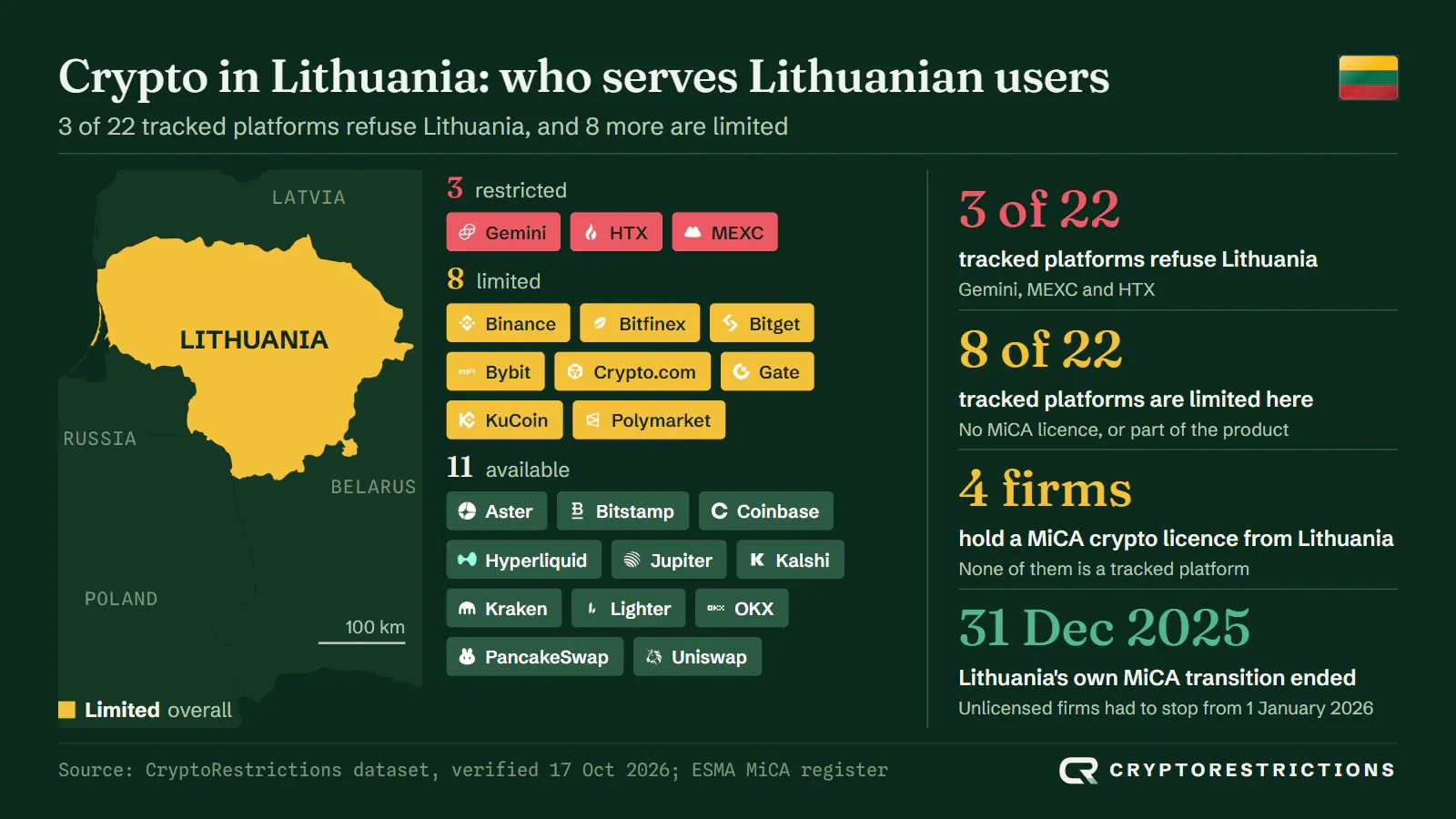
Yes. Lithuania regulates crypto-asset services instead of banning them, and since 1 January 2026 the only way to serve clients there is a MiCA authorisation from the Bank of Lithuania.
The Seimas adopted the Law on Markets in Crypto-Assets (No XIV-2879) on 11 July 2024, which LRT reported as one of the first national laws to implement the EU’s Markets in Crypto-Assets Regulation (MiCA). The Bank of Lithuania is the licensing authority. The EU rules have applied to crypto-asset service providers since 30 December 2024.
Before MiCA, firms only had to register with the State Enterprise Centre of Registers. Fintech in Baltic counted about 850 registered crypto companies in late 2022 and 324 in 2024. The Bank of Lithuania’s notice to firms says more than 370 had declared crypto services but only about 120 were operating.
Lithuania’s own transition ended on 31 December 2025, six months before the EU-wide backstop of 1 July 2026. The July 2024 law had planned an earlier date, and LRT quoted June 2025 at the time. Firms that had not been licensed by 31 December had to stop and tell clients how to withdraw. The Bank of Lithuania’s guidance, as Cryptobriefing reported it, lists fines, blocked websites and up to four years in prison for unlicensed services. We could not read lb.lt itself, which refused our automated reads, so this section rests on the search excerpt of the notice and the press reports above.
Which crypto exchanges work in Lithuania?
Eight of the exchanges we track hold a MiCA licence that lists Lithuania on its passport: OKX, Kraken, Coinbase and Bitstamp are available, and Bybit, Crypto.com, Gate and KuCoin are limited. The Bank of Lithuania has authorised only four crypto firms itself, and none is a platform we track.
ESMA’s interim MiCA register lists six firms with Lithuania as home state. Four are full crypto-asset service providers: Robinhood Europe (29 May 2025), CoinGate’s UAB Decentralized and Nuvei Liquidity, the Simplex firm (both 16 December 2025), and UAB Micar assets (26 February 2026). The other two, Newrails and BLUE EMI LT, offer services only for their own e-money tokens under Article 60(4). The Bank of Lithuania called Micar assets its fourth licence on 2 March 2026, and Fintech in Baltic reported 102 applications from 55 firms during 2025. The register file we downloaded on 19 October 2026 shows no later Lithuanian authorisation.
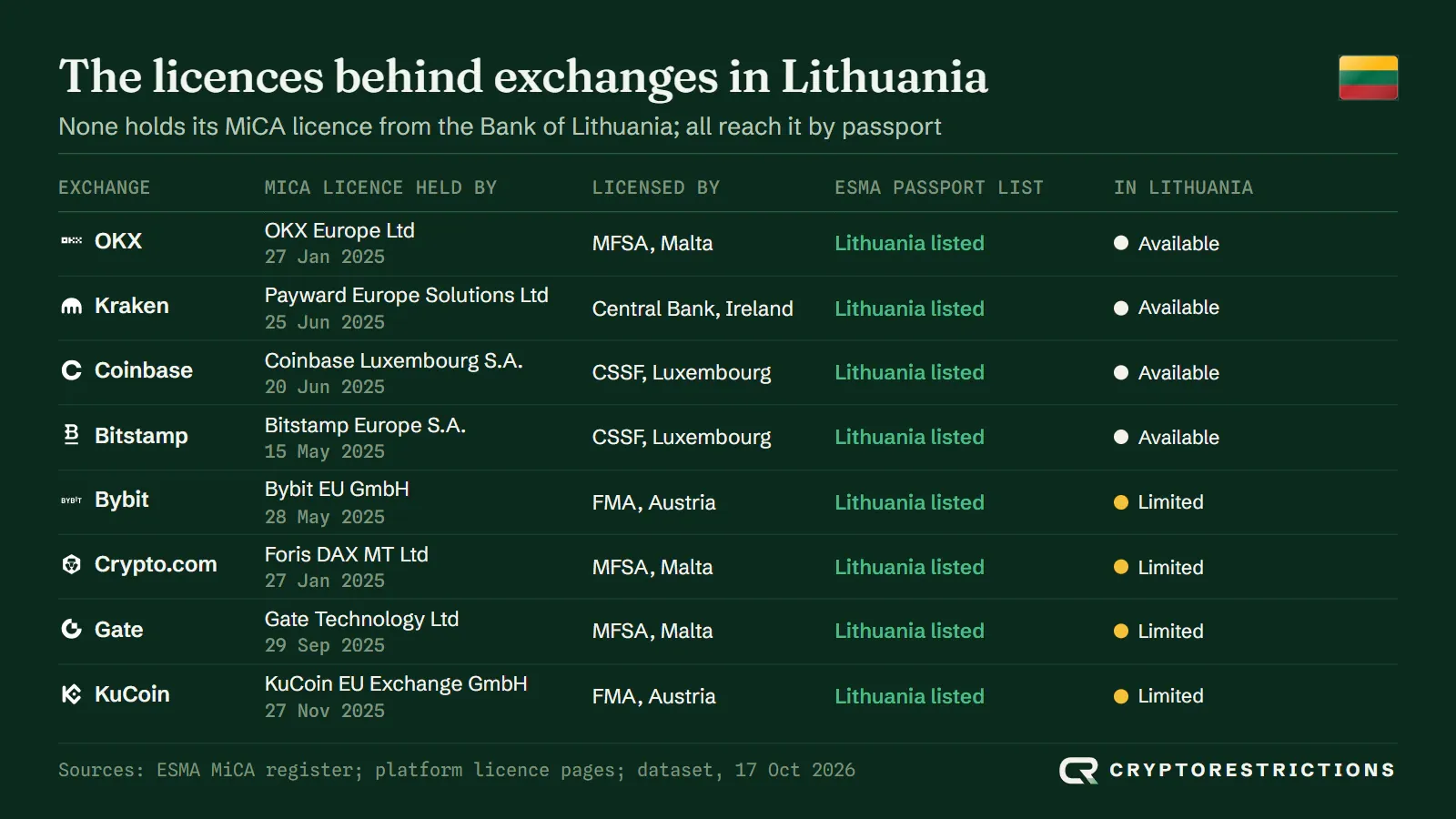
The tracked exchanges reach Lithuania by passport from Malta, Ireland, Luxembourg or Austria, and ESMA’s register lists Lithuania among the passport countries of each licensed entity. OKX, Crypto.com and Gate are licensed in Malta, Kraken in Ireland, Coinbase and Bitstamp in Luxembourg, and Bybit and KuCoin in Austria. A passport is a notification to the Lithuanian regulator, not a Lithuanian licence, and we found no Lithuanian entity or Bank of Lithuania licence for any of them. KuCoin’s licence is on the list, but its EU arm has had trading and deposits suspended since 4 February 2026.
Best crypto platforms for Lithuanian residents
By our access score, Kraken and Bitstamp tie at 8 out of 10 as the most open exchanges for Lithuanian users, ahead of Coinbase and OKX (7.5). Kalshi (8) leads Polymarket (6.3) among prediction markets, and all six DeFi platforms we track score 8.
The score rates how fully a Lithuanian resident can use each platform, not its fees or safety. It is computed from our data and moves when a row changes: access status (4 points), the share of the platform’s products open here (3), the licences we hold on file for Lithuania (2) and a geo-access test from Lithuania (1). Platforms that refuse Lithuanian users are not scored. The full method is on our methodology page.
Exchanges

Bitstamp
Best for Spot trading from a long-running EU licence
8.0/10- Access
- 4/4
- Products
- 3/3
- Licences
- 0/2
- Our test
- 1/1
Read our Bitstamp reportPros
- Bitstamp Europe S.A. holds a CSSF MiCA licence from 15 May 2025
Cons
- Served from Luxembourg, with no Lithuanian entity

Kraken
Best for Spot under an Irish MiCA licence
8.0/10- Access
- 4/4
- Products
- 3/3
- Licences
- 0/2
- Our test
- 1/1
Read our Kraken reportPros
- Payward Europe Solutions holds a Central Bank of Ireland MiCA licence from 25 June 2025, passported to Lithuania
Cons
- No Lithuanian entity or Bank of Lithuania licence

Coinbase
Best for Spot from Luxembourg
7.5/10- Access
- 4/4
- Products
- 3/3
- Licences
- 0/2
- Our test
- 0.5/1
Read our Coinbase reportPros
- Coinbase Luxembourg S.A. holds a CSSF MiCA licence from 20 June 2025, passported to Lithuania
Cons
- Our test saw a notice that stocks and prediction markets are unavailable here

OKX
Best for An exchange licensed in Malta
7.5/10- Access
- 4/4
- Products
- 3/3
- Licences
- 0/2
- Our test
- 0.5/1
Read our OKX reportPros
- OKX Europe Limited holds an MFSA MiCA licence from 27 January 2025, passported to Lithuania
Cons
- okx.com redirects Lithuanian visitors to its European site

Bybit
Best for Spot trading under an Austrian MiCA licence
6.9/10- Access
- 3.5/4
- Products
- 2.4/3
- Licences
- 0/2
- Our test
- 1/1
Read our Bybit reportPros
- Bybit EU GmbH holds an FMA MiCA licence from 28 May 2025, passported to Lithuania
Cons
- Bybit EU offers no derivatives
- Global Bybit is being wound down for EEA users

Crypto.com
Best for An app under a Maltese MiCA licence
6.3/10- Access
- 3.5/4
- Products
- 1.8/3
- Licences
- 0/2
- Our test
- 1/1
Read our Crypto.com reportPros
- Foris DAX MT Limited holds an MFSA MiCA licence from 27 January 2025
Cons
- Lithuania is on the derivatives geo-restrictions list

Gate
Best for Spot, convert and staking on Gate EU
6.0/10- Access
- 3.5/4
- Products
- 1.5/3
- Licences
- 0/2
- Our test
- 1/1
Read our Gate reportPros
- Gate Technology Ltd holds an MFSA MiCA licence from 29 September 2025
Cons
- Gate EU offers no derivatives

KuCoin
Best for Withdrawing from an existing account
5.8/10- Access
- 3/4
- Products
- 2.3/3
- Licences
- 0/2
- Our test
- 0.5/1
Read our KuCoin reportPros
- KuCoin EU Exchange GmbH holds an Austrian MiCA licence from 27 November 2025
- Withdrawals stay open
Cons
- KuCoin EU has had trading and deposits suspended since 4 February 2026
- KuCoin Global no longer takes new EEA users
Prediction markets

Kalshi
Best for A regulated US exchange that does not exclude Lithuania
8.0/10- Access
- 4/4
- Products
- 3/3
- Licences
- 0/2
- Our test
- 1/1
Read our Kalshi reportPros
- Lithuania is not on Kalshi's restricted-jurisdictions list
Cons
- No Lithuanian authorisation on file
- The gambling regulator treats unlicensed betting-style markets as gambling

Polymarket
Best for Event markets across many topics
6.3/10- Access
- 3/4
- Products
- 2.3/3
- Licences
- 0/2
- Our test
- 1/1
Read our Polymarket reportPros
- Lithuania is not on Polymarket's geographic restrictions page
Cons
- The gambling regulator had a court approve an internet-provider block in September 2026
- Payment providers were told to stop its transactions
DeFi

Aster
Best for Perpetual futures on several chains
8.0/10- Access
- 4/4
- Products
- 3/3
- Licences
- 0/2
- Our test
- 1/1
Read our Aster reportPros
- Lithuania is not on its prohibited-jurisdictions list
Cons
- No licence on file for Lithuania

Hyperliquid
Best for Perpetual futures from your own wallet
8.0/10- Access
- 4/4
- Products
- 3/3
- Licences
- 0/2
- Our test
- 1/1
Read our Hyperliquid reportPros
- Excludes only the US, Ontario and broadly sanctioned places
Cons
- No licence on file for Lithuania

Jupiter
Best for Solana swaps
8.0/10- Access
- 4/4
- Products
- 3/3
- Licences
- 0/2
- Our test
- 1/1
Read our Jupiter reportPros
- Lithuania is not in its terms
Cons
- No licence on file for Lithuania

Lighter
Best for Perpetual futures on an order-book DEX
8.0/10- Access
- 4/4
- Products
- 3/3
- Licences
- 0/2
- Our test
- 1/1
Read our Lighter reportPros
- Lithuania is not named in its terms
Cons
- No licence on file for Lithuania

PancakeSwap
Best for BNB Chain swaps and pools
8.0/10- Access
- 4/4
- Products
- 3/3
- Licences
- 0/2
- Our test
- 1/1
Read our PancakeSwap reportPros
- Its terms bar only persons and places under US sanctions
Cons
- No licence on file for Lithuania

Uniswap
Best for Swapping tokens from your own wallet
8.0/10- Access
- 4/4
- Products
- 3/3
- Licences
- 0/2
- Our test
- 1/1
Read our Uniswap reportPros
- Its terms bar only places under comprehensive US sanctions
Cons
- No licence on file for Lithuania
Which platforms block Lithuanian users?
Three of the 22 platforms we track refuse Lithuanian users: Gemini, MEXC and HTX. Eight more are limited, because they have no working MiCA licence here or serve only part of their product: Binance, Bitfinex, Bitget, Bybit, Crypto.com, Gate, KuCoin and Polymarket.
Most limits trace to MiCA. Gemini closed every account in the UK, the EEA and Australia on 6 April 2026. Binance has had no MiCA authorisation since 1 July 2026, closing sign-ups, deposits and trading while existing users can withdraw. KuCoin EU has had trading and deposits suspended since 4 February 2026. HTX’s user agreement bars every EU state, and since 23 August 2026 EU sanctions on Russia-linked providers ban dealings with it, under Regulation (EU) 2026/1848.
Bitget and MEXC have no MiCA licence. Bitget EU applied to Austria’s FMA on 2 July 2026, and ESMA’s non-compliant list names MEXC Global. MEXC refused Lithuania at sign-up in our geo-access test, which is why it is restricted and not limited; Bitget loaded without a barrier, so it stays limited at medium confidence. Polymarket is limited for a Lithuanian reason, the gambling regulator’s block described below.
What our geo-access test saw from Lithuania
Of the 22 platforms we tested through a Lithuanian exit on 14 and 16 October 2026, 16 loaded with no barrier, 4 showed a notice or redirect, and 2 refused: Gemini and MEXC.
The notices were Binance’s European regulatory page, Coinbase’s note that stocks and prediction markets are unavailable in the jurisdiction, KuCoin’s suggestion to switch to KuCoin EU, and OKX’s redirect to its European site. HTX loaded without a barrier even though its terms bar the EU, so our statuses follow the documents first and the test second. Polymarket loaded too: the test uses VPN exits and cannot see a block applied by a Lithuanian internet provider.
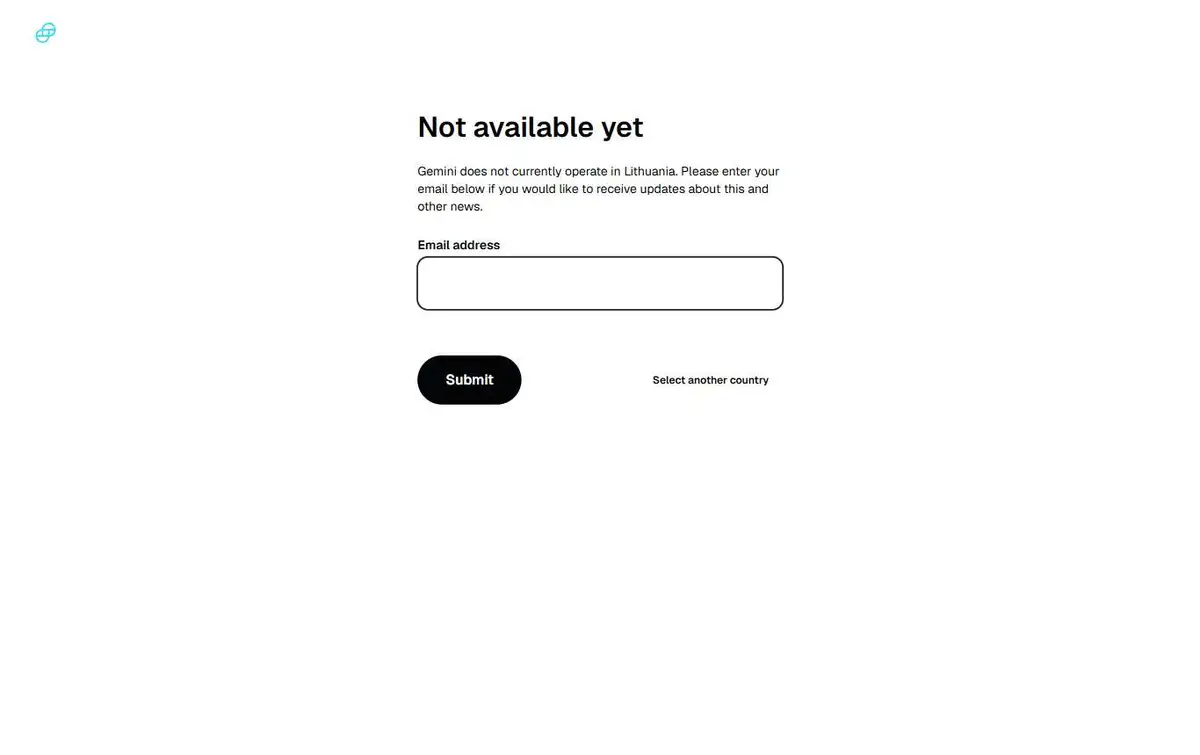
Blocked Gemini · Sign-up page
Lithuania: closed with the rest of the EEA in April 2026: the sign-up form is replaced by a location check
“Gemini does not currently operate in Lithuania.”
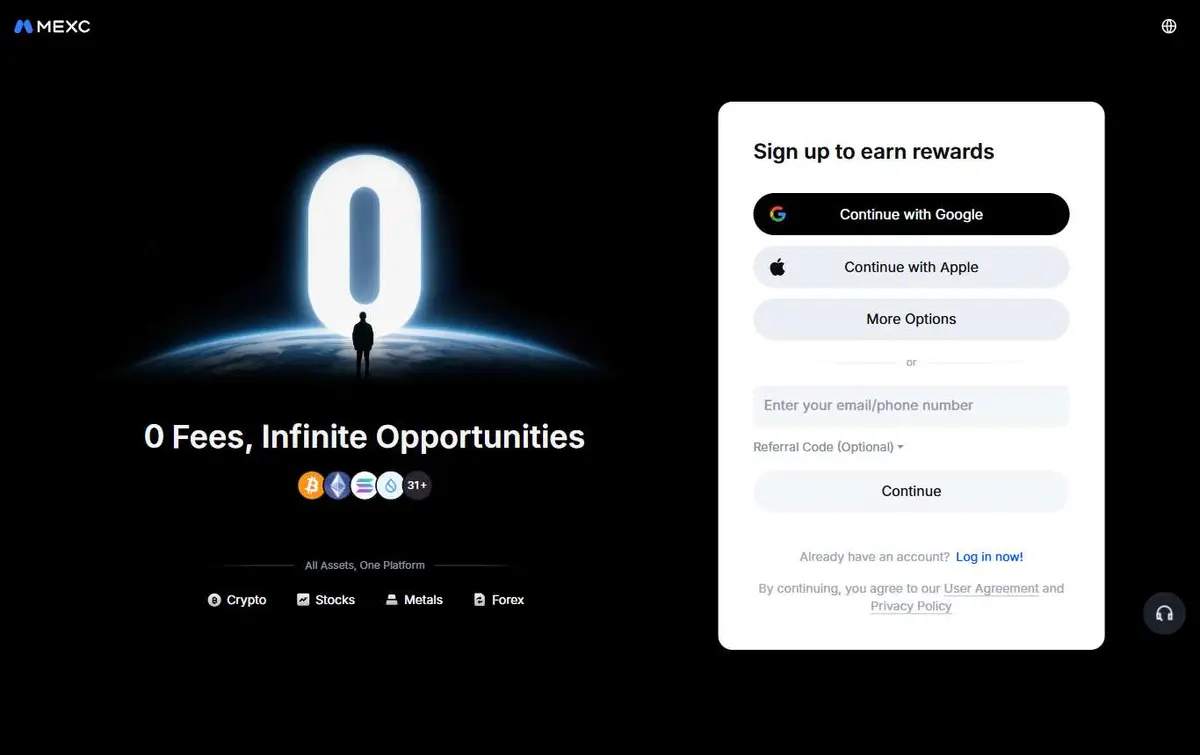
Blocked MEXC · Sign-up page
Lithuania: the home page loads, then sign-up is refused with a regional message
“services are not available in your location”
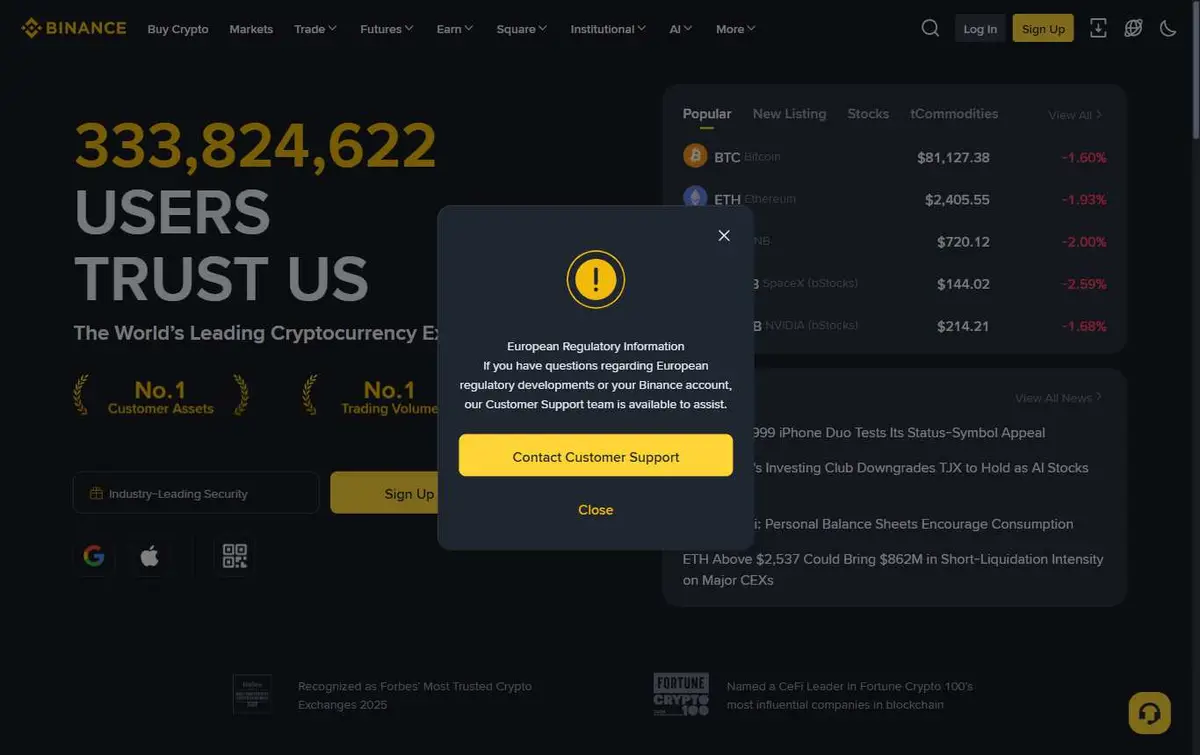
Notice shown Binance · Home page
Lithuania: the global site loads, with a European regulatory information link
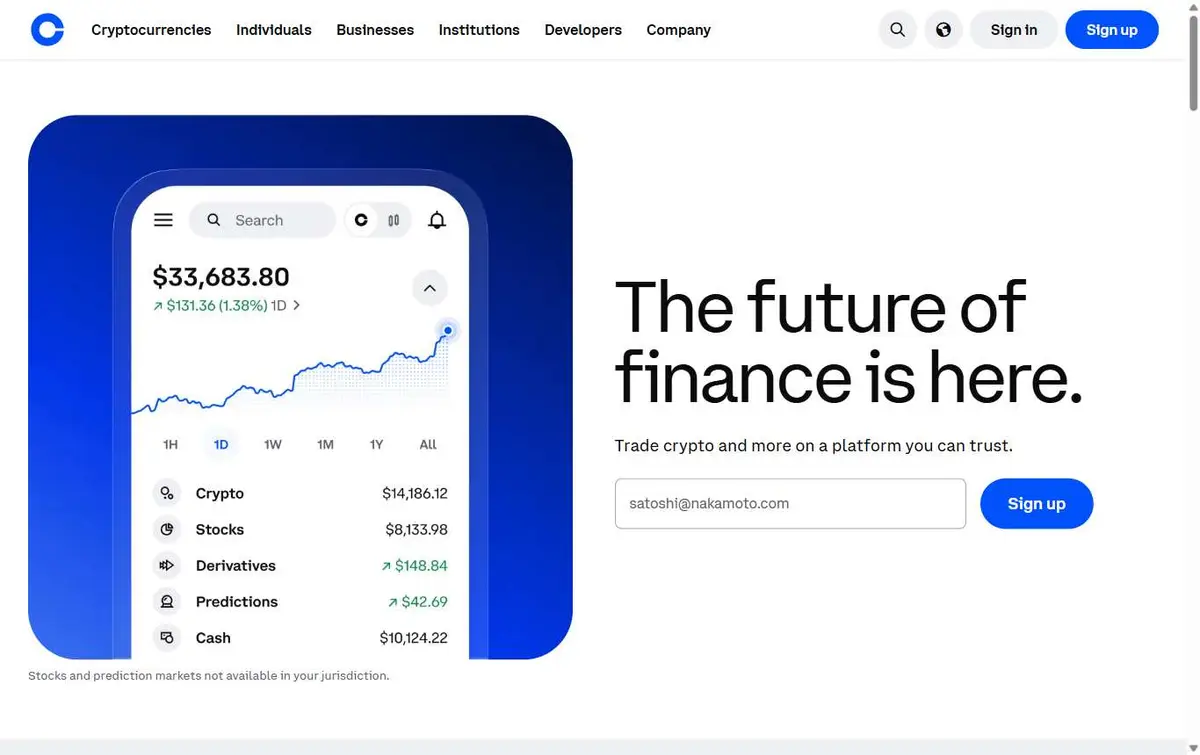
Notice shown Coinbase · Home page
Lithuania: the site loads, with a notice that stocks and prediction markets are not available
“Stocks and prediction markets not available in your jurisdiction.”
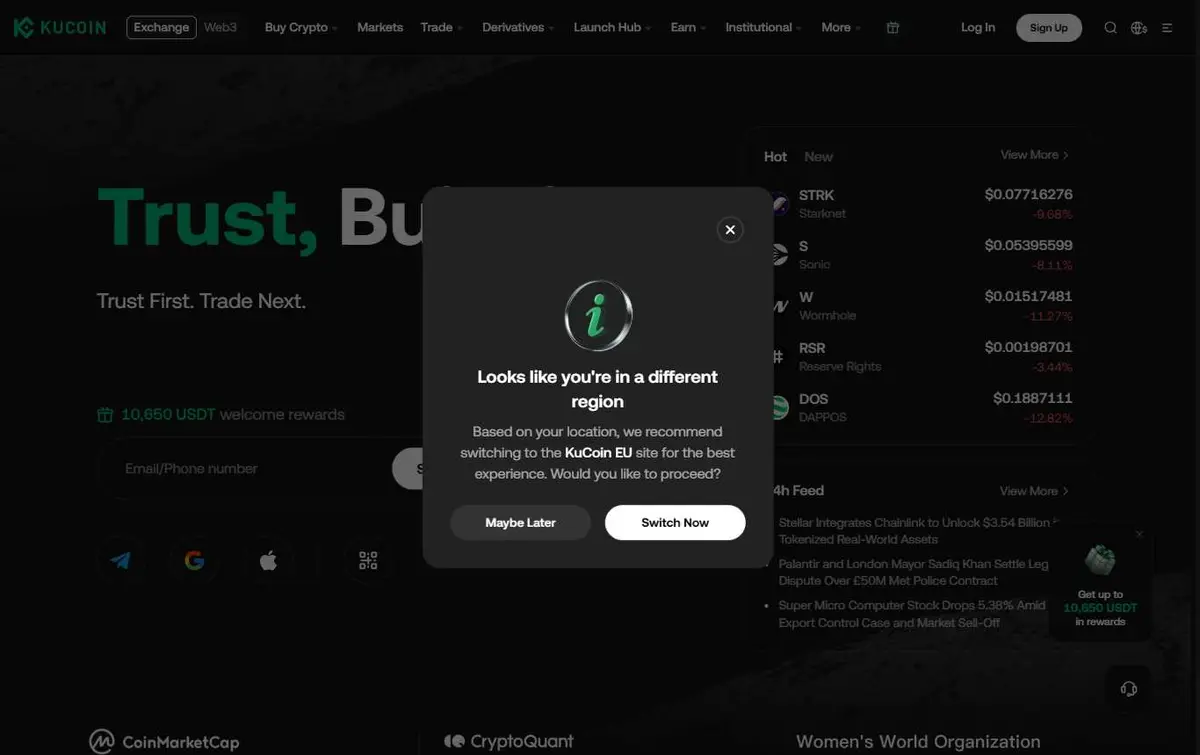
Notice shown KuCoin · Home page
Lithuania: KuCoin recommends its EU site
“Based on your location, we recommend switching to the KuCoin EU site for the best experience.”
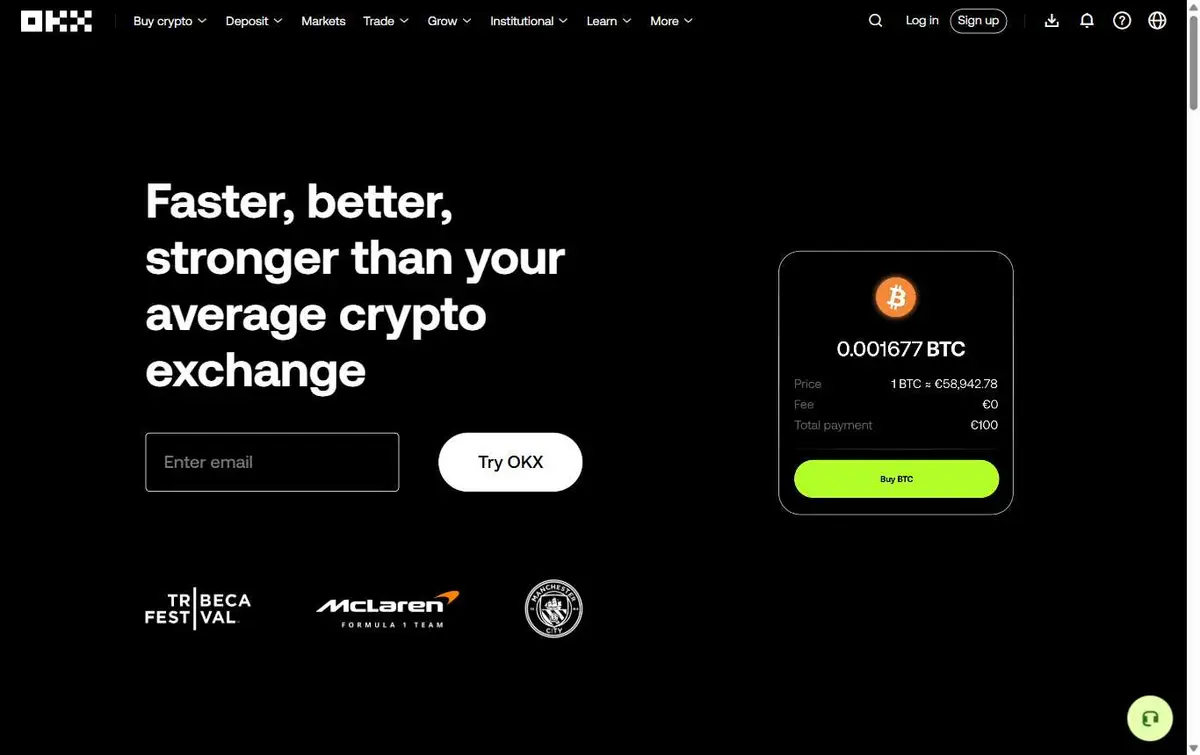
Notice shown OKX · Home page
Lithuania: okx.com points visitors to the OKX Europe site
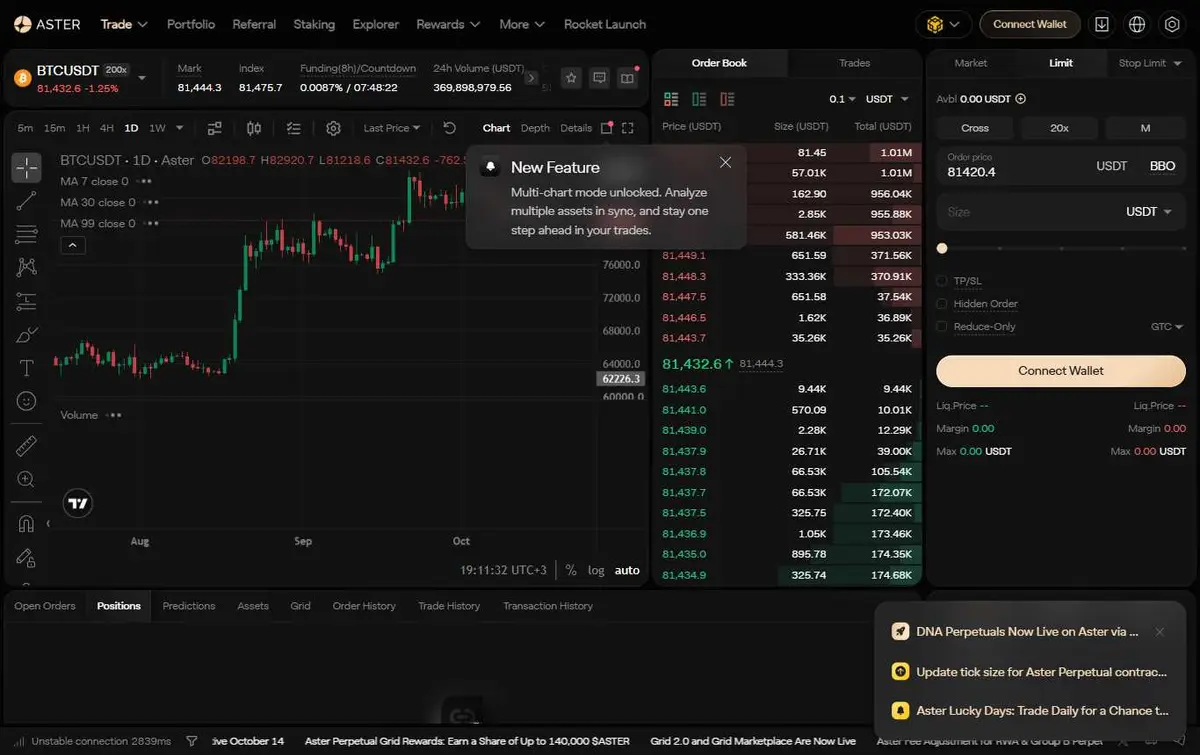
No barrier Aster · Trading app
Lithuania: the trading app loads with no notice
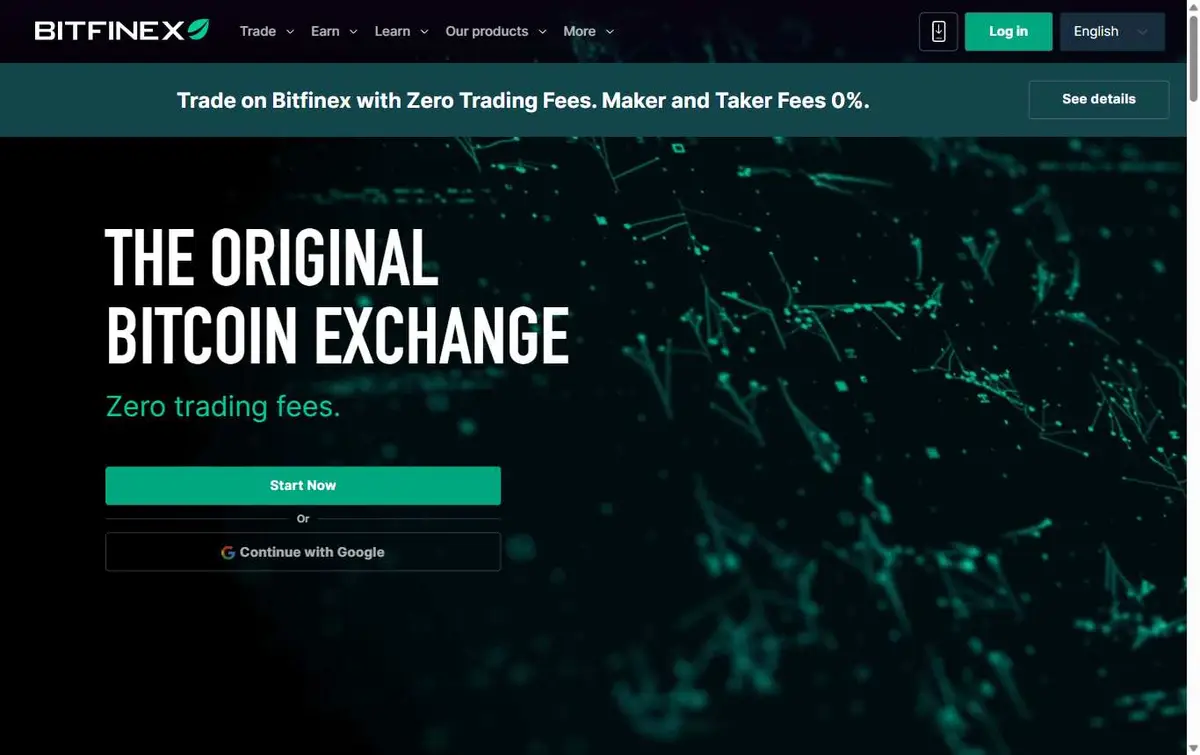
No barrier Bitfinex · Home page
Lithuania: the home page loads with no notice
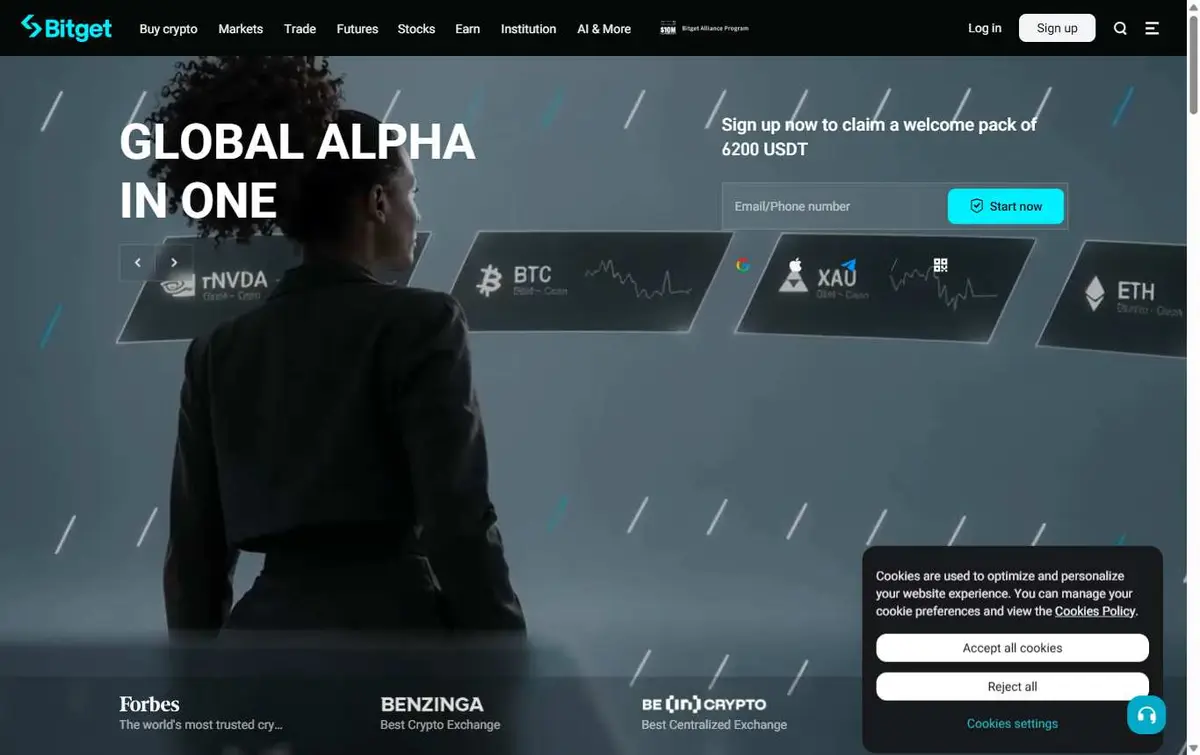
No barrier Bitget · Home page
Lithuania: the home page loads with no notice
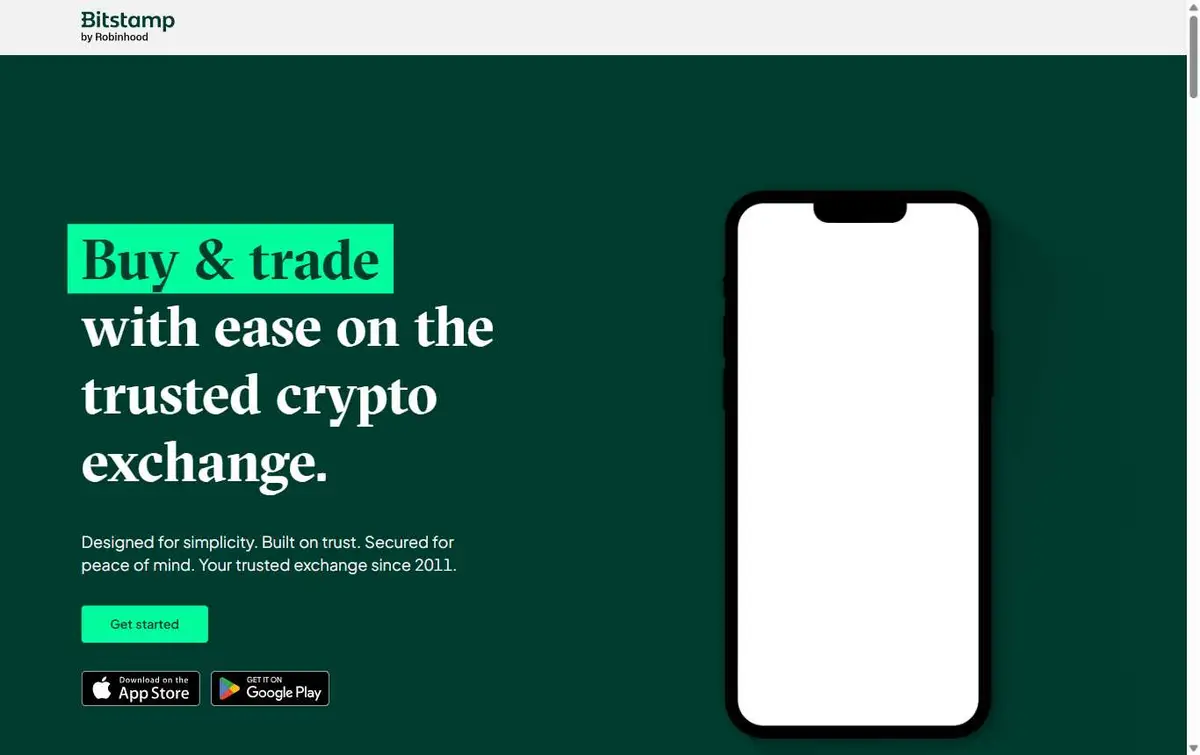
No barrier Bitstamp · Home page
Lithuania: the home page loads with no notice
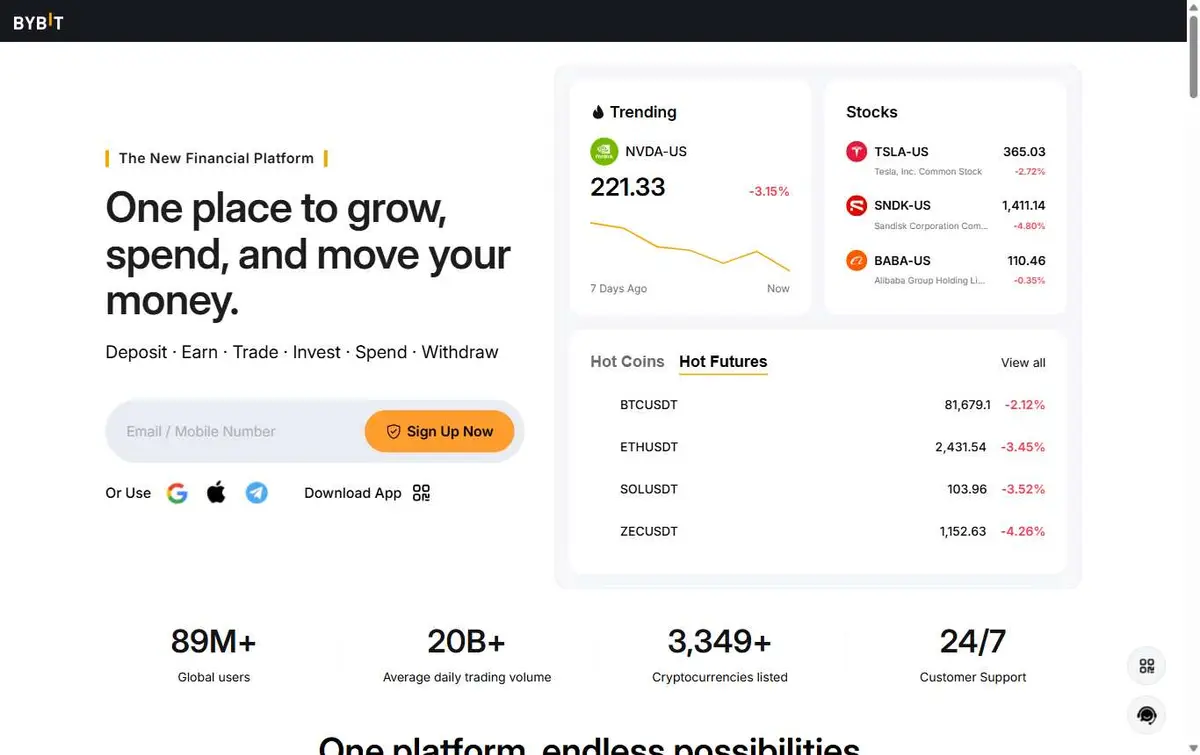
No barrier Bybit · Home page
Lithuania: the global site loads with no notice
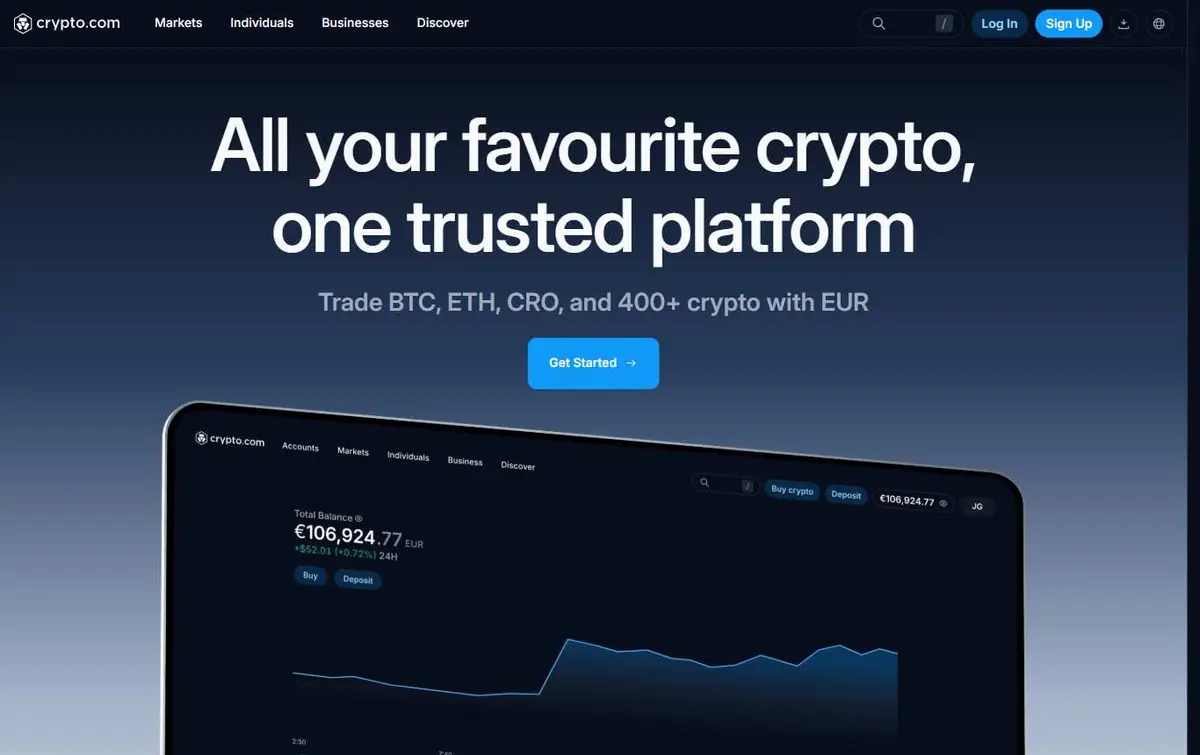
No barrier Crypto.com · Home page
Lithuania: the home page loads with no notice
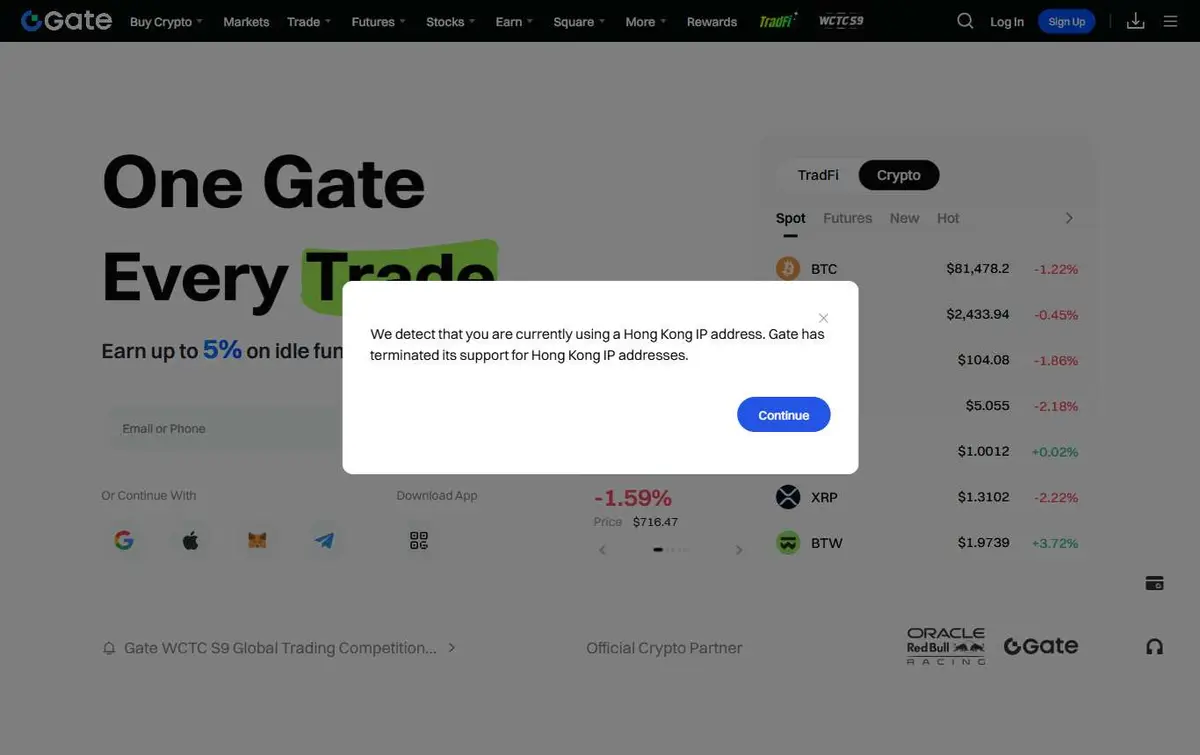
No barrier Gate · Home page
Lithuania: the home page loads with no notice
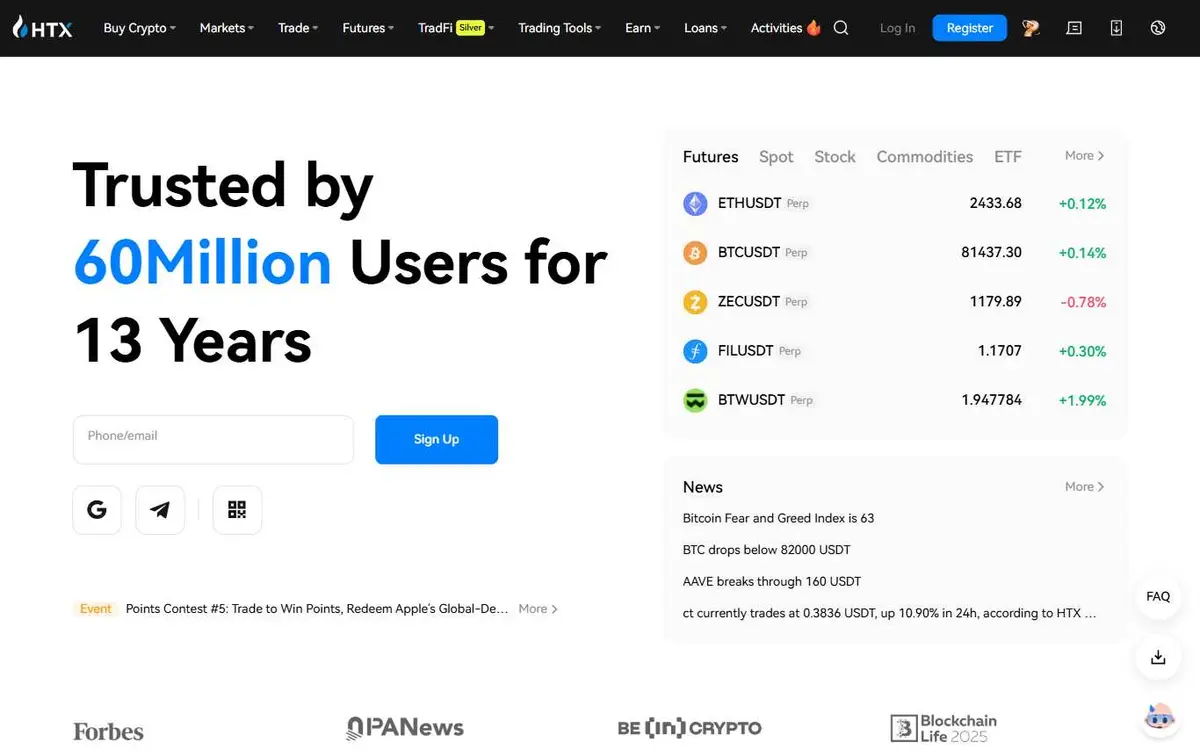
No barrier HTX · Home page
Lithuania: the home page loads with no notice
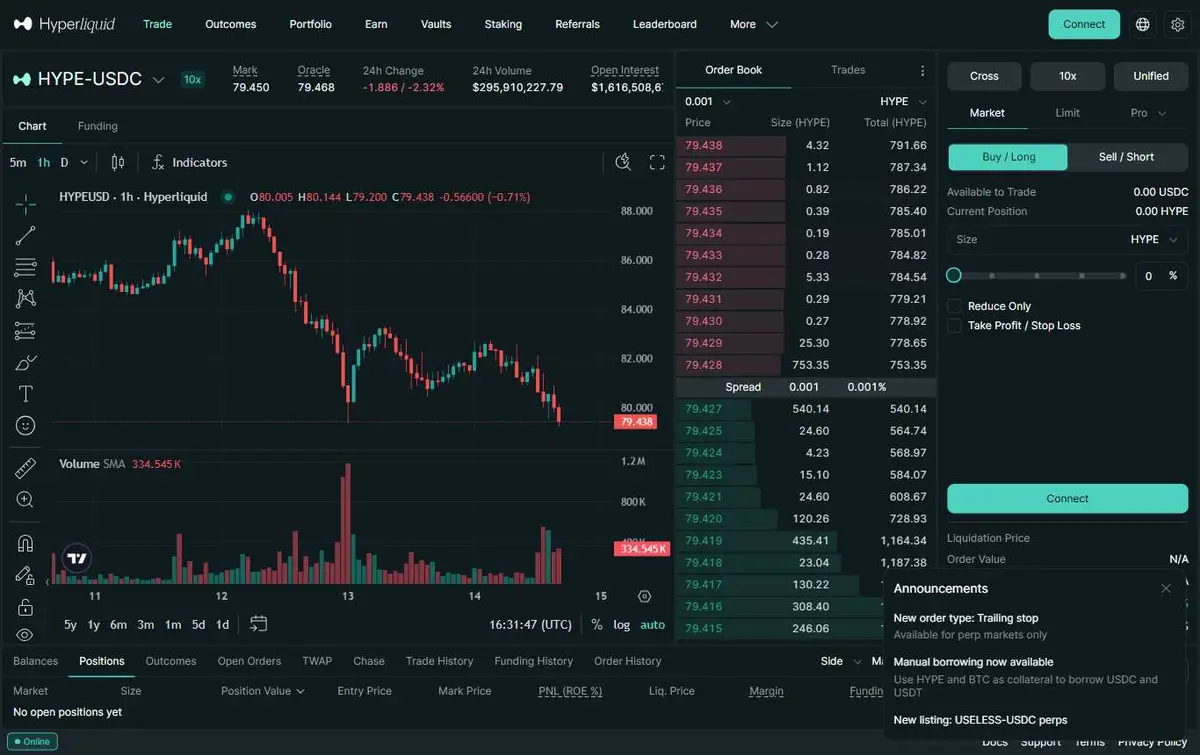
No barrierHyperliquid · Trading app
Lithuania: the trading app loads with no notice
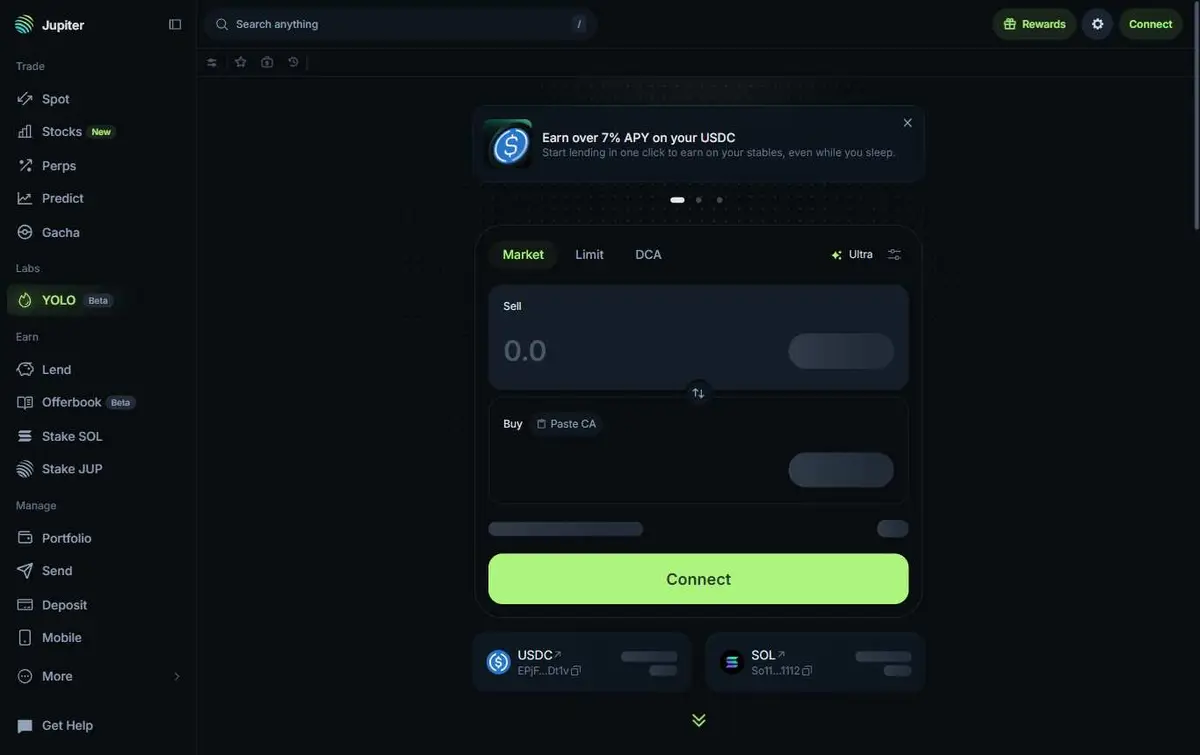
No barrier Jupiter · Trading app
Lithuania: the swap app loads with no notice
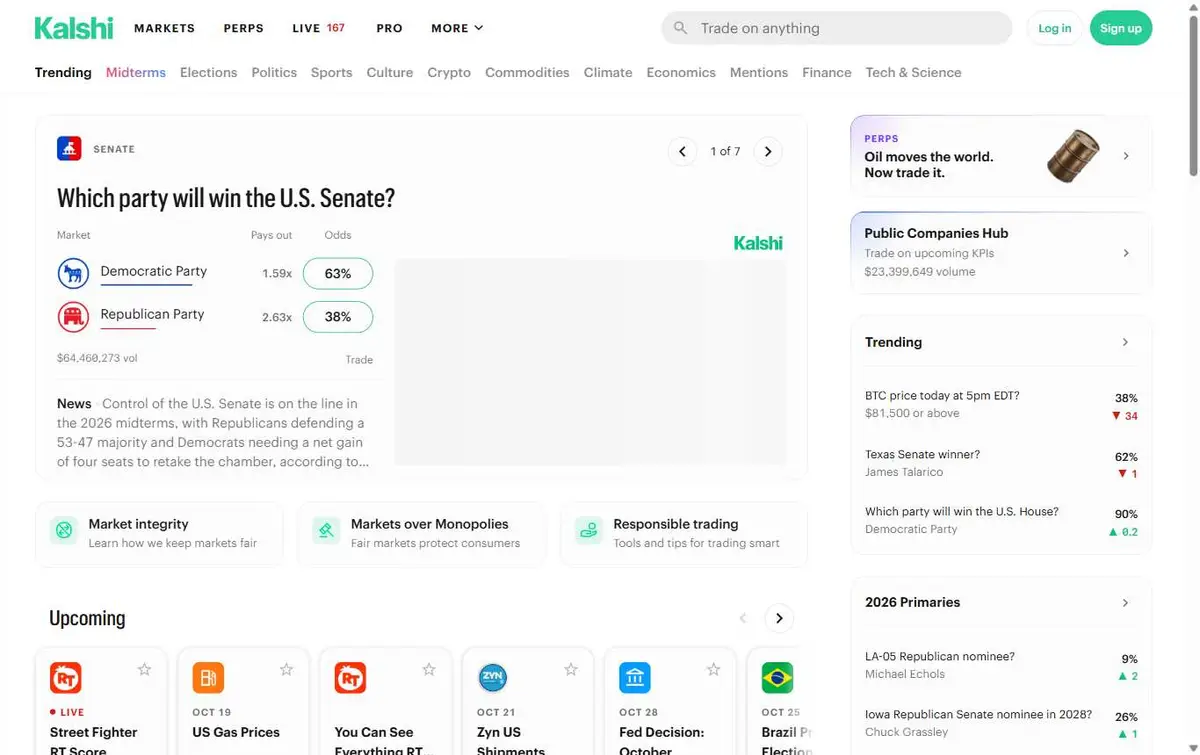
No barrier Kalshi · Home page
Lithuania: the home page loads with no notice
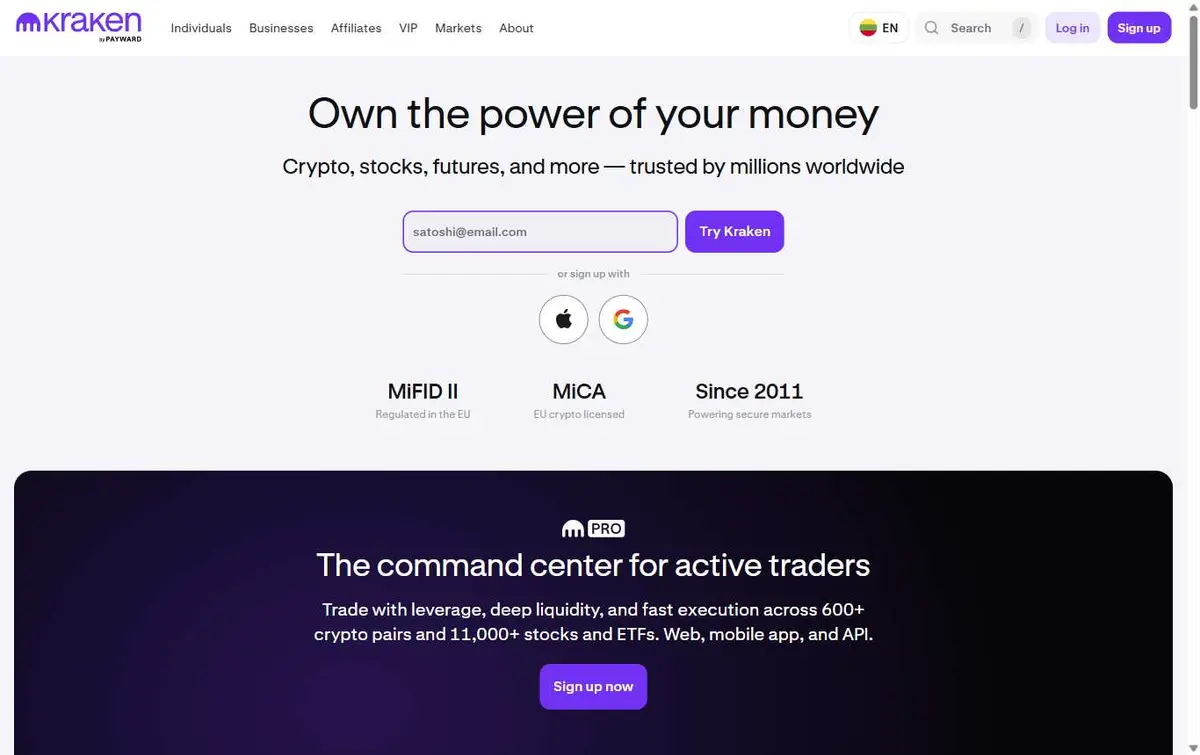
No barrier Kraken · Home page
Lithuania: the home page loads with no notice
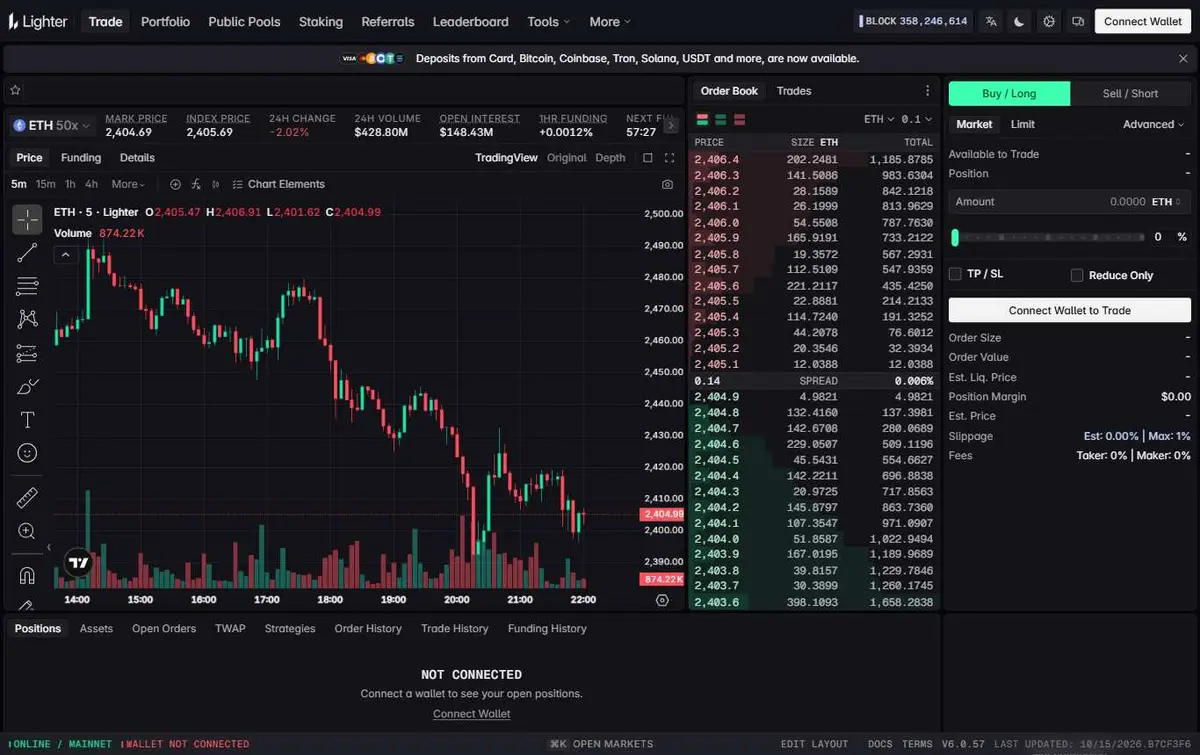
No barrier Lighter · Trading app
Lithuania: the trading app loads with no notice
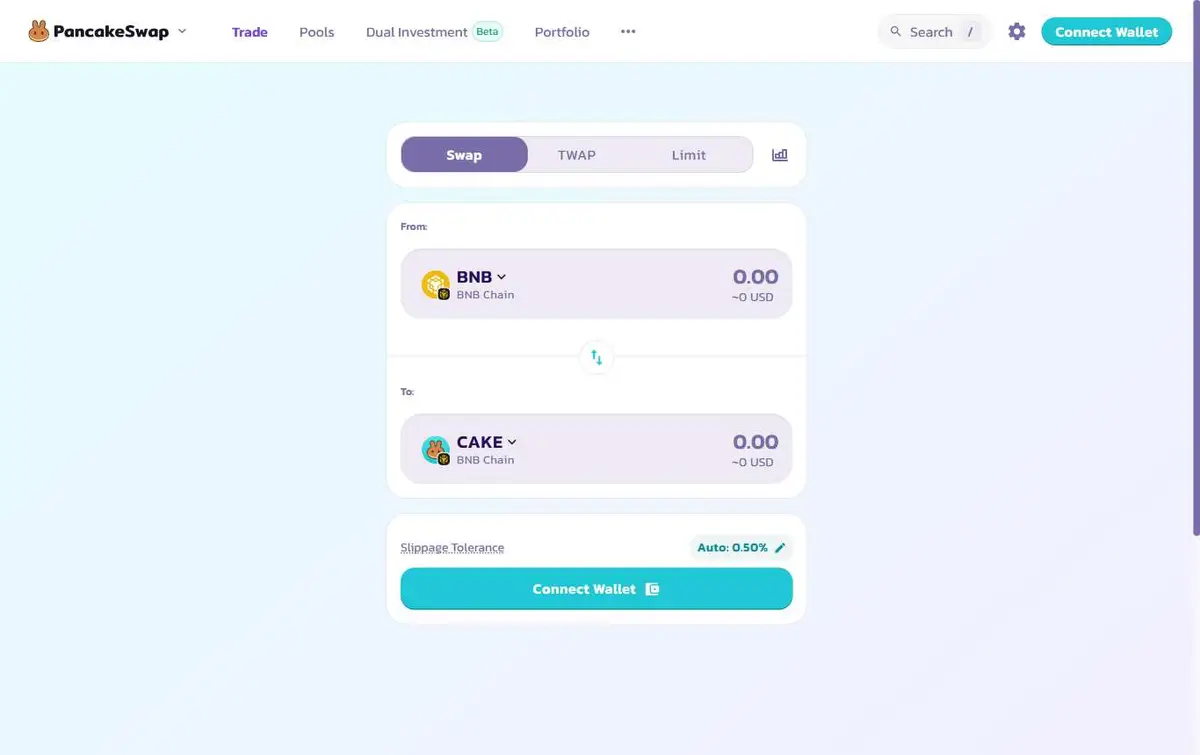
No barrier PancakeSwap · Trading app
Lithuania: the swap app loads with no notice
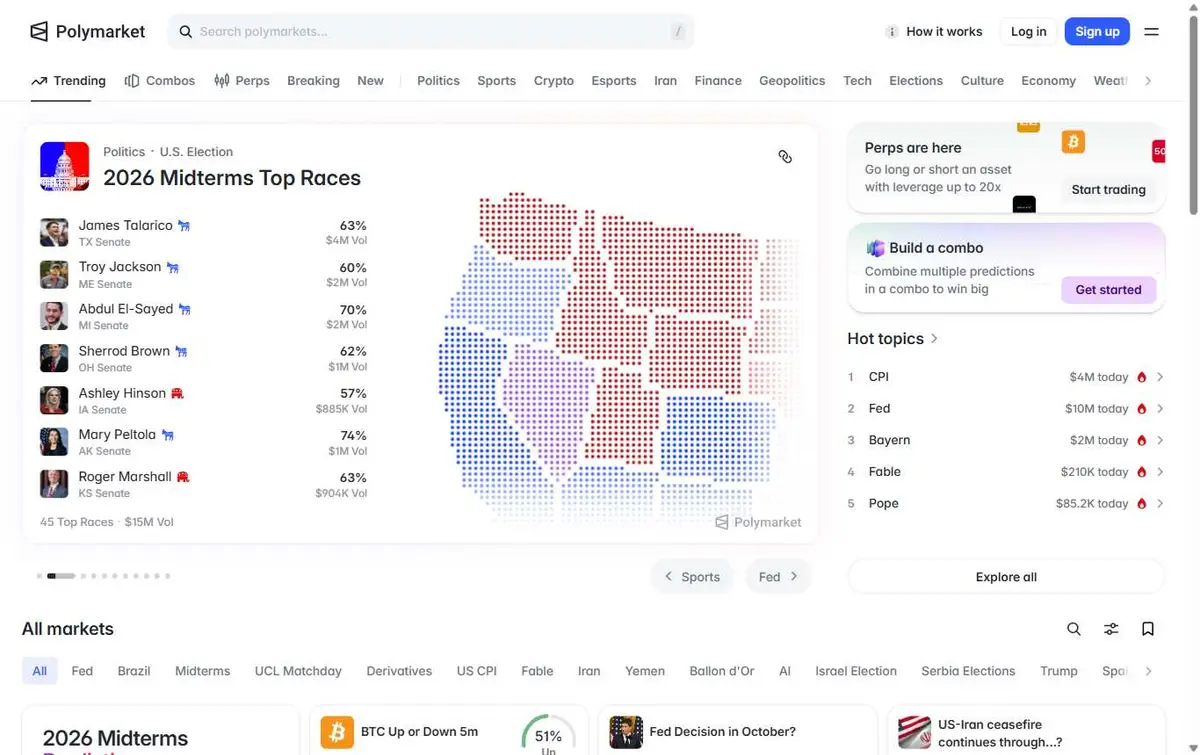
No barrier Polymarket · Home page
Lithuania: the home page loads with no notice
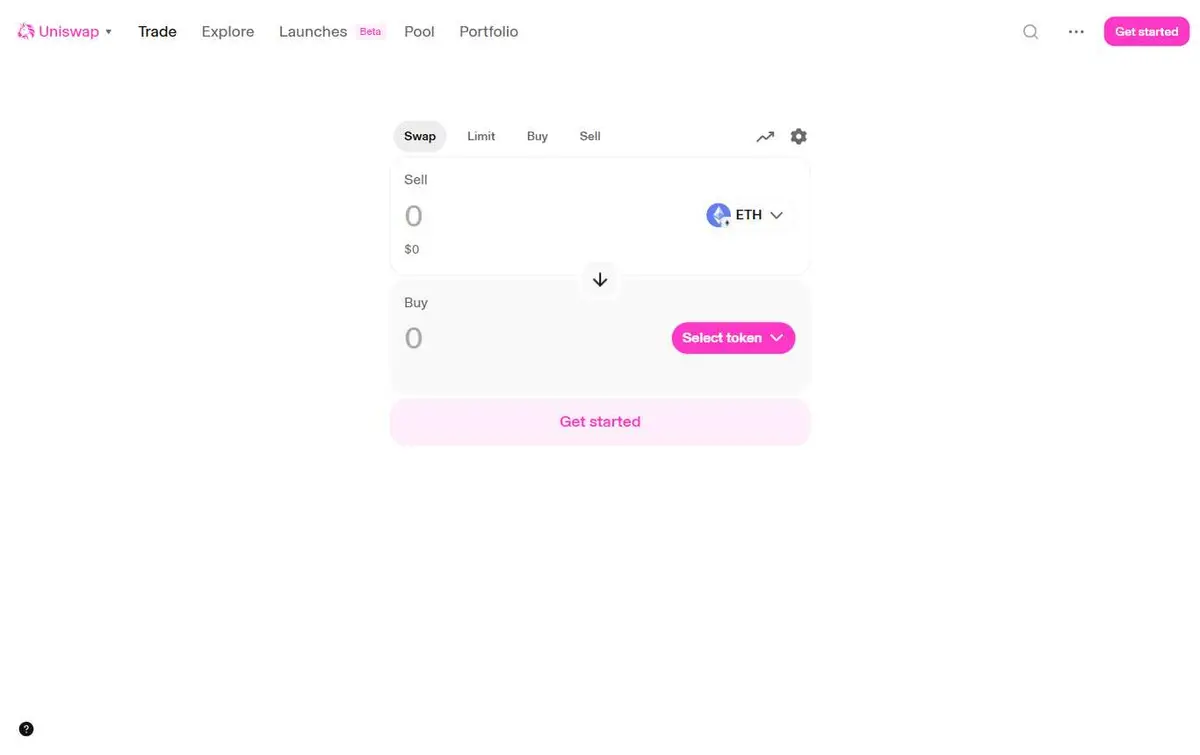
No barrier Uniswap · Trading app
Lithuania: the swap app loads with no notice
 CRYPTORESTRICTIONS
Who regulates crypto in Lithuania?
The Bank of Lithuania licenses crypto firms under MiCA, the Financial Crime Investigation Service shares anti-money-laundering supervision, the Gaming Control Authority polices gambling, and the State Tax Inspectorate (VMI) collects the tax and receives the EU’s DAC8 reports.
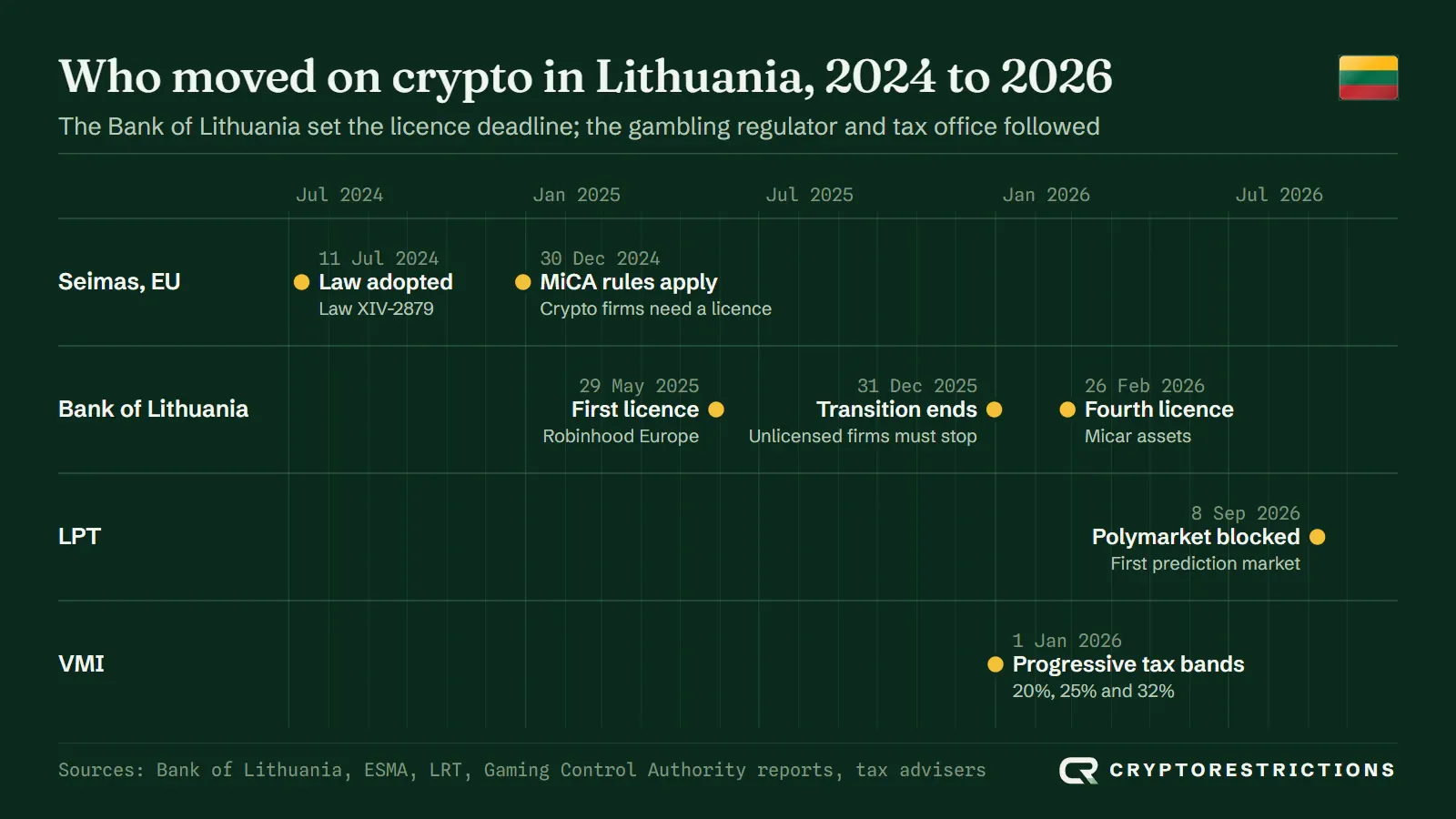
- Bank of Lithuania. The competent authority for crypto-asset service providers and the home regulator of the four firms above. Its notice set the end of the transition at 31 December 2025.
- Financial Crime Investigation Service (FNTT). Shares anti-money-laundering supervision of crypto firms with the Bank of Lithuania, according to a Bank of Lithuania announcement we could see only as a search excerpt, and investigates unlicensed operators.
- Gaming Control Authority (LPT). Licenses gambling under the Gaming Law, orders internet providers to block unlicensed sites and keeps a public blacklist. Its role in prediction markets is covered below.
- State Tax Inspectorate (VMI). Collects the personal income tax on crypto gains and runs DAC8 reporting. Its pages refused our automated reads, so the tax facts below come from adviser summaries and excerpts.
Which crypto products are limited in Lithuania?
Spot trading is the open product. Derivatives are the narrowest, because the exchanges licensed for Lithuanian users either offer none or carve Lithuania out, and Bybit’s global platform is being closed to EEA users.
- Derivatives. Gate EU offers none, Bybit EU offers none, and Lithuania is on Crypto.com’s derivatives geo-restrictions list. Coinbase’s European futures launched on 9 March 2026, but our test did not check whether they are open to Lithuanian users.
- Stocks and prediction markets on Coinbase. Our test saw a notice that both are unavailable in the jurisdiction.
- Bybit. Bybit EU is the only licensed arm, and it serves spot. Lithuanian users of the global platform face a wind-down under its notice of 29 June 2026.
Are prediction markets legal in Lithuania?
Lithuania treats an unlicensed betting-style market as gambling. In September 2026 the Gaming Control Authority had a court approve a block on Polymarket, the first prediction market it has blocked. We found no action against Kalshi.
The authority announced the block on 8 September 2026, and Focus Gaming News reported it on 17 September. Following a decision by the regional administrative court, the authority told internet providers to block polymarket.com and payment providers to stop transactions with its operator, Adventure One QSS, Inc. Its investigation found signs of gambling, specifically betting, organised without a licence. Neither the authority’s own site nor the court ruling was readable to us, so every detail here is secondary.
The Gaming Law lets the authority order internet providers to remove access to an unlicensed operator after an investigation and publish it on a blacklist, according to the authority’s illegal gambling page as shown in a search excerpt. A blocked operator can leave the list only by becoming licensed. Neither Kalshi nor Polymarket lists Lithuania among its excluded places, which is why Polymarket’s row says limited and not restricted. Our test cannot see a provider-level block, and we have not checked Kalshi against the authority’s blacklist.
How is crypto taxed in Lithuania?
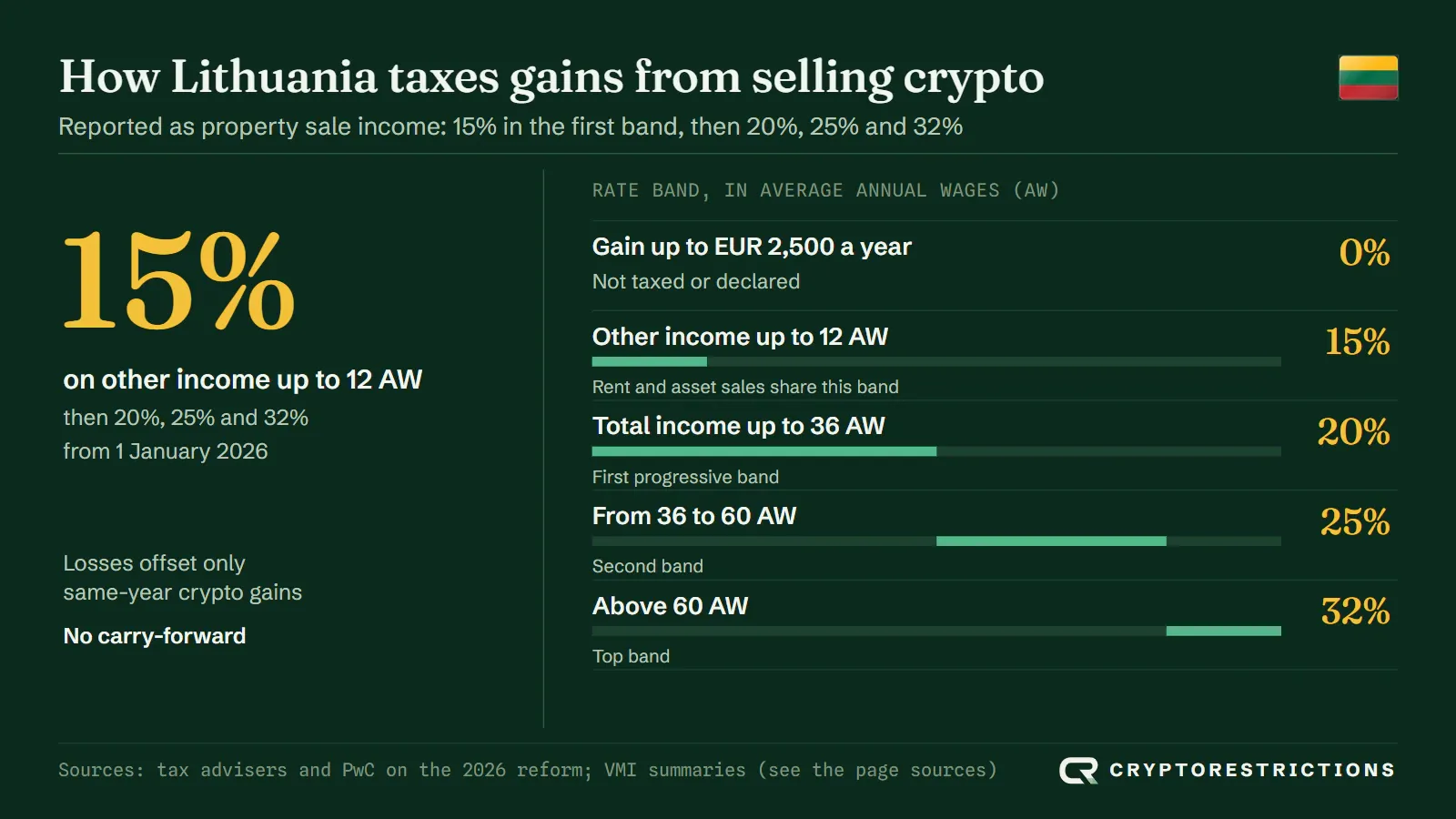
Gains from selling crypto count as income from selling property: a net gain of up to EUR 2,500 a year is not taxed, and above that the 2026 rates are 15% on other income up to 12 average wages, then 20%, 25% and 32%. We could not read VMI’s own pages, so the band details come from advisers.
VMI’s September 2025 seminar slides on crypto, which we could read only as search excerpts, treat crypto as property. A sale is taxable, a swap counts as a sale at the market value of the asset received, and occasional sales are reported as other-property income on the annual return GPM311, while trading or mining that meets the activity criteria counts as individual-activity income. Under those excerpts a gain of EUR 2,500 or less a year on other property is neither taxed nor declared, and the allowance does not apply to activity income. PwC’s summary, reviewed on 1 October 2026, lists the same EUR 2,500 allowance for other capital gains.
From 1 January 2026 most income is added together and taxed at 20% up to 36 average annual wages, 25% from 36 to 60 and 32% above, Audita reports, and PwC confirms the three rates. Audita adds that other income such as rent and asset sales is taxed at 15% up to 12 average wages, with the excess going into the progressive bands. Neither page names crypto, so applying the 15% band to crypto sales is our reading of VMI’s property classification. They also differ on the euro value of the bands, so we show wages, not euros. Some guides, such as Lawhill’s of 20 February 2026, still describe the older scheme of 15% rising to 20% above 120 wages, which looks out of date against the reform.
Other rules rest on Waltio’s guide, which is undated and secondary: first-in, first-out cost basis, losses that offset only gains in the same year, and tax on staking and airdrops when received. A 2024 lawyer’s article reportedly taxes mining only on later sale, so check this with an adviser. The VMI excerpts put the GPM311 deadline at 1 May of the following year, with tax paid by the same date.
Reporting is coming. RegFollower reported on 29 September 2026 that VMI Order VA-63 of 24 September 2026 amends Order VA-119 of 10 December 2025 on DAC8 reporting, with calendar year 2026 as the first reporting period and the first submission due on 31 May 2027. We could not read the order itself.


 Serbia
 Turkey
 Switzerland
 Iceland
 Liechtenstein
 Norway
 Croatia
 Estonia
 Finland
 Greece
 Latvia