Is crypto legal in the United States?
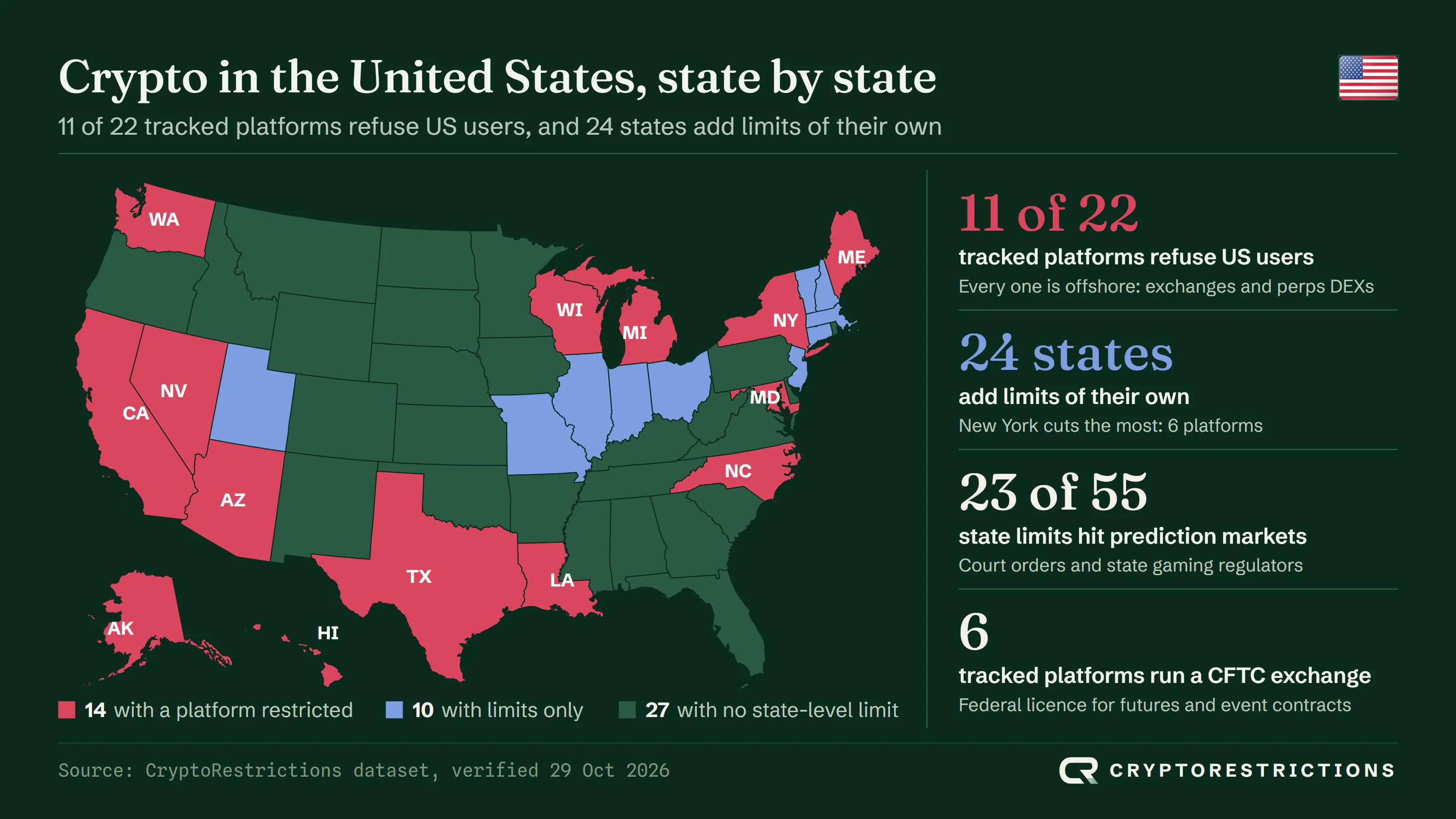
Yes. Buying, holding and trading crypto is legal in all 50 states, with no federal ban. What is limited is who may serve you, and that is set by federal registration and state licences.
There is no single crypto law. Congress has passed one crypto statute, the GENIUS Act for stablecoins, signed on 18 July 2025. Everything else comes from existing rules applied by several agencies, and from the states.
Two licences decide whether an exchange may take US customers. Exchanges need a money transmitter licence in each state that requires one, and New York requires its own BitLicense on top. Offshore platforms that hold neither keep Americans out in their terms; the sections below show which ones.
Which crypto exchanges work in the United States?
Seven of the exchanges we track serve US residents: Coinbase, Kraken, Gemini, Crypto.com, Bitstamp, and the US arms of OKX and Gate. All are limited somewhere, because none offers every product in every state.
Each one runs its US business through a separate, state-licensed company. The chart counts the licences each exchange discloses on its own licence page: Coinbase, Kraken, OKX, Bitstamp and Gate. Gemini and Crypto.com do not publish a count.
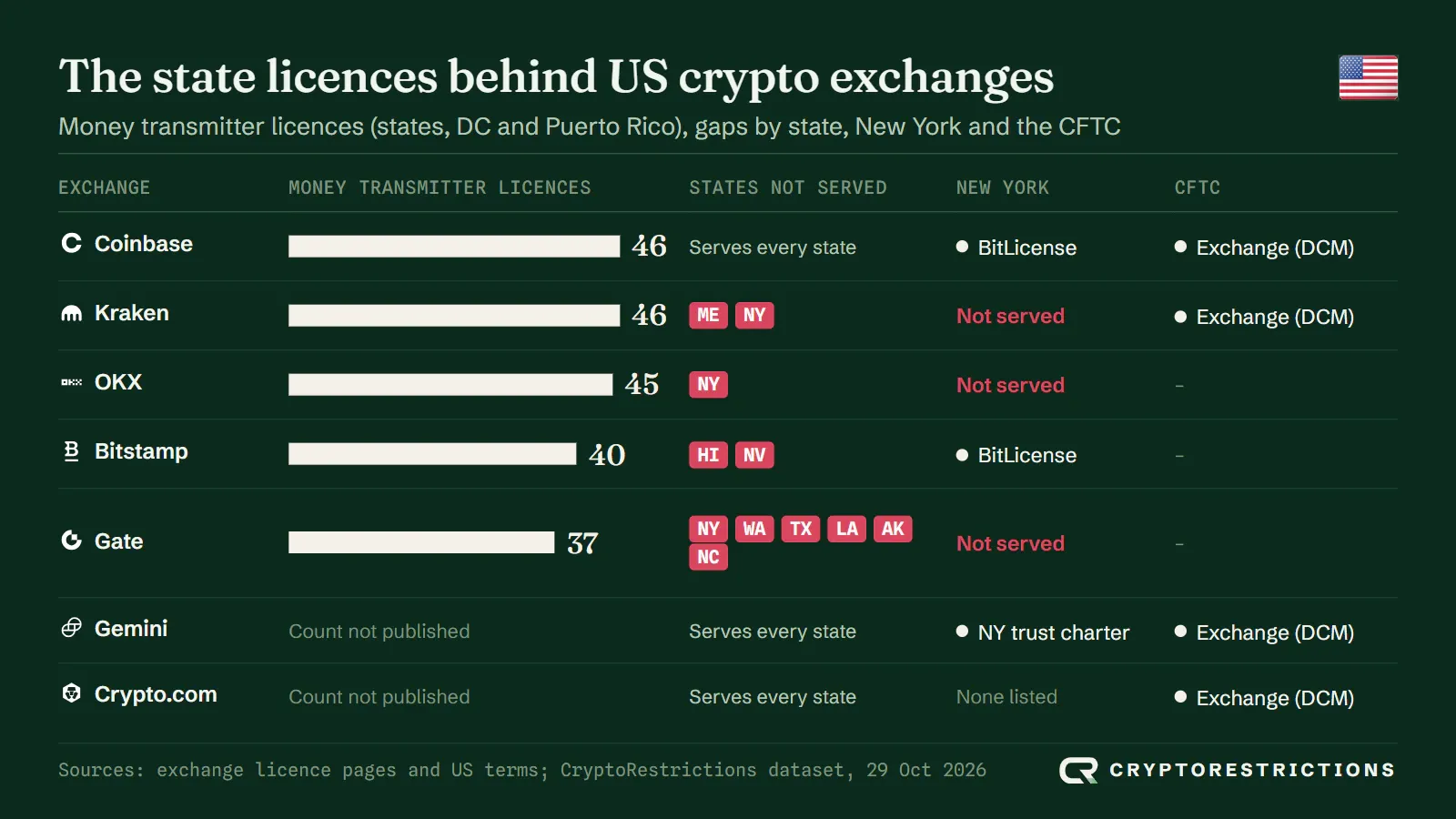
Kraken left New York in 2015 rather than apply for a BitLicense, while Gemini, chartered as a New York trust company since 2015, offers spot trading in all 50 states, DC and Puerto Rico. Two of the seven are recent arrivals: OKX relaunched in the US in April 2025 after its settlement with the Department of Justice, and Gate US opened spot trading in August 2025.
Best crypto platforms for US residents
By our access score, Coinbase (8.9 out of 10), Gemini (8.4) and Kraken (8.3) are the most fully open exchanges for US residents, Kalshi (7.3) the most open prediction market and Uniswap (8.0) the most open DeFi platform.
The score rates how fully a US resident can use each platform, not its fees or safety. It is computed from our data and moves when a row changes: access status (4 points), the share of the platform’s products open here (3), the US licences we hold on file (2) and what our geo-access test saw from a US address (1). Platforms that refuse US users are not scored. The full method is on our methodology page.
Exchanges

Coinbase
Best for The widest product range in every state
8.9/10- Access
- 3.5/4
- Products
- 2.4/3
- Licences
- 2/2
- Our test
- 1/1
Read our Coinbase reportPros
- Spot trading open in all 50 states
- BitLicense, 46 money transmitter licences and a CFTC-registered futures exchange
- Prediction markets and crypto-backed loans in most states
Cons
- No new staking in California, Maryland, New Jersey or Wisconsin since June 2023
- Prediction markets closed in Nevada and Michigan
- Crypto-backed loans not offered in New York

Gemini
Best for Spot trading in every state, New York included
8.4/10- Access
- 3.5/4
- Products
- 1.9/3
- Licences
- 2/2
- Our test
- 1/1
Read our Gemini reportPros
- Spot in all 50 states, DC and Puerto Rico
- New York trust charter and a CFTC-registered exchange
- Prediction markets for US residents
Cons
- Gemini Derivatives excludes US persons
- Staking closed to New York residents
- Sports contracts stopped in Connecticut in October 2026

Kraken
Best for Regulated futures for US residents
8.3/10- Access
- 3/4
- Products
- 2.3/3
- Licences
- 2/2
- Our test
- 1/1
Read our Kraken reportPros
- US futures through a CFTC-registered futures commission merchant
- 46 money transmitter licences and a Wyoming bank charter
- The SEC dropped its exchange lawsuit in March 2025
Cons
- Does not serve New York or Maine
- Transfer or EUR limits in six states
- No BitLicense

Crypto.com
Best for Event contracts beside a crypto app
7.5/10- Access
- 3/4
- Products
- 1.5/3
- Licences
- 2/2
- Our test
- 1/1
Read our Crypto.com reportPros
- App available in 49 states, DC and the territories
- Event contracts through its CFTC-registered exchange
- Separate trust company for custody
Cons
- The App is not available in New York
- No derivatives for US residents on the Exchange
- Sports contracts withdrawn in several states, all prediction markets in Arizona

OKX
Best for Spot and conversions from a global brand
7.0/10- Access
- 3/4
- Products
- 1.5/3
- Licences
- 2/2
- Our test
- 0.5/1
Read our OKX reportPros
- US company licensed in 45 jurisdictions
- okx.com redirects US visitors to OKX United States
Cons
- Does not serve New York or four US territories
- Spot and OTC conversions only: no derivatives

Bitstamp
Best for Spot trading under a BitLicense
6.6/10- Access
- 3/4
- Products
- 0.6/3
- Licences
- 2/2
- Our test
- 1/1
Read our Bitstamp reportPros
- BitLicense and licences in 38 states, DC and Puerto Rico
Cons
- Does not serve Hawaii or Nevada
- No derivatives, staking or lending in the US

Gate
Best for A wide coin list on a licensed US arm
6.1/10- Access
- 3/4
- Products
- 1.1/3
- Licences
- 2/2
- Our test
- 0/1
Read our Gate reportPros
- Gate US licensed in 35 states, DC and Puerto Rico
- Spot, convert and staking
Cons
- Does not serve New York, Washington, Texas, Louisiana, Alaska or North Carolina
- The global gate.com refused our US address
- No derivatives for US residents
Prediction markets

Kalshi
Best for The broadest CFTC-regulated event contracts
7.3/10- Access
- 3/4
- Products
- 2.3/3
- Licences
- 1/2
- Our test
- 1/1
Read our Kalshi reportPros
- CFTC-designated contract market and clearing house
- Financial markets stay open in every state
Cons
- Court orders geofence Nevada, Washington and Michigan
- Lost in the Sixth Circuit to Ohio and Tennessee in September 2026

Polymarket
Best for Polymarket markets on a US-regulated exchange
6.3/10- Access
- 3/4
- Products
- 2.3/3
- Licences
- 1/2
- Our test
- 0/1
Read our Polymarket reportPros
- Polymarket US (QCX LLC) is a CFTC-designated exchange
- Serves US residents under CFTC oversight
Cons
- polymarket.com itself blocks US users
- Nevada injunction and a New York lawsuit in 2026
DeFi

Uniswap
Best for Swapping tokens from your own wallet
8.0/10- Access
- 4/4
- Products
- 3/3
- Licences
- 0/2
- Our test
- 1/1
Read our Uniswap reportPros
- New York company whose terms do not exclude US users
- SEC closed its investigation with no action in February 2025
Cons
- Leveraged products for US retail are barred
- CFTC fined Uniswap Labs $175,000 in 2024 over leveraged tokens

PancakeSwap
Best for BNB Chain swaps and pools
6.3/10- Access
- 3.5/4
- Products
- 1.8/3
- Licences
- 0/2
- Our test
- 1/1
Read our PancakeSwap reportPros
- Swaps, pools and staking are not excluded by the terms
Cons
- PCS Perps bars users in the United States
- No US licence on file
Which platforms block US users?
11 of the 22 platforms we track bar US users in their terms: seven offshore exchanges (Binance, Bybit, MEXC, Bitget, KuCoin, HTX and Bitfinex) and four DeFi platforms (Hyperliquid, Lighter, Aster and Jupiter).
The reasons are the same two: none of them holds US licences, and US law reserves leveraged retail trading for CFTC-registered exchanges. Some exits were forced. KuCoin’s operator pleaded guilty to unlicensed money transmission in January 2025 and agreed to leave the US for at least two years, and a CFTC consent order in March 2026 bars US users until it registers. Bitfinex agreed in a 2021 settlement with New York to end all trading with New Yorkers.
What our geo-access test saw from the United States
From a US address on 14 and 16 October 2026 we loaded 22 of the platforms we track: 10 refused us, 3 showed a notice or a redirect, and 9 loaded with no barrier.
An open page is not permission: Jupiter loaded its swap screen although its terms name the US. Two refusals are global sites with a US arm beside them: gate.com pointed us to Gate US, and polymarket.com said trading is blocked in the United States and pointed to Polymarket US. Swipe through the screenshots below; each card quotes the message the page showed.
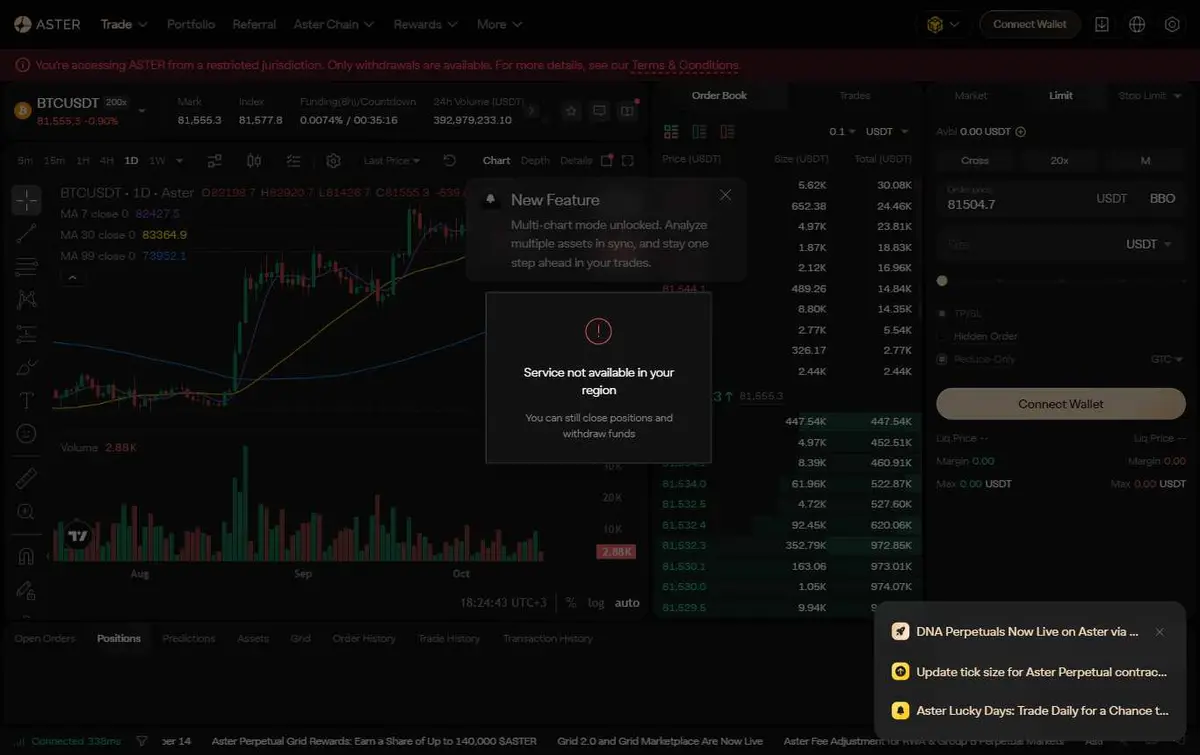
Blocked Aster · Trading app
A US address: the trading app shows a red banner and a block over the chart; only withdrawals are allowed
“You're accessing ASTER from a restricted jurisdiction. Only withdrawals are available.”
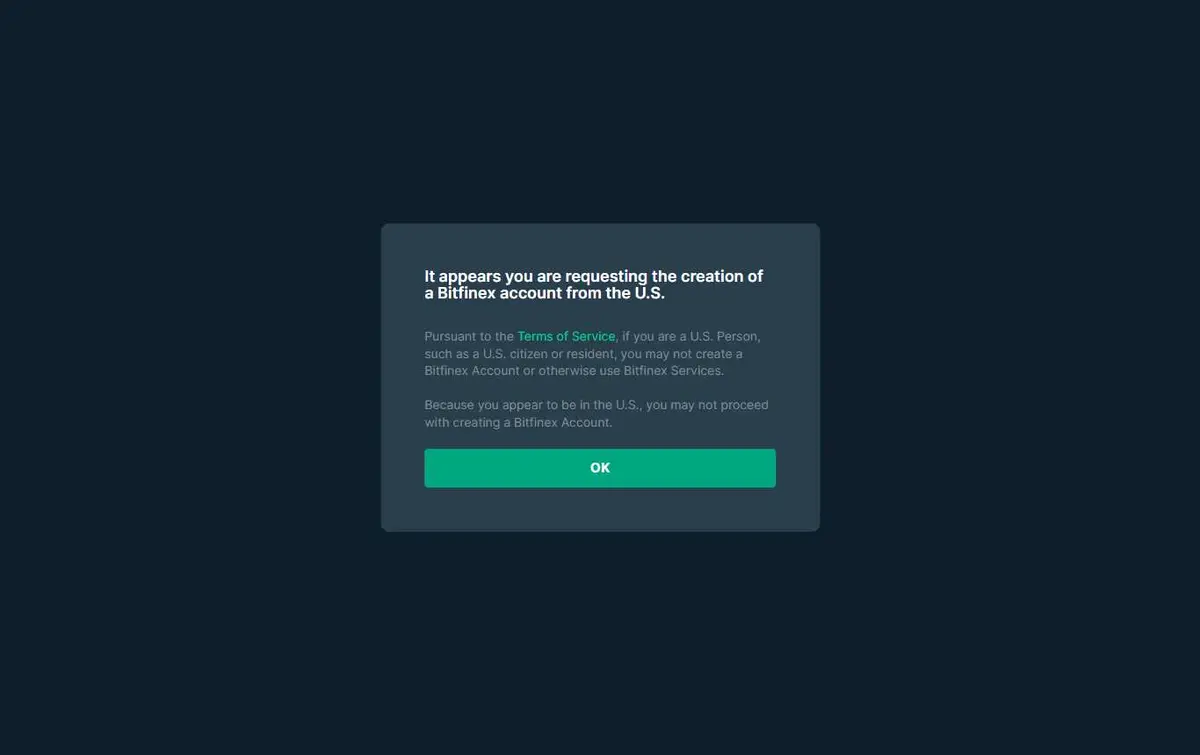
Blocked Bitfinex · Sign-up page
From the US, the sign-up page refuses to open an account
“It appears you are requesting the creation of a Bitfinex account from the U.S.”
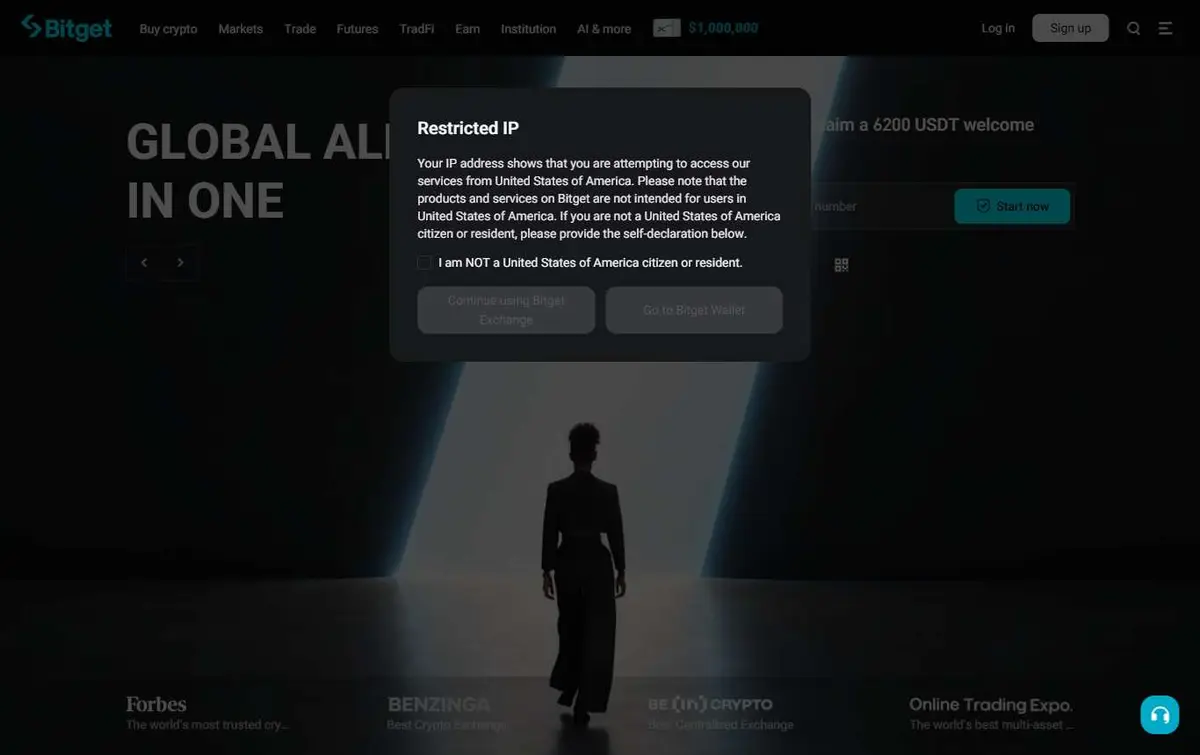
Blocked Bitget · Home page
The only visible block: a Restricted IP pop-up from a US address
“Please note that the products and services on Bitget are not intended for users in United States of America.”
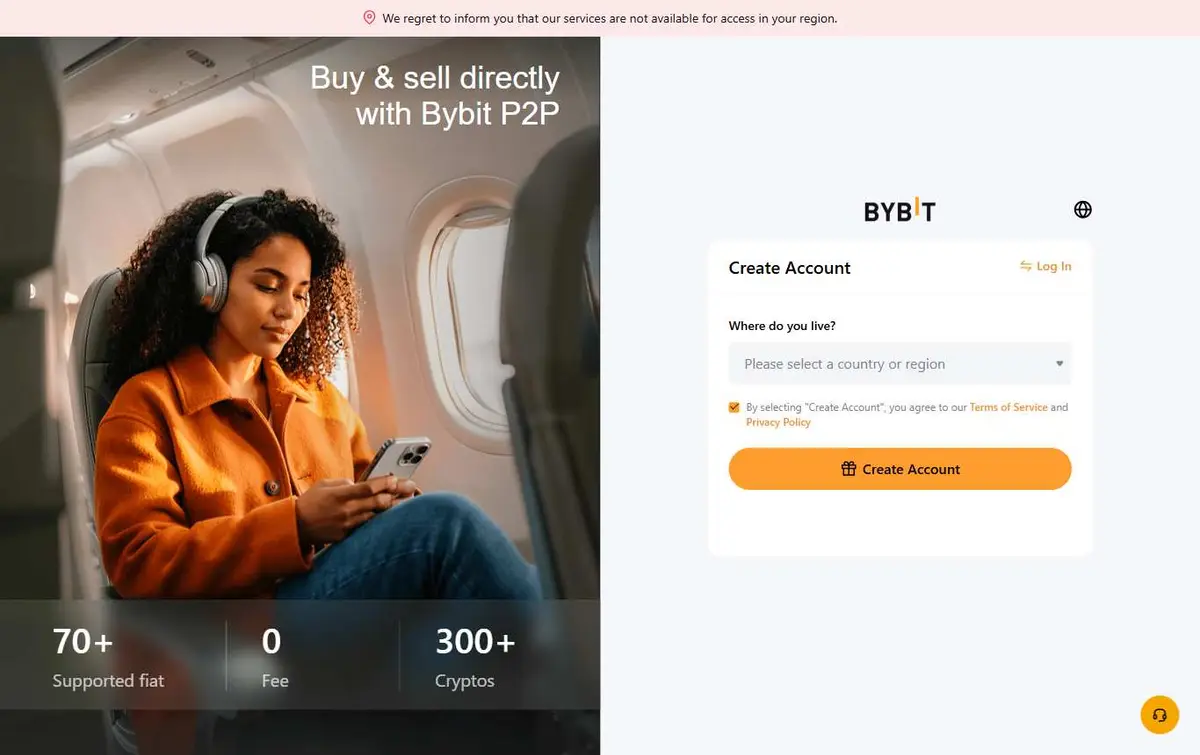
Blocked Bybit · Sign-up page
Blocked by IP: the home page loads, the sign-up form carries a red banner
“We regret to inform you that our services are not available for access in your region.”
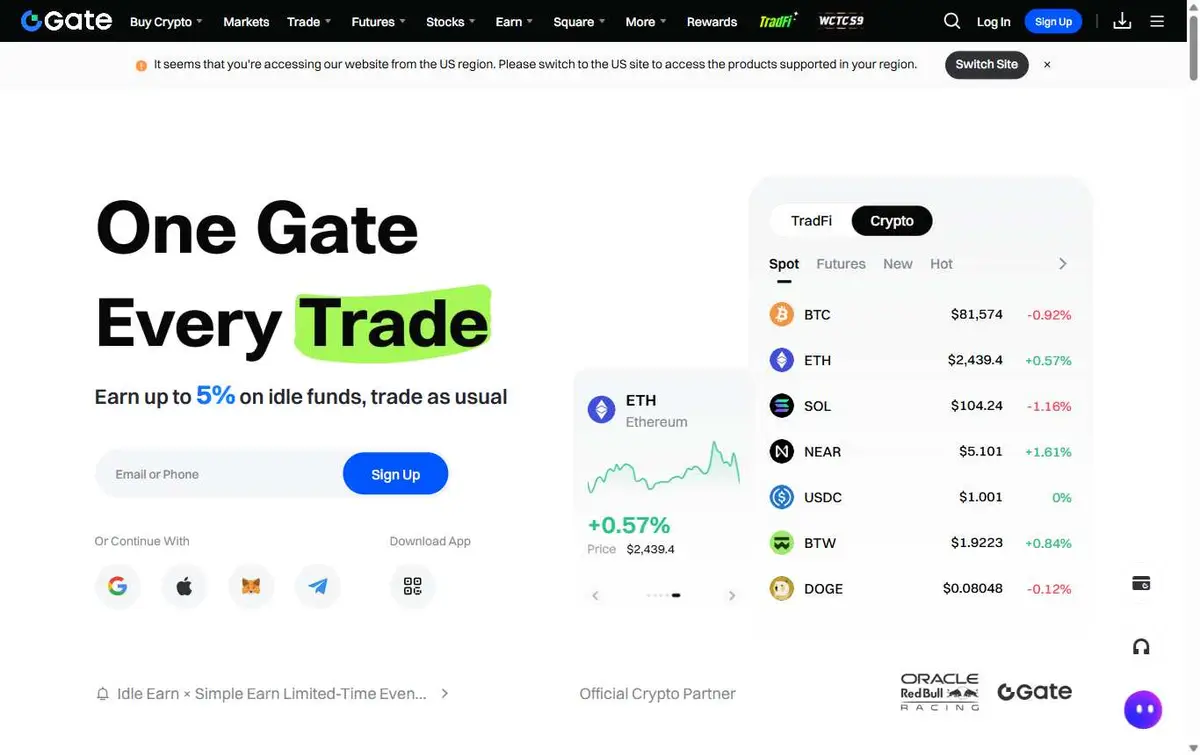
Blocked Gate · Home page
Blocked by IP: the home page opens behind Gate's restricted-location pop-up and a banner pointing to Gate US
“It seems that you are attempting to access our services from a Restricted Location where Gate is unable to provide services.”
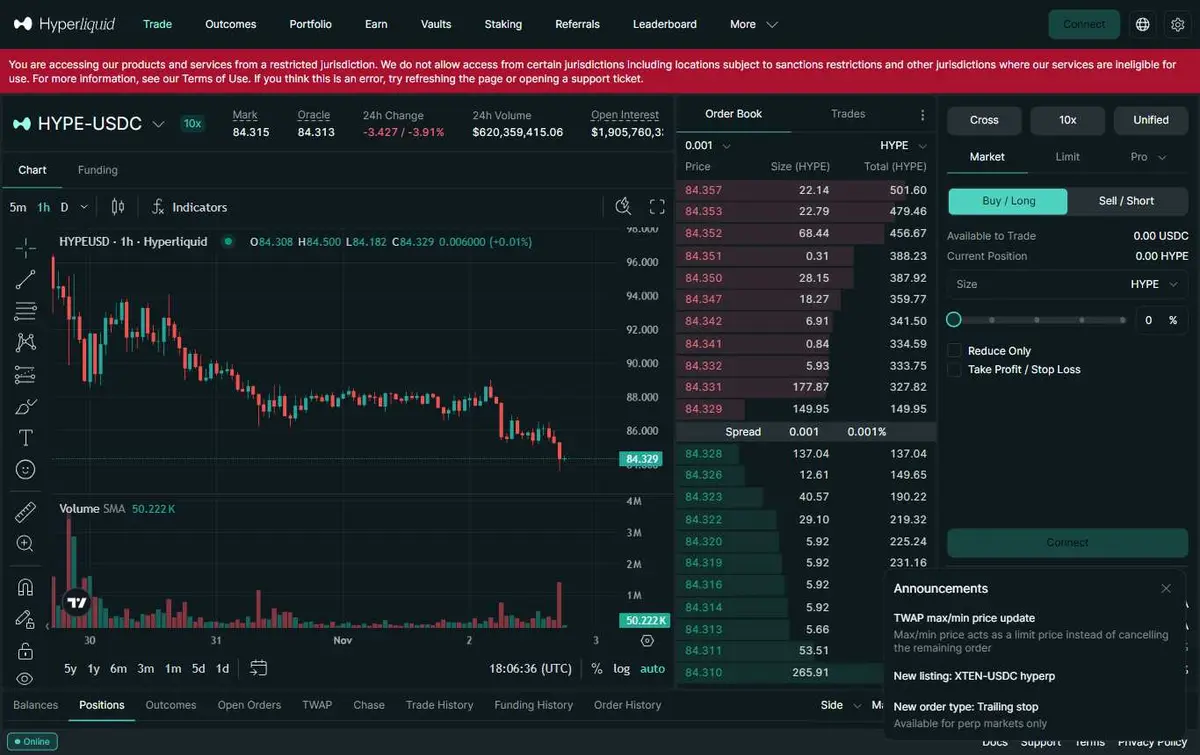
Blocked Hyperliquid · Trading app
A US address: the trading app loads behind a restricted-jurisdiction banner
“You are accessing our products and services from a restricted jurisdiction.”
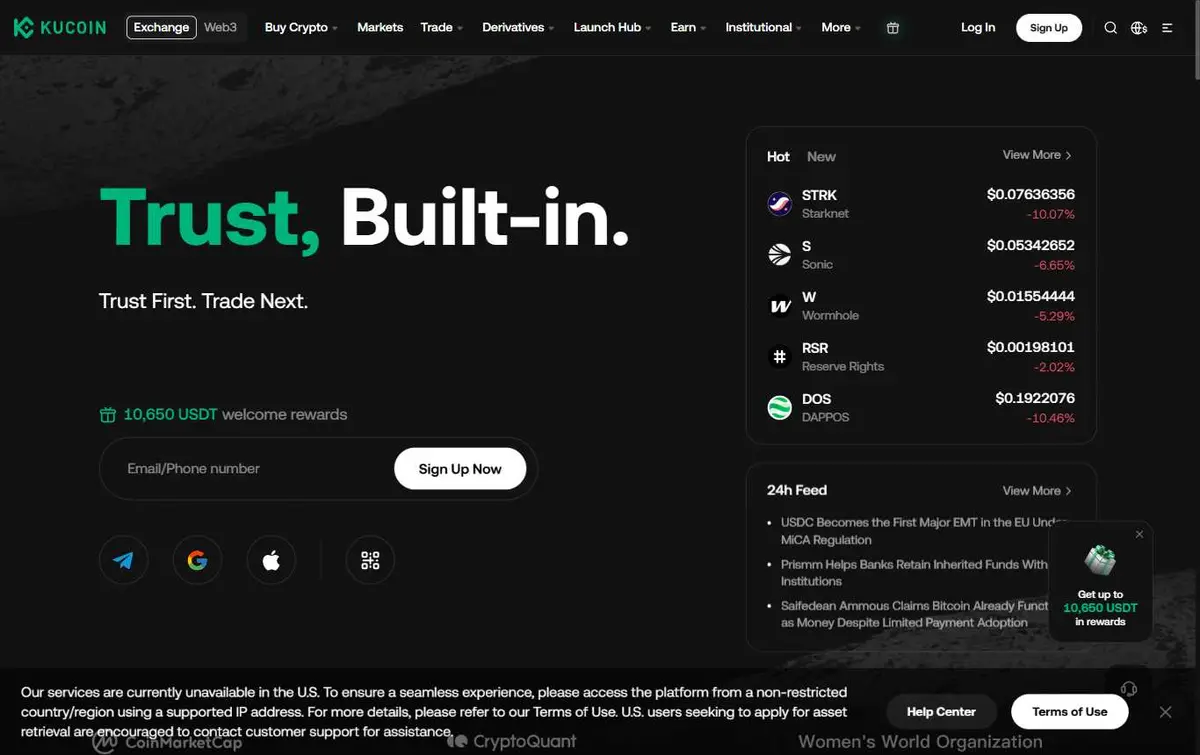
Blocked KuCoin · Home page
Blocked from the United States on the home page
“To ensure a seamless experience, please access the platform from a non-restricted country/region using a supported IP address.”
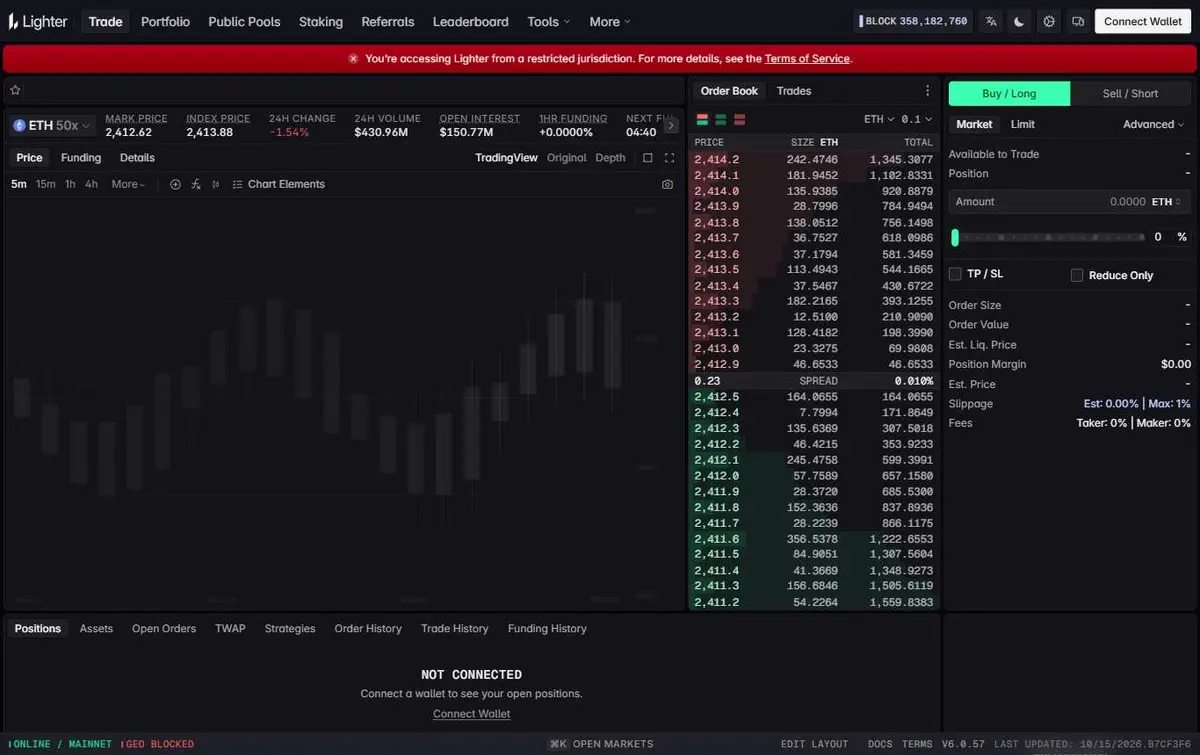
Blocked Lighter · Trading app
A US address: the trading app loads behind a red restricted-jurisdiction banner and a Geo Blocked flag
“You’re accessing Lighter from a restricted jurisdiction.”
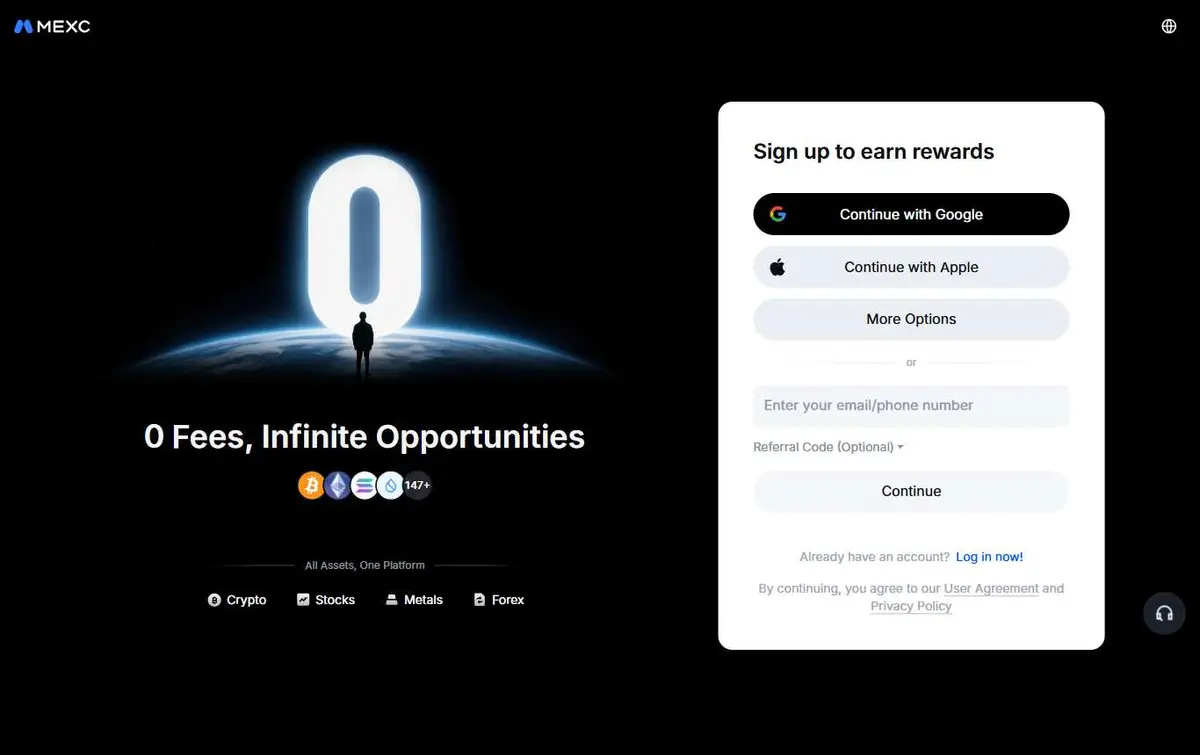
Blocked MEXC · Sign-up page
United States: the sign-up page looked normal, while MEXC's location check refused the address
“To comply with local regulatory requirements, services are not available in your location.”
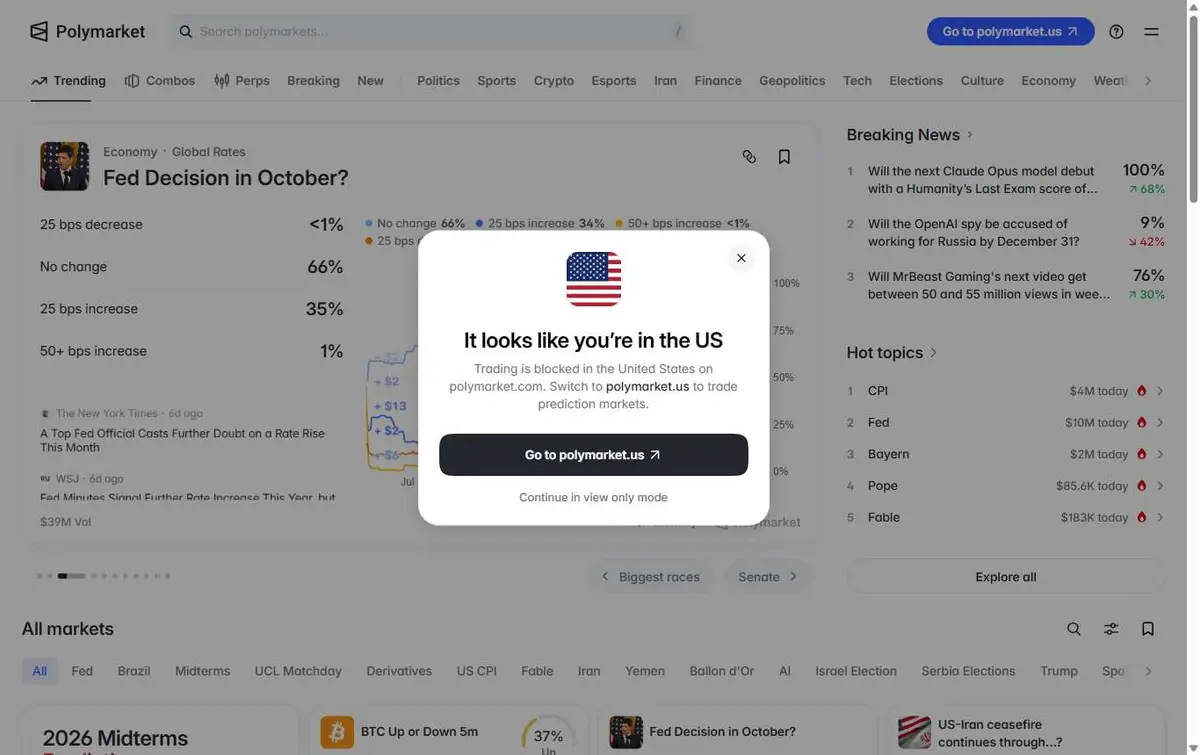
Blocked Polymarket · Home page
The United States: the only country where Polymarket said why, pointing to its separate US exchange
“Trading is blocked in the United States on polymarket.com.”
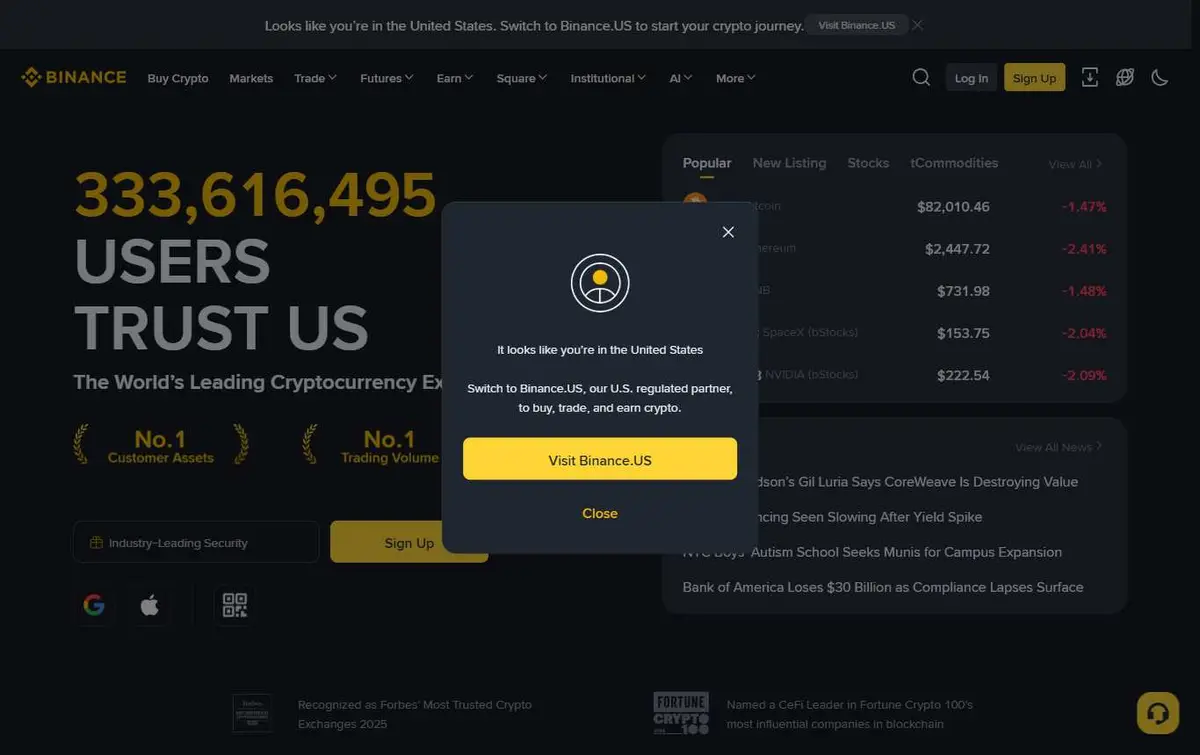
Notice shown Binance · Home page
No block: a prompt to switch to Binance.US
“Looks like you're in the United States. Switch to Binance.US to start your crypto journey.”
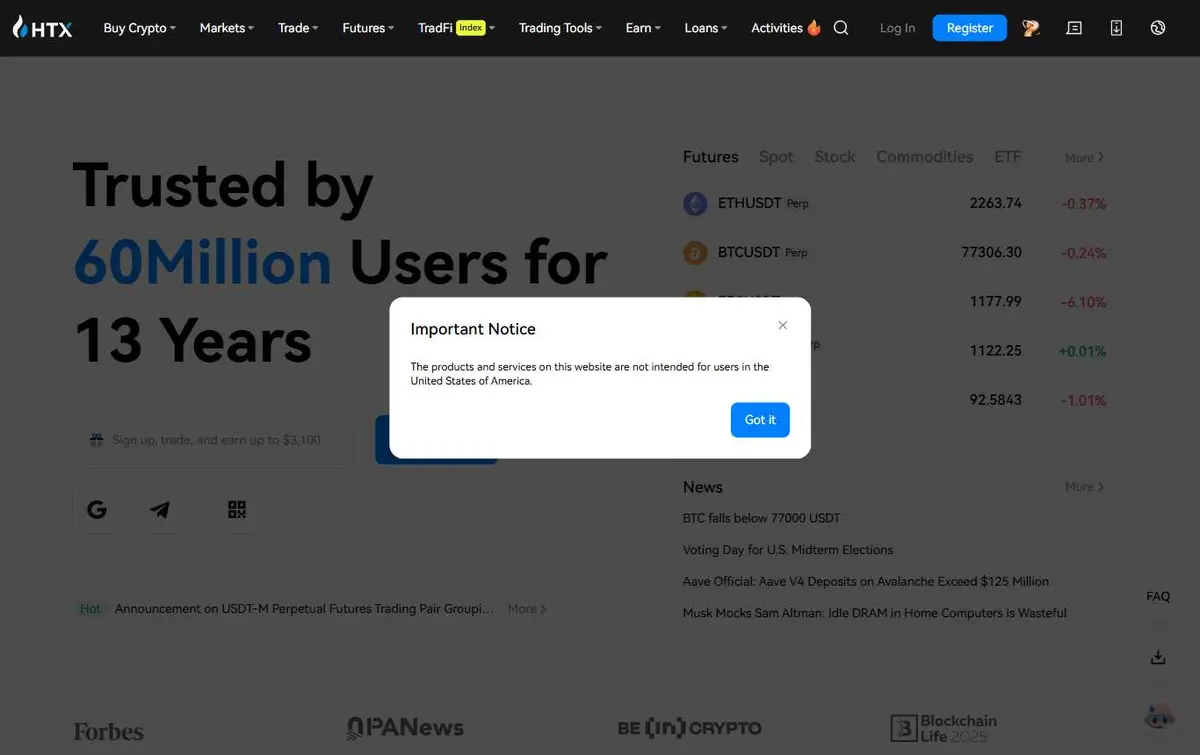
Notice shown HTX · Home page
The same notice from a US address
“The products and services on this website are not intended for users in the United States of America.”
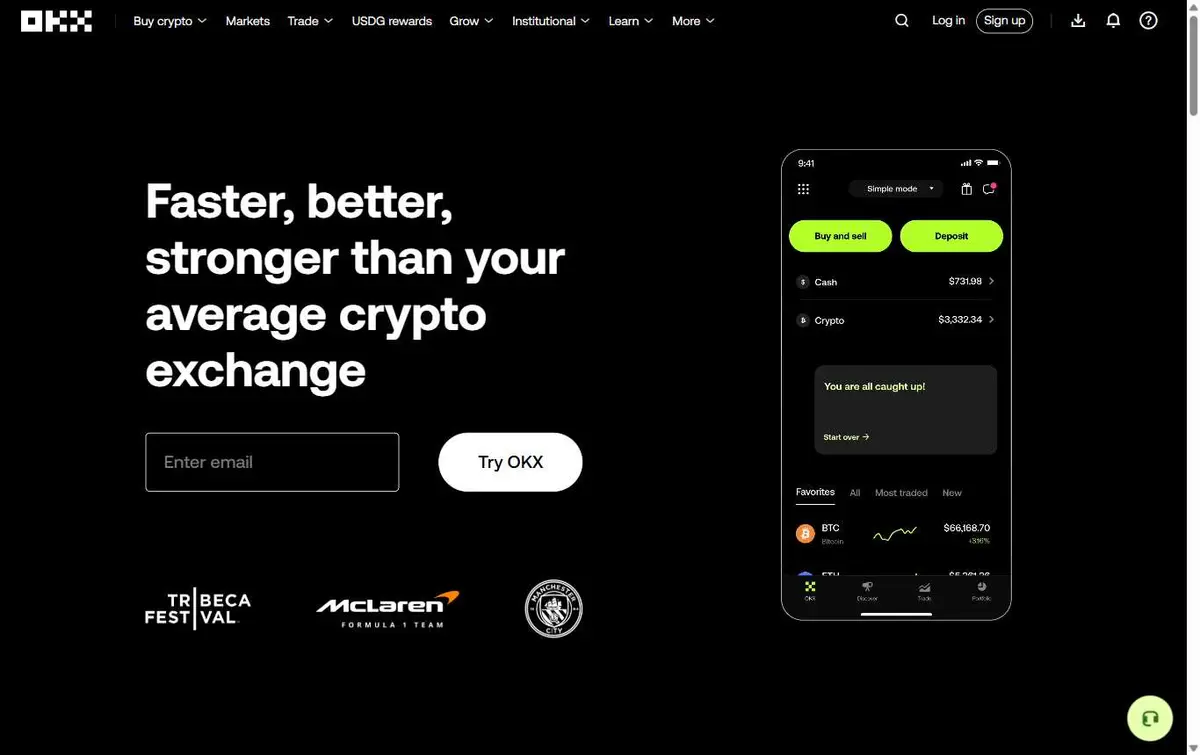
Notice shown OKX · Home page
No block: okx.com becomes OKX United States, run by OKX INC.
“OKX United States”
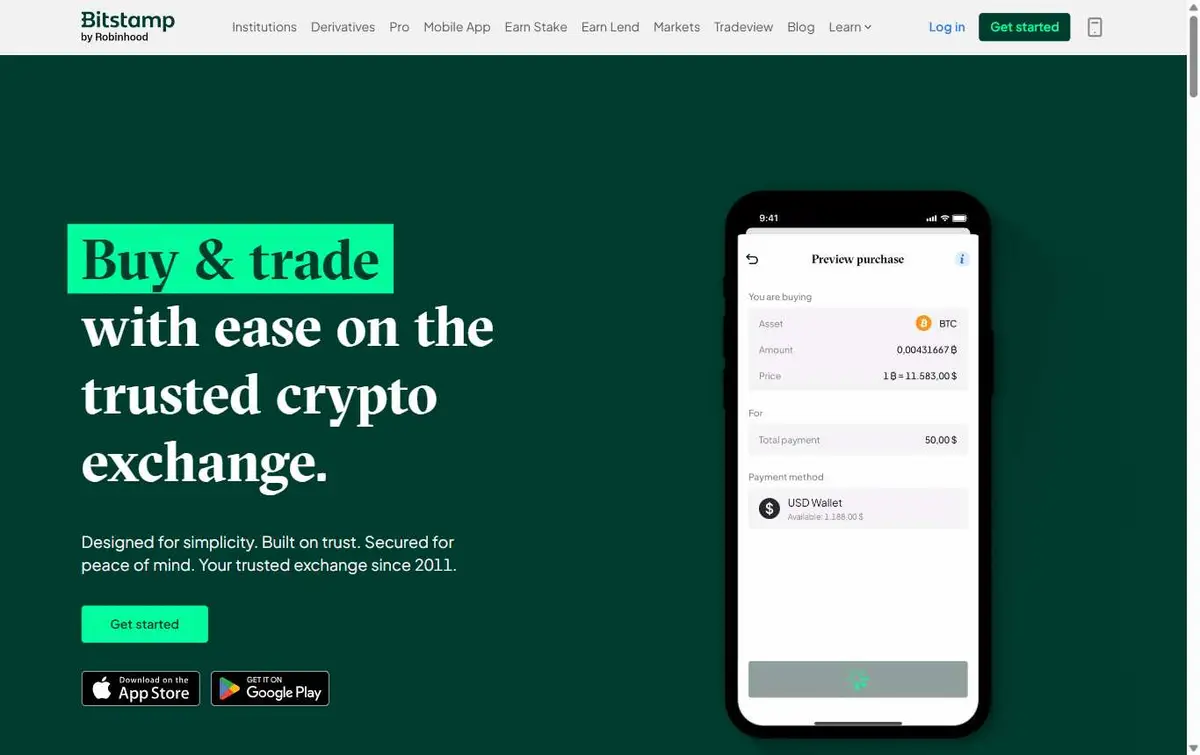
No barrier Bitstamp · Home page
The United States: no switch to a US site at the door; Bitstamp USA takes over at sign-up
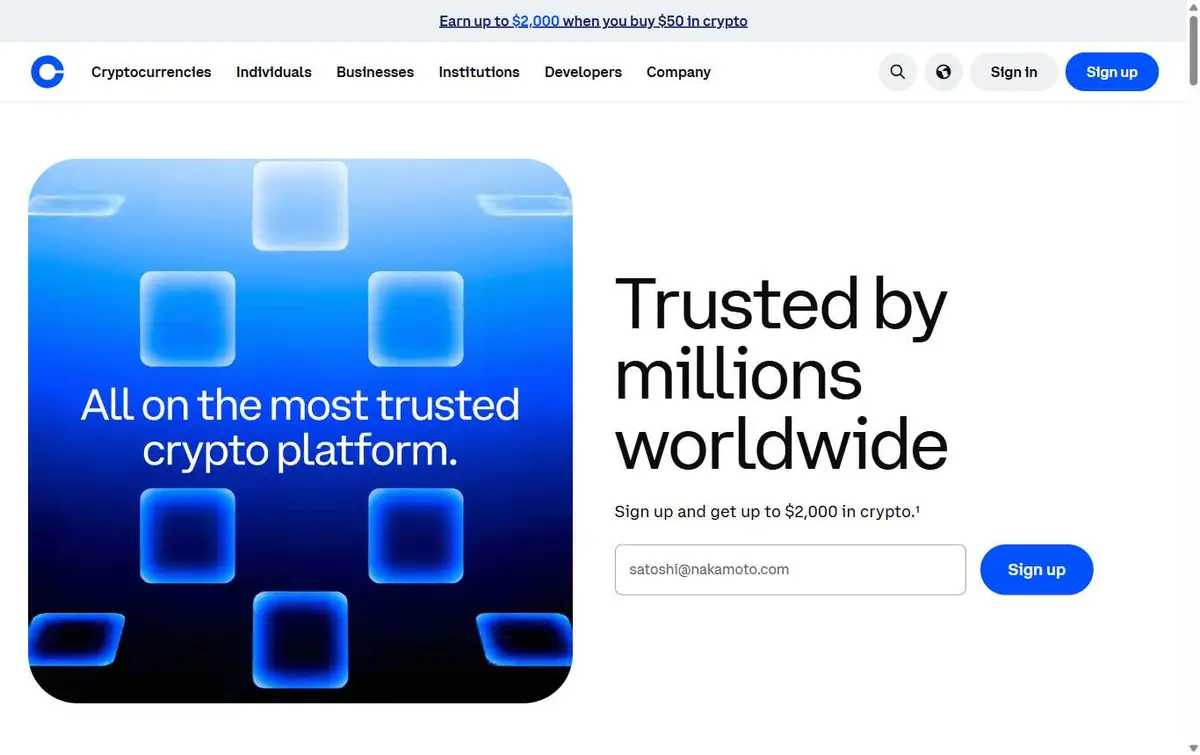
No barrier Coinbase · Home page
From the United States, where stocks and prediction markets are offered, no notice
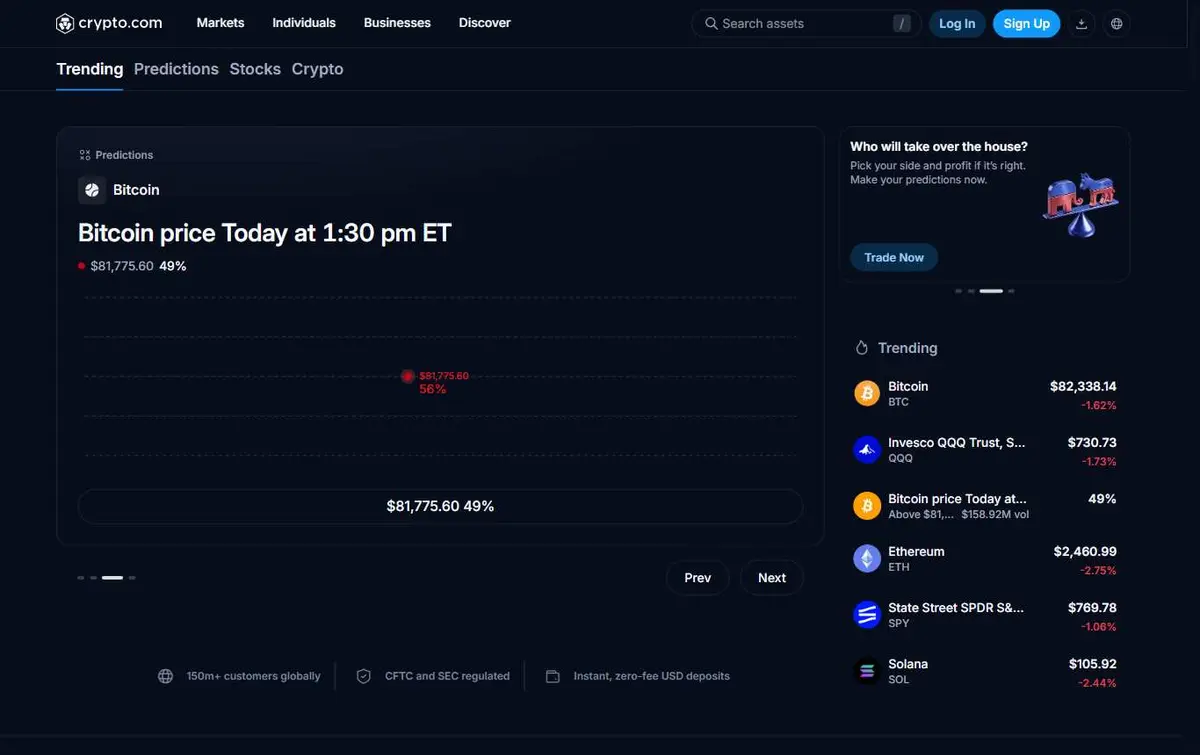
No barrier Crypto.com · Home page
A US address gets the American site, with predictions and stocks beside crypto
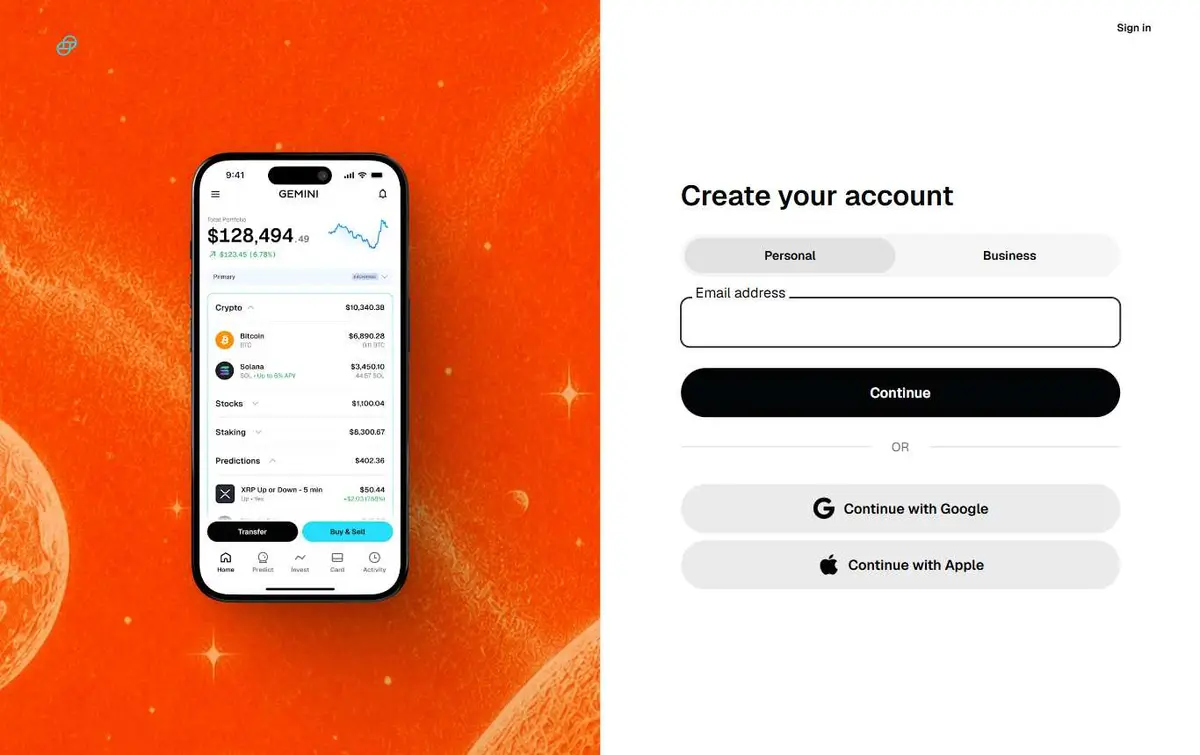
No barrier Gemini · Sign-up page
The United States, Gemini's home market, with the personal and business sign-up form
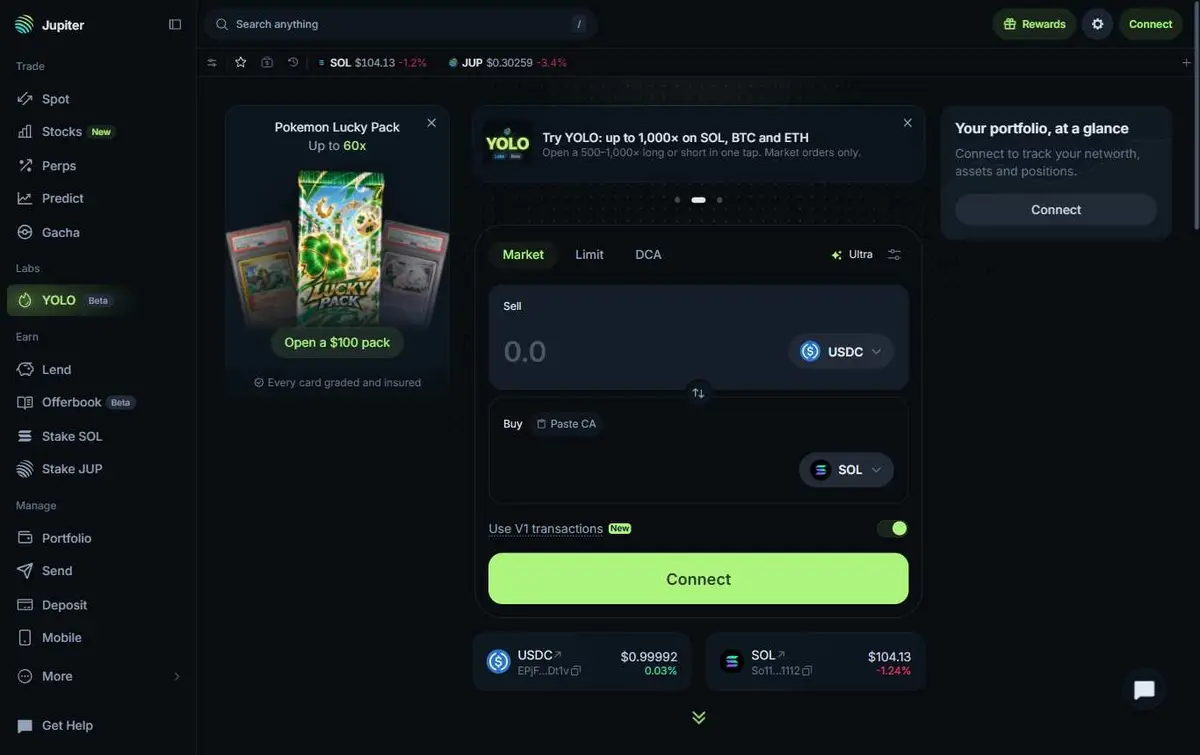
No barrier Jupiter · Trading app
A US address: the swap screen, with Predict in the menu, loads with no banner though the terms name the US
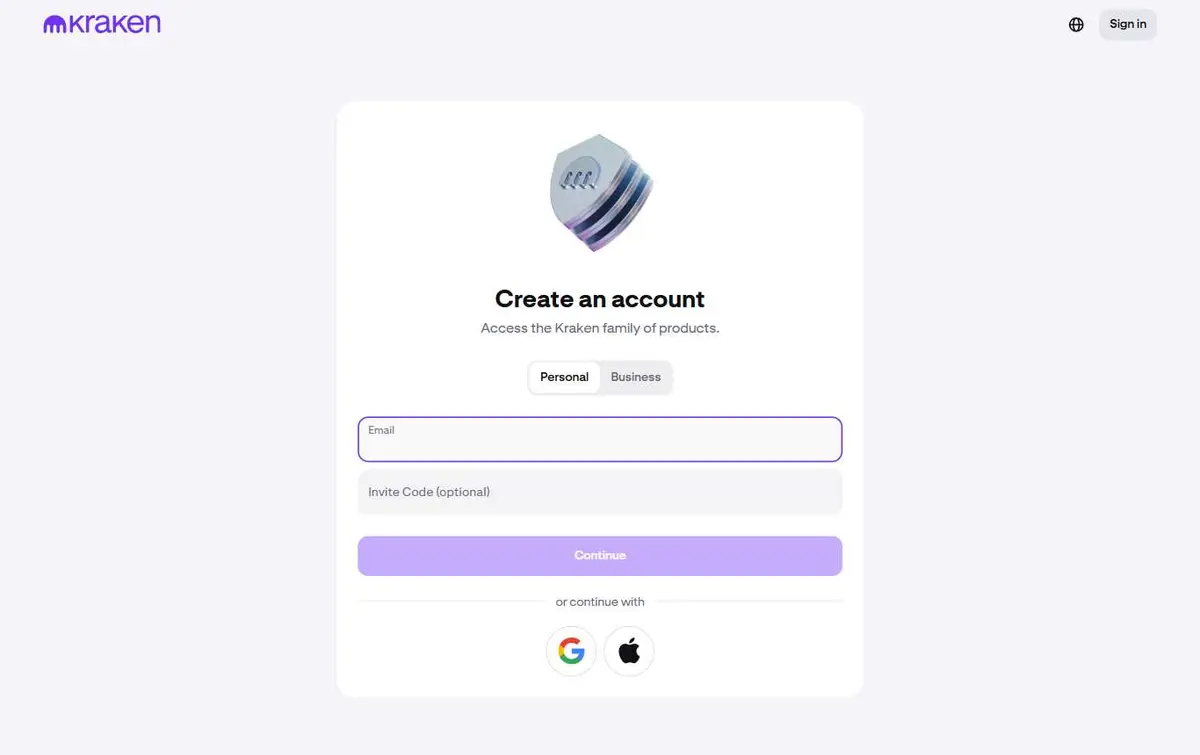
No barrier Kraken · Sign-up page
From the US, the global sign-up form: Maine and New York are refused later
“Create an account”
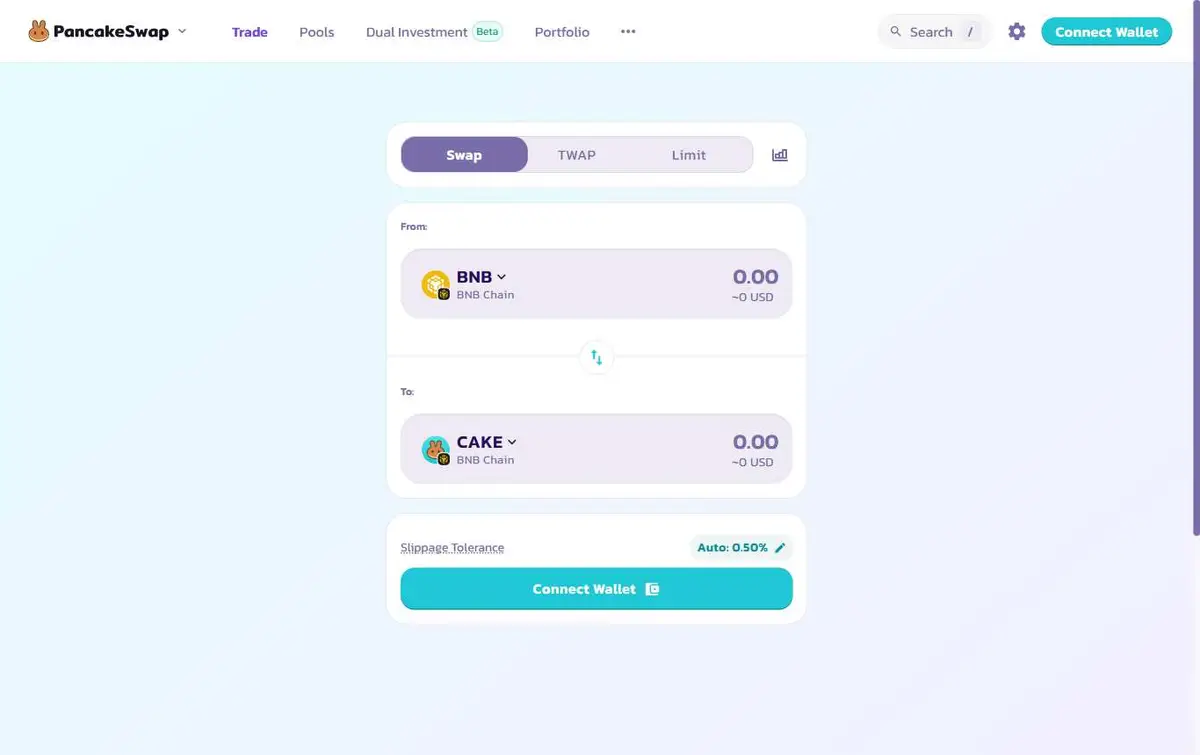
No barrier PancakeSwap · Trading app
A US address: the swap page loads with no banner or block, though the perps product bars the US
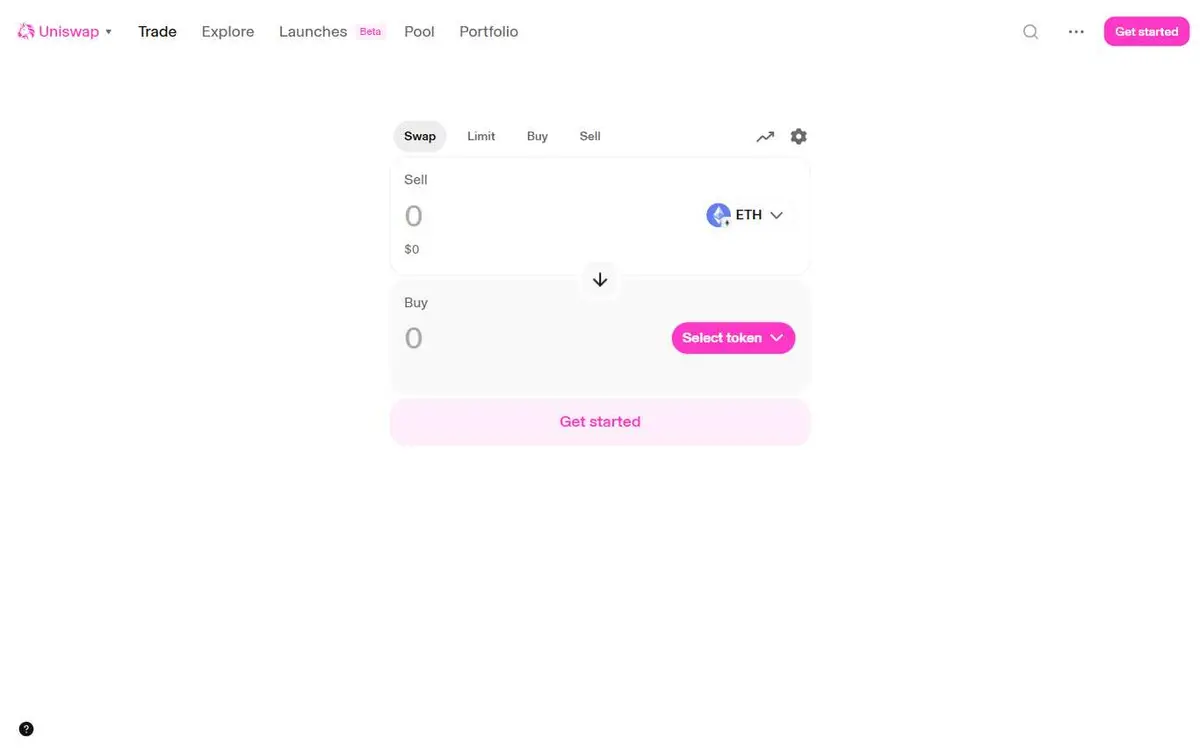
No barrier Uniswap · Trading app
The US: the swap screen loads with no banner, though leveraged products for US retail are barred
 CRYPTORESTRICTIONS
Do crypto rules differ by state?
Yes. 24 states limit at least one platform that serves the rest of the country. New York affects six of the platforms we track and Nevada five, and 23 of the 55 state-level limits concern prediction markets.
New York is the strictest because of the BitLicense. Since 24 June 2015, 23 NYCRR Part 200 requires a licence from the Department of Financial Services for transmitting, storing, buying, selling or exchanging virtual currency for New Yorkers, and the department lists 39 regulated entities. Kraken, OKX’s US company and Gate US do not serve the state at all, and the Crypto.com App is not offered there; our New York guide has the detail. Elsewhere the limits are narrower: Coinbase has taken no new staking in California, Maryland, New Jersey and Wisconsin since June 2023, and Kraken applies transfer or EUR limits in six states.
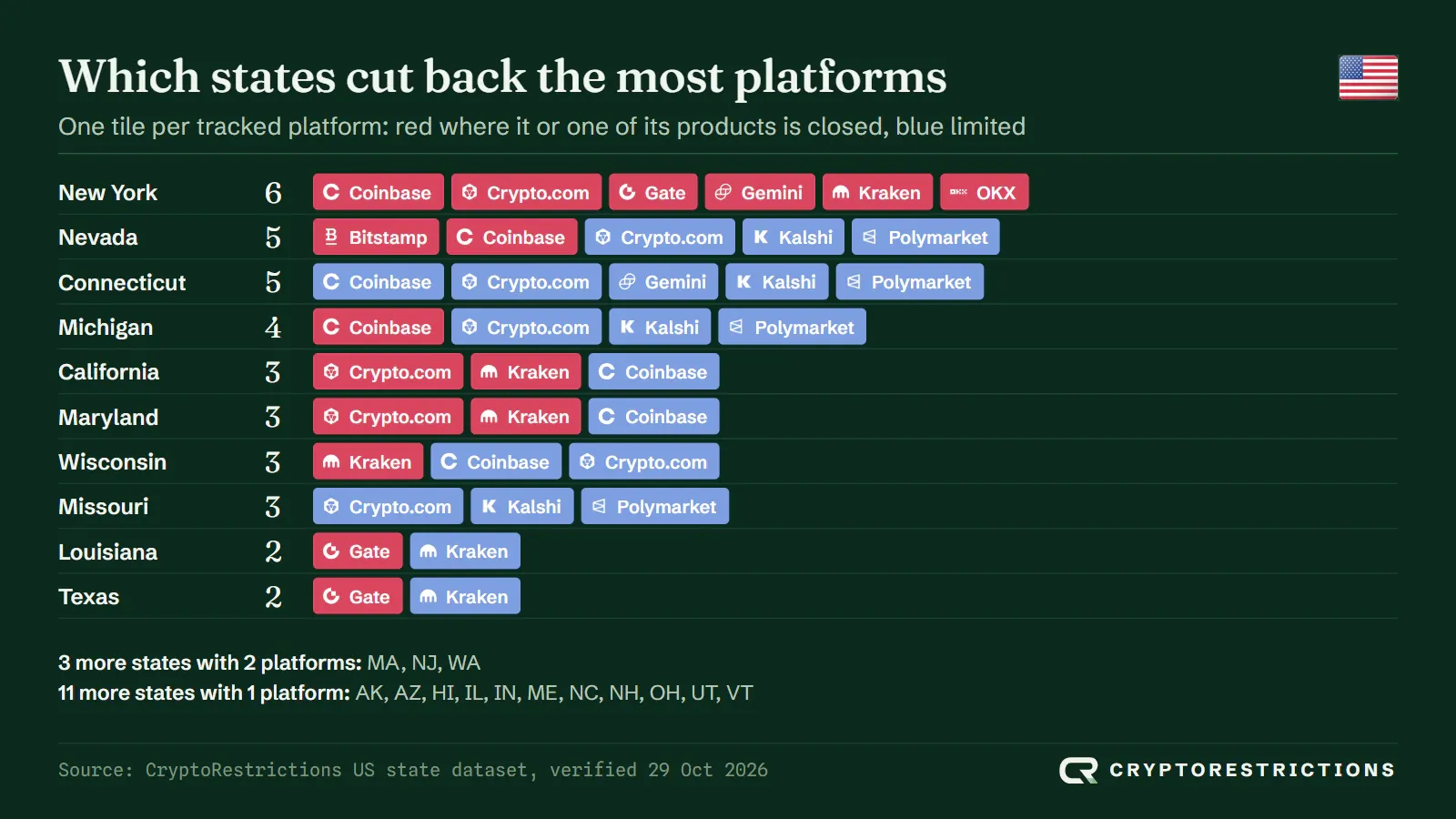
Every state has its own page, with each platform’s documents, in the state-by-state section below.
Who regulates crypto in the United States?
No single regulator. The SEC decides which crypto assets are securities, the CFTC oversees commodities, futures and event contracts, Treasury and FinCEN run anti-money-laundering rules, the IRS handles tax, and each state licenses the businesses that serve its residents.
Congress has acted once. The GENIUS Act created a federal framework for payment stablecoins in July 2025, and Treasury proposed its illicit-finance rule on 8 April 2026. The market-structure bill that would have split oversight of tokens between the SEC and CFTC, the CLARITY Act, failed to advance on 15 September 2026, when a Senate cloture vote fell short of 60.
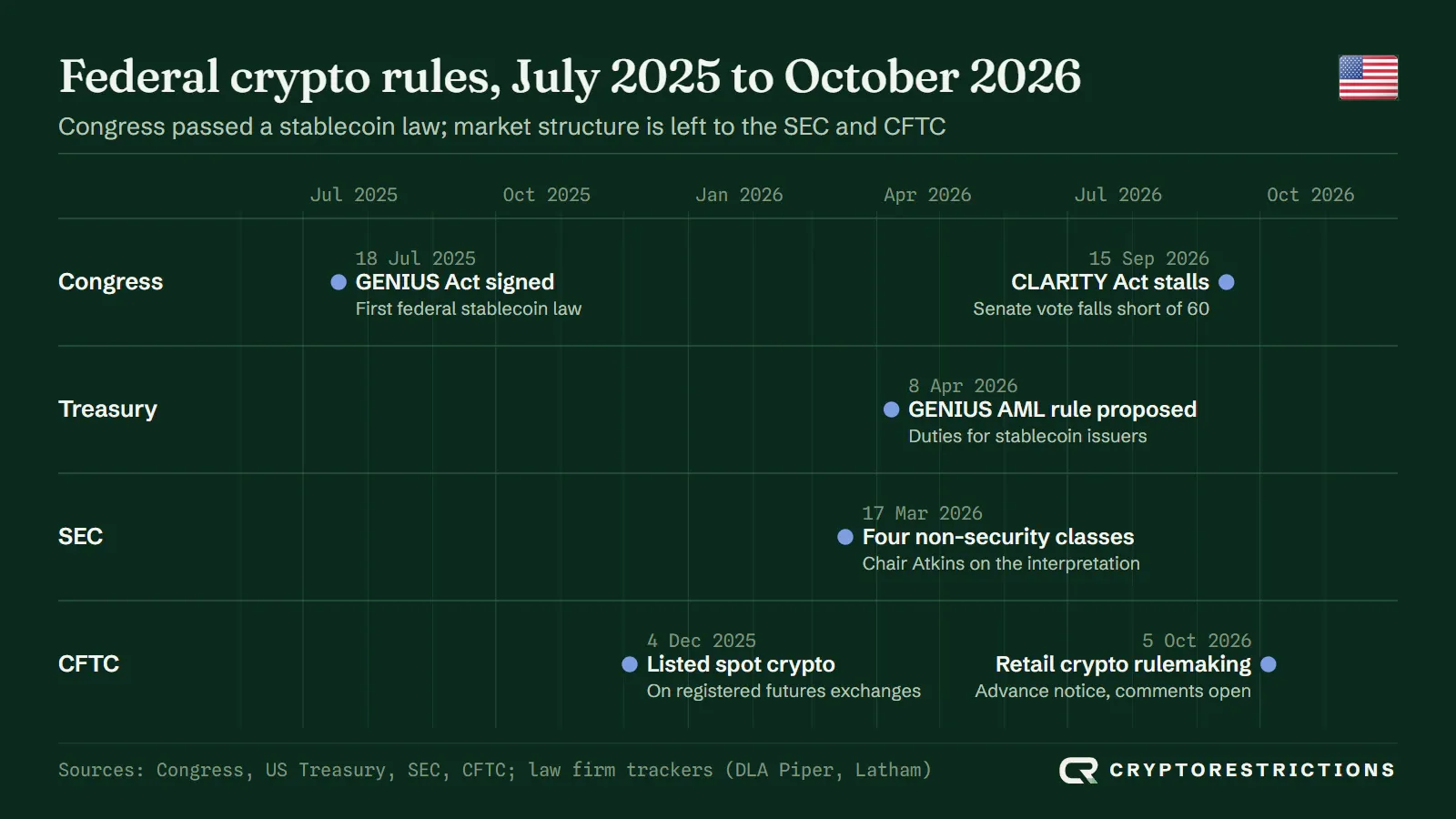
So the agencies are filling the gap under the powers they already have:
- SEC. In March 2026 its chair described an interpretive release setting four categories that are not securities: digital commodities, digital collectibles, digital tools and payment stablecoins under the GENIUS Act. It is an interpretation, not a statute.
- CFTC. In December 2025 it announced listed spot crypto trading on CFTC-registered futures exchanges, and on 5 October 2026 it opened an advance notice of rulemaking on retail crypto transactions, including a new kind of exchange called a crypto asset market.
- Treasury and FinCEN. Exchanges register as money services businesses and run anti-money-laundering programmes; stablecoin issuers get their own duties under the GENIUS Act rule.
Which crypto products are limited in the United States?
Spot trading is the most open product: Coinbase, Gemini and Uniswap offer it with no US limit we track. Derivatives are the most closed: five of the seven US exchanges offer none to US residents, and only Coinbase and Kraken run futures through CFTC-registered entities.
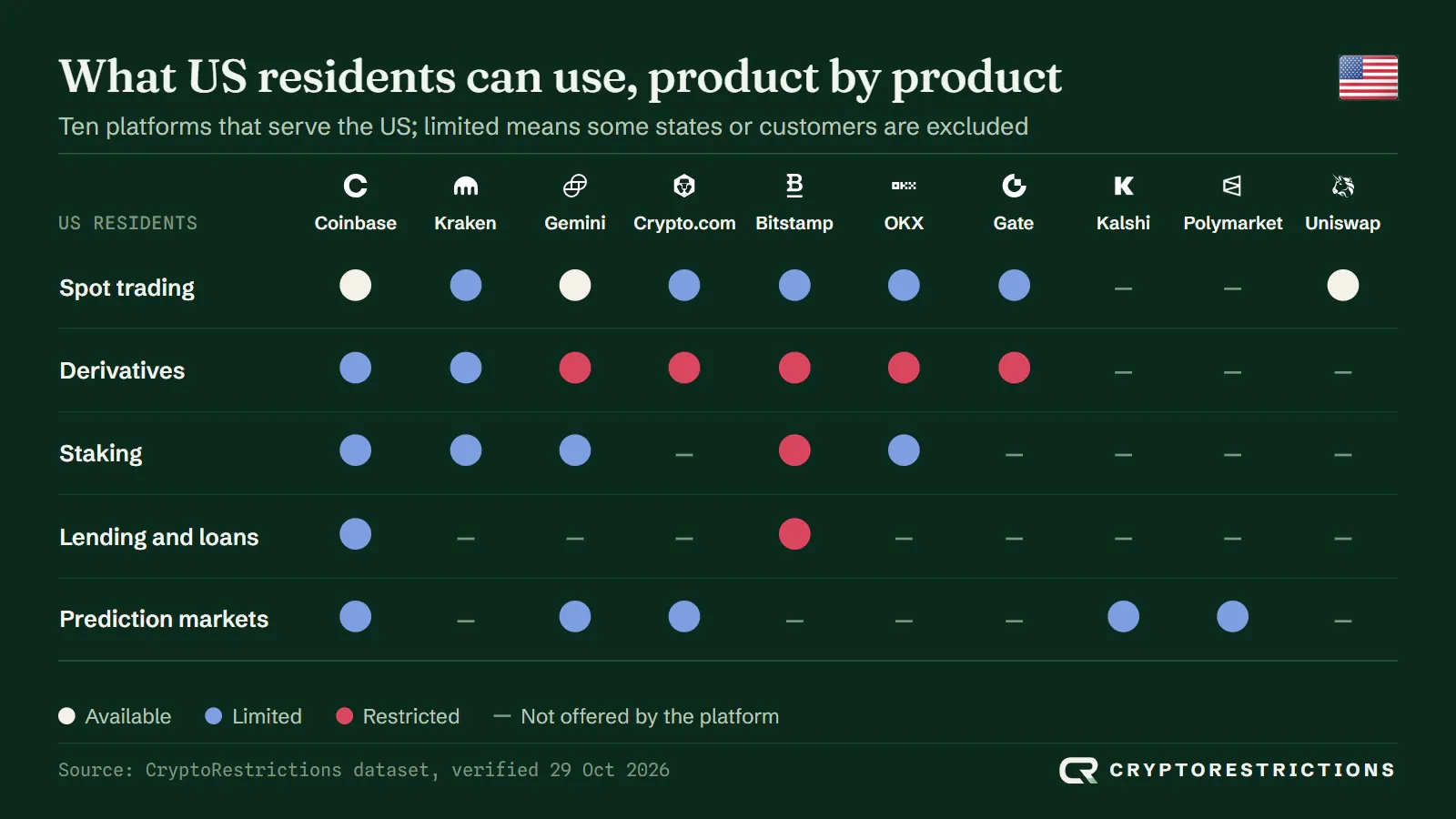
- Derivatives. The CFTC requires retail commodity trading with leverage, margin or financing to take place on a designated contract market. That is why every offshore perps platform we track bars US users, and why the CFTC fined Uniswap Labs $175,000 in 2024 for leveraged tokens offered through its interface.
- Staking. SEC staff said in May 2025 that protocol staking does not involve the offer and sale of securities. It is a staff view, not a rule.
- Stablecoins. SEC staff said in April 2025 that covered stablecoins are not securities, and the GENIUS Act now sets the rules for issuers.
- Tokenized stock. On 17 September 2026 the SEC granted a temporary, conditional exemption for trading tokenized stock on permissioned platforms. It runs five years.
Are prediction markets legal in the United States?
Federally, yes: event contracts are regulated by the CFTC when listed on a designated contract market. But states treat sports contracts as gambling, and since December 2025 we have logged 13 state actions against the five platforms we track that offer them.
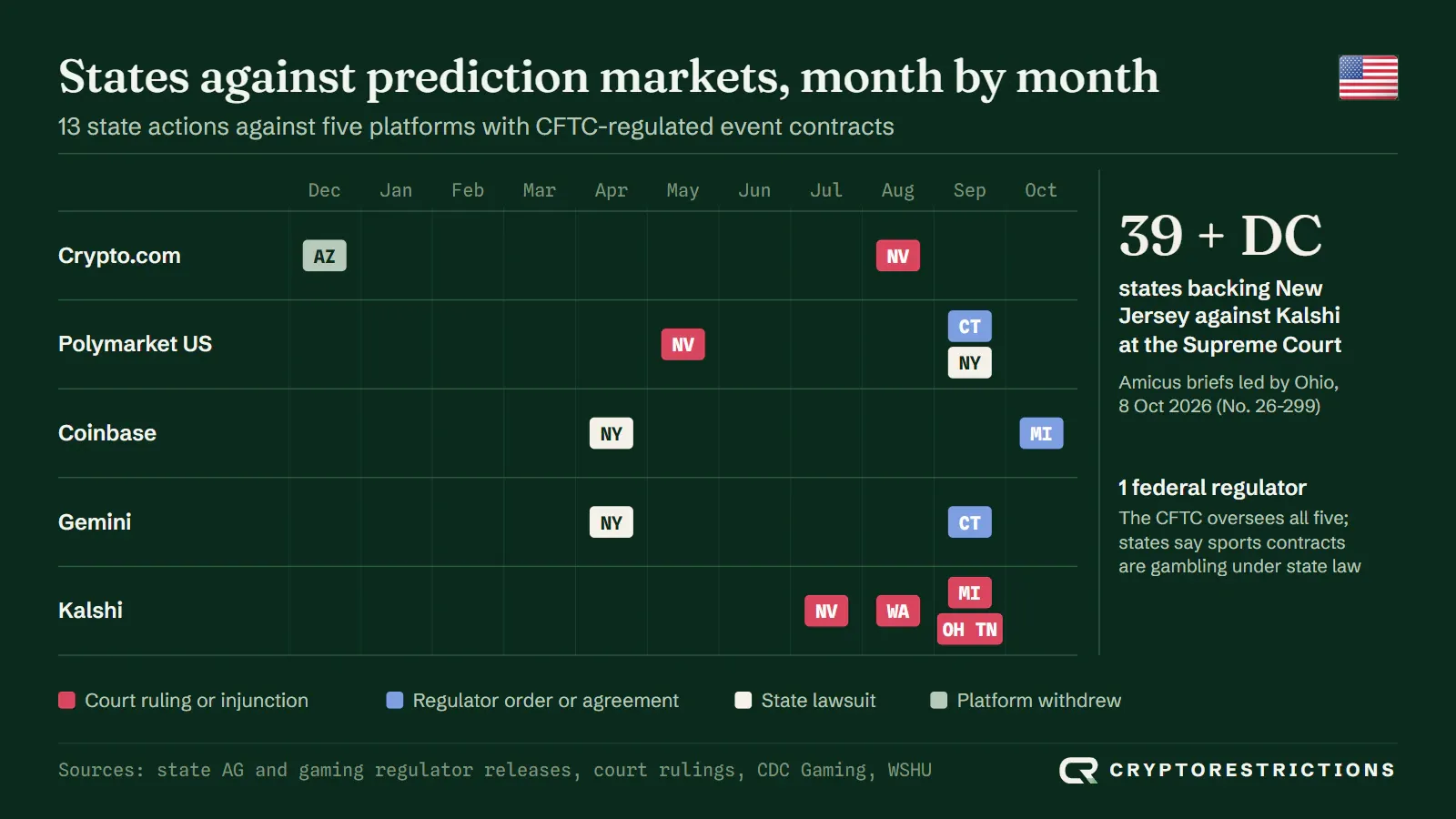
The courts are split. The Ninth Circuit ruled for Nevada in August 2026 that federal law does not preempt state gaming law for sports contracts, and the Sixth Circuit ruled the same way for Ohio and Tennessee in September. State orders followed: Nevada made Kalshi geofence the state, a Washington court ordered Kalshi to stop most non-financial markets, and Michigan won an injunction keeping its sports contracts out. Coinbase agreed to halt sports contracts in Michigan, and New York sued Coinbase and Gemini in April and Polymarket US in September.
The question is now at the Supreme Court, where Ohio, 38 other states and DC filed briefs backing New Jersey’s petition against Kalshi (No. 26-299). On the federal side, the CFTC told exchanges in September that mention markets need a heightened showing before listing, and on 9 October it proposed treating sports, political, cultural and weather contracts as swaps. PredictIt runs separately under CFTC no-action relief, widened in July 2025.
How is crypto taxed in the United States?
The IRS treats crypto as property. Selling, swapping or spending it is a taxable disposal: gains on crypto held over a year are taxed at 0%, 15% or 20%, and gains on crypto held a year or less at ordinary income rates.
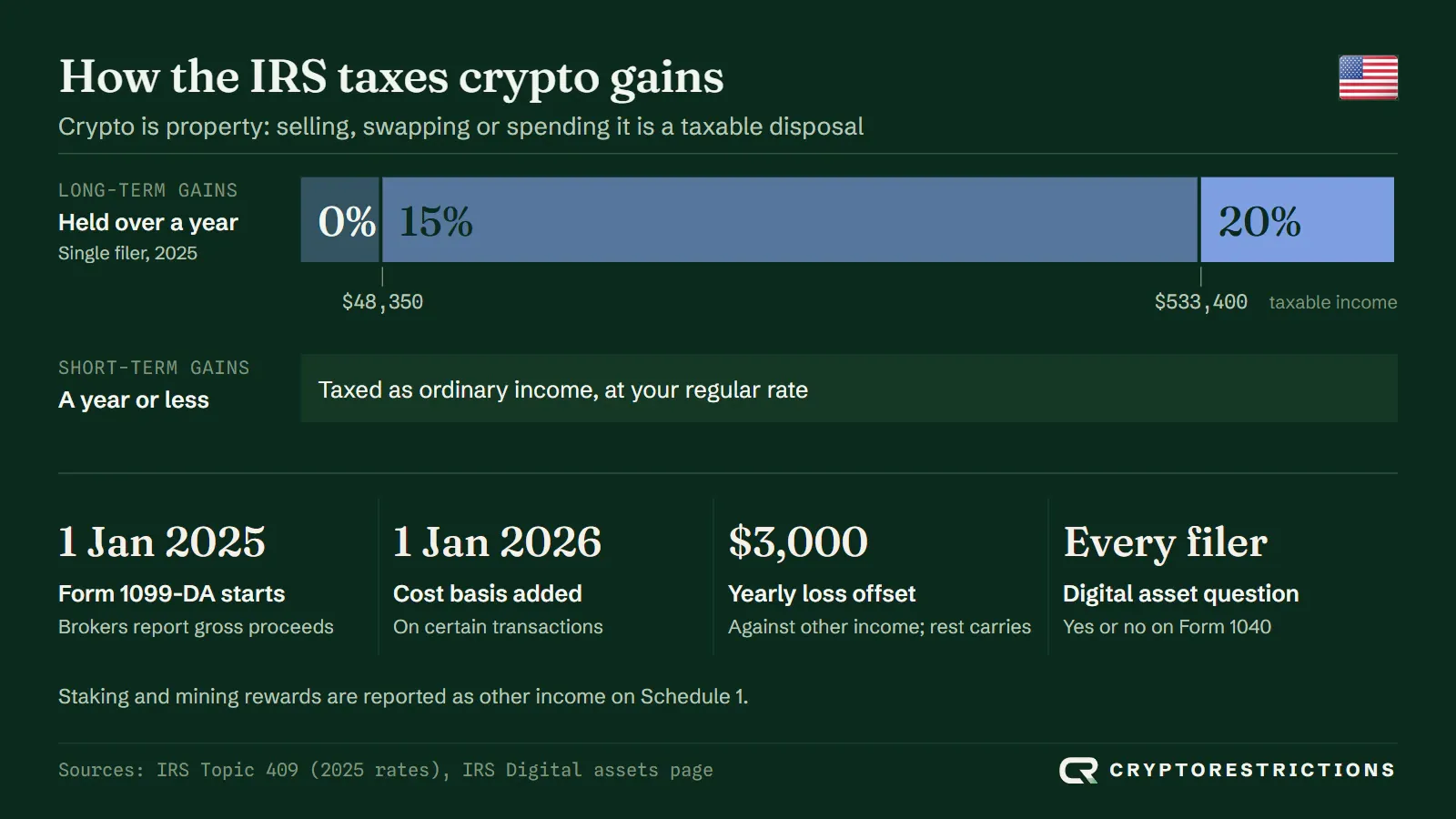
The bands are the IRS’s 2025 thresholds for a single filer; net capital losses offset up to $3,000 of other income a year, and the rest carries forward. Brokers report on Form 1099-DA: gross proceeds for transactions from 1 January 2025, and cost basis for certain transactions from 1 January 2026. Filing runs in four steps:





 Costa Rica
 Mexico
 Panama
 El Salvador
 Dominican Republic
 Puerto Rico
 Canada
 Bermuda
 British Virgin Islands
 Cayman Islands
 Jamaica