
Is crypto legal in Mexico?
Yes for individuals. We found no Mexican law that bans buying, holding or trading crypto, but banks and fintech institutions may not offer it to the public, and exchanges are policed as an anti-money-laundering activity, not licensed.
The central bank, the finance ministry and the banking regulator said so together on 28 June 2021: virtual assets are not legal tender in Mexico and are not foreign currency, and financial institutions are not authorised to carry out and offer virtual-asset operations to the public. The release repeats warnings issued since 2014. Nothing in it bars a person from holding crypto.
The Fintech Law of 2018 defines a virtual asset and lets fintech institutions operate only with the assets Banxico approves, per a mirror of article 30; we could not open the official text. Banxico’s Circular 4/2019, published in the official gazette on 8 March 2019, then confines banks and fintech institutions to internal operations with virtual assets, with Banxico’s prior authorisation. Offering clients exchange, transmission or custody services directly is not eligible. We found no change to this regime in 2024 to 2026, though secondary reports from May 2026 say the CNBV reaffirmed the bank ban.
The CNBV authorises the fintech institutions (ITFs) the law creates. Its ITF page does not mention virtual assets, and we could not confirm any authorised ITF that exchanges or holds crypto for the public. Exchanges sit outside that perimeter and under the anti-money-laundering law, covered below.
Which crypto exchanges work in Mexico?
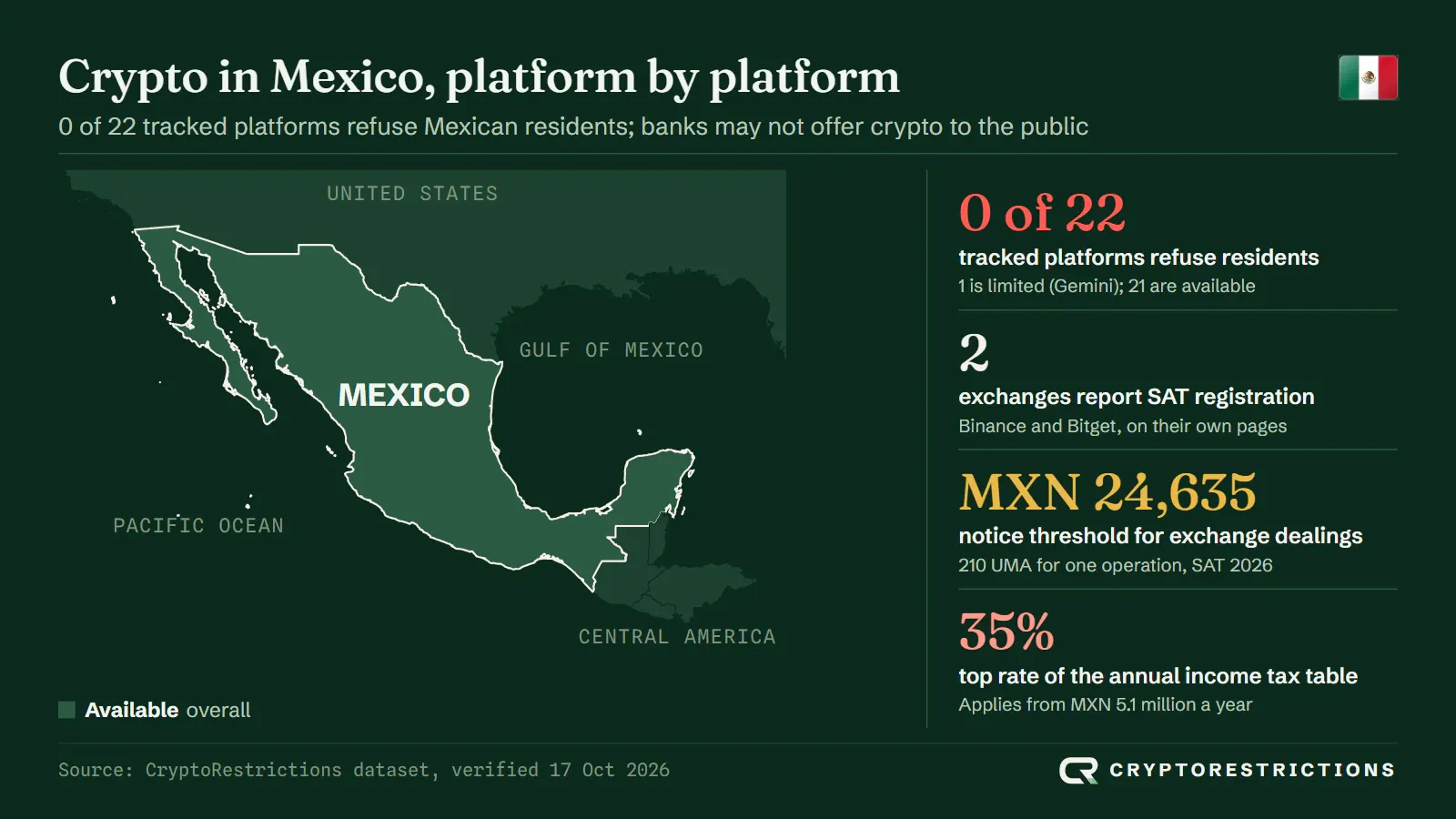
All 14 exchanges we track serve Mexican residents: 13 are available and Gemini is limited because it offers no derivatives here. Mexico licenses none of them; two, Binance and Bitget, report a SAT registration on their own pages.
An exchange that offers virtual-asset exchange to the public as a habitual and professional business is a vulnerable activity under article 17, fraction XVI, of the anti-money-laundering law (LFPIORPI), according to SAT’s 2026 FAQ. It must register with SAT, identify every client and file notices above a threshold. That registers the business for reporting; it does not authorise it to operate, and we found no public SAT list of registered exchanges.
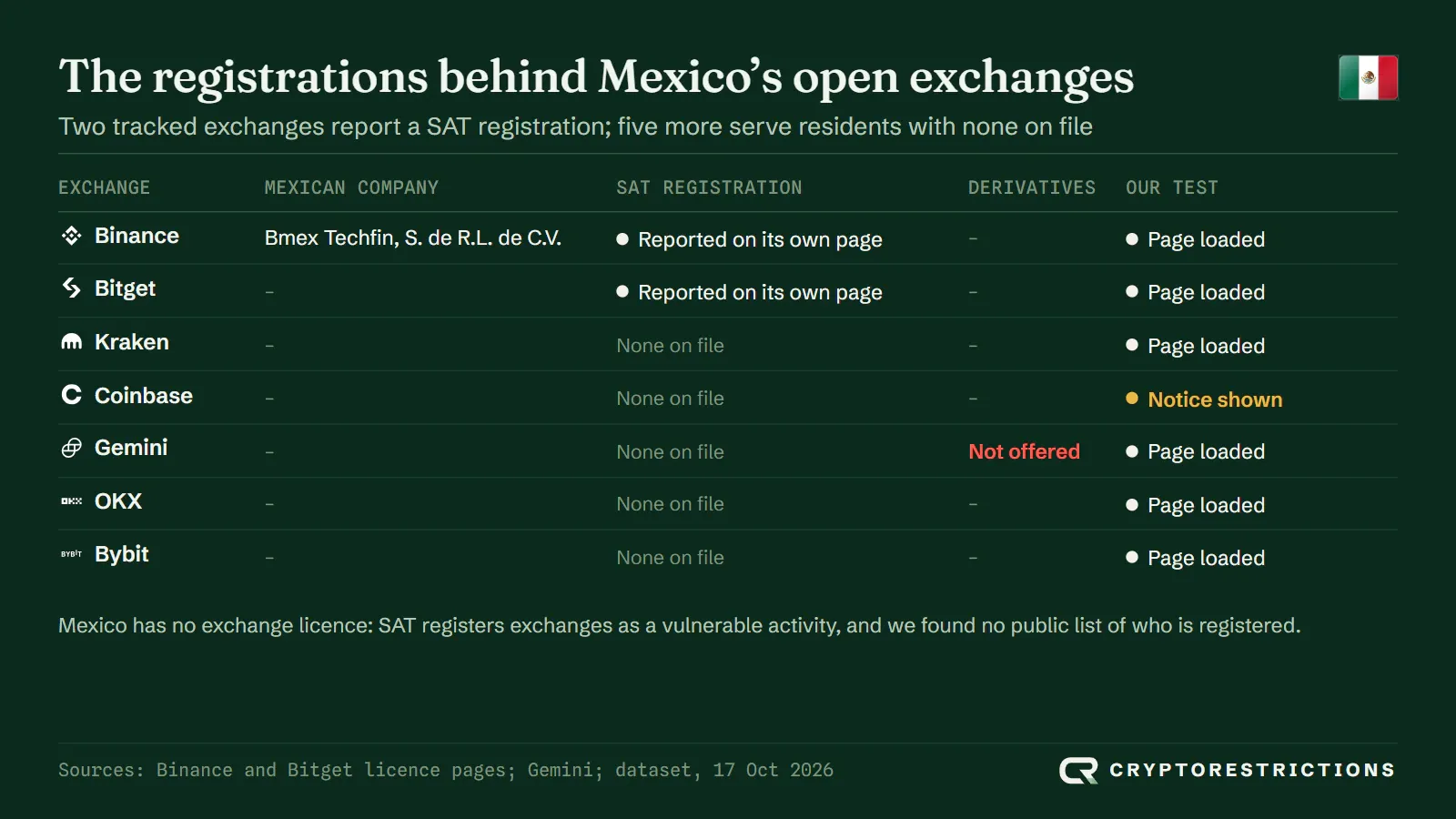
Binance lists Bmex Techfin, S. de R.L. de C.V. as its Mexican entity on its licences page, registered with SAT for virtual-asset services. Bitget lists Mexico in its regulatory table as a vulnerable-activity registration with SAT, without naming a company or a date. Both statements are the platforms’ own; we could not check them against a SAT register. A third-party summary says Binance also owns a Mexican payments institution, but we could not confirm it on a regulator page.
Mexico’s local exchange Bitso is not among the platforms we track.
Best crypto platforms for Mexican residents
By our access score, Binance and Bitget (9.0 out of 10) are the most open exchanges for Mexican residents, because each reports a SAT registration. Most other exchanges and DeFi platforms follow at 8.0, and Gemini (limited) and Coinbase trail.
The score rates how fully a Mexican resident can use each platform, not its fees or safety. It is computed from our data and moves when a row changes: access status (4 points), the share of the platform’s products open here (3), the licences we hold on file for Mexico (2) and what our geo-access test saw from a Mexican address (1). Platforms that refuse Mexican residents are not scored, and none refuses them. The full method is on our methodology page.
Exchanges

Binance
Best for A reported SAT registration, with a local entity
9.0/10- Access
- 4/4
- Products
- 3/3
- Licences
- 1/2
- Our test
- 1/1
Read our Binance reportPros
- Bmex Techfin reports a SAT vulnerable-activity registration on Binance's licences page
- Mexico is not on its prohibited-countries list (updated 5 January 2026)
Cons
- The registration is self-reported: no public SAT list confirms it

Bitget
Best for A reported SAT registration
9.0/10- Access
- 4/4
- Products
- 3/3
- Licences
- 1/2
- Our test
- 1/1
Read our Bitget reportPros
- Its regulatory table lists a SAT vulnerable-activity registration for Mexico
- Mexico is not on its prohibited-countries list (updated 16 October 2026)
Cons
- It names no Mexican company and no registration date

Bitstamp
Best for Plain spot trading
8.0/10- Access
- 4/4
- Products
- 3/3
- Licences
- 0/2
- Our test
- 1/1
Read our Bitstamp reportPros
- No Bitstamp document excludes Mexico
- Its home page loaded in our test
Cons
- No SAT registration on file
- Its sign-up address returned a 404 error in our test

Bybit
Best for Spot and derivatives in one account
8.0/10- Access
- 4/4
- Products
- 3/3
- Licences
- 0/2
- Our test
- 1/1
Read our Bybit reportPros
- Mexico is not on its excluded-jurisdictions list
- Its sign-up form offered Mexico as the place you live
Cons
- No SAT registration on file

Crypto.com
Best for Trading in an app
8.0/10- Access
- 4/4
- Products
- 3/3
- Licences
- 0/2
- Our test
- 1/1
Read our Crypto.com reportPros
- Mexico is not on its app or spot geo-restriction lists
- Its home page loaded in our test
Cons
- No SAT registration on file

Kraken
Best for Funding with pesos
8.0/10- Access
- 4/4
- Products
- 3/3
- Licences
- 0/2
- Our test
- 1/1
Read our Kraken reportPros
- Accepts MXN deposits by SPEI with no fee, per its support page
- Mexico is not on its do-not-serve list
Cons
- MXN cannot be held: deposits convert to USD
- No SAT registration on file

OKX
Best for A global brand with a wide product range
8.0/10- Access
- 4/4
- Products
- 3/3
- Licences
- 0/2
- Our test
- 1/1
Read our OKX reportPros
- Mexico is not on its restricted-locations list (updated 8 July 2026)
- Its sign-up page loaded in our test
Cons
- No SAT registration on file

Coinbase
Best for A familiar US exchange for spot buying
7.5/10- Access
- 4/4
- Products
- 3/3
- Licences
- 0/2
- Our test
- 0.5/1
Read our Coinbase reportPros
- Mexico is a listed sign-up country in its identity-verification guide
Cons
- Its home page told us stocks and prediction markets are not available here
- No SAT registration on file

Gemini
Best for Spot trading only
6.4/10- Access
- 3.5/4
- Products
- 1.9/3
- Licences
- 0/2
- Our test
- 1/1
Read our Gemini reportPros
- Mexico is on its main list of supported countries
Cons
- Mexico is not on its perpetuals list, so derivatives are not offered
- Its Mexico page lists no peso deposits
Prediction markets

Kalshi
Best for Regulated event contracts
8.0/10- Access
- 4/4
- Products
- 3/3
- Licences
- 0/2
- Our test
- 1/1
Read our Kalshi reportPros
- Mexico is not on its restricted-jurisdictions list
- Its home page loaded in our test
Cons
- No Mexican rule covers prediction markets

Polymarket
Best for The largest prediction market
8.0/10- Access
- 4/4
- Products
- 3/3
- Licences
- 0/2
- Our test
- 1/1
Read our Polymarket reportPros
- Mexico is not on its blocked-countries list
- Its home page loaded with no geoblock banner
Cons
- No Mexican rule covers prediction markets
DeFi

Aster
Best for Perpetuals from your own wallet
8.0/10- Access
- 4/4
- Products
- 3/3
- Licences
- 0/2
- Our test
- 1/1
Read our Aster reportPros
- Mexico is not on its prohibited-jurisdictions list
- Its trading app loaded in our test
Cons
- No SAT registration on file

Hyperliquid
Best for Perpetuals and spot on its own chain
8.0/10- Access
- 4/4
- Products
- 3/3
- Licences
- 0/2
- Our test
- 1/1
Read our Hyperliquid reportPros
- Not excluded by its terms
- Its trading app loaded in our test
Cons
- No SAT registration on file

Jupiter
Best for Solana swaps
8.0/10- Access
- 4/4
- Products
- 3/3
- Licences
- 0/2
- Our test
- 1/1
Read our Jupiter reportPros
- Mexico is not named in its terms
- Its app loaded in our test
Cons
- No SAT registration on file

Lighter
Best for Perpetuals from your own wallet
8.0/10- Access
- 4/4
- Products
- 3/3
- Licences
- 0/2
- Our test
- 1/1
Read our Lighter reportPros
- Mexico is not named in its terms
- Its trading app loaded in our test
Cons
- No SAT registration on file

PancakeSwap
Best for BNB Chain swaps and pools
8.0/10- Access
- 4/4
- Products
- 3/3
- Licences
- 0/2
- Our test
- 1/1
Read our PancakeSwap reportPros
- Not excluded by its terms
- The swap page loaded in our test
Cons
- No SAT registration on file

Uniswap
Best for Swapping tokens from your own wallet
8.0/10- Access
- 4/4
- Products
- 3/3
- Licences
- 0/2
- Our test
- 1/1
Read our Uniswap reportPros
- Its terms bar only places under comprehensive US sanctions
- Our test loaded the swap app from a Mexican address
Cons
- No SAT registration on file
Which platforms block Mexican users?
None of the 22 platforms we track refuses Mexican residents. One is limited, Gemini, and one showed a product notice in our test, Coinbase.
The exchanges that exclude residents elsewhere in the world do not name Mexico: the restricted lists of KuCoin, Gate, MEXC, HTX and the others omit it. Several of those lists are non-exhaustive, so an absence is not a guarantee, and most platforms enforce at identity verification, not at the page. Mexican law gives no reason for a platform to close the country, since individuals may hold crypto.
What our geo-access test saw from Mexico
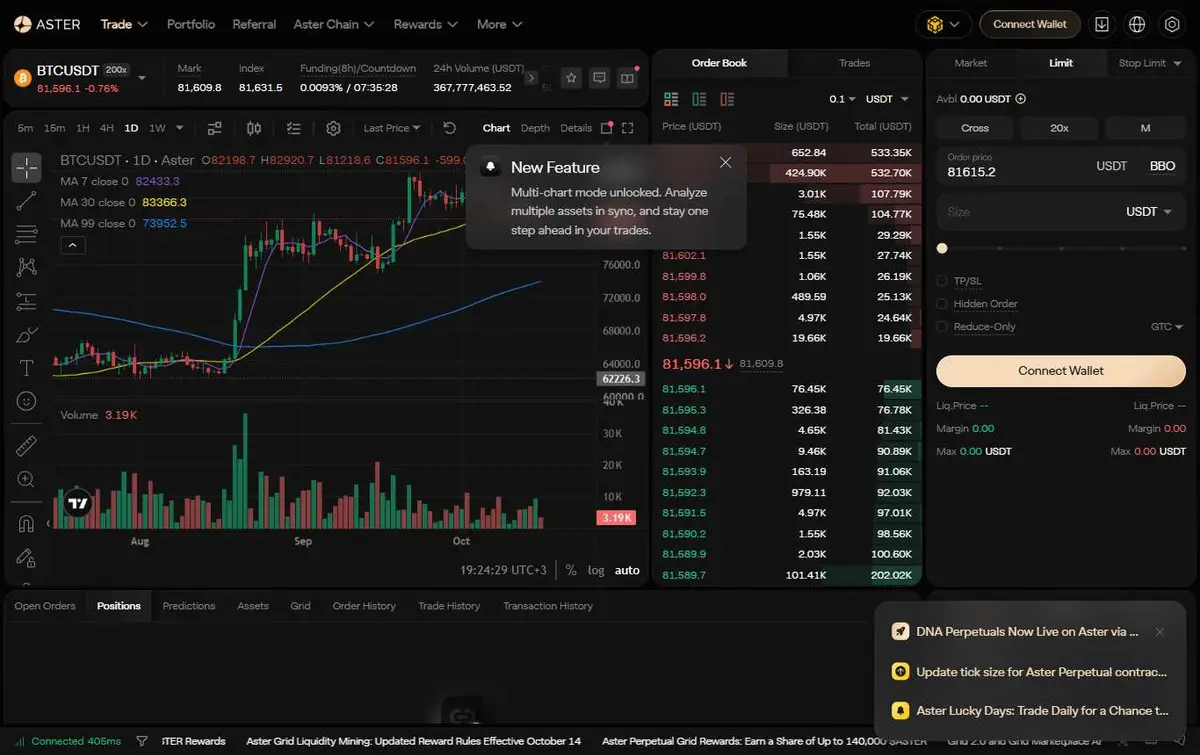
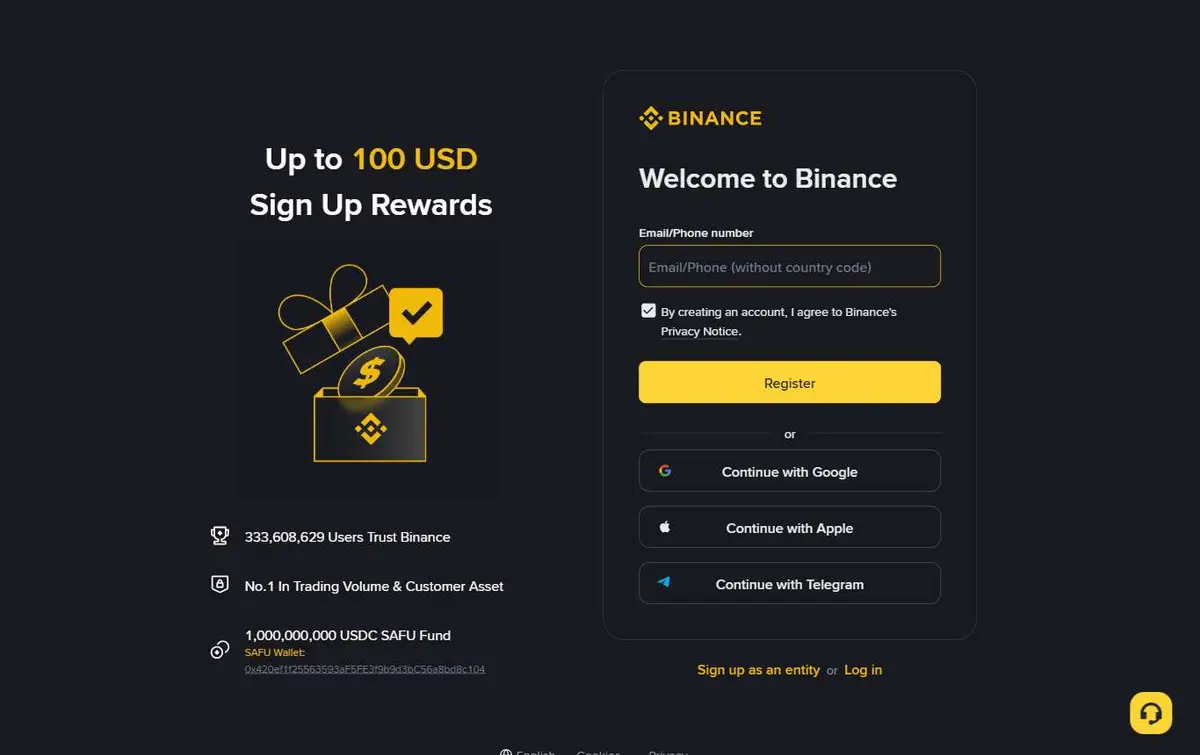
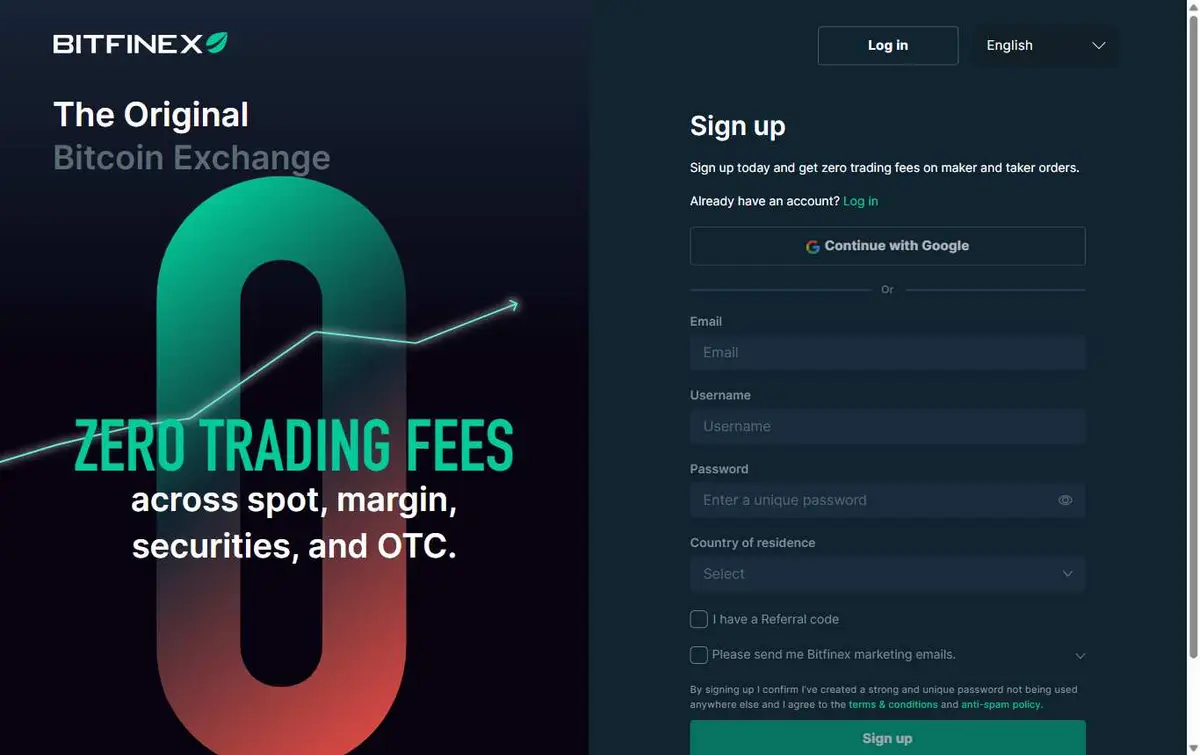
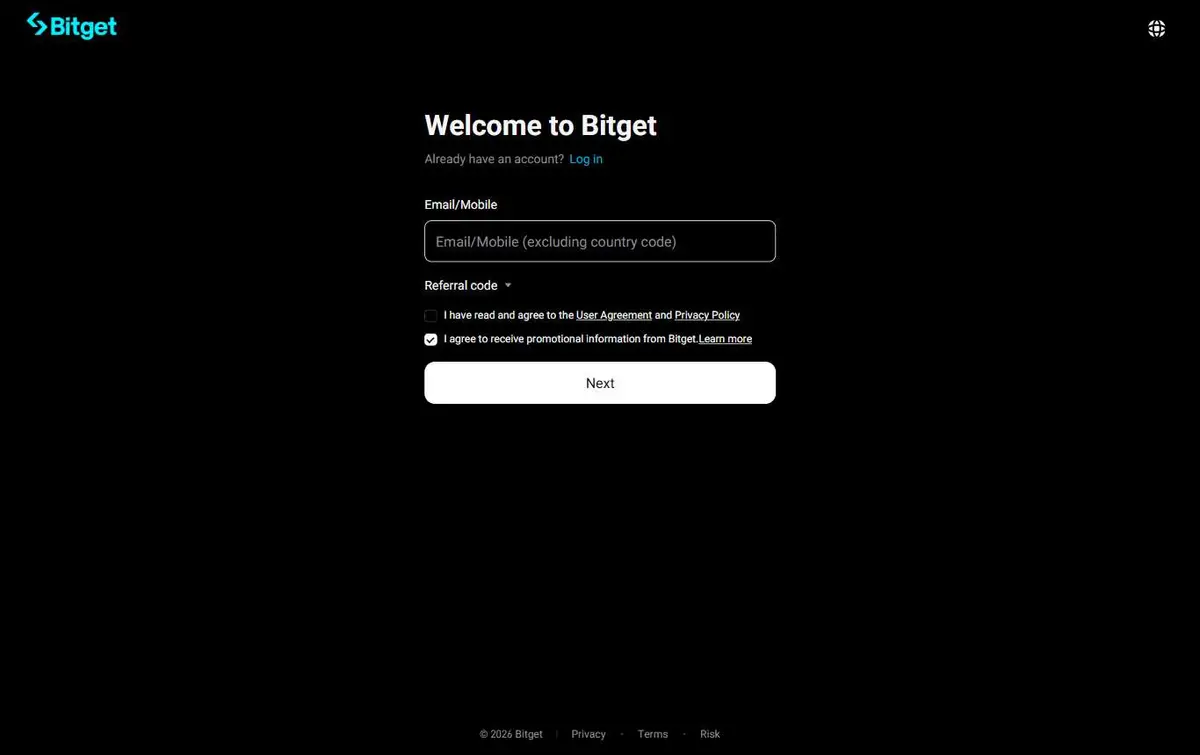
From a Mexican address on 14 and 16 October 2026 we loaded all 22 platforms we track: none refused us, 1 showed a notice and 21 loaded with no barrier.
An open page is not permission, and the test cannot see identity checks. The notice was Coinbase’s, which said stocks and prediction markets are not available in our jurisdiction. Kalshi loaded after a browser check, and Bitstamp’s sign-up address returned a 404 error while its home page loaded. Swipe through the screenshots below; each card quotes what the page showed.
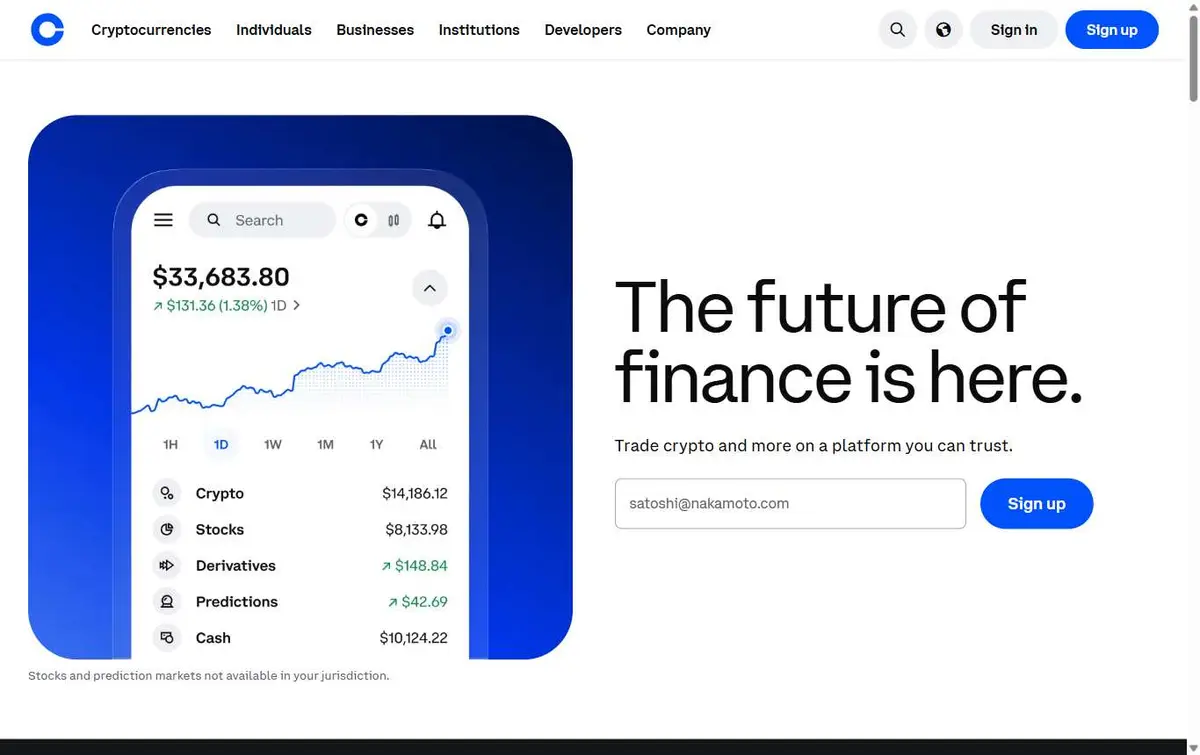
Notice shown Coinbase · Home page
Mexico: the home page loads but says stocks and prediction markets are not available here
“Stocks and prediction markets not available in your jurisdiction.”
No barrier Aster · Trading app
Mexico: the trading app loads with no barrier
“Aster”
No barrier Binance · Sign-up page
Mexico: the sign-up form loads with no barrier
“Create a free account”
No barrier Bitfinex · Sign-up page
Mexico: the sign-up form loads with no barrier
“Sign up today”
No barrier Bitget · Sign-up page
Mexico: the sign-up form loads with no barrier
“Sign up with Bitget”
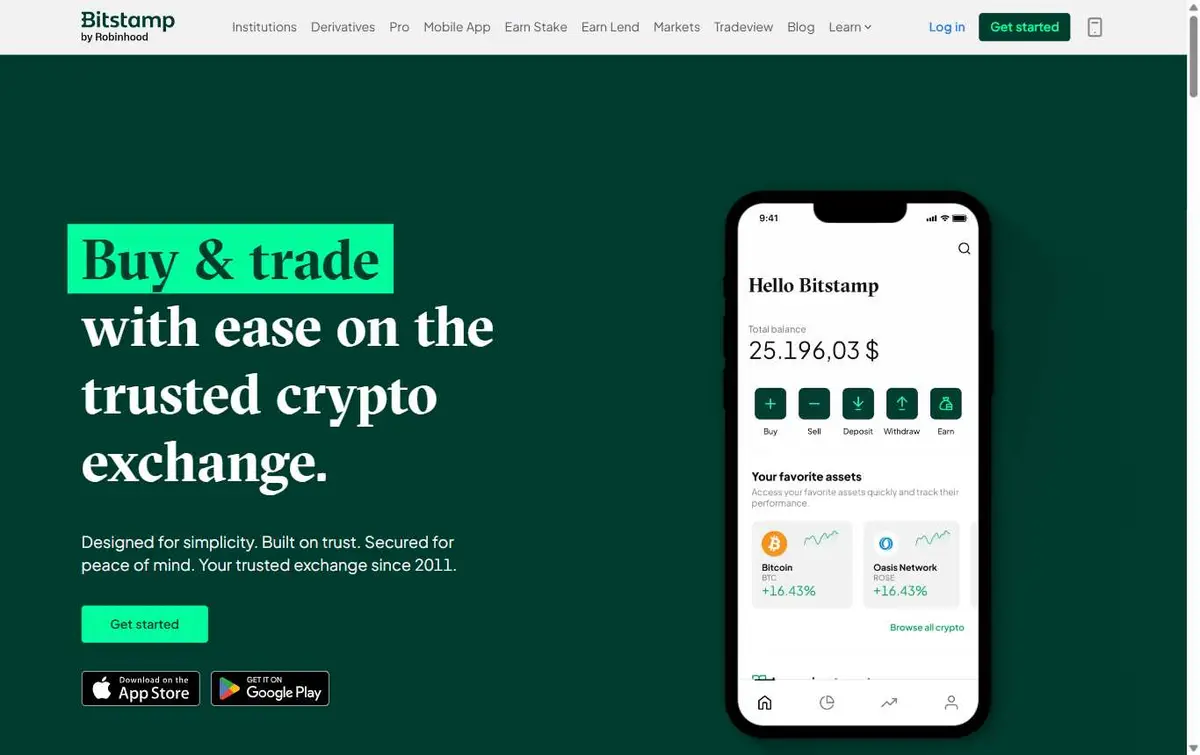
No barrier Bitstamp · Home page
Mexico: the home page loads with no barrier
“Trusted Crypto Exchange”
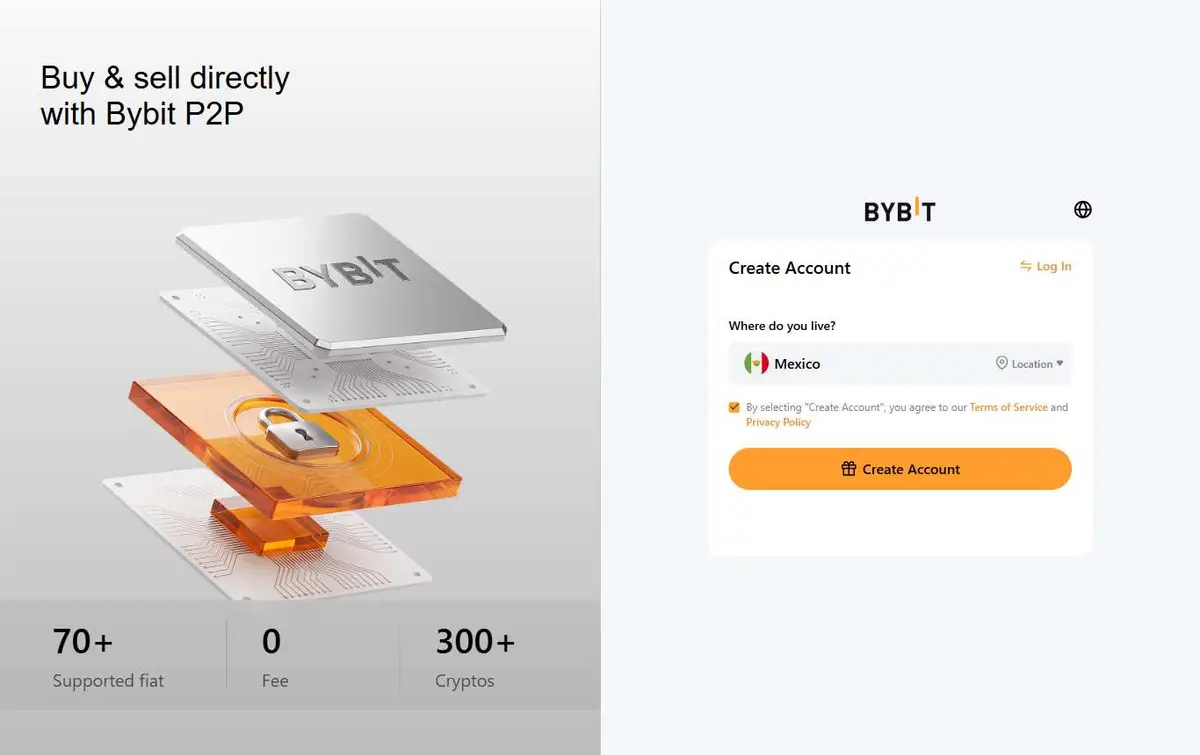
No barrier Bybit · Sign-up page
Mexico: the sign-up form loads and offers Mexico as the place you live
“Where do you live?”
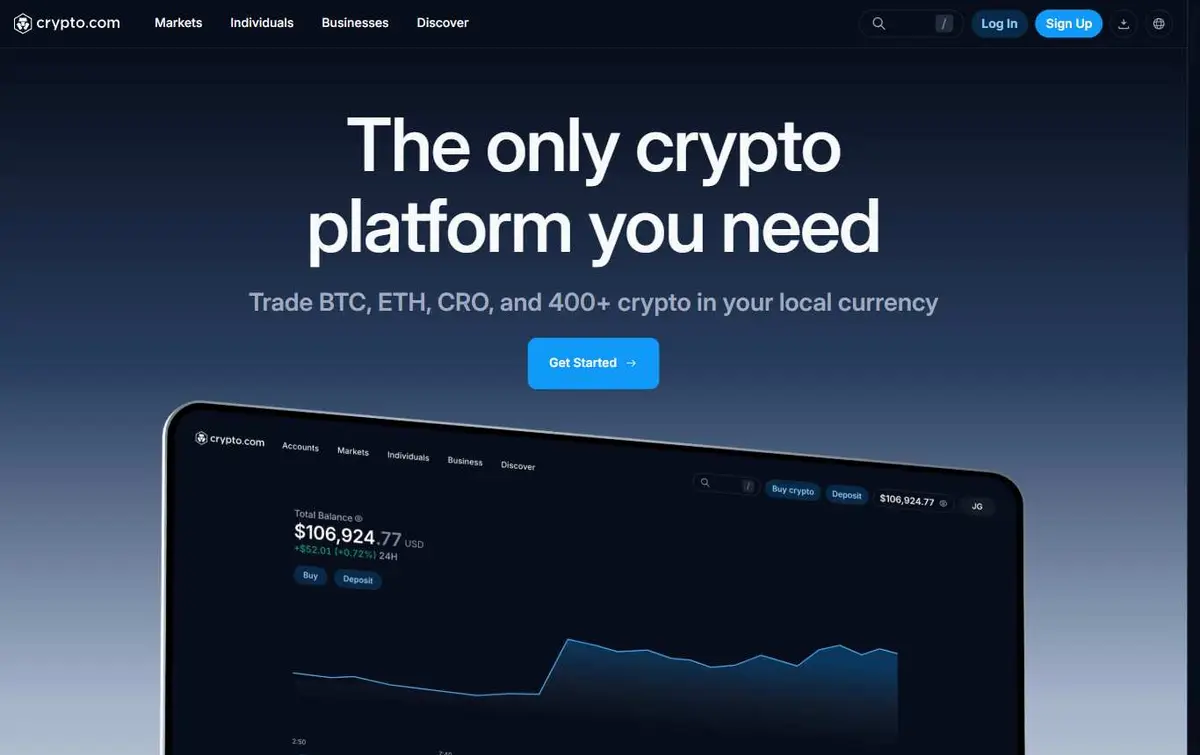
No barrier Crypto.com · Home page
Mexico: the home page loads with no barrier
“Crypto.com International”
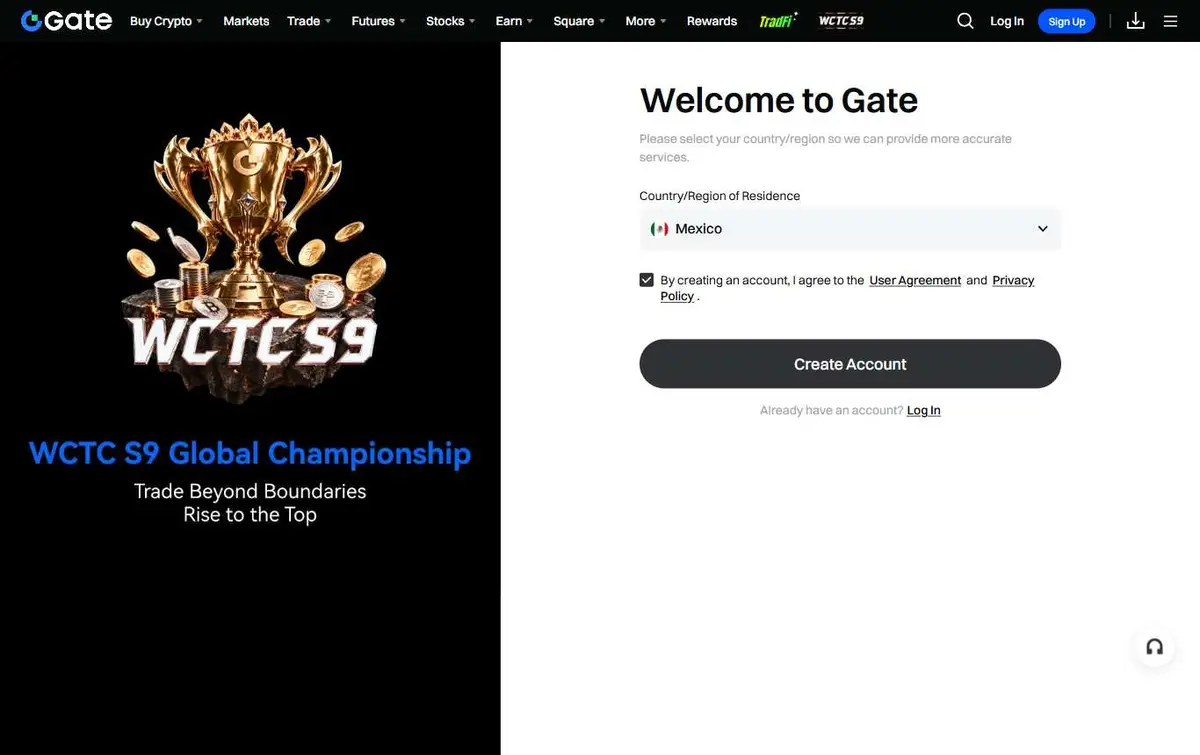
No barrier Gate · Sign-up page
Mexico: the sign-up form loads with no barrier
“Country/Region of Residence”
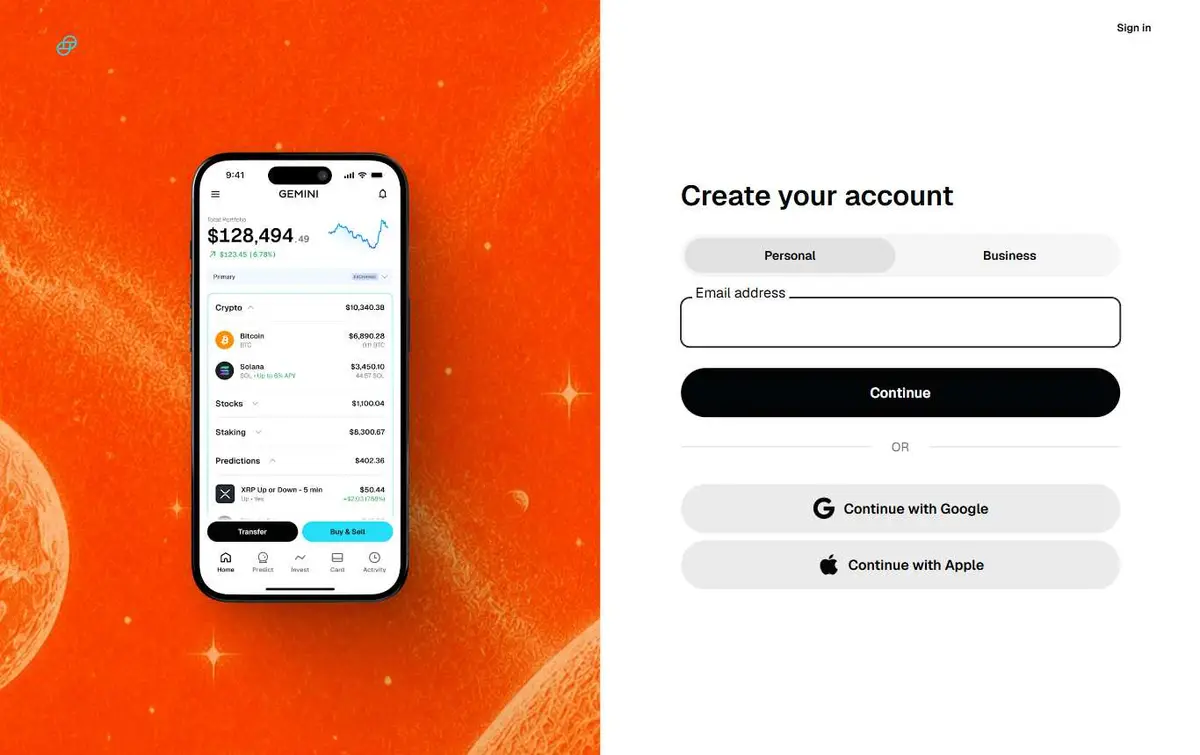
No barrier Gemini · Sign-up page
Mexico: the account form loads with no barrier
“Create your account”
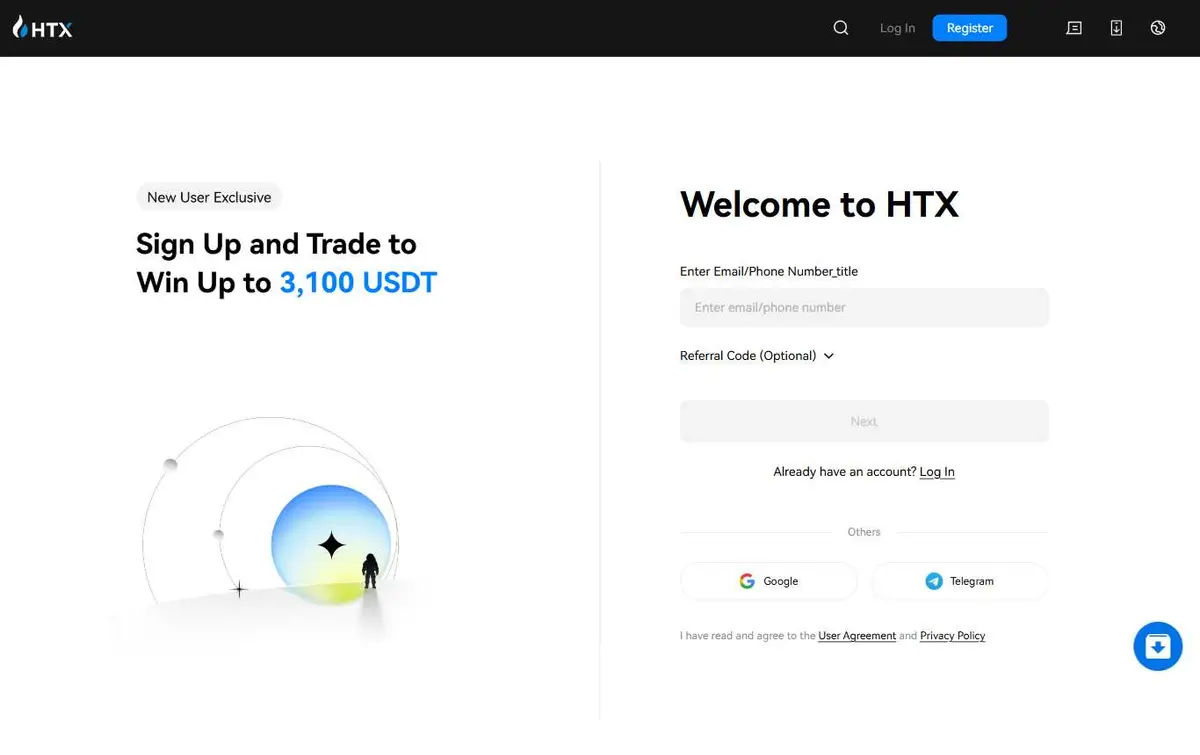
No barrier HTX · Sign-up page
Mexico: the registration form loads with no barrier
“Welcome to HTX”
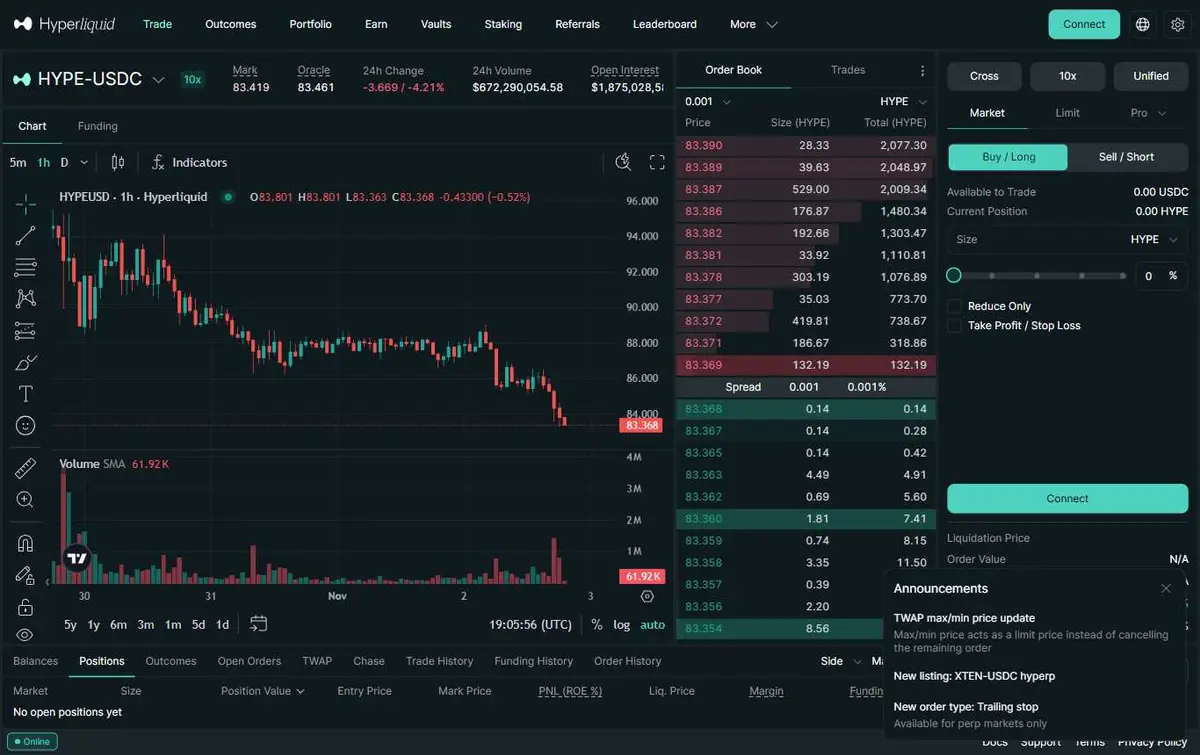
No barrierHyperliquid · Trading app
Mexico: the trading app loads with no barrier
“Connect”
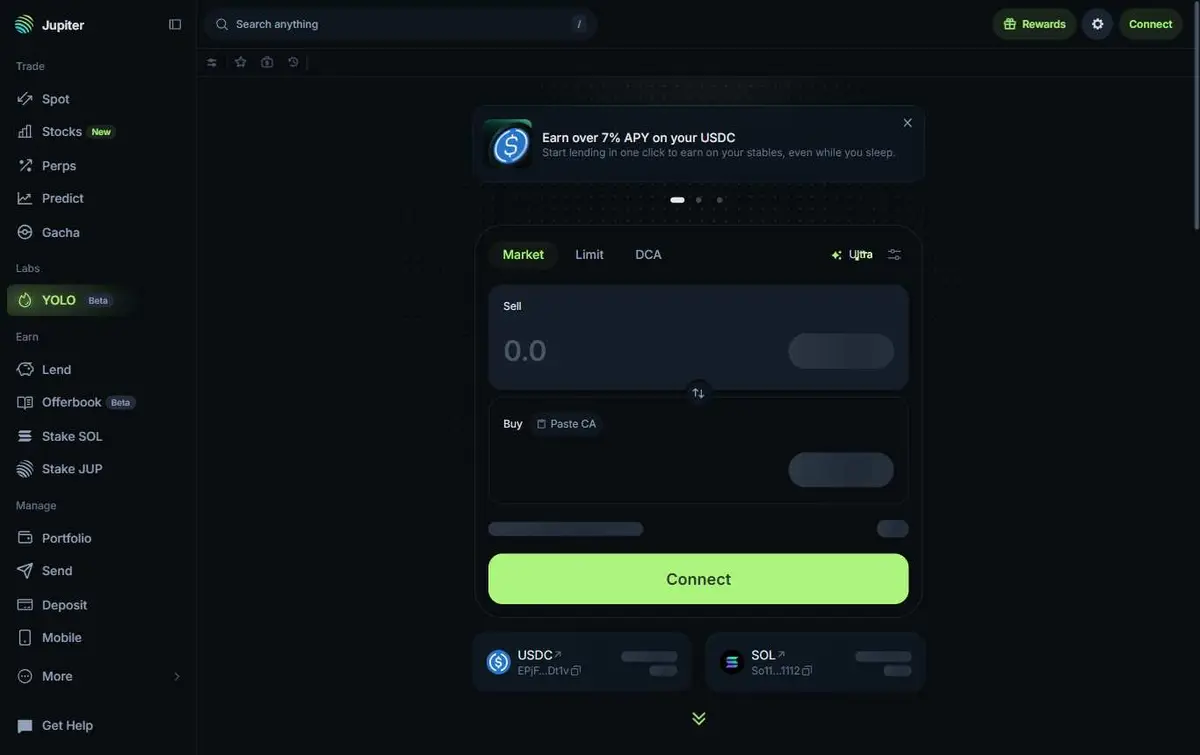
No barrier Jupiter · Trading app
Mexico: the swap app loads with no barrier
“Connect Jupiter”
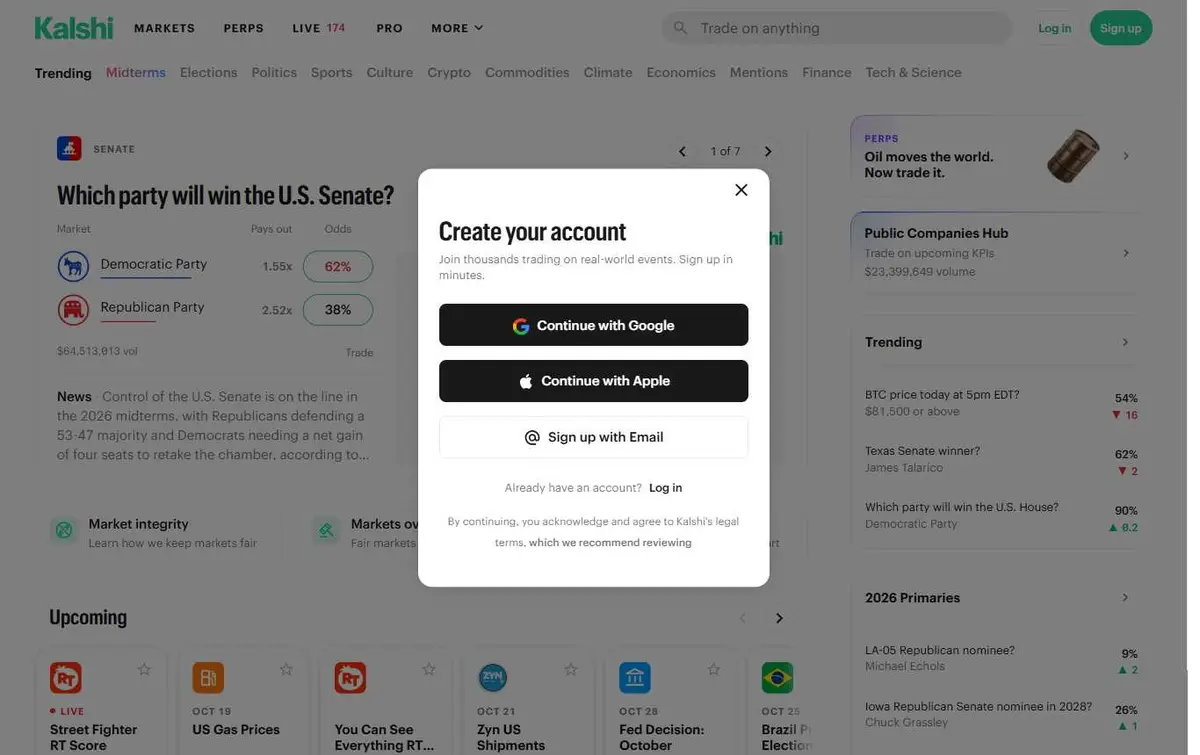
No barrier Kalshi · Home page
Mexico: the home page loads after a browser check, with no country block
“Prediction Market”
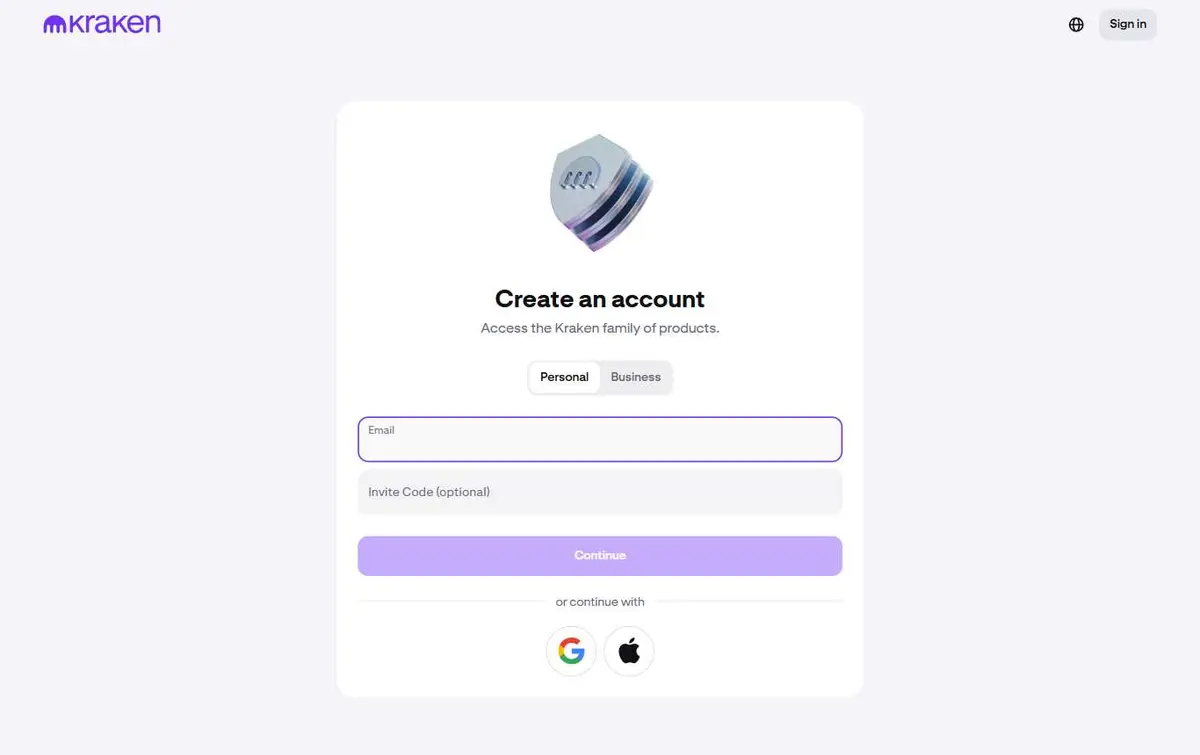
No barrier Kraken · Sign-up page
Mexico: the sign-up form loads with no barrier
“Create an account”
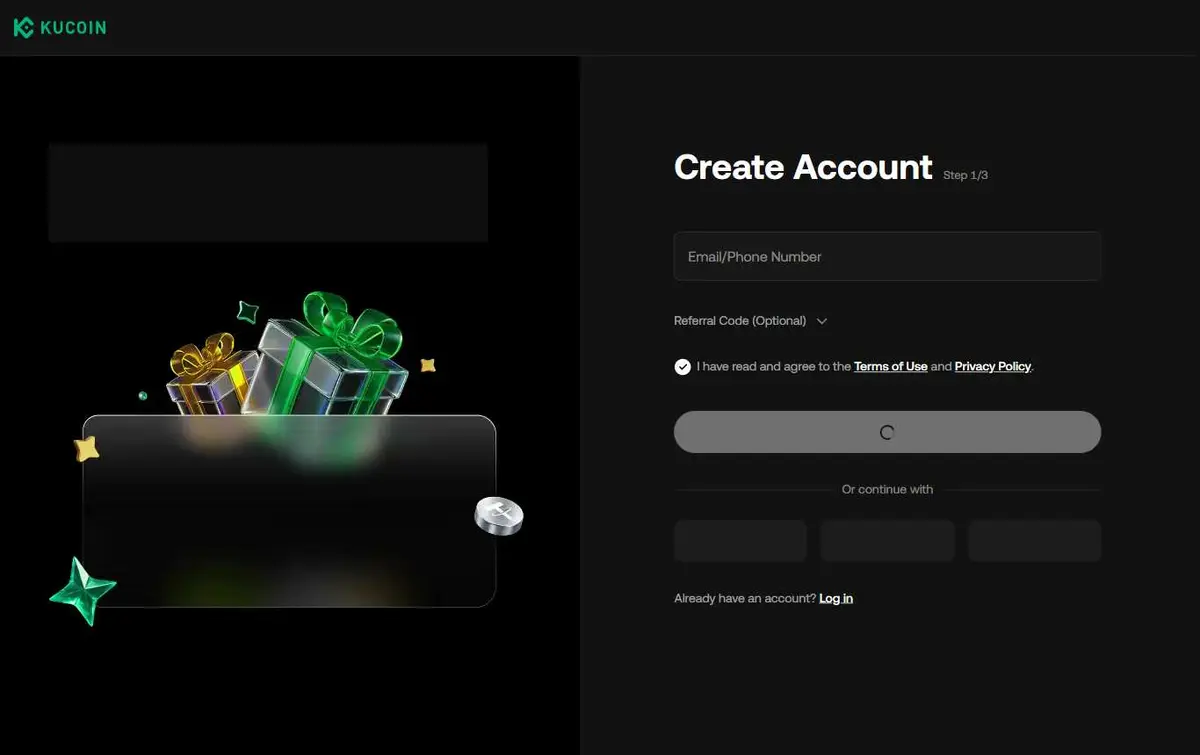
No barrier KuCoin · Sign-up page
Mexico: the sign-up form loads with no barrier
“Create Account”
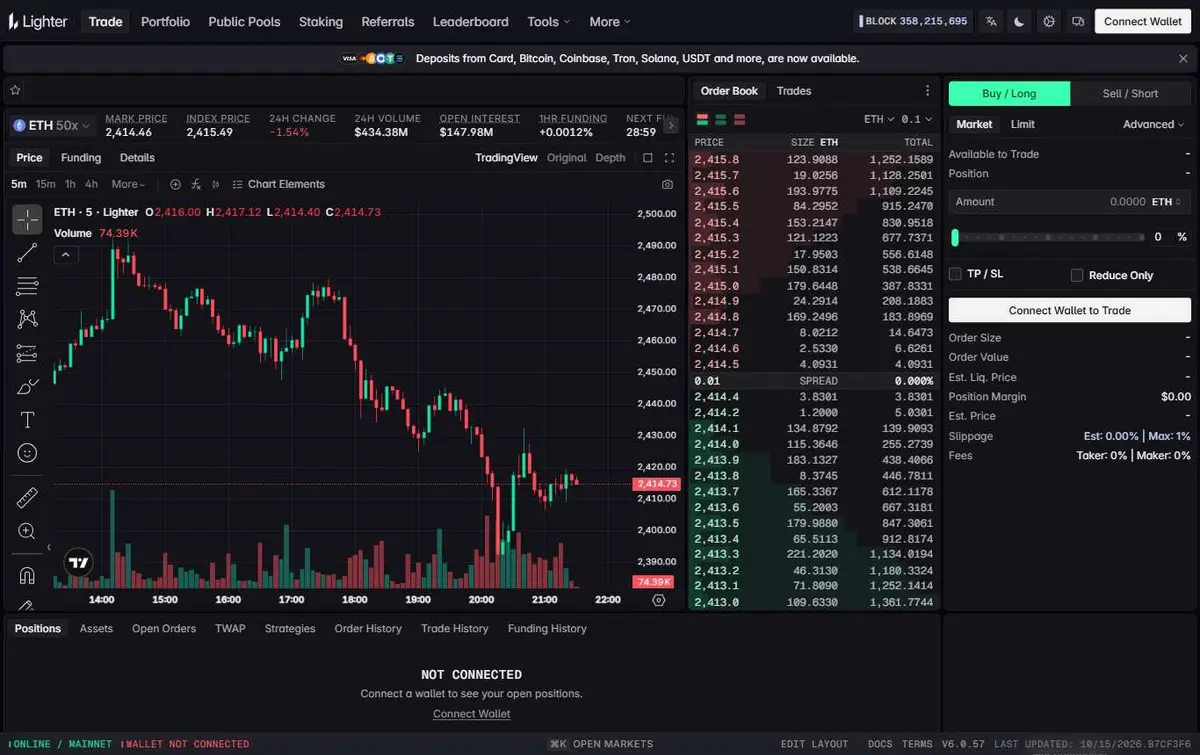
No barrier Lighter · Trading app
Mexico: the trading app loads with no barrier
“Lighter”
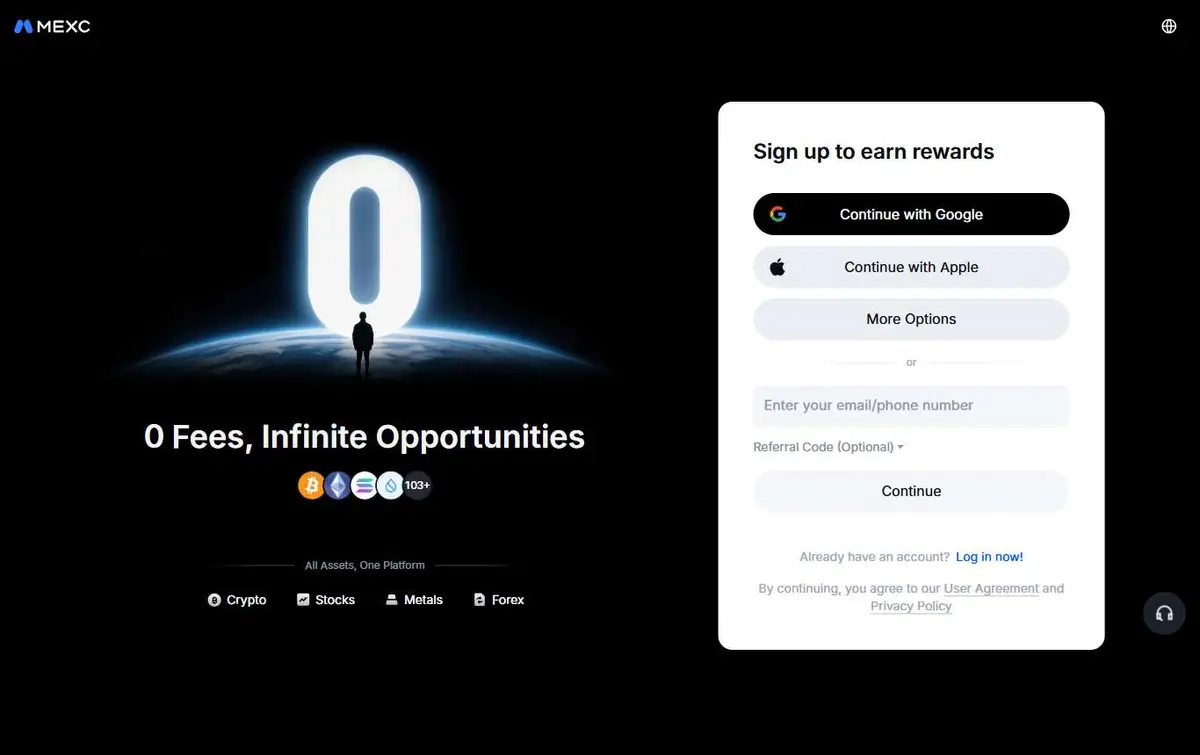
No barrier MEXC · Sign-up page
Mexico: the sign-up page loads with no barrier
“Sign up on MEXC”
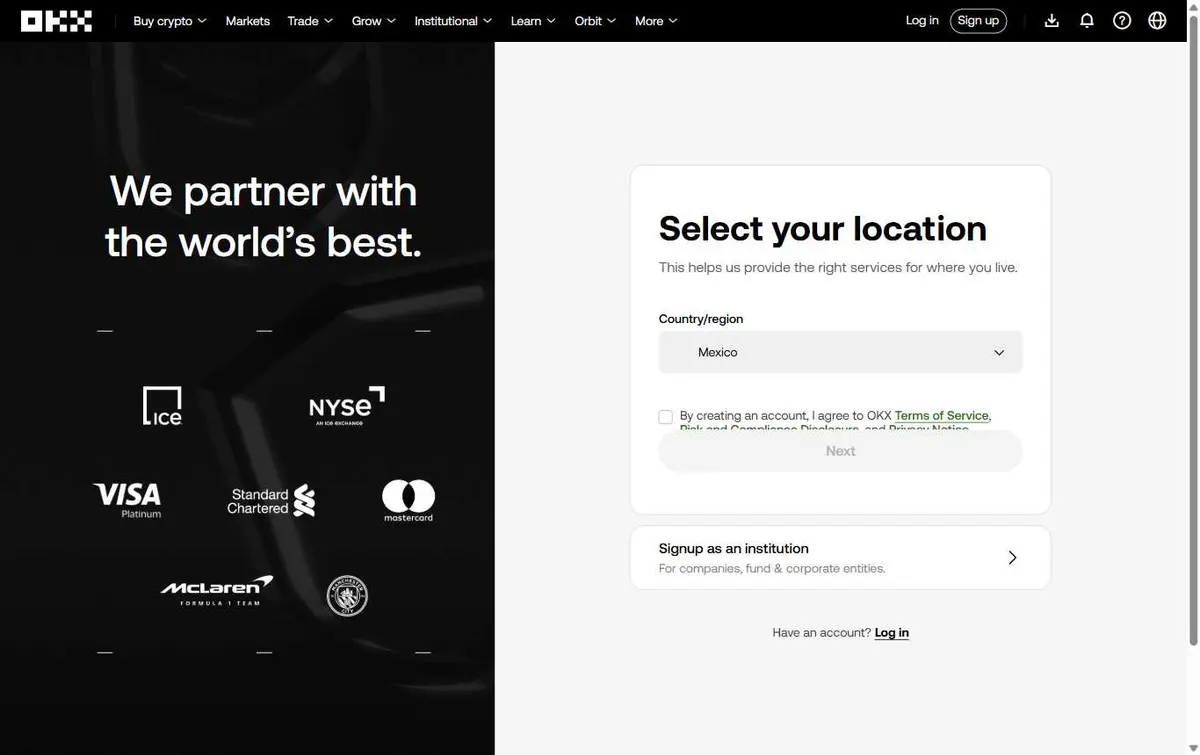
No barrier OKX · Sign-up page
Mexico: the sign-up page loads with no barrier
“Sign Up On OKX's Website”
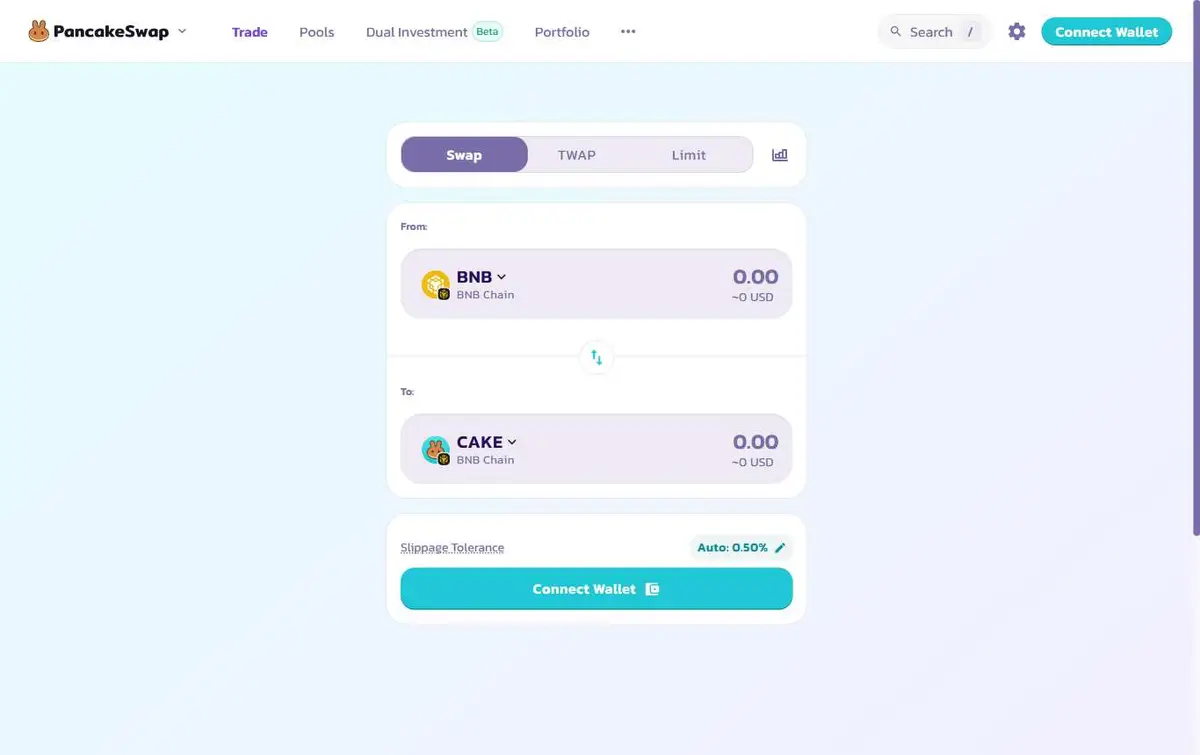
No barrier PancakeSwap · Trading app
Mexico: the swap page loads with no barrier
“Connect Wallet”
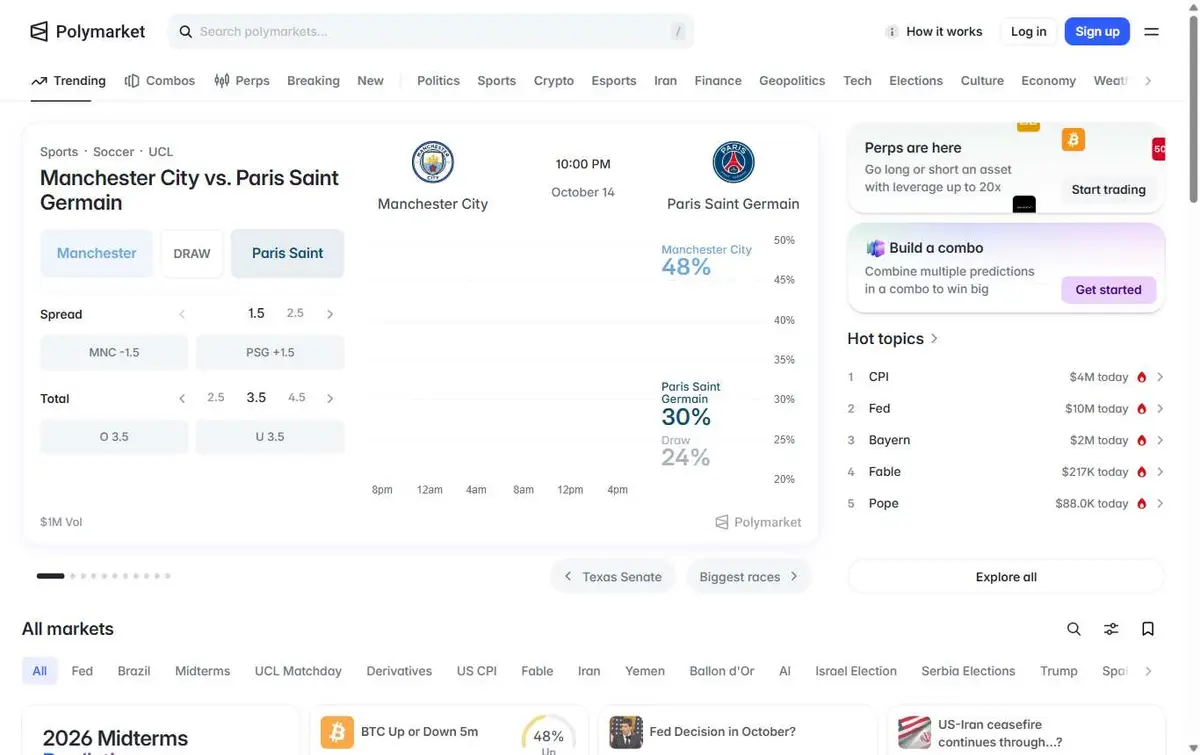
No barrier Polymarket · Home page
Mexico: the home page loads with no geoblock banner
“Largest Prediction Market”
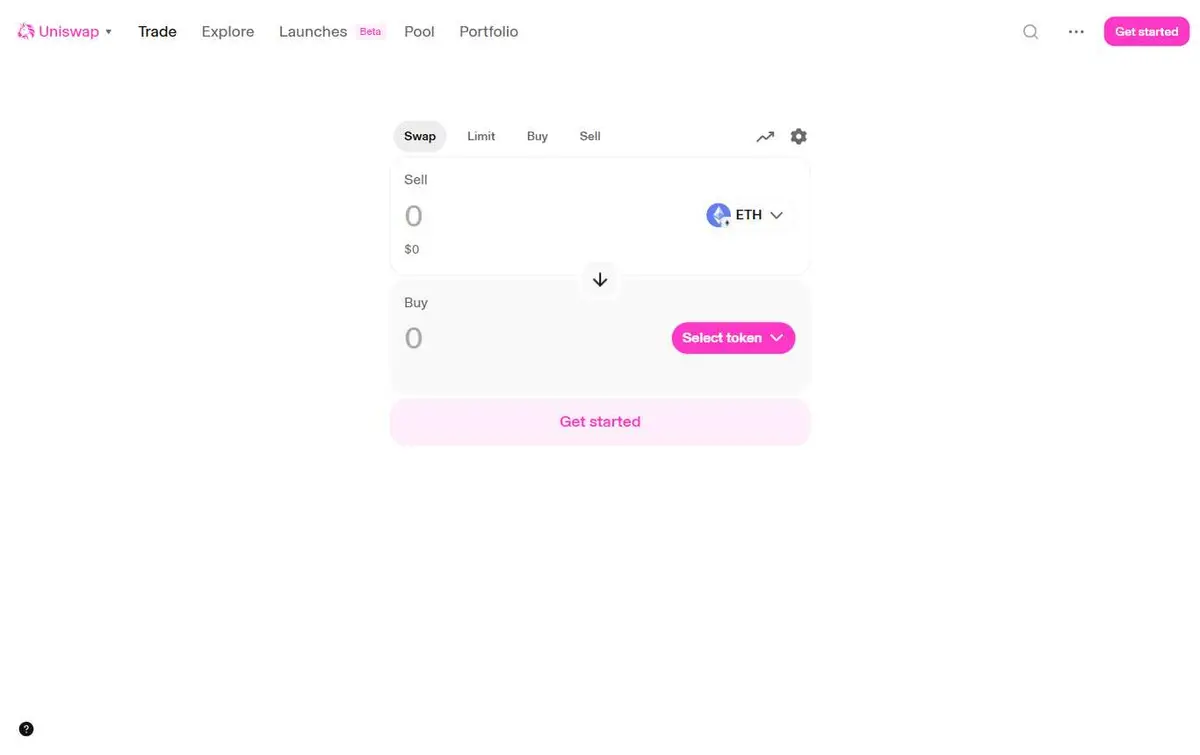
No barrier Uniswap · Trading app
Mexico: the swap app loads with no barrier
“Buy, sell & trade”
 CRYPTORESTRICTIONS
Who regulates crypto in Mexico?
Banxico keeps banks and fintech institutions away from crypto, the CNBV authorises the fintech institutions, and SAT and the Financial Intelligence Unit (UIF) police the exchanges under the anti-money-laundering law.
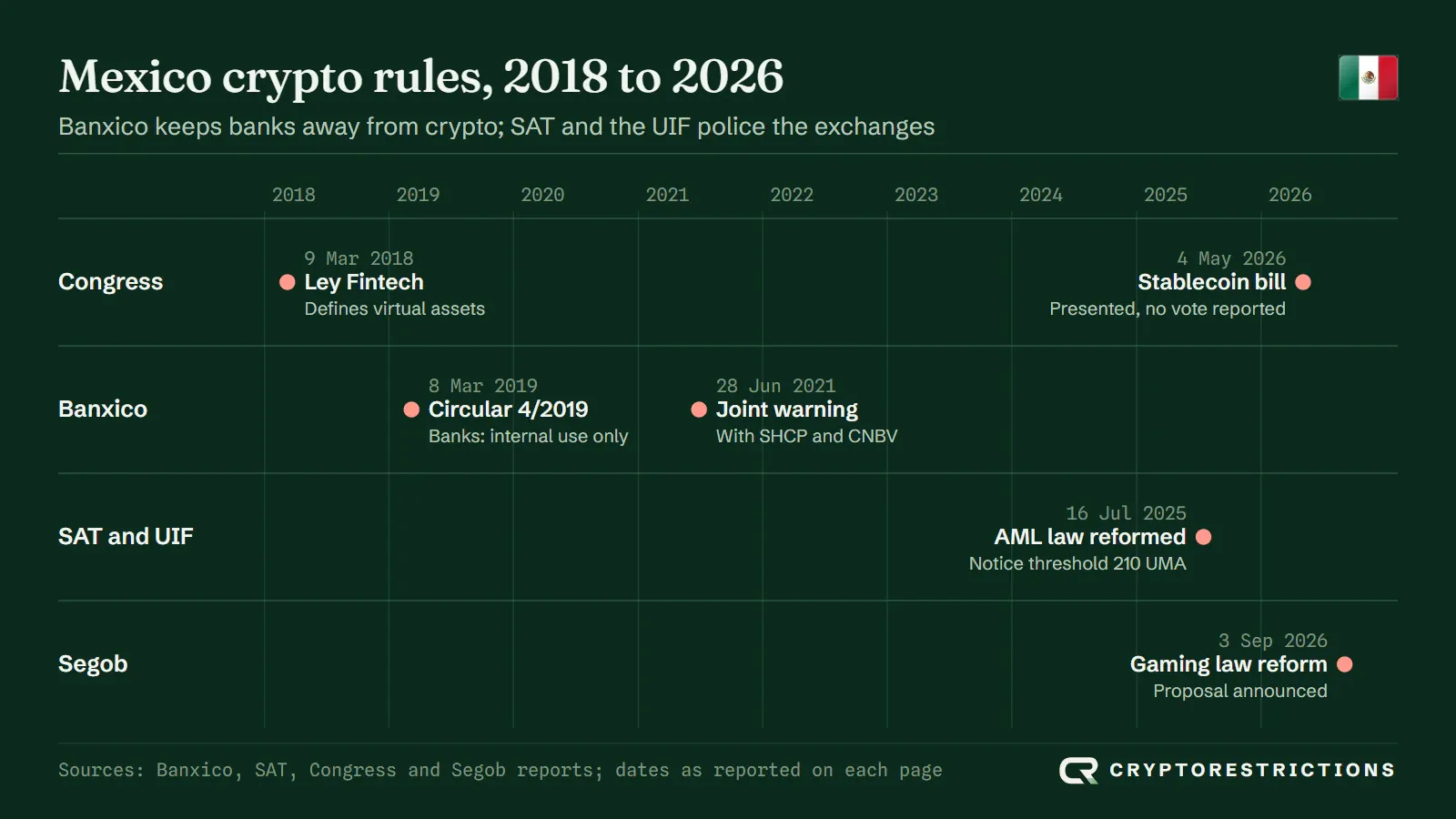
- Banxico. Sets what banks and fintech institutions may do with virtual assets through Circular 4/2019, and decides which assets fintech institutions may handle.
- CNBV. Authorises and supervises the fintech institutions; its pages do not mention crypto exchanges.
- SAT and the UIF. SAT runs the vulnerable-activities portal where exchanges register, and the notices go to the UIF. A user who only buys virtual assets is not an obligated person, says SAT’s FAQ. Dealing in virtual assets requires identification of every client, and a notice is due at 210 UMA, which is MXN 24,635.10 with the UMA at MXN 117.31 from 1 February 2026. A reform published on 16 July 2025 cut the threshold from 645 UMA, according to a law-firm summary; SAT’s pages confirm the 210 UMA figure but we did not read the decree.
- Congress. Senator Alejandro Murat presented a bill for peso stablecoins modelled on the US GENIUS Act in early May 2026, per Expansión. We found no committee report or vote.
- Segob. The interior ministry’s gaming office covers betting and draws; see the prediction markets section.
Which crypto products are limited in Mexico?
Derivatives are the one product we found closed: Gemini does not offer them to Mexico. Banks and fintech institutions cannot offer crypto services to the public at all, and Coinbase says stocks and prediction markets are unavailable here.
- Derivatives. Mexico is not on Gemini’s list of countries for perpetuals. Hyperliquid and Aster load perpetuals in our test and do not exclude Mexico in their terms.
- Bank products. Under Circular 4/2019 a bank or fintech institution cannot give clients exchange, transmission or custody of virtual assets, so crypto sits with registered exchanges instead. The 2021 release adds that financial institutions may not offer stablecoin balances from public deposits.
- Pesos. Kraken takes MXN deposits by SPEI with no fee but converts them to USD, because MXN cannot be held in a Kraken account. It requires a CURP or RFC and a CLABE account number.
- Stocks and prediction markets. Coinbase showed us a notice that both are unavailable in Mexico.
For other platforms we hold no Mexico-specific product source.
Are prediction markets legal in Mexico?
No Mexican rule covers them that we found. Polymarket and Kalshi accept Mexican users on their own terms, but the gaming law requires a permit for bets and draws and Segob announced a reform on 3 September 2026.
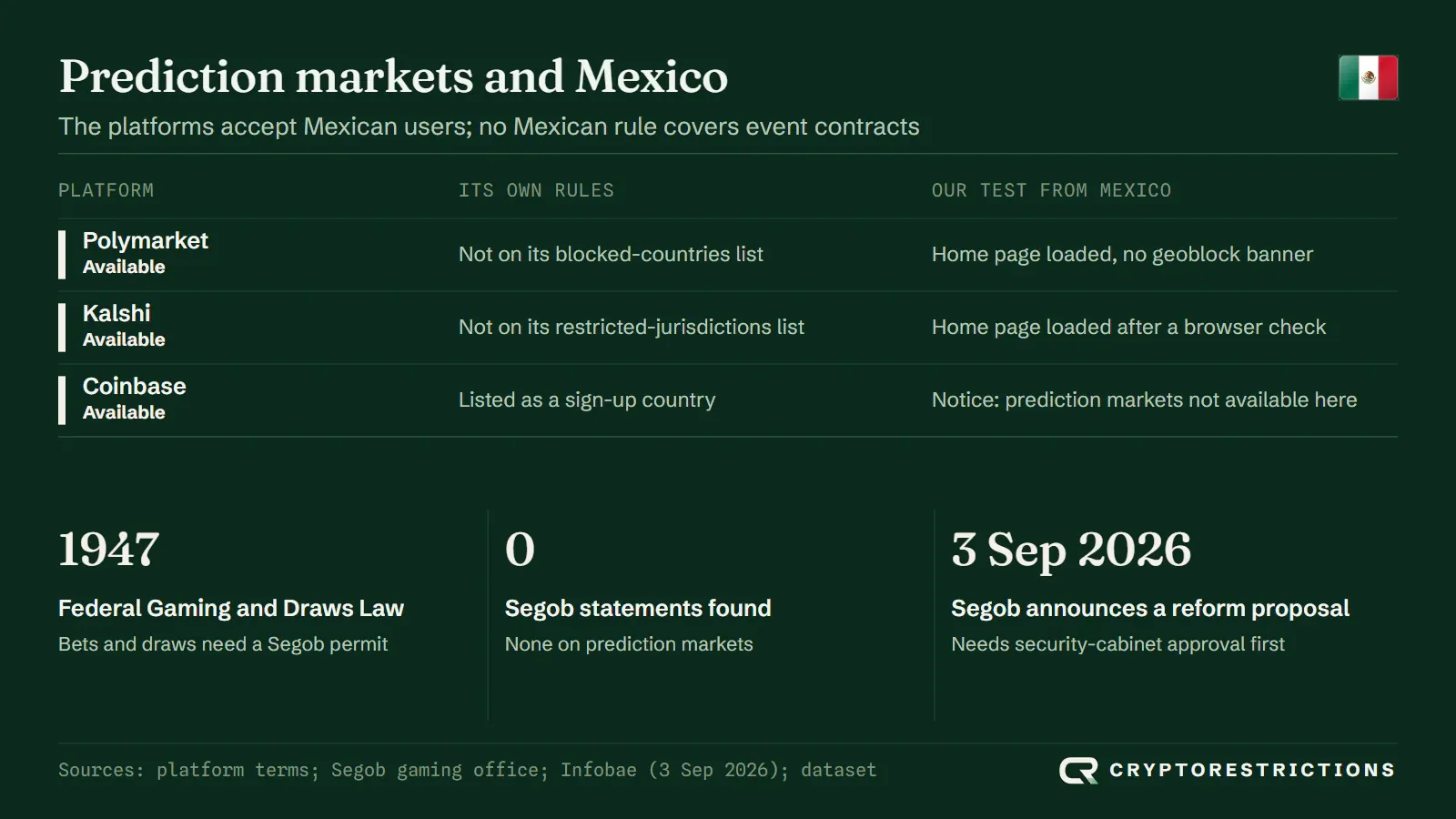
Segob’s gaming office says bets and draws need an express Segob permit under the Federal Gaming and Draws Law of 1947. We could not open the statute, and the law does not mention prediction markets, according to commercial summaries. We found no Segob, UIF or CNBV statement or block order naming Polymarket or Kalshi.
On 3 September 2026 the interior secretary announced a proposal to update the law, which still needs security-cabinet approval before it goes to the legislature, according to Infobae. The same report says the gaming office suspended 10 online casino domains in July 2026, which shows it can act against online operators. Until a rule or an order says otherwise, whether an event contract counts as a bet is unsettled.
How is crypto taxed in Mexico?
There is no crypto-specific tax: a sale is treated like the sale of goods and the gain joins your income, taxed on the annual table of 1.92% to 35%. The buyer is expected to withhold a 20% provisional payment.
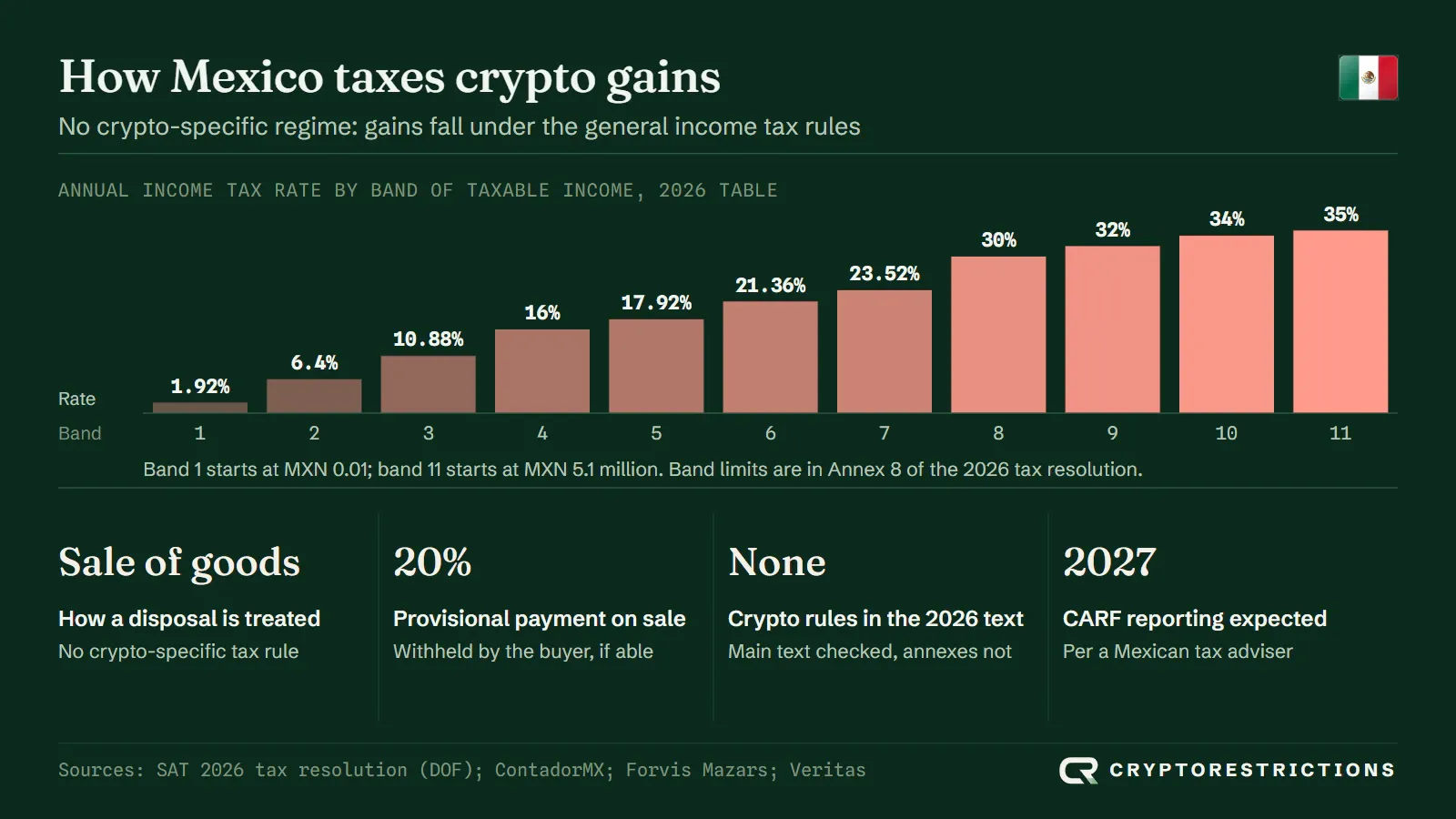
We could not open the tax statutes (diputados.gob.mx refused our connection), so these points come from tax advisers and not from the law. Forvis Mazars says the income tax, VAT and federal tax code contain no crypto-specific provisions, treats disposals as sales of goods, and describes a 20% provisional payment on the transaction amount that is adjusted in the annual return. Veritas adds that the buyer withholds it under article 126 of the income tax law, or the seller pays within 15 days if the buyer cannot, and that the gain is the price less an inflation-adjusted cost. Habitual trading is taxed as business income on net profit.
The rates are the marginal rates of the annual table for individuals, which ContadorMX reproduces for 2026: 1.92% on the first band from MXN 0.01, rising to 35% from MXN 5,107,703.93. The 2026 update factor is published in Annex 8 of the tax resolution, and we did not check every band limit against it. We read the main text of the 2026 tax resolution and it does not mention virtual assets or the OECD Crypto-Asset Reporting Framework (CARF), though we did not read its annexes. Forvis Mazars says Mexico expects to join the CARF system fully from 2027; we found no domestic law for it. We could not confirm how VAT applies, whether losses offset gains, or any holding-period rule.


 Costa Rica
 Panama
 El Salvador
 Dominican Republic
 Puerto Rico
 Canada
 Bermuda
 British Virgin Islands
 Cayman Islands
 Jamaica
 Saint Lucia