Is crypto legal in Ukraine?
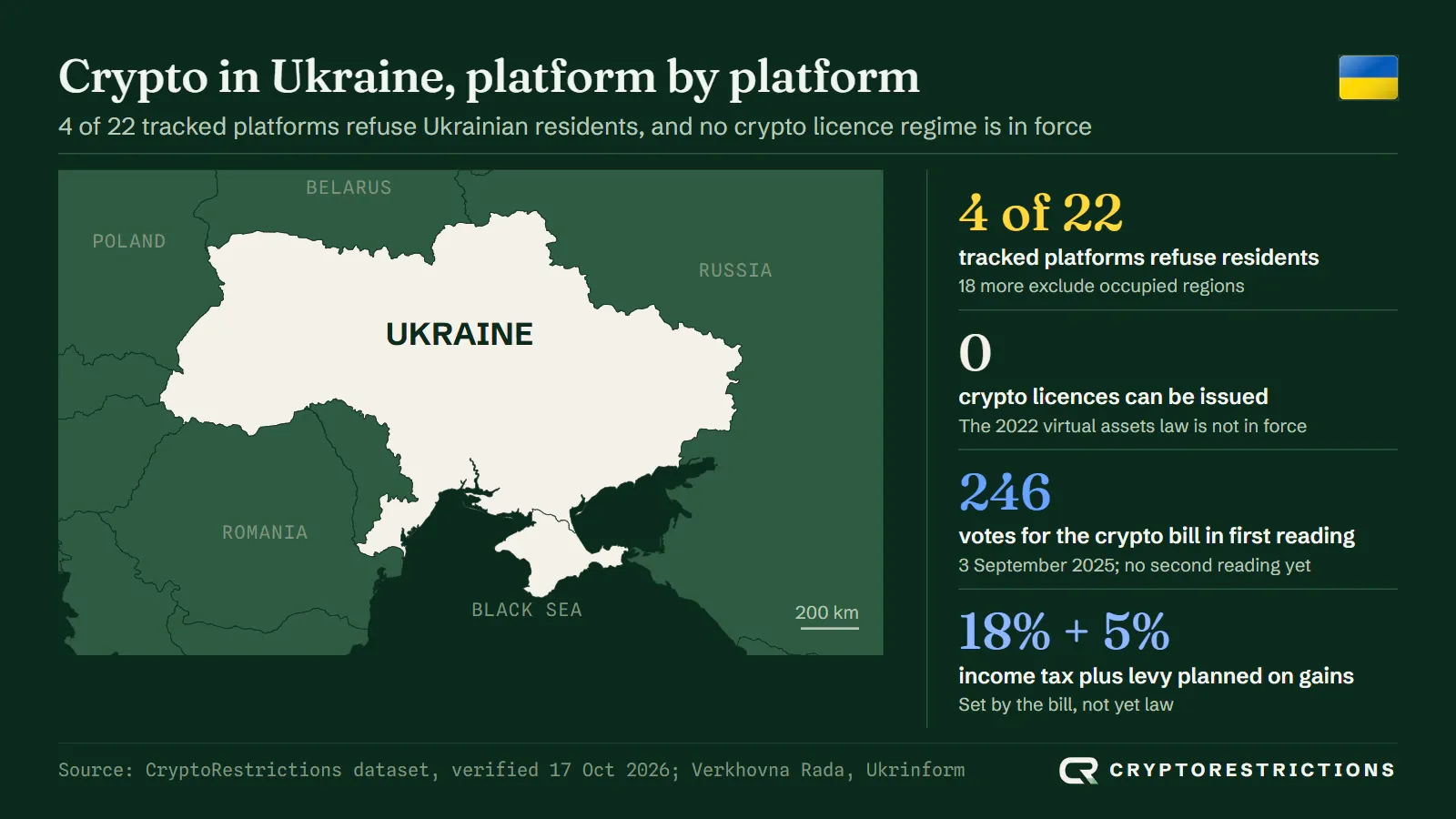
Holding and trading crypto is not banned, but nothing regulates it yet: the 2022 virtual assets law was signed on 16 March 2022 and is still not in force, so Ukraine has no crypto licences and no crypto-specific tax.
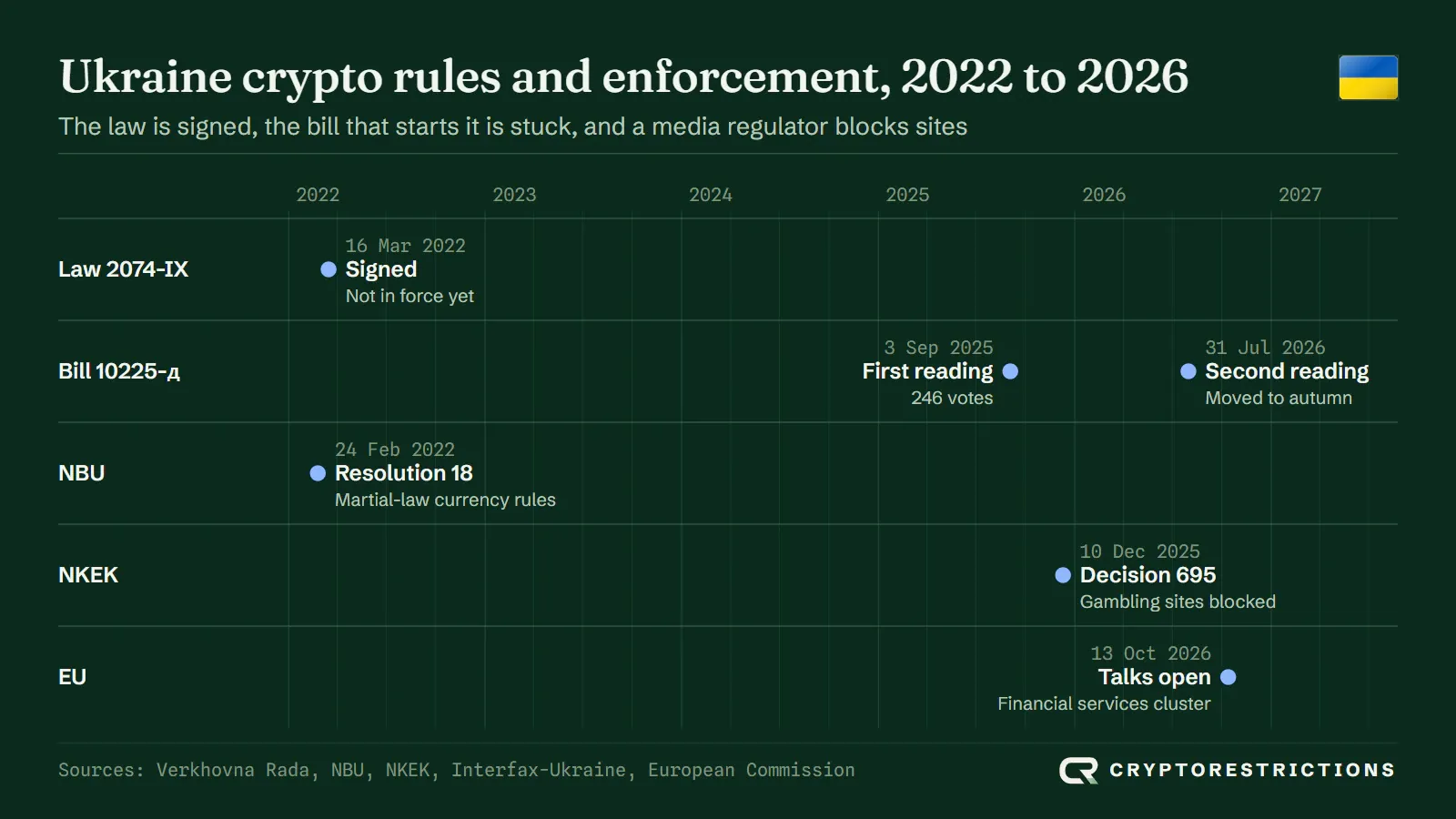
The Rada adopted Law 2074-IX on 17 February 2022, and the President signed it on 16 March 2022. Its own status page on the Rada’s legal database still reads “not in force”. The law starts only once the Tax Code is amended to tax virtual assets, a condition the securities regulator spelled out in January 2023. We found no Ukrainian law that bans holding or trading crypto.
That tax change is part of bill 10225-д, a new virtual assets law that also changes the Tax Code. It passed its first reading on 3 September 2025 with 246 votes and had the Tax Code changes pencilled in for 1 January 2026, a date that passed without a second reading. On 31 July 2026 a member of parliament said the floor vote had slipped to the autumn, because the bill had again failed the ministries’ approval and the votes were in doubt. We found no vote after that by 18 October 2026, but we could not open the Rada’s bill card, so check it for later steps.
Spending is a separate matter. The National Bank’s Resolution 18 of 24 February 2022 set the currency limits that apply during martial law. Ukrainian press reports that it also limits buying crypto by card, and DL News reported that Binance stopped hryvnia trading on 20 March 2023 after a restriction on converting hryvnia into crypto. We did not find the crypto rule in the resolution text itself.
Which crypto exchanges work in Ukraine?
Thirteen of the exchanges we track serve Ukrainians outside the occupied regions, but none holds a Ukrainian licence, because no licensing regime exists. Gemini is the one tracked exchange that refuses Ukraine.
Under the 2022 law the securities regulator would license providers, but with the law not in force there is nothing to apply for, so no platform can hold a licence. We could not open the NSSMC or National Bank registers, so that rests on the law’s status and not on seeing an empty register. Binance told Minfin in May 2026 that it would set up a Ukrainian legal entity once the law takes effect, which means it has none today. We found no local entity or registration for OKX, Kraken, Bybit, Coinbase, Bitstamp, Crypto.com, KuCoin, Bitget, Gate, MEXC, HTX or Bitfinex.
What decides access in practice is each platform’s own terms, which are mostly sanctions-driven and regional. Section 6 below sets out which regions each one excludes. Gemini is on neither of its lists of supported countries, so it refuses Ukraine altogether.

Best crypto platforms for Ukrainian residents
By our access score, 17 of the 18 scored platforms tie at 6.3 out of 10 for Ukrainian residents, because each is limited by regional exclusions and none can hold a licence. Coinbase is lowest at 5.8, after its product notice in our test.
The score rates how fully a Ukrainian resident can use each platform, not its fees or safety. It is computed from our data and moves when a row changes: access status (4 points), the share of the platform’s products open here (3), the Ukrainian licences we hold on file (2) and what our geo-access test saw from a Ukrainian address (1). No platform earns the licence points, because none can be licensed. Platforms that refuse Ukrainian residents are not scored. The full method is on our methodology page.
Exchanges

Binance
Best for The widest product list on a global exchange
6.3/10- Access
- 3/4
- Products
- 2.3/3
- Licences
- 0/2
- Our test
- 1/1
Read our Binance reportPros
- Only Crimea, Donetsk and Luhansk are on its prohibited-countries list
- Plans a Ukrainian legal entity once the law takes effect
Cons
- No local entity or licence today

Bitfinex
Best for Spot access without a local company
6.3/10- Access
- 3/4
- Products
- 2.3/3
- Licences
- 0/2
- Our test
- 1/1
Read our Bitfinex reportPros
- Excludes five occupied regions and serves the rest
Cons
- No local entity or licence

Bitget
Best for Spot and derivatives on a global exchange
6.3/10- Access
- 3/4
- Products
- 2.3/3
- Licences
- 0/2
- Our test
- 1/1
Read our Bitget reportPros
- Only Crimea, Donetsk, Luhansk, Kherson and Zaporizhzhia are prohibited
Cons
- No local entity or licence

Bitstamp
Best for Plain spot trading
6.3/10- Access
- 3/4
- Products
- 2.3/3
- Licences
- 0/2
- Our test
- 1/1
Read our Bitstamp reportPros
- Excludes five occupied regions and serves the rest
Cons
- Our test loaded the page, but it names more regions than Binance or OKX

Bybit
Best for Spot and derivatives on a global exchange
6.3/10- Access
- 3/4
- Products
- 2.3/3
- Licences
- 0/2
- Our test
- 1/1
Read our Bybit reportPros
- Excludes only Crimea and the occupied parts of four regions
Cons
- Excludes more regions than most exchanges

Crypto.com
Best for Spot trading in an app
6.3/10- Access
- 3/4
- Products
- 2.3/3
- Licences
- 0/2
- Our test
- 1/1
Read our Crypto.com reportPros
- Only five occupied regions are on its App and spot lists
Cons
- No local entity or licence

Gate
Best for A wide coin list on a global exchange
6.3/10- Access
- 3/4
- Products
- 2.3/3
- Licences
- 0/2
- Our test
- 1/1
Read our Gate reportPros
- Only Crimea, Luhansk and Donetsk are restricted
Cons
- No local entity or licence

HTX
Best for A wide coin list with a long regional list to weigh
6.3/10- Access
- 3/4
- Products
- 2.3/3
- Licences
- 0/2
- Our test
- 1/1
Read our HTX reportPros
- The rest of Ukraine is not on its restricted list
Cons
- Names six regions, including Sevastopol

Kraken
Best for Spot trading on a global exchange
6.3/10- Access
- 3/4
- Products
- 2.3/3
- Licences
- 0/2
- Our test
- 1/1
Read our Kraken reportPros
- Ukraine is served outside Crimea, Donetsk and Luhansk
- Sign-up loaded in our test
Cons
- No local entity or licence

KuCoin
Best for A wide coin list on a global exchange
6.3/10- Access
- 3/4
- Products
- 2.3/3
- Licences
- 0/2
- Our test
- 1/1
Read our KuCoin reportPros
- Excludes five occupied regions and serves the rest
Cons
- No local entity or licence

MEXC
Best for Spot access with a long regional list to weigh
6.3/10- Access
- 3/4
- Products
- 2.3/3
- Licences
- 0/2
- Our test
- 1/1
Read our MEXC reportPros
- The rest of Ukraine is not on its prohibited list
Cons
- Names six Russian-controlled regions
- Its terms were updated on 13 October 2026

OKX
Best for Spot trading from a global brand
6.3/10- Access
- 3/4
- Products
- 2.3/3
- Licences
- 0/2
- Our test
- 1/1
Read our OKX reportPros
- Only Crimea, Donetsk and Luhansk are on its restricted list
Cons
- No local entity or licence

Coinbase
Best for A regulated brand with Ukraine as a sign-up country
5.8/10- Access
- 3/4
- Products
- 2.3/3
- Licences
- 0/2
- Our test
- 0.5/1
Read our Coinbase reportPros
- Ukraine is a listed sign-up country in its identity verification guide
Cons
- Our test showed a notice that stocks and prediction markets are not available
Prediction markets

Polymarket
Best for Event markets, with a national provider block to weigh
6.3/10- Access
- 3/4
- Products
- 2.3/3
- Licences
- 0/2
- Our test
- 1/1
Read our Polymarket reportPros
- Its own list blocks only Crimea, Donetsk and Luhansk
- The site loaded in our test
Cons
- Ukrainian providers were ordered to restrict it in December 2025
DeFi
Hyperliquid
Best for Perpetuals from your own wallet
6.3/10- Access
- 3/4
- Products
- 2.3/3
- Licences
- 0/2
- Our test
- 1/1
Read our Hyperliquid reportPros
- Perpetuals and spot loaded in our test
- Only Crimea, Donetsk and Luhansk are covered by its terms
Cons
- No Ukrainian authority has addressed it, and no licence applies

Jupiter
Best for Solana swaps
6.3/10- Access
- 3/4
- Products
- 2.3/3
- Licences
- 0/2
- Our test
- 1/1
Read our Jupiter reportPros
- Only Crimea and Sevastopol are named
- The swap app loaded in our test
Cons
- No Ukrainian authority has addressed it, and no licence applies

PancakeSwap
Best for BNB Chain swaps and pools
6.3/10- Access
- 3.5/4
- Products
- 1.8/3
- Licences
- 0/2
- Our test
- 1/1
Read our PancakeSwap reportPros
- Swaps, pools and staking are not excluded by its terms
Cons
- PCS Perps is barred in all of Ukraine

Uniswap
Best for Swapping tokens from your own wallet
6.3/10- Access
- 3/4
- Products
- 2.3/3
- Licences
- 0/2
- Our test
- 1/1
Read our Uniswap reportPros
- Its terms bar only occupied regions
Cons
- Developers reported errors for every Ukrainian IP address in 2025
Which platforms block Ukrainian users?
Four of the 22 platforms we track refuse Ukrainian residents outright: Gemini, Kalshi, Lighter and Aster. Polymarket, PancakeSwap and Uniswap are limited by more than the occupied regions.
A refusal in a platform’s terms is not always enforced at the page. Aster named Ukraine in its terms yet its trading app loaded for us, so the rule would bite at identity checks or on the wallet side, which our test cannot see.
What our geo-access test saw from Ukraine
From a Ukrainian address on 14 and 16 October 2026 we loaded 21 of the 22 platforms we track (Gemini was not tested): 18 loaded with no barrier, 1 showed a notice and 2 refused us.
Kalshi and Lighter were the two pages that refused, each saying outright that Ukraine is a restricted place. Coinbase was the one page with a notice, saying stocks and prediction markets are not available. An open page is not permission, and a block ordered at Ukrainian internet providers may not reach a VPN server, so Polymarket loaded for us despite the December 2025 order. Swipe through the screenshots below; each card quotes what the page showed.
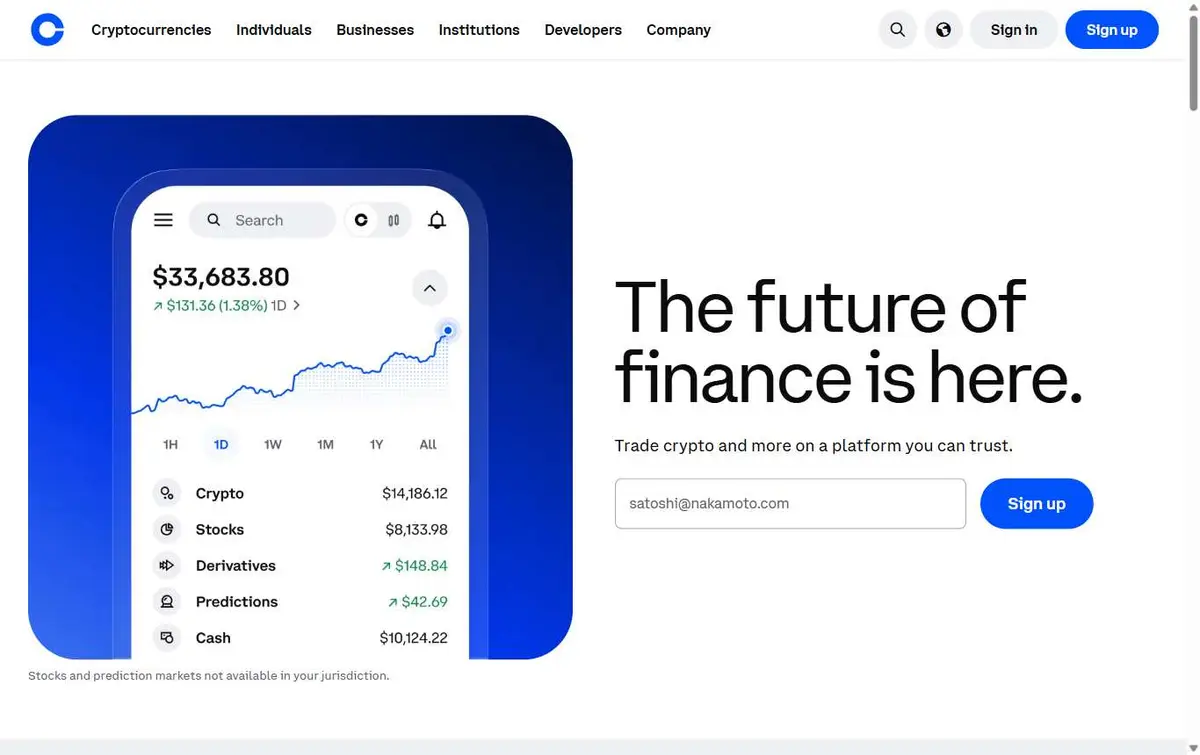
Notice shown Coinbase · Home page
Ukraine, limited only in its occupied regions, gets the same product notice
“Stocks and prediction markets not available in your jurisdiction.”
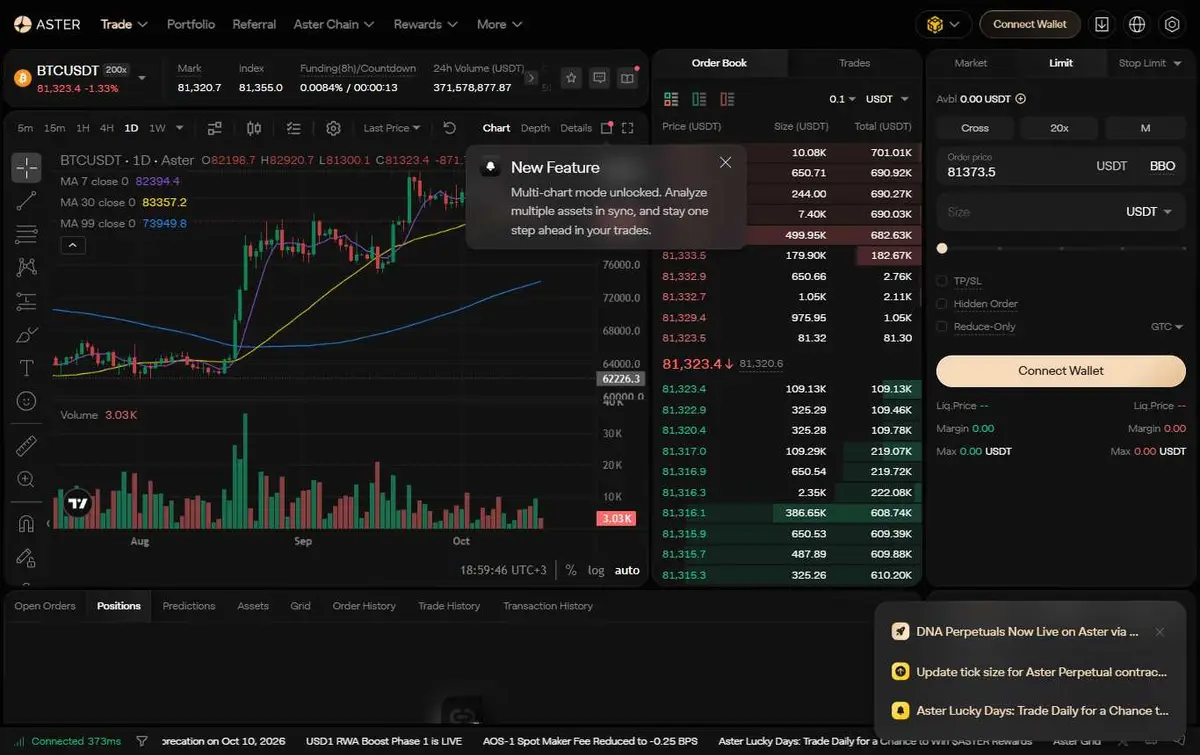
No barrier Aster · Trading app
Ukraine, named as a whole country in the terms: no barrier
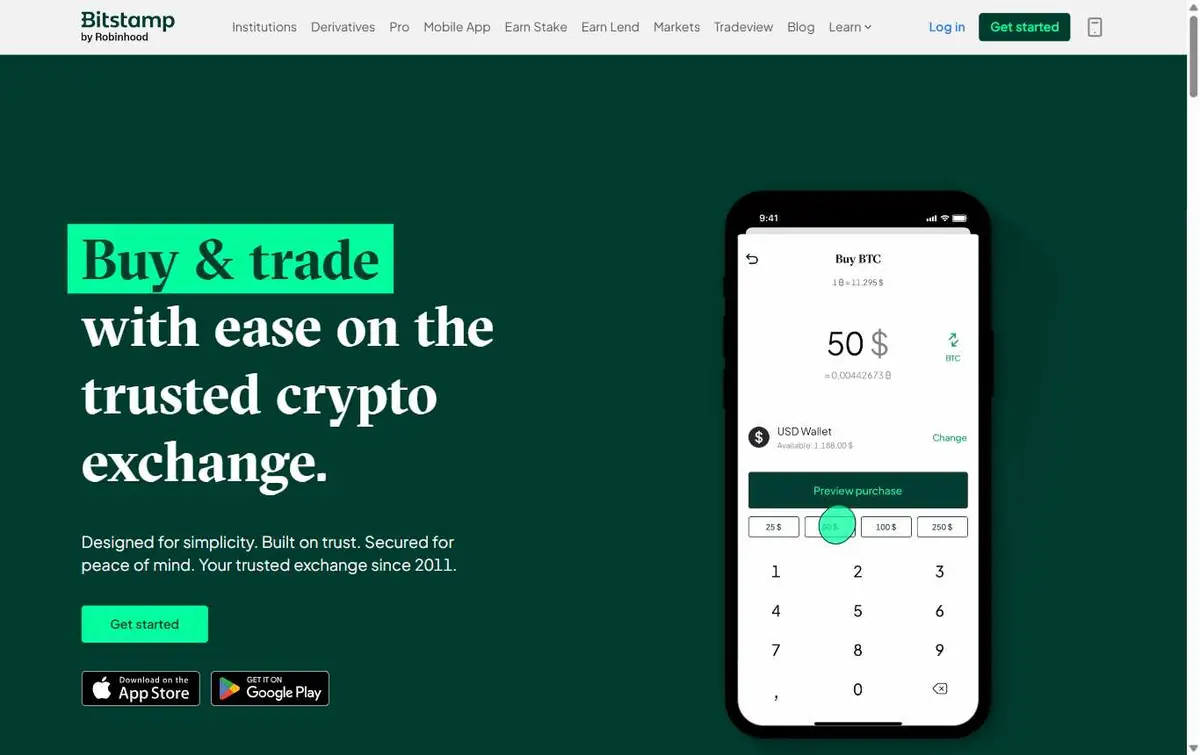
No barrier Bitstamp · Home page
Ukraine, limited only in five occupied regions, loads with no notice
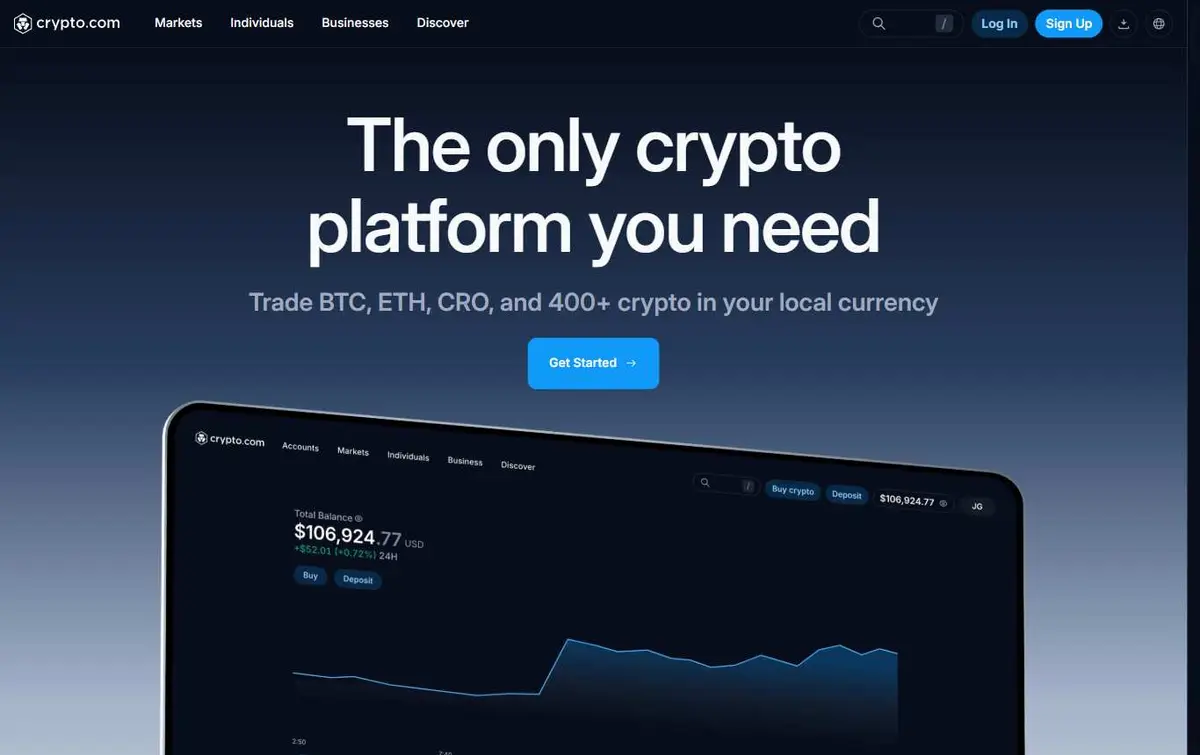
No barrier Crypto.com · Home page
Ukraine loads normally; only five occupied regions are excluded
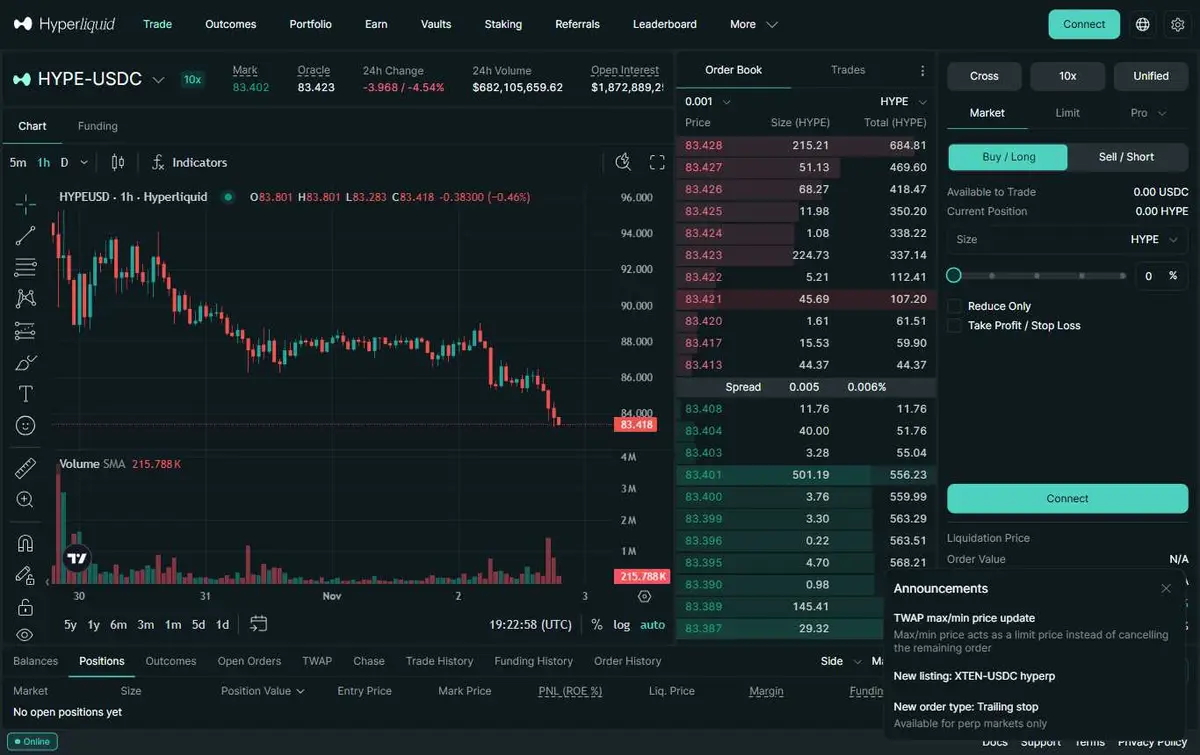
No barrierHyperliquid · Trading app
Ukraine loads in full; only Crimea, Donetsk and Luhansk are excluded by the terms
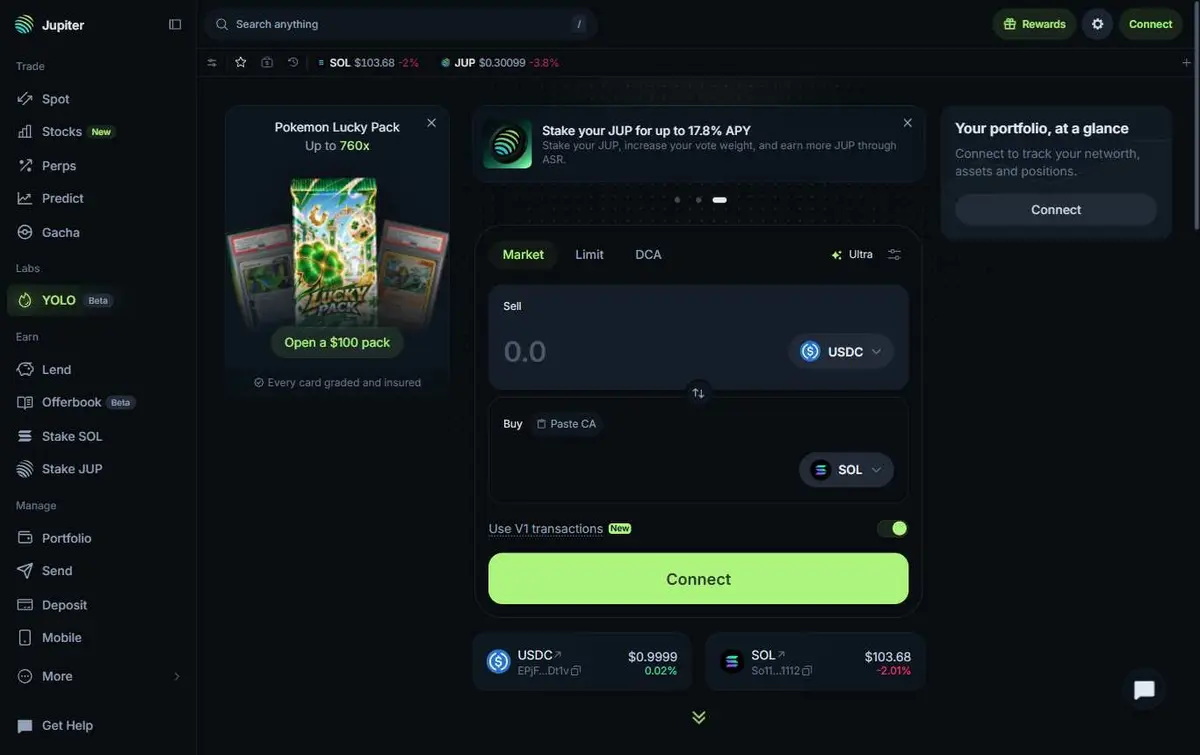
No barrier Jupiter · Trading app
Ukraine, where only Crimea and Sevastopol are named: loads normally
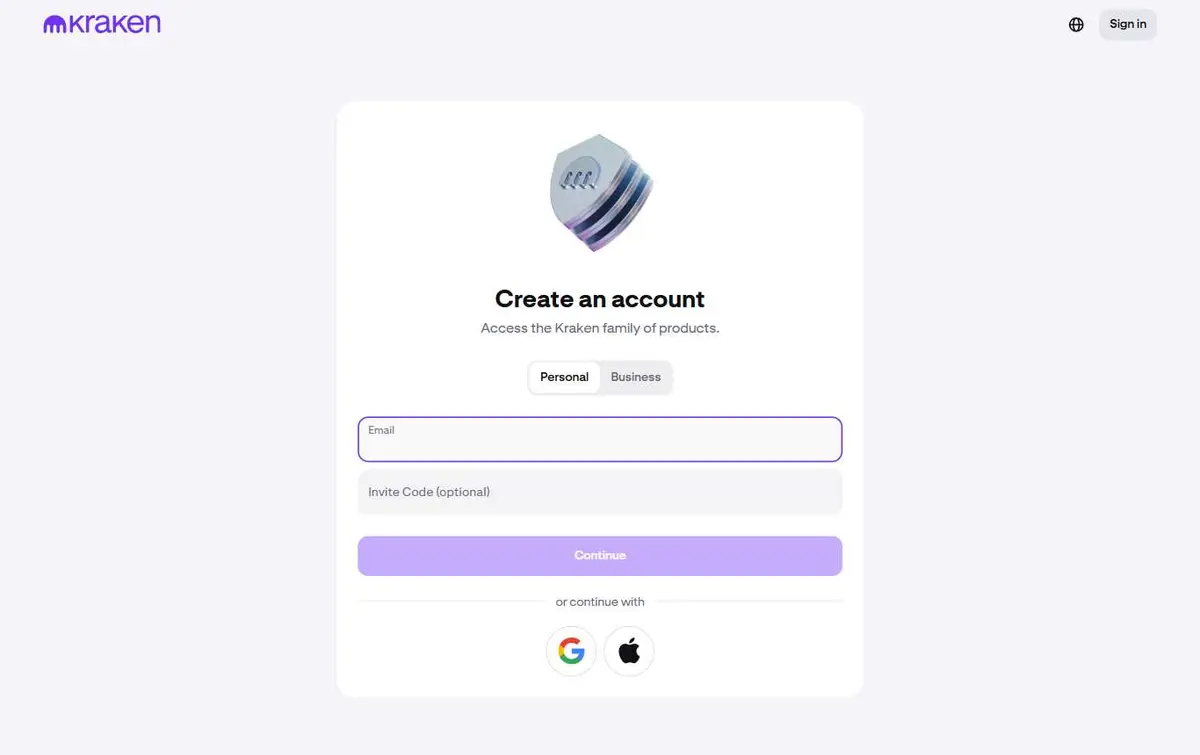
No barrier Kraken · Sign-up page
Ukraine is served outside Crimea, Donetsk and Luhansk
“Create an account”
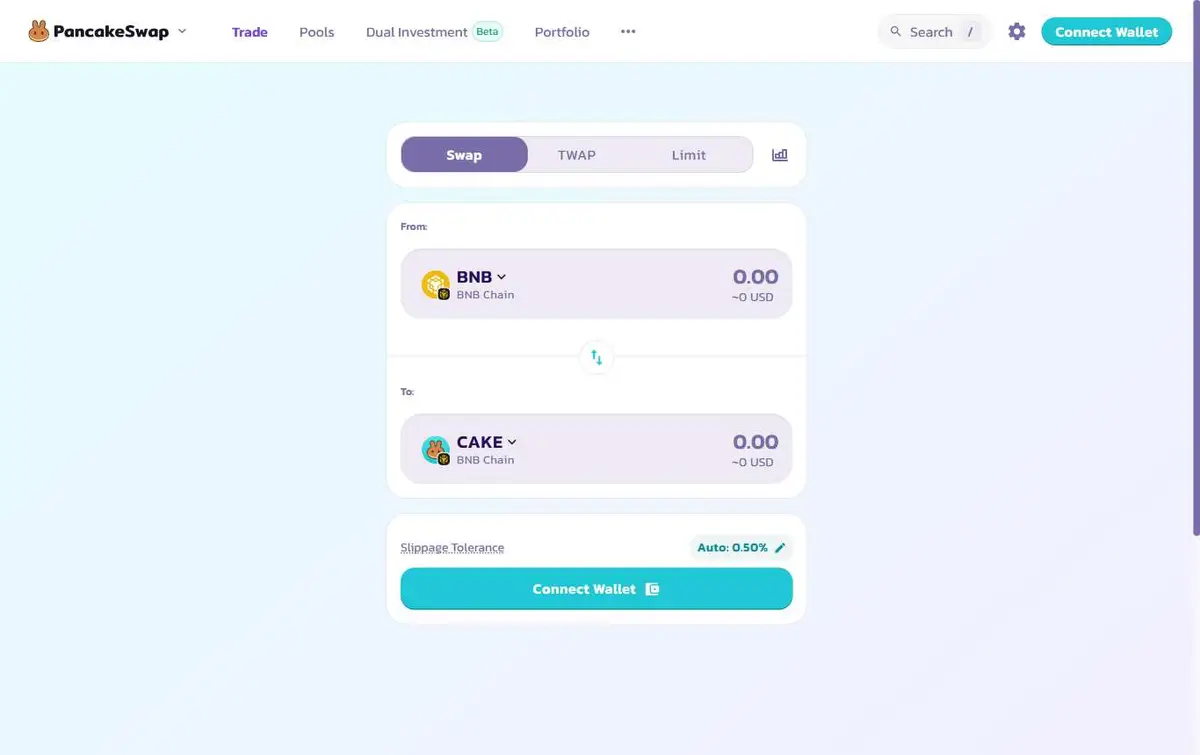
No barrier PancakeSwap · Trading app
Ukraine, limited because of occupied regions and perps: the page loads
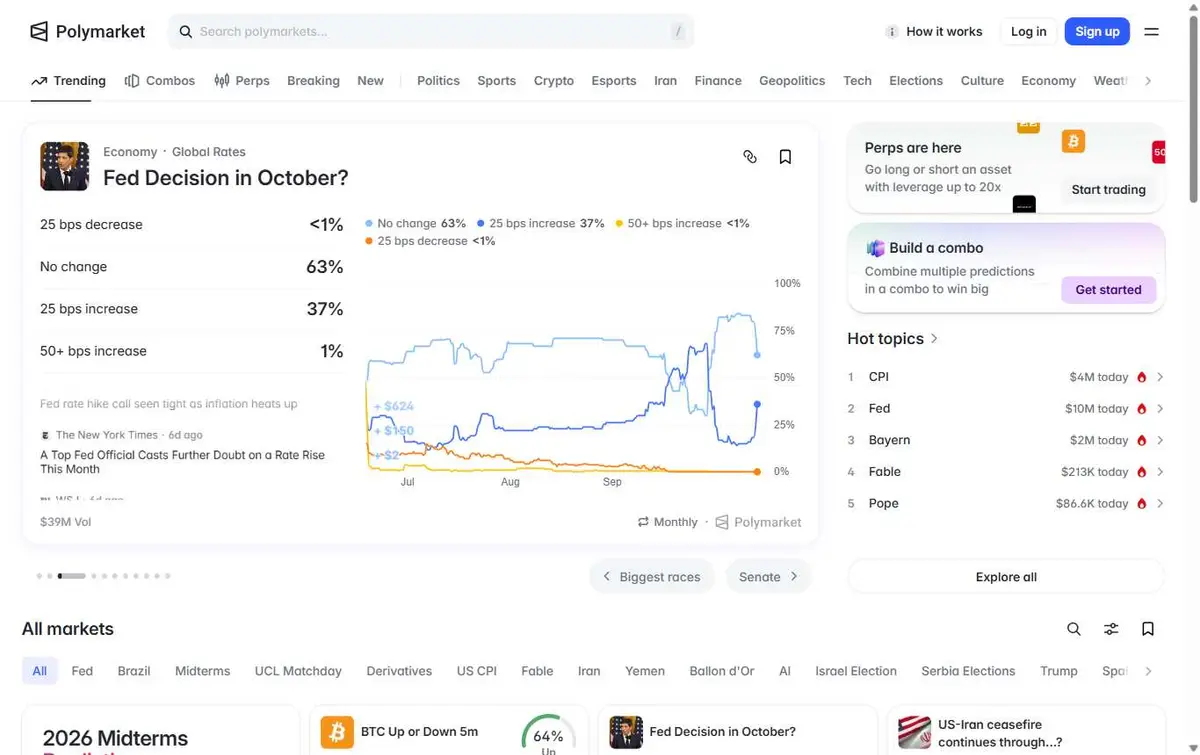
No barrier Polymarket · Home page
Ukraine, where only the occupied regions are on Polymarket's list: no barrier through our Ukrainian server
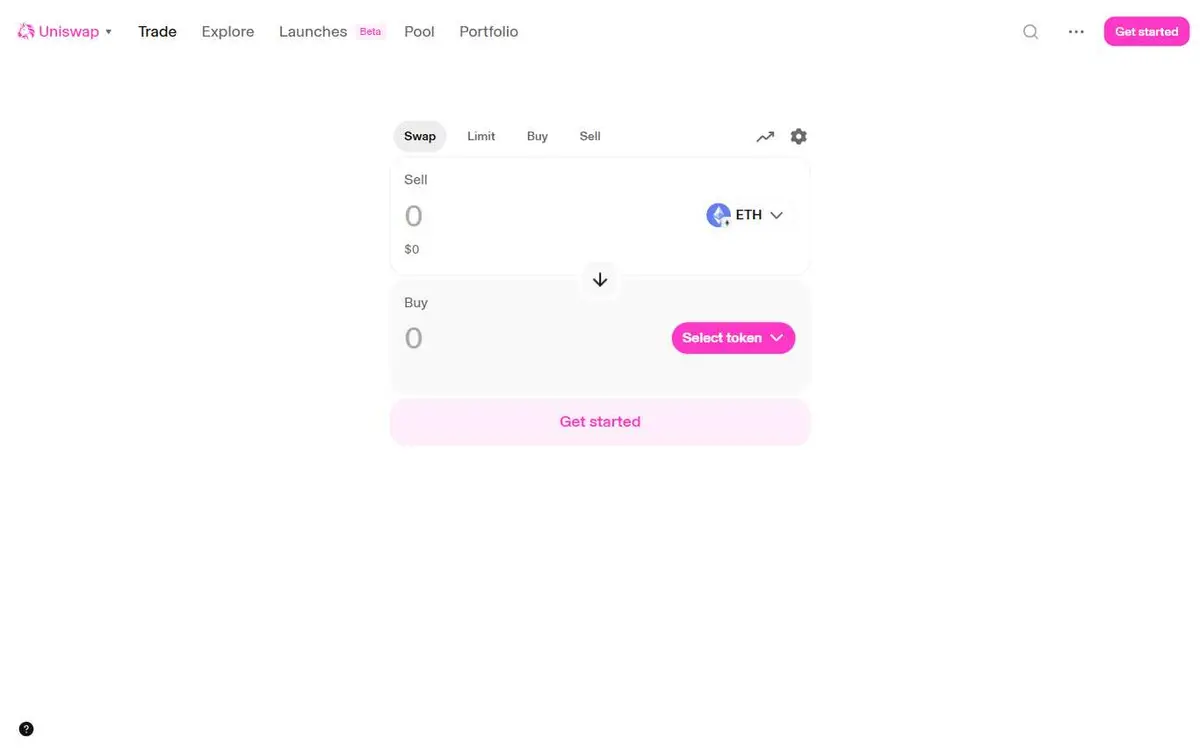
No barrier Uniswap · Trading app
Ukraine, where developers report an error at token selection: the swap page itself loads normally
 CRYPTORESTRICTIONS
Do crypto rules differ by region in Ukraine?
Not in Ukrainian law, but platforms treat Ukraine as a patchwork: all 18 limited platforms exclude Crimea, 16 name Donetsk and Luhansk, and 8 also name Kherson and Zaporizhzhia.
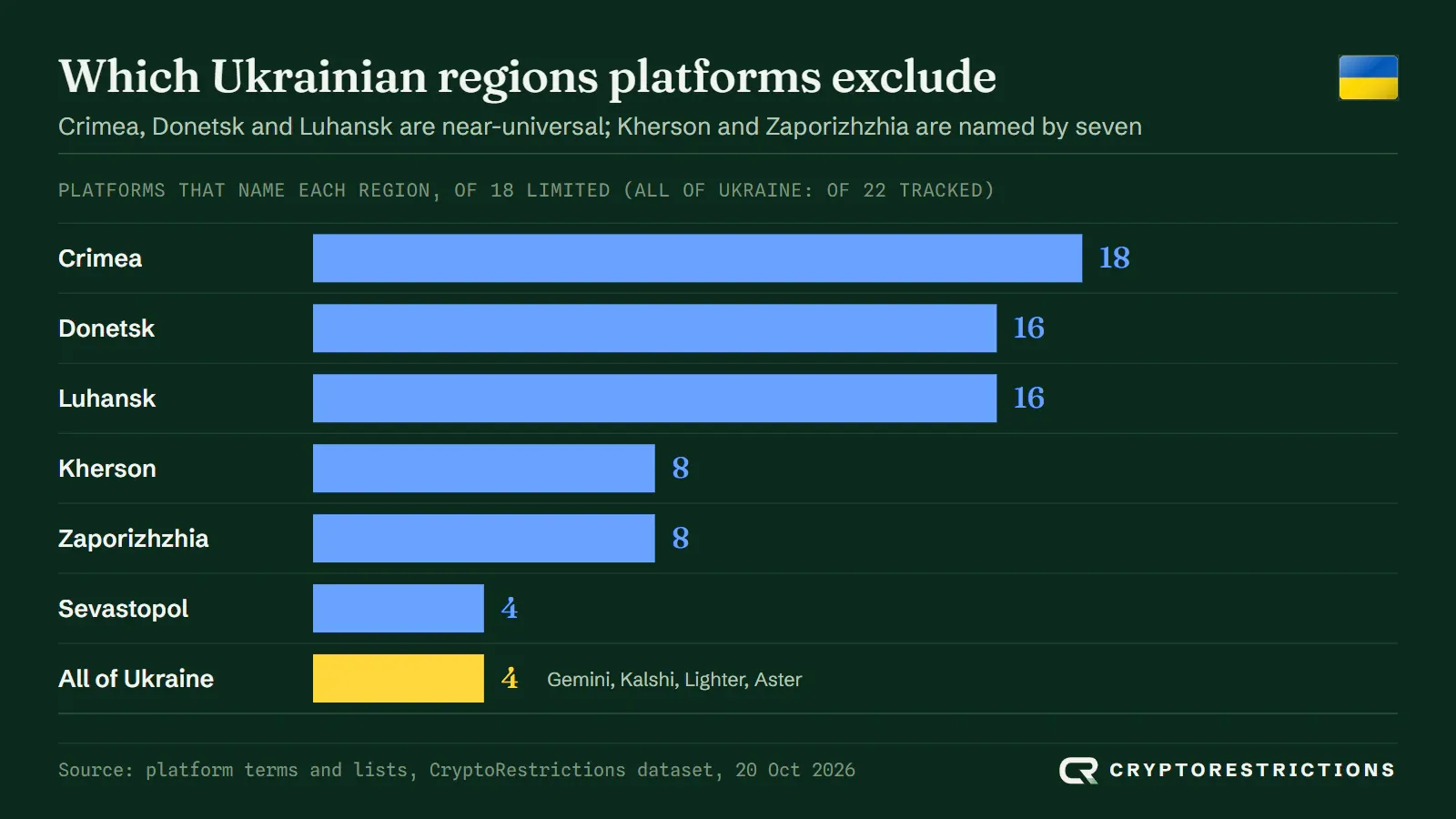
The exclusions follow the sanctions that cover the Russian-occupied areas. The US Treasury’s Ukraine-related and Russia-related sanctions programme embargoes Crimea, Donetsk and Luhansk, and Coinbase cites it for blocking them. The platforms that go further, Bybit, Crypto.com, Bitstamp, MEXC, KuCoin, HTX, Bitfinex and Bitget, add Kherson and Zaporizhzhia, and four (Bybit, MEXC, HTX and Jupiter) name Sevastopol on its own. PancakeSwap’s terms bar “Crimea and the other occupied regions” without a list, so the chart counts it for Crimea only. The rest of Ukraine is served by these 18.
Who regulates crypto in Ukraine?
No one regulates crypto yet. The 2022 law names the securities regulator (NSSMC) and the National Bank (NBU), but the ministries have not agreed how to split the work, and gambling sites are blocked by a separate media regulator.
- NSSMC. The National Securities and Stock Market Commission would license providers of virtual assets under the 2022 law, and its chair said in 2023 that the law would be amended to follow the EU’s MiCA rules. Which body leads under bill 10225-д is the open question: Interfax-Ukraine reports that the ministries had no consensus on dividing the work between the NBU and the NSSMC.
- NBU. The National Bank sets the currency rules under martial law and is given virtual assets that carry a currency value under the 2022 law. Minfin reported in August 2025 that the bank says crypto is not a means of payment and that only the hryvnia is legal tender; we did not read the bank’s own statement.
- Tax service. It would take the registration of providers and an annual report under the bill, described in the tax section below.
- NKEK. The national communications regulator ordered internet providers to restrict access to the gambling sites on a list from PlayCity; see the prediction markets section.
- EU accession. On 13 October 2026 the EU opened accession talks on the internal market cluster, which covers financial services. We found no official date for Ukraine to apply MiCA, and no screening dates for it.
Which crypto products are limited in Ukraine?
The gaps are in access, not products: spot trading is open outside the occupied regions, PancakeSwap’s perpetuals are barred country-wide, and Gemini closes everything.
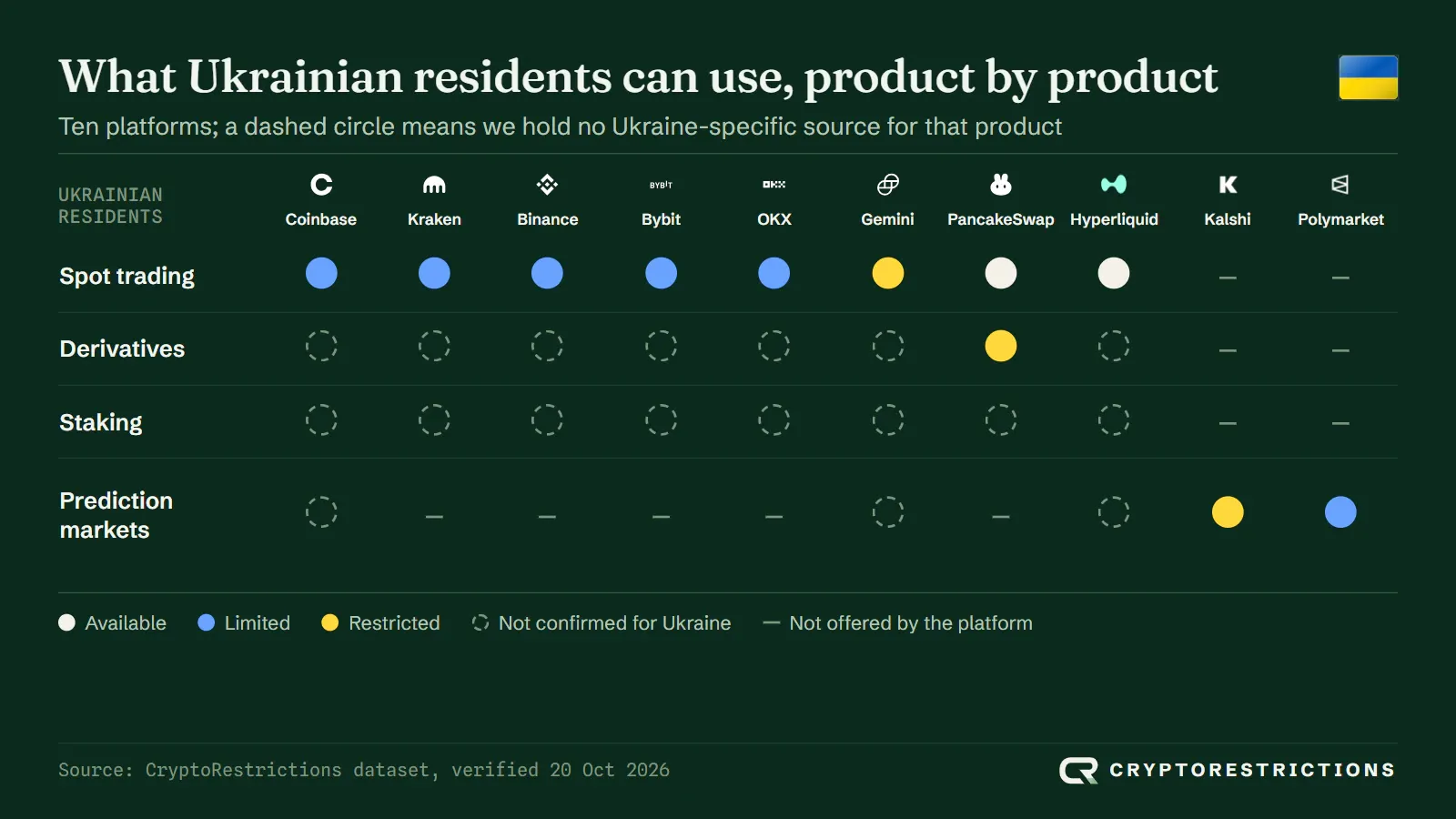
- Spot. Open on every serving platform in the matrix, limited only by the regional exclusions above.
- Derivatives. PancakeSwap’s perpetuals bar users located in or accessing from Ukraine, per its perps FAQ. Perpetuals on Hyperliquid loaded in our test. We hold no Ukraine-specific source for derivatives on the other platforms, so the matrix shows them as not confirmed.
- Hryvnia on-ramps. Reports say Binance stopped hryvnia trading in March 2023 after a National Bank restriction (see section 1). We found no primary text for that rule.
- Staking. We hold no Ukraine-specific source for any platform.
Are prediction markets legal in Ukraine?
Not for Polymarket in practice: an NKEK decision of 10 December 2025 told Ukrainian internet providers to restrict sites on a PlayCity gambling list, and the press reports polymarket.com on it. Kalshi refuses Ukrainians itself.
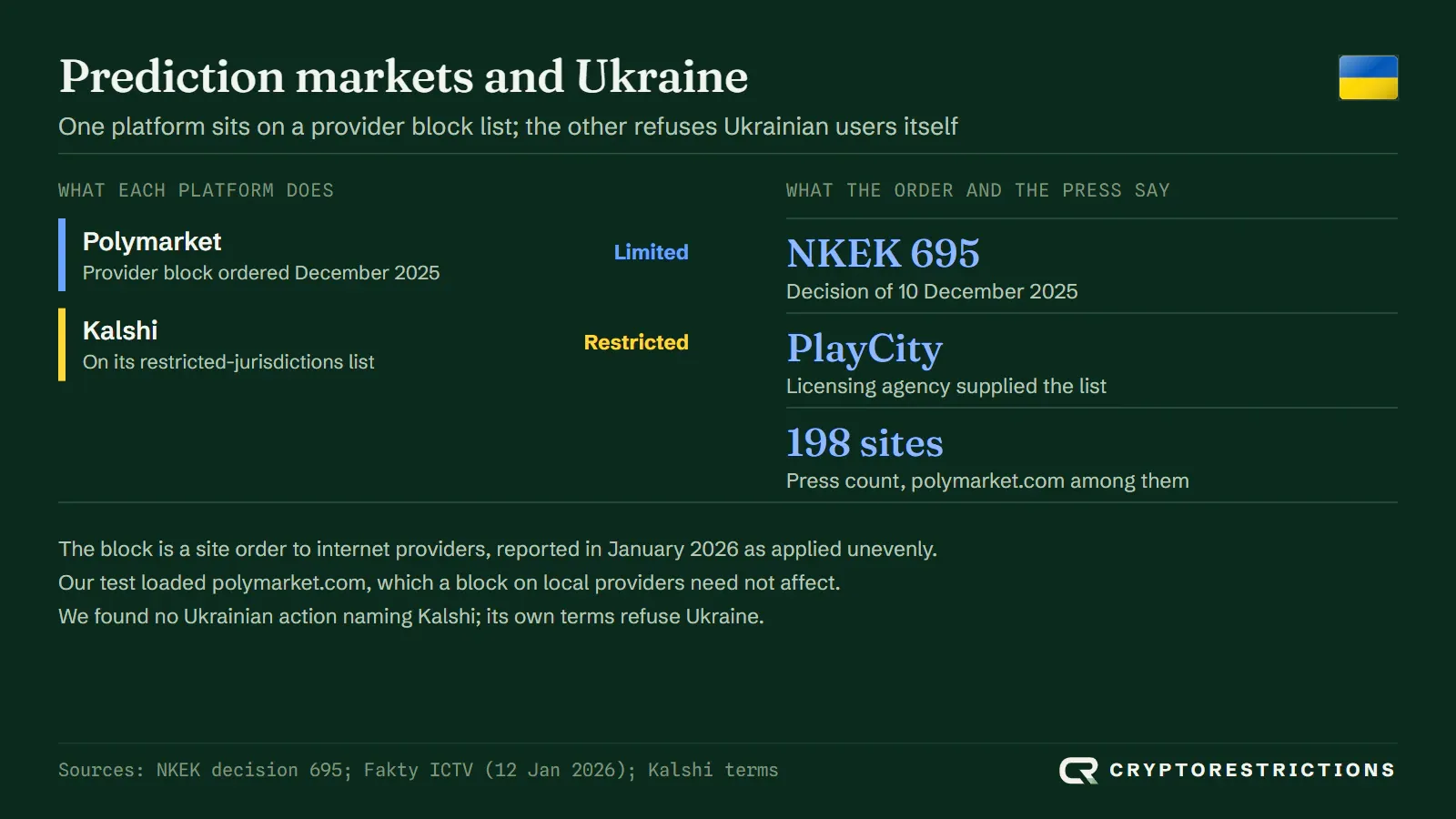
The gambling regulator is now PlayCity, a state agency that, per Altenar, replaced the old KRAIL commission in 2025; we found no KRAIL action against a prediction market. NKEK’s decision 695 obliges providers to restrict access to sites on the agency’s list and orders inspections if the agency reports non-compliance. The decision’s page does not name polymarket.com, because the list is in an annex we could not open. The Polymarket link rests on Fakty ICTV’s report of 12 January 2026, which counts polymarket.com and 197 other sites, and on CoinDesk the next day.
It is a site block, not a ban on the company, and Ukrainian press reported in January 2026 that it applied unevenly across providers. Polymarket loaded from a Ukrainian server in our test, which a block at local providers need not affect. Kalshi lists Ukraine among its restricted jurisdictions, and we found no Ukrainian authority naming it.
How is crypto taxed in Ukraine?
No crypto-specific tax is in force. Bill 10225-д would tax gains at 18% income tax plus a 5% military levy, with a 5% income tax rate in the first year, but it has not passed its second reading.
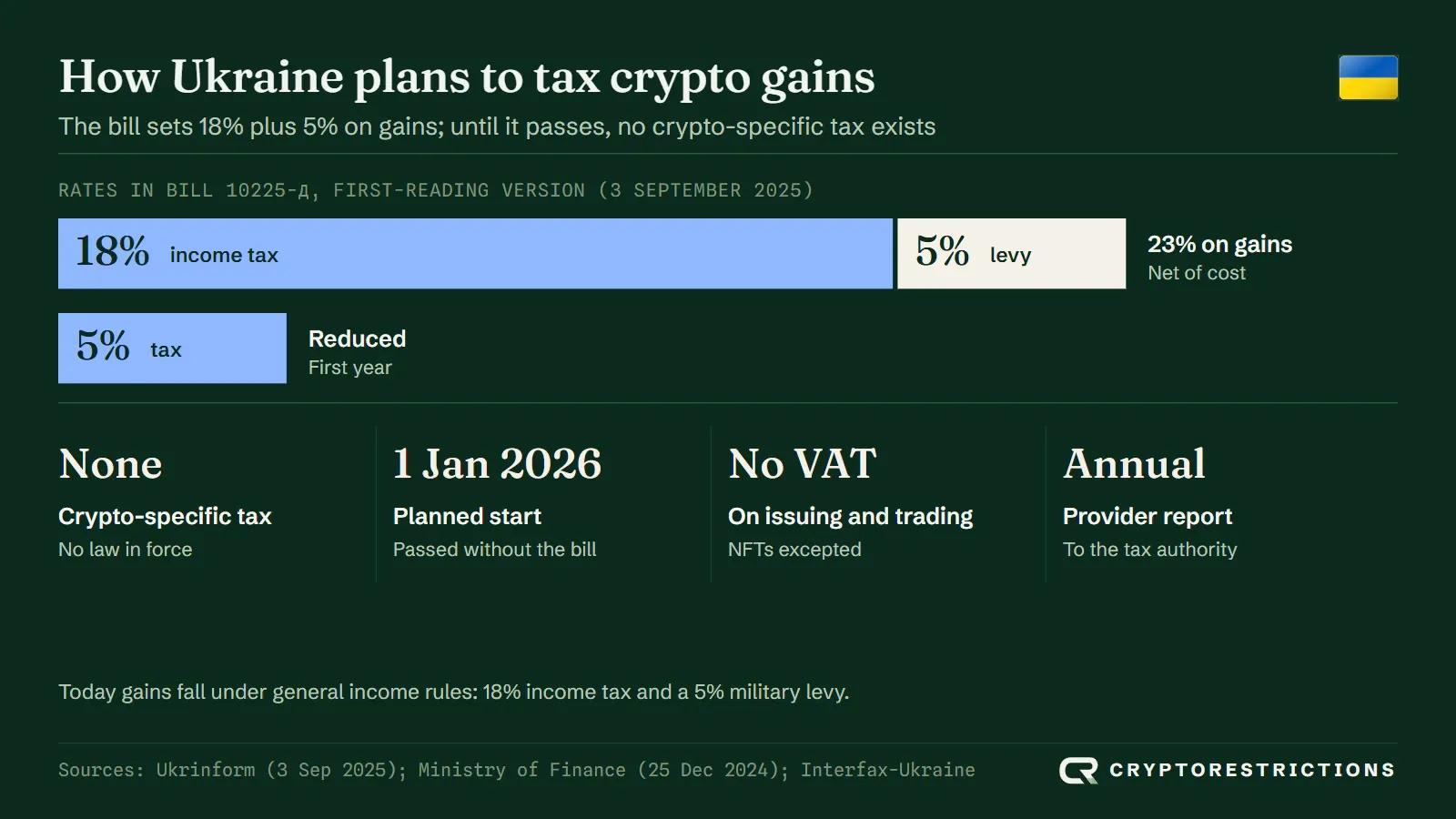
The first-reading version, as Ukrinform reported it on 3 September 2025, taxes the annual gain on virtual assets (sales minus purchase cost, with losses carried forward) at 18% plus the 5% military levy. A 5% rate applies in the first year, including to assets bought before the law and sold in 2026. Issuing, selling, exchanging and redeeming virtual assets are exempt from VAT, except NFTs. Providers serving Ukrainians would register with the tax authority and file an annual report on operations. The 10% and 25% figures in the coverage are reduced penalties for missing registration and reporting in 2026 and in 2027 to 2029, not tax rates.
The levy is real today: the Ministry of Finance confirmed that the military levy on individuals’ income is 5% from 1 December 2024. We did not find a tax service ruling that classes crypto gains, and Ukrainian regional tax offices were quoted by press as treating sale proceeds as general income, but we could not open those pages. We found no confirmed Ukrainian start date for OECD crypto reporting. Working out your position takes four steps:

 Serbia
 Turkey
 Switzerland
 Iceland
 Liechtenstein
 Norway
 Croatia
 Estonia
 Finland
 Greece
 Latvia