Is crypto legal in Russia?
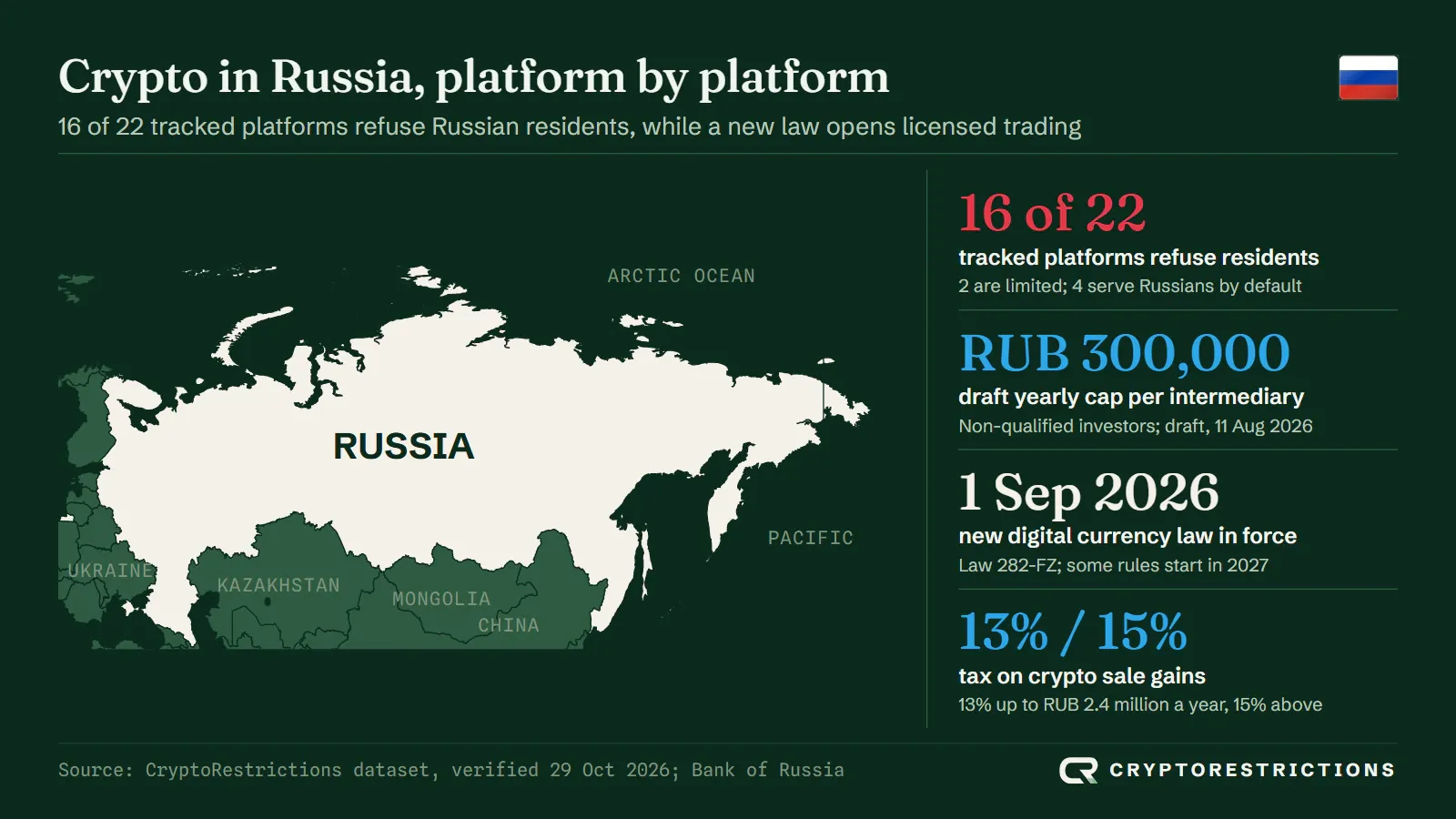
Yes, holding digital currency is legal, but accepting it as payment for goods and services inside Russia is not. A law signed on 4 August 2026 sets up licensed trading and took effect on 1 September 2026, with later dates for some rules.
Federal Law 259-FZ of 31 July 2020 defined digital currency as data in an information system that works as a means of payment or an investment, with no issuer behind it. Dechert’s 2021 note says it barred Russian entities and residents from accepting digital currency as payment for goods, works or services, and from advertising it as payment. That payment ban still stands. PGP’s summary of the new law says the ban is kept, with exceptions for foreign trade contracts, mining rewards and network fees.
The new law is Federal Law 282-FZ of 4 August 2026, On Digital Currencies and Digital Rights. ConsultantPlus lists its scope as the circulation, accounting and mining of digital currencies and of a new category called foreign digital instruments, plus the operators of exchanges, depositories and brokers. It lets a transfer be paused for 48 hours in some cases, lets the Government set a special regime, and takes effect on 1 September 2026 except for provisions with other dates. PGP reads it as moving trading to Bank of Russia registered intermediaries: exchangers must be in the register by 1 July 2027, and the 2020 law on digital financial assets stops applying in 2028. We could not open the law’s primary text, so the dates beyond 1 September 2026 rest on that law firm summary.
Two earlier laws cover narrower ground. The mining law, 221-FZ of 8 August 2024, set up a Federal Tax Service registry of miners from 1 November 2024, and individuals are exempt from registering below 6,000 kWh a month. Law 223-FZ, in force since 1 September 2024, created an experimental legal regime in which approved programs can settle foreign trade contracts in digital currency. Both are secondary summaries.
Criminal penalties are still bills. Illegal mining passed a first reading on 27 May 2026, and PGP counts three bills (tax, administrative and criminal) as waiting at first reading. We found no final passage.
Which crypto exchanges work in Russia?
Six of the exchanges and DeFi platforms we track are not barred for Russian residents, but none holds a Russian licence, and four of them are available only because their own documents never name Russia.
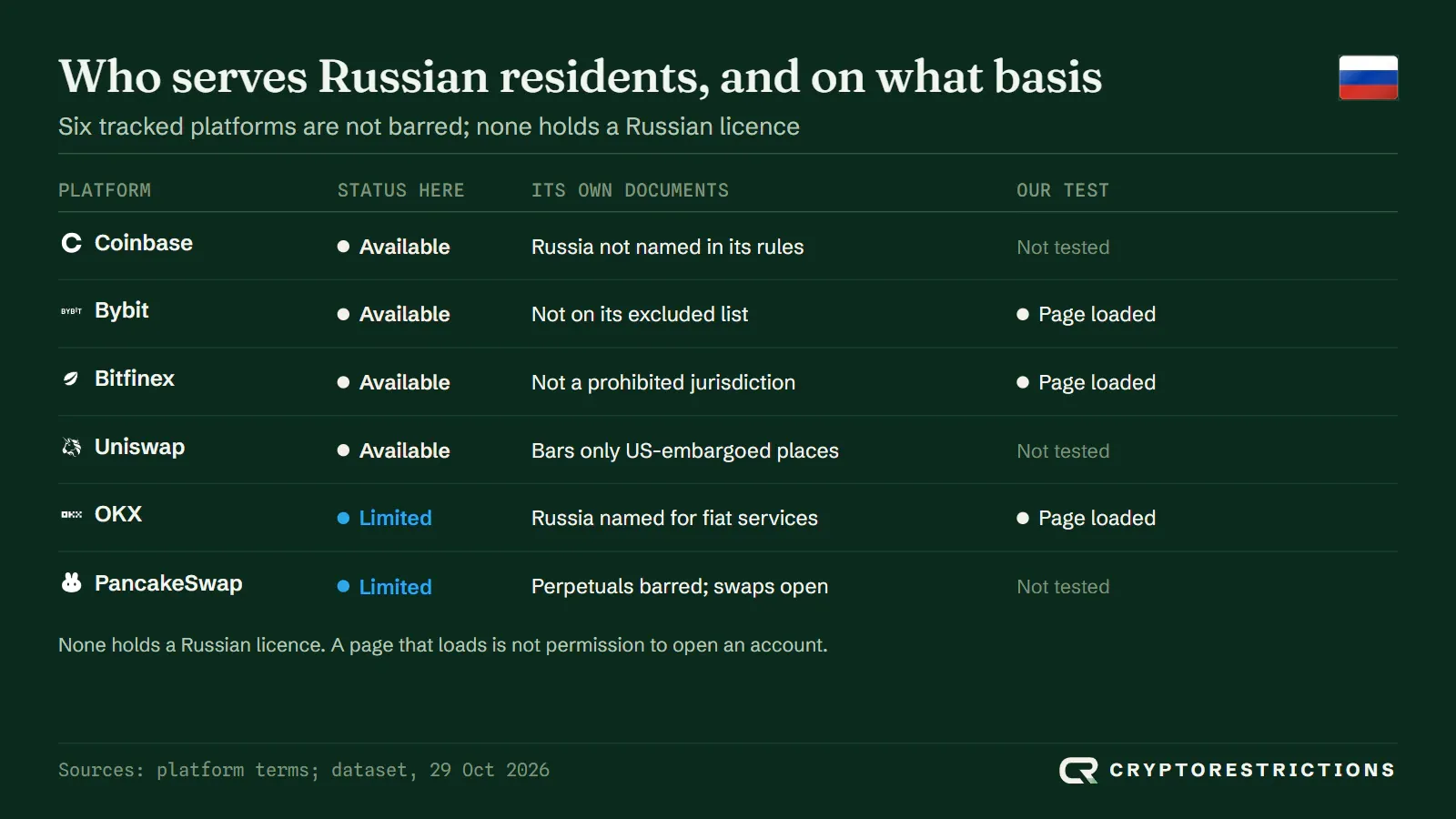
Under our evidence order, a platform whose terms do not name Russia and whose site loads in our test is recorded as available, even where sanctions apply. That is a statement about the platform, not about Russian law, and each of these pairs was re-read against the platform’s own documents in our sanctions review of 20 October 2026. The Bank of Russia publishes registers of exchange operators and information system operators; we hold no Russian licence for any tracked platform.
The sanctions that matter fall on companies, not on websites. Regulation 2022/1904 has barred EU providers from offering crypto wallet, account and custody services to Russian nationals and residents since 7 October 2022, and later amendments widened it to all crypto-asset services under MiCA. Regulation 2026/506 adds a ban on transactions with crypto providers established in Russia, applying from 24 May 2026. A global site run from outside the EU is not bound by either, but its European arm is, which is why Bybit can serve Russians on its global site while its EU entity cannot. KuCoin did the same until 29 October 2026, when it ended all services in Russia and added it to the restricted locations in its terms. The US treats Russia as a sectoral programme, not an embargo, and the UK has no crypto-specific ban.

Documents settle most of the rest. Bitfinex lists no Russian jurisdiction among its prohibited places. Coinbase bars users from comprehensively sanctioned places, which Russia is not, though we did not test its site from Russia and found no Coinbase page confirming Russian sign-up. OKX is the one that names Russia, in its European disclosure, for fiat payment services only.
Best crypto platforms for Russian residents
By our access score, Bybit and Bitfinex tie at 8.0 out of 10 for Russian residents, Coinbase and Uniswap follow at 7.5, and no platform earns licence points because none holds a Russian licence.
The score rates how fully a Russian resident can use each platform, not its fees or safety. It is computed from our data and moves when a row changes: access status (4 points), the share of the platform’s products open here (3), the Russian licences we hold on file (2) and what our geo-access test saw from a Russian address (1). Platforms that refuse Russian residents are not scored, and sixteen do. The full method is on our methodology page.
Exchanges

Bitfinex
Best for Spot and margin on a long-running exchange
8.0/10- Access
- 4/4
- Products
- 3/3
- Licences
- 0/2
- Our test
- 1/1
Read our Bitfinex reportPros
- Russia is not a prohibited jurisdiction in its terms
- Its site loaded in our test
Cons
- We found no Russia-specific statement from Bitfinex

Bybit
Best for Spot and derivatives on a global exchange
8.0/10- Access
- 4/4
- Products
- 3/3
- Licences
- 0/2
- Our test
- 1/1
Read our Bybit reportPros
- Russia is not on its excluded-jurisdictions list
- Its site loaded in our test
Cons
- Its EU arm is bound by the EU ban on serving Russian residents

Coinbase
Best for A regulated US brand, with a Russia caveat
7.5/10- Access
- 4/4
- Products
- 3/3
- Licences
- 0/2
- Our test
- 0.5/1
Read our Coinbase reportPros
- Russia is not named in its sanctions rules
Cons
- We did not test it from Russia
- We found no Coinbase page confirming Russian sign-up

OKX
Best for Spot trading, with fiat rails to weigh
4.0/10- Access
- 3/4
- Products
- 0/3
- Licences
- 0/2
- Our test
- 1/1
Read our OKX reportPros
- Its site loaded in our test
- Russia is not on its restricted-locations list
Cons
- Its disclosure names Russia for fiat payment services
DeFi

Uniswap
Best for Swapping tokens from your own wallet
7.5/10- Access
- 4/4
- Products
- 3/3
- Licences
- 0/2
- Our test
- 0.5/1
Read our Uniswap reportPros
- Its terms bar only places under comprehensive US sanctions
Cons
- We did not test it from Russia
- No Russian licence applies

PancakeSwap
Best for BNB Chain swaps and pools
5.8/10- Access
- 3.5/4
- Products
- 1.8/3
- Licences
- 0/2
- Our test
- 0.5/1
Read our PancakeSwap reportPros
- Its terms do not exclude swaps, pools or staking
Cons
- PCS Perps bars users in Russia
Which platforms block Russian users?
Sixteen of the 22 platforms we track refuse Russian residents and two more are limited. In nearly every case the platform’s own terms or a business decision does the refusing, not a Russian order.
Binance is the clearest exit: it sold its Russian business to CommEX in September 2023 and ended its services there. Kraken, Bitstamp, Gate, HTX, Bitget, MEXC, KuCoin and Crypto.com name Russia in their documents, and the prediction markets and perpetuals platforms list it as restricted. Russian authorities have acted against sites too: Decrypt reported in 2022 that access to OKX was blocked in Russia. We found no confirmed 2026 block order against an exchange we track.

What our geo-access test saw from Russia
From a Russian address on 14 and 16 October 2026 we tested 12 platforms: 10 loaded with no barrier and 2 blocked us, Gate and Lighter.
An open page is not permission. Seven of the platforms that loaded, Binance, Bitget, HTX, KuCoin, MEXC, Aster and Hyperliquid, refuse Russian residents in their own documents (KuCoin since 29 October), so a loading page says nothing about whether they will open an account. Our test used a virtual location, which sees a platform’s own geo-blocking but not a national block. Swipe through the screenshots below; each card quotes what the page showed.
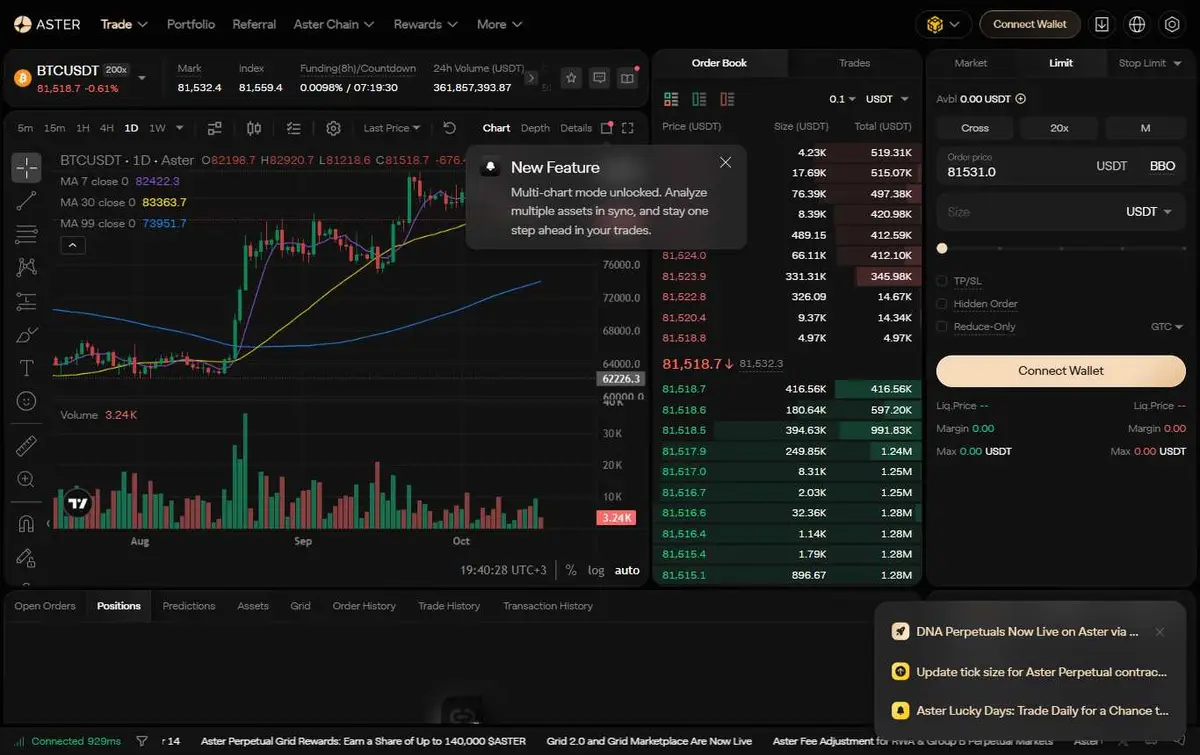
No barrier Aster · Trading app
Russia, named in the terms: no barrier from a Russian address
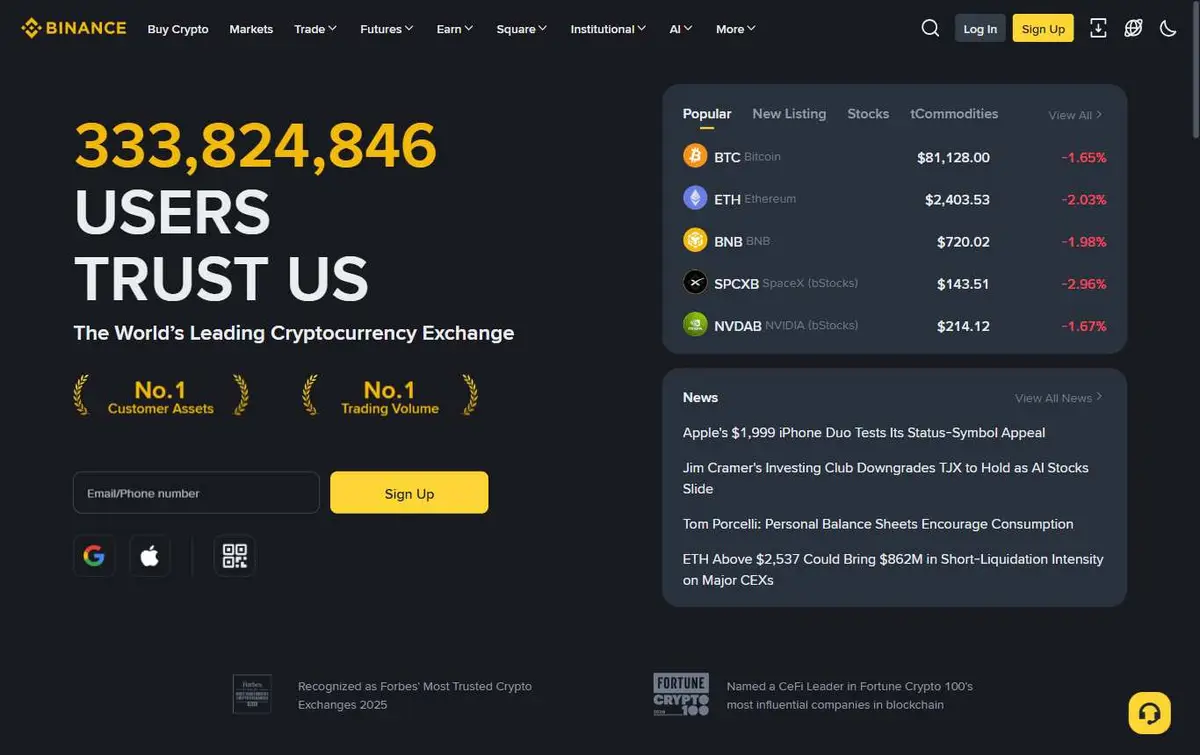
No barrier Binance · Home page
Restricted since the 2023 exit, yet the page loads
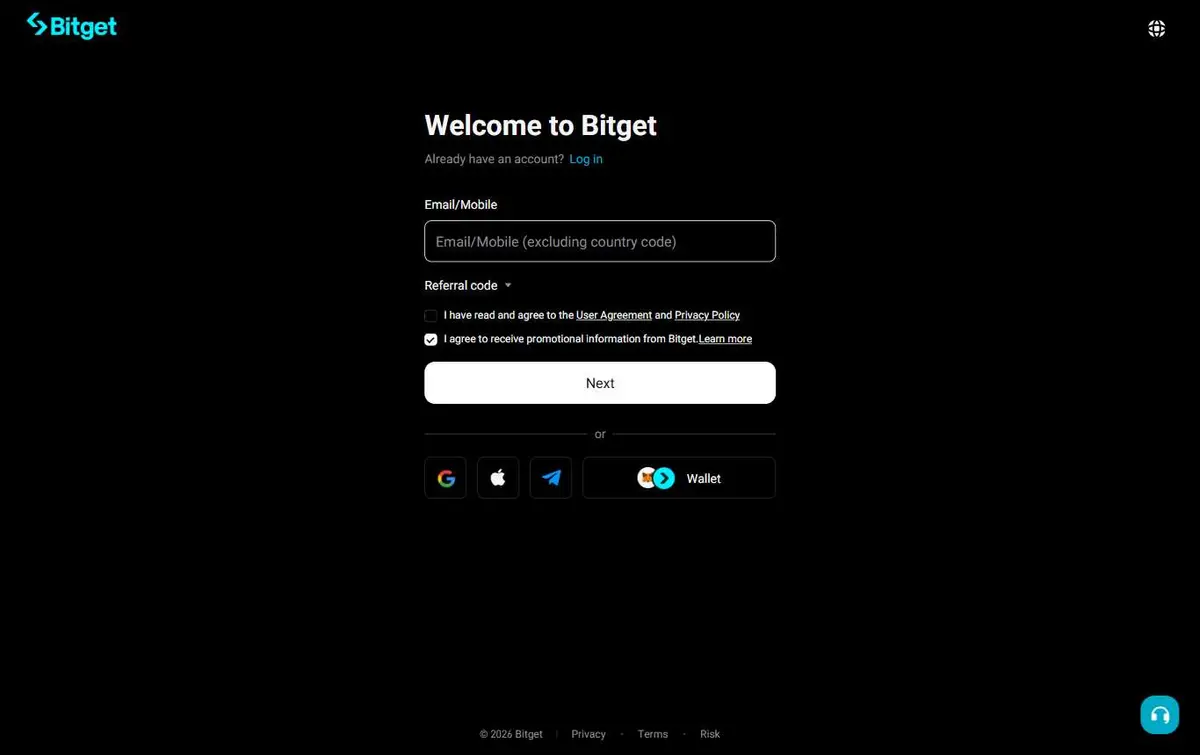
No barrier Bitget · Sign-up page
Russia, two days before Bitget added it to its terms: the sign-up page loaded
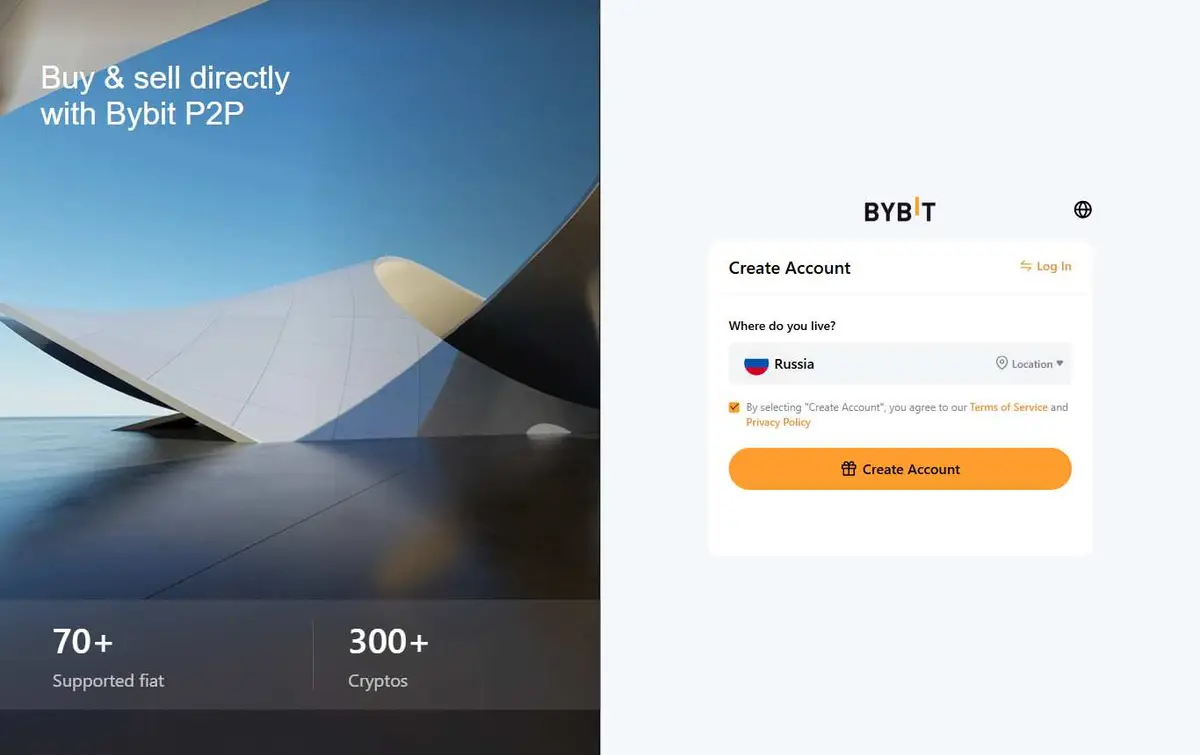
No barrier Bybit · Sign-up page
Russia, Bybit's largest traffic source, loads with no barrier
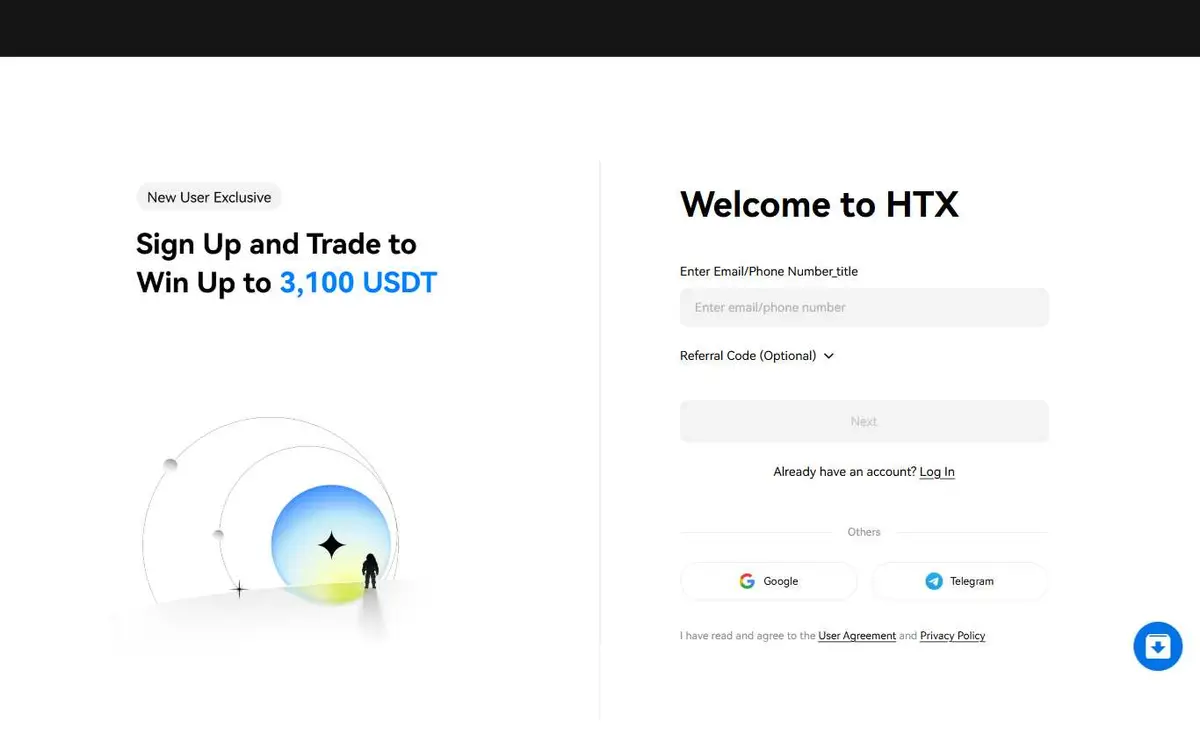
No barrier HTX · Sign-up page
Russia, on HTX's own list, through a virtual location: no barrier
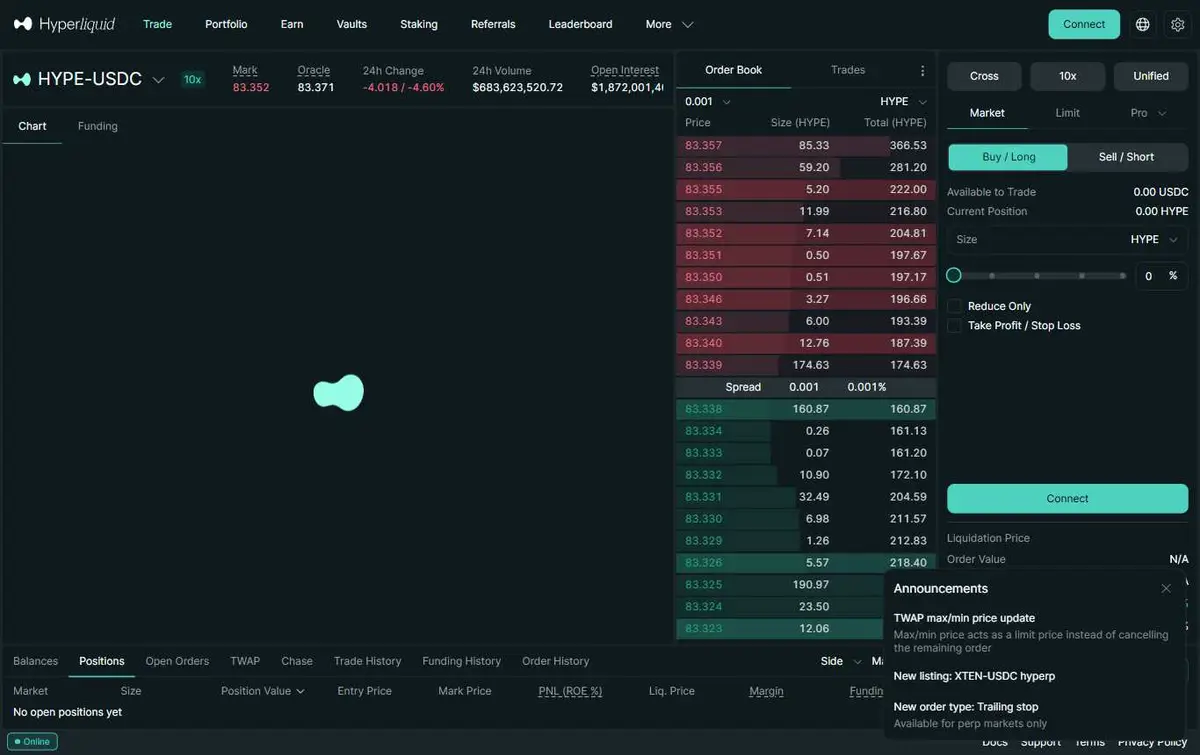
No barrier Hyperliquid · Trading app
Russia loads with no banner, though the terms' sanctions clause bars it; the Outcomes tab is gone
 CRYPTORESTRICTIONS
Who regulates crypto in Russia?
The Bank of Russia licenses and registers the operators and sets investor limits, the Federal Tax Service keeps the miner registry and collects the tax, and the EU, US and UK act from outside through sanctions.
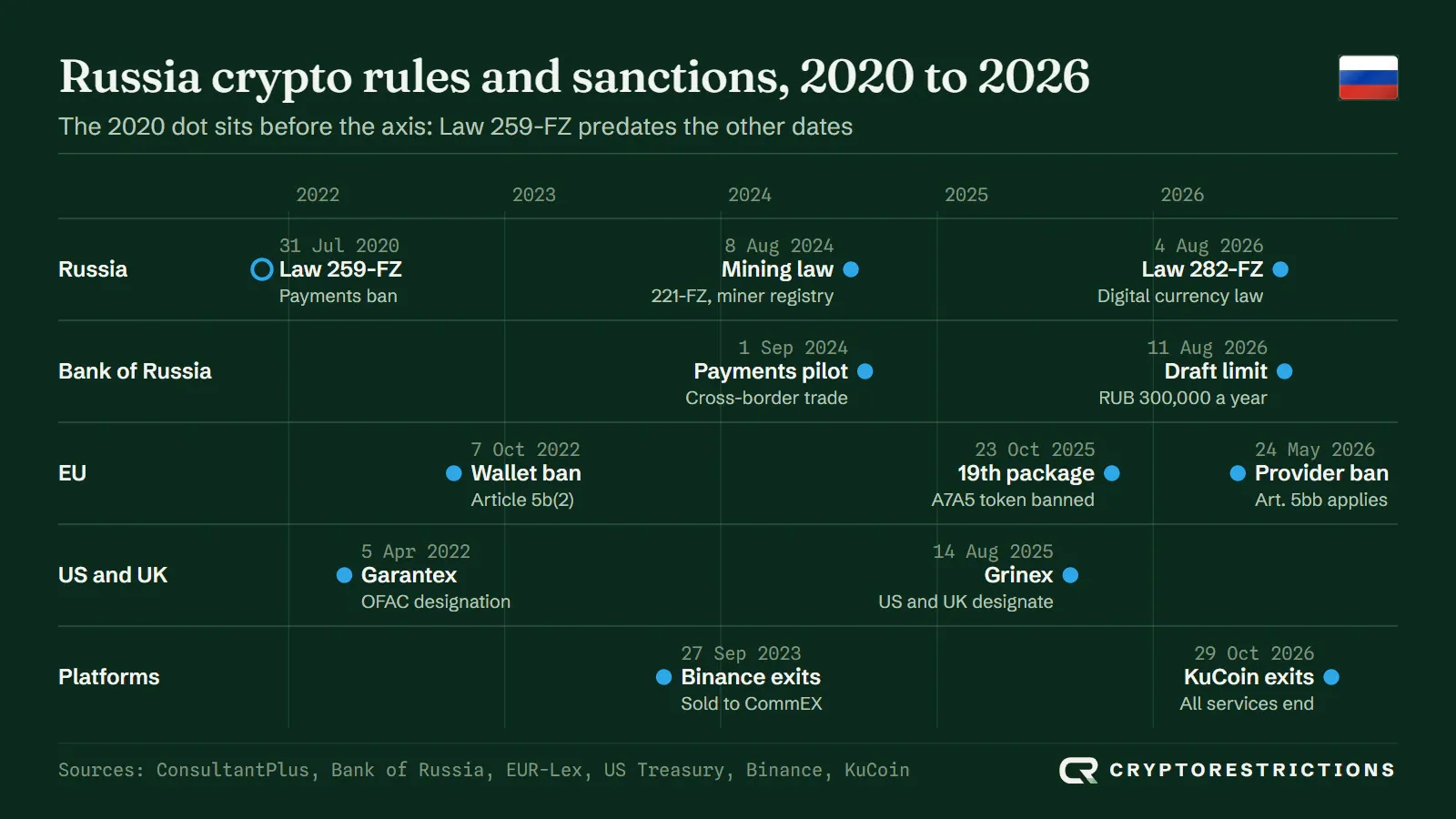
- Bank of Russia. It keeps the registers of exchange and information system operators. In a draft instruction of 11 August 2026 it proposed that non-qualified investors may buy up to RUB 300,000 of crypto a year through each intermediary, limited to the most liquid assets, with Bitcoin, Ethereum and Tether on its list and a test first. Qualified investors would have no cap and would also take the test. Comments were open until 24 August 2026, and we did not find the final instruction.
- Federal Tax Service. It keeps the registry of miners and mining infrastructure operators under the 2024 law and collects income tax on crypto gains (see the tax section).
- Government. The mining law lets it ban mining in chosen regions, and the new law lets it set a special regime for digital currency circulation.
- Roskomnadzor. The communications regulator carries out site blocks, such as the 2022 block of OKX that Decrypt reported at the request of the Prosecutor General.
- EU, US and UK. Garantex was first designated by the US in April 2022, and the US Treasury re-designated it on 14 August 2025 together with its successor Grinex and the A7 network behind the A7A5 token; the UK designated Grinex on 20 August 2025. The EU’s 19th package of 23 October 2025 targeted Russian crypto providers, and TRM Labs reports that the 20th package of 23 April 2026 banned transactions with any crypto provider established in Russia or Belarus.
Which crypto products are limited in Russia?
The sharpest limit is on spending: crypto cannot be accepted as payment for goods and services inside Russia. Among platforms, PancakeSwap bars its perpetuals, OKX names Russia for fiat services, and we hold no Russia-specific source for most other products.
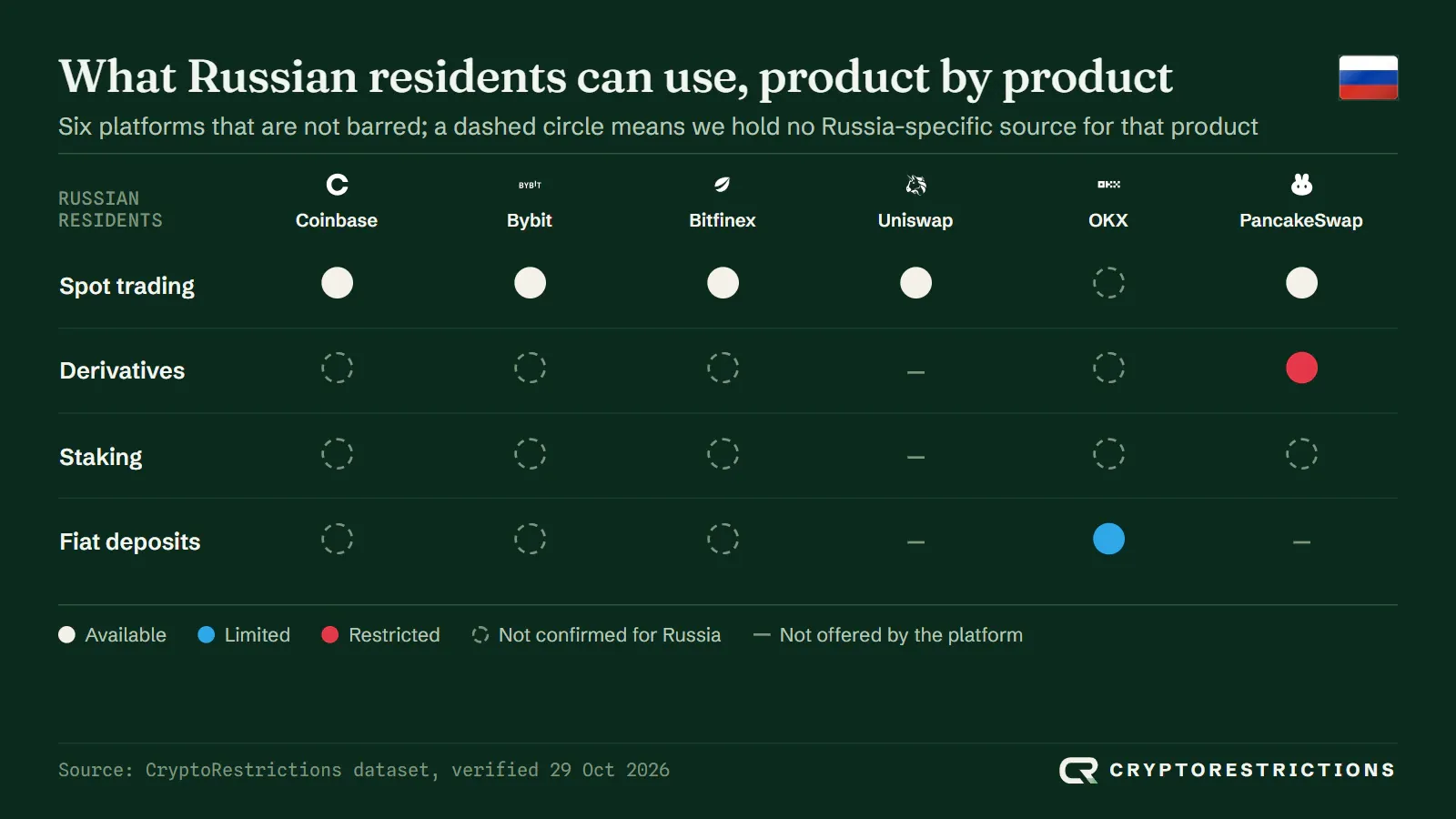
- Payments. The 2020 ban on accepting digital currency for goods and services stays in the new law, with exceptions for foreign trade, mining rewards and network fees.
- Derivatives. PancakeSwap’s PancakeSwap perpetuals FAQ bars users in Russia. We hold no Russia-specific source for derivatives on the other platforms.
- Fiat. OKX names Russia for its fiat payment services. We hold no Russia-specific source for fiat rails elsewhere.
- Staking. PGP says staking is not regulated by the new law.
- Mining. Legal for registered companies and entrepreneurs, and for individuals under 6,000 kWh a month, with regional bans possible.
Are prediction markets legal in Russia?
Not for Russian residents on any platform we track: all five refuse Russians themselves, and Russian law bars online gambling. We found no Russian block order or statement naming a prediction market.
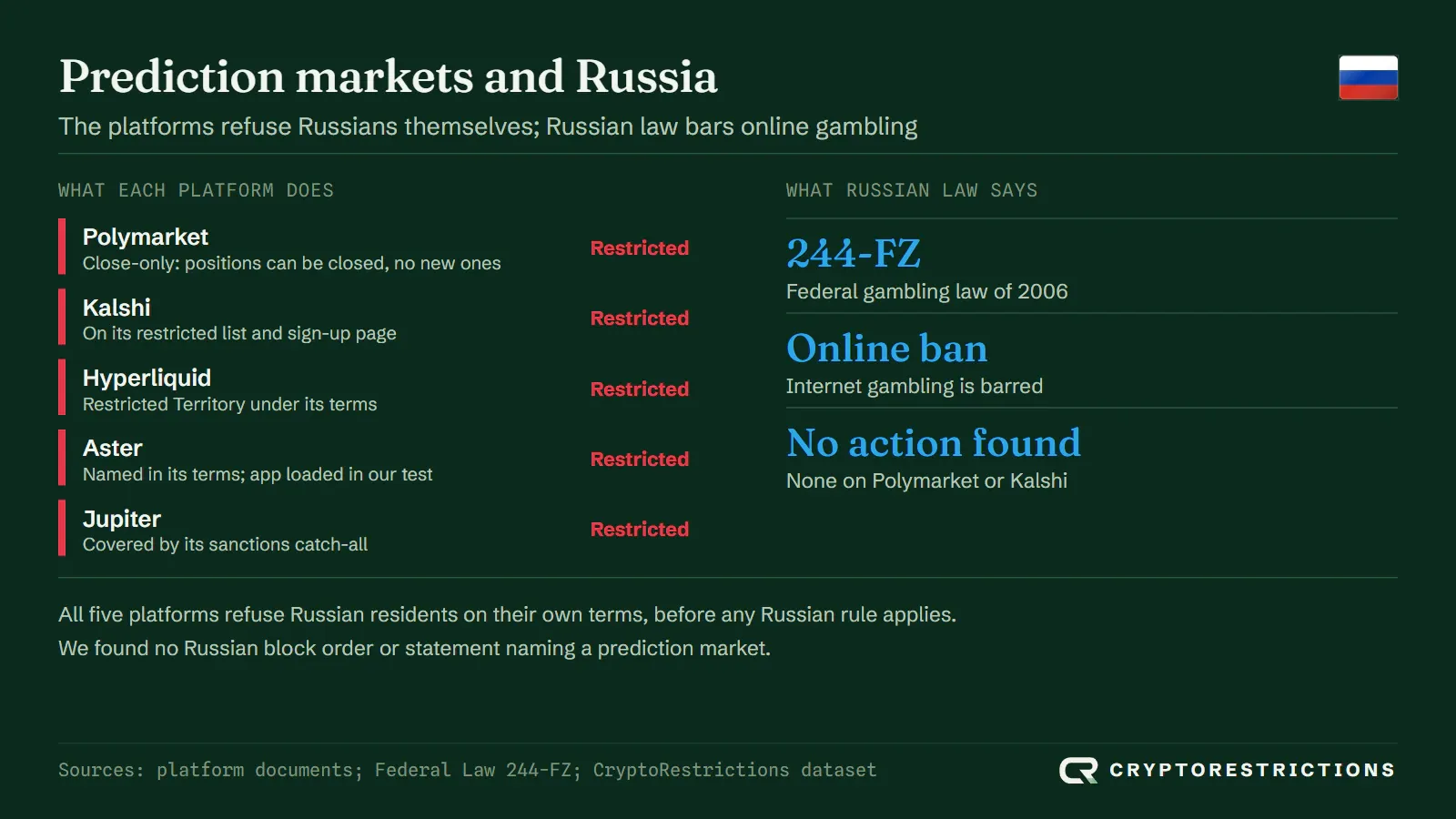
Part 3 of Article 5 of the gambling law, 244-FZ, bars gambling over the internet except in cases the law provides, which include interactive bets at licensed bookmakers. Whether a prediction market counts as gambling under that law is not settled by anything we found. Polymarket lists Russia as close-only, and Kalshi lists it among the prohibited places. We found no Russian authority naming either.


How is crypto taxed in Russia?
Gains from selling crypto are taxed as income from property sales, at 13% up to RUB 2.4 million a year and 15% above, and you declare them yourself. Mining and sales are exempt from VAT.
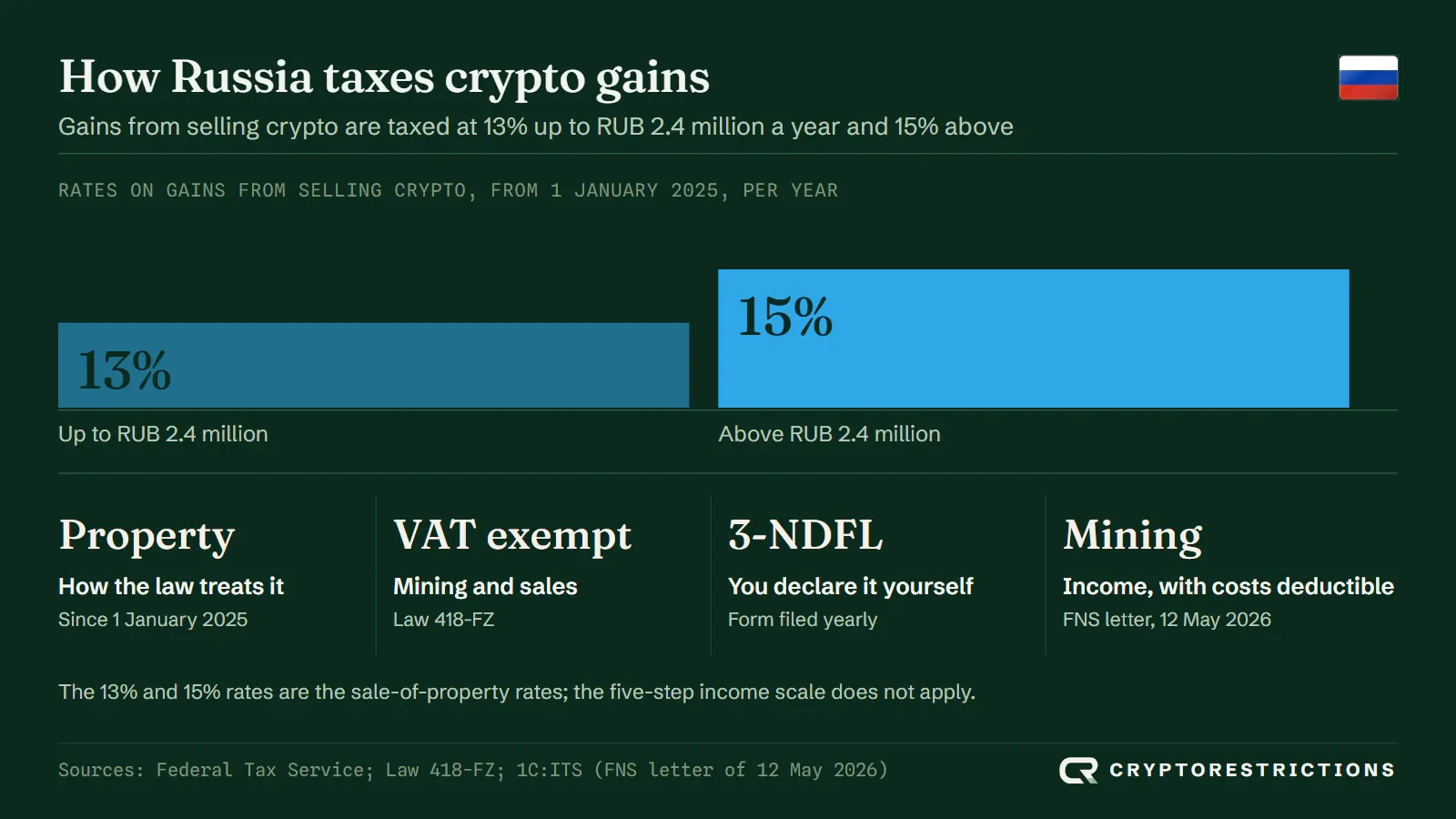
Law 418-FZ, in force from 1 January 2025, treats digital currency as property for tax and exempts mining and sales from VAT. The Federal Tax Service’s rates page, an archived publication on Law 176-FZ of 12 July 2024, gives 13% up to RUB 2.4 million a year and 15% above for the tax bases that include property sales. We read crypto as falling under those rates because the law makes it property; we did not find a tax service page that states the crypto rate in so many words. An FNS letter of 12 May 2026, as summarised by 1C:ITS, tells miners to calculate and declare their own tax and to deduct documented costs. Crypto sits outside the five-step income scale of 13% to 22% that applies to other income. We did not find a confirmed enacted rule on broker withholding or loss carry-forwards, and Russia was not on the OECD crypto reporting commitment list we saw.




 Serbia
 Turkey
 Switzerland
 Iceland
 Liechtenstein
 Norway
 Croatia
 Estonia
 Finland
 Greece
 Latvia