
Is crypto legal in New Zealand?
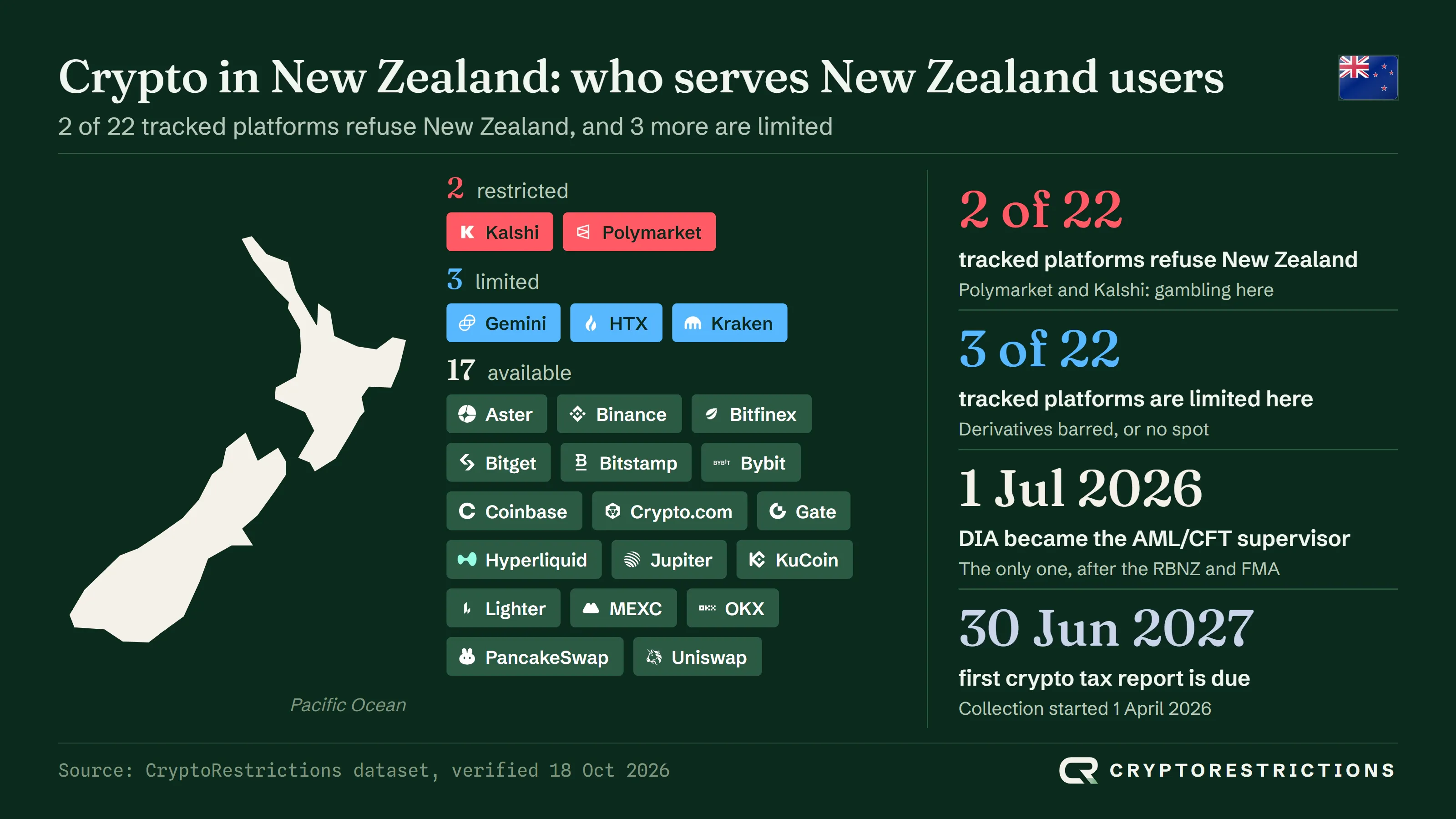
Yes. You may buy, hold and trade crypto, and no law licenses crypto exchanges as such. The rules that reach them are general ones: financial products law where a token is an investment, registration on the financial service providers register, anti-money-laundering supervision and tax.
Whether the Financial Markets Conduct Act applies turns on what a token is. MinterEllison’s 2022 guide says many crypto-assets will not be financial products, and that the Financial Markets Authority (FMA) had not used its power to designate them as such. In March 2026 it used that power on a single token, declaring the NZDD stablecoin not a financial product, a notice the firm says is not a ruling on stablecoins in general.
A crypto business serving New Zealanders must sit on the Financial Service Providers Register (FSPR), and one serving retail clients must join a dispute resolution scheme, according to the same guide. Registration is a register entry, not a licence: Binance says its own registration does not mean a New Zealand regulator actively regulates it. The FMA’s own crypto page was not readable when we checked, so these points rest on the law firm.
Which crypto exchanges work in New Zealand?
No exchange holds a New Zealand licence, because there is none to hold. Two of those we track, Binance and Bybit, are on the Financial Service Providers Register through local companies, and the rest serve New Zealanders from abroad.
Binance lists Investbybit Limited (Binance New Zealand) under FSP1003864. Bybit serves New Zealand users through Kono Group Limited, FSP664531, under its New Zealand addendum.
Bitget said in a press release of 23 July 2026 that it had registered as a financial service provider and joined an industry dispute scheme. The release names no company or FSP number, and we have not found the entry on the register ourselves, so we do not count it as a licence on file.
Everyone else, from Coinbase and Kraken to OKX, has no New Zealand entity in our data. Their status comes from their own terms and our geo-access test, covered below.
Best crypto platforms for New Zealand residents
By our access score, Bybit (9.0 out of 10) leads the exchanges for New Zealand residents, ahead of Binance (8.5), the two that hold a New Zealand registration on our file. No prediction market is scored, since both Polymarket and Kalshi refuse New Zealand.
The score rates how fully a New Zealand resident can use each platform, not its fees or safety. It is computed from our data and moves when a row changes: access status (4 points), the share of the platform’s products open here (3), the licences we hold on file for New Zealand (2) and what our geo-access test saw from a New Zealand address (1). Platforms that refuse New Zealand are not scored. The full method is on our methodology page.
Exchanges

Bybit
Best for Spot and derivatives under a local entity
9.0/10- Access
- 4/4
- Products
- 3/3
- Licences
- 1/2
- Our test
- 1/1
Read our Bybit reportPros
- Kono Group Limited serves New Zealand users, FSP664531
- It publishes a terms addendum for New Zealand users
Cons
- The FSPR entry is a registration, not a licence

Binance
Best for A global exchange with a New Zealand entity
8.5/10- Access
- 4/4
- Products
- 3/3
- Licences
- 1/2
- Our test
- 0.5/1
Read our Binance reportPros
- Investbybit Limited is on the FSPR as FSP1003864
- Not on its prohibited list for New Zealand
Cons
- Binance says the registration is not active regulation
- Our test showed a notice that some features are unavailable here

Bitfinex
Best for Experienced spot and margin traders
8.0/10- Access
- 4/4
- Products
- 3/3
- Licences
- 0/2
- Our test
- 1/1
Read our Bitfinex reportPros
- Not a prohibited person or jurisdiction under its terms
- Not blocked in our test
Cons
- No New Zealand licence on file

Bitget
Best for Derivatives and copy trading
8.0/10- Access
- 4/4
- Products
- 3/3
- Licences
- 0/2
- Our test
- 1/1
Read our Bitget reportPros
- Not on its prohibited-countries list, updated 16 October 2026
- Says it registered on the FSPR in July 2026
Cons
- We could not confirm the register entry
- No New Zealand licence on file

Bitstamp
Best for Plain spot trading
8.0/10- Access
- 4/4
- Products
- 3/3
- Licences
- 0/2
- Our test
- 1/1
Read our Bitstamp reportPros
- No Bitstamp document excludes New Zealand
- The site loaded without a block in our test
Cons
- No New Zealand licence on file

Crypto.com
Best for Spot trading in an app
8.0/10- Access
- 4/4
- Products
- 3/3
- Licences
- 0/2
- Our test
- 1/1
Read our Crypto.com reportPros
- Not on its app, spot or sanctions restriction lists
- Loaded in our test
Cons
- No New Zealand licence on file

Gate
Best for Many listed tokens
8.0/10- Access
- 4/4
- Products
- 3/3
- Licences
- 0/2
- Our test
- 1/1
Read our Gate reportPros
- New Zealand is not named in its restricted-locations clause
- The site loaded in our test
Cons
- The clause is non-exhaustive
- No New Zealand licence on file

KuCoin
Best for A wide choice of altcoins
8.0/10- Access
- 4/4
- Products
- 3/3
- Licences
- 0/2
- Our test
- 1/1
Read our KuCoin reportPros
- Not on the restricted-locations list in its terms, updated 29 September 2026
- The site loaded in our test
Cons
- No New Zealand licence on file

MEXC
Best for Early listings of small tokens
8.0/10- Access
- 4/4
- Products
- 3/3
- Licences
- 0/2
- Our test
- 1/1
Read our MEXC reportPros
- Not on its prohibited-jurisdictions list, updated 13 October 2026
- Home and sign-up loaded in our test
Cons
- No New Zealand licence on file

OKX
Best for Spot and derivatives from a global exchange
8.0/10- Access
- 4/4
- Products
- 3/3
- Licences
- 0/2
- Our test
- 1/1
Read our OKX reportPros
- Not on its restricted-locations list, updated 8 July 2026
- Home and sign-up loaded in our test
Cons
- No New Zealand licence on file

Coinbase
Best for A simple buy-and-hold app
7.5/10- Access
- 4/4
- Products
- 3/3
- Licences
- 0/2
- Our test
- 0.5/1
Read our Coinbase reportPros
- Coinbase blocks only sanctioned places, and New Zealand is not one
- Our test loaded the site and sign-up
Cons
- Our test showed a notice that stocks and prediction markets are unavailable
- No New Zealand licence on file

Kraken
Best for Spot trading from a long-running exchange
6.3/10- Access
- 3.5/4
- Products
- 1.8/3
- Licences
- 0/2
- Our test
- 1/1
Read our Kraken reportPros
- Not on Kraken's do-not-serve list
- Sign-up loaded in our test with no barrier
Cons
- New Zealand is excluded from Kraken Derivatives
- No New Zealand licence on file

Gemini
Best for Institutional perpetuals
5.7/10- Access
- 3/4
- Products
- 1.7/3
- Licences
- 0/2
- Our test
- 1/1
Read our Gemini reportPros
- Perpetuals are offered to institutional clients
Cons
- New Zealand is not on its list of supported countries for spot
- Our test still loaded its sign-up

HTX
Best for Spot trading only
5.7/10- Access
- 3/4
- Products
- 1.7/3
- Licences
- 0/2
- Our test
- 1/1
Read our HTX reportPros
- Its user agreement does not restrict spot or other services here
Cons
- Its user agreement bars derivatives trading in New Zealand
- No New Zealand licence on file
DeFi

Aster
Best for Perpetual futures on several chains
8.0/10- Access
- 4/4
- Products
- 3/3
- Licences
- 0/2
- Our test
- 1/1
Read our Aster reportPros
- New Zealand is not on its prohibited-jurisdictions list
- The trading app loaded in our test
Cons
- No licence on file for New Zealand

Hyperliquid
Best for Perpetual futures from your own wallet
8.0/10- Access
- 4/4
- Products
- 3/3
- Licences
- 0/2
- Our test
- 1/1
Read our Hyperliquid reportPros
- Excludes only the US, Ontario and broadly sanctioned places
- Its trading app loaded in our test
Cons
- No licence on file for New Zealand

Jupiter
Best for Solana swaps
8.0/10- Access
- 4/4
- Products
- 3/3
- Licences
- 0/2
- Our test
- 1/1
Read our Jupiter reportPros
- New Zealand is not in its terms
- Its app loaded in our test
Cons
- No licence on file for New Zealand

Lighter
Best for Order-book perpetuals on-chain
8.0/10- Access
- 4/4
- Products
- 3/3
- Licences
- 0/2
- Our test
- 1/1
Read our Lighter reportPros
- Not named in its terms
- The trading app loaded in our test
Cons
- No licence on file for New Zealand

PancakeSwap
Best for BNB Chain swaps and pools
8.0/10- Access
- 4/4
- Products
- 3/3
- Licences
- 0/2
- Our test
- 1/1
Read our PancakeSwap reportPros
- Not excluded by its terms
- The swap app loaded in our test
Cons
- No licence on file for New Zealand

Uniswap
Best for Swapping tokens from your own wallet
8.0/10- Access
- 4/4
- Products
- 3/3
- Licences
- 0/2
- Our test
- 1/1
Read our Uniswap reportPros
- Its terms bar only places under comprehensive US sanctions
- Our test loaded the swap app
Cons
- No licence on file for New Zealand
Which platforms block New Zealand users?
Polymarket and Kalshi refuse New Zealand. Three more are limited: Kraken and HTX bar derivatives, and Gemini does not list New Zealand for spot trading.
The two prediction markets left after the Department of Internal Affairs (DIA) said they were gambling, covered below. The exchange limits are product cuts rather than exits: nothing in our data shows a regulator forcing an exchange out of New Zealand.
What our geo-access test saw from New Zealand
From a New Zealand address on 14 and 16 October 2026 we loaded 22 of the platforms we track: 1 refused us, 3 showed a notice, and 18 loaded with no barrier.
An open page is not permission. Gemini’s sign-up loaded although New Zealand is not on its list of supported countries, and Kraken’s home page loaded although its derivatives exclude New Zealand. The refusal was Polymarket, whose geoblock check answered blocked. The three notices were Binance’s banner that some features are unavailable in your jurisdiction, Coinbase’s note that stocks and prediction markets are unavailable, and Kalshi’s message that prediction markets are not available. Swipe through the screenshots below; each card quotes what the page showed.
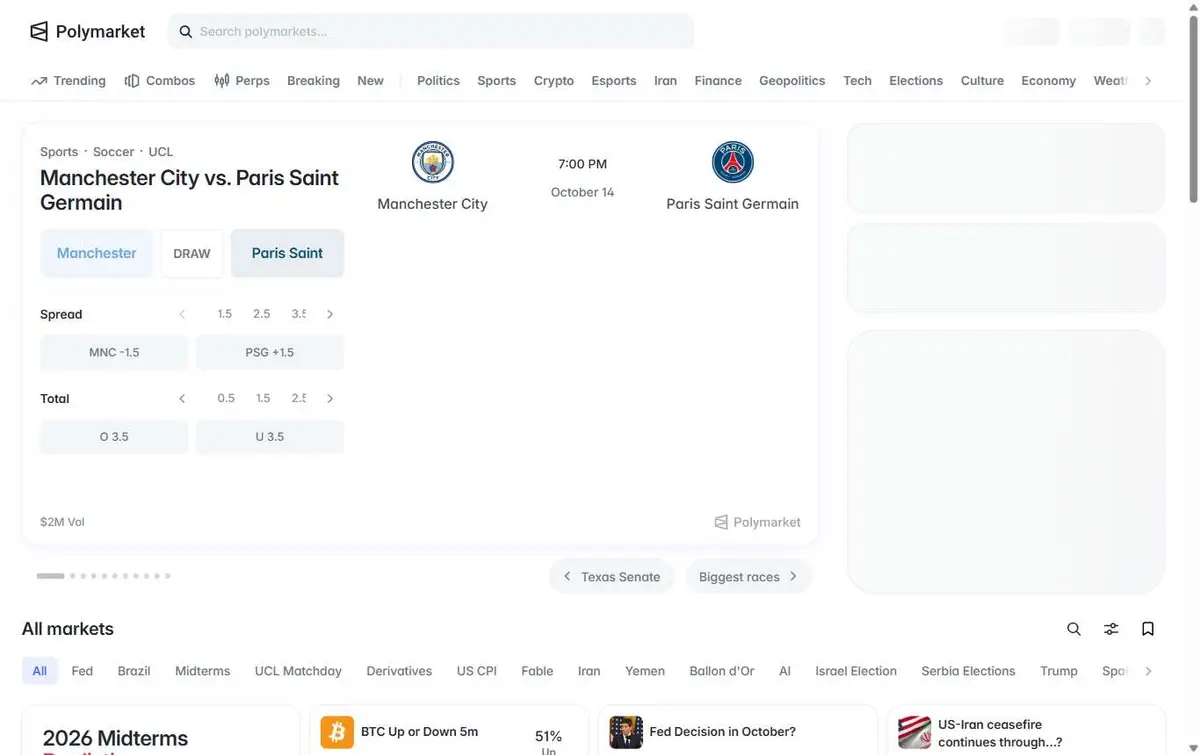
Blocked Polymarket · Home page
New Zealand: the page loads but Polymarket's geoblock check answers blocked
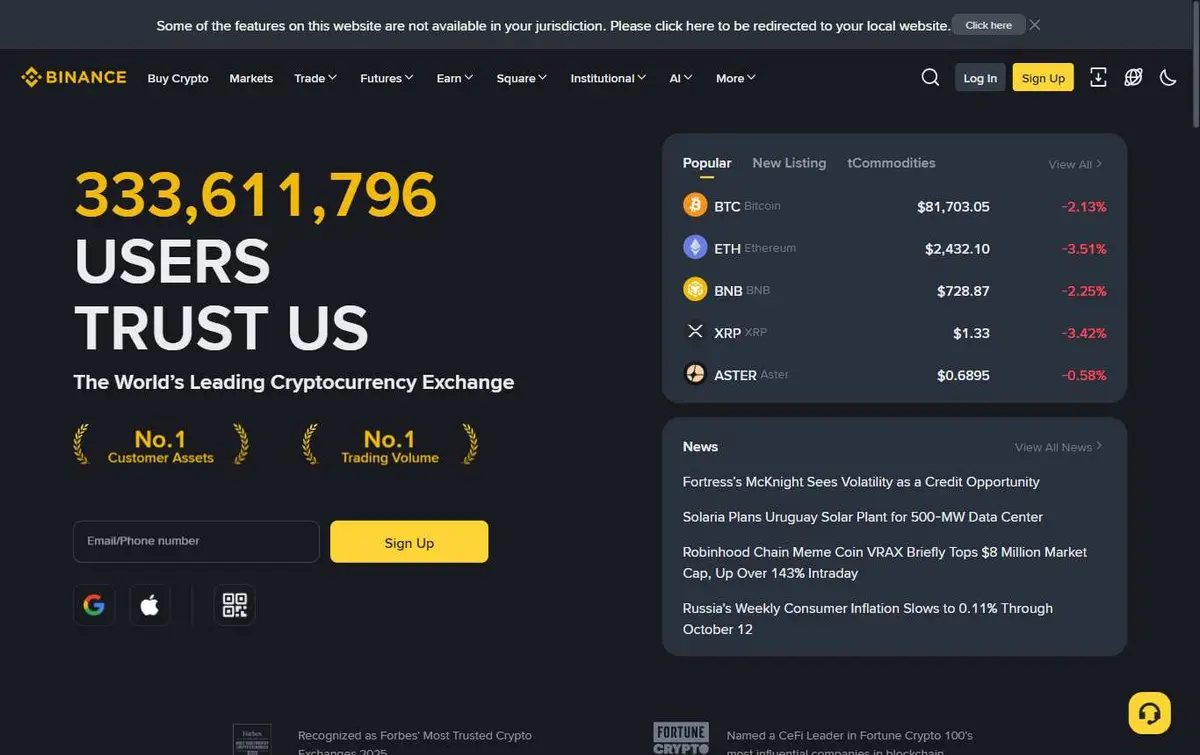
Notice shown Binance · Home page
A banner: some features are not available here
“Some of the features on this website are not available in your jurisdiction.”
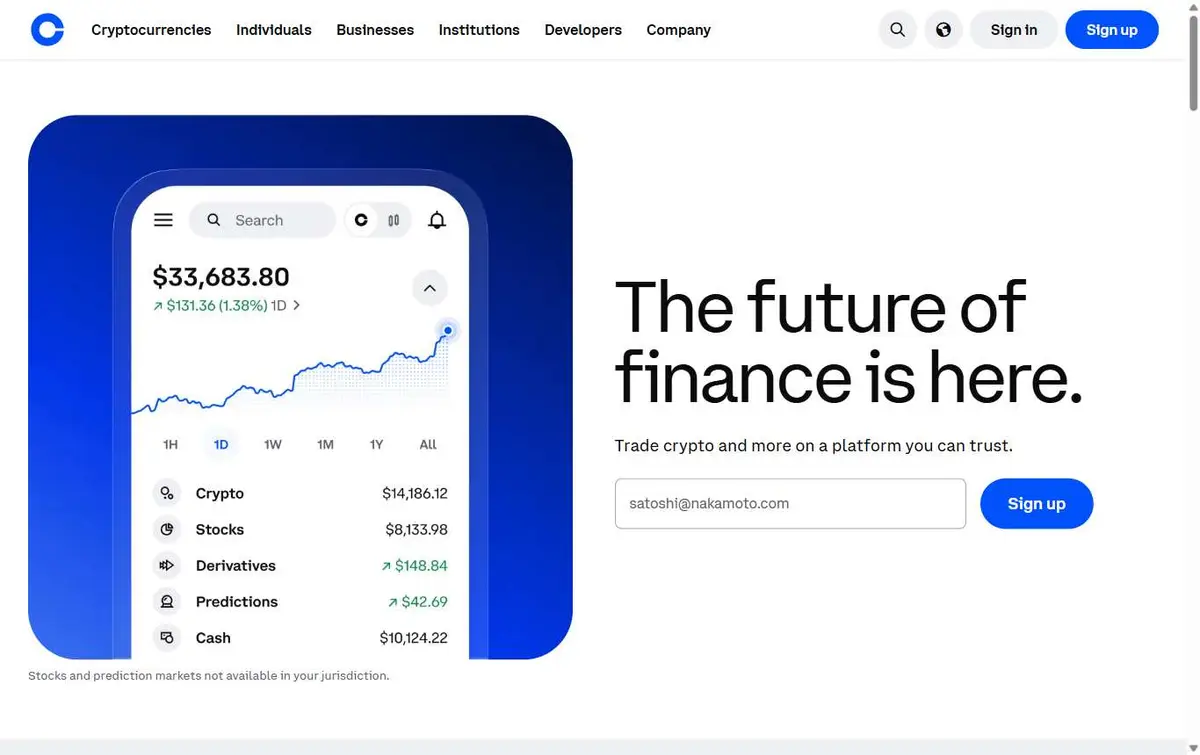
Notice shown Coinbase · Home page
New Zealand: the page loads, with a note that stocks and prediction markets are unavailable
“Stocks and prediction markets not available in your jurisdiction.”
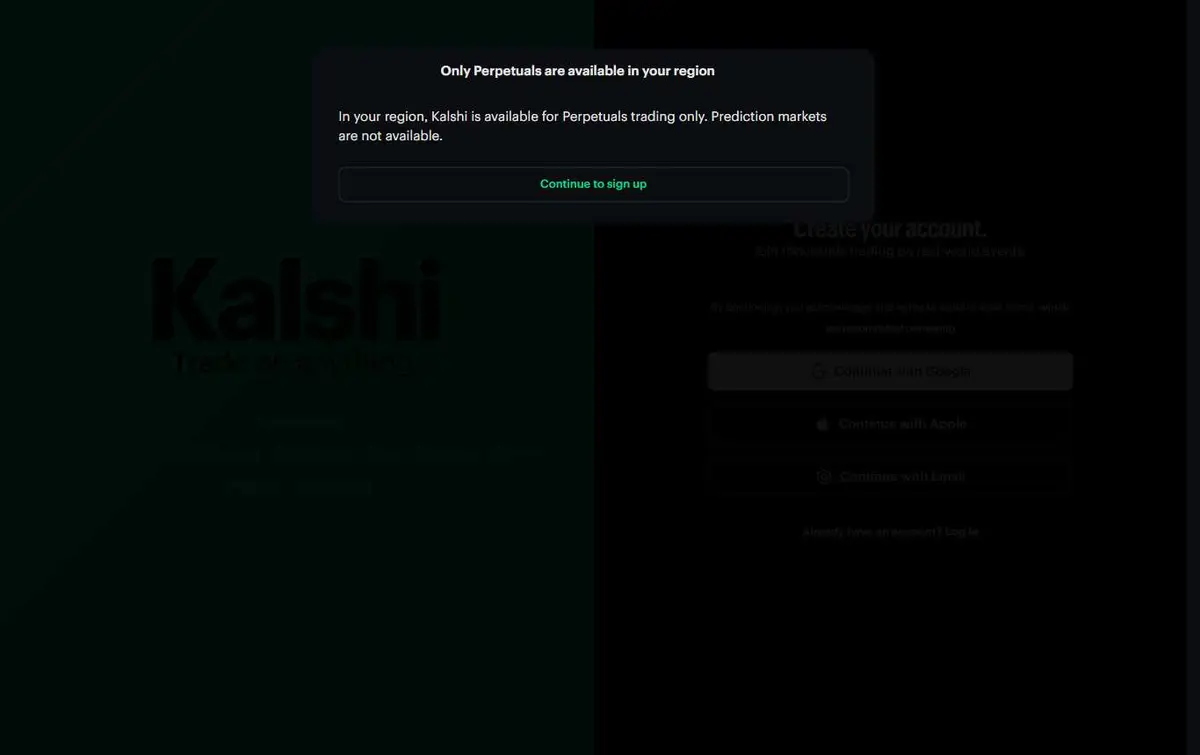
Notice shown Kalshi · Sign-up page
New Zealand: sign-up says prediction markets are not available
“Prediction markets are not available.”
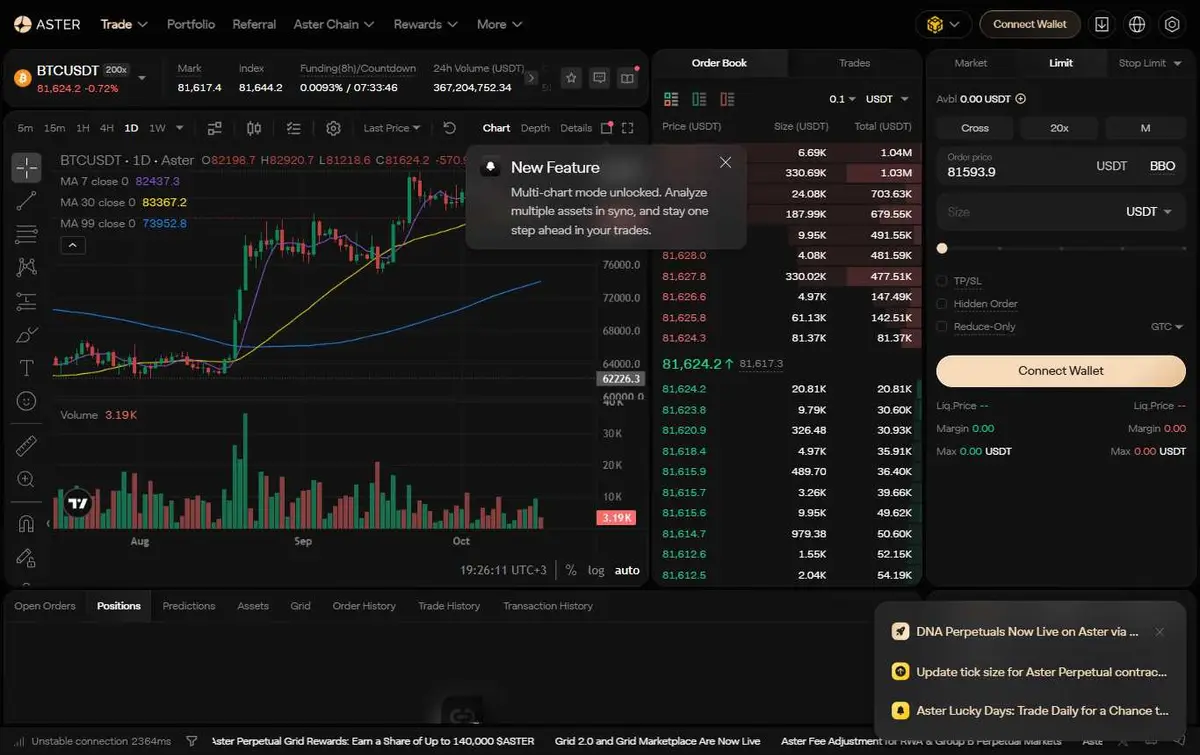
No barrier Aster · Trading app
New Zealand: the trading app loads with no notice
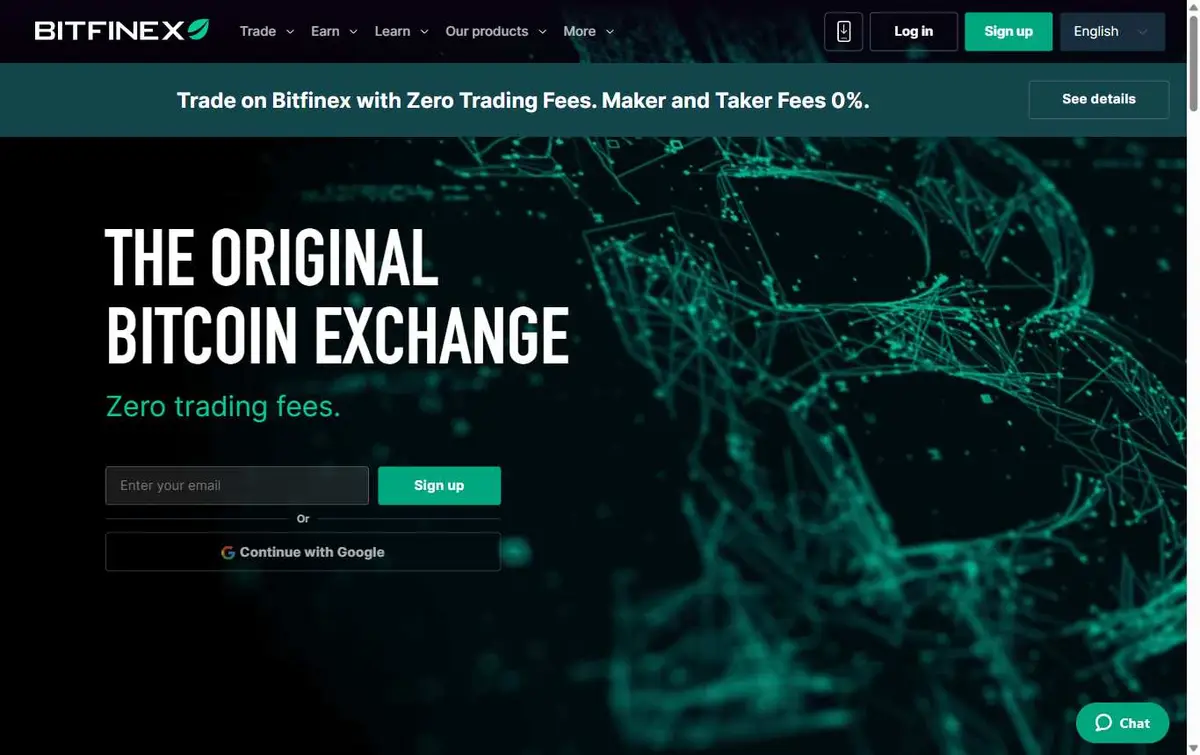
No barrier Bitfinex · Home page
New Zealand: the page loads with no notice
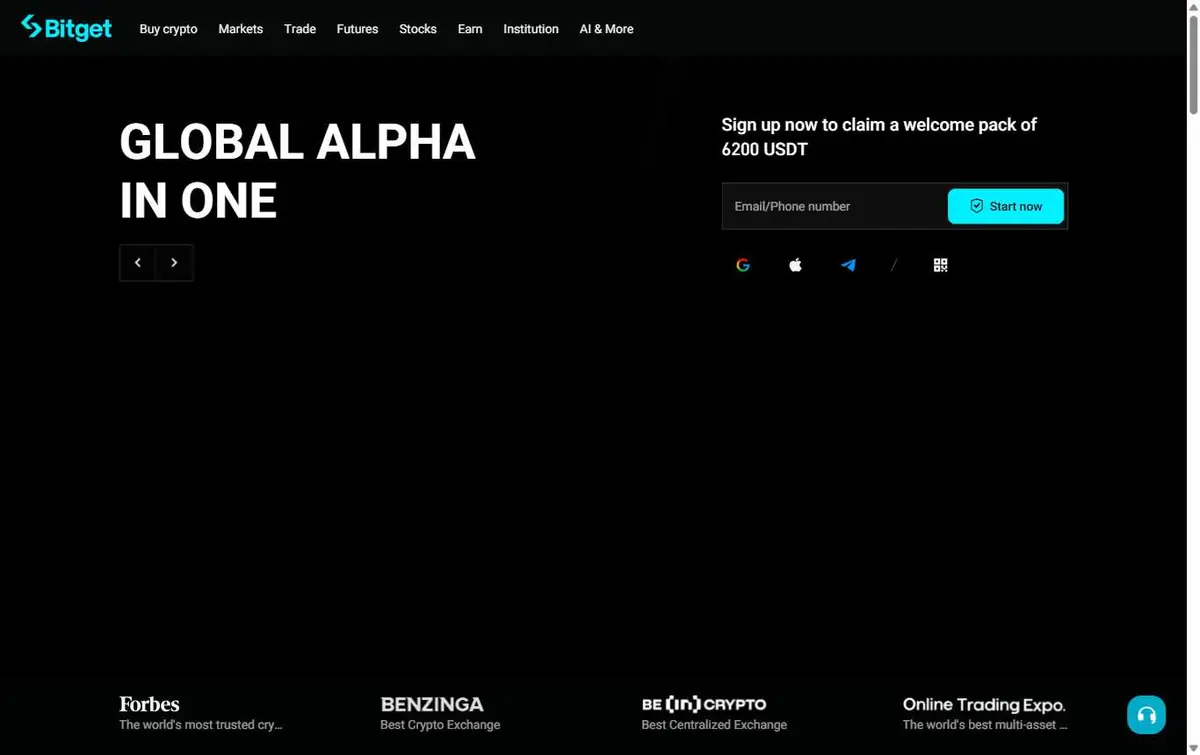
No barrier Bitget · Home page
New Zealand: the page loads with no notice
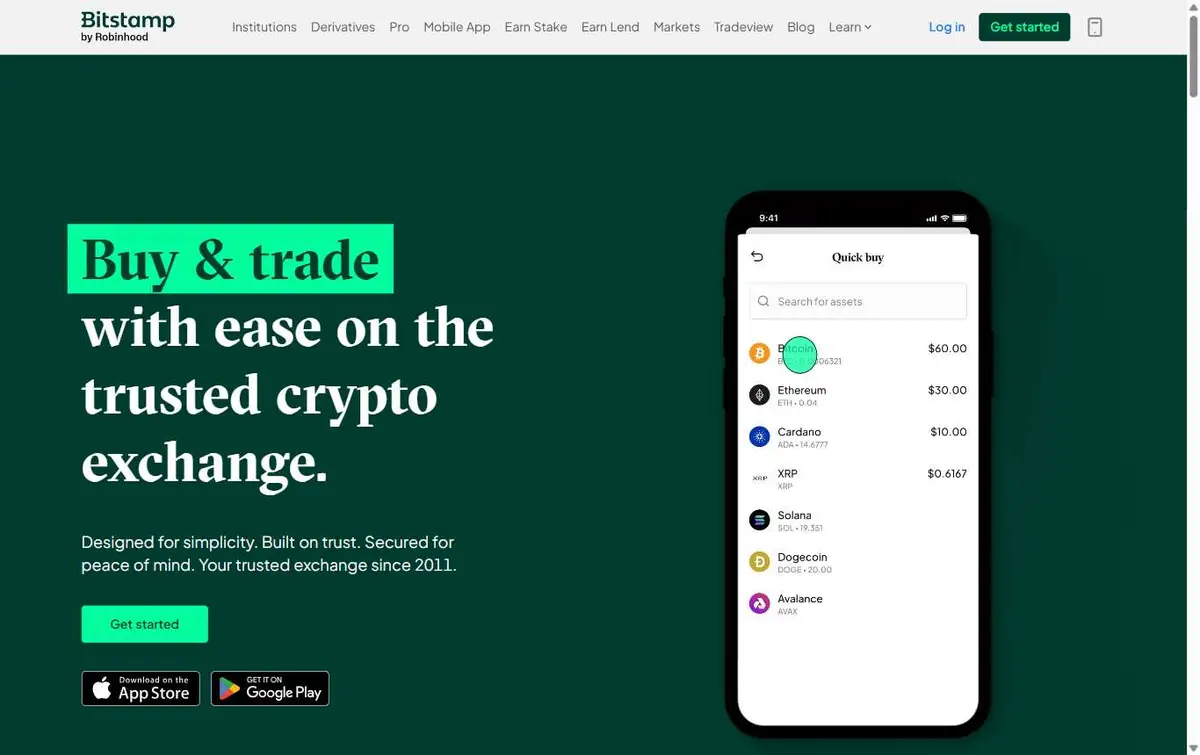
No barrier Bitstamp · Home page
New Zealand: the page loads with no notice
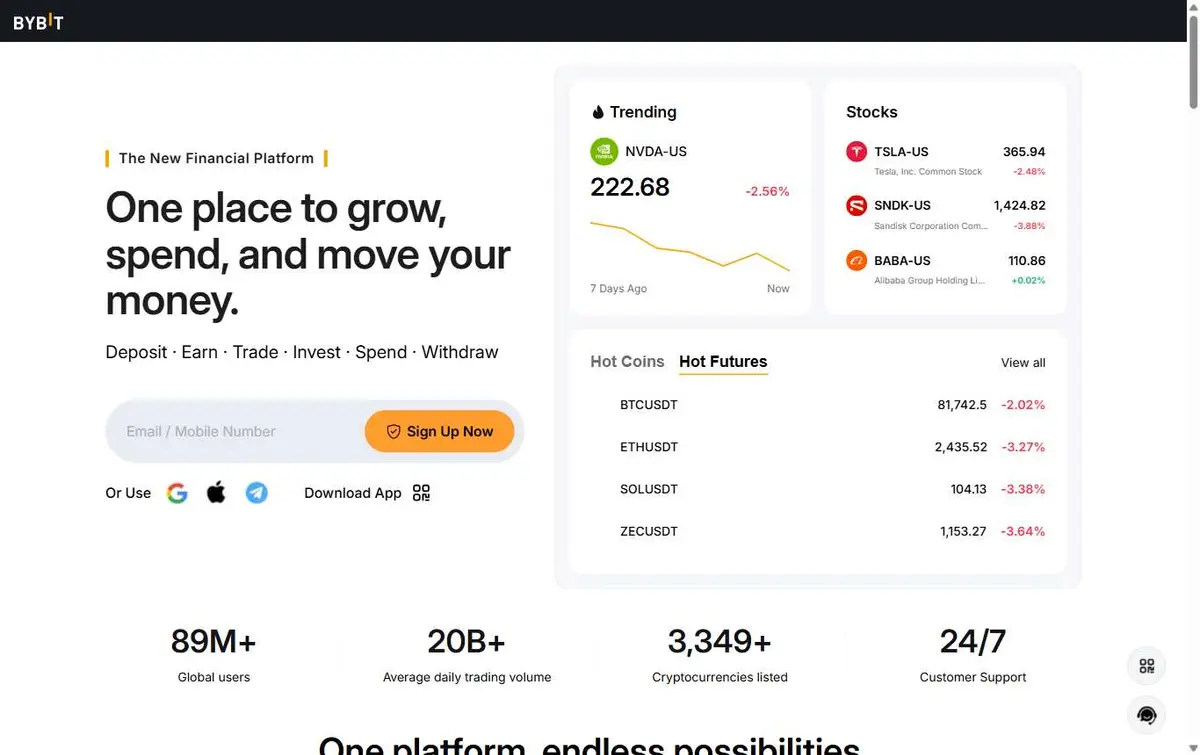
No barrier Bybit · Home page
New Zealand: the page loads with no notice

No barrier Crypto.com · Home page
New Zealand: the page loads with no notice
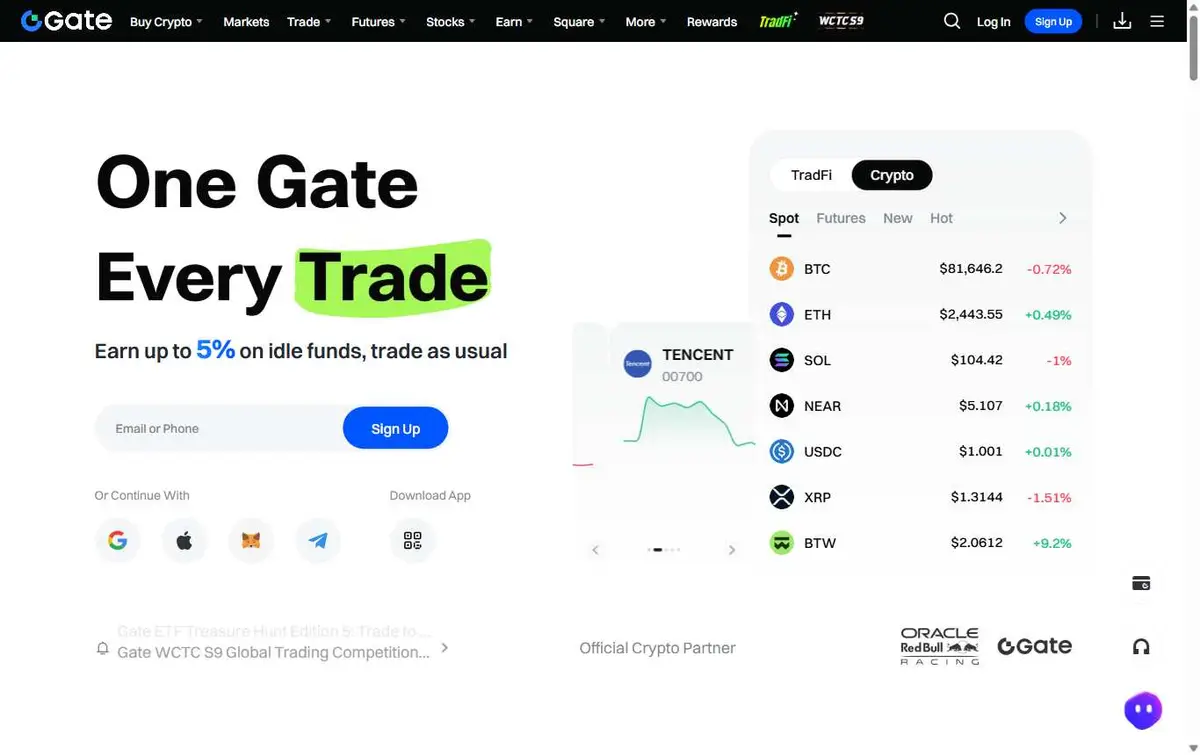
No barrier Gate · Home page
New Zealand: the page loads with no notice
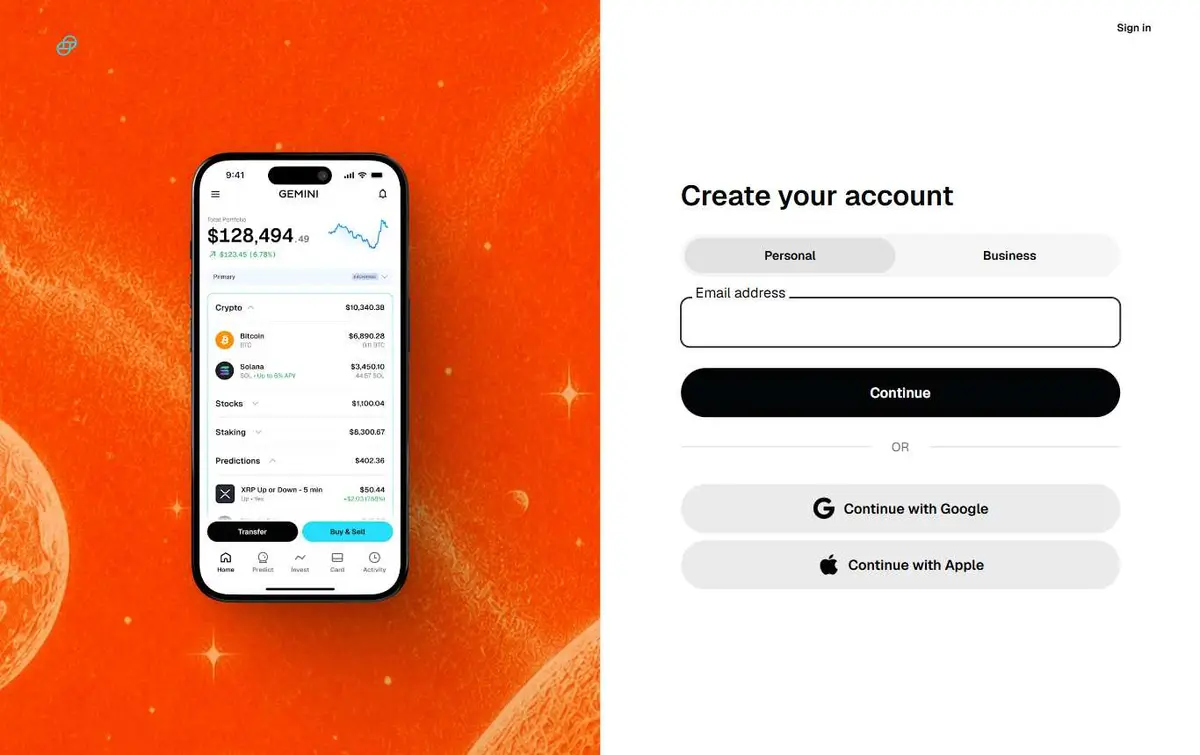
No barrier Gemini · Sign-up page
New Zealand: sign-up loads with no notice, though New Zealand is not on its supported list
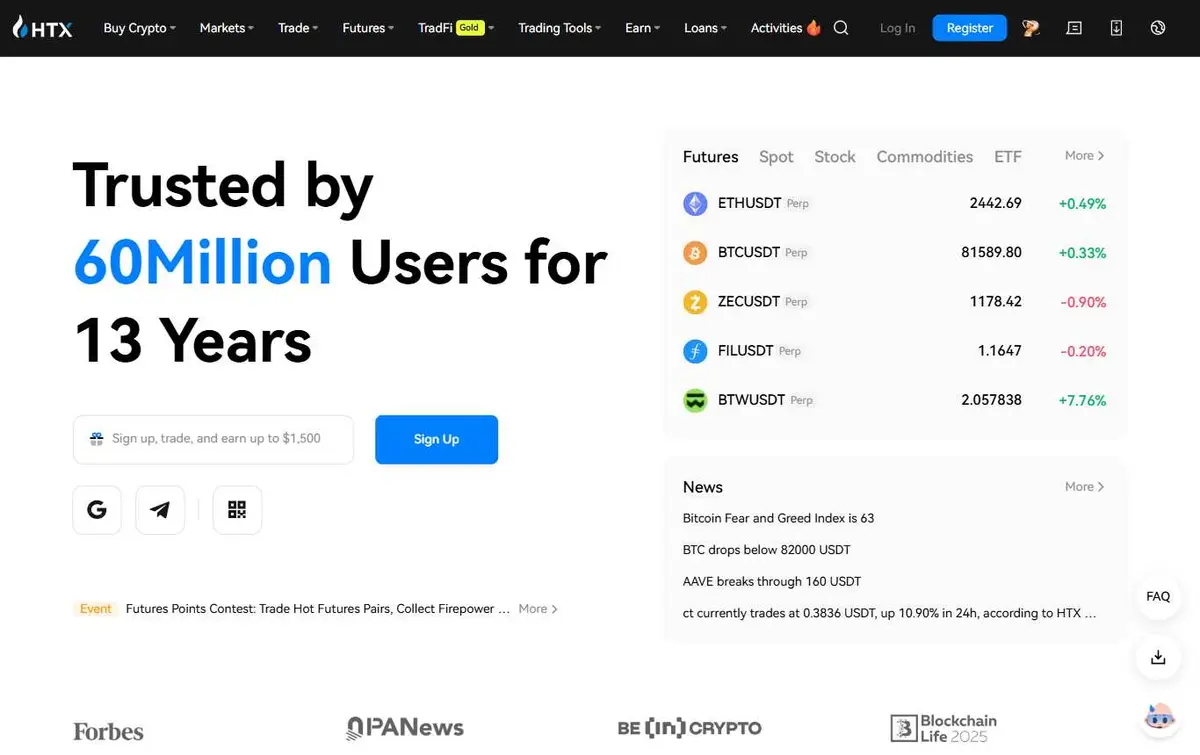
No barrier HTX · Home page
New Zealand: the page loads with no notice
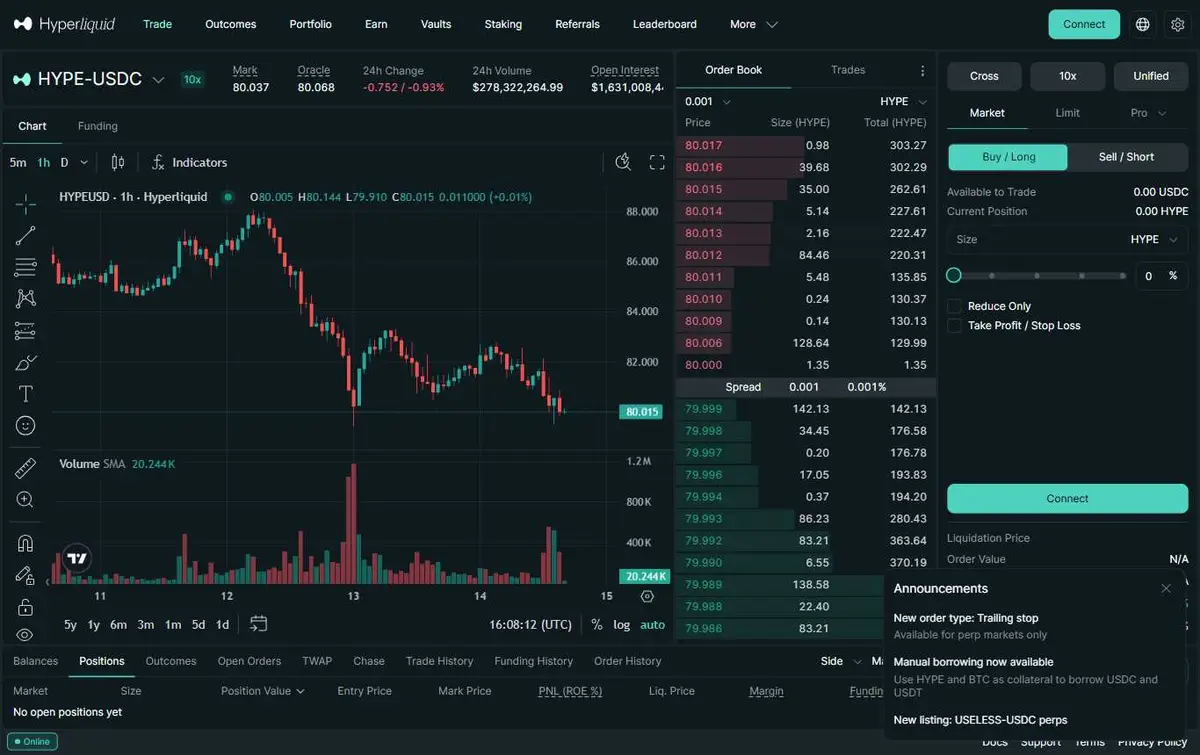
No barrierHyperliquid · Trading app
New Zealand: the trading app loads with no notice
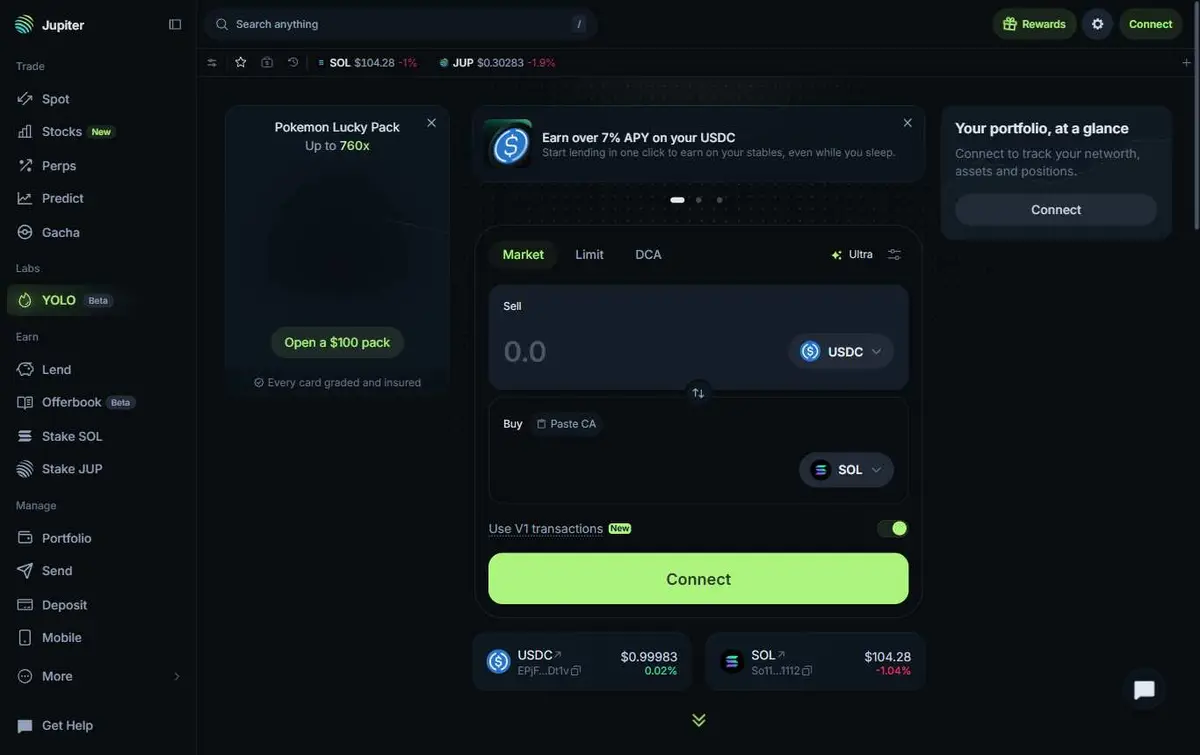
No barrier Jupiter · Trading app
New Zealand: the app loads with no notice
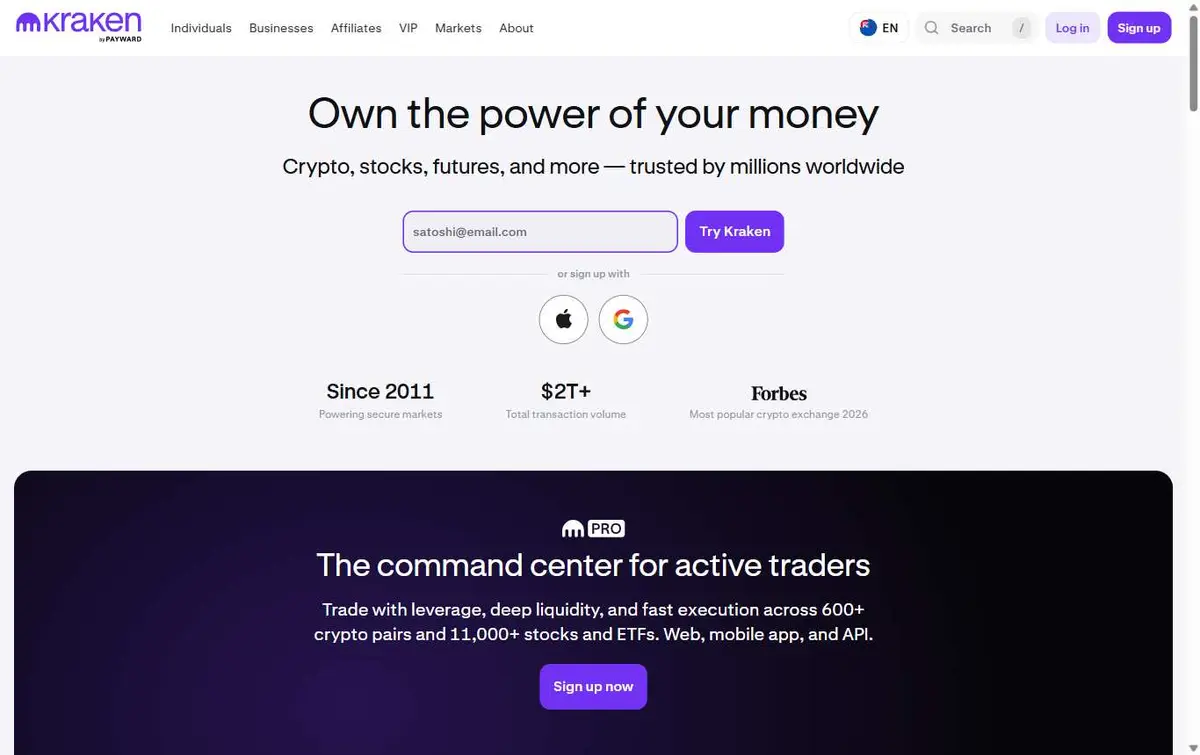
No barrier Kraken · Home page
New Zealand loads normally; only Kraken Derivatives excludes it

No barrier KuCoin · Home page
New Zealand: the page loads with no notice
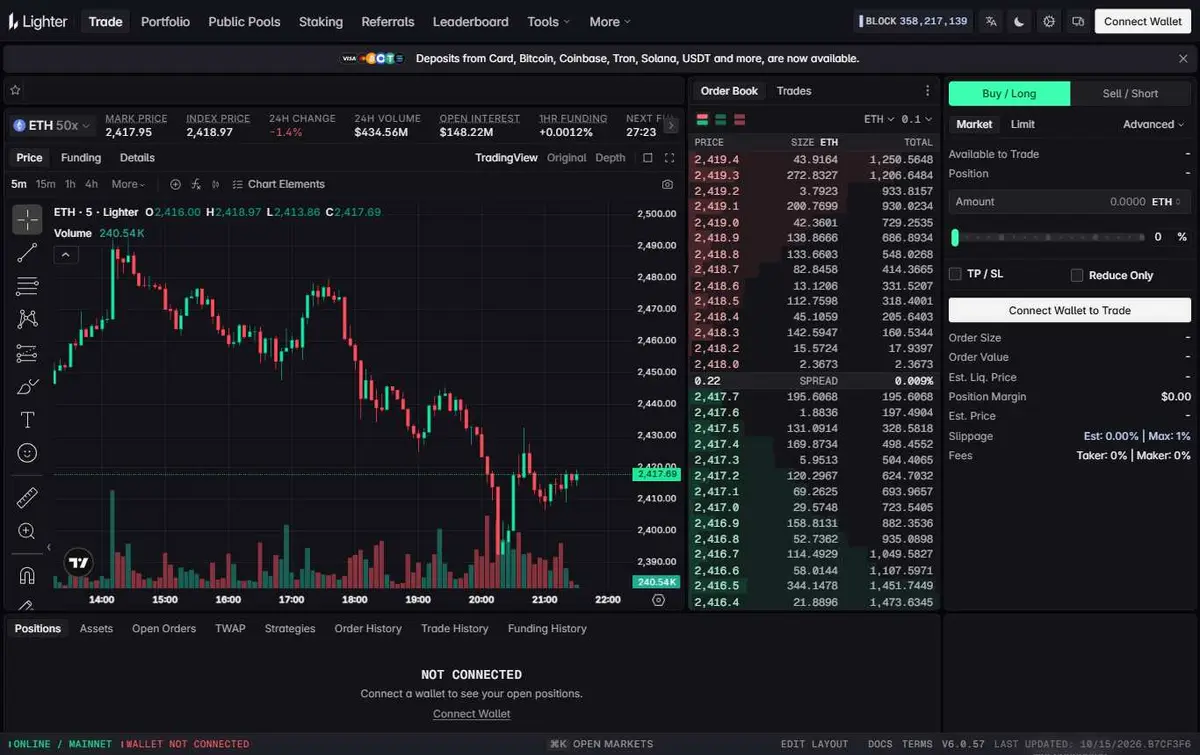
No barrier Lighter · Trading app
New Zealand: the trading app loads with no notice

No barrier MEXC · Home page
New Zealand: the page loads with no notice
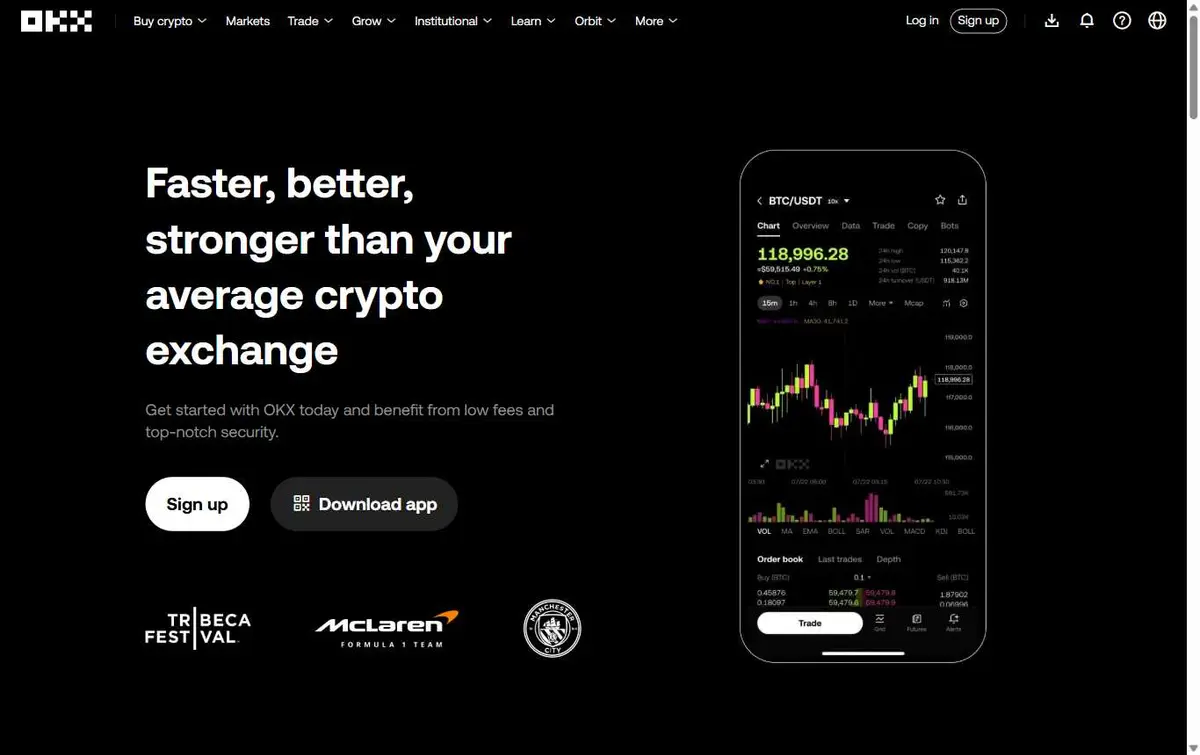
No barrier OKX · Home page
New Zealand: the page loads with no notice
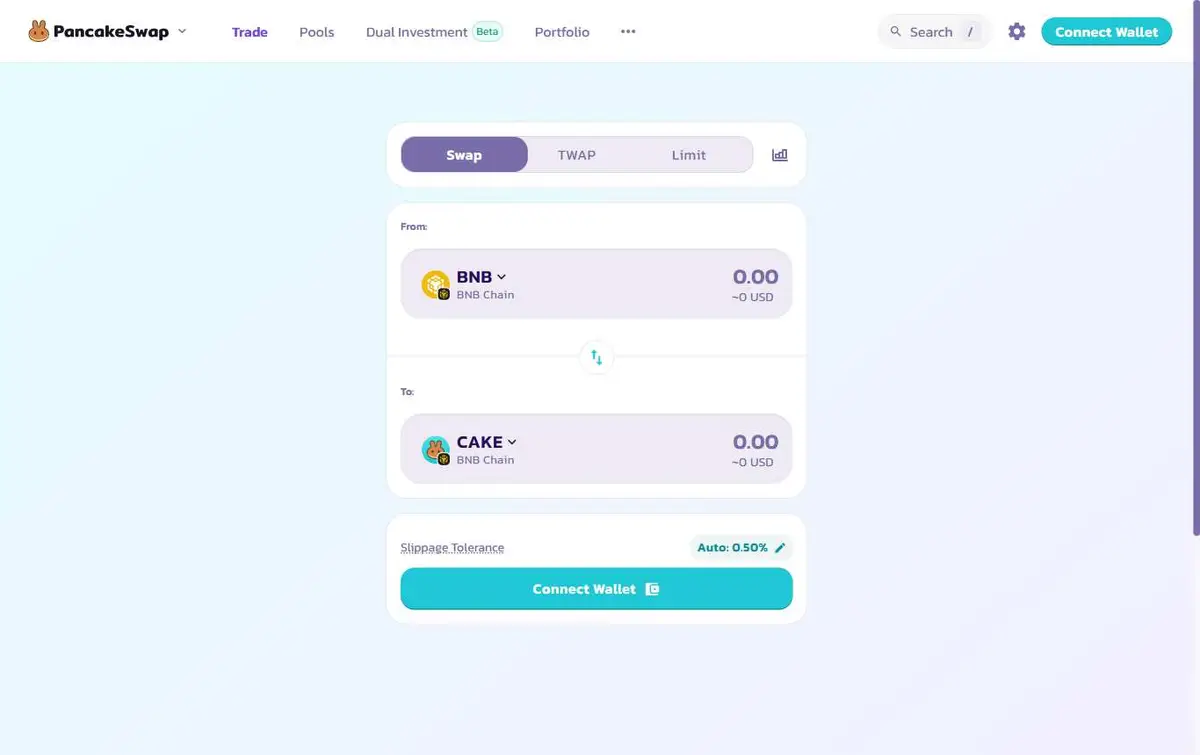
No barrier PancakeSwap · Trading app
New Zealand: the swap app loads with no notice
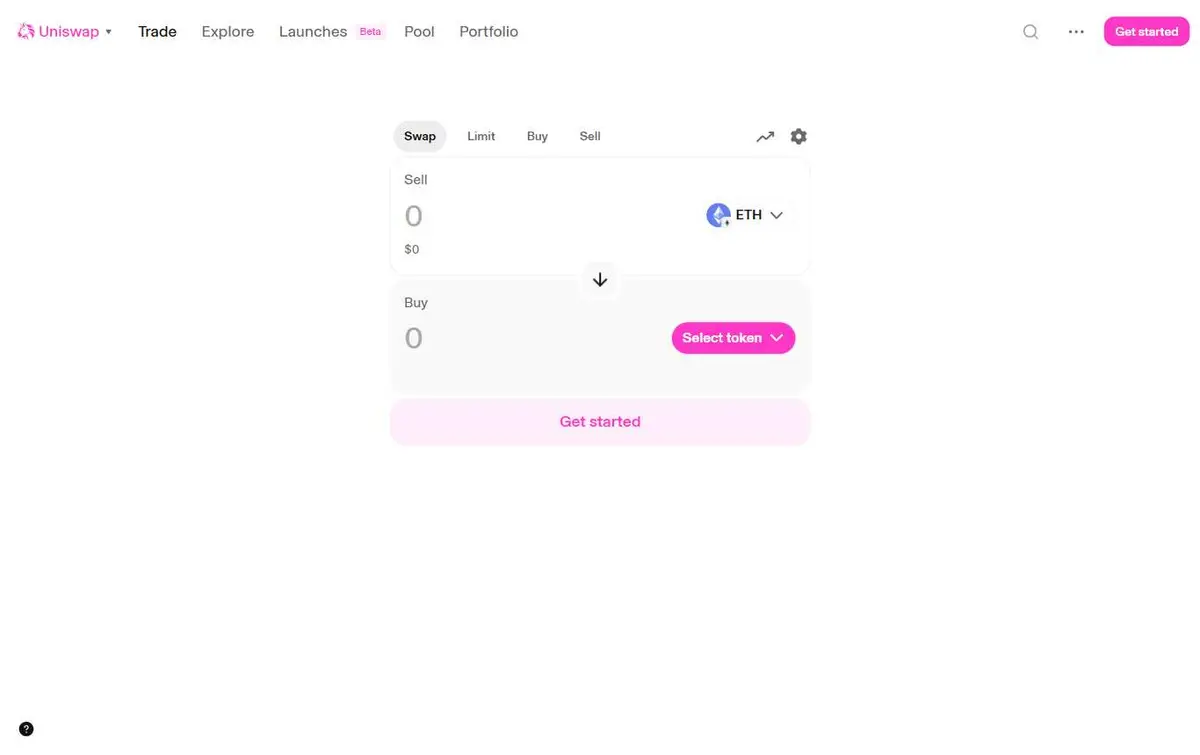
No barrier Uniswap · Trading app
New Zealand: the swap app loads with no notice
 CRYPTORESTRICTIONS
Who regulates crypto in New Zealand?
No single regulator owns crypto. The DIA supervises anti-money-laundering duties and gambling, the FMA covers tokens that are financial products, Inland Revenue (IRD) taxes it, and the Reserve Bank has paused its digital cash project.
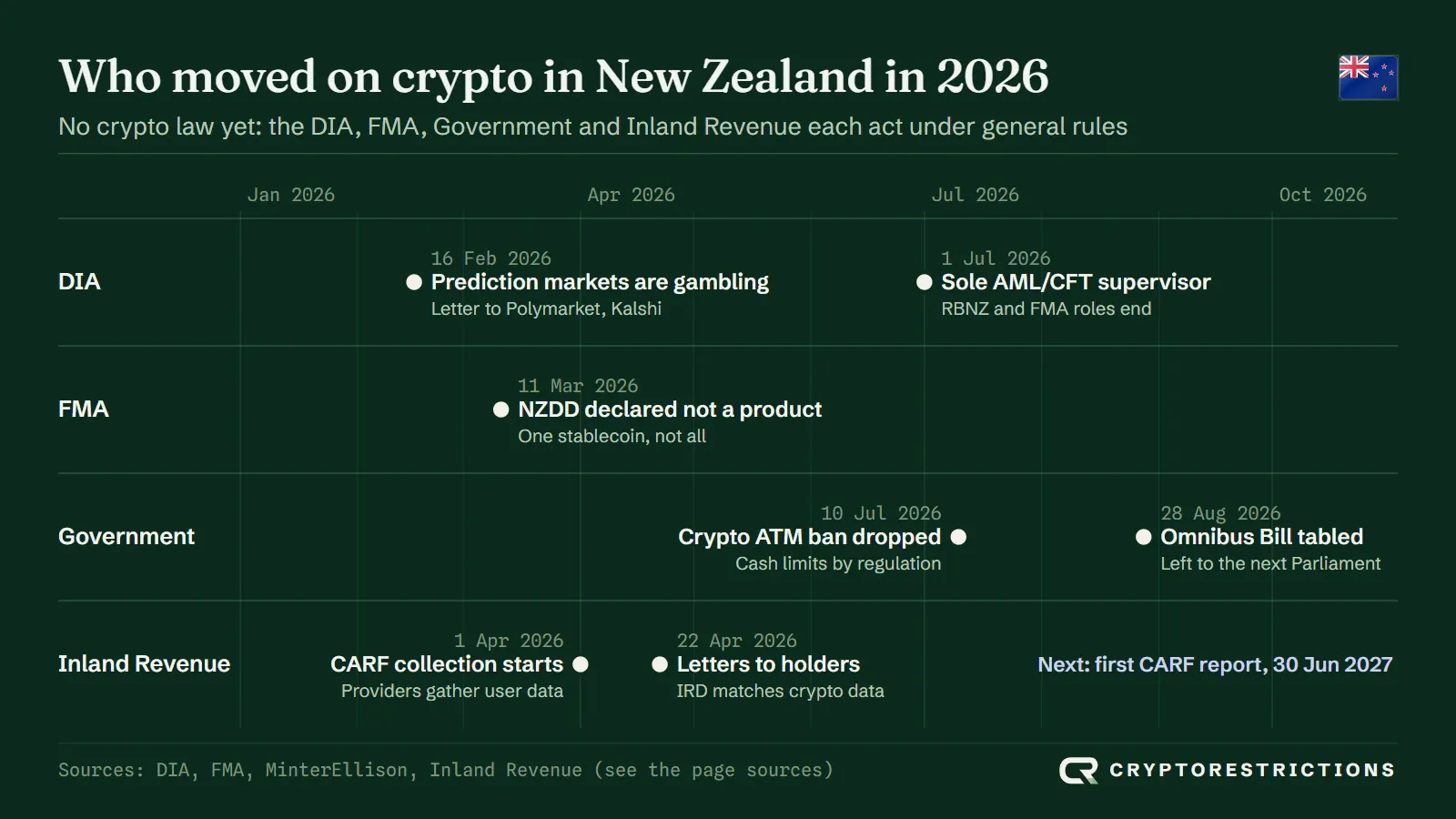
- Department of Internal Affairs. On 1 July 2026 it became the sole AML/CFT supervisor, replacing the Reserve Bank and the FMA in that role. MinterEllison’s summary says new regulations phased in from 2023 to 2025 gave virtual asset service providers specific compliance obligations, and that the AML/CFT Amendment Act 2026 took effect on 19 May 2026. DIA also regulates gambling.
- Financial Markets Authority. Applies the Financial Markets Conduct Act to tokens that are financial products, and made the NZDD designation in March 2026.
- Inland Revenue. Sets the tax treatment and runs the crypto-asset reporting rules, as covered below.
- Government and Parliament. On 10 July 2026 Cabinet dropped its plan for a blanket crypto ATM ban in favour of powers to limit cash transactions in virtual assets. The AML/CFT Omnibus Amendment Bill, introduced on 28 August 2026, creates that framework by regulation; DLA Piper says consultation on the regulations is expected in early 2027 and notes the general election.
- Reserve Bank. The Otago Daily Times reported on 13 October 2026 that it has paused its digital cash proposal, which had been aimed at 2030, to focus on payments modernisation.
Which crypto products are limited in New Zealand?
Spot trading is the open product. Derivatives are the narrowest, with Kraken and HTX barring them here, and prediction markets are refused outright.
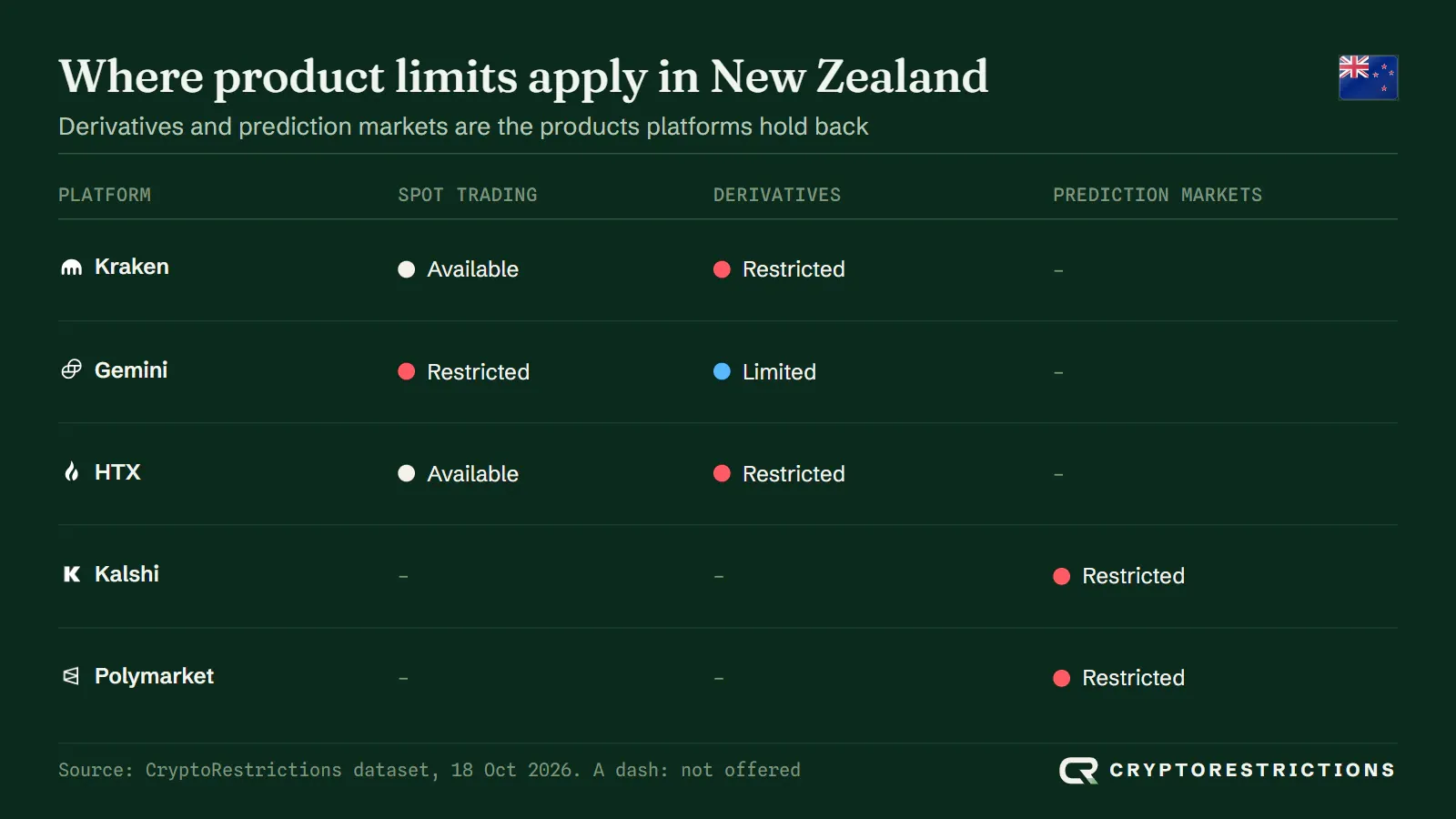
- Derivatives. New Zealand is excluded from Kraken Derivatives, and HTX’s user agreement bars derivatives trading. Gemini offers perpetuals to institutional clients only, as its availability page shows.
- Stablecoins. The FMA has cleared one New Zealand dollar stablecoin, NZDD, as not a financial product. Other stablecoins are not covered by that notice.
- Stocks and prediction markets. Coinbase showed us a notice that both are unavailable from New Zealand.
- Crypto ATMs. The blanket ban plan was dropped in July 2026; the Omnibus Bill would let ministers set cash limits instead.
Are prediction markets legal in New Zealand?
No. In February 2026 the DIA told Polymarket and Kalshi that their products are gambling and bookmaking under the Gambling Act 2003 and the Racing Industry Act 2020, and both now restrict New Zealand.
Simpson Grierson’s analysis says the DIA ordered both to stop serving New Zealand and expects the decision to guide how it treats similar markets. It adds that the DIA has signalled it will not pursue individual users who technically commit an offence. The FMA was consulted and said the position would not cause unintended consequences for financial markets law, though whether such contracts could be derivatives under that law is unclear. The firm does not say whether the DIA itself published its letter, and we could not find one.
In our data both markets are restricted: Kalshi lists New Zealand among its restricted jurisdictions, and Polymarket has New Zealand on its restricted list as close-only.


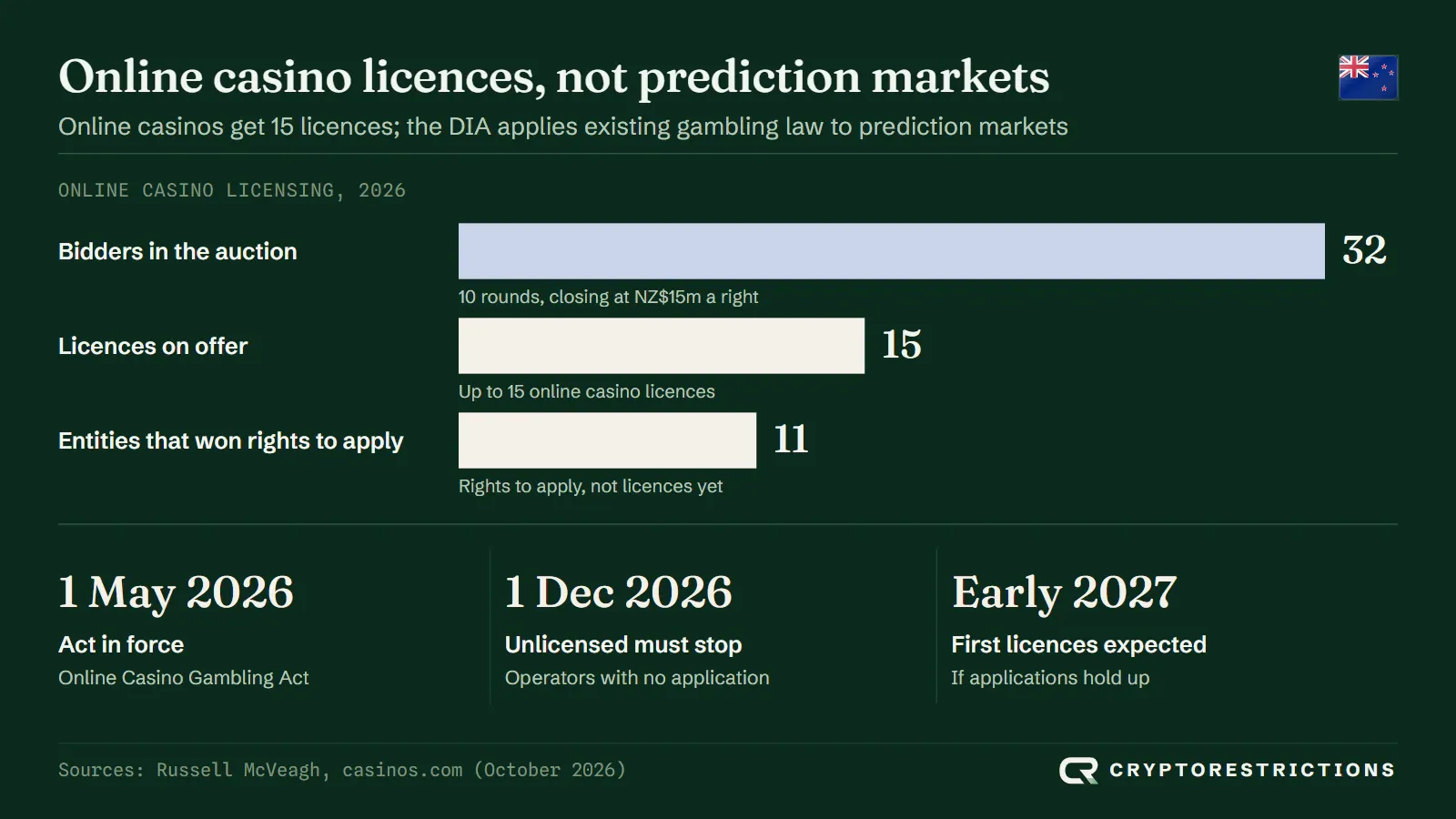
A separate regime is opening for online casinos, and it does not cover prediction markets. The Online Casino Gambling Act passed its third reading on 23 April 2026, and Russell McVeagh says the DIA will issue 15 licences by auction and that operators without an application must stop on 1 December 2026. Casinos.com reports that 11 entities won the right to apply in an auction with 32 bidders.
How is crypto taxed in New Zealand?
Inland Revenue treats crypto as property. Gains are taxable income when you acquired the crypto with a purpose of selling it, and that income is taxed at your normal rate, up to 39%.
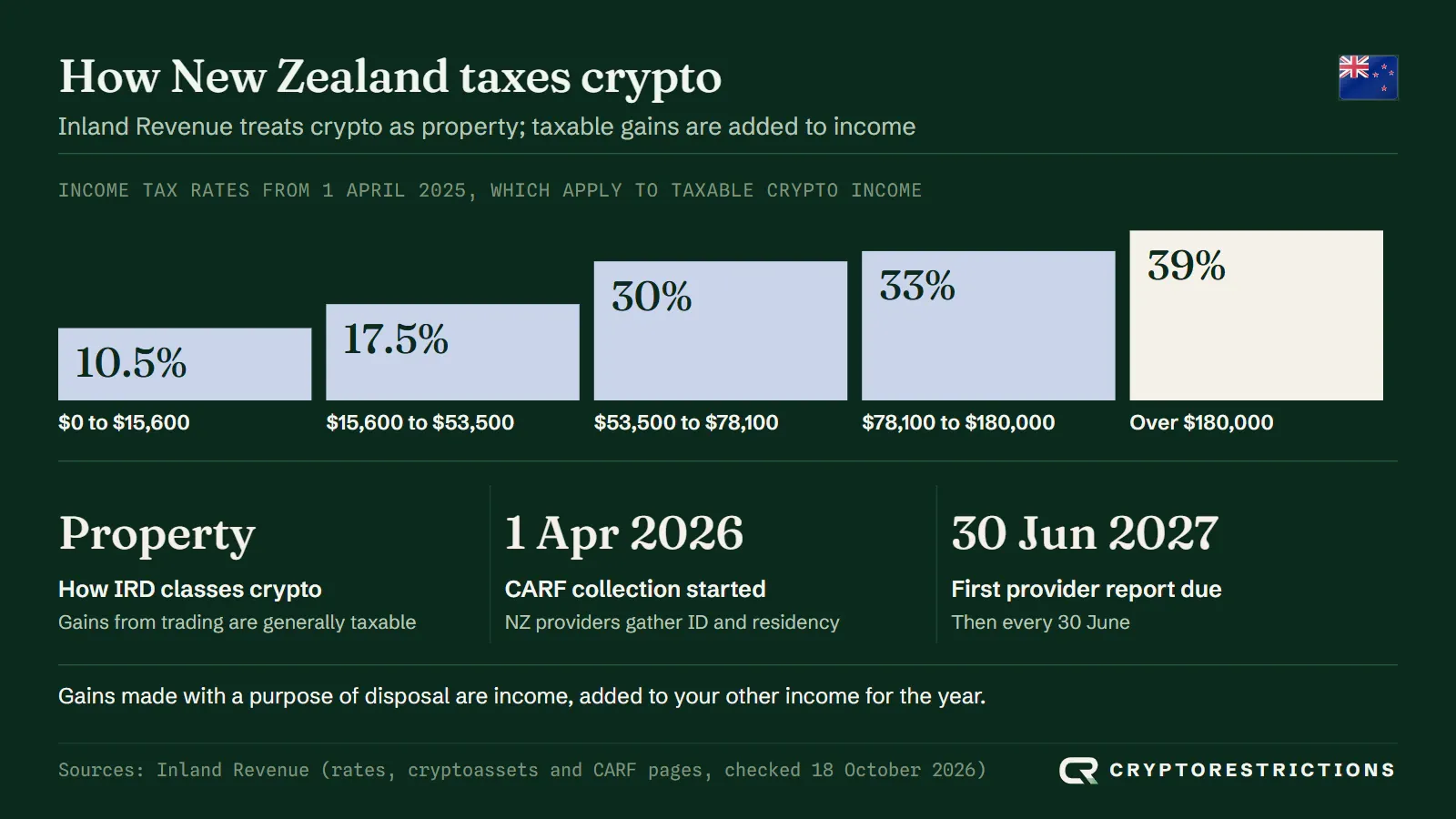
IRD says cryptoassets are treated as property for tax purposes. Its page on acquiring to sell says profit is income if you acquired the crypto with a purpose of disposing of it, judged at acquisition, and that calling it a long-term investment does not avoid that. Staking rewards are taxable when received and again when sold. IRD’s 22 April 2026 reminder says it will match crypto data to returns and has already sent a first group of letters.
Taxable income goes on an IR3 return. The rates on IRD’s rates page run from 10.5% up to 39% over $180,000 for the year from 1 April 2025; check that page for any later change. Buying and selling crypto is excluded from GST.
Reporting has begun. IRD’s overview says New Zealand-based reporting providers must collect user identity and tax residency from 1 April 2026, that the first period runs to 31 March 2027, and that the first report is due by 30 June 2027. Users need not register but must give accurate details when asked.
 Australia
 Fiji
 Papua New Guinea
 Solomon Islands
 Vanuatu
 Kiribati
 Marshall Islands
 Micronesia
 Nauru
 Palau
 Samoa