
Is crypto legal in Australia?
Yes. Nothing in the rules we read bans residents from buying, holding or trading crypto, and the state’s approach is to register, license and tax the businesses and people involved.
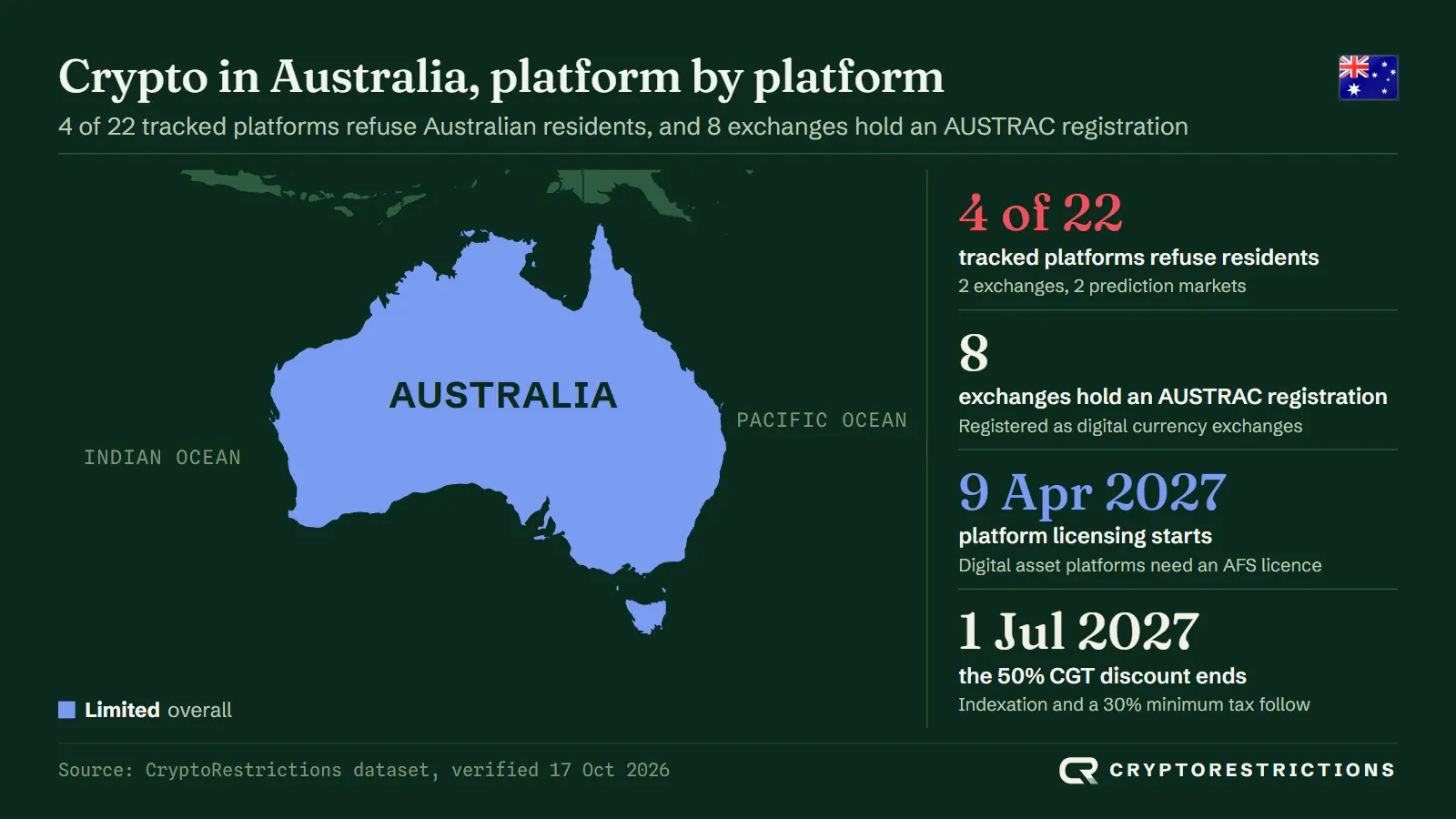
Any business that offers crypto exchange or other virtual asset services in Australia must be registered with AUSTRAC before it starts, the regulator says, and the register became public on 30 June 2026. The old label was digital currency exchange. In 2026 Australia adopted the wider term virtual asset service provider, which AUSTRAC says brings custody, brokerage and other services under its rules. The tax authority treats crypto as a capital gains tax asset, not money, and applies no special tax rules to it. A second layer is coming: the Digital Assets Framework Act passed in April 2026 and will bring trading and custody platforms under financial services licensing. The sections below cover who holds a registration, what each regulator does and how gains are taxed.
Which crypto exchanges work in Australia?
Eight of the exchanges we track hold an AUSTRAC registration: Coinbase, Kraken, OKX, Binance, KuCoin, Bitget, Gate and Crypto.com. Bitstamp, Bitfinex, MEXC and HTX also serve residents with no Australian registration on file.
Registration is the entry ticket, not an endorsement: it covers anti-money-laundering duties. A financial services licence from ASIC is a separate and heavier permission that applies when a product is a financial product, as derivatives are. AUSTRAC’s register can be searched by name or company number, and the search returns at most 200 records, so we quote no total number of registered firms.
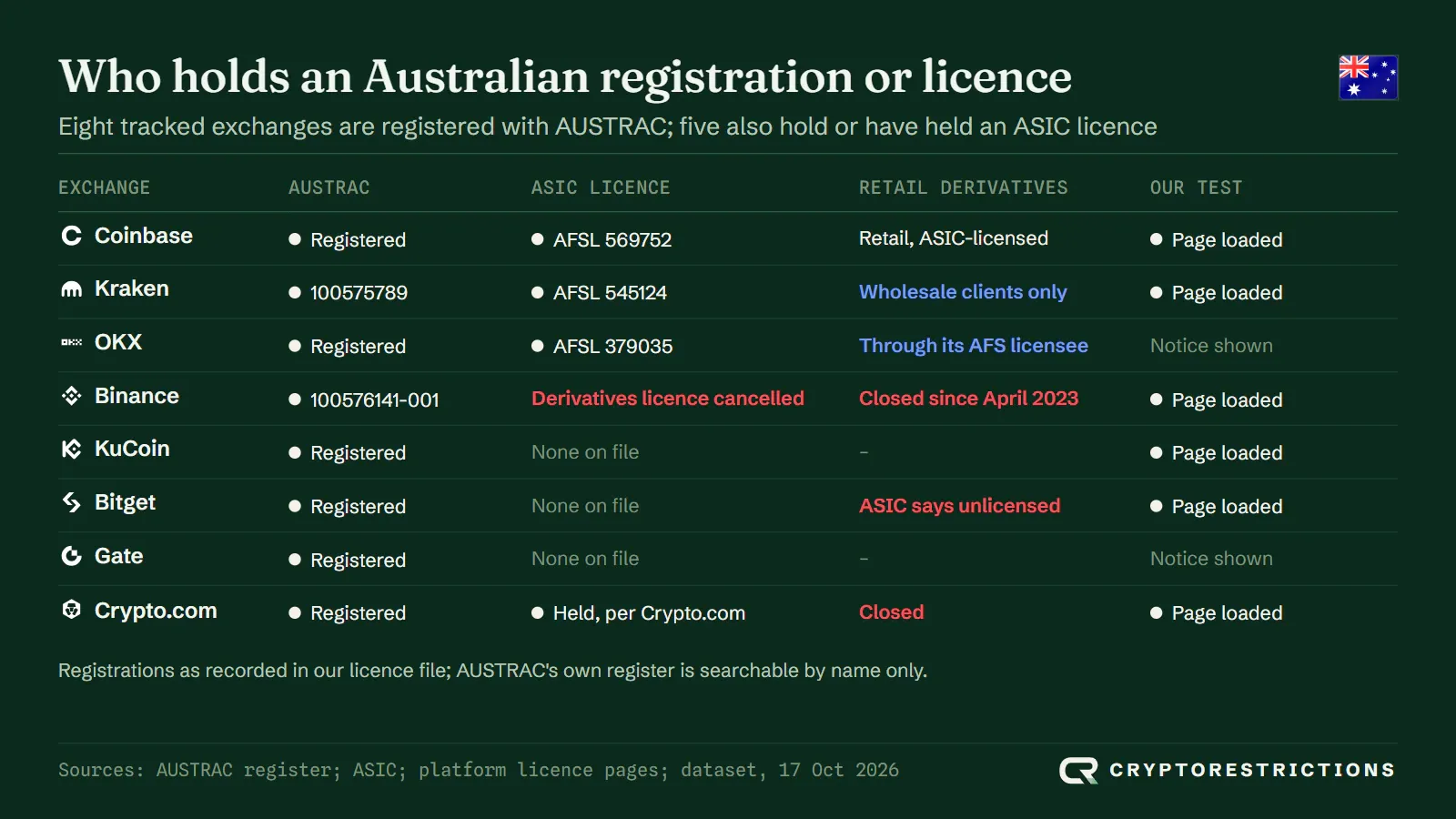
Coinbase serves Australia as Coinbase Australia Pty Ltd, which holds ASIC licence AFSL 569752 with a retail derivatives authorisation. Kraken trades through Bit Trade Pty Ltd, registered with AUSTRAC, and sells derivatives only to wholesale clients through the licensed broker Beaufort Fiduciaries. OKX operates OKX Australia Pty Ltd for spot trading and routes derivatives through OKX Australia Financial, licence AFSL 379035. Binance is registered as InvestbyBit Pty Ltd, but ASIC cancelled the licence of its derivatives arm in April 2023. KuCoin registered in November 2025, Gate serves residents through Gate Information Pty Ltd, and Crypto.com and Bitget are registered too. A registration does not make every product legal to sell: ASIC warned in July 2025 that Bitget’s futures are unlicensed.
Best crypto platforms for Australian residents
By our access score, Coinbase and KuCoin (9.0 out of 10 each) and Gate (8.5) are the exchanges most open to Australian residents, Jupiter, Lighter, PancakeSwap and Uniswap (8.0 each) are the most open DeFi platforms, and no prediction market is open to new positions.
The score rates how fully an Australian resident can use each platform, not its fees or safety. It is computed from our data and moves when a row changes: access status (4 points), the share of the platform’s products open here (3), the Australian licences we hold on file (2) and what our geo-access test saw from an Australian address (1). Platforms that refuse Australian residents are not scored. The full method is on our methodology page.
Exchanges

Coinbase
Best for An ASIC-licensed local company with retail derivatives
9.0/10- Access
- 4/4
- Products
- 3/3
- Licences
- 1/2
- Our test
- 1/1
Read our Coinbase reportPros
- Coinbase Australia Pty Ltd holds AFSL 569752
- Its licence includes retail derivatives
Cons
- We hold no Australian source for its staking

KuCoin
Best for Local fiat on-ramps on a registered exchange
9.0/10- Access
- 4/4
- Products
- 3/3
- Licences
- 1/2
- Our test
- 1/1
Read our KuCoin reportPros
- Registered with AUSTRAC since November 2025
- Offers Australian fiat on-ramps
Cons
- No ASIC licence on file

Gate
Best for A registered local entity for spot
8.5/10- Access
- 4/4
- Products
- 3/3
- Licences
- 1/2
- Our test
- 0.5/1
Read our Gate reportPros
- Gate Information Pty Ltd is registered with AUSTRAC
Cons
- No ASIC licence on file
- Our test logged a region notice

Bitfinex
Best for Spot access without a local company
8.0/10- Access
- 4/4
- Products
- 3/3
- Licences
- 0/2
- Our test
- 1/1
Read our Bitfinex reportPros
- Australia is not a prohibited jurisdiction in its terms
Cons
- No AUSTRAC registration on file

Bitstamp
Best for Plain spot trading
8.0/10- Access
- 4/4
- Products
- 3/3
- Licences
- 0/2
- Our test
- 1/1
Read our Bitstamp reportPros
- No Bitstamp document excludes Australia
Cons
- No AUSTRAC registration or ASIC licence on file

HTX
Best for Spot access without a local company
8.0/10- Access
- 4/4
- Products
- 3/3
- Licences
- 0/2
- Our test
- 1/1
Read our HTX reportPros
- Australia is not on its restricted lists
Cons
- No AUSTRAC registration on file

Kraken
Best for Spot trading with a registered local company
8.0/10- Access
- 3.5/4
- Products
- 2.5/3
- Licences
- 1/2
- Our test
- 1/1
Read our Kraken reportPros
- Bit Trade Pty Ltd is registered with AUSTRAC
- Spot trading is open to residents
Cons
- Derivatives are for wholesale clients only
- Opt-in Rewards and xStocks are not offered
- Ordered to pay A$8 million in December 2024 over margin extension

MEXC
Best for Spot access without a local company
8.0/10- Access
- 4/4
- Products
- 3/3
- Licences
- 0/2
- Our test
- 1/1
Read our MEXC reportPros
- Australia is not on its prohibited-jurisdictions list
Cons
- No AUSTRAC registration on file

OKX
Best for Spot trading with a registered local company
7.5/10- Access
- 3.5/4
- Products
- 2.5/3
- Licences
- 1/2
- Our test
- 0.5/1
Read our OKX reportPros
- OKX Australia Pty Ltd is registered with AUSTRAC
- Derivatives run through an AFS licensee
Cons
- Derivatives and CeFi services are restricted here

Binance
Best for Spot trading only
7.4/10- Access
- 3.5/4
- Products
- 1.9/3
- Licences
- 1/2
- Our test
- 1/1
Read our Binance reportPros
- InvestbyBit Pty Ltd is registered with AUSTRAC
- Australia is not on its prohibited list
Cons
- Derivatives closed after ASIC cancelled the licence in 2023
- Its derivatives arm was ordered to pay A$10 million in March 2026

Bitget
Best for Spot trading on a registered exchange
7.3/10- Access
- 3/4
- Products
- 2.3/3
- Licences
- 1/2
- Our test
- 1/1
Read our Bitget reportPros
- Registered with AUSTRAC for exchange services
Cons
- ASIC warned in July 2025 that its futures are unlicensed
- Says its services are not intended for Australian residents

Crypto.com
Best for Spot trading in the app, with a registered company
7.3/10- Access
- 3.5/4
- Products
- 1.8/3
- Licences
- 1/2
- Our test
- 1/1
Read our Crypto.com reportPros
- Registered with AUSTRAC and licensed by ASIC, per its licence page
Cons
- No derivatives for Australia
- On Crypto.com's derivatives geo-restrictions list
DeFi

Jupiter
Best for Solana swaps from your own wallet
8.0/10- Access
- 4/4
- Products
- 3/3
- Licences
- 0/2
- Our test
- 1/1
Read our Jupiter reportPros
- Australia is not in its terms
Cons
- No Australian registration on file

Lighter
Best for Perpetuals on its main app
8.0/10- Access
- 4/4
- Products
- 3/3
- Licences
- 0/2
- Our test
- 1/1
Read our Lighter reportPros
- Australia is not named in its terms
Cons
- No Australian registration on file

PancakeSwap
Best for BNB Chain swaps and pools
8.0/10- Access
- 4/4
- Products
- 3/3
- Licences
- 0/2
- Our test
- 1/1
Read our PancakeSwap reportPros
- Australia is not excluded by its terms
Cons
- No Australian registration on file

Uniswap
Best for Swapping tokens from your own wallet
8.0/10- Access
- 4/4
- Products
- 3/3
- Licences
- 0/2
- Our test
- 1/1
Read our Uniswap reportPros
- Its terms bar only places under comprehensive US sanctions
Cons
- No Australian registration on file

Aster
Best for Perpetuals and spot trading
5.9/10- Access
- 3/4
- Products
- 1.9/3
- Licences
- 0/2
- Our test
- 1/1
Read our Aster reportPros
- Perpetuals and spot are not barred
Cons
- Prediction trading is barred under its prediction user agreement

Hyperliquid
Best for Perpetuals from your own wallet
5.9/10- Access
- 3/4
- Products
- 1.9/3
- Licences
- 0/2
- Our test
- 1/1
Read our Hyperliquid reportPros
- Perpetuals and spot are not excluded by its terms
Cons
- Outcome markets are hidden for Australia
Which platforms block Australian users?
Four platforms refuse Australian residents in their own terms or notices: the exchanges Bybit and Gemini and the prediction markets Polymarket and Kalshi.
Gemini is the exit worth knowing. It closed every Australian account on 6 April 2026, completing a withdrawal it announced in February, and its sign-up page refused us in October. Bybit added Australia to its excluded jurisdictions in terms effective 16 October 2026, and its home page still loaded in our test two days earlier. Polymarket lists Australia as close-only, so existing positions can be closed but no new ones opened, and the regulator separately asked internet providers to block the site.
What our geo-access test saw from Australia
From an Australian address on 14 and 16 October 2026 we loaded all 22 platforms we track: 2 refused us, 3 showed a notice and 17 loaded with no barrier.
An open page is not permission. Bybit loaded before its new terms took effect on 16 October, and MEXC and HTX loaded with Australia on neither company’s restricted lists. Gemini refused us outright and Polymarket’s geoblock check returned blocked while its home page still loaded. Three notices were not refusals in the usual sense: Kalshi said prediction markets are not available, Gate logged a notice that we were visiting from the Australian region, and OKX sent us to its local site, OKX Australia. Swipe through the screenshots below; each card quotes what the page showed.
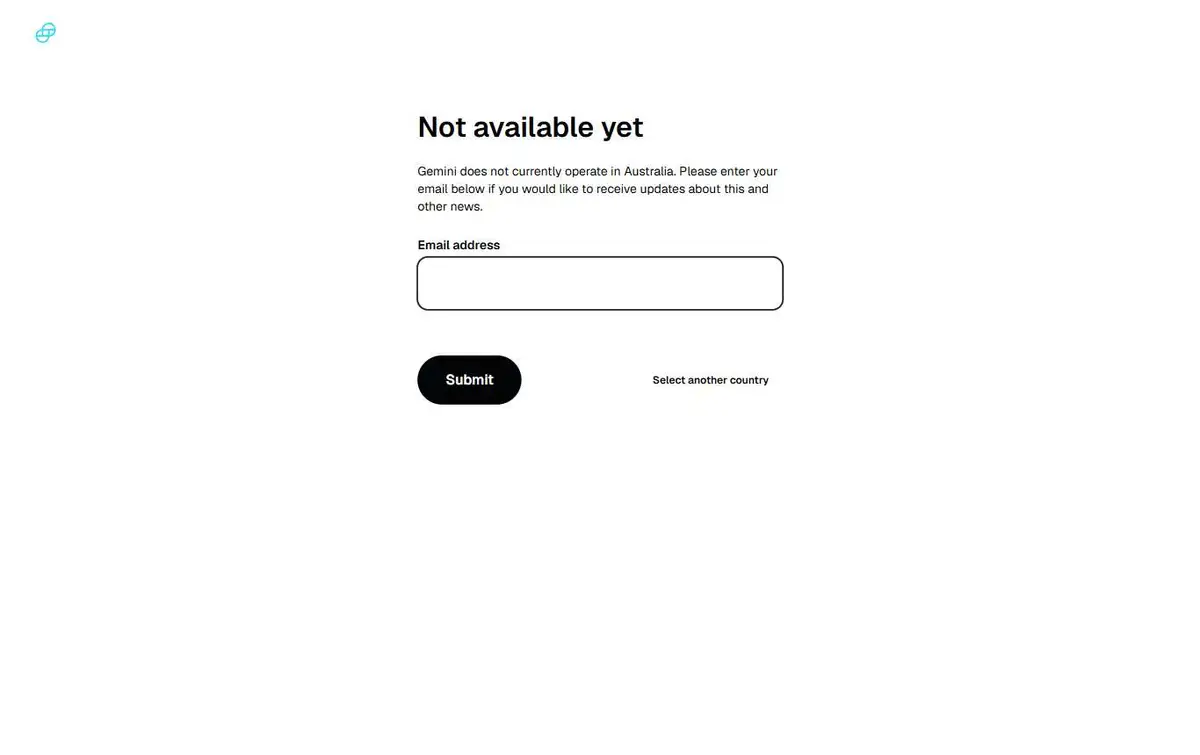
Blocked Gemini · Sign-up page
Australia, closed with the UK and the EEA on 6 April 2026
“Gemini does not currently operate in Australia.”
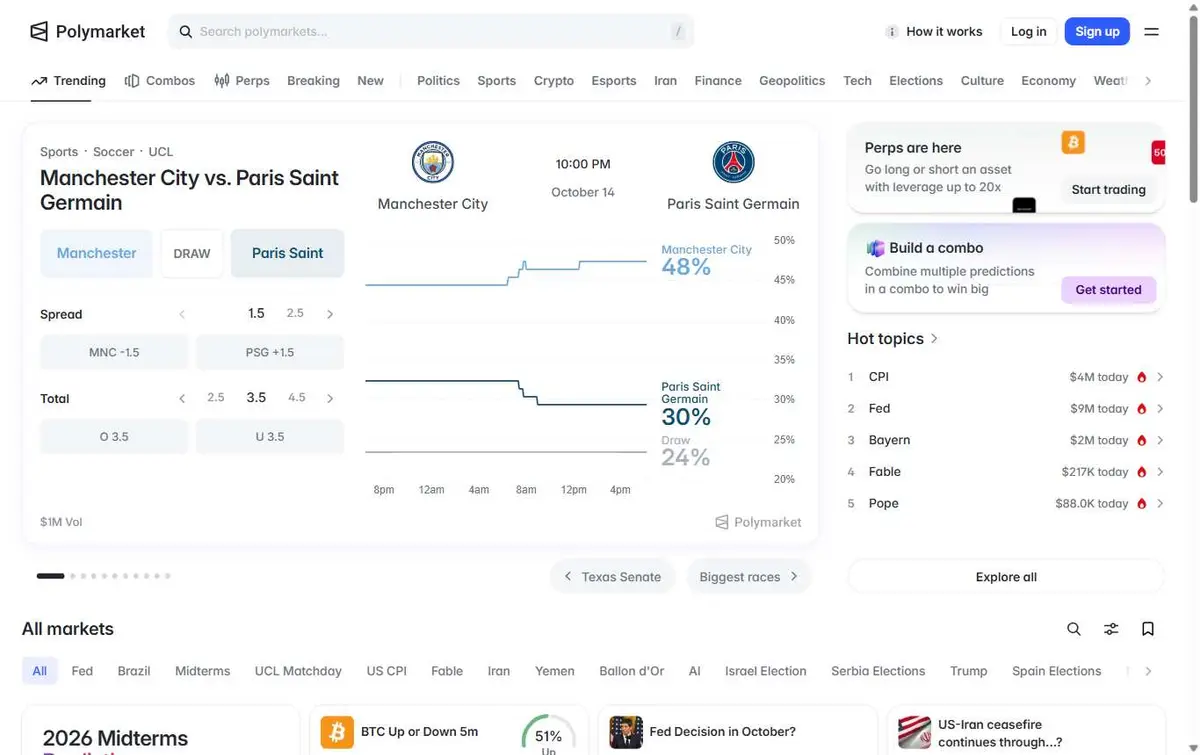
Blocked Polymarket · Home page
Australia, on Polymarket's close-only list: the home page loaded with no barrier while the geoblock check answered blocked
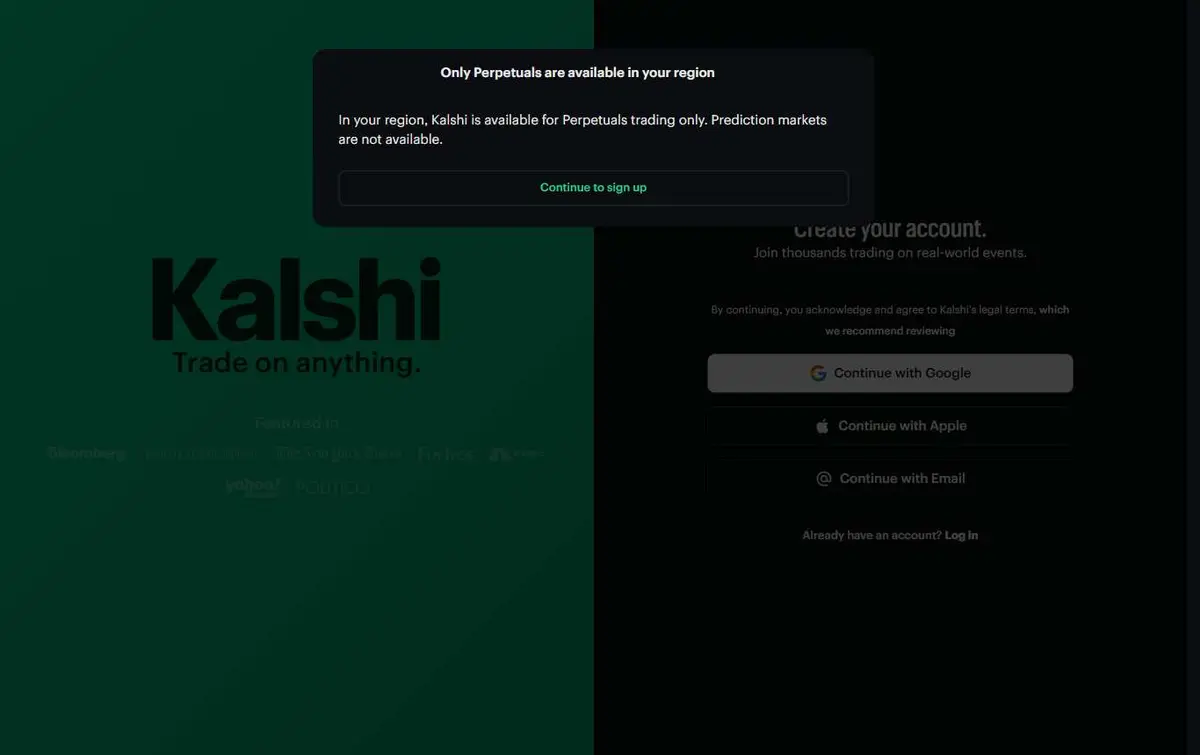
Notice shown Kalshi · Sign-up page
Australia, added to the list days after the international launch: perps-only notice at sign-up
“Prediction markets are not available.”
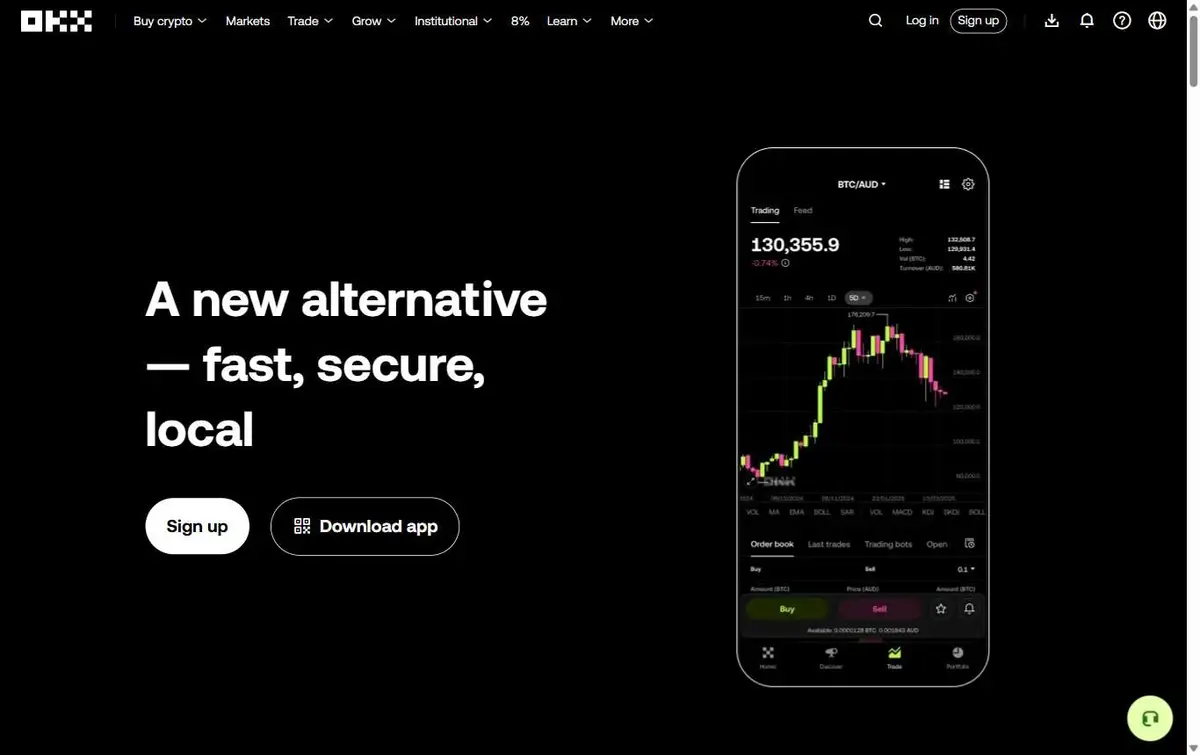
Notice shown OKX · Home page
OKX Australia, where derivatives and CeFi services are restricted
“OKX Australia”
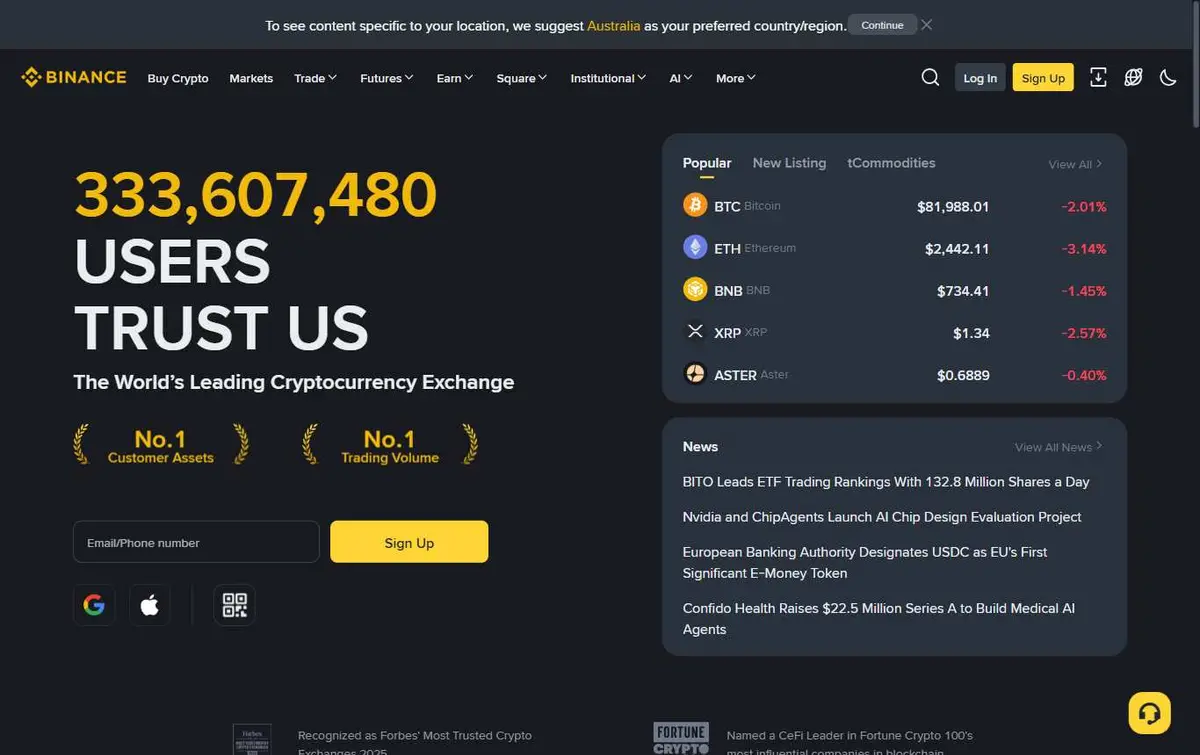
No barrier Binance · Home page
Australia, where only derivatives are closed: the home page loaded with no barrier
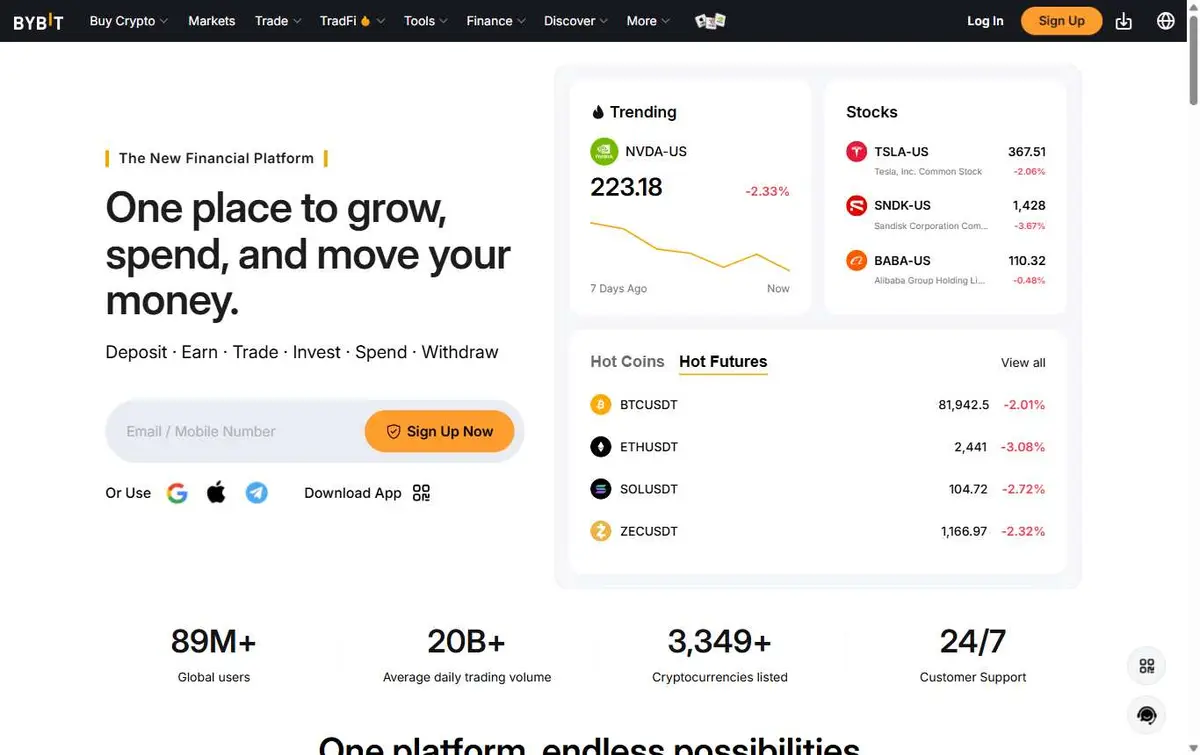
No barrier Bybit · Home page
Australia, added to Bybit's excluded list on 16 October 2026: the home page loaded on 14 October, two days before
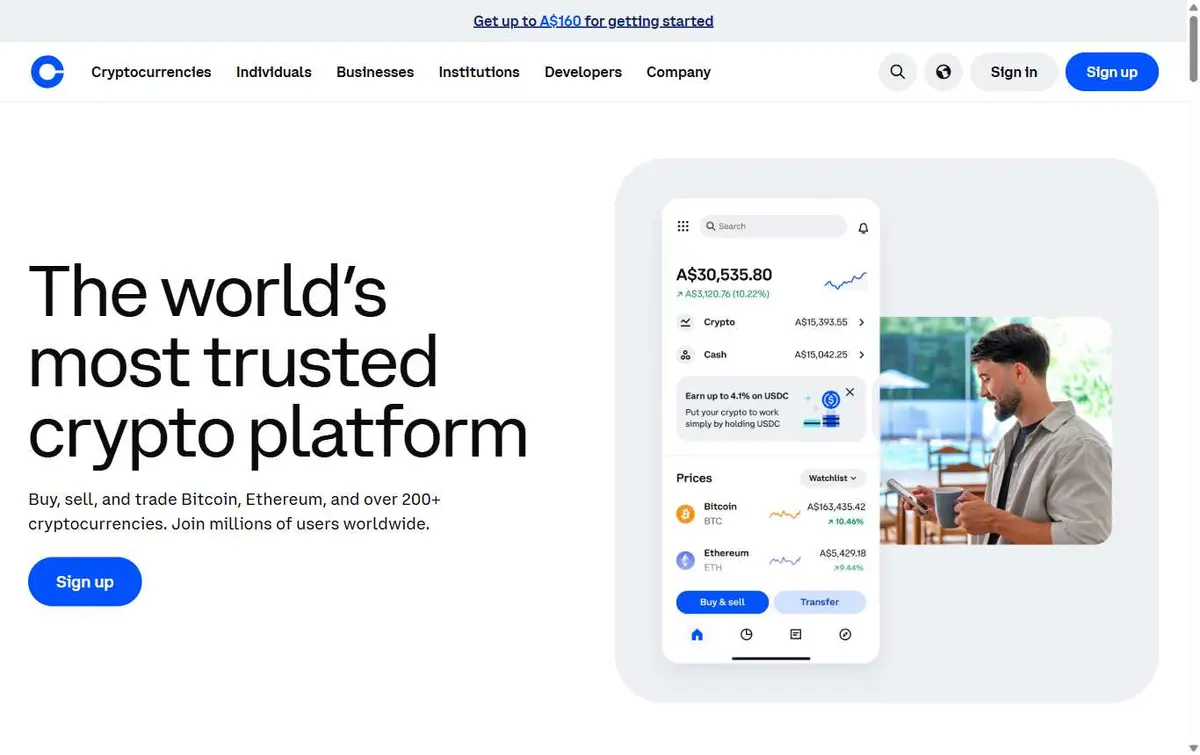
No barrier Coinbase · Home page
Australia: the local Coinbase Australia page loaded with no barrier
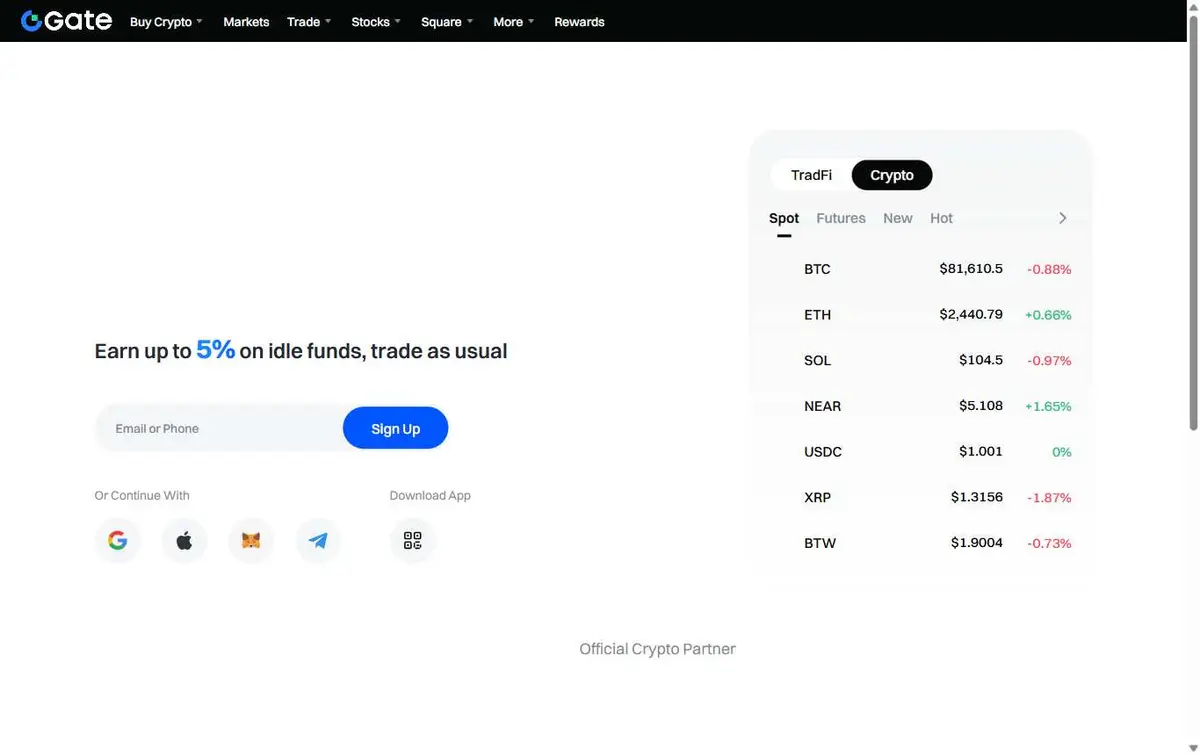
No barrier Gate · Home page
Australia: the home page loaded with no barrier, and the scan logged a notice that we were visiting from the AU region
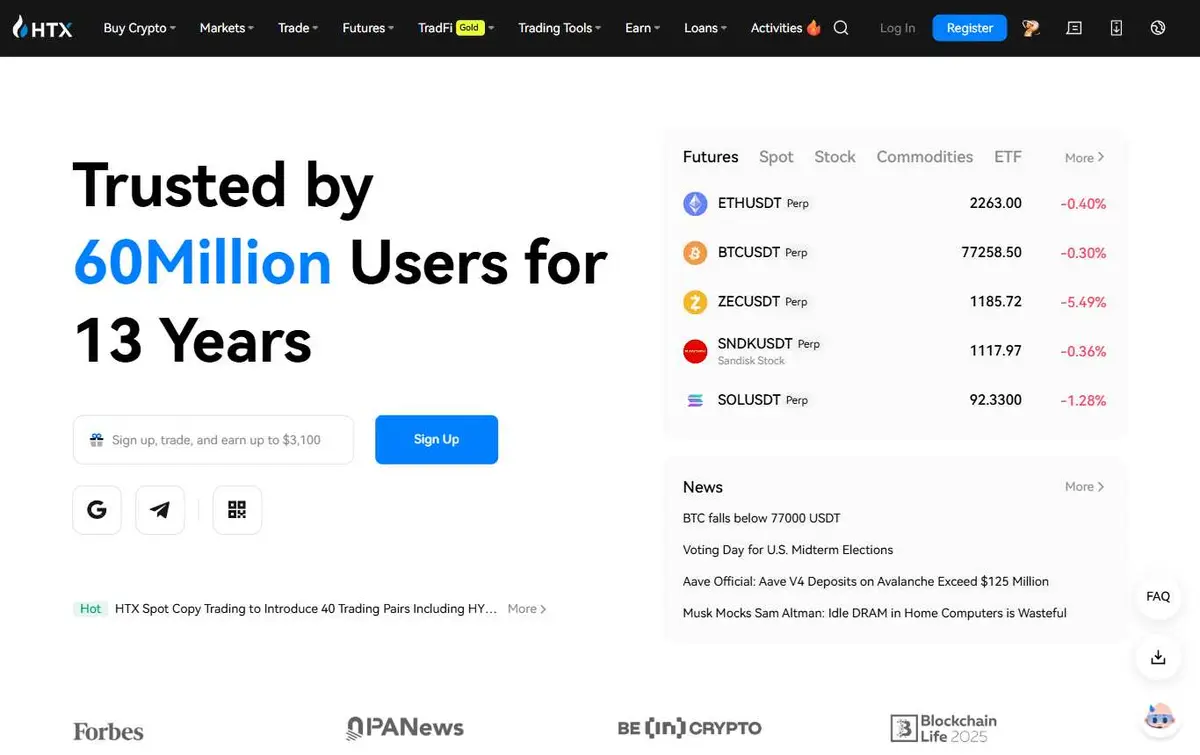
No barrier HTX · Home page
Australia: the home page loaded with no barrier
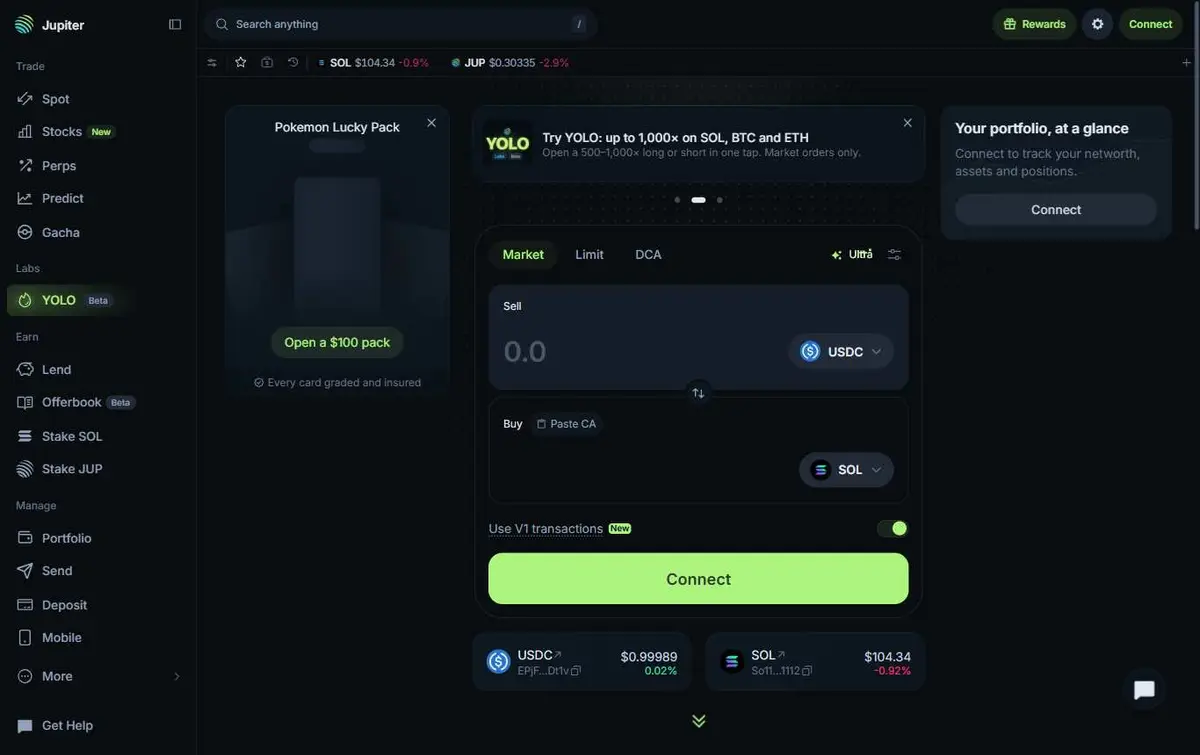
No barrier Jupiter · Trading app
Australia: no banner, no notice
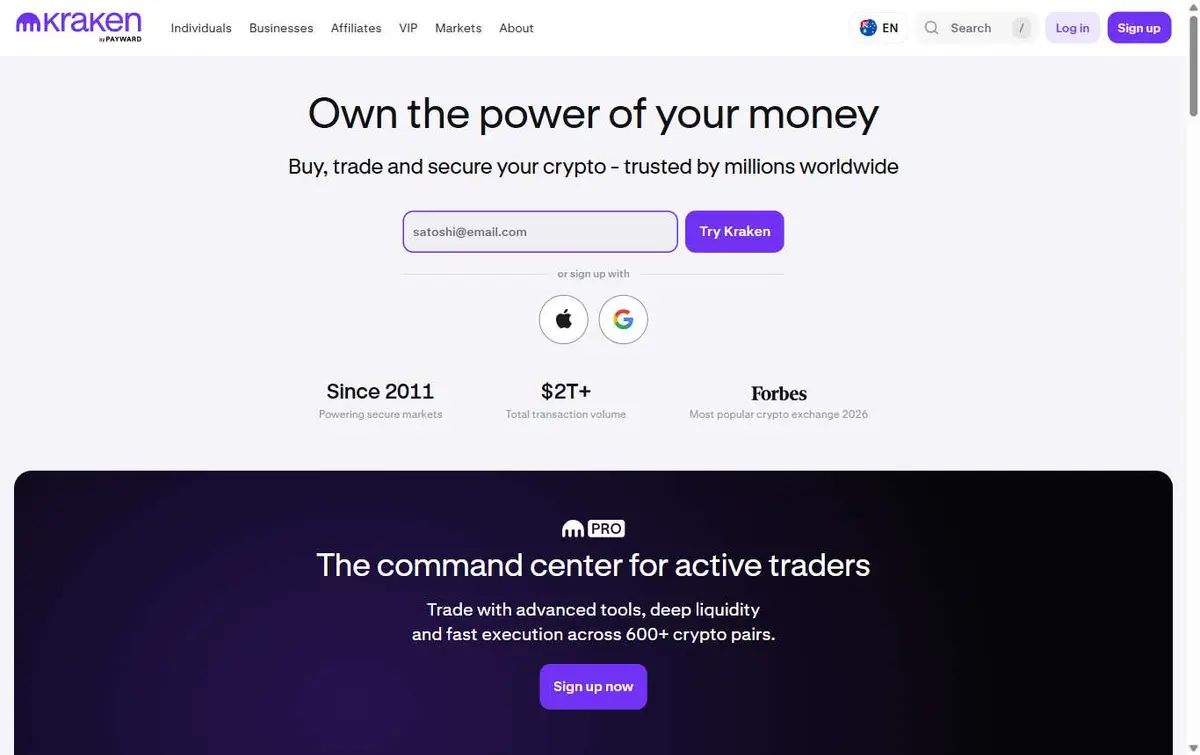
No barrier Kraken · Home page
Australia: derivatives only for wholesale clients
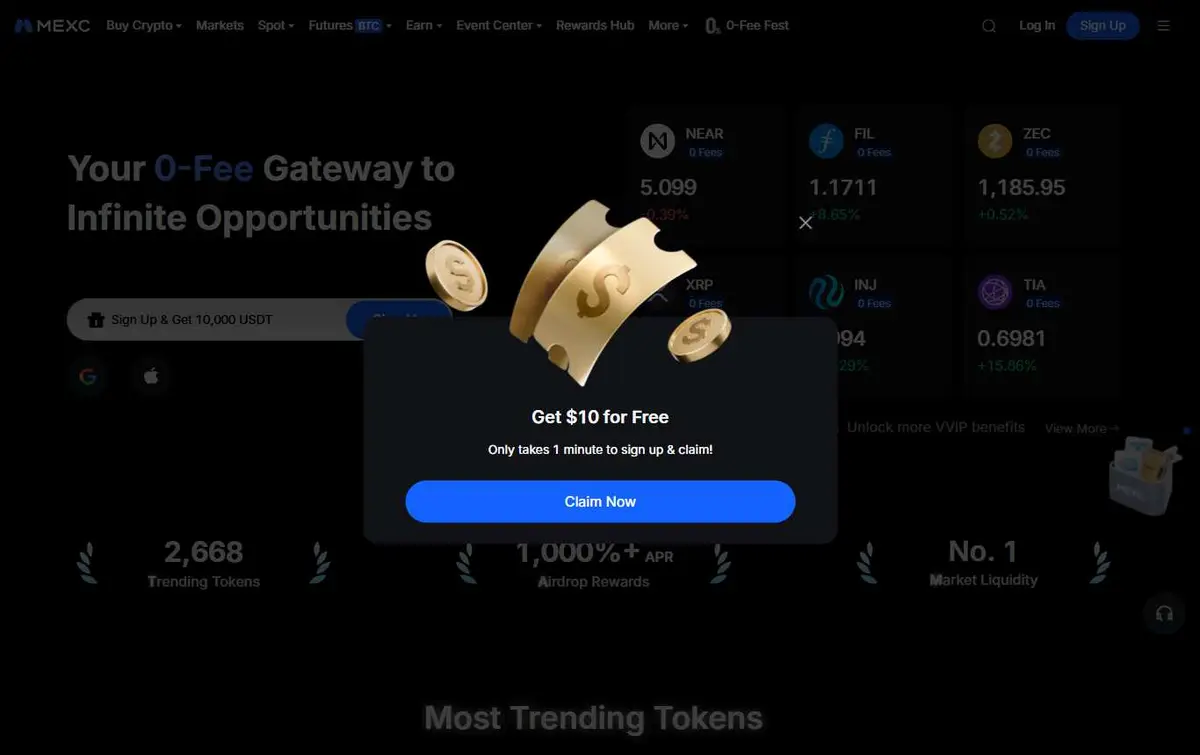
No barrier MEXC · Home page
Australia: the home page loaded with no barrier
 CRYPTORESTRICTIONS
Who regulates crypto in Australia?
AUSTRAC registers and supervises crypto businesses for money-laundering risk, ASIC licenses financial products and the platforms that sell them, the ACMA enforces gambling law, and the ATO sets how crypto is taxed.
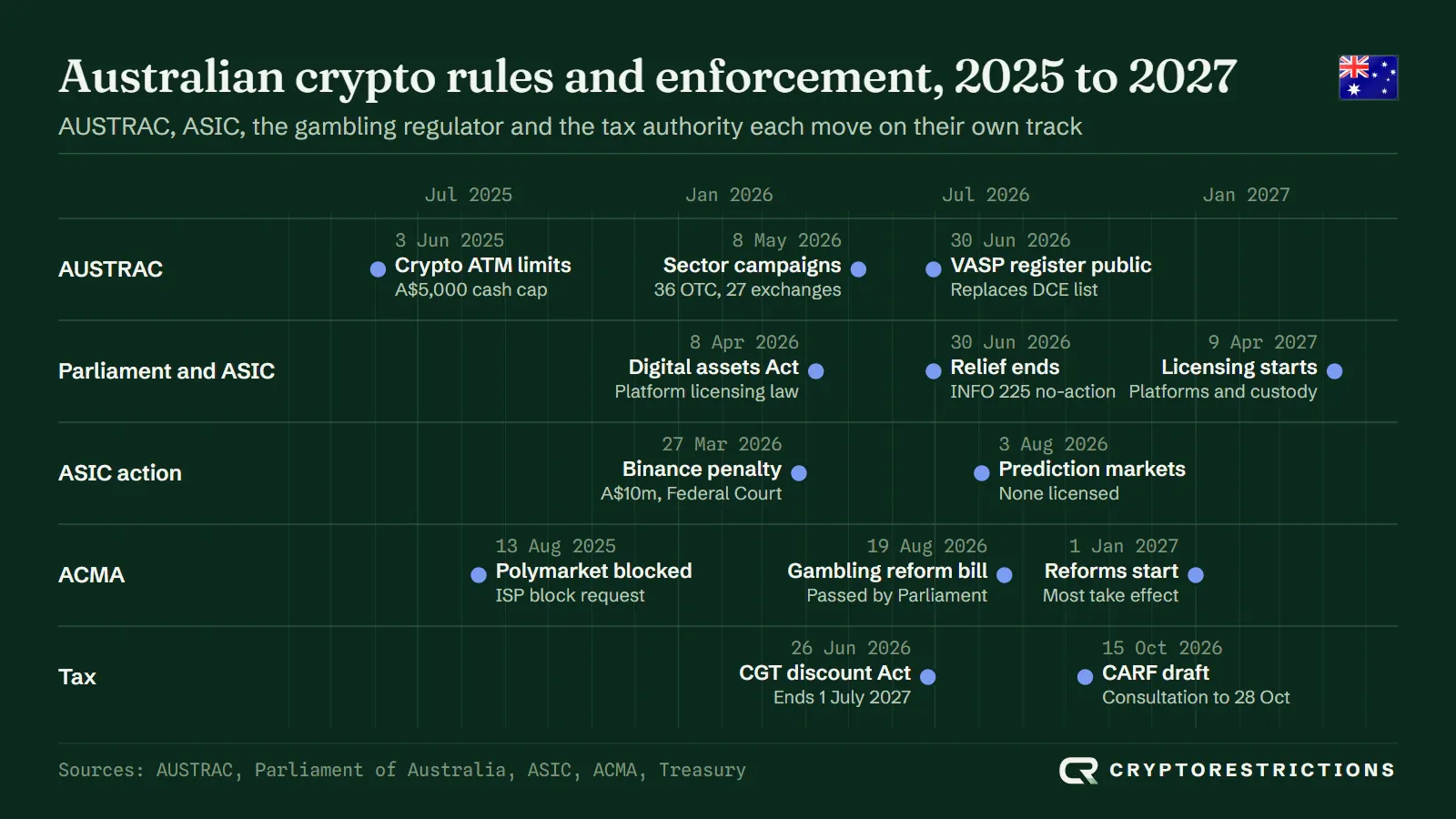
- AUSTRAC. It has regulated crypto exchanges since 2018, and on 8 May 2026 it opened two supervision campaigns: 36 firms offering over-the-counter crypto to cash services and 27 local exchanges. In June 2025 it capped cash deposits and withdrawals at crypto ATMs at A$5,000 and refused to renew one operator’s registration. Its actions page lists registrations cancelled or suspended, among them Cryptolink Pty Ltd, suspended on 9 August 2026.
- ASIC. Its updated guidance says stablecoins, wrapped tokens, tokenised securities and digital asset wallets can be financial products. Firms had until 30 June 2026 to apply for a licence under a no-action position, and relief for distributing certain stablecoins remains in place. Enforcement so far: Bit Trade, which runs Kraken, was ordered to pay A$8 million in December 2024, and Binance Australia Derivatives was ordered to pay A$10 million in March 2026 after misclassifying 524 retail clients as wholesale.
- Parliament. The Digital Assets Framework Act (Act No. 38 of 2026) was introduced on 26 November 2025, passed on 1 April 2026 and received assent on 8 April 2026. It defines digital asset platforms and tokenised custody platforms and gives ASIC the power to license them. ASIC’s roadmap says the Act commences on 9 April 2027 and sets an 18-month implementation, with licence applications opening in months 12 to 18 and full ASIC supervision after that.
- ACMA. It enforces the Interactive Gambling Act, covered in the prediction-markets section.
- ATO. The tax authority, covered in the tax section.
Which crypto products are limited in Australia?
Derivatives are the most limited product: Binance closed them after ASIC cancelled its licence, Crypto.com does not offer them, Kraken sells them to wholesale clients only, and OKX runs them through a separate licensee.
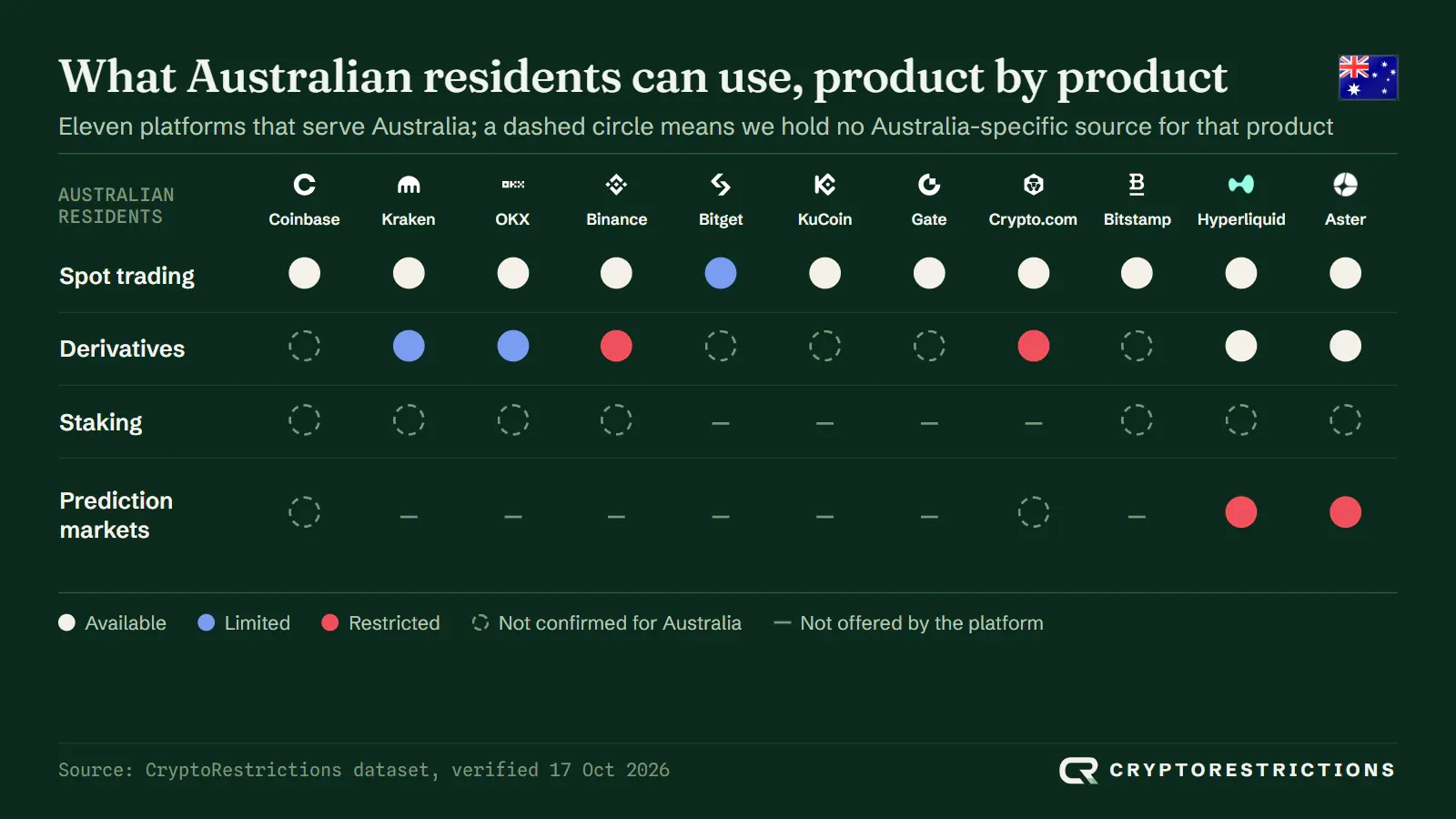
- Derivatives. ASIC’s rules turn on who the client is. Coinbase’s licence includes a retail derivatives authorisation. Kraken’s derivatives sit with the licensed broker Beaufort Fiduciaries and are for wholesale clients, and ASIC says Bitget’s futures are unlicensed. OKX’s terms for retail access through OKX Australia Financial took effect on 6 October 2026.
- Rewards. Kraken does not offer Opt-in Rewards or xStocks to Australian residents. We hold no Australian source for staking on the other platforms.
- Cash. Crypto ATM operators face the A$5,000 cash limit from June 2025, and AUSTRAC expects exchanges that accept cash to consider similar limits.
- Stablecoins. ASIC’s relief for distributors of certain stablecoins and wrapped tokens stays in place during the move to the new licensing law.
Are prediction markets legal in Australia?
Not through any licensed route. ASIC says no prediction market operator is licensed as a financial market in Australia, the ACMA asked internet providers to block Polymarket, and every prediction market we track restricts Australia.
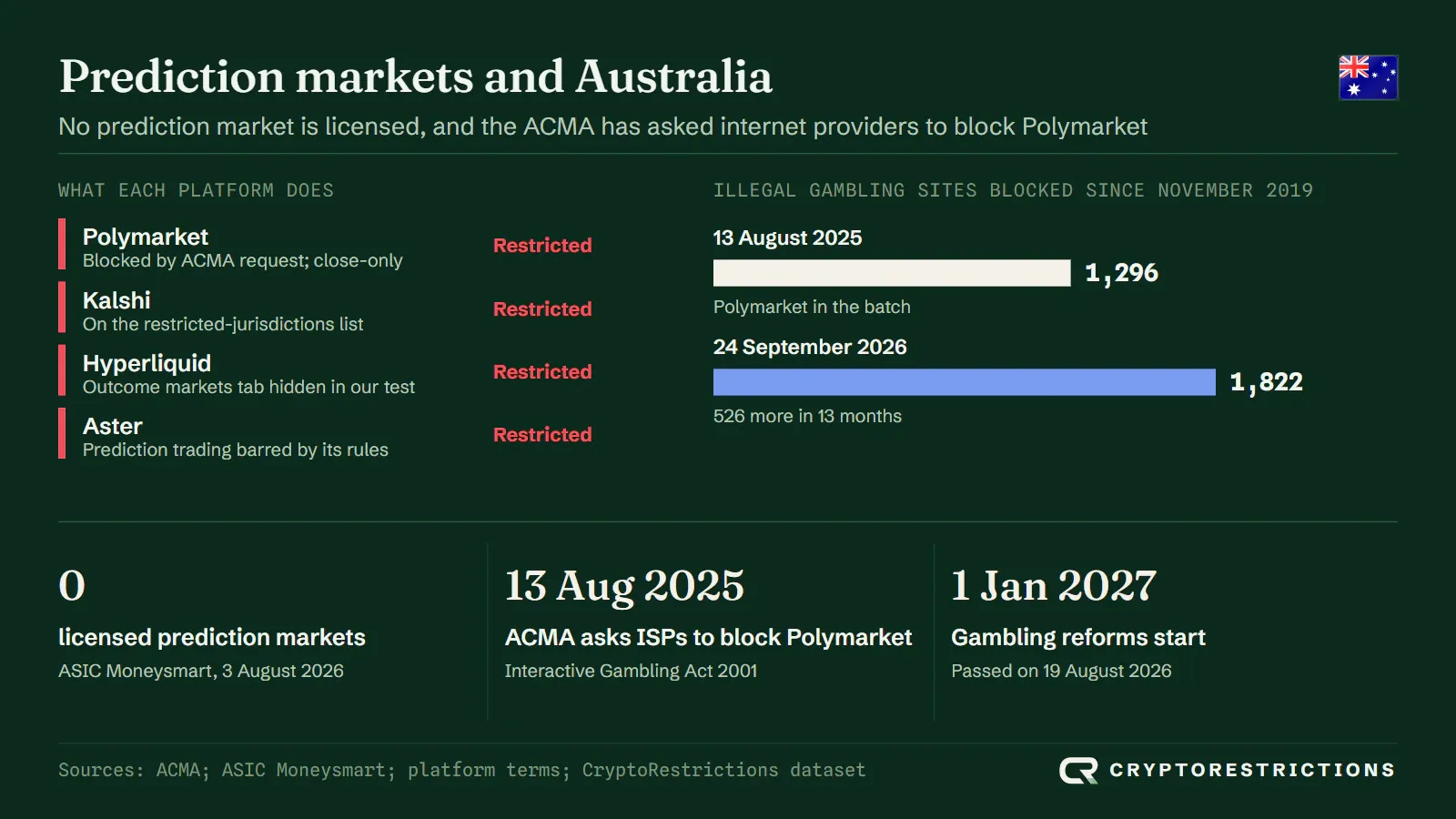
ASIC’s Moneysmart page (3 August 2026) describes event contracts as sharing characteristics with binary options, warns that users of unlicensed overseas platforms cannot reach dispute resolution or client money safeguards, and points readers to the ACMA’s list of blocked gambling websites. The Interactive Gambling Act 2001 makes it illegal to offer some online gambling services to people in Australia, including sports betting services without an Australian licence. The ACMA asked internet providers on 13 August 2025 to block Polymarket, and by 24 September 2026 it had blocked 1,822 illegal gambling and affiliate sites since November 2019. Parliament passed the Interactive Gambling Amendment (Gambling Reform) Bill 2026 on 19 August 2026, with most reforms starting on 1 January 2027 and stronger powers to take down illegal services. Neither the ACMA nor ASIC page we read names Kalshi.
On the platform side, Polymarket lists Australia as close-only and Kalshi lists it among its restricted jurisdictions. Hyperliquid hid its outcome markets tab in our test and Aster bars prediction trading under its prediction rules.


How is crypto taxed in Australia?
The ATO taxes crypto held as an investment as a capital gains tax asset: a gain is taxed at your income tax rate, halved if you held the asset for at least 12 months. From 1 July 2027 a new law replaces that halving with an inflation adjustment.
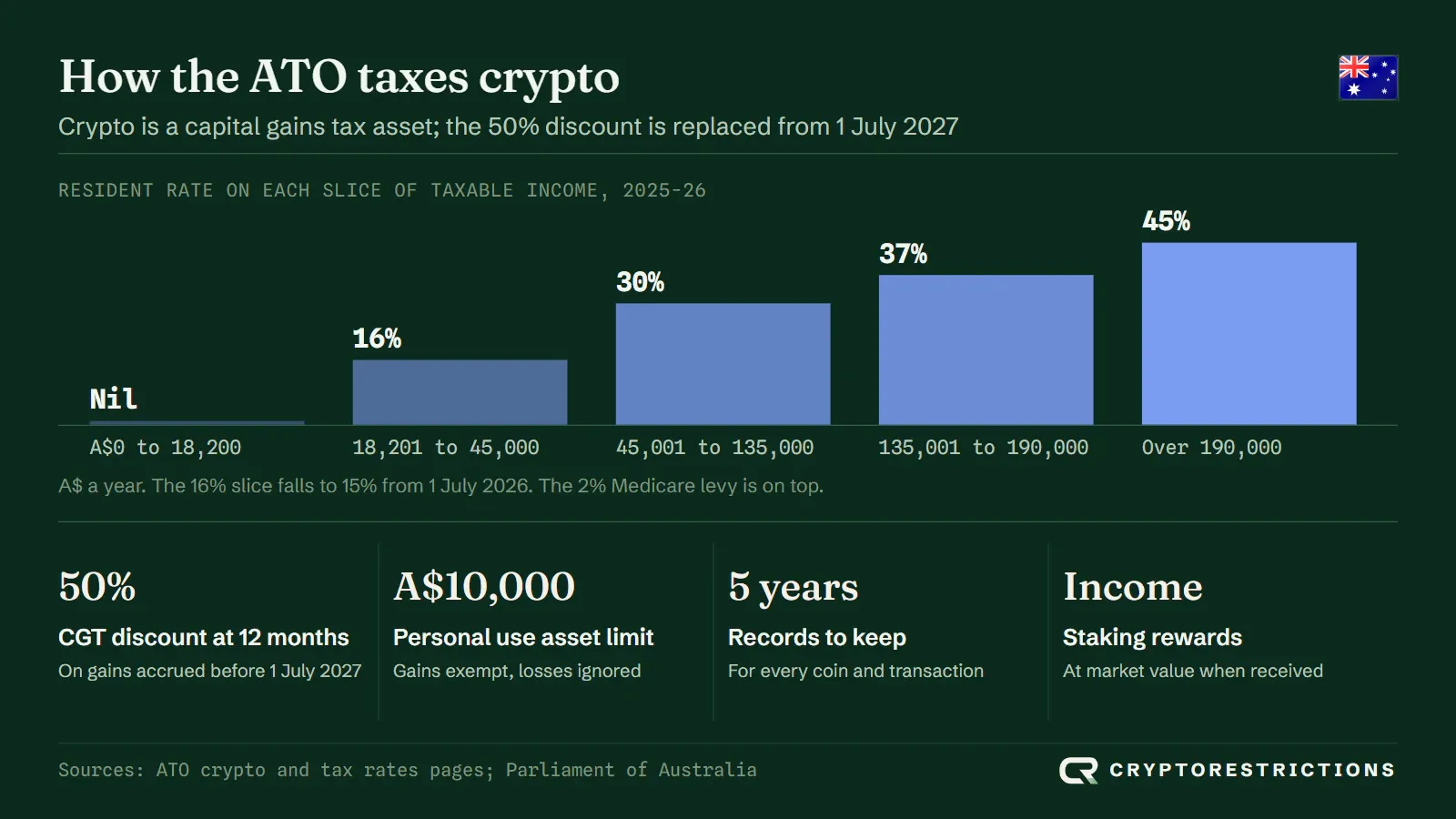
The ATO says a sale, gift, swap for another coin, conversion to currency or purchase of goods with crypto is a CGT event (22 June 2026). Net capital losses cannot be deducted from other income, and each coin is a separate asset. The 50% discount needs 12 months of ownership and Australian residency. A gain on a personal use asset bought for less than A$10,000 is exempt, but the page says that rarely applies to crypto held as an investment or swapped to currency first, and losses on such assets are ignored. Staking rewards are ordinary income at their market value when received, and that value becomes the cost base. Businesses may treat crypto as trading stock instead.
The rates on the chart are the resident rates for 2025-26 (page of 13 August 2026), before the 2% Medicare levy, and the 16% slice drops to 15% for 2026-27. The reform is already law: Act No. 49 of 2026 received assent on 26 June 2026 and replaces the discount with cost base indexation and a 30% minimum tax rate on capital gains accruing on and after 1 July 2027. The ATO notes the change does not apply to tax time 2026. Reporting is tightening too: the ATO’s crypto data-matching program compares tax returns with data from exchanges, and Treasury opened draft legislation on 15 October 2026, open until 28 October, to bring the OECD Crypto-Asset Reporting Framework into Australian law. Working out your own position takes four steps:


 New Zealand
 Fiji
 Papua New Guinea
 Solomon Islands
 Vanuatu
 Kiribati
 Marshall Islands
 Micronesia
 Nauru
 Palau
 Samoa