
Is crypto legal in the United Kingdom?
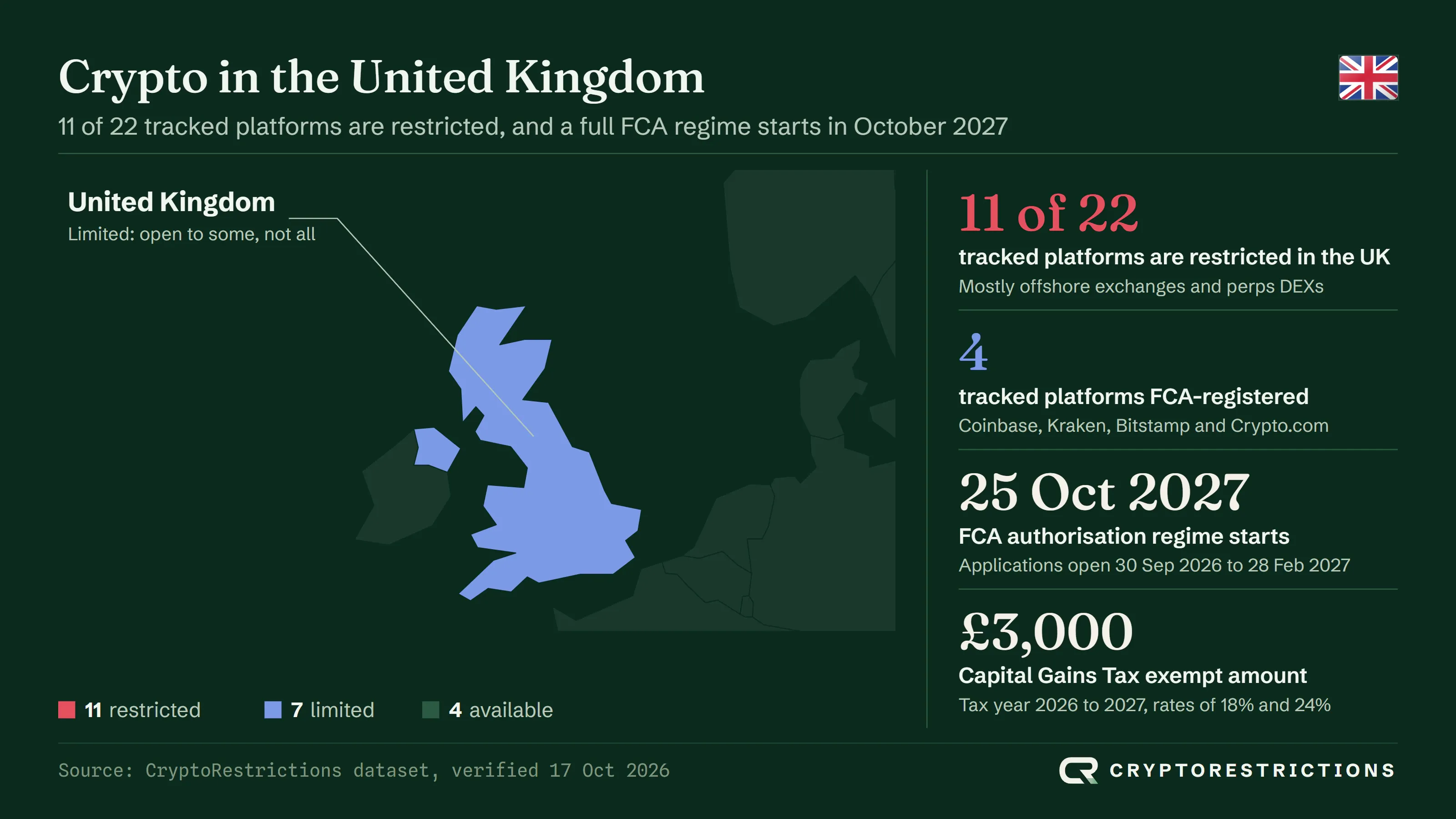
Yes. Nothing in UK law bans holding or trading crypto. What is regulated is who may sell it to you: firms must register with the FCA and follow its marketing rules, and a full authorisation regime starts on 25 October 2027.
The FCA describes today’s oversight as limited to financial promotions and anti-money laundering controls. Since 8 October 2023 every firm that promotes crypto to UK consumers, overseas ones included, must use one of the lawful routes under section 21 of the Financial Services and Markets Act 2000, and an unlawful promotion is a criminal offence, as the FCA explains. Several platforms left or closed to new users rather than comply, and the sections below show which.
The FCA has also moved from warnings to court. On 10 February 2026 it began legal proceedings against HTX, its first enforcement action of that kind against a crypto firm, and HTX closed to UK users in August 2026. The case settled in October 2026, with HTX undertaking to the High Court until 2031 not to promote crypto services to UK consumers unlawfully.
Which crypto exchanges work in the United Kingdom?
Seven of the exchanges we track serve UK users: Coinbase, Kraken, Bitstamp, Crypto.com, OKX, Bitget and KuCoin. Four of them hold an FCA registration; the other three do not.
Registration here means the FCA’s money laundering register, not authorisation under the new regime. Coinbase runs its UK business through CB Payments Ltd, Kraken through Payward Limited, Bitstamp through Bitstamp UK Limited and Crypto.com through Foris DAX UK Limited. The chart counts each firm’s entries on the FCA register and shows what each one cuts for UK users.
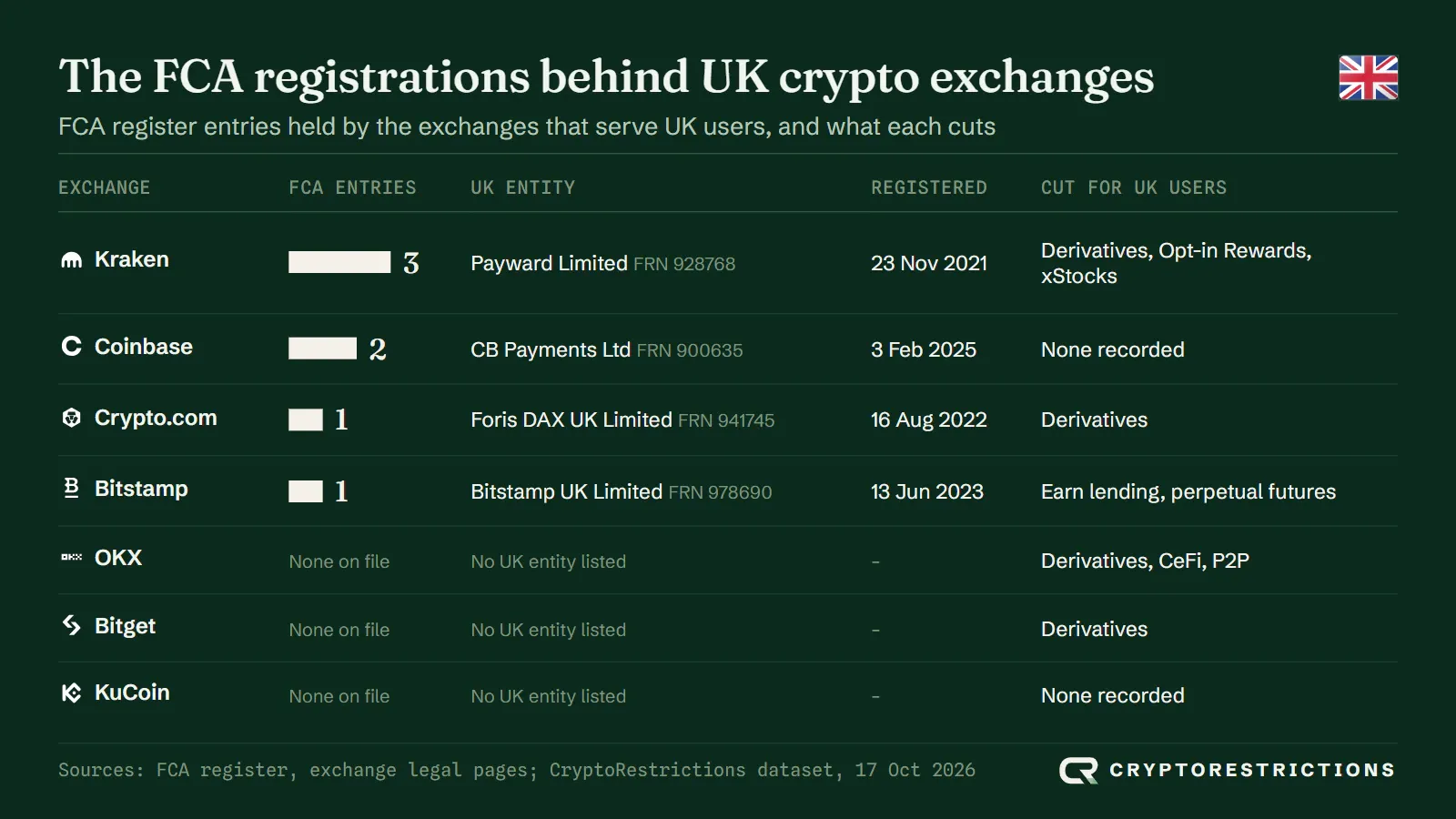
The three without a registration reach UK customers differently. Bitget relaunched in November 2024 with its promotions approved by an FCA-authorised firm and holds no UK licence of its own, and OKX shows UK visitors an FCA risk warning. Registration does not carry over: the FCA’s perimeter guidance says firms already registered under the money laundering rules must still apply for authorisation. Coinbase’s UK arm was also fined by the FCA in July 2024.
Best crypto platforms for UK residents
By our access score, Coinbase (9.0 out of 10), Kraken (8.5) and KuCoin (8.0) are the most open exchanges for UK residents, and Jupiter (8.0) and Uniswap (8.0) the most open DeFi platforms. No tracked prediction market is open.
The score rates how fully a UK resident can use each platform, not its fees or safety. It is computed from our data and moves when a row changes: access status (4 points), the share of the platform’s products open here (3), the UK licences we hold on file (2) and what our geo-access test saw from a UK address (1). Platforms that are restricted in the UK are not scored. The full method is on our methodology page.
Exchanges

Coinbase
Best for The widest product range under an FCA registration
9.0/10- Access
- 4/4
- Products
- 3/3
- Licences
- 1/2
- Our test
- 1/1
Read our Coinbase reportPros
- CB Payments Ltd is on the FCA register since 3 February 2025
- A second FCA entry as a MiFID investment firm
- No product cut recorded for UK users
Cons
- Fined by the FCA in July 2024, its first action against a firm enabling crypto trading
- Must apply again for authorisation under the 2027 regime

Kraken
Best for Spot trading with professional-only derivatives
8.5/10- Access
- 3.5/4
- Products
- 2.5/3
- Licences
- 2/2
- Our test
- 0.5/1
Read our Kraken reportPros
- Payward Limited registered with the FCA since 23 November 2021
- Derivatives for professional clients through FCA-authorised Crypto Facilities
Cons
- Retail clients cannot trade derivatives
- Opt-in Rewards and xStocks are not offered in the UK

KuCoin
Best for An offshore spot exchange that still takes UK users
8.0/10- Access
- 4/4
- Products
- 3/3
- Licences
- 0/2
- Our test
- 1/1
Read our KuCoin reportPros
- The UK is not on its restricted-locations list
Cons
- No UK licence or FCA registration on file

Crypto.com
Best for A UK-registered app for spot trading
7.3/10- Access
- 3.5/4
- Products
- 1.8/3
- Licences
- 1/2
- Our test
- 1/1
Read our Crypto.com reportPros
- Foris DAX UK Limited registered with the FCA since 16 August 2022
- Spot and the app are not on its geo-restriction lists
Cons
- No derivatives are offered to UK users

Bitstamp
Best for Spot trading from a long-standing European exchange
6.3/10- Access
- 3.5/4
- Products
- 1.3/3
- Licences
- 1/2
- Our test
- 0.5/1
Read our Bitstamp reportPros
- Bitstamp UK Limited registered with the FCA since 13 June 2023
Cons
- Earn lending is not offered in the UK
- Perpetual futures are offered to EU traders only

OKX
Best for Spot trading with a UK risk warning
6.3/10- Access
- 3.5/4
- Products
- 1.8/3
- Licences
- 0/2
- Our test
- 1/1
Read our OKX reportPros
- Spot is not among the services OKX restricts in the UK
Cons
- No FCA registration on file
- Derivatives, CeFi and P2P are restricted in the UK

Bitget
Best for A wide spot token list on an approved relaunch
6.0/10- Access
- 3.5/4
- Products
- 1.5/3
- Licences
- 0/2
- Our test
- 1/1
Read our Bitget reportPros
- Spot trading on more than 150 tokens since November 2024
- Promotions approved by an FCA-authorised firm
Cons
- Holds no UK licence of its own
- Derivatives are barred for UK retail users
DeFi

Jupiter
Best for Solana swaps from your own wallet
8.0/10- Access
- 4/4
- Products
- 3/3
- Licences
- 0/2
- Our test
- 1/1
Read our Jupiter reportPros
- The UK is not among its prohibited localities
Cons
- No UK licence or FCA permission on file

Uniswap
Best for Swapping tokens from your own wallet
8.0/10- Access
- 4/4
- Products
- 3/3
- Licences
- 0/2
- Our test
- 1/1
Read our Uniswap reportPros
- The terms bar only places under comprehensive US sanctions
Cons
- No UK licence or FCA permission on file

PancakeSwap
Best for BNB Chain swaps and pools
6.3/10- Access
- 3.5/4
- Products
- 1.8/3
- Licences
- 0/2
- Our test
- 1/1
Read our PancakeSwap reportPros
- Swaps, pools and staking are not excluded by the terms
Cons
- PCS Perps bars users in the UK

Hyperliquid
Best for Onchain perpetuals, with caution
5.9/10- Access
- 3/4
- Products
- 1.9/3
- Licences
- 0/2
- Our test
- 1/1
Read our Hyperliquid reportPros
- Perpetuals and spot load in the trading app from the UK
Cons
- The FCA warned on 21 May 2026 that it is not authorised in the UK
- Outcome markets are hidden in the UK
Which platforms block UK users?
11 of the 22 platforms we track are restricted in the UK: seven exchanges (Binance, Bybit, Gemini, MEXC, Gate, HTX and Bitfinex), two prediction markets (Polymarket and Kalshi) and two DeFi platforms (Lighter and Aster).
Most exits trace back to the FCA’s marketing rules. Binance stopped taking new UK users on 16 October 2023, and Bitfinex stopped verifying UK individuals on 1 November 2023. Gemini closed every UK account on 6 April 2026 after the FCA announced its exit. Bybit came back with spot trading in December 2025 and then closed to new UK registrations on 21 September 2026. The FCA has had MEXC on its warning list since March 2024.

What our geo-access test saw from the United Kingdom
From a UK address on 14 and 16 October 2026 we loaded 22 of the platforms we track: 4 refused us, 4 showed a notice or a redirect, and 14 loaded with no barrier.
An open page is not permission: Binance, Bybit, Gate, MEXC and Aster all loaded although their documents restrict the UK. Gemini’s sign-up page and Lighter’s trading app refused us, and Kraken and Bitstamp showed the FCA risk warning. Swipe through the screenshots below; each card quotes the message the page showed.
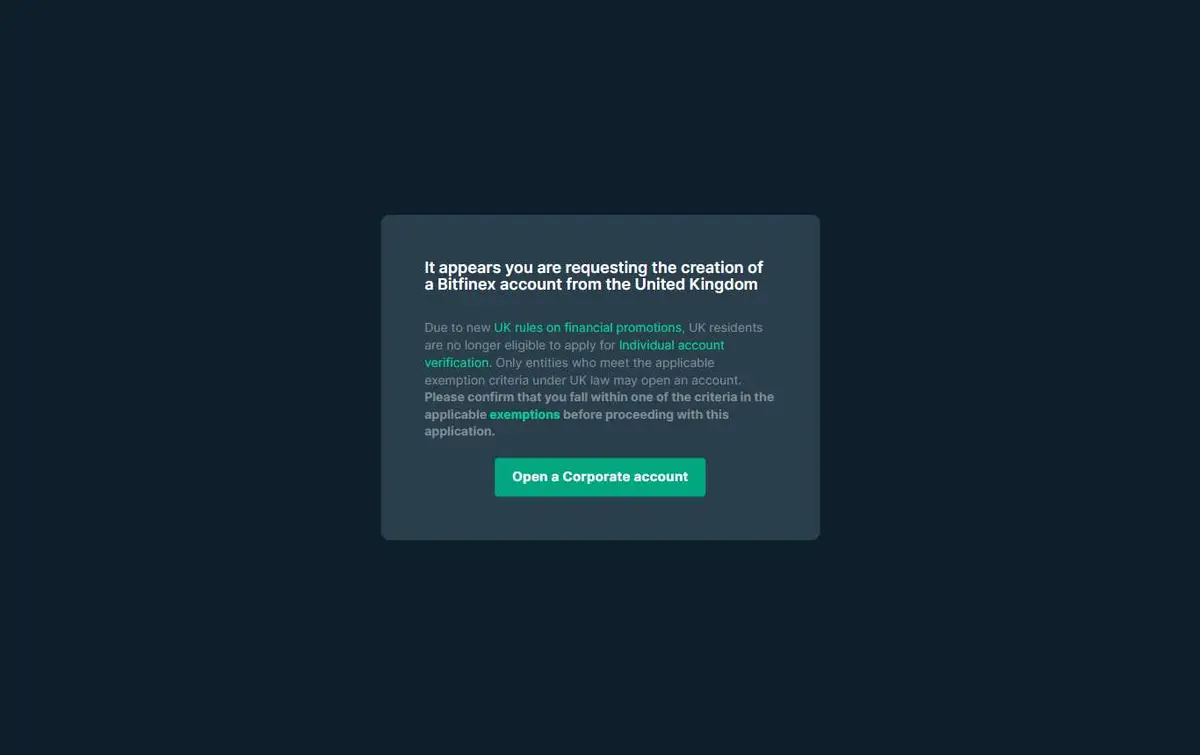
Blocked Bitfinex · Sign-up page
The UK: individuals turned away, only exempt entities may apply
“UK residents are no longer eligible to apply for Individual account verification.”
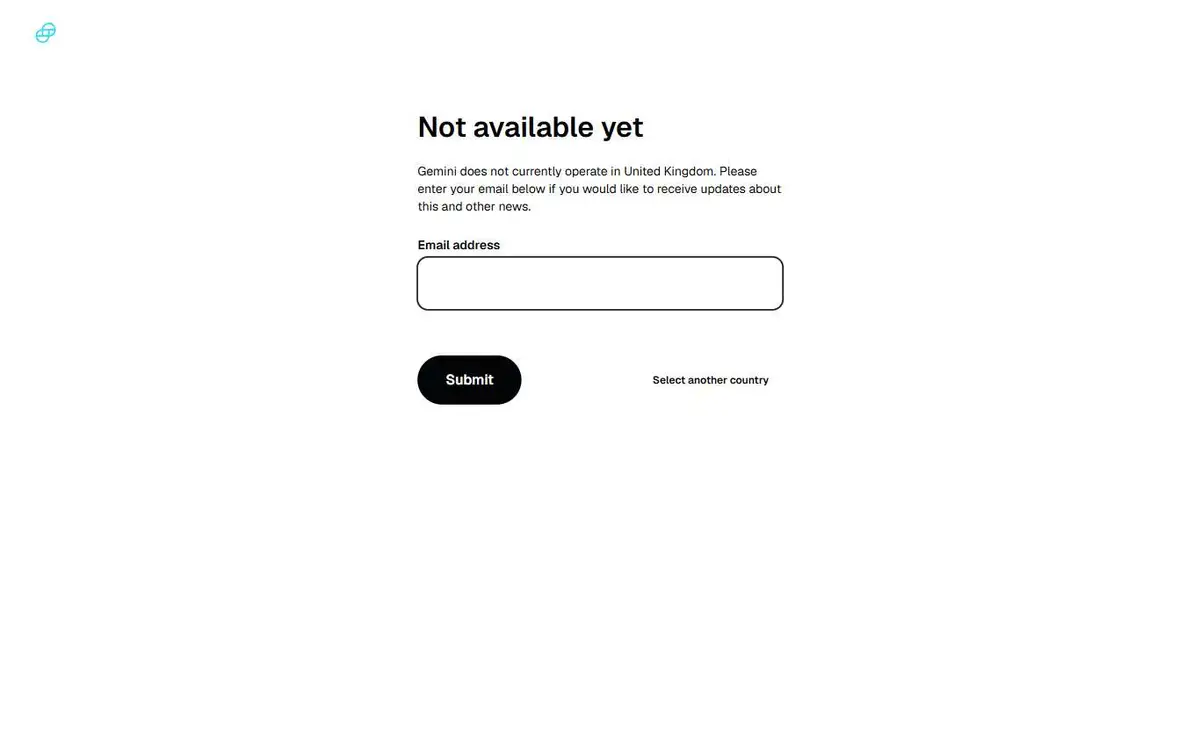
Blocked Gemini · Sign-up page
The United Kingdom, closed in April 2026: the sign-up form is replaced by a location check
“Gemini does not currently operate in United Kingdom.”
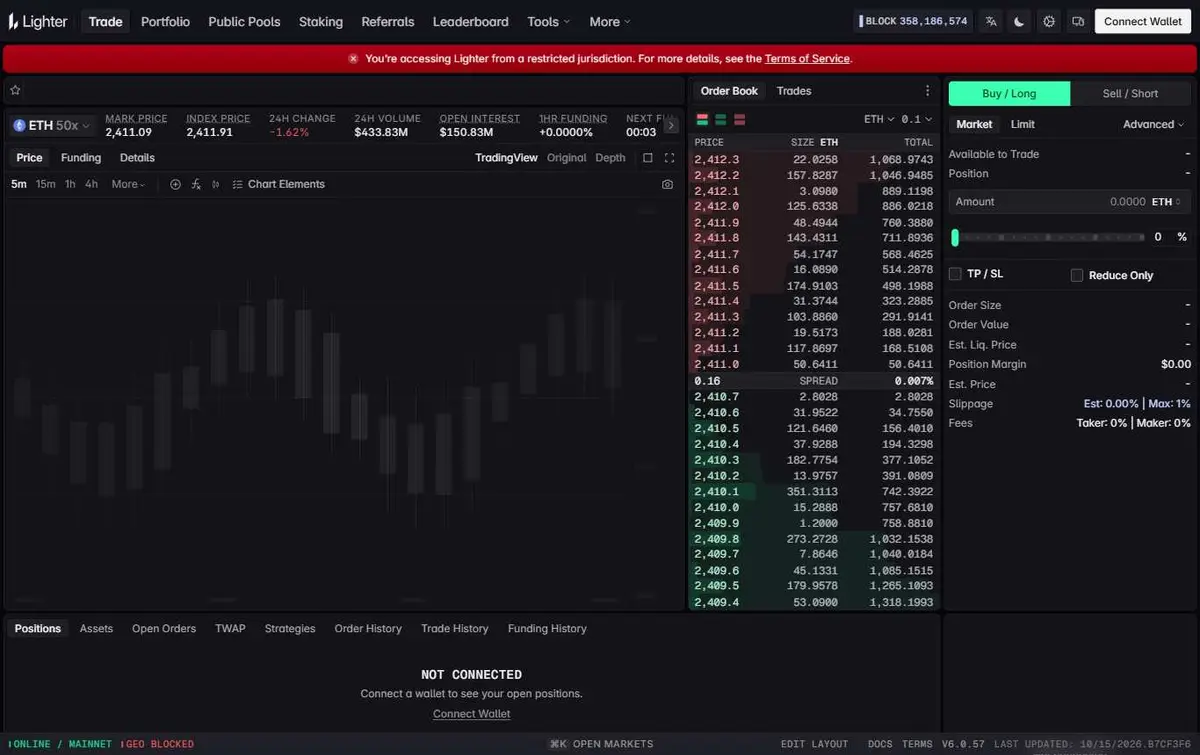
Blocked Lighter · Trading app
The UK, named in both lists of the terms: blocked by IP
“You’re accessing Lighter from a restricted jurisdiction.”
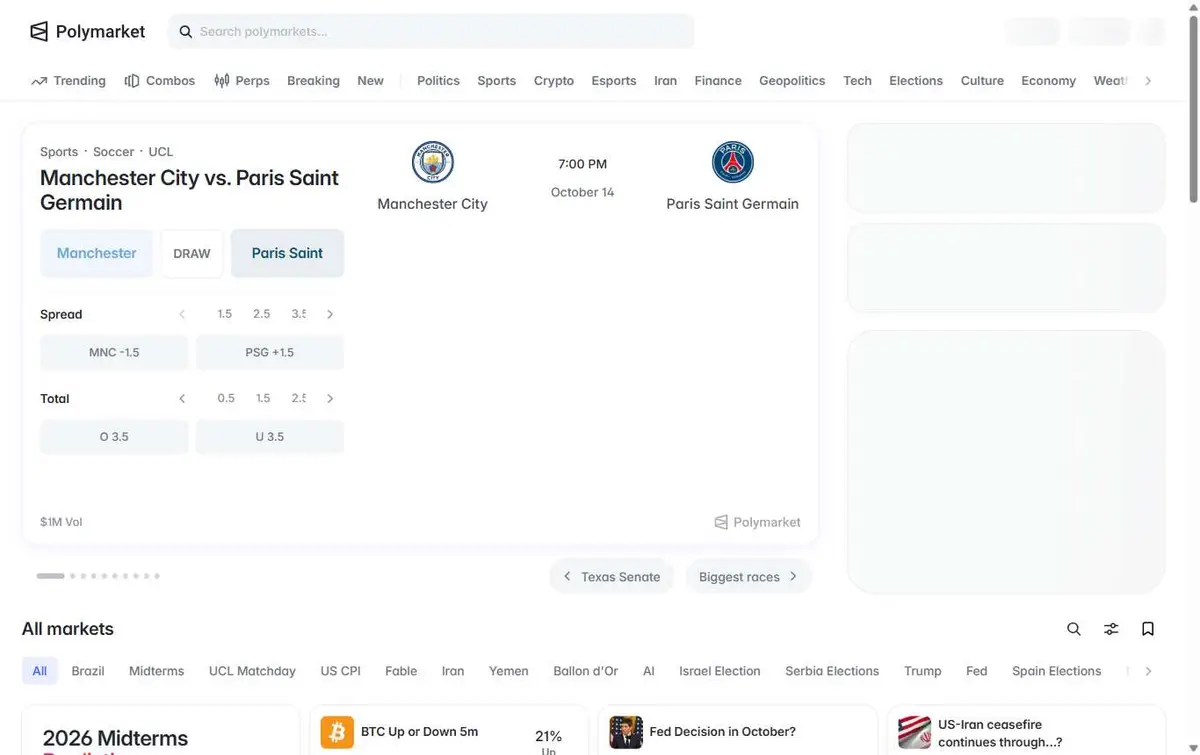
Blocked Polymarket · Home page
The UK, also on the list: the same silent block, read from Polymarket's location check
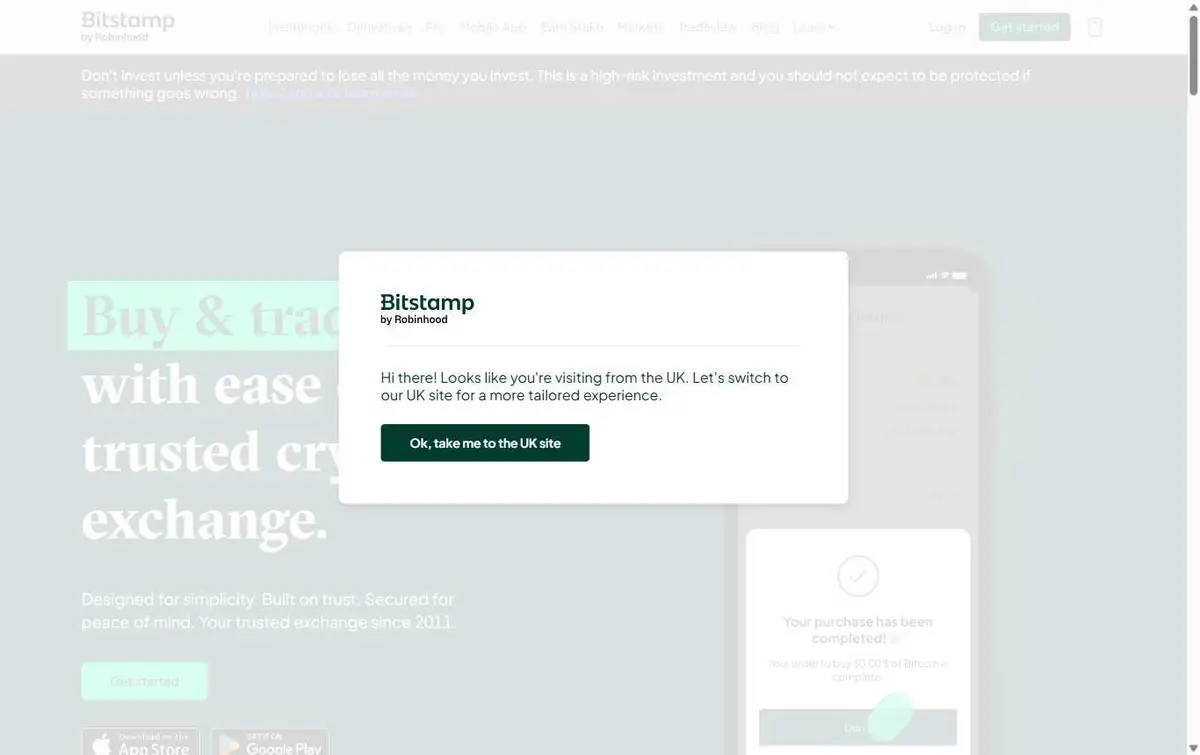
Notice shown Bitstamp · Home page
The UK, limited by product cuts: a pop-up offers Bitstamp's UK site, above the FCA risk warning
“Looks like you're visiting from the UK. Let's switch to our UK site for a more tailored experience.”
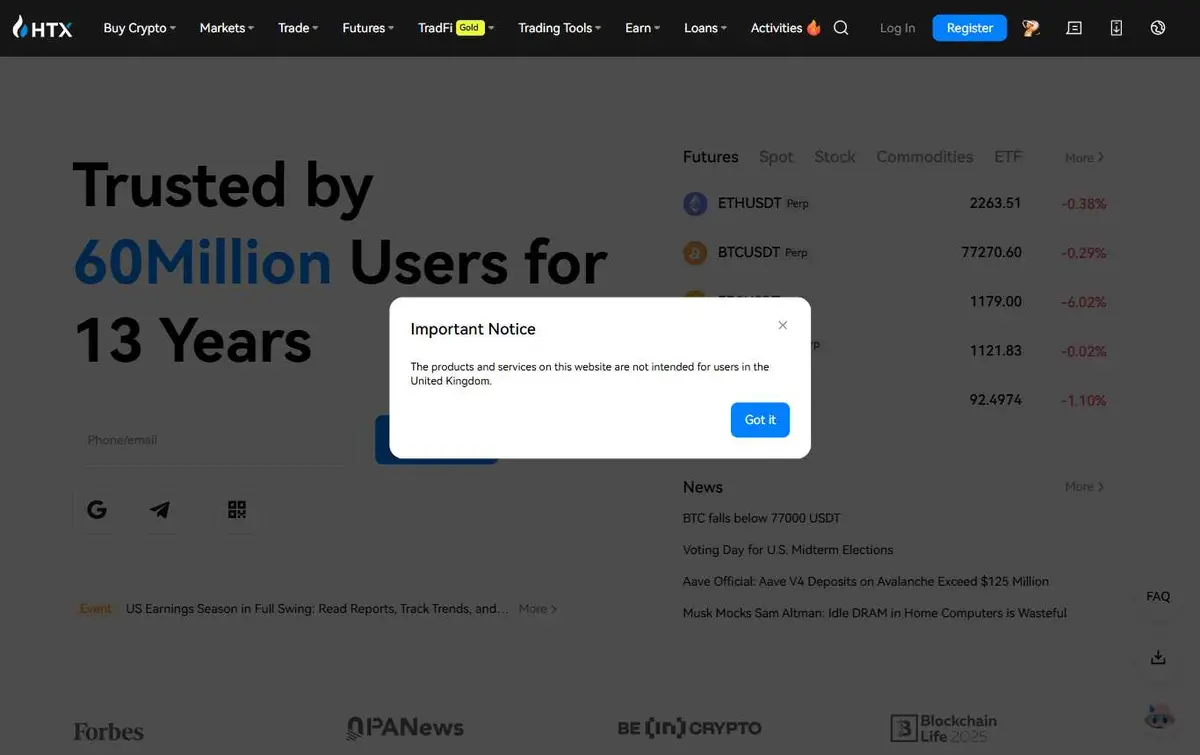
Notice shown HTX · Home page
A notice, not a block, in the UK, where sign-up still loads
“The products and services on this website are not intended for users in the United Kingdom.”
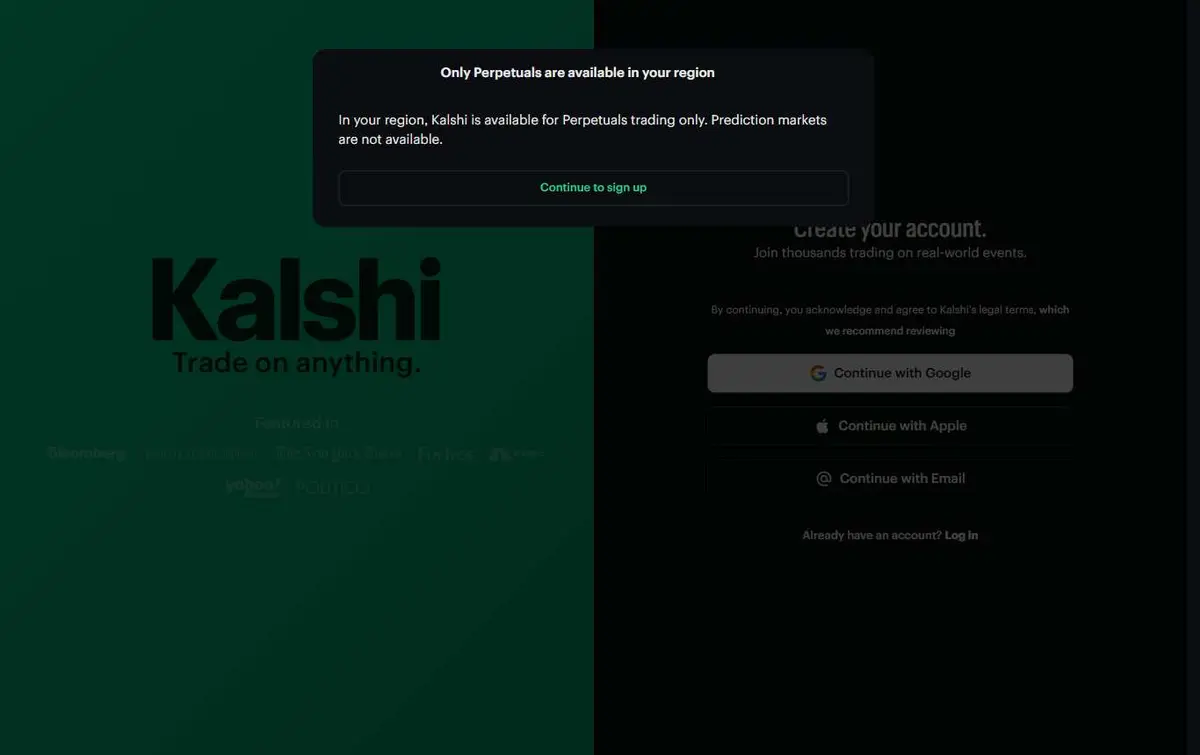
Notice shown Kalshi · Sign-up page
The UK: sign-up offers perpetual futures only, although Kalshi's help centre opens perps to US users only
“Prediction markets are not available.”
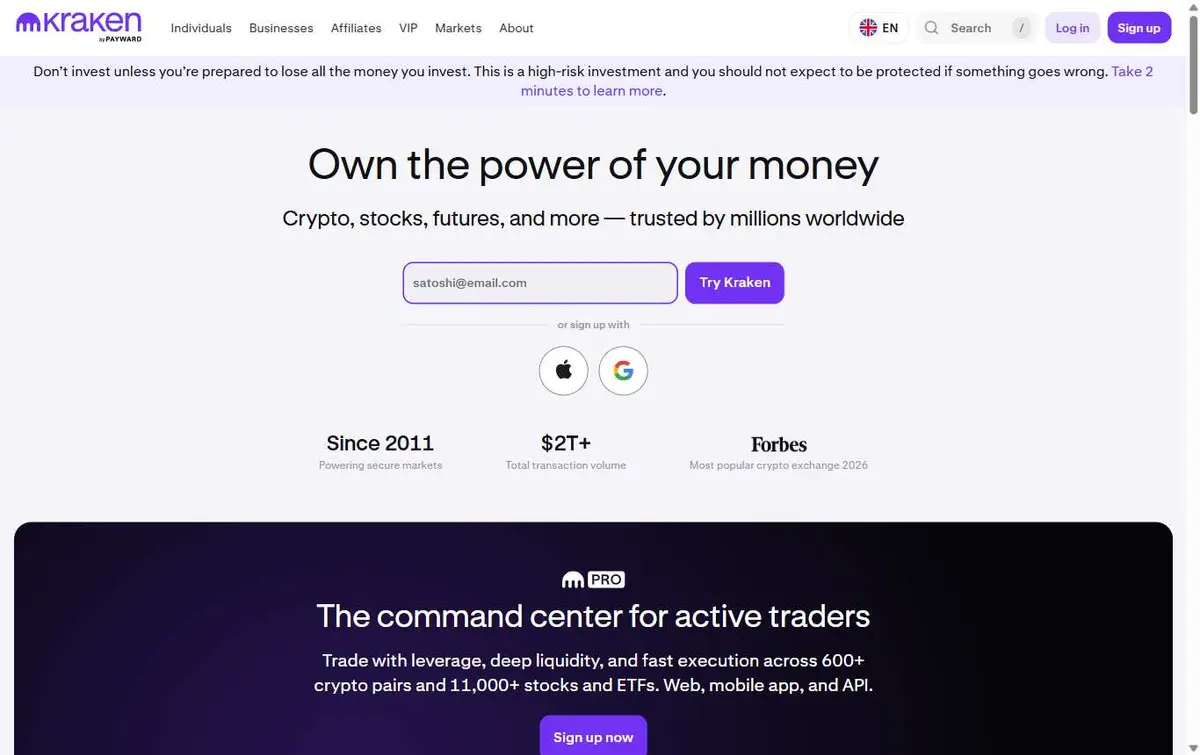
Notice shown Kraken · Home page
The UK risk warning required by the FCA, over an open page
“Don’t invest unless you’re prepared to lose all the money you invest.”
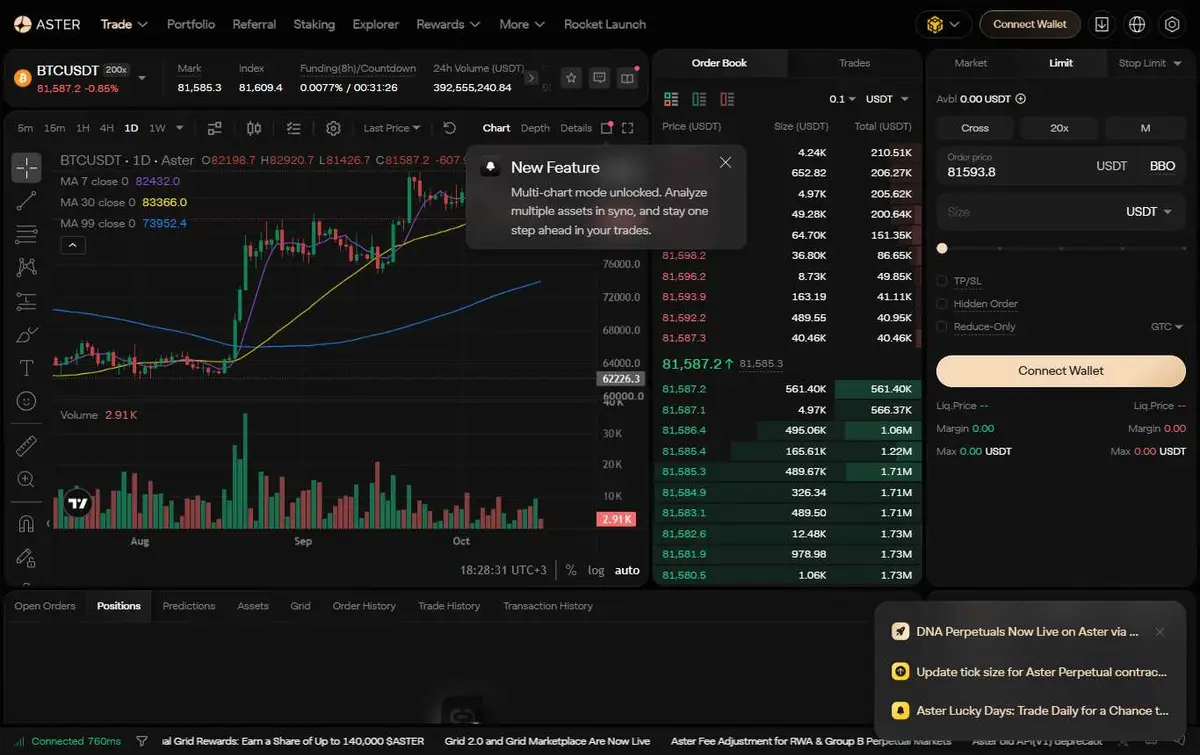
No barrier Aster · Trading app
The UK is named in the terms, yet the trading app loads with no barrier
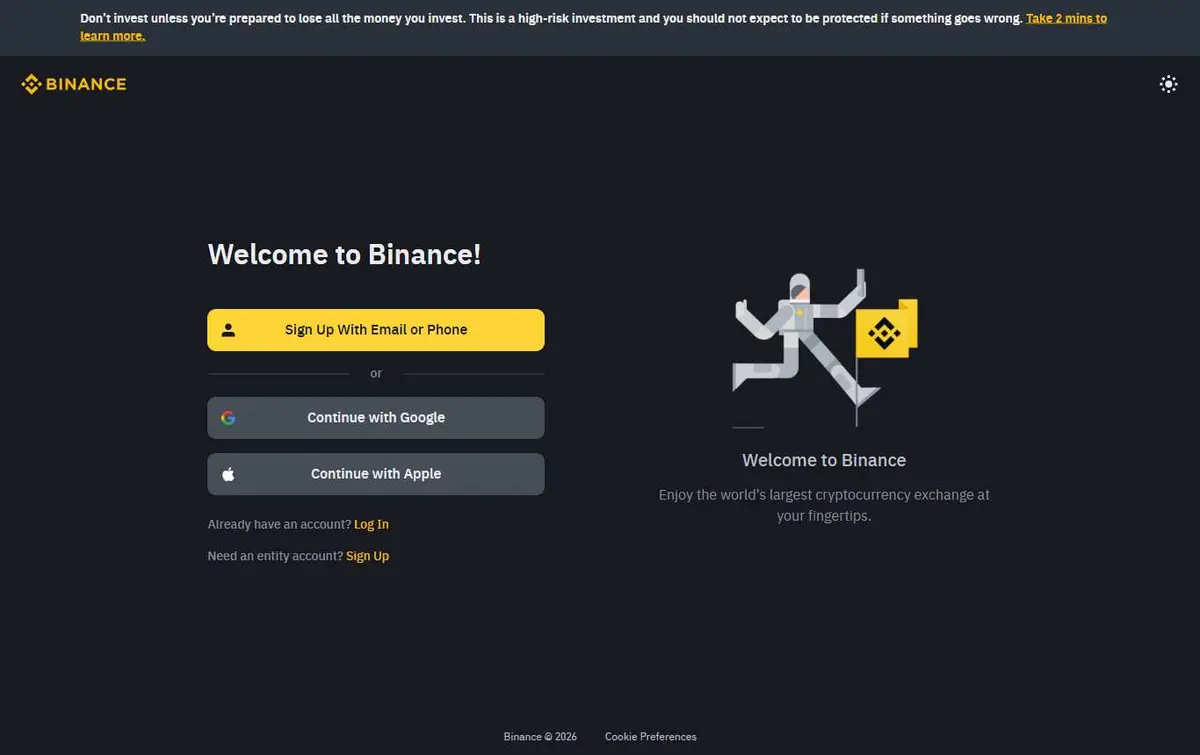
No barrier Binance · Sign-up page
Restricted, yet sign-up loads, under a UK risk warning

No barrier Bitget · Home page
The UK, where Bitget serves spot only, loaded without a notice
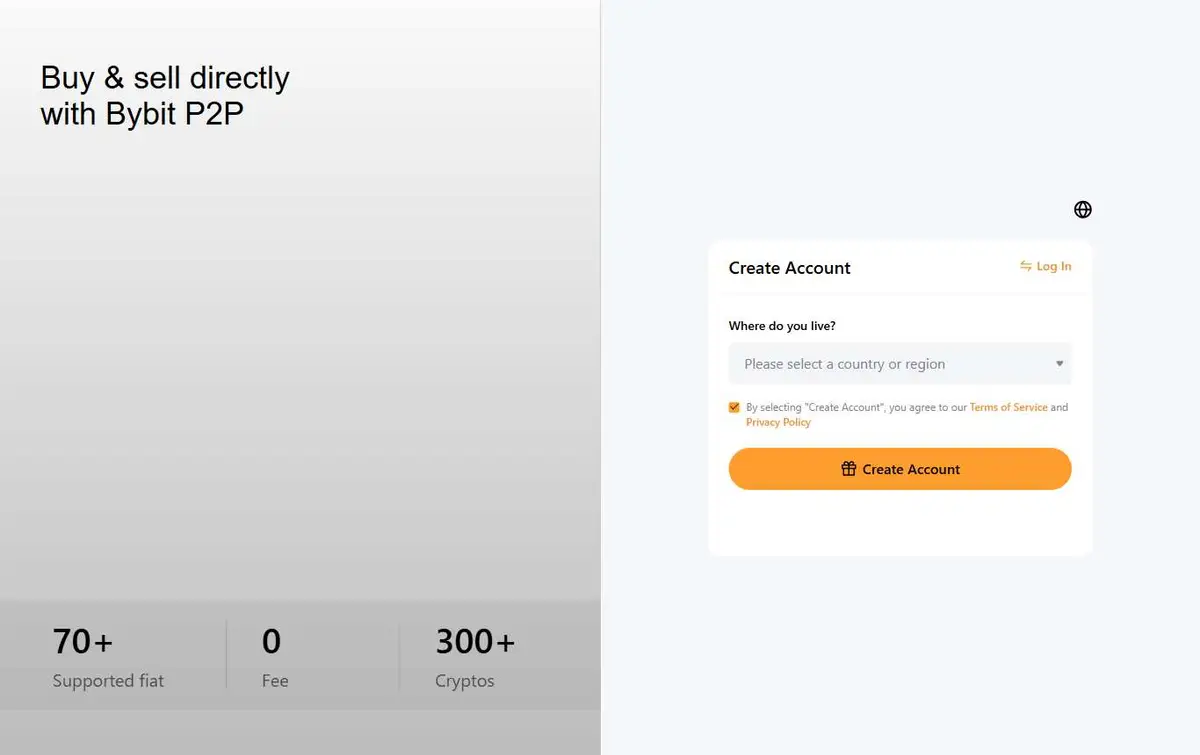
No barrier Bybit · Sign-up page
Limited (spot only), and sign-up loads with no notice
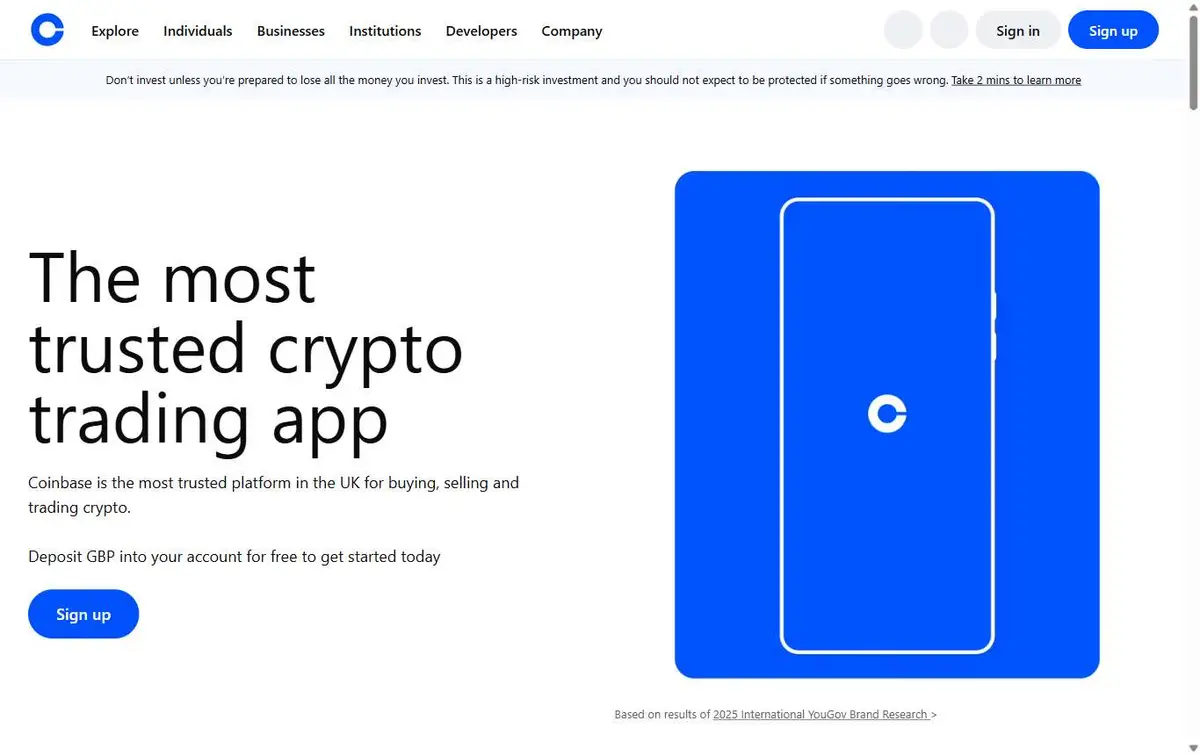
No barrier Coinbase · Home page
The UK, served by CB Payments under FCA registration, loads with no notice

No barrier Crypto.com · Home page
The UK site, run by FCA-registered Foris DAX UK
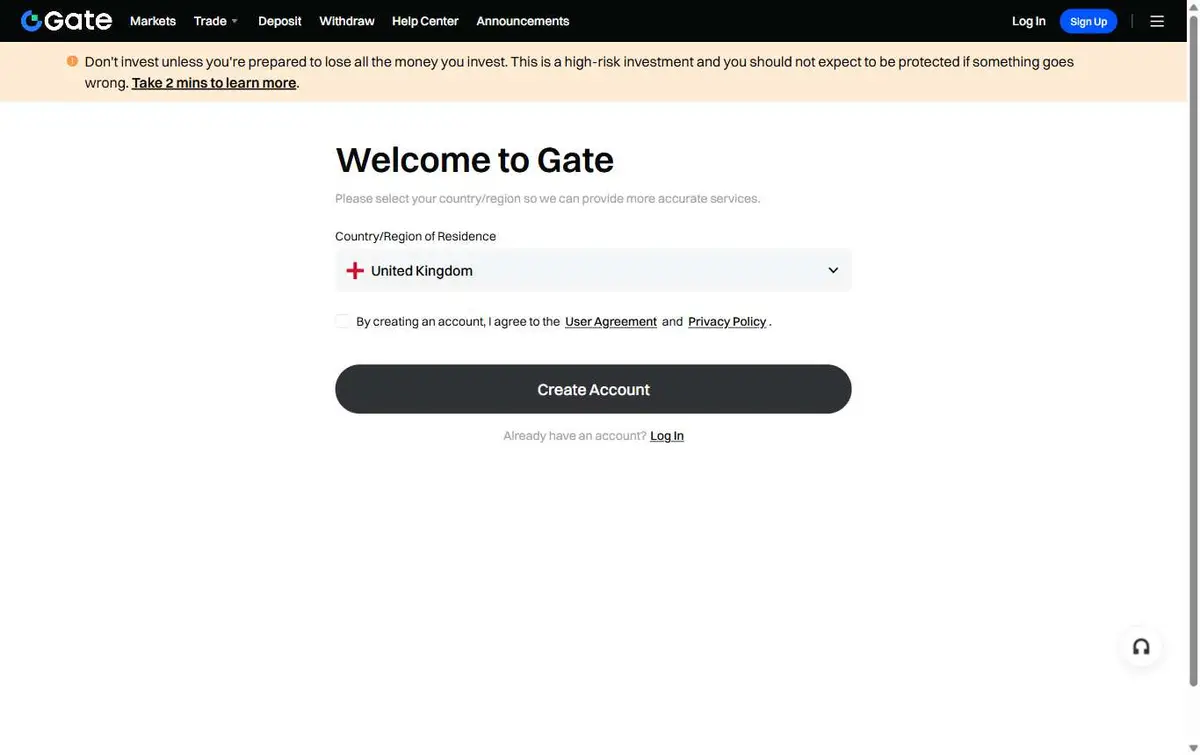
No barrier Gate · Sign-up page
The UK is on Gate's list, but the sign-up page loaded with no block, the UK preselected and a UK-style risk warning
“Don't invest unless you're prepared to lose all the money you invest.”
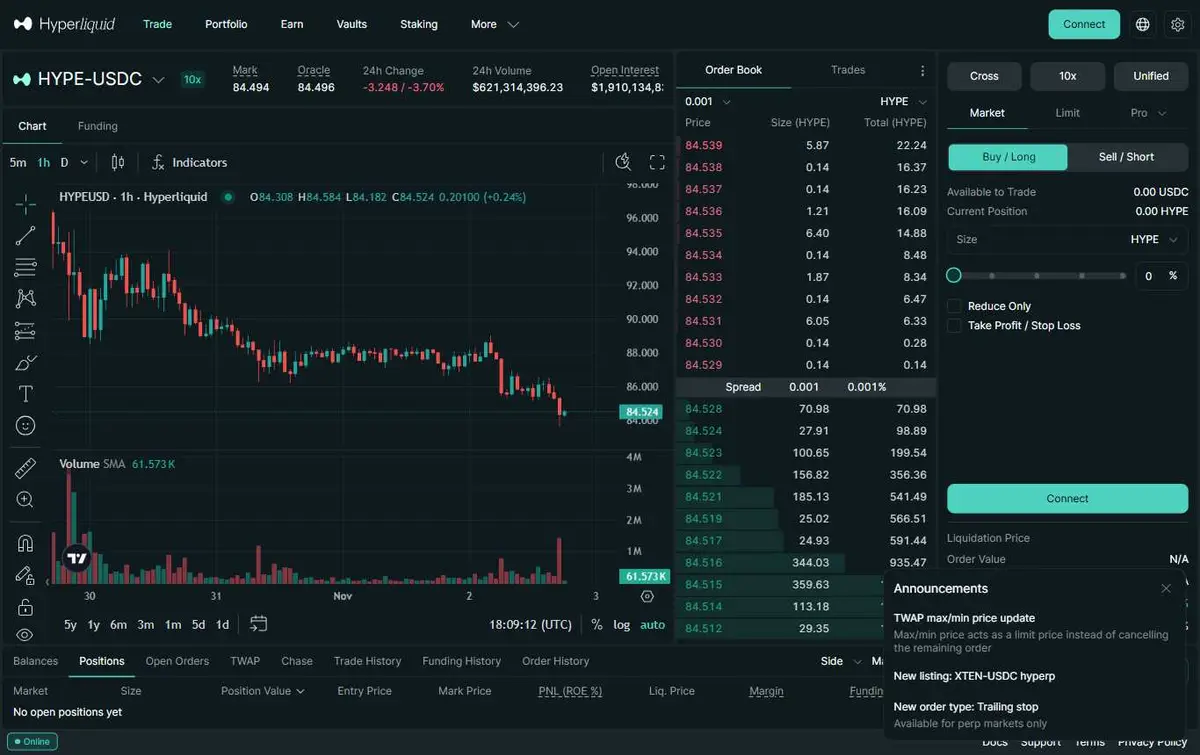
No barrierHyperliquid · Trading app
The UK, where the FCA warned in May 2026: perps load, the Outcomes tab is hidden
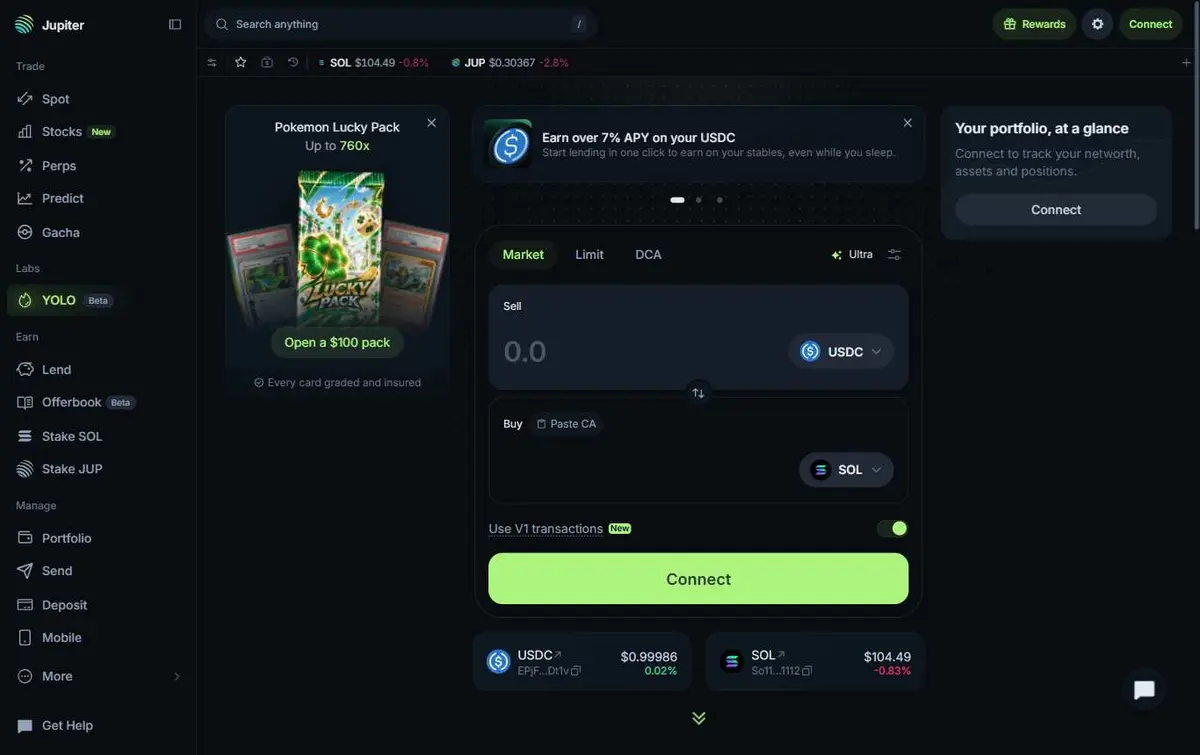
No barrier Jupiter · Trading app
The UK, where Polymarket blocks its own site: Jupiter's app loads with Predict in the menu
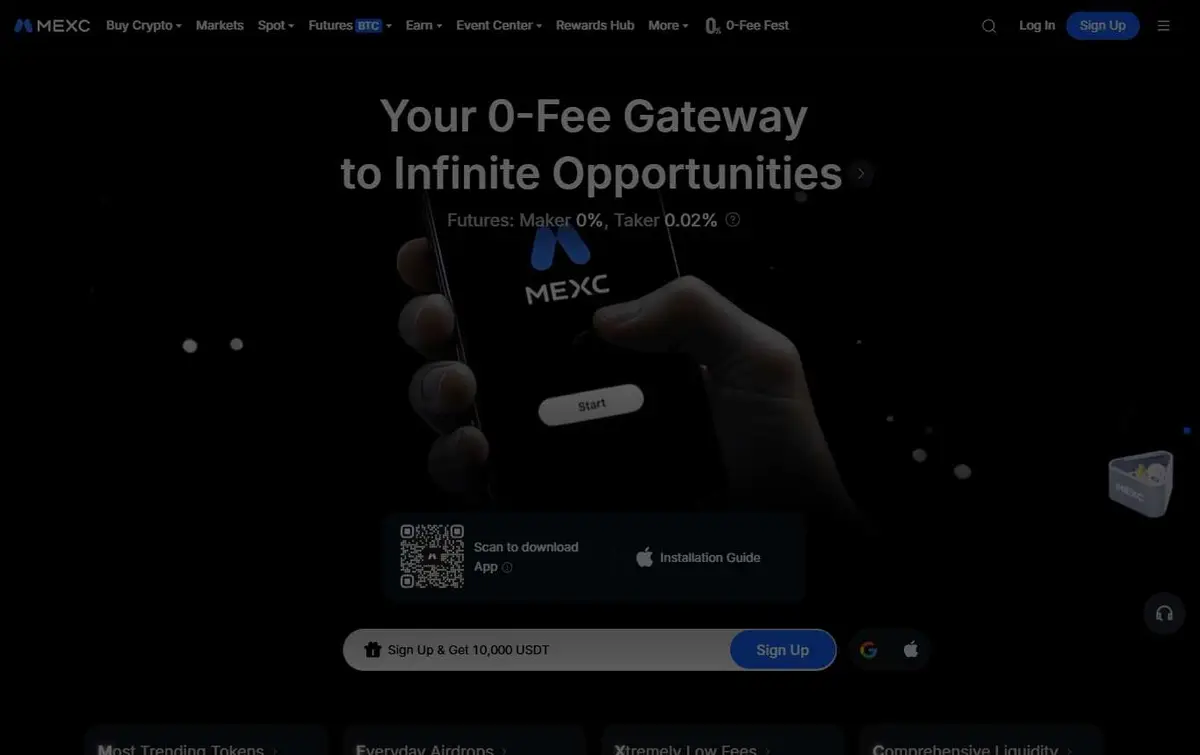
No barrier MEXC · Home page
United Kingdom, on the prohibited list, loaded with no barrier
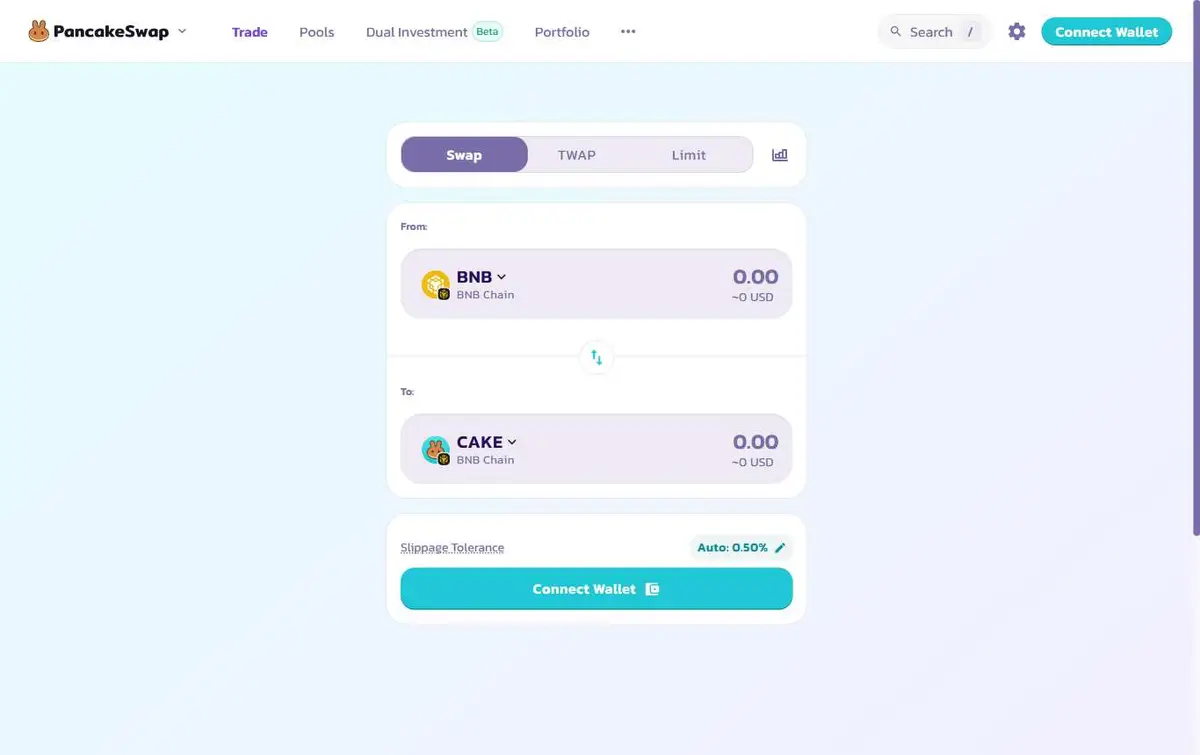
No barrier PancakeSwap · Trading app
The UK, where perps are barred: the swap page loads as it does elsewhere
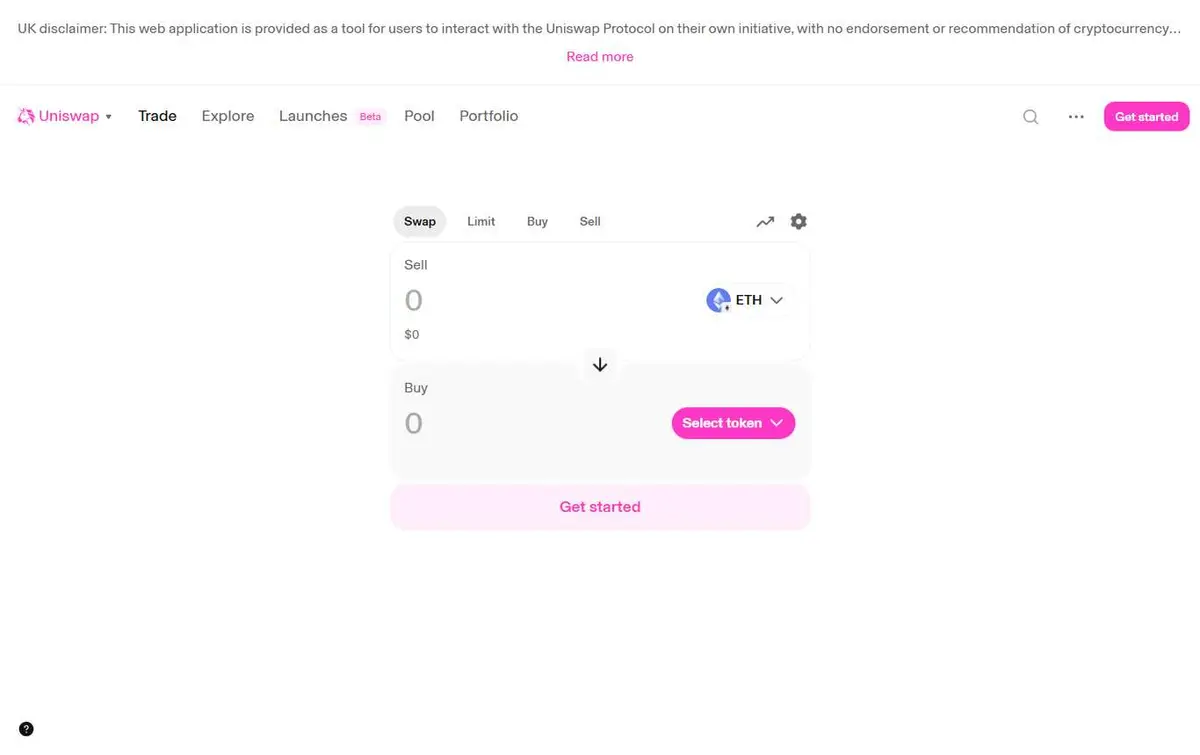
No barrier Uniswap · Trading app
The UK: the same screen, no notice or gate
 CRYPTORESTRICTIONS
Who regulates crypto in the United Kingdom?
The FCA is the lead regulator and writes the new crypto rules. The Bank of England covers systemic stablecoins, the Gambling Commission covers prediction markets, and HMRC collects the tax.
Parliament acted through SI 2026/102, which brings crypto activities into the FCA’s perimeter in full on 25 October 2027. The FCA published its final rules on 30 June 2026 and opened its application gateway on 30 September, with firms told to apply by 28 February 2027 and those that apply allowed to keep trading while the FCA decides. The regime page covers the detail.
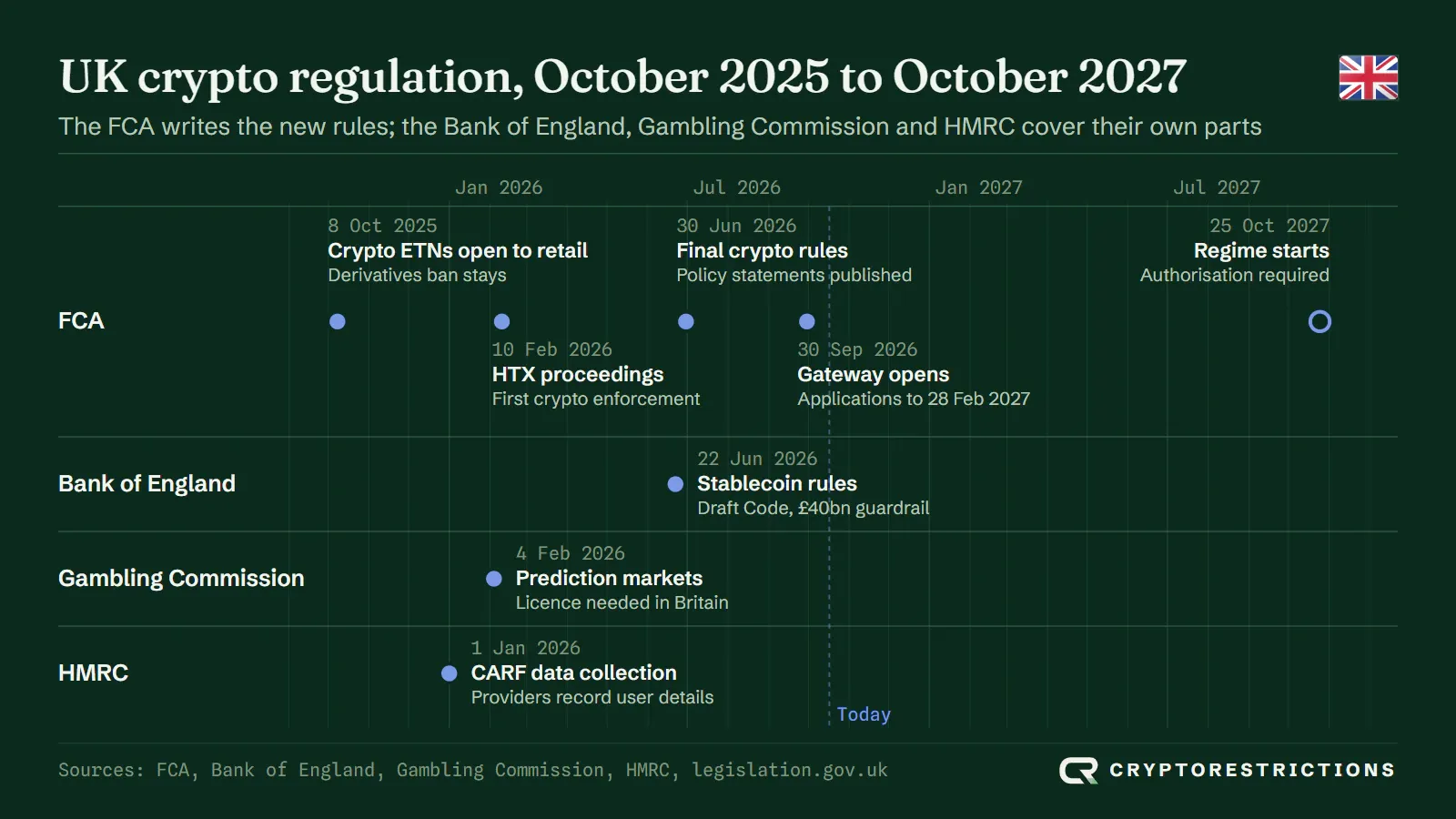
- FCA. Registers crypto firms for money laundering supervision, polices financial promotions, runs the 2027 authorisation regime and takes enforcement action such as the HTX case.
- Bank of England. On 22 June 2026 it published a policy statement and draft rules for systemic stablecoins. It dropped the holding limits it had proposed and set a temporary issuance guardrail of £40 billion for each systemic stablecoin.
- Gambling Commission. Treats prediction markets as gambling; see the section below.
- HMRC. Tax authority; its reporting rules for crypto providers are covered in the tax section.
Which crypto products are limited in the United Kingdom?
Derivatives are the most closed product: the FCA bans them for retail clients, and every exchange with a UK derivatives row restricts or limits them. Spot trading is the most open, available at every exchange that serves the UK.
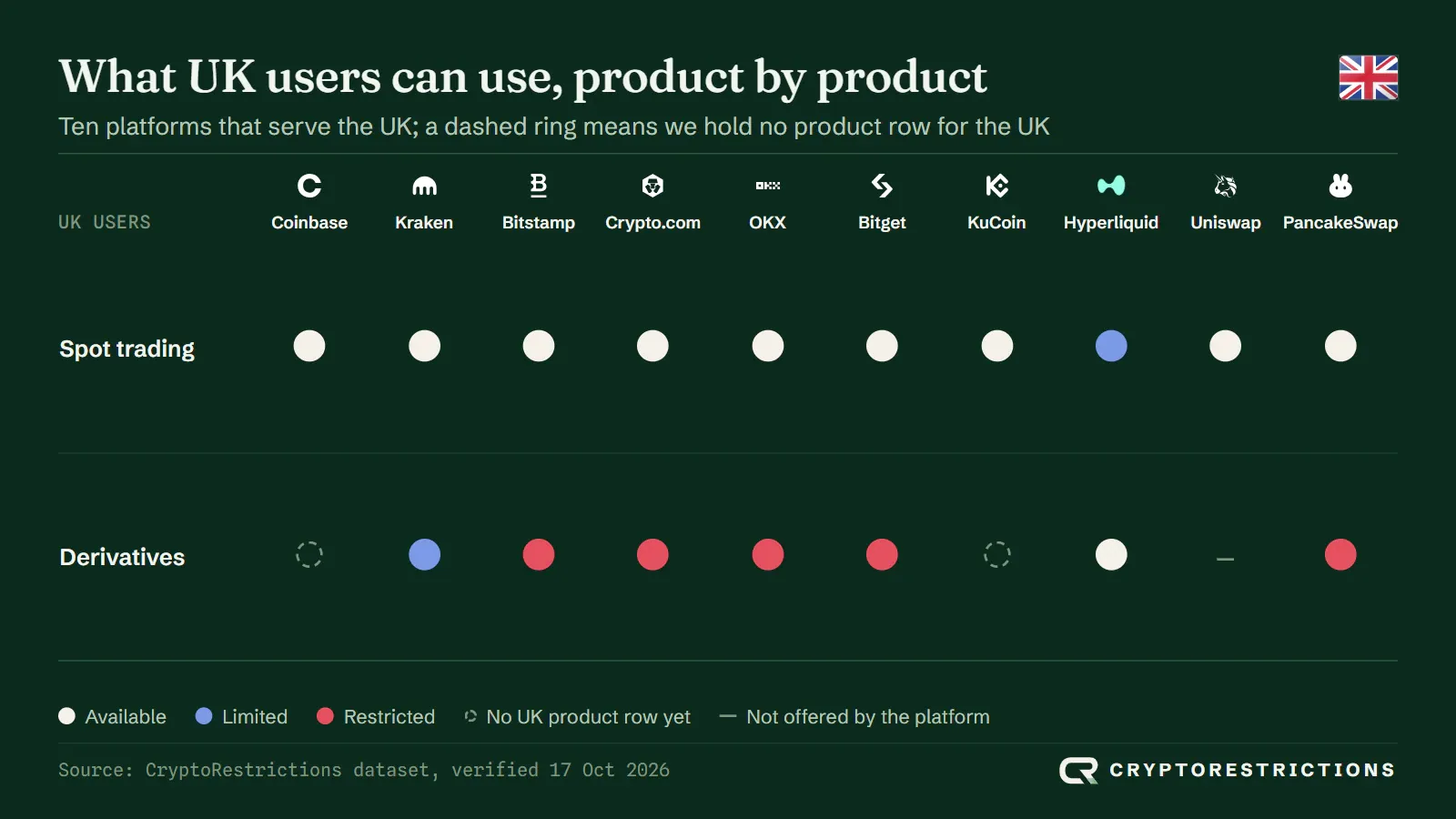
- Derivatives. The FCA banned crypto derivatives and exchange traded notes for retail consumers from 6 January 2021 under PS20/10. It lifted the note ban from 8 October 2025 but said the derivatives ban stays. Kraken offers derivatives to professional clients only, and Bitstamp’s perpetuals are for EU traders. Hyperliquid’s perpetuals still load from the UK, although the FCA warned in May 2026 that it is not authorised here.
- Stablecoins. Systemic stablecoins will fall under the Bank of England regime, with the temporary issuance guardrail in place of holding limits.
- Lending and staking. Bitstamp does not offer its Earn lending product in the UK. We hold no other UK staking or lending cuts, so the table leaves those products out.
Are prediction markets legal in the United Kingdom?
Only with a licence. The Gambling Commission said in February 2026 that a prediction market in Great Britain would likely need a betting intermediary licence, and none of the three we track accepts UK users.
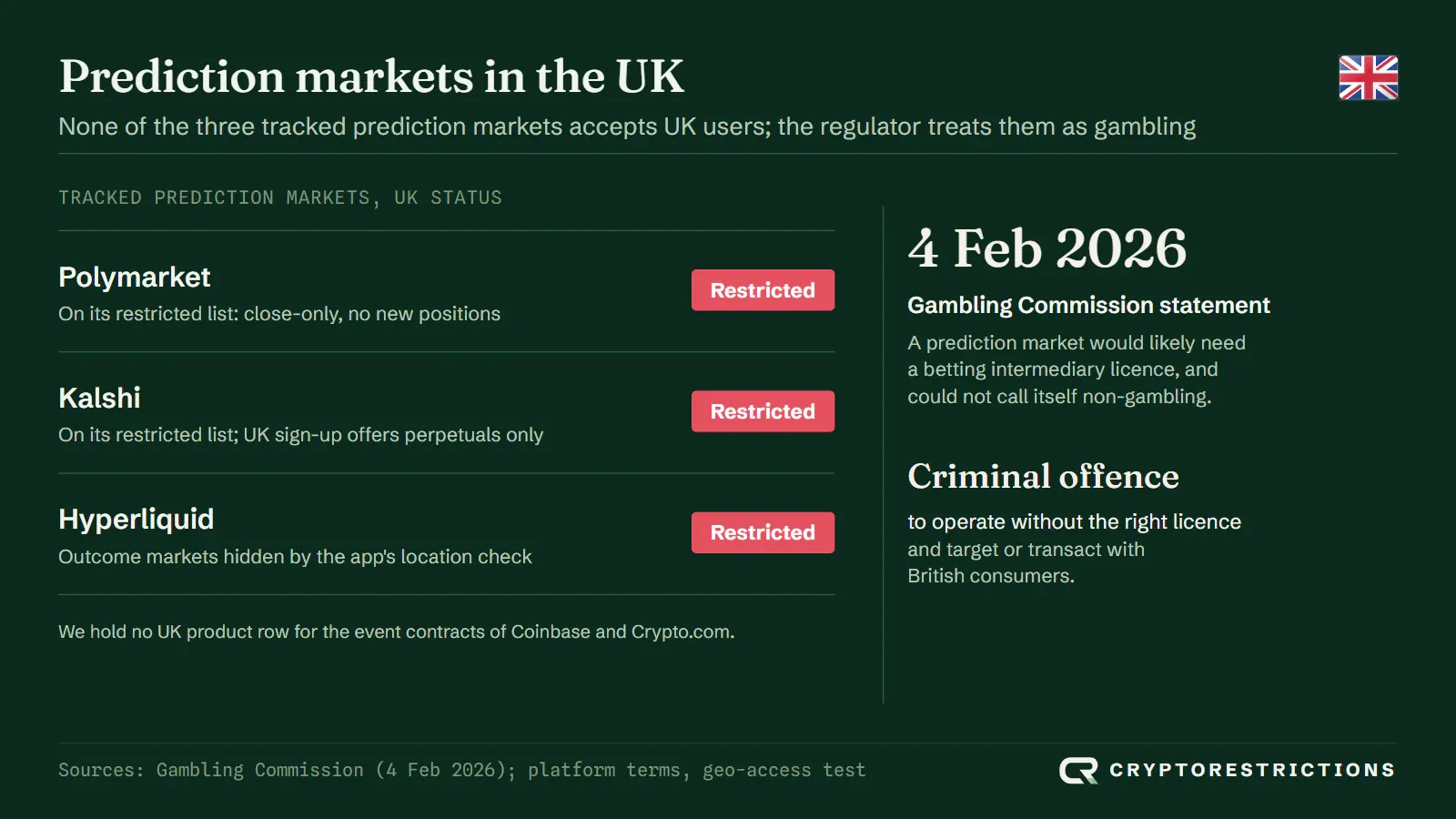
The Commission’s blog post says unlicensed operators should not target or transact with British consumers and that operating without the right licence is a criminal offence. Spread betting is regulated by the FCA instead. We found no later Commission statement on the subject.
How is crypto taxed in the United Kingdom?
HMRC treats most people as investors, so selling, swapping or spending crypto is a disposal that can trigger Capital Gains Tax. For 2026 to 2027 the first £3,000 of gains is exempt, and the rest is taxed at 18% or 24%.
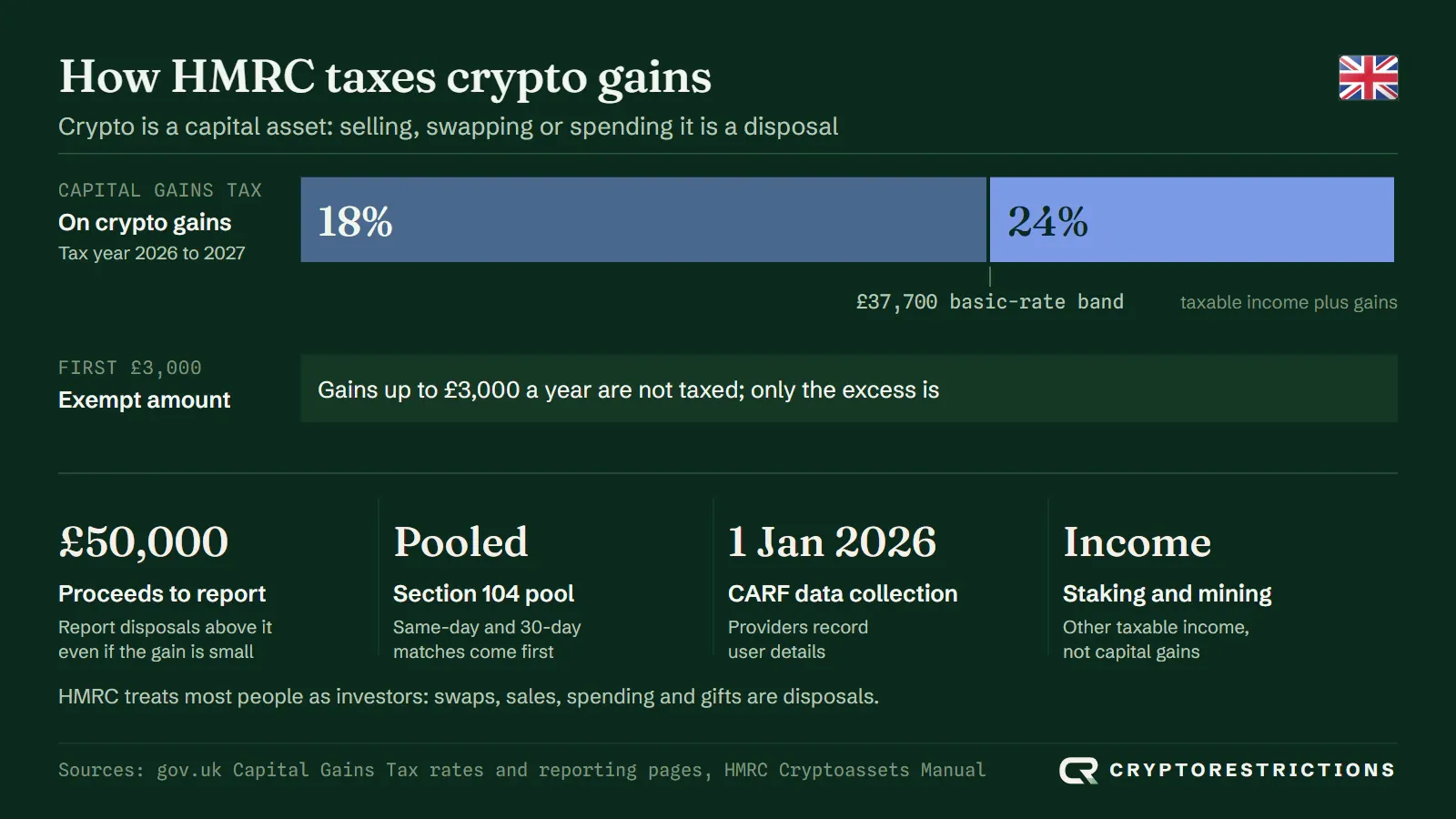
The rates page sets the rate at 18% for gains within the £37,700 basic-rate band and 24% above it. Tokens of the same type go into one section 104 pool, with same-day and 30-day acquisitions matched first. Mining, staking and lending receipts are other taxable income when you are not trading. Crypto providers must collect user details for HMRC under the Cryptoasset Reporting Framework from 1 January 2026. Reporting runs in four steps:







 Serbia
 Turkey
 Switzerland
 Iceland
 Liechtenstein
 Norway
 Croatia
 Estonia
 Finland
 Greece
 Latvia