

Is crypto legal in Egypt?
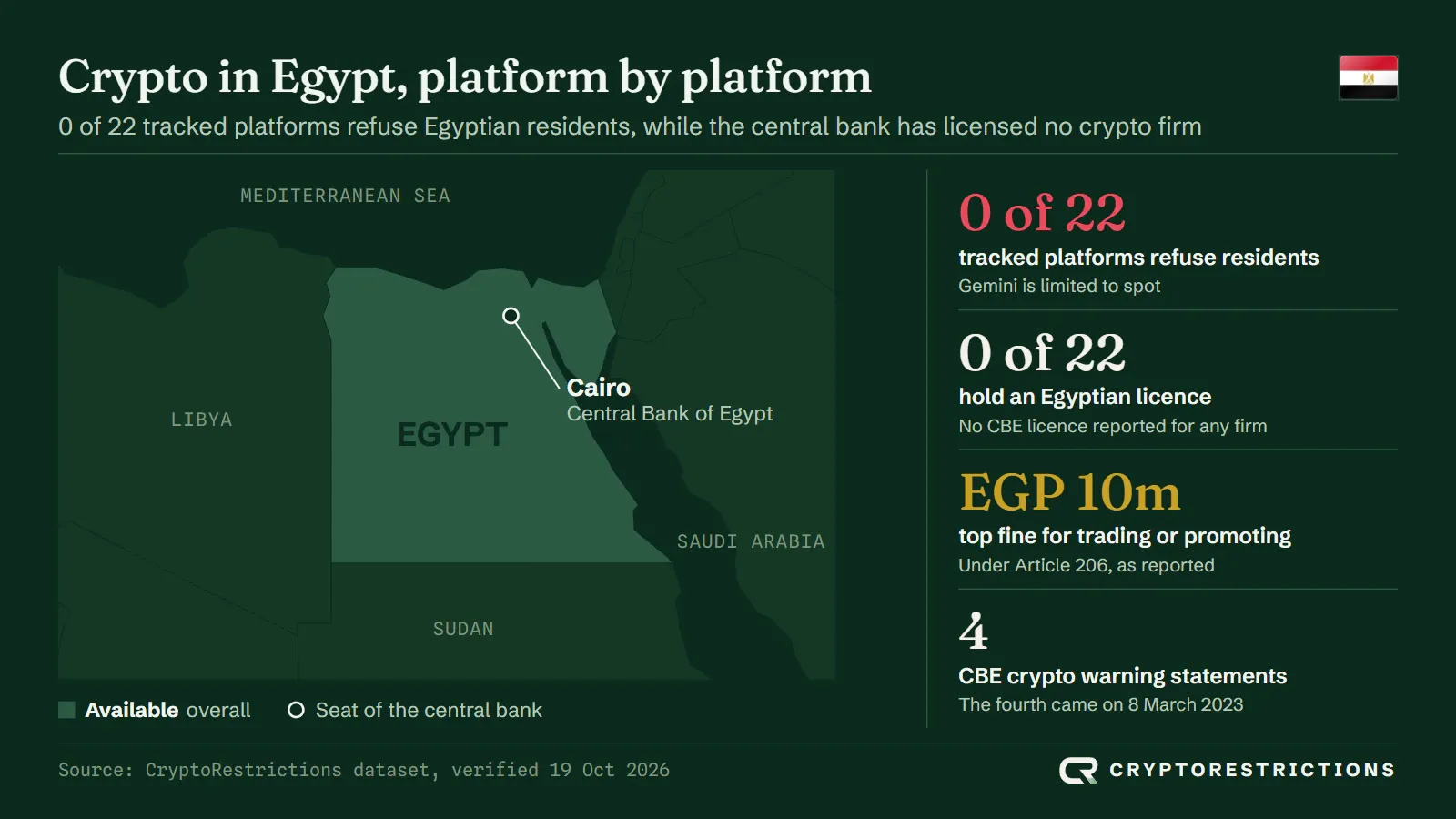
In practice no: Egyptian law makes trading, issuing and promoting crypto depend on central bank approval, and no approval has been reported. We found no source that says holding crypto privately is a crime, and none that says it is protected.
The Central Bank of Egypt (CBE) says that Article 206 of Law 194 of 2020, the central bank and banking system law, bans issuing, trading and promoting cryptocurrencies, and bans creating or running platforms that promote them. A law-firm article describes the same article as requiring prior CBE approval and says that losses from crypto trading would not be recoverable under Egyptian law. A commercial tax-tool guide reports that no platform had received a CBE licence as of 2026. The CBE’s own site rejected our requests, so each of these is reported by a secondary source and not read on cbe.org.eg.
The CBE’s statement of 29 March 2021 also said that financial transactions inside the banking system are limited to currencies the bank officially accredits. We did not find the text of the law itself, and none of the sources we read says whether an individual who only holds crypto breaks it. Dar al-Ifta’s ruling, covered under regulators below, is a religious opinion and not law.
Which crypto exchanges work in Egypt?
No platform we track holds an Egyptian licence, because the CBE has reportedly licensed none. Every platform that does not refuse Egyptians serves them under its own terms, with no Egyptian approval behind it.
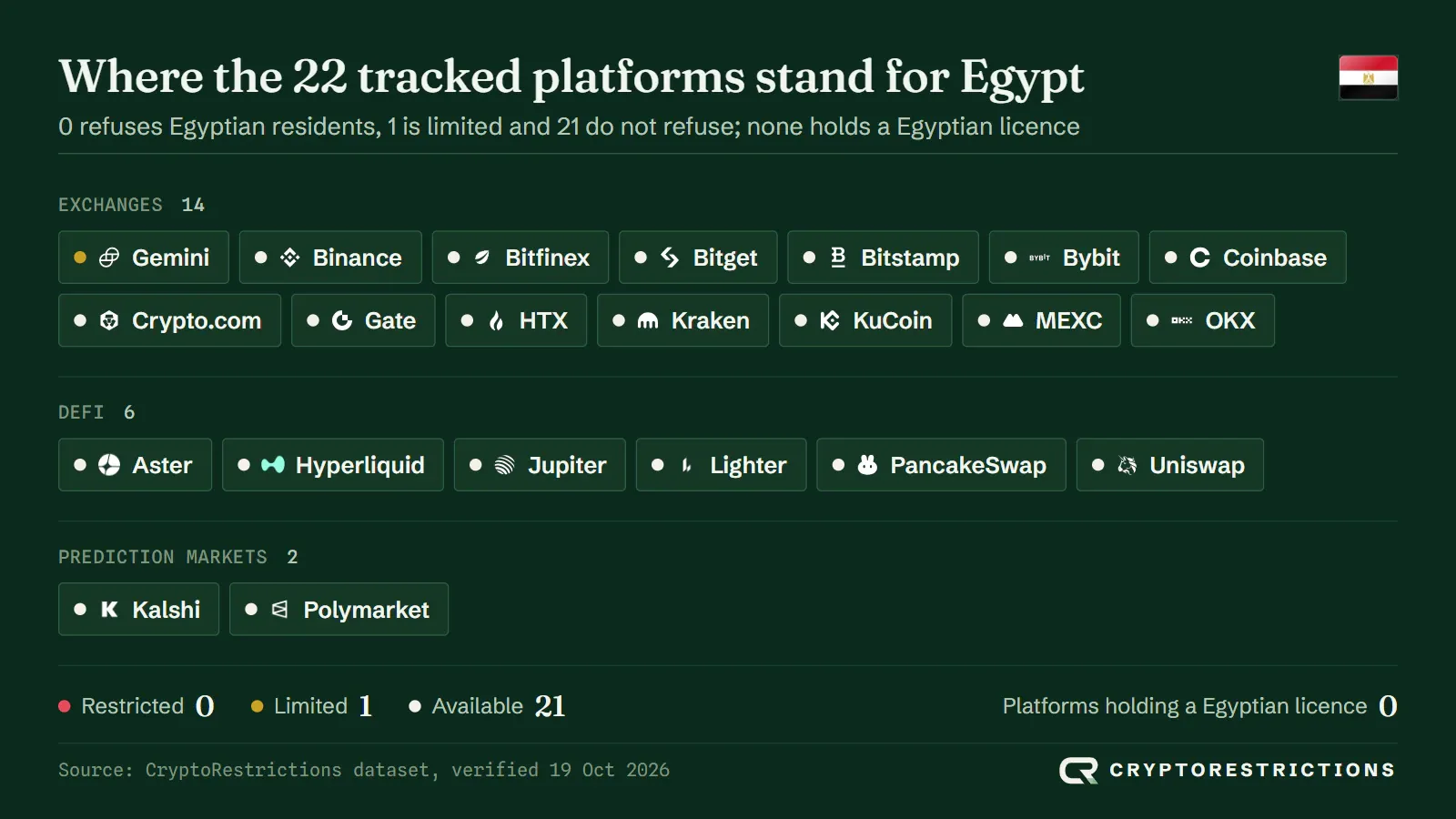
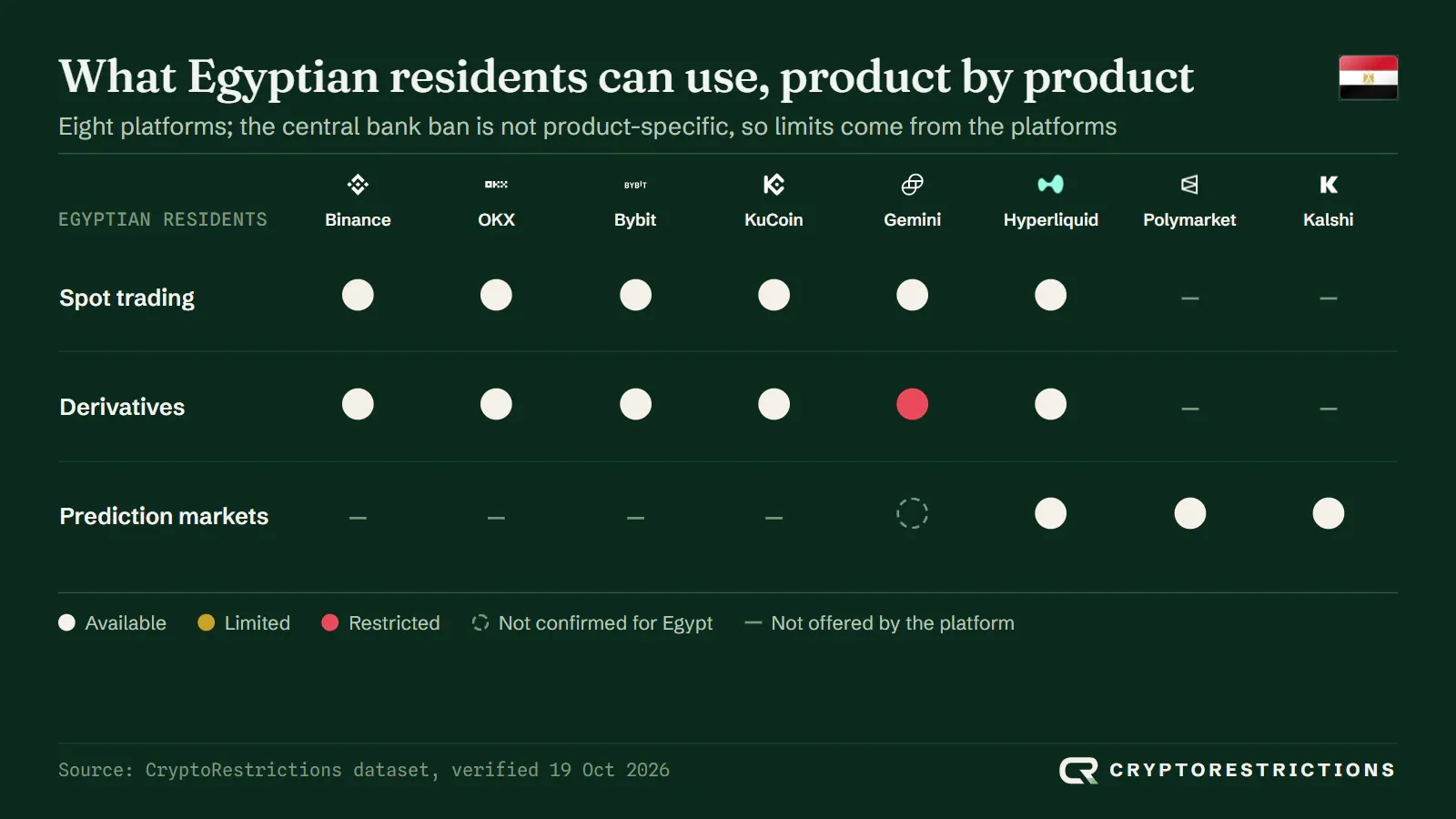
We found no register of licensed crypto firms on any Egyptian regulator’s pages, which fits a regime where none exist. A foreign licence gives a platform no standing in Egypt, so the statuses above record what each platform allows, not what Egyptian law permits. Gemini is the one limited platform: it lists Egypt for spot trading but not for perpetuals, according to its perpetuals eligibility page.
Bitstamp is the one platform we could not test from Egypt. Its global terms, updated 6 April 2026, carry no country list, so its row rests on the absence of a restriction in that document.

Best crypto platforms for Egyptian residents
The score ranks every platform that is open to Egyptian residents by how fully they can use it, not by fees or safety. It is computed from our data and moves when a row changes.
The score is made of access status (4 points), the share of the platform’s products open here (3), the Egyptian licences we hold on file (2) and what our geo-access test saw from an Egyptian address (1). Every platform scores zero on licences, so the ranking turns on the other three parts. None of this makes a platform lawful under Article 206. The full method is on our methodology page.
Exchanges

Binance
Best for Widest product range
8.0/10- Access
- 4/4
- Products
- 3/3
- Licences
- 0/2
- Our test
- 1/1
Read our Binance reportPros
- Not on its prohibited-countries list
- Its home and sign-up pages loaded in our test
Cons
- No Egyptian licence on file
- Central bank warnings cover trading and promotion

Bybit
Best for Spot and derivatives
8.0/10- Access
- 4/4
- Products
- 3/3
- Licences
- 0/2
- Our test
- 1/1
Read our Bybit reportPros
- Not on its excluded-jurisdictions list
- Its pages loaded in our test
Cons
- No Egyptian licence on file
- Its list can change

OKX
Best for Spot and derivatives with a clear list
8.0/10- Access
- 4/4
- Products
- 3/3
- Licences
- 0/2
- Our test
- 1/1
Read our OKX reportPros
- Not on its restricted-locations list, updated 8 July 2026
- Its pages loaded in our test
Cons
- No Egyptian licence on file
- Its list is open-ended

Coinbase
Best for Spot and staking with a listed sign-up
7.5/10- Access
- 4/4
- Products
- 3/3
- Licences
- 0/2
- Our test
- 0.5/1
Read our Coinbase reportPros
- Egypt is a listed sign-up country in its identity guide
- Offers spot, staking and custody
Cons
- No Egyptian licence on file
- Not tested from Egypt

Kraken
Best for Spot trading and staking
7.5/10- Access
- 4/4
- Products
- 3/3
- Licences
- 0/2
- Our test
- 0.5/1
Read our Kraken reportPros
- Not on its do-not-serve list, updated 30 September 2026
Cons
- No Egyptian licence on file
- Not tested from Egypt

Gemini
Best for Spot trading only
5.9/10- Access
- 3.5/4
- Products
- 1.9/3
- Licences
- 0/2
- Our test
- 0.5/1
Read our Gemini reportPros
- Egypt is on its main list of supported countries
Cons
- No perpetuals: Egypt is not on its perpetuals list
- No Egyptian licence on file
DeFi

Hyperliquid
Best for On-chain perpetuals
8.0/10- Access
- 4/4
- Products
- 3/3
- Licences
- 0/2
- Our test
- 1/1
Read our Hyperliquid reportPros
- Egypt is not named in its terms
- Its trading app loaded in our test
Cons
- No Egyptian licence on file
- Blocks other countries by IP address

Jupiter
Best for Solana swaps and staking
7.5/10- Access
- 4/4
- Products
- 3/3
- Licences
- 0/2
- Our test
- 0.5/1
Read our Jupiter reportPros
- Egypt is not in its terms
Cons
- No Egyptian licence on file
- Not tested from Egypt

PancakeSwap
Best for BNB Chain swaps and pools
7.5/10- Access
- 4/4
- Products
- 3/3
- Licences
- 0/2
- Our test
- 0.5/1
Read our PancakeSwap reportPros
- Not excluded by its terms
Cons
- No Egyptian licence on file
- Not tested from Egypt

Uniswap
Best for Swapping tokens from your own wallet
7.5/10- Access
- 4/4
- Products
- 3/3
- Licences
- 0/2
- Our test
- 0.5/1
Read our Uniswap reportPros
- Its terms bar only places under comprehensive US sanctions
Cons
- No Egyptian licence on file
- Not tested from Egypt
Prediction markets

Kalshi
Best for Regulated US event contracts
7.5/10- Access
- 4/4
- Products
- 3/3
- Licences
- 0/2
- Our test
- 0.5/1
Read our Kalshi reportPros
- Not on its restricted-jurisdictions list
Cons
- Egyptian law treats most wagering as a crime (reported)
- Not tested from Egypt

Polymarket
Best for Event markets with no listed block
7.5/10- Access
- 4/4
- Products
- 3/3
- Licences
- 0/2
- Our test
- 0.5/1
Read our Polymarket reportPros
- Not on its blocked-countries list, updated 14 August 2026
Cons
- Egyptian law treats most wagering as a crime (reported)
- Not tested from Egypt
Which platforms block Egyptian users?
None of the 22 platforms we track names Egypt on a block list, and none refused our Egyptian address. Gemini is the only platform that limits Egyptians, by leaving out perpetuals.
That is unusual next to most tracked countries, and it says little about Egyptian law. Most platforms enforce at identity verification, which a home page test cannot see, and a virtual address cannot see a block applied by an Egyptian internet provider.
What our geo-access test saw from Egypt
From a virtual Egyptian address on 14 and 16 October 2026 we tested 12 of the 22 platforms we track: 11 loaded with no barrier and 1 showed a notice.
An open page is not permission, and a virtual address tests a platform’s geo-blocking only, not a national internet block. Gate showed a banner that names the EU, not Egypt, so it reflects how our test address was read and not an Egyptian rule. We did not test the other ten platforms from Egypt. Swipe through the screenshots below; each card shows what the page displayed.
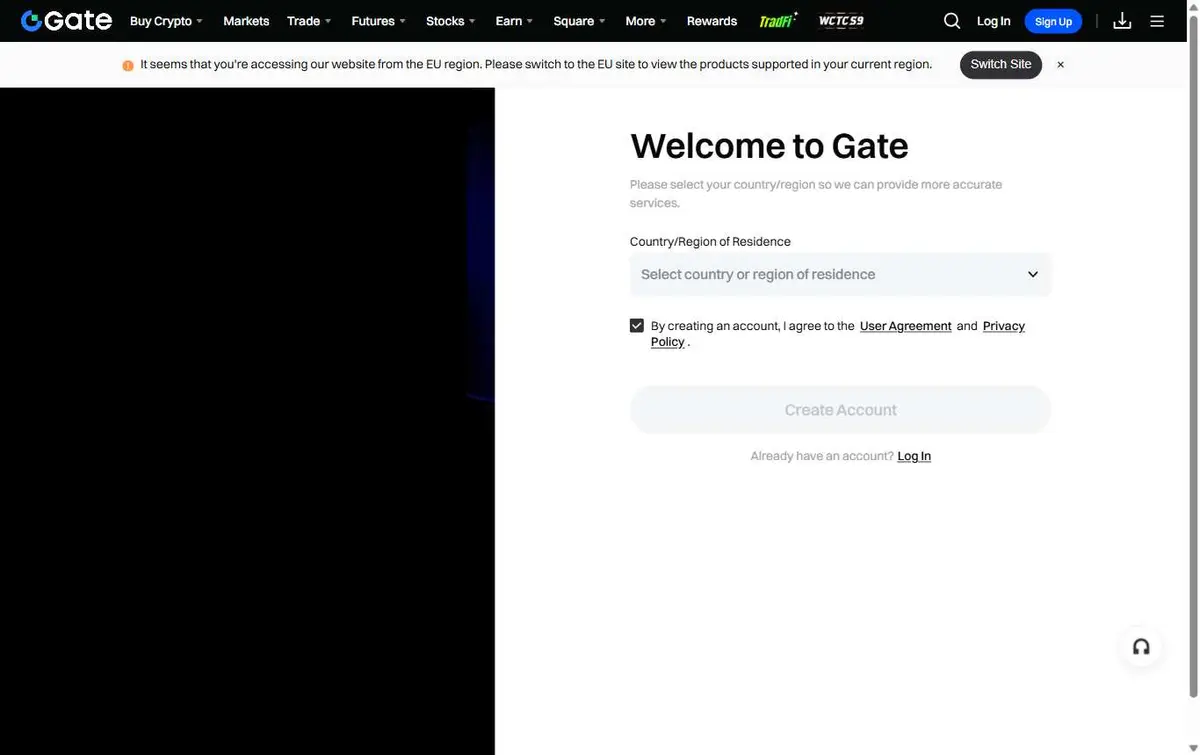
Notice shown Gate · Sign-up page
Egypt: sign-up shows a banner pointing to the EU site (our virtual address reads as EU); no restriction is named
“It seems that you're accessing our website from the EU region.”
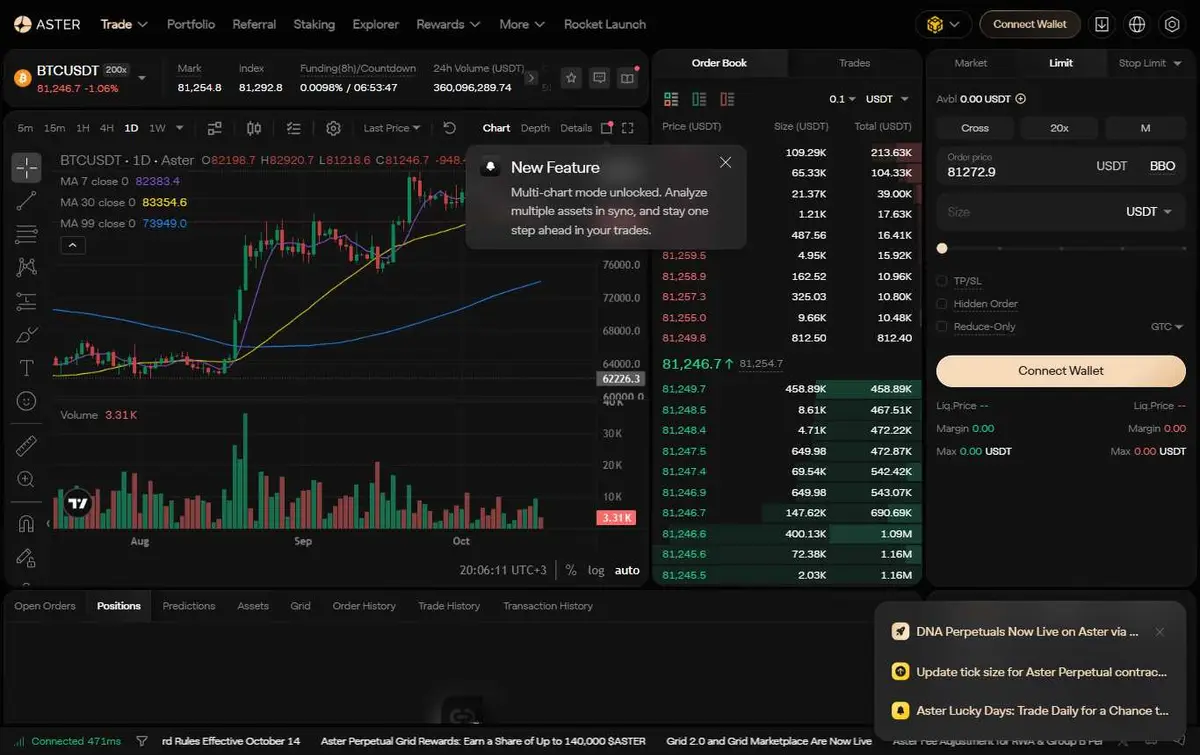
No barrier Aster · Trading app
Egypt: the trading app loads with no notice

No barrier Binance · Sign-up page
Egypt: sign-up loads with no notice
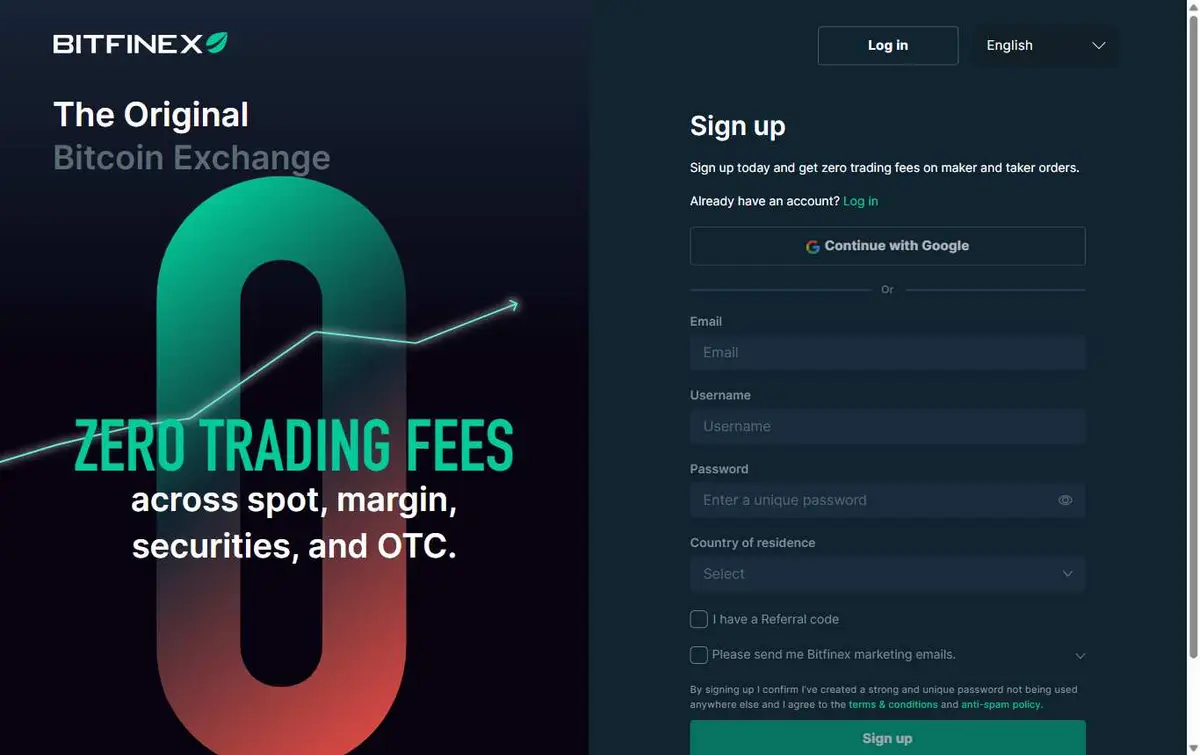
No barrier Bitfinex · Sign-up page
Egypt: sign-up loads with no notice
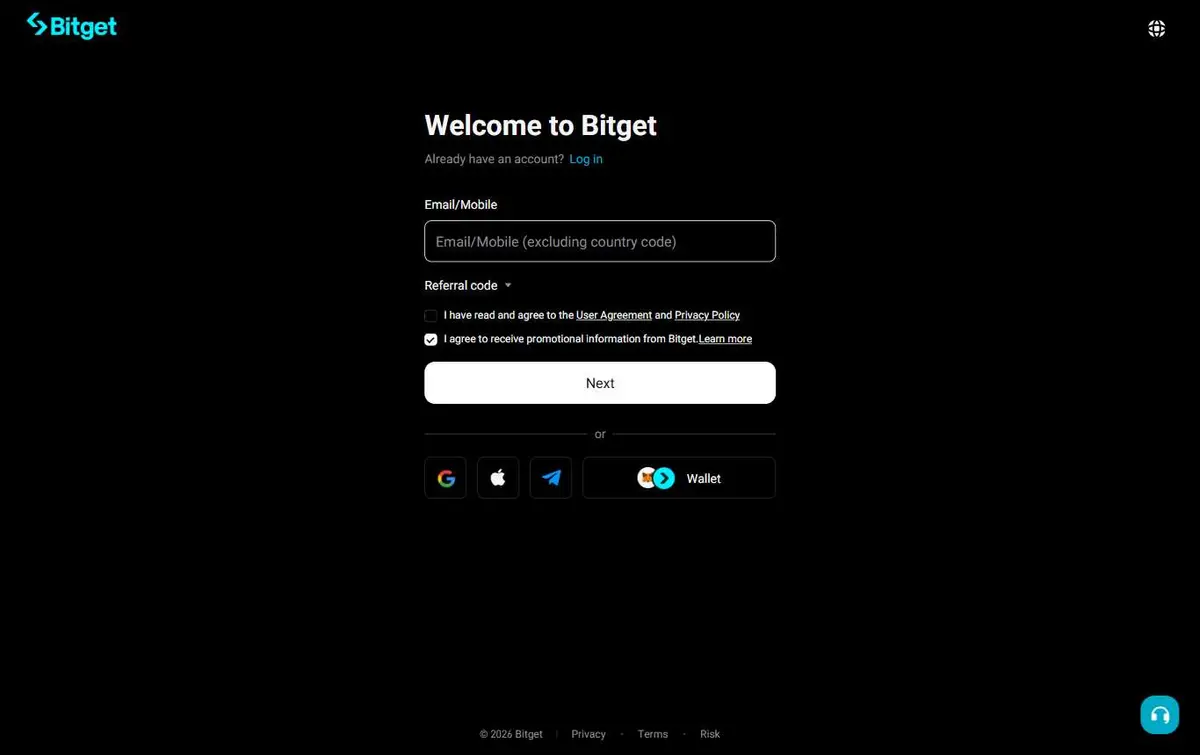
No barrier Bitget · Sign-up page
Egypt: sign-up loads with no notice
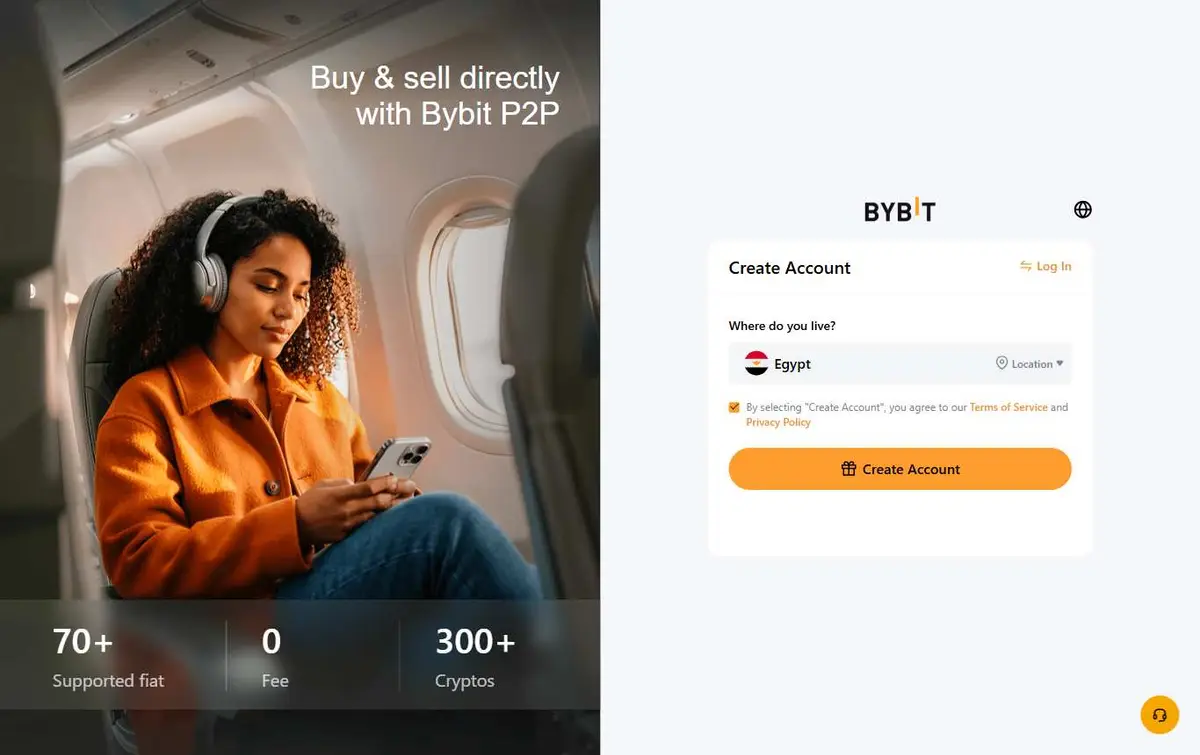
No barrier Bybit · Sign-up page
Egypt: sign-up loads with no notice
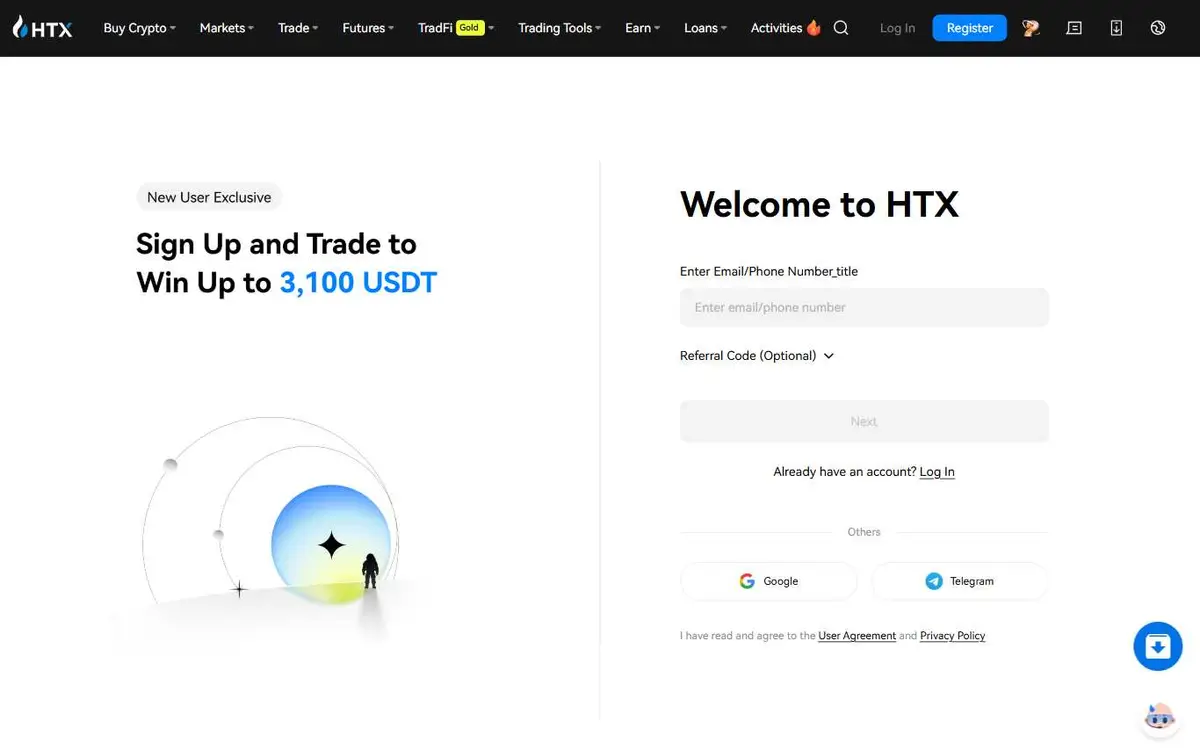
No barrier HTX · Sign-up page
Egypt: sign-up loads with no notice
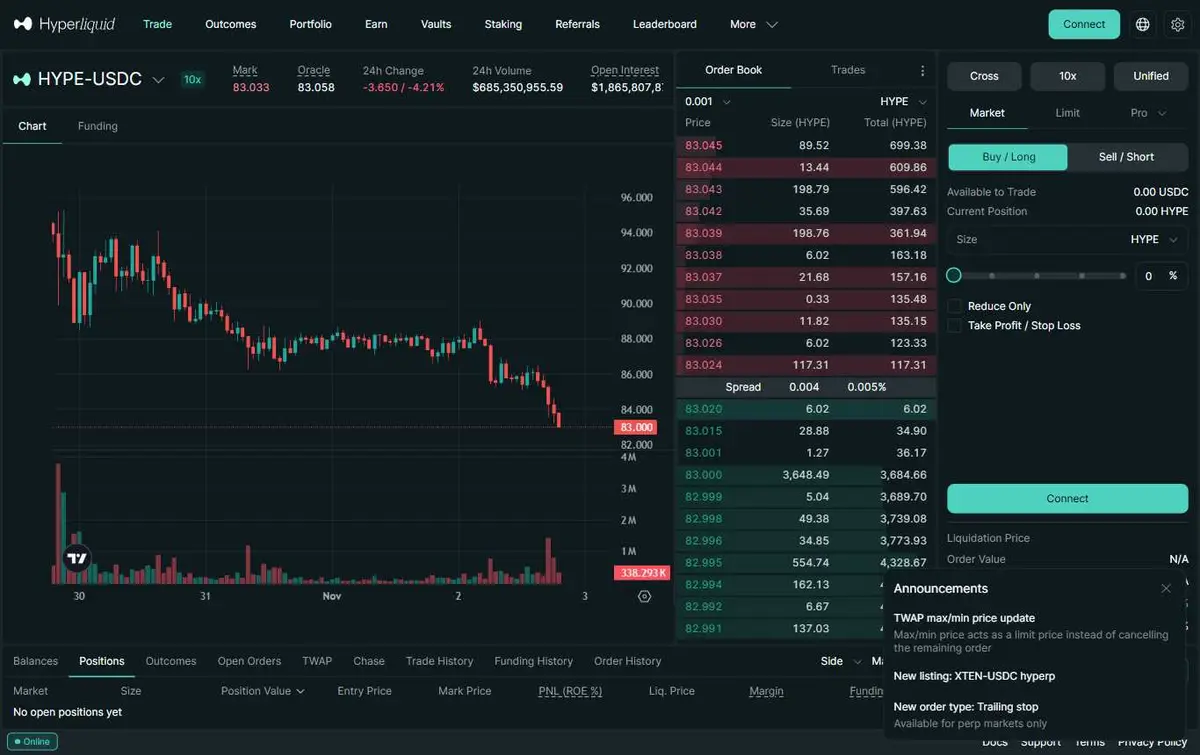
No barrierHyperliquid · Trading app
Egypt: the trading app loads with no restricted-jurisdiction banner
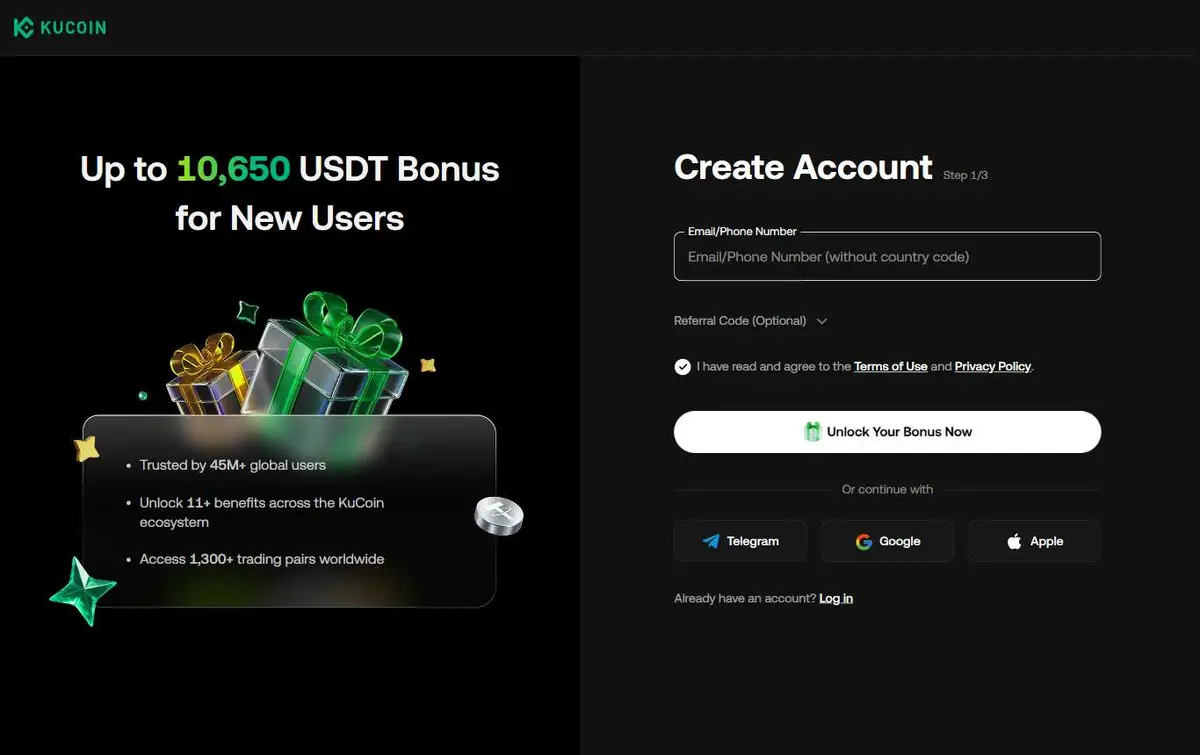
No barrier KuCoin · Sign-up page
Egypt: sign-up loads with no notice
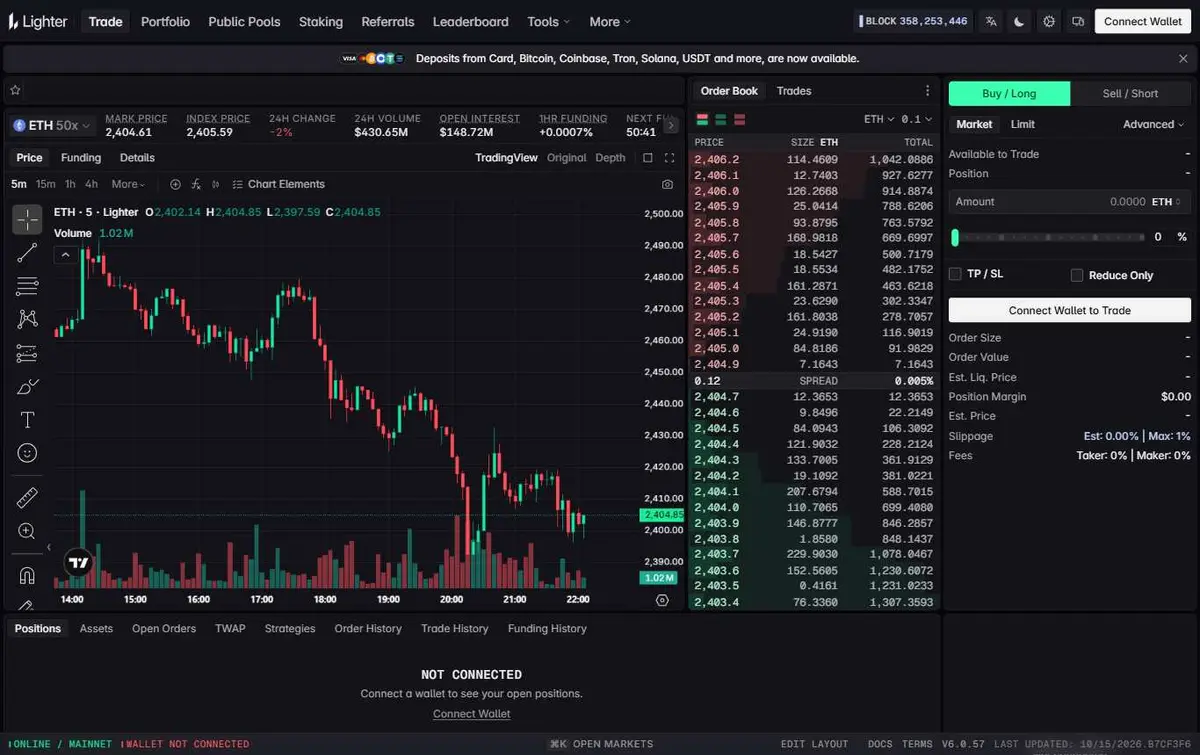
No barrier Lighter · Trading app
Egypt: the trading app loads with no notice
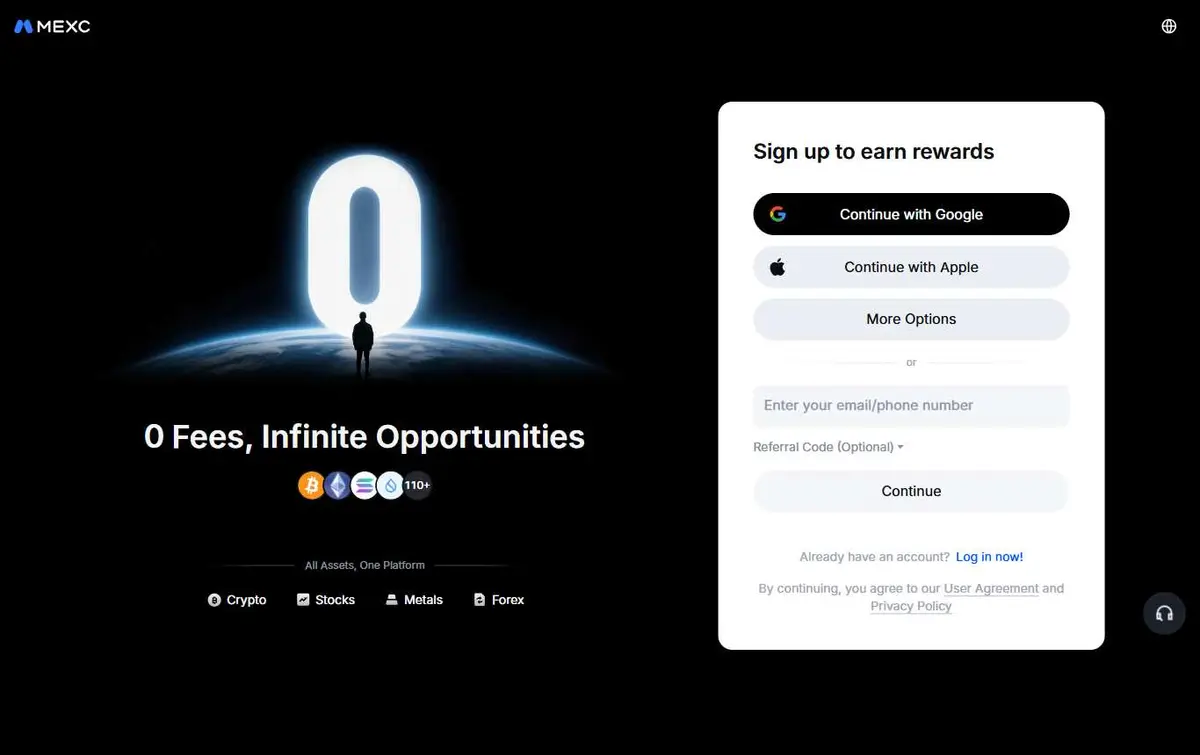
No barrier MEXC · Sign-up page
Egypt: sign-up loads with no notice
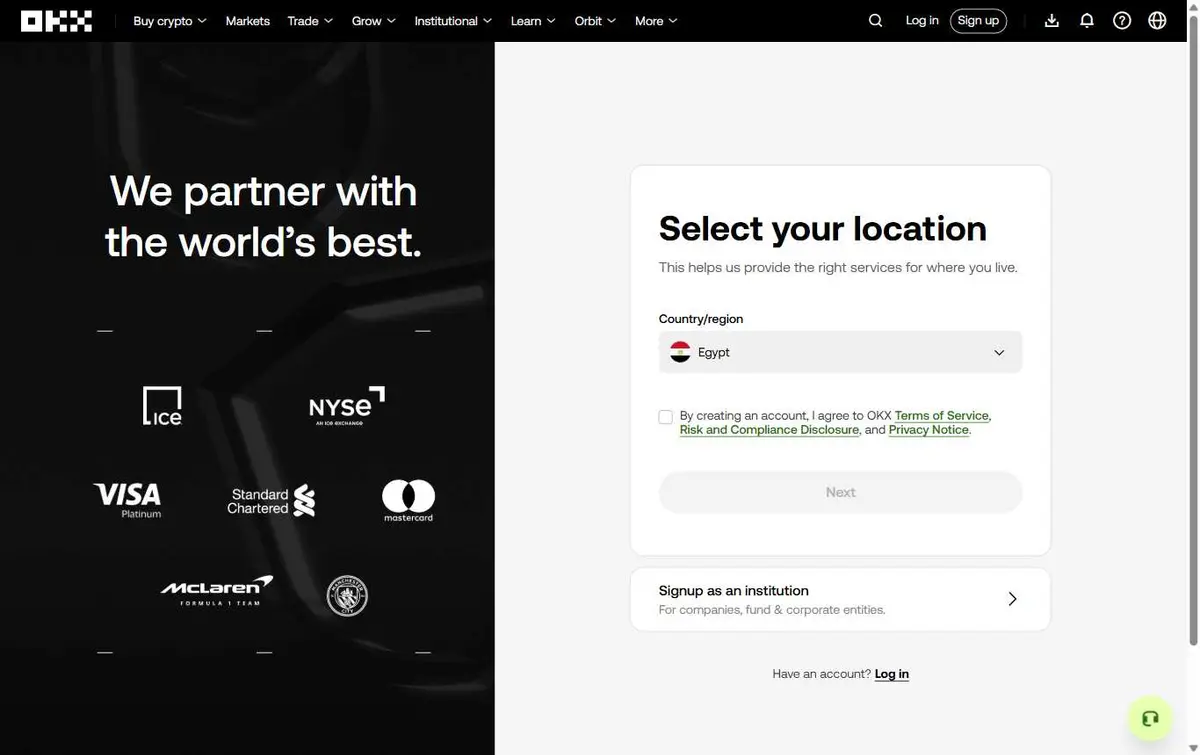
No barrier OKX · Sign-up page
Egypt: sign-up loads with no notice
 CRYPTORESTRICTIONS
Who regulates crypto in Egypt?
The Central Bank of Egypt is the regulator that matters, through Article 206. The Financial Regulatory Authority (FRA) has acted on digital platforms for other products, and Dar al-Ifta has ruled bitcoin forbidden as a religious matter.
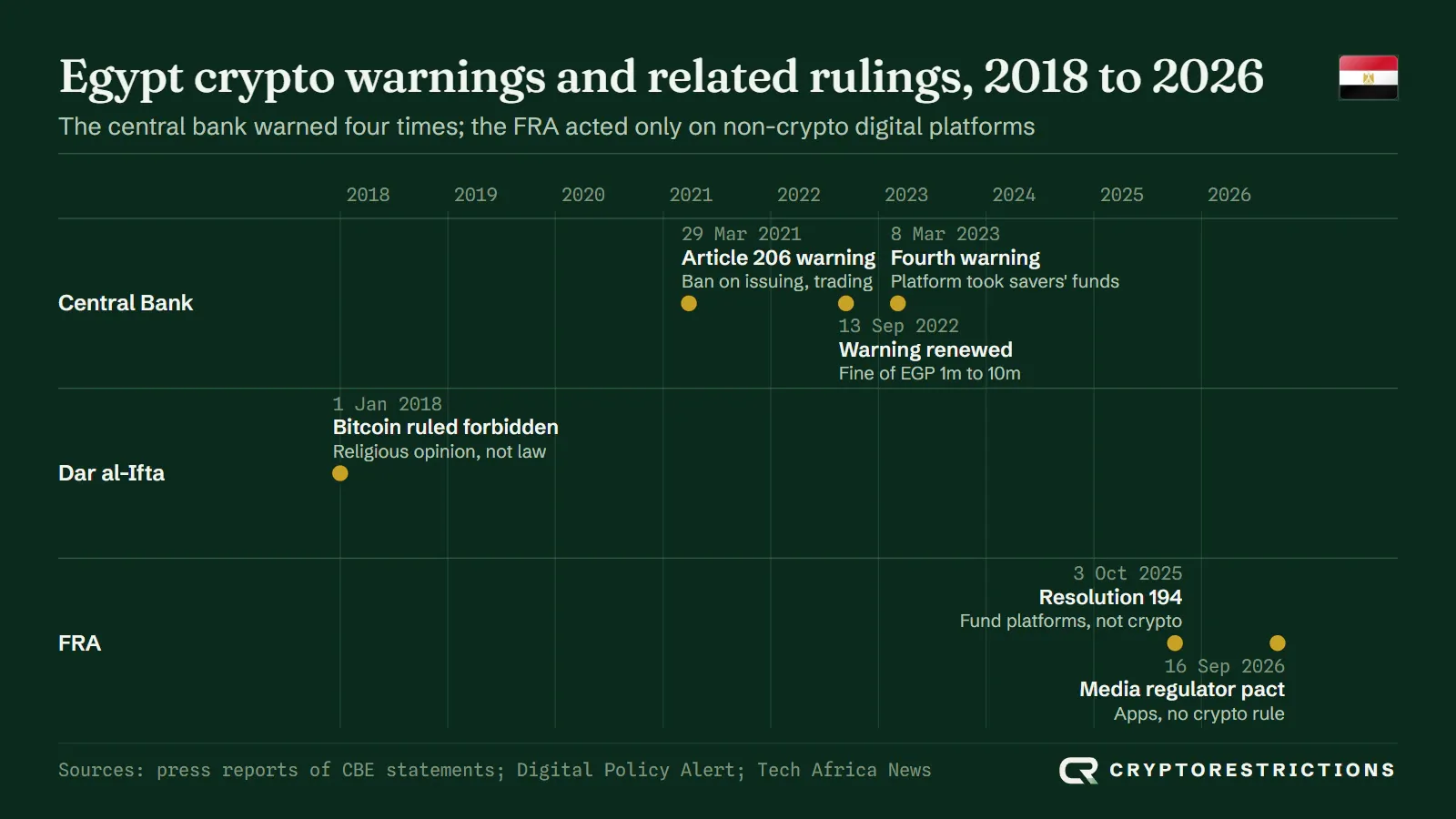
- Central Bank of Egypt. Issued warnings in 2021 and 2022 and, on 8 March 2023, its fourth warning statement, prompted by reports of a digital platform taking large sums from Egyptians under the pretext of crypto. In September 2022 it renewed its warning and was reported to say that violators face a fine of EGP 1 million to 10 million. We found no CBE crypto statement dated 2024 to 2026 and no licensing rulebook, and could not read the CBE site.
- Financial Regulatory Authority. Its Resolution 194 of 2025 licenses digital platforms as intermediaries for private equity and venture capital funds, and says nothing about crypto. On 16 September 2026 it signed a memorandum with the Supreme Council for Media Regulation on digital platforms and mobile applications in non-banking markets, for which the tracker describes no crypto provision. We found no FRA framework for crypto assets, and its own site rejected our requests.
- Dar al-Ifta. The religious authority’s adviser Magdy Ashour ruled, as reported on 1 January 2018, that bitcoin is forbidden in Islam, citing a lack of central bank backing, the absence of set rules and terrorism financing. It is a religious opinion and is context only, not an Egyptian law.
- Egyptian Tax Authority (ETA). Covered in the tax section.
Which crypto products are limited in Egypt?
The central bank ban is not written product by product in anything we could read, so the product limits we can document come from platforms and from banking rules. Gemini offers Egyptians spot trading and no perpetuals.
- Banks. Dealing inside the banking system is limited to currencies the CBE accredits, as its March 2021 statement is reported to say, so cards and transfers to crypto platforms are a bank decision with no safe harbour. We found no published rule on cards.
- Fund tokens and digital platforms. The only FRA rule we found covers private equity and venture capital fund platforms, under Resolution 194 of 2025.
- Stablecoins and tokenised assets. We found no Egyptian rule on either.
- Recovery of losses. A law-firm article says losses from crypto trading would not be recoverable under Egyptian law.
Are prediction markets legal in Egypt?
Unclear: we found no Egyptian ruling on event contracts. Egyptian law criminalises most wagering, online betting is under a blocking drive, and Polymarket and Kalshi do not exclude Egypt.
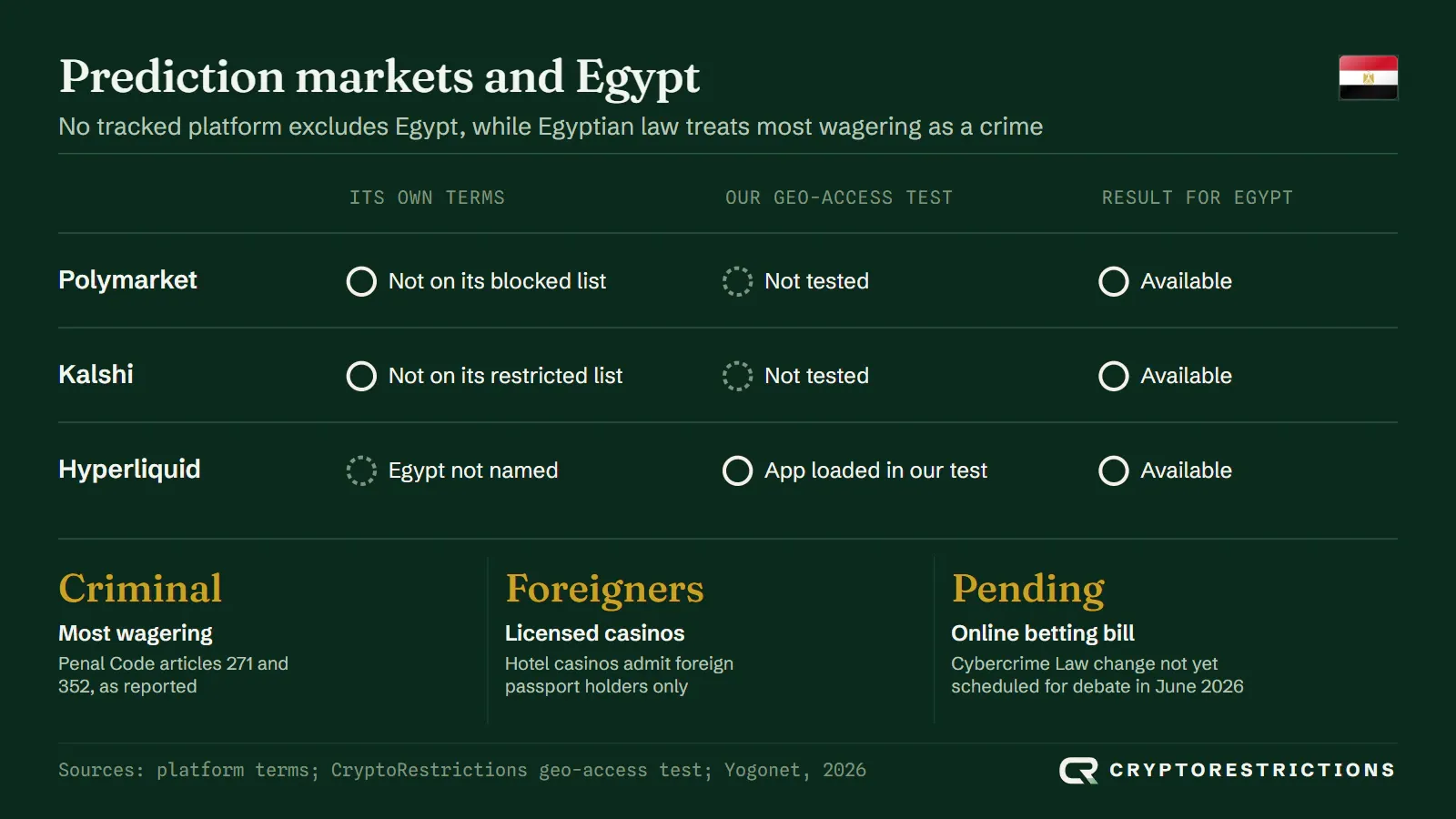
On 9 February 2026 a press report named Articles 271 and 352 of the Penal Code as criminalising most wagering on uncertain outcomes, and quoted the chair of Parliament’s communications committee on blocking offshore betting sites. A June 2026 report adds that the Civil Code voids gambling contracts, that casinos admit foreign passport holders only and only in licensed hotels, and that no law yet addresses online gambling specifically. Amendments to the Cybercrime Law that name online betting had not been scheduled for debate by late June 2026. Whether a court would treat an event contract as a wager is untested in what we read.
How is crypto taxed in Egypt?
We found no Egyptian Tax Authority statement on crypto. Income tax runs in bands up to 27.5 percent and companies pay 22.5 percent, but none of the summaries we read says how crypto gains are treated.
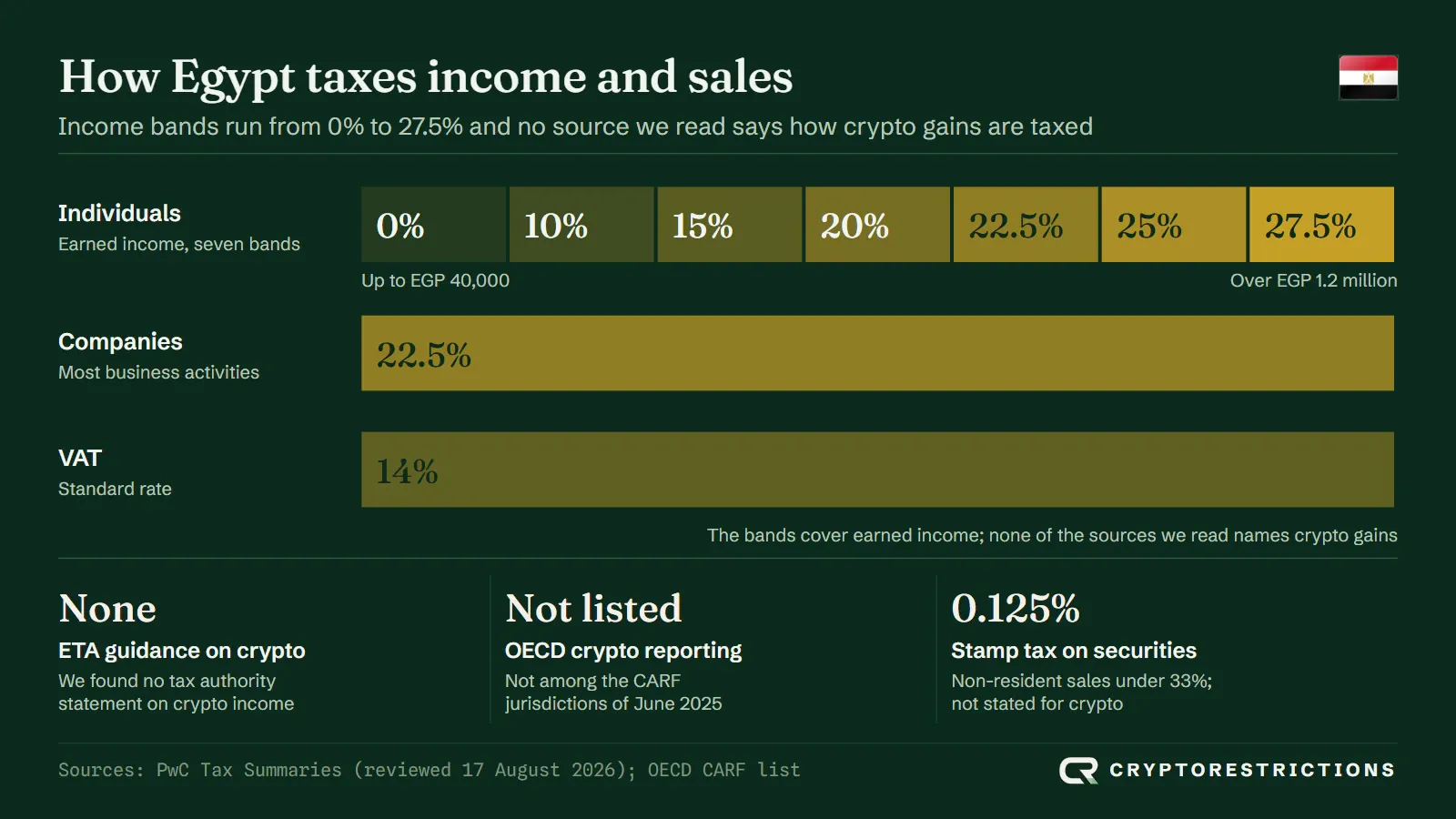
PwC’s summary, reviewed 17 August 2026, lists seven income bands from 0 to 27.5 percent on earned income and does not address capital gains. Companies pay 22.5 percent on most business profits, and the standard VAT rate is 14 percent, with stamp tax on securities at 0.125 percent for non-resident sales under 33 percent of a company. None of these pages mentions crypto.
The ETA’s own site was not read. A third-party crypto tax guide reports that the ETA provides no section for declaring crypto income because the state does not recognise it, which fits a regime where trading needs a licence nobody holds. That is a claim by a commercial tool and not an ETA publication. Egypt was not among the jurisdictions committed to the OECD’s Crypto-Asset Reporting Framework on the list of 17 June 2025, and we did not check later lists.





 Ghana
 South Africa
 Morocco
 Nigeria
 Kenya
 South Sudan
 Mauritius
 Senegal
 Tunisia
 Angola
 Benin