Is crypto legal in Slovenia?
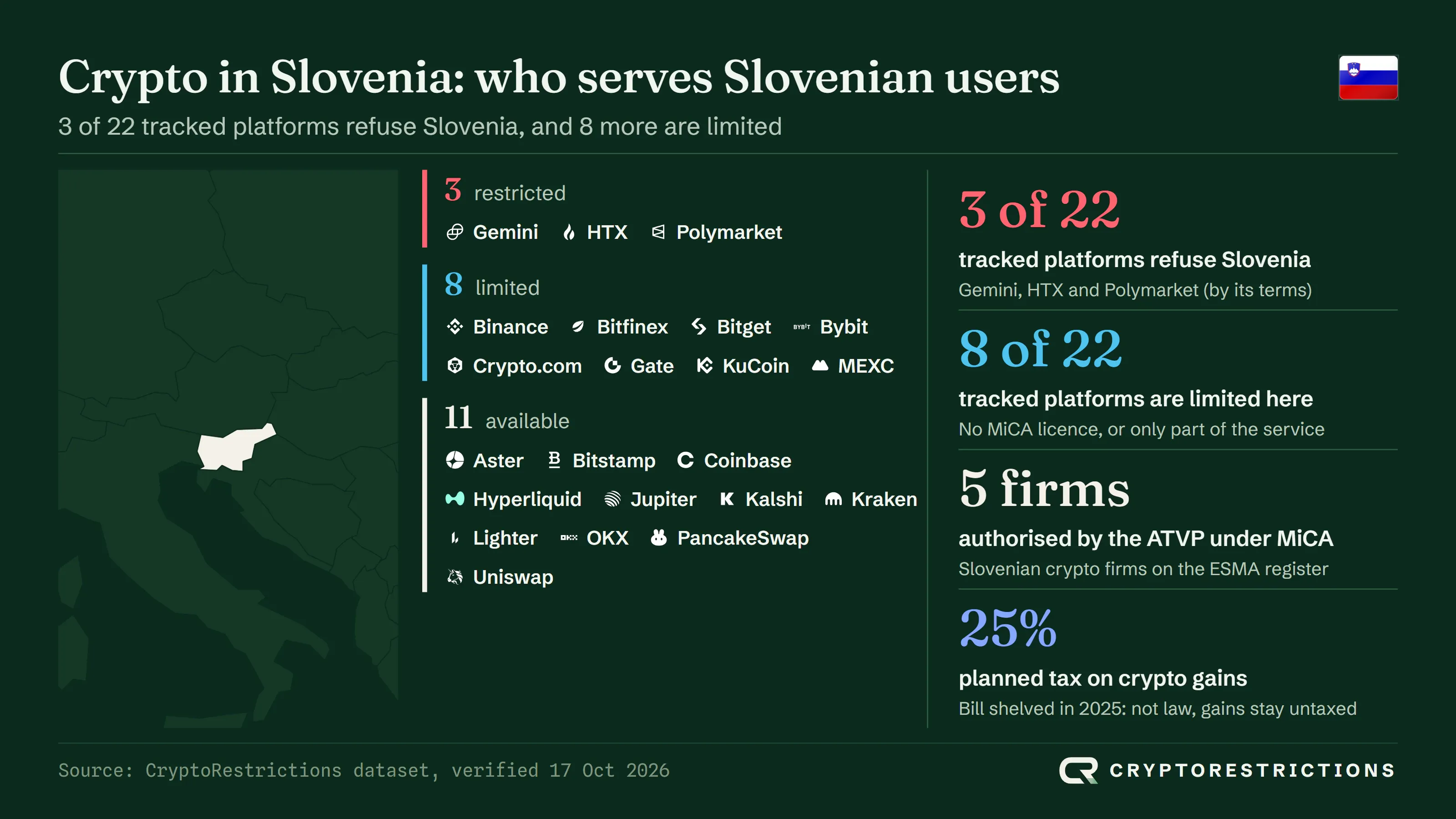
Yes, through authorised providers. We found no Slovenian law that bans individuals from holding or trading crypto, and since the EU-wide transition ended on 1 July 2026 a firm serving Slovenian residents needs a MiCA authorisation.
The EU’s Markets in Crypto-Assets Regulation (MiCA) set the licensing rules. Slovenia applied it in the Act on the implementation of the MiCA regulation (ZIUTK), adopted by the National Assembly on 23 October 2024 and published in Uradni list 95/2024. Law-firm summaries say the Securities Market Agency (ATVP) authorises and supervises crypto-asset service providers and the Bank of Slovenia supervises issuers of e-money tokens. The gazette’s own text did not load when we tried on 19 October 2026, so those roles and the act’s penalty scale rest on those summaries. The Ministry of Finance’s note of 10 July 2026 confirms the transition ended on 1 July and says MiCA does not remove market risks.
Before MiCA, providers sat on a separate register. The Office for Money Laundering Prevention kept the register of virtual currency service providers under the money laundering act (ZPPDFT-2), which firms with a Slovenian seat had to join. ESMA’s list of transitional periods records Slovenia at six months, the shortest a member state could pick, but we could not read the national transitional article to confirm what it did with that register, and we did not find the number of firms that were on it.
Which crypto exchanges work in Slovenia?
Seven of the exchanges we track serve Slovenian users under a MiCA licence: Coinbase, Kraken, OKX, Bitstamp, Bybit, Crypto.com and Gate. Four are fully available; Bybit, Crypto.com and Gate are limited because they offer no derivatives here.
None of them holds a Slovenian authorisation for its crypto services. Each is licensed by another EU regulator and serves Slovenia on a passport, which is why the chart names the regulator that granted the licence. ESMA’s interim register carries the licence dates and lists Slovenia among each firm’s passported countries.
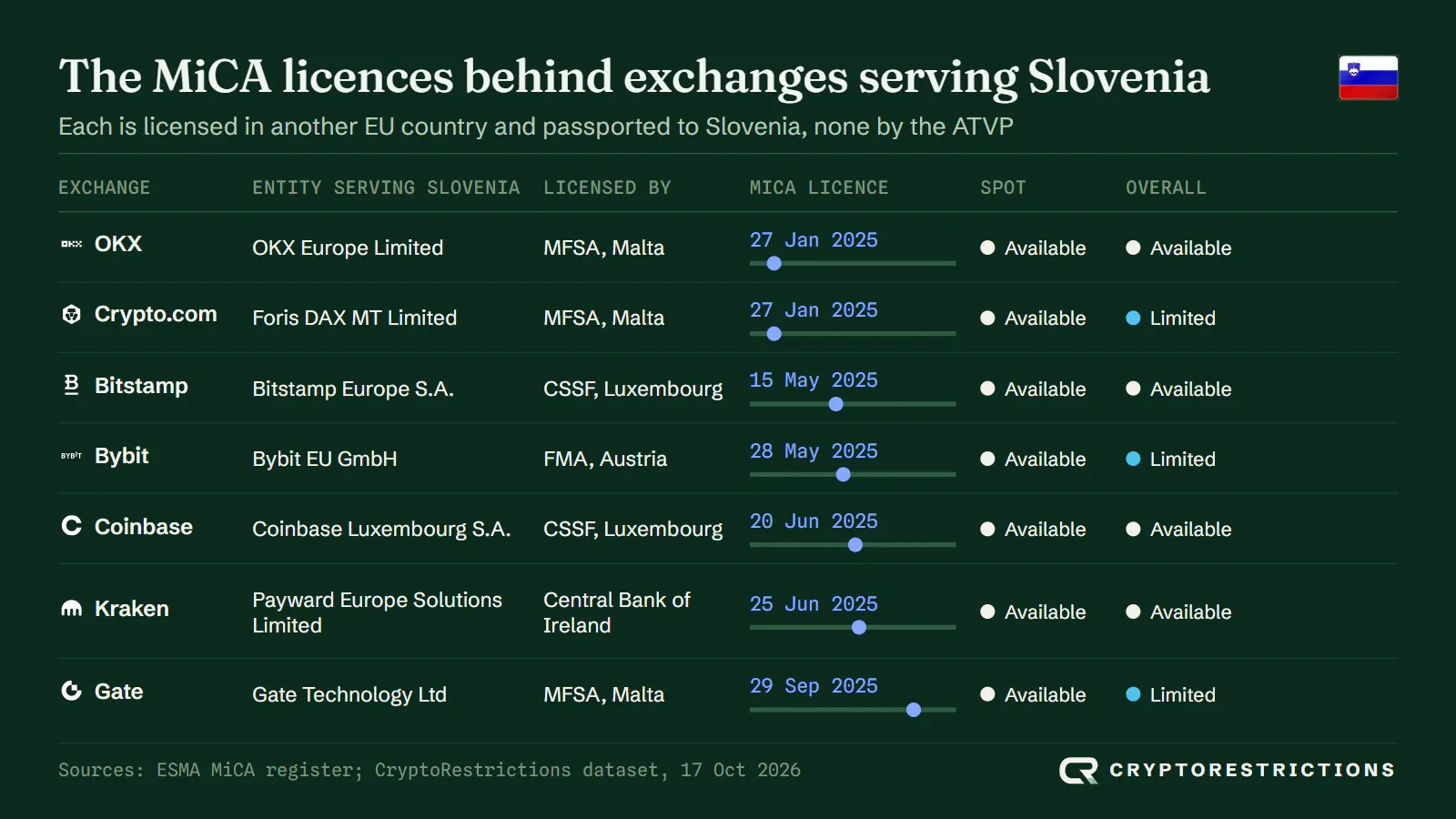
The same register lists five firms with Slovenia as their home state, all authorised by the ATVP, read on 19 October 2026. Ilirika (4 October 2025) offers custody, execution, order transmission and portfolio management and passports across the EEA. Incrementum (22 November 2025) offers custody, advice and portfolio management and passports to Croatia and Italy. Orcabay (27 November 2025) offers order execution and advice. GateHub Exchange (24 August 2026) offers custody, exchange for funds and for other crypto-assets, and transfers, with an EEA-wide passport; it is a separate company from the Gate exchange. Iconomi Europe (6 September 2026) offers custody, execution, order transmission, advice and portfolio management in Slovenia only.
Binance is not on the register under any name, and we found no Slovenian application by it.
Best crypto platforms for Slovenian residents
By our access score, Bitstamp (9.0 out of 10) is the most open exchange for Slovenian residents, ahead of Kraken (8.0), Coinbase and OKX (7.5). Aster, Hyperliquid, Jupiter, Lighter, PancakeSwap and Uniswap (8.0) are the most open DeFi platforms, and Kalshi also scores 8.0, though we could not confirm that Slovenia allows it.
The score rates how fully a Slovenian resident can use each platform, not its fees or safety. It is computed from our data and moves when a row changes: access status (4 points), the share of the platform’s products open here (3), the licences we hold on file for Slovenia (2) and what our geo-access test saw from a Slovenian address (1). Platforms that refuse Slovenian users are not scored. The full method is on our methodology page.
Exchanges

Bitstamp
Best for Spot trading, with a derivatives arm licensed in Slovenia
9.0/10- Access
- 4/4
- Products
- 3/3
- Licences
- 1/2
- Our test
- 1/1
Read our Bitstamp reportPros
- Bitstamp Europe S.A. holds a CSSF MiCA licence from 15 May 2025
- Bitstamp Financial Services runs a MiFID trading facility licensed by the ATVP in Slovenia
- Our test loaded the home page from a Slovenian address
Cons
- Spot is served from Luxembourg, not by a Slovenian entity

Kraken
Best for Spot trading under an Irish MiCA licence
8.0/10- Access
- 4/4
- Products
- 3/3
- Licences
- 0/2
- Our test
- 1/1
Read our Kraken reportPros
- Payward Europe Solutions holds a Central Bank of Ireland MiCA licence, passported across the EEA
- Our test loaded the home page from a Slovenian address with no notice
Cons
- No Slovenian entity: served from Ireland

Coinbase
Best for A MiCA-licensed exchange with the widest reach
7.5/10- Access
- 4/4
- Products
- 3/3
- Licences
- 0/2
- Our test
- 0.5/1
Read our Coinbase reportPros
- Coinbase Luxembourg S.A. holds a CSSF MiCA licence passported across the EEA
- Slovenia is on its passport list in the ESMA register
Cons
- No Slovenian entity: served from Luxembourg
- Its page says stocks and prediction markets are not available here

OKX
Best for A global brand with a local EU site
7.5/10- Access
- 4/4
- Products
- 3/3
- Licences
- 0/2
- Our test
- 0.5/1
Read our OKX reportPros
- OKX Europe Limited holds an MFSA MiCA licence from 27 January 2025
- okx.com points Slovenian visitors to OKX Europe
Cons
- Served from Malta, not by a Slovenian entity

Bybit
Best for Spot trading only
6.9/10- Access
- 3.5/4
- Products
- 2.4/3
- Licences
- 0/2
- Our test
- 1/1
Read our Bybit reportPros
- Spot is served by Bybit EU GmbH under an Austrian MiCA licence
Cons
- Bybit EU offers no derivatives
- Derivatives on Bybit Global are being wound down for EEA residents

Crypto.com
Best for Spot trading in an app
6.3/10- Access
- 3.5/4
- Products
- 1.8/3
- Licences
- 0/2
- Our test
- 1/1
Read our Crypto.com reportPros
- Foris DAX MT Limited holds a Malta MiCA licence from 27 January 2025
- Spot trading and the app are offered
Cons
- Derivatives are on its geo-restrictions list

Gate
Best for Spot trading on a licensed EU arm
5.5/10- Access
- 3.5/4
- Products
- 1.5/3
- Licences
- 0/2
- Our test
- 0.5/1
Read our Gate reportPros
- Gate Technology Ltd holds a Maltese MiCA licence
- Spot trading is open to Slovenian users
Cons
- Gate EU offers no derivatives
- Our test showed a notice that the visit comes from the EU region
DeFi

Aster
Best for Perpetuals from your own wallet
8.0/10- Access
- 4/4
- Products
- 3/3
- Licences
- 0/2
- Our test
- 1/1
Read our Aster reportPros
- Slovenia is not on its prohibited-jurisdictions list
- Its trading app loaded in our test
Cons
- No licence on file for Slovenia

Hyperliquid
Best for Perpetuals and spot on its own chain
8.0/10- Access
- 4/4
- Products
- 3/3
- Licences
- 0/2
- Our test
- 1/1
Read our Hyperliquid reportPros
- Not excluded by its terms
- The trading app loaded in our test
Cons
- No licence on file for Slovenia

Jupiter
Best for Solana swaps
8.0/10- Access
- 4/4
- Products
- 3/3
- Licences
- 0/2
- Our test
- 1/1
Read our Jupiter reportPros
- Slovenia is not named in its terms
- Its app loaded in our test
Cons
- No licence on file for Slovenia

Lighter
Best for Perpetuals from your own wallet
8.0/10- Access
- 4/4
- Products
- 3/3
- Licences
- 0/2
- Our test
- 1/1
Read our Lighter reportPros
- Slovenia is not named in its terms
- Its trading app loaded in our test
Cons
- No licence on file for Slovenia

PancakeSwap
Best for BNB Chain swaps and pools
8.0/10- Access
- 4/4
- Products
- 3/3
- Licences
- 0/2
- Our test
- 1/1
Read our PancakeSwap reportPros
- Not excluded by its terms
- The swap page loaded in our test
Cons
- No licence on file for Slovenia

Uniswap
Best for Swapping tokens from your own wallet
8.0/10- Access
- 4/4
- Products
- 3/3
- Licences
- 0/2
- Our test
- 1/1
Read our Uniswap reportPros
- Its terms bar only places under comprehensive US sanctions
- Our test loaded the swap app from a Slovenian address
Cons
- No licence on file for Slovenia
Prediction markets

Kalshi
Best for Event contracts, if it takes Slovenian users
8.0/10- Access
- 4/4
- Products
- 3/3
- Licences
- 0/2
- Our test
- 1/1
Read our Kalshi reportPros
- Slovenia is not on its restricted-jurisdictions list
- Its home page loaded in our test
Cons
- No licence on file for Slovenia
- We found no Slovenian ruling on event contracts
Which platforms block Slovenian users?
Three of the 22 platforms we track refuse Slovenian users: Gemini, HTX and Polymarket. Eight more are limited: Binance, Bybit, Crypto.com, KuCoin, Gate, Bitget, MEXC and Bitfinex.
Most exits trace to MiCA. Gemini closed every UK and EEA account on 6 April 2026. KuCoin EU has had trading and deposits suspended since 4 February 2026. Binance told EU users it would stop providing services after failing to secure a MiCA licence; from 1 July 2026 sign-ups, deposits and trading are closed while existing users can still withdraw. HTX’s user agreement bars all EU member states, and the EU’s Russia sanctions ban dealings with it from 23 August 2026.
What our geo-access test saw from Slovenia
From a Slovenian address on 14 and 16 October 2026 we tested all 22 platforms we track: Gemini refused our sign-up, 5 showed a notice or a redirect, and 16 loaded with no barrier.
An open page is not permission. Binance, Bitget, HTX, MEXC, Bitfinex and Polymarket all loaded although Binance has closed new sign-ups, Bitget has no MiCA licence, HTX’s terms bar the EU and Polymarket’s terms name Slovenia. Gemini’s home page loaded but its sign-up page said “Gemini does not currently operate in Slovenia”. The five notices were Binance’s European regulatory information link, Coinbase’s note that stocks and prediction markets are not available, Gate’s message that we were visiting from the EU region, KuCoin’s suggestion to switch to KuCoin EU and OKX’s redirect to its European site. Swipe through the screenshots below; each card quotes the message the page showed.
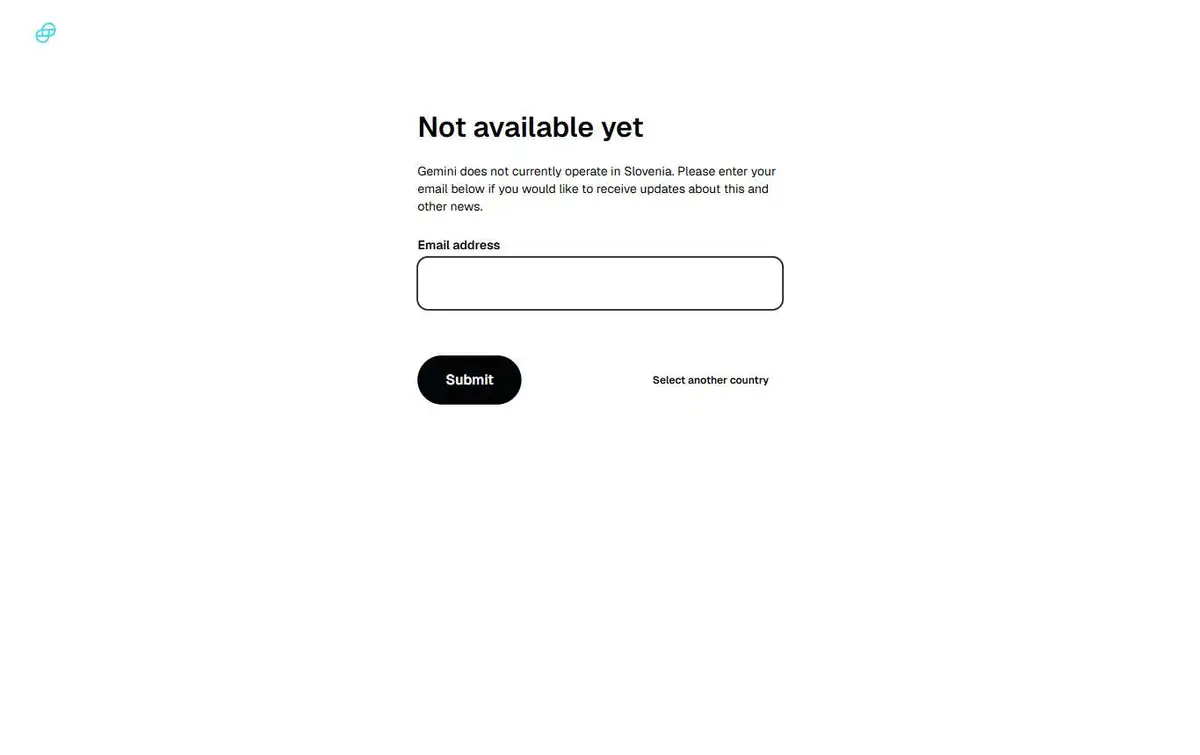
Blocked Gemini · Sign-up page
Slovenia: closed with the rest of the EEA in April 2026: the sign-up form is replaced by a location check
“Gemini does not currently operate in Slovenia.”
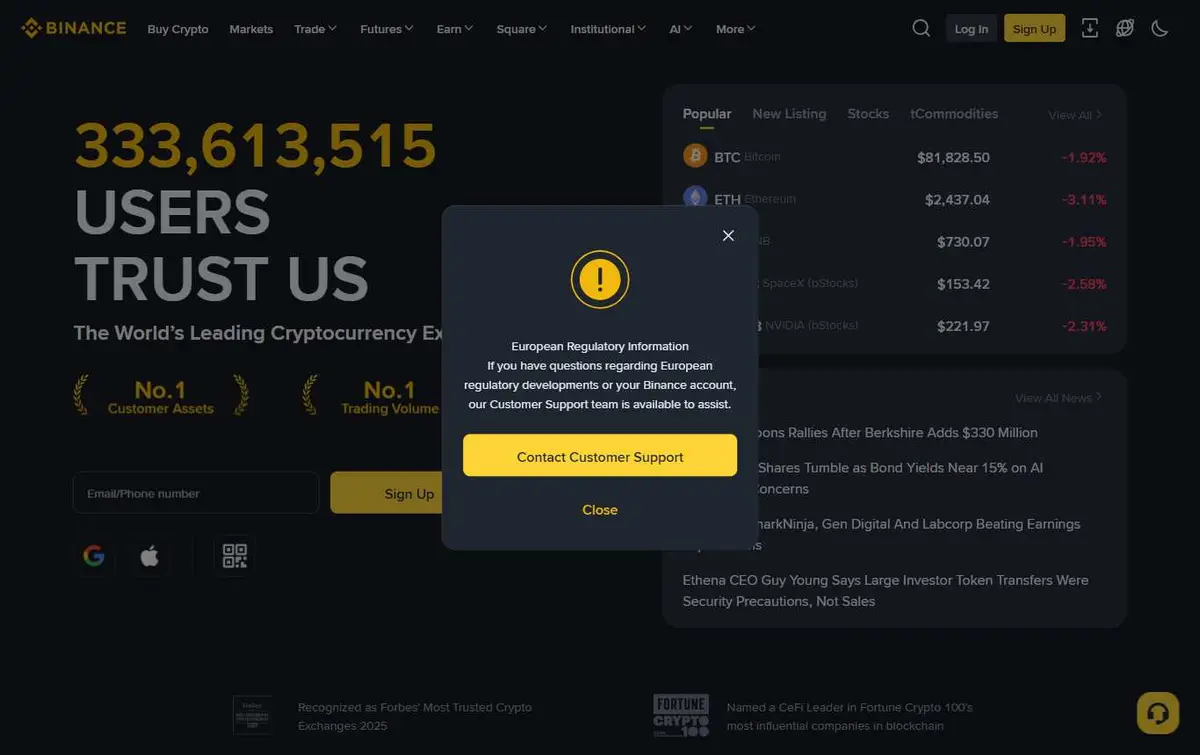
Notice shown Binance · Home page
Slovenia: the global site loads, with a European regulatory information link
“European Regulatory Information”
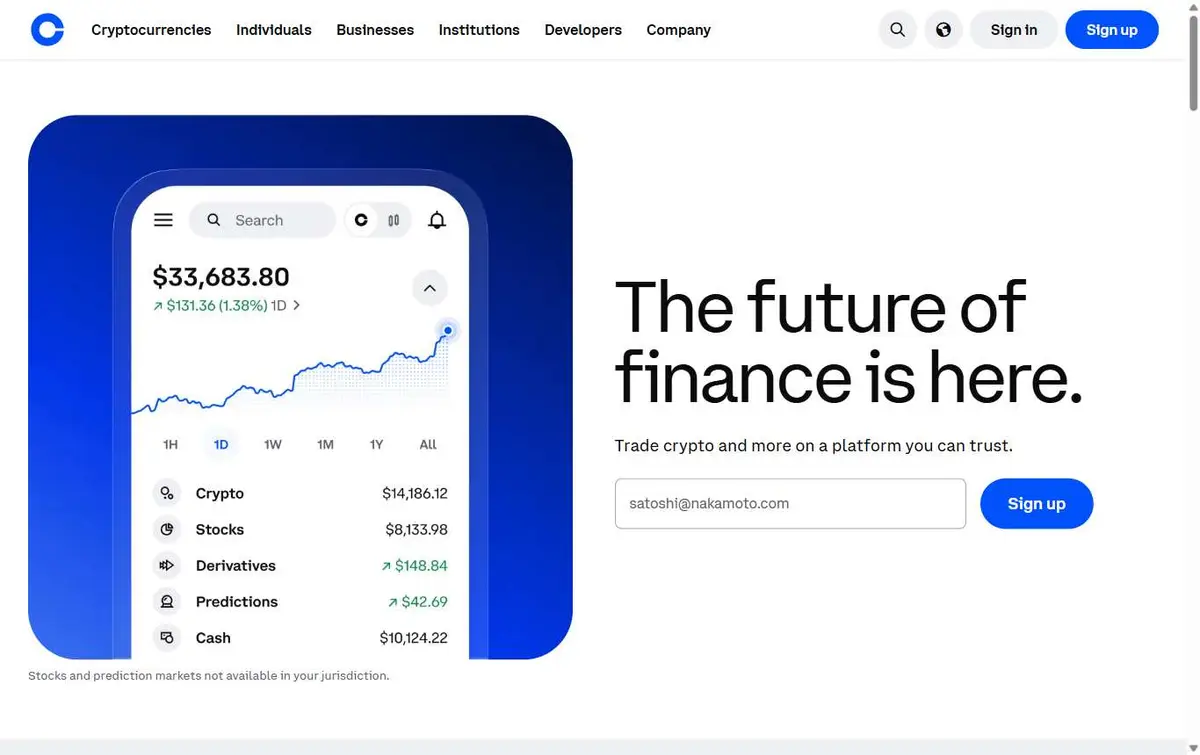
Notice shown Coinbase · Home page
Slovenia: the site loads, with a notice that stocks and prediction markets are not available
“Stocks and prediction markets not available in your jurisdiction.”
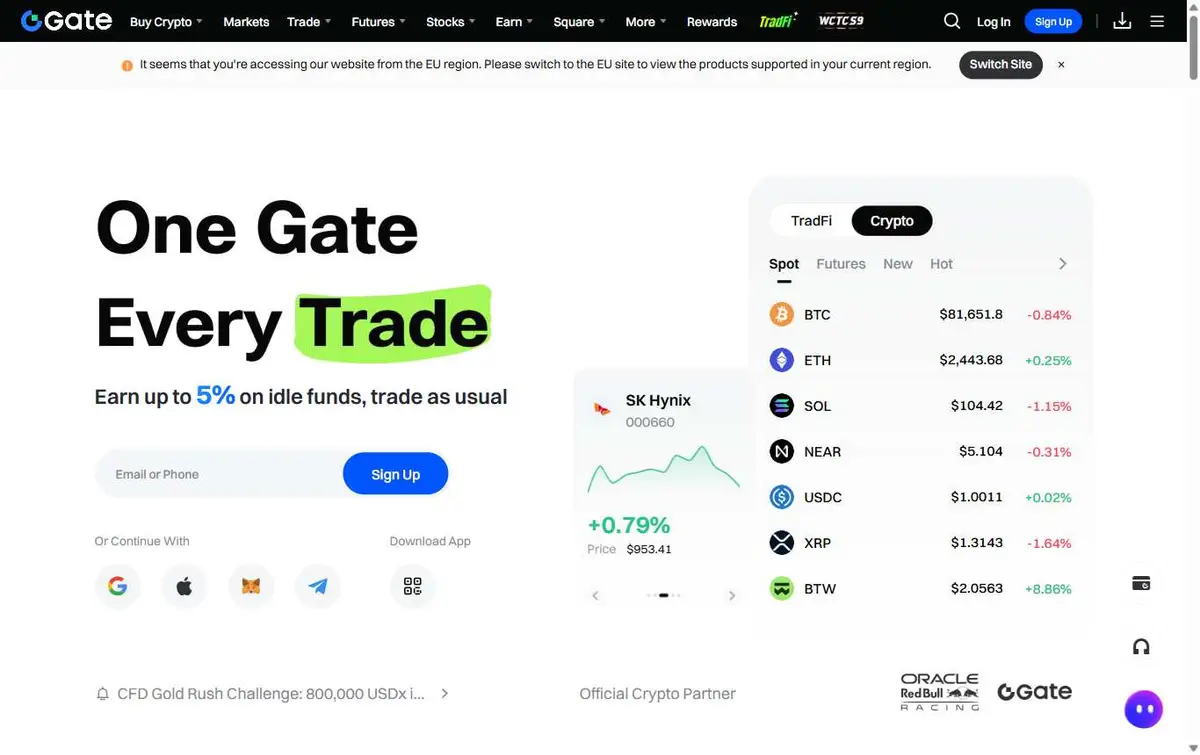
Notice shown Gate · Home page
Slovenia: Gate shows a notice that the visit comes from the EU region
“It seems that you're accessing our website from the EU region.”
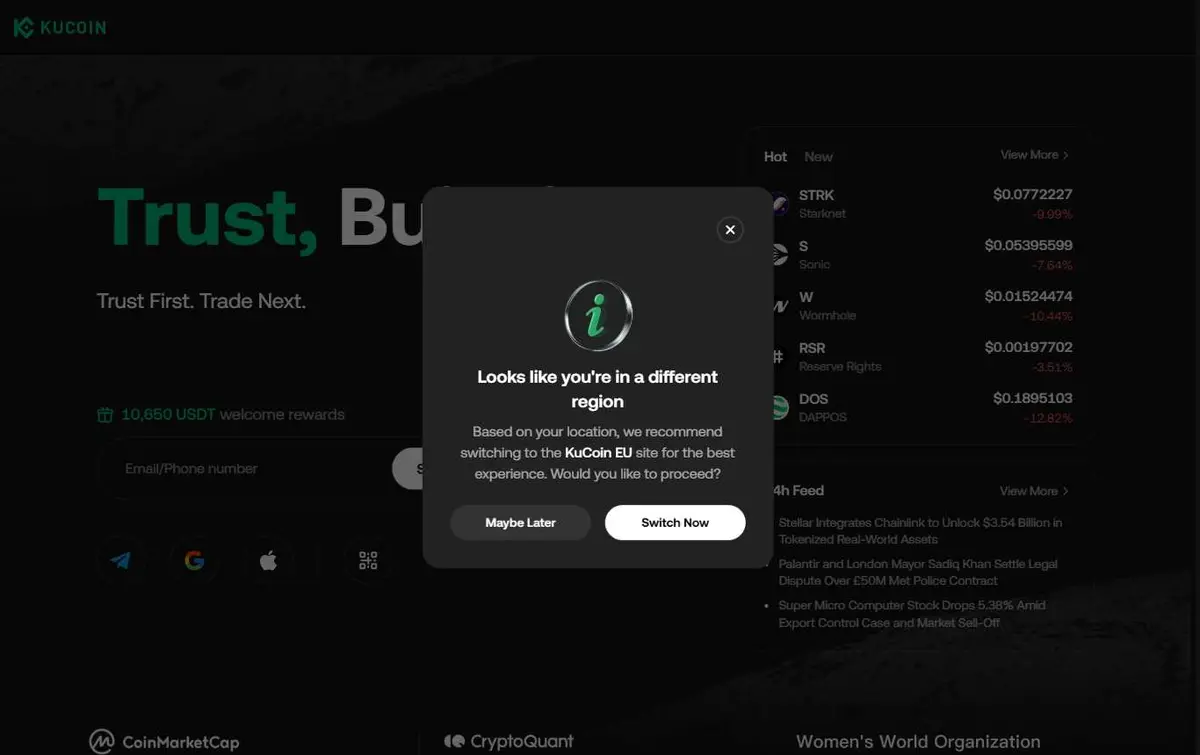
Notice shown KuCoin · Home page
Slovenia: KuCoin recommends its EU site
“Based on your location, we recommend switching to the KuCoin EU site for the best experience.”
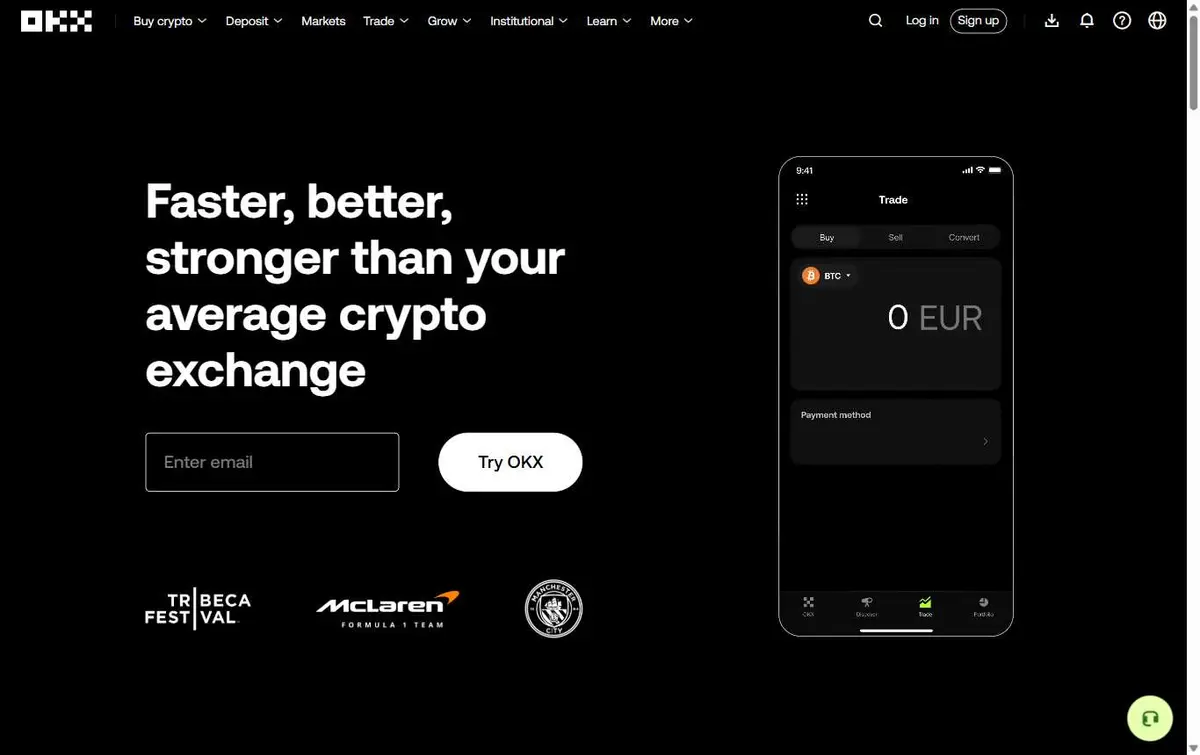
Notice shown OKX · Home page
Slovenia: okx.com points visitors to the OKX Europe site
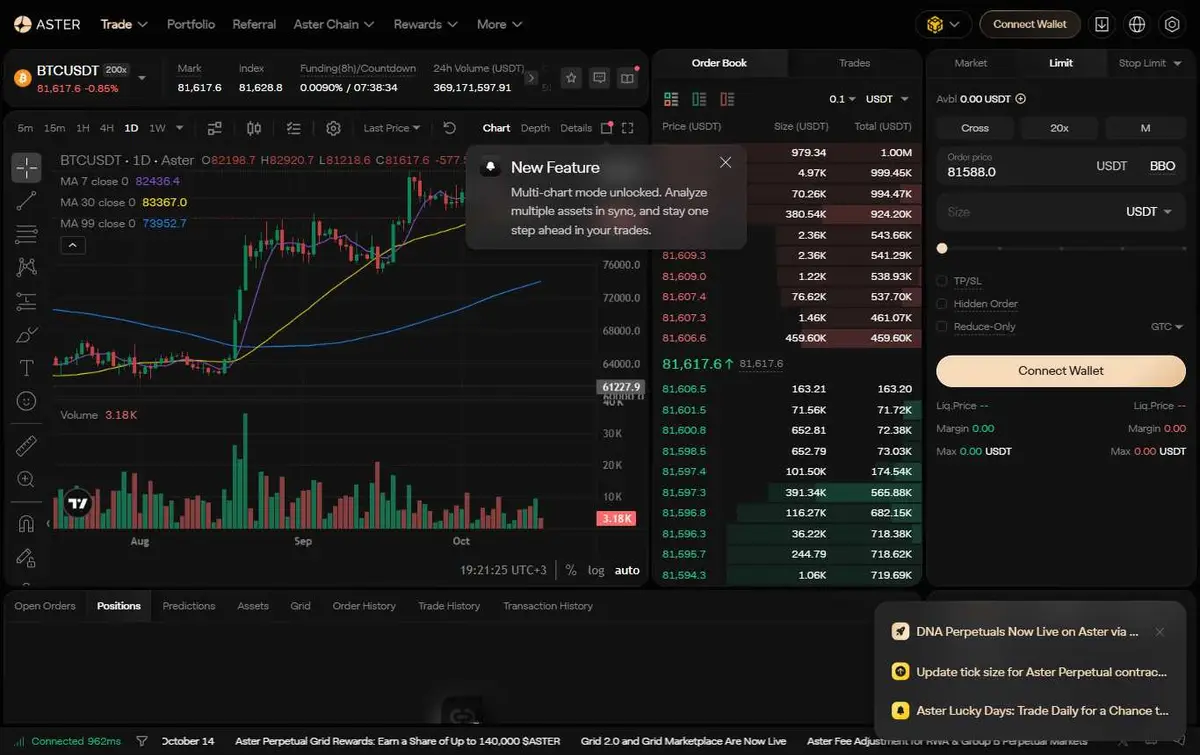
No barrier Aster · Trading app
Slovenia: the trading app loads with no notice
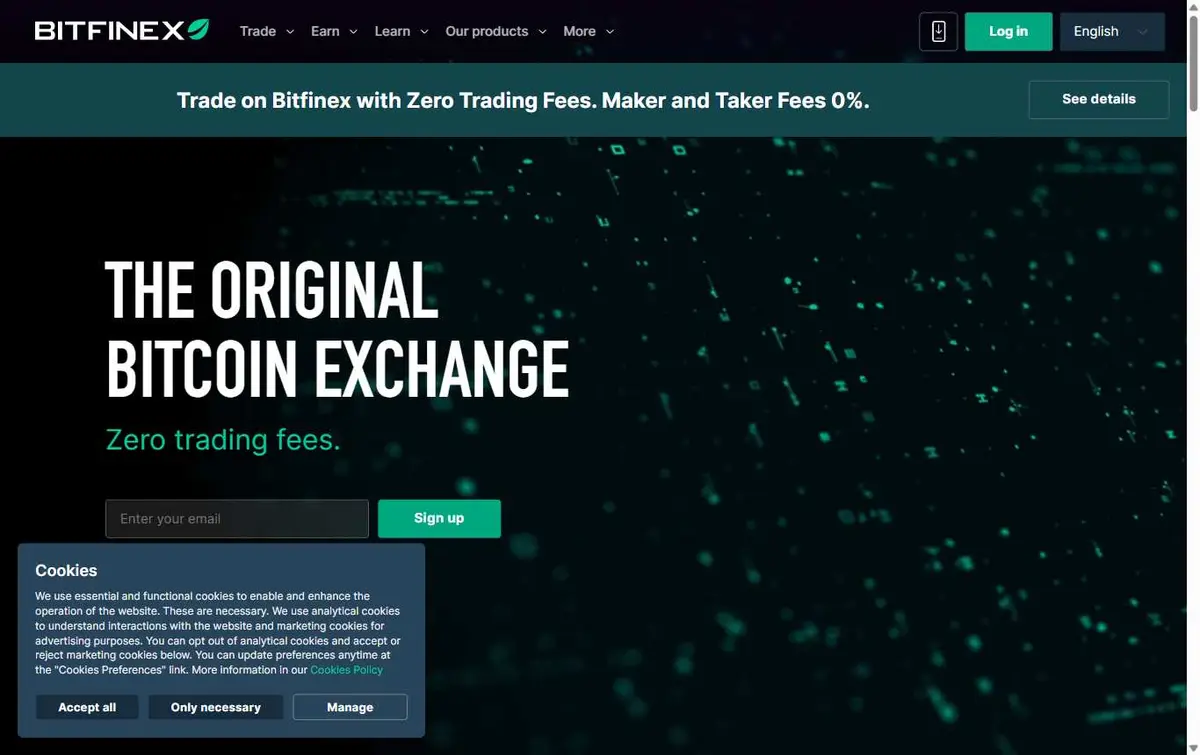
No barrier Bitfinex · Home page
Slovenia: the home page loads with no notice
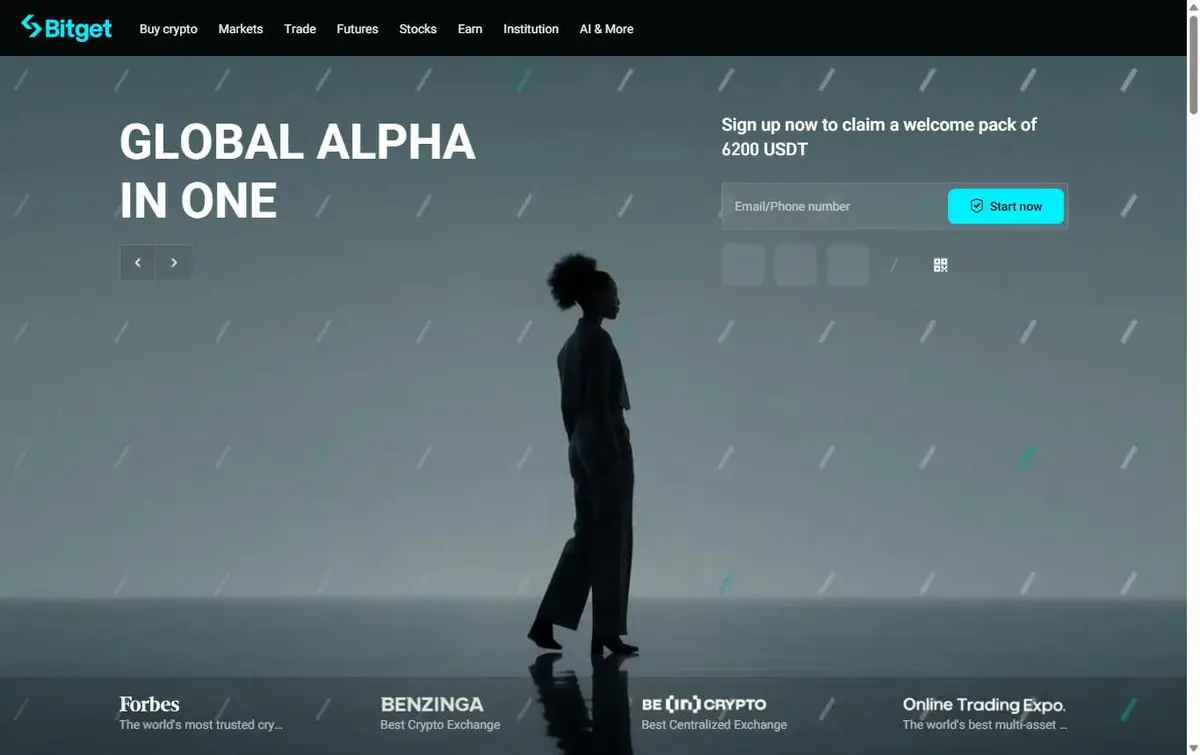
No barrier Bitget · Home page
Slovenia: the home page loads with no notice
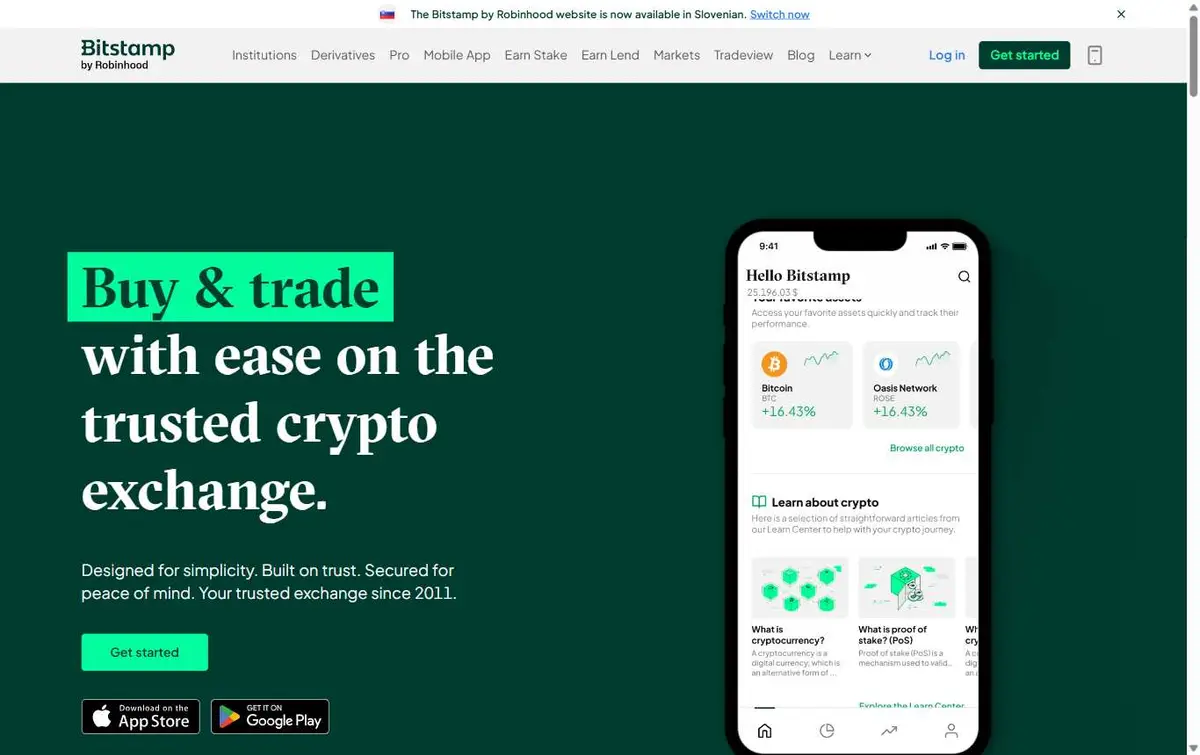
No barrier Bitstamp · Home page
Slovenia: the home page loads with no notice
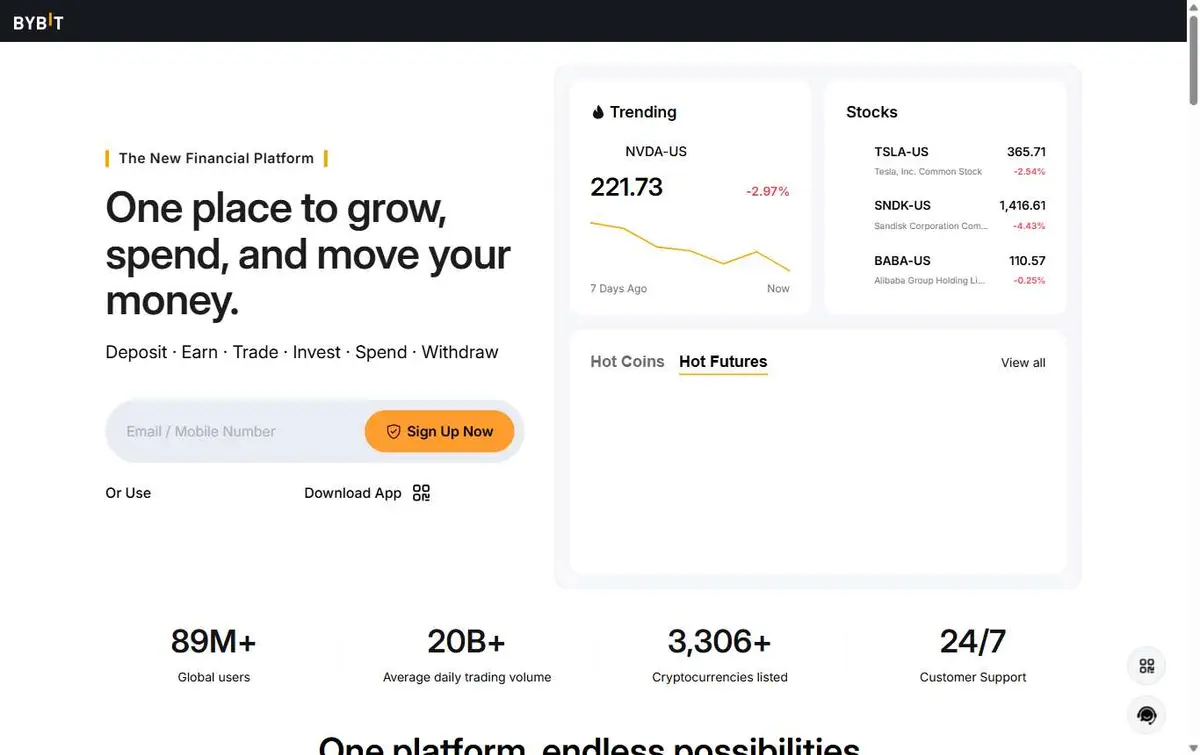
No barrier Bybit · Home page
Slovenia: the global site loads with no notice
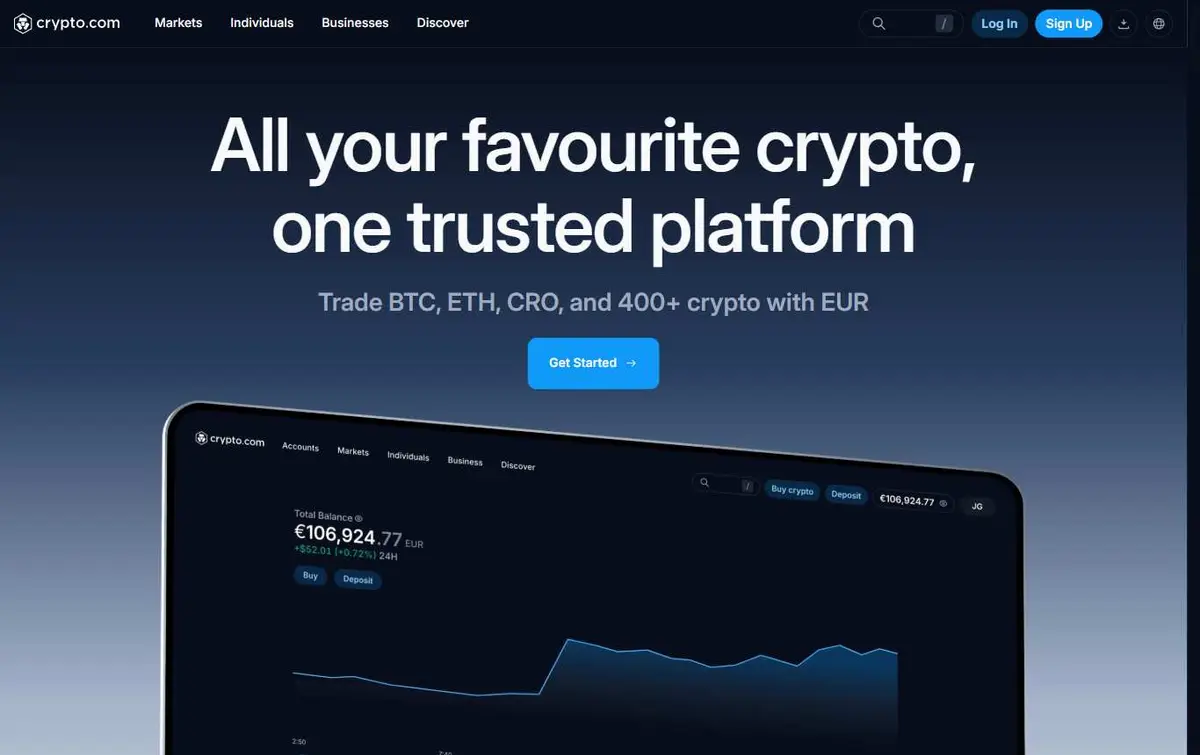
No barrier Crypto.com · Home page
Slovenia: the home page loads with no notice
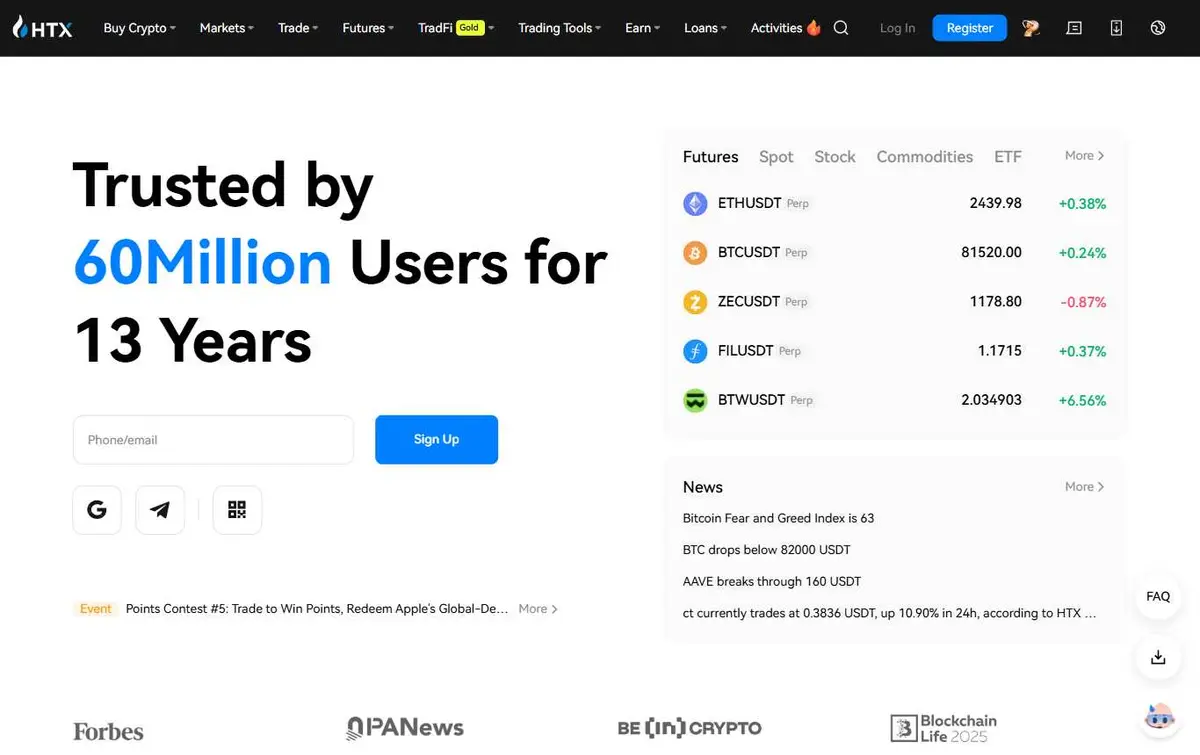
No barrier HTX · Home page
Slovenia: the home page loads with no notice
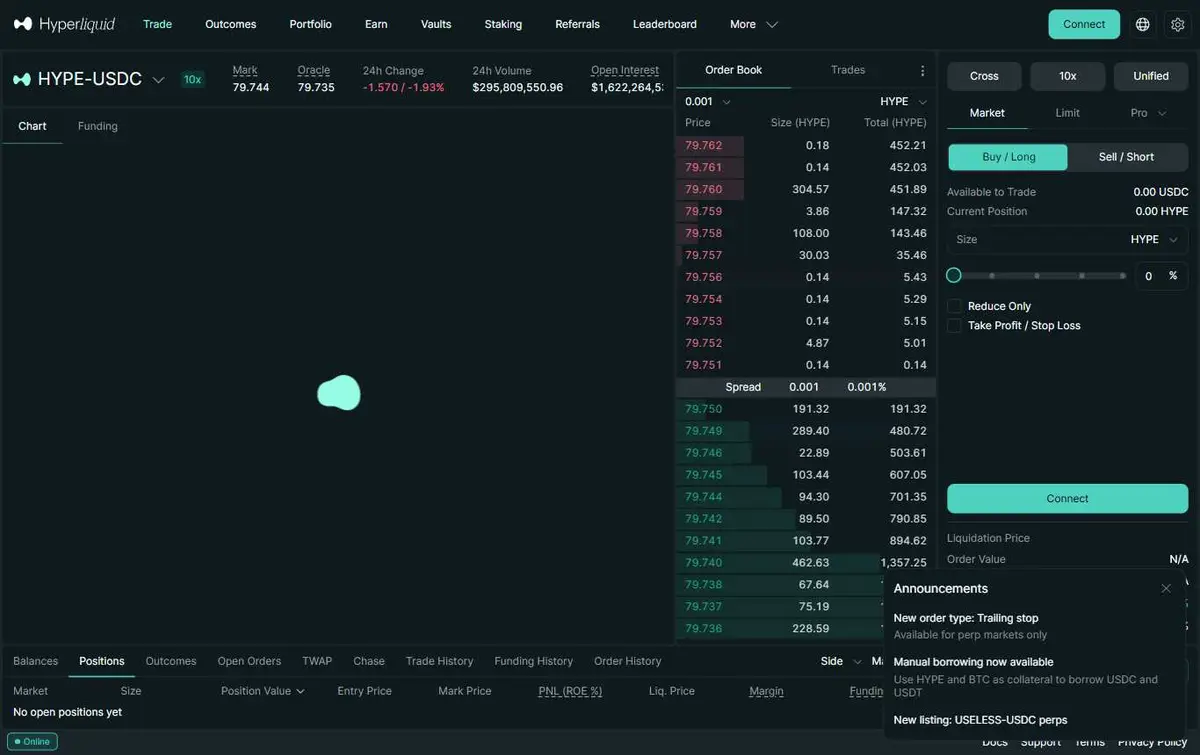
No barrierHyperliquid · Trading app
Slovenia: the trading app loads with no notice
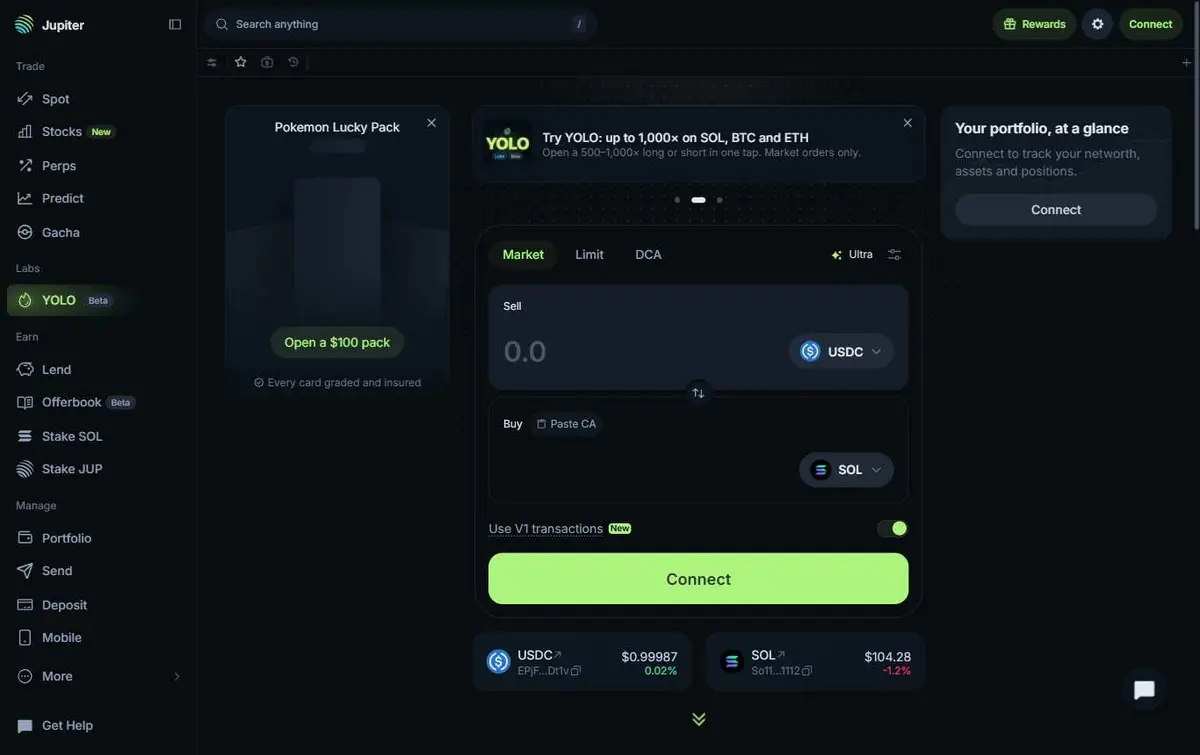
No barrier Jupiter · Trading app
Slovenia: the swap app loads with no notice
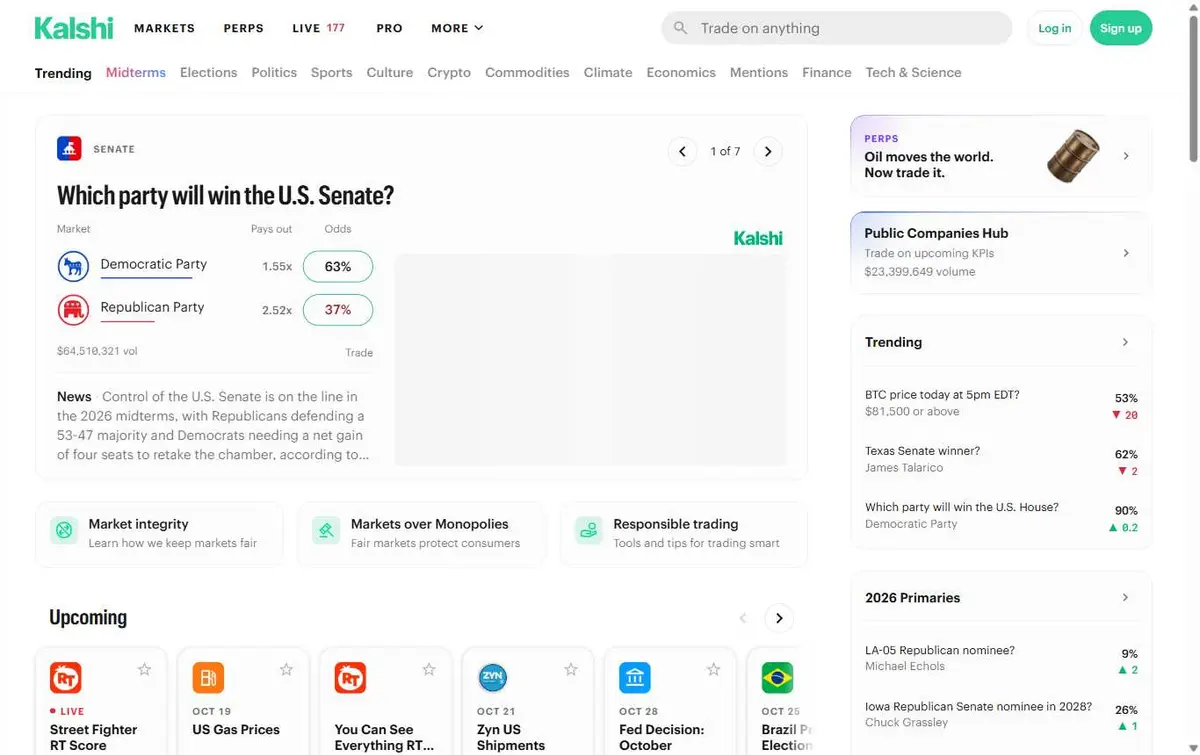
No barrier Kalshi · Home page
Slovenia: the home page loads with no notice
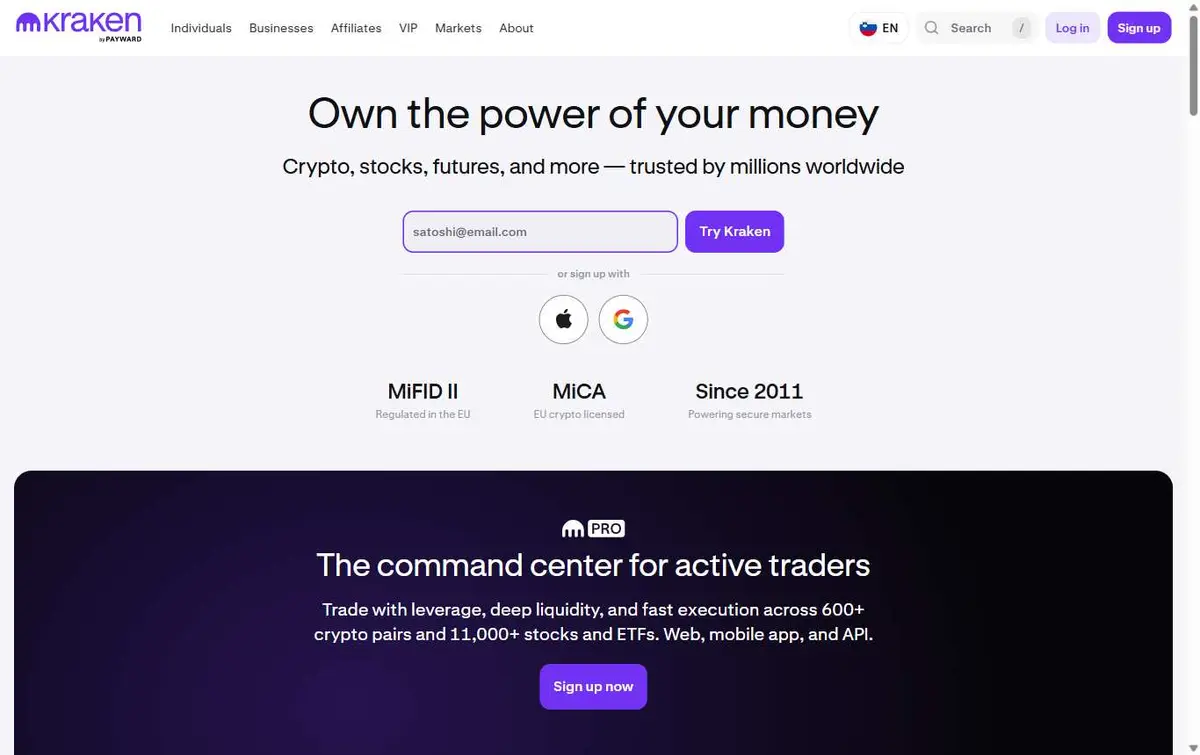
No barrier Kraken · Home page
Slovenia: the home page loads with no notice
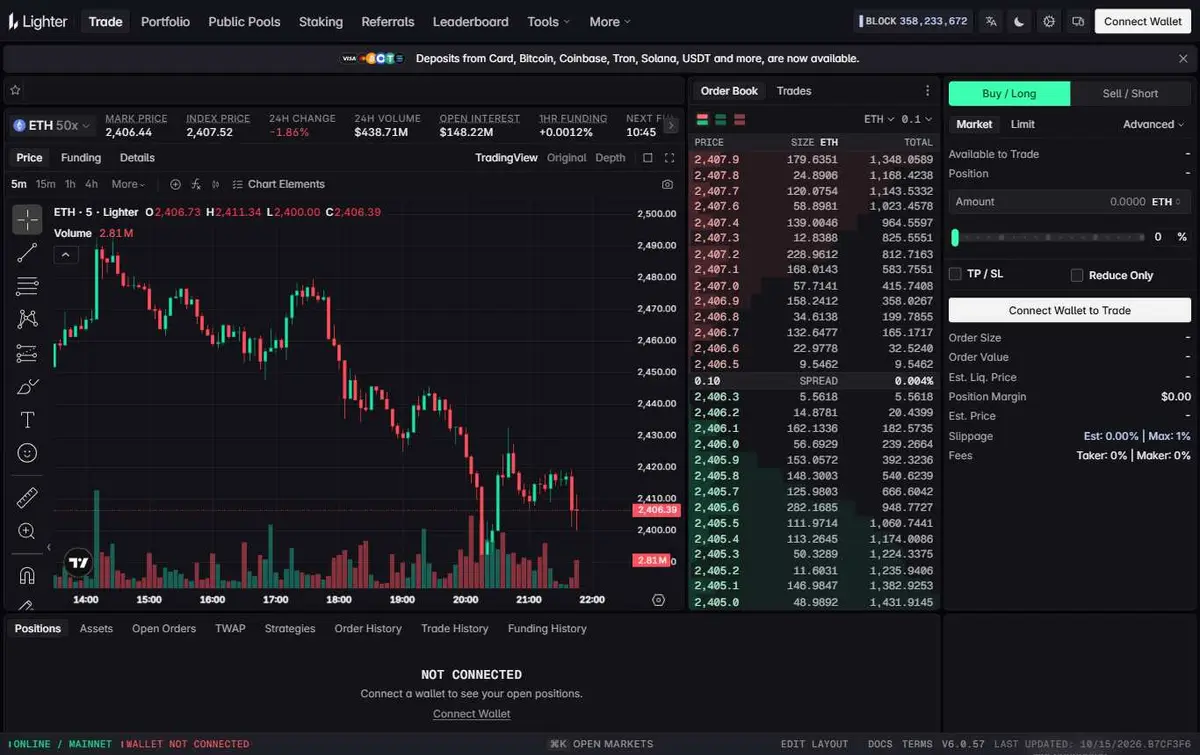
No barrier Lighter · Trading app
Slovenia: the trading app loads with no notice
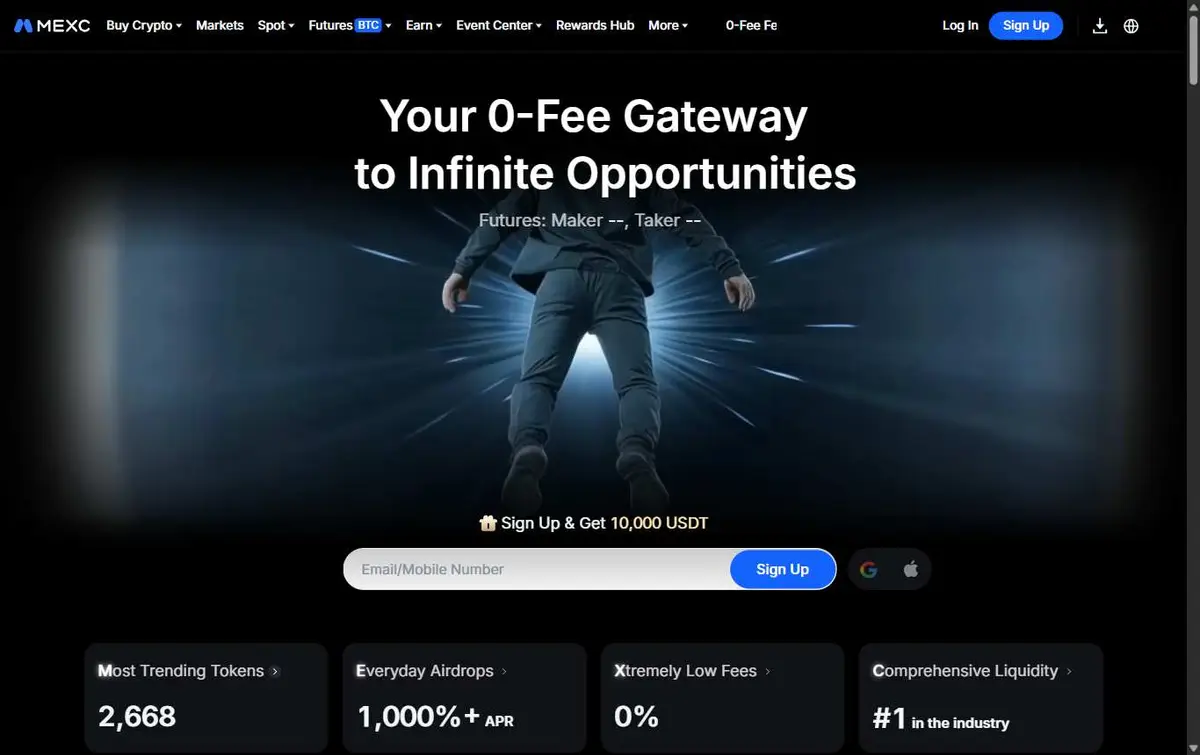
No barrier MEXC · Home page
Slovenia: the home page loads with no notice
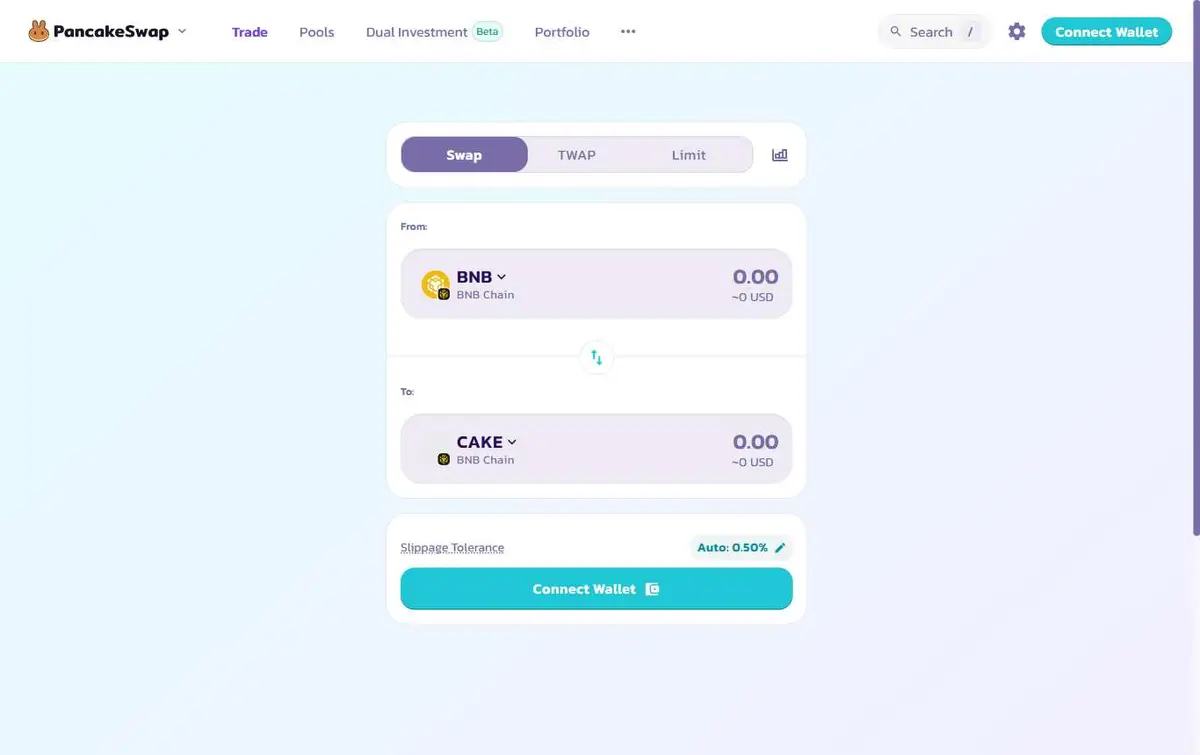
No barrier PancakeSwap · Trading app
Slovenia: the swap app loads with no notice
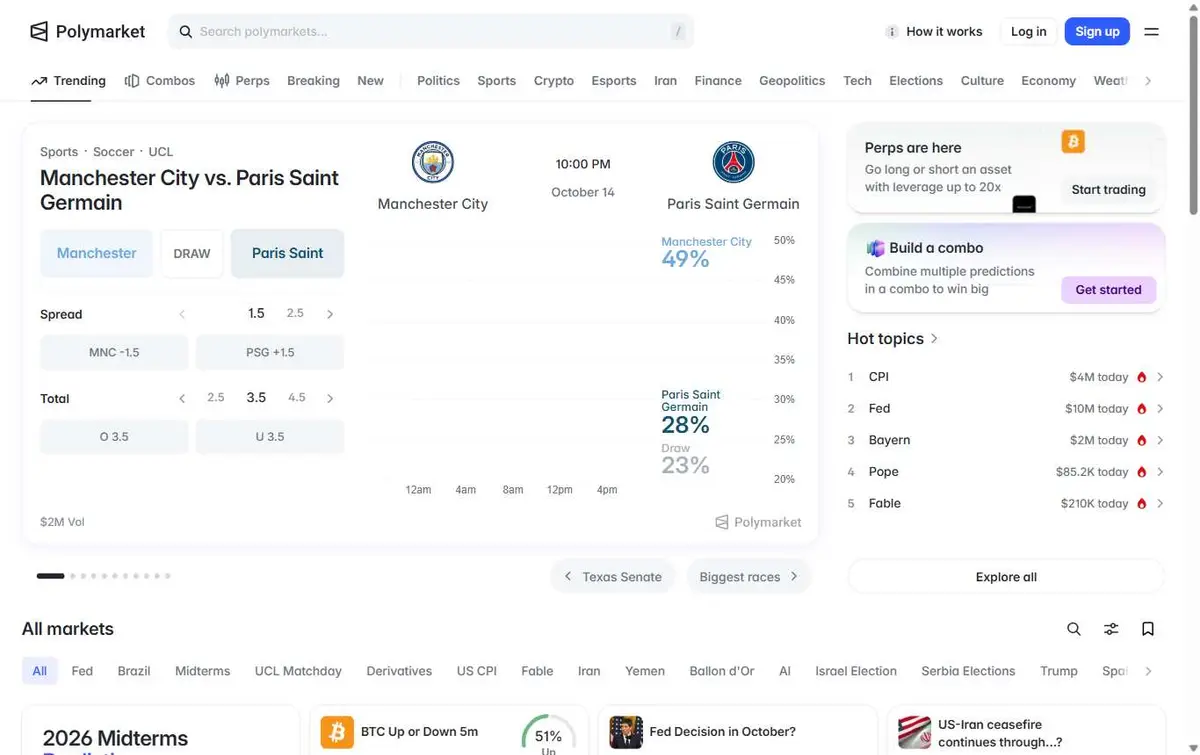
No barrier Polymarket · Home page
Slovenia: the home page loads with no notice, although the terms of use name Slovenia
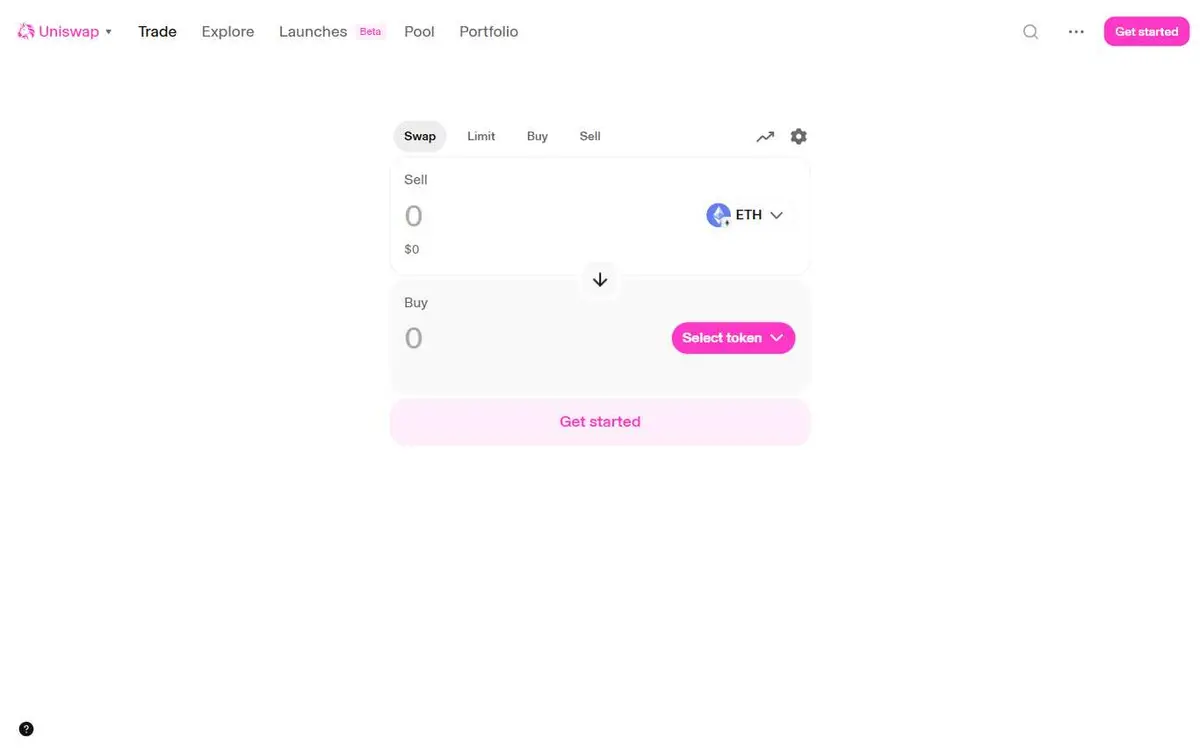
No barrier Uniswap · Trading app
Slovenia: the swap app loads with no notice
 CRYPTORESTRICTIONS
Who regulates crypto in Slovenia?
The Securities Market Agency authorises and supervises crypto firms and the Bank of Slovenia covers e-money token issuers. The Office for Money Laundering Prevention handles anti-money-laundering, and the Financial Administration handles tax, DAC8 reporting and illegal gambling.
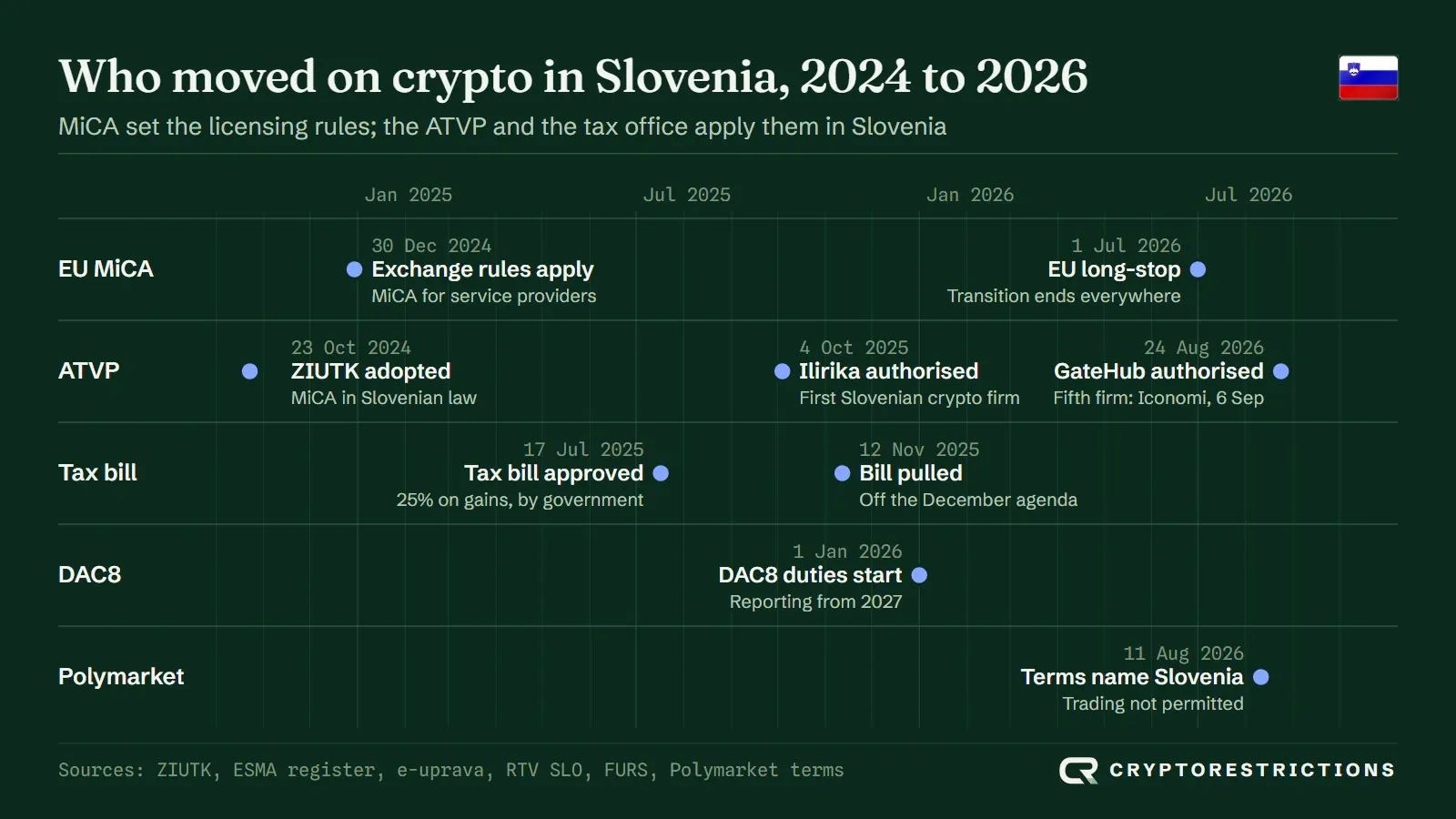
- Securities Market Agency (ATVP). The securities regulator is the competent authority under ZIUTK and authorised all five Slovenian firms on ESMA’s register. It also oversees the transfer-of-funds rules for crypto providers. Its website refused our connection on 19 October 2026, so its warnings list is not covered here.
- Bank of Slovenia. The central bank supervises issuers of e-money tokens and is the contact point for the European supervisory authorities. It co-signed the joint consumer warning on crypto-assets with the ATVP and the Ministry of Finance.
- Office for Money Laundering Prevention (UPPD). It kept the old register of virtual currency service providers and shares anti-money-laundering supervision with the regulators.
- Financial Administration (FURS). The tax authority is Slovenia’s competent authority for crypto-asset reporting, as covered in the tax section, and it inspects illegal gambling.
The ZIUTK has an amendment pending: the government’s list of proposals for the parliamentary session of 30 July to 30 September 2026 includes changes to its penalty provisions. We saw only the list entry, not the text.
Which crypto products are limited in Slovenia?
Spot trading is the open product. Bybit, Crypto.com and Gate offer no derivatives to Slovenian users, while Bitstamp serves derivatives through a trading facility licensed in Slovenia.
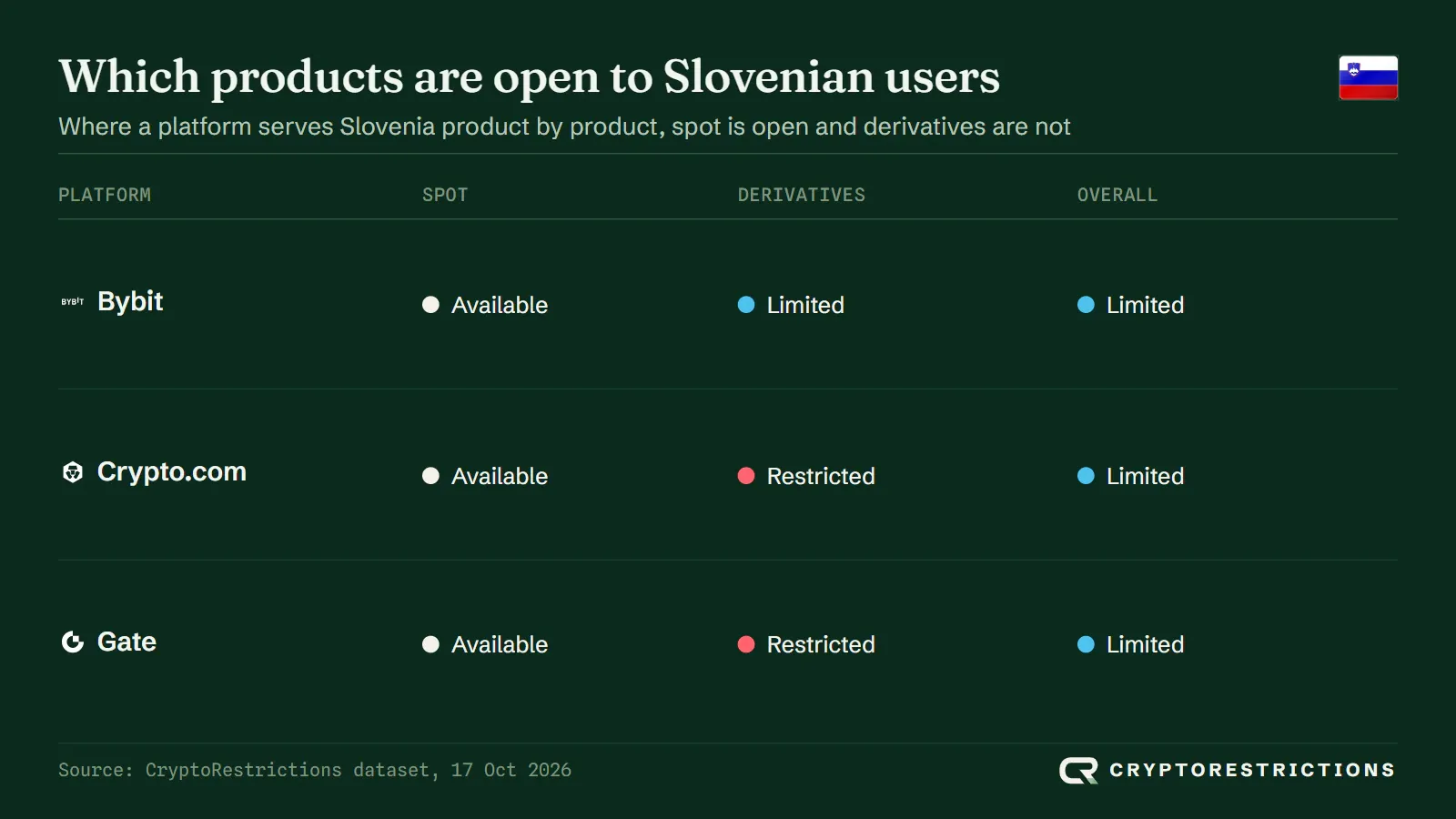
- Derivatives. Bybit EU offers none, and EEA access to Bybit Global, which does, is being wound down. Crypto.com lists derivatives on its geo-restrictions list. Gate EU offers none, and global Gate stopped taking EEA users in March 2025.
- Bitstamp perpetuals. Bitstamp Financial Services Ltd. holds a MiFID licence from the ATVP (24 October 2024) to run a multilateral trading facility for derivatives. On 9 April 2026 Bitstamp launched perpetual futures for EU retail and institutional traders through it, with leverage capped at 10x.
- Staking. ESMA’s Q&A 2067 says MiCA has no staking-specific rules; where a provider holds the assets or keys, staking counts as ancillary to custody and needs the custody authorisation, with the client’s explicit consent.
- Prediction trading. Coinbase’s page says prediction markets are not available in our test location.
Are prediction markets legal in Slovenia?
We could not confirm a Slovenian ruling either way. Gambling needs a Slovenian concession and the Financial Administration inspects illegal operators, but we found no decision naming Polymarket or Kalshi.
Gambling is governed by the Gambling Act (ZIS). GamblingNews reported on 4 March 2024, citing the Financial Administration, that it carried out 115 inspections in 2023 and sought court-ordered blocks of illegal operators. That is a trade report, not a primary source, and we found no Slovenian bill, ruling or statement on event contracts.
The restriction here comes from the platform. Polymarket’s terms of use, effective 11 August 2026, name Slovenia among the jurisdictions where trading is not permitted, so we record it as restricted at medium confidence even though its home page loaded from a Slovenian address. One affiliate site calls Slovenia a grey area and says Polymarket does not geoblock it; the terms rank above that.
In our data Kalshi is available at medium confidence: Slovenia is not on its list of restricted jurisdictions and its home page loaded. That is not permission under Slovenian law.
How is crypto taxed in Slovenia?
Slovenia has no tax on a private person’s crypto gains today. A bill for a flat 25% was approved by the government on 17 July 2025 but was pulled from the parliamentary agenda in November 2025, and exchange reporting under DAC8 starts in 2027.
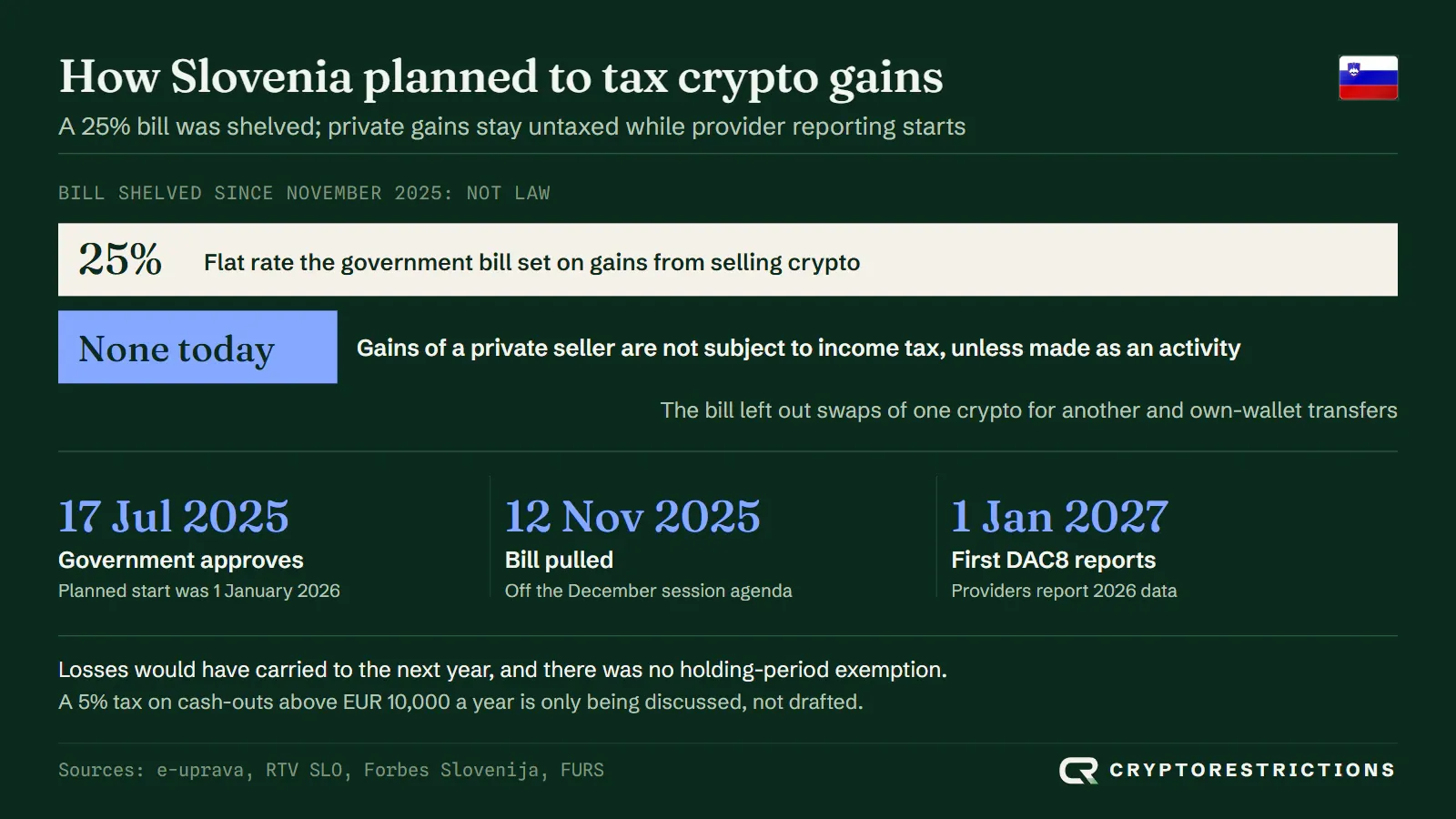
The Financial Administration’s page on trading in virtual currencies, updated 14 April 2025, says income tax is not paid on a private person’s gains from selling virtual currencies, provided the person does not make such income as part of an activity. Trading as an activity counts as income from activity, taxed on actual or normalised expenses with social contributions. The page does not address swaps of one crypto for another and sets no holding period.
The bill was a separate act, not an amendment of the income tax law. The government’s procedure record shows it approved on 17 July 2025 with a planned start of 1 January 2026. RTV Slovenija reported the terms the same day: a flat 25% on gains from selling crypto for money, for goods or by other transfer, no tax on swaps of one crypto for another or on moving coins between your own wallets, losses carried to the next year, and no credit for cost before 2026. On 12 November 2025 RTV Slovenija reported that the bill would stay off the December session at the request of the prime minister, so small investors’ crypto trading stays untaxed at least through 2026. We found no gazette entry for any crypto gains tax. Forbes Slovenija reported on 17 August 2026, citing unofficial information, that a different idea is being discussed: 5% on cash-outs above EUR 10,000 a year, possibly from 2027. It is not adopted, and we did not recheck the parliament’s records after that date.
Mining is taxed. The Financial Administration’s mining page says outside an activity it is other income, valued in euros at receipt, with advance tax at 25% of the base and no deduction for electricity or equipment.
Reporting is coming. Slovenia’s DAC8 page says crypto-asset operators register with the tax authority and carry out due diligence from 1 January 2026, and report data for calendar year 2026 from 1 January 2027. Firms with a MiCA authorisation register with the ATVP. The directive is the EU rule behind it.



 Serbia
 Turkey
 Switzerland
 Iceland
 Liechtenstein
 Norway
 Croatia
 Estonia
 Finland
 Greece
 Latvia